

Conjugate Off-Season Training for Rugby
The off-season is where rugby players earn the right to perform during the season. It is the only period where strength, power, muscle mass, work capacity, and resilience can all be aggressively developed without the constraints of weekly competition.
The challenge is to develop strength, power, muscle mass, work capacity, and resilience simultaneously while ensuring every session translates into performance on the field.
That is why I have relied on the Conjugate Method throughout my coaching career. The goal is not to become better at training. The goal is to become better at rugby.
The weight room should produce better rugby players, not better weightlifters.
Every lift, jump, throw, carry, and circuit must serve the game.
Why Conjugate Fits Rugby
Rugby players cannot afford to chase one quality while the others fall apart.
Unlike powerlifters, rugby players cannot afford to spend months chasing a single physical quality while letting others decline. They need to become stronger without losing speed, build muscle without sacrificing athleticism, and improve conditioning without compromising recovery.
The Conjugate system solves this problem by developing multiple qualities every week through three complementary training methods:
Mechanical Strength
Max Effort
Develops absolute strength through heavy lifts performed over three-week waves: 5RM, 3RM, and 1RM.
Neural Power
Dynamic Effort
Improves the rate of force development using a varied combination of loads lifted with maximal intent.
Mechanical Size
Repeated Effort
Builds muscle mass, addresses weak links, and improves structural durability through intelligent accessory work.
Rather than constantly changing the program, only the primary exercises rotate every three weeks. The training methods remain constant while new movement patterns provide fresh stimuli, reduce overuse, and prevent accommodation.
Building Complete Rugby Athletes
Every exercise must have a purpose.
For rugby, that means developing the qualities that consistently influence performance:
- Absolute strength for collisions, scrummaging, and tackling.
- Explosive power for acceleration and line breaks.
- Hypertrophy to increase robustness and lean body mass.
- Posterior chain strength for sprinting and injury prevention.
- Single-leg stability and trunk strength for efficient force transfer.
- Grip and neck strength for the demands of contact.
Three Training Menus
Choose the emphasis based on the needs of the athlete or squad.

One of the strengths of the system is its flexibility. Depending on the needs of the athlete or squad, I generally organize the off-season around one of three primary training menus.
Mechanical Menu
The Mechanical menu prioritizes maximal strength and hypertrophy through lower-body, upper-body, and full-body sessions. This is ideal when increasing force production and lean muscle mass are the primary objectives.
| Mechanical + CARE Session | Training Emphasis |
|---|---|
| Full Body | Squat, hinge, two upper-body push movements, and two upper-body pull movements: one bilateral and one unilateral. |
| Lower Body | Vertical squat, horizontal squat or Prowler, hamstring-specific work, plus unilateral squat superset with hinge. |
| Upper Body | 3D multi-planar push superset with pull: horizontal, diagonal, and vertical push/pull options. |
Neural Menu

The Neural menu combines explosive power training with heavy strength work. Olympic lift derivatives, jumps, and medicine ball throws are paired with maximal strength exercises to improve the ability to express force rapidly.
Strength is your horsepower. Power is how quickly you can use it.
Here are two of my most productive training menus for both horizontal and vertical planes, utilizing a Neural Contrast Complex and elements of Louie Simmons’ accommodating resistance formulas. I use a three-week loading cycle with this method: 4 x 6, 4 x 4, and finally 4 x 2.
As the player progresses through the weeks, the plyometric or medicine-ball component increases in complexity while the number of reps decreases. This follows the lines of Verkhoshansky’s preparatory, developmental, and shock-loading weeks.
| Block | Exercise 1 | Exercise 2 | Exercise 3 | Exercise 4 |
|---|---|---|---|---|
| Vertical Neural Contrast | 1a: Zercher Squat | 1b: Knees to Feet Jumps | 1c: Banded Box Squat | 1d: Tuck Jumps |
|
Speed Strength 25% / 50% |
1b: Hurdle Jump to Box | 1d: Borzov Hops or Split Landing Box Jump | ||
|
Strength Speed 60% / 25% |
1b: Depth into Hurdle Jump | 1d: Box Hops | ||
|
Accelerative Strength 50% / 50% |
1a: Prowler Push | 1b: Repeat Broad Jumps | 1c: Split Power Snatch | 1d: MB Forward Throw |
| Horizontal Option | 1a: Deadlift | 1b: Knees to Feet Jumps to Broad Jump or Depth Jump to Broad Jump |
1c: Jump Split Squats | 1d: Hops for Distance or Knees to Feet to Hurdle Jump |
Each of the above sessions is followed by unilateral movements for both squat and hinge, either as a superset with a plyometric or medicine ball movement, or as straight sets with a mechanical emphasis on size and strength.
| Follow-Up Option | Movement Pairing |
|---|---|
| Option 1 | 2a: Landmine Romanian Deadlift 2b: Underhand Med Ball Throw |
| Option 2 | 2a: Landmine Romanian Deadlift 2b: Borzov Hops |
Neural + CARE
- Lower Body Neural Complex + unilateral hinge superset with squat + lower-body armor plating (optional).
- Full Body Traditional Contrasts: explosive pull, push, and squat supersetted with plyometric or medicine ball movement + unilateral hinge superset squat + lower/upper-body armor plating, optional.
- Full Body Explosive Pull, Push, and Squat straight sets + unilateral hinge superset squat + lower/upper-body armor plating, optional.
Armour Plating Options

Armor plating is the structural support work that fills the gaps. It is not fluff. It is the extra layer that keeps rugby players durable enough to repeatedly express strength, speed, and power.
Metabolic Menu
When improving repeat-effort ability is the priority, I favor integrated metabolic circuits over separating conditioning from the strength program. Large compound movement complexes, followed by loaded carries, rowing, Assault Bike intervals, Ski Erg work, or wrestling circuits, challenge the entire athlete while maintaining a strength emphasis.
Some of my favorite circuits include Beastly, Canterbury, Unilateral, and Zercher complexes. Each combines multiple compound lifts before immediately transitioning into demanding conditioning tasks. The result is players who can repeatedly express strength and power for 80 minutes rather than simply surviving conditioning sessions.
| Complex | Structure | Finish |
|---|---|---|
| Beastly x 6 | 6 reps each: deadlift, power clean from hang, front squat or lunge, push press or split jerk, bent-over row, Romanian deadlift. | Loaded carry, wrestle, run, 750m row, 2km Watt bike, Assault Bike, or 250m Ski Erg. |
| Canterbury x 5 | 10 reps each: loaded carry or 500m row, DB hang power clean, Hindu push-ups, KB gorilla or renegade row, KB swing. | Repeat as a conditioning-focused strength circuit. |
| Unilateral x 4 | 4s or 8s each: RDL, hang power clean, front-racked Bulgarian split squat, push press. | Maintain quality under fatigue while challenging unilateral control. |
| Zercher Beastly x 6 | 6 reps each: floor pick to step-up, forward lunge, squat, reverse lunge, good morning, lateral lunge. | 30m Zercher loaded carry. |
Hybrids
Most players are not purely one classification. They are hybrids, and their training reflects this. A true conjugate system concurrently trains elements of Neural, Mechanical, and Metabolic programming.
Hybrid 01
Neuro / Metabolic
Neural option + circuit.
Hybrid 02
Neuro / Mechanical
Neural option + mechanical strength or hypertrophy work.
Hybrid 03
Mechano / Metabolic
Mechanical strength session + circuit.
Recommended Equipment from EliteFTS
Tools that fit the intent: strength, speed, repeat-effort conditioning, posterior-chain resilience, and contact-ready durability.
Prowler® 2
For horizontal force production, heavy sled pushes, sprint pushes, GPP, and repeat-effort conditioning.
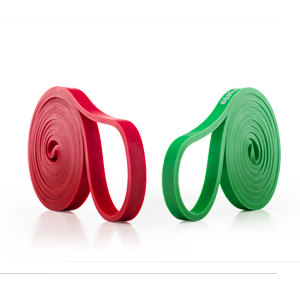
Shop ProwlerPro Resistance Band Pack
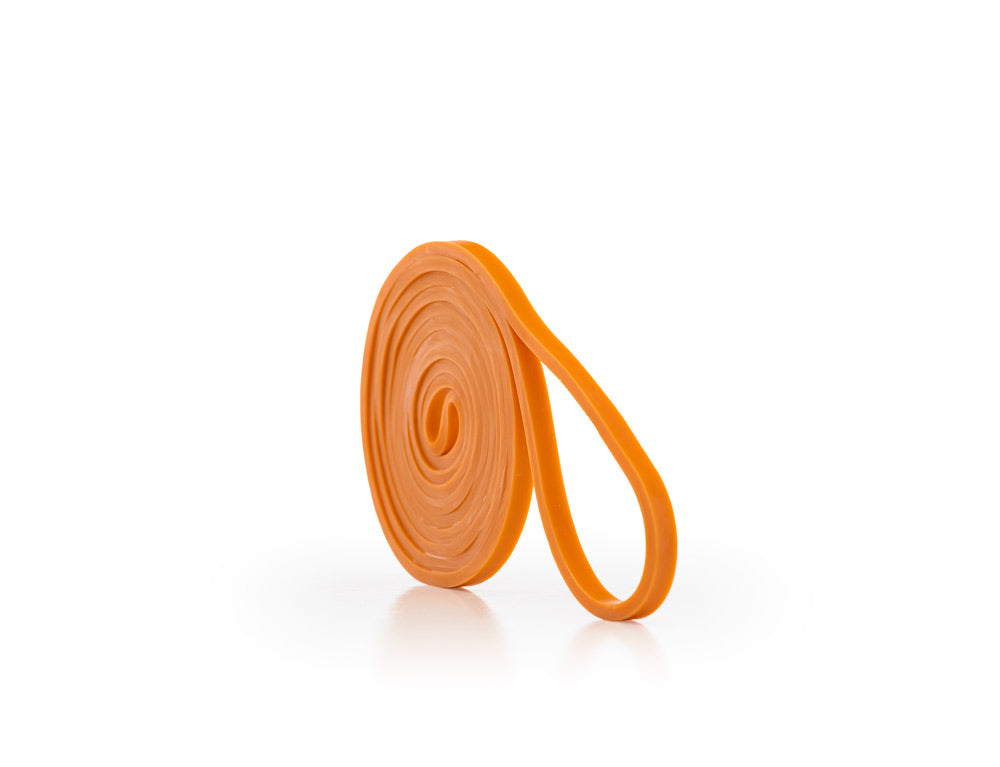
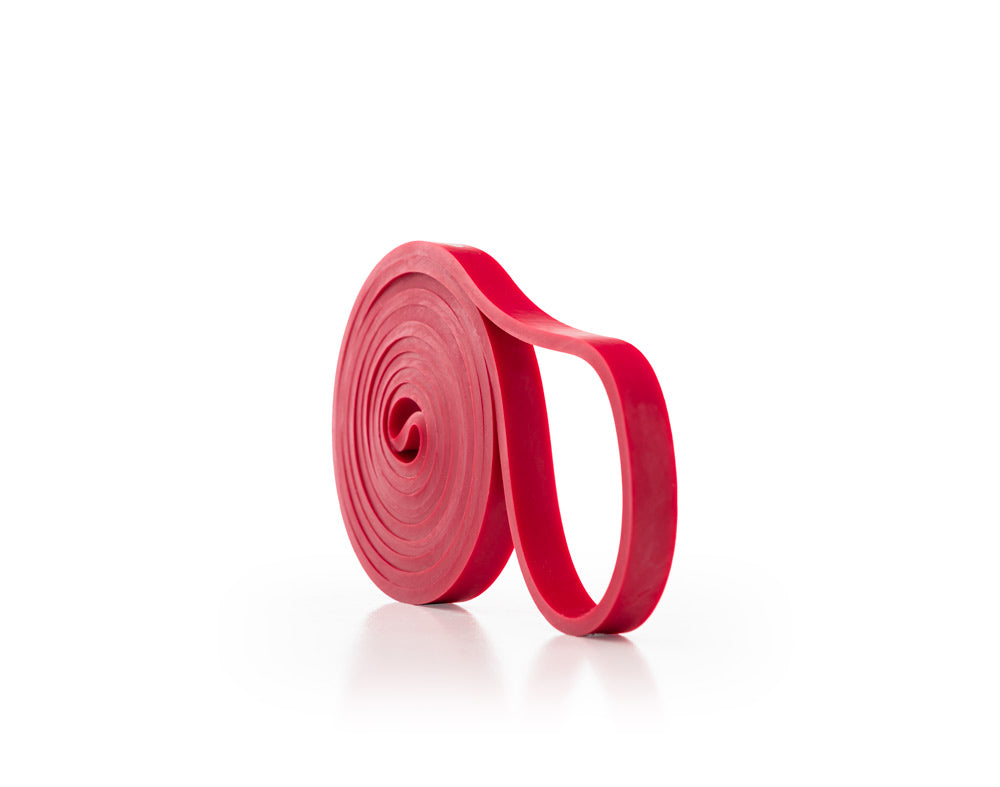
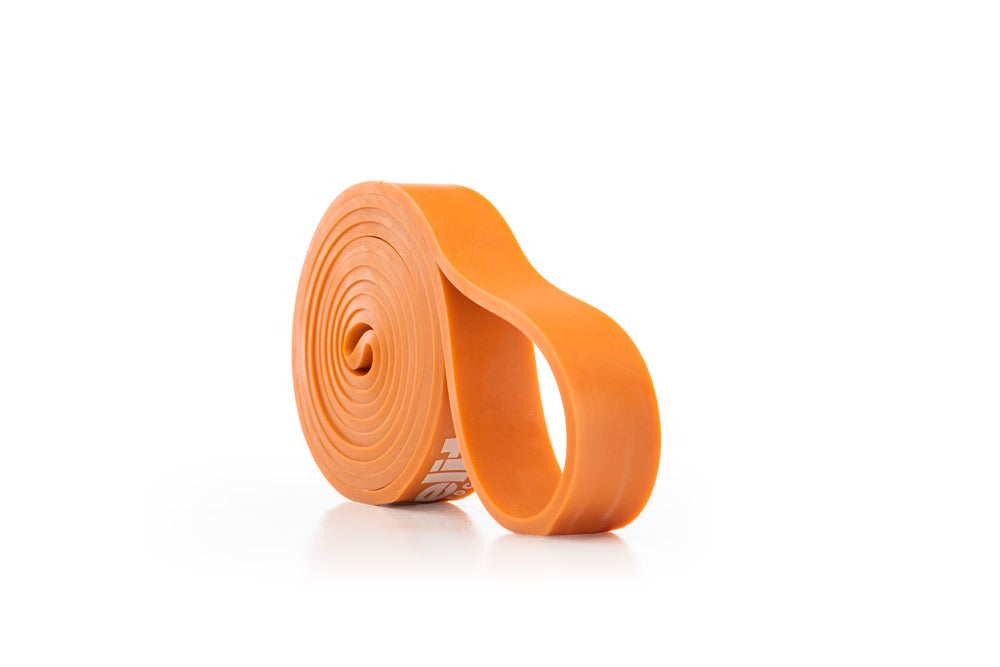
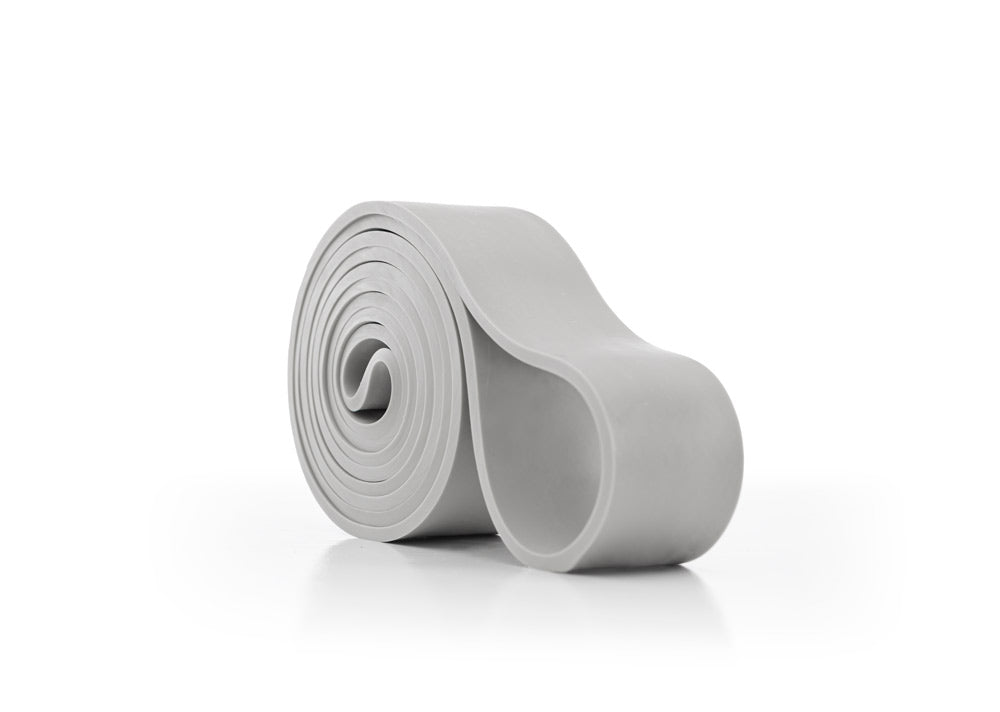
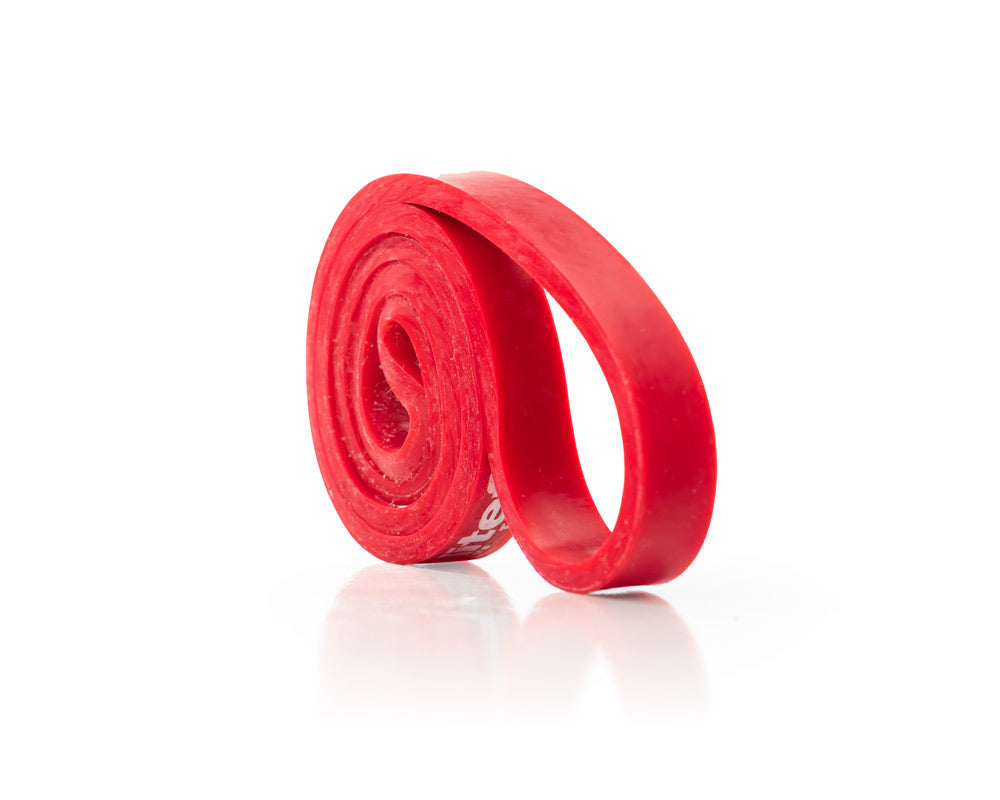
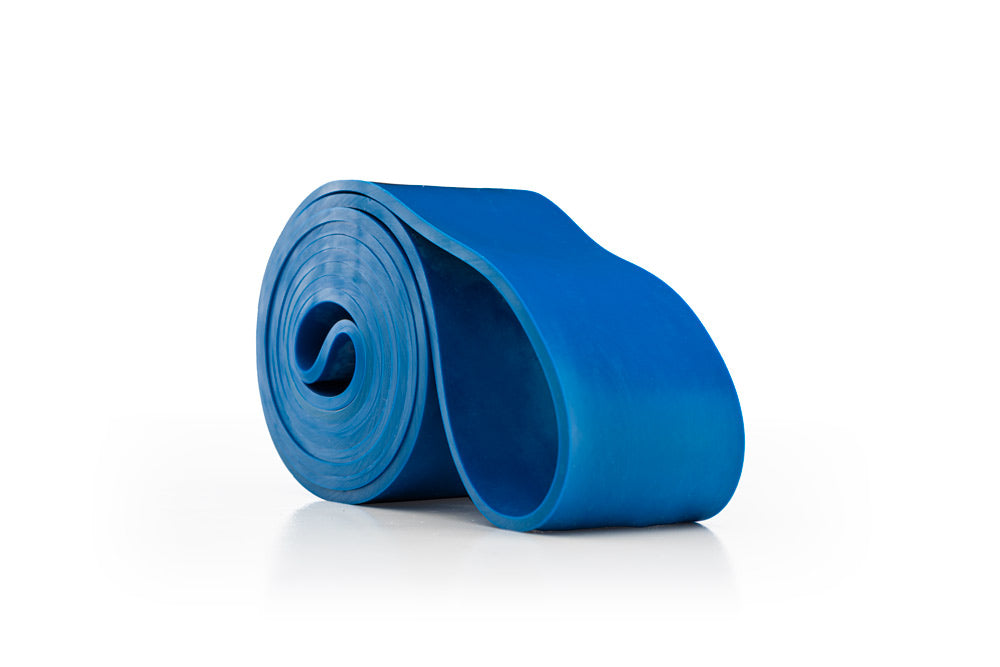
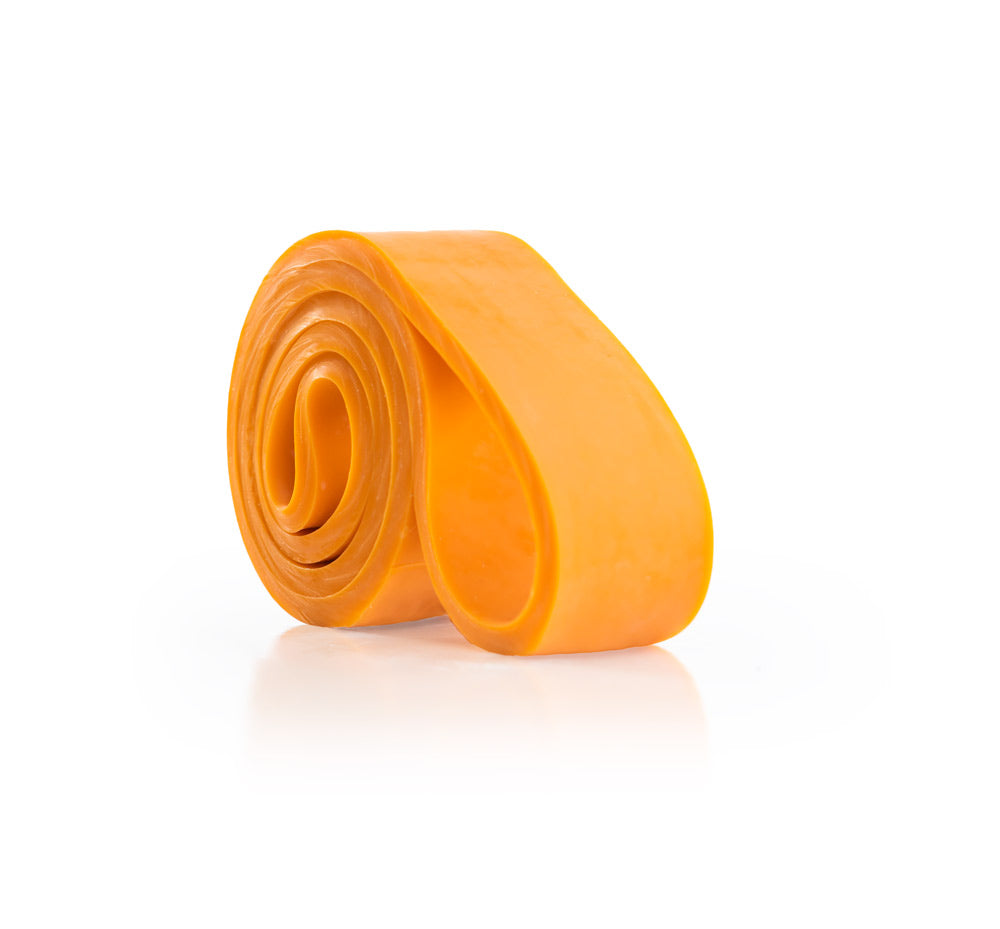
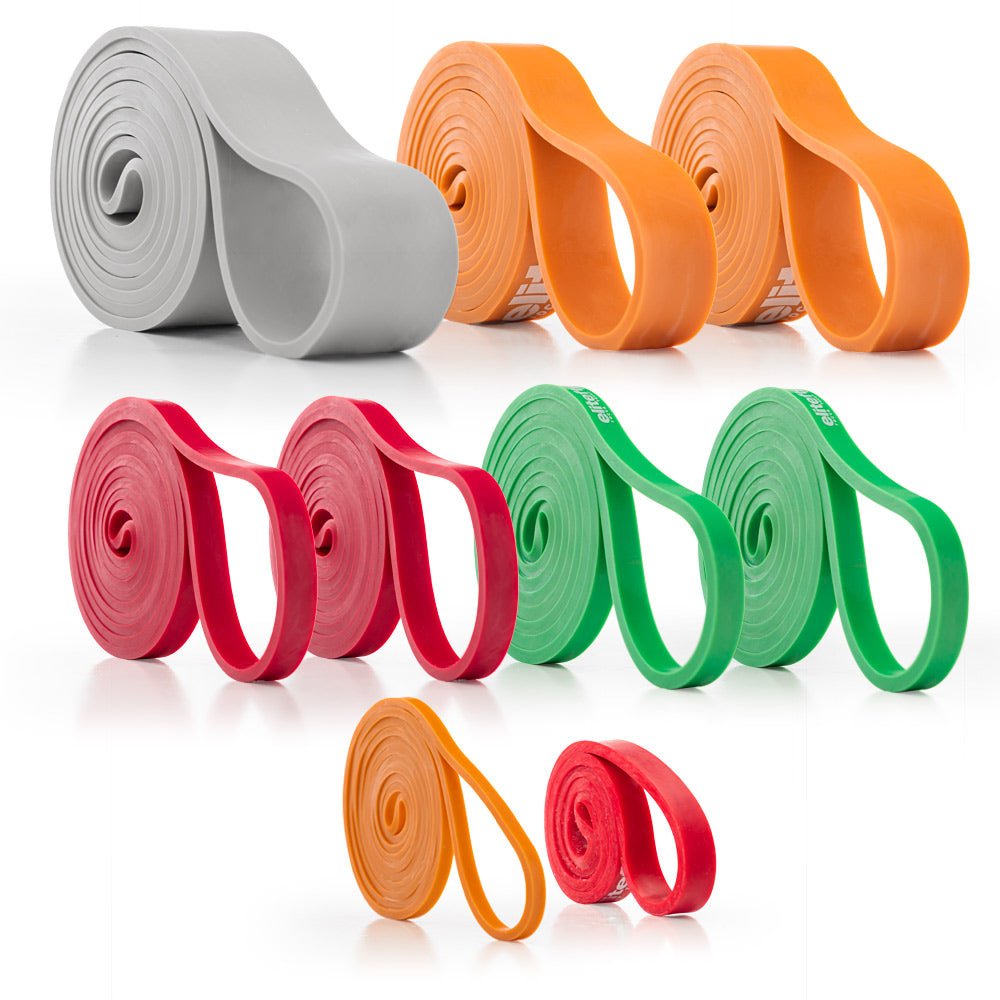
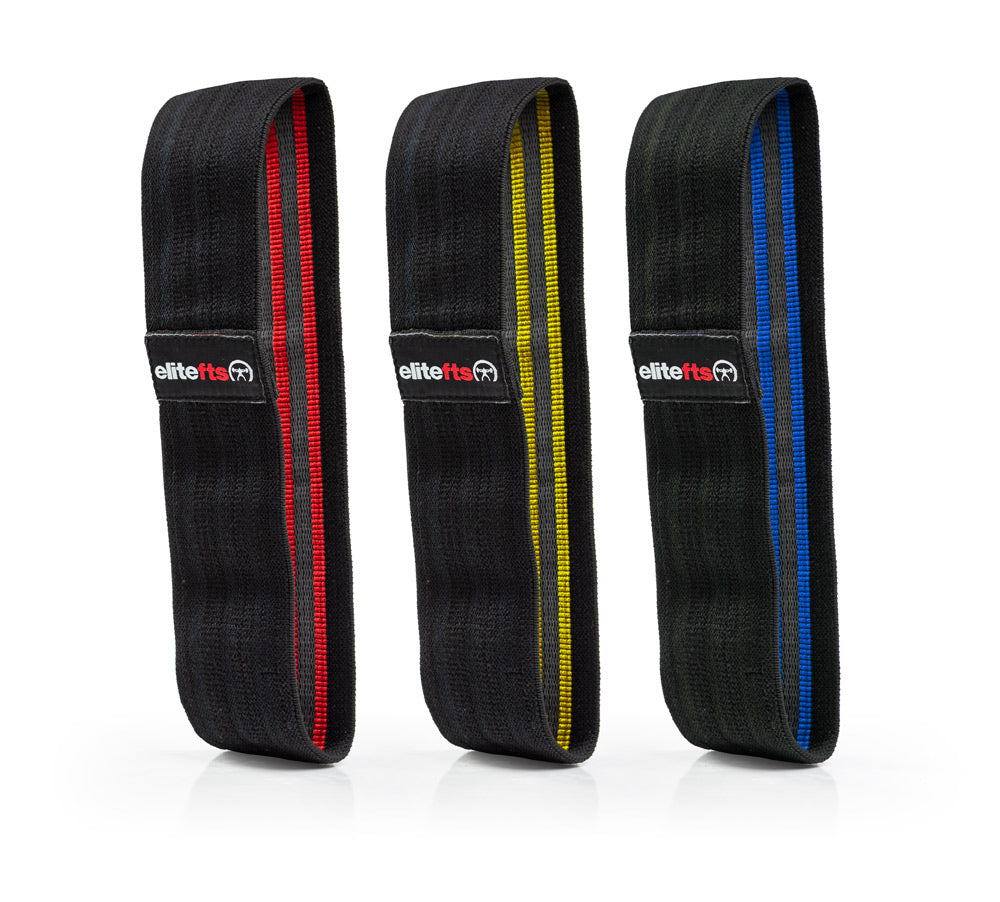
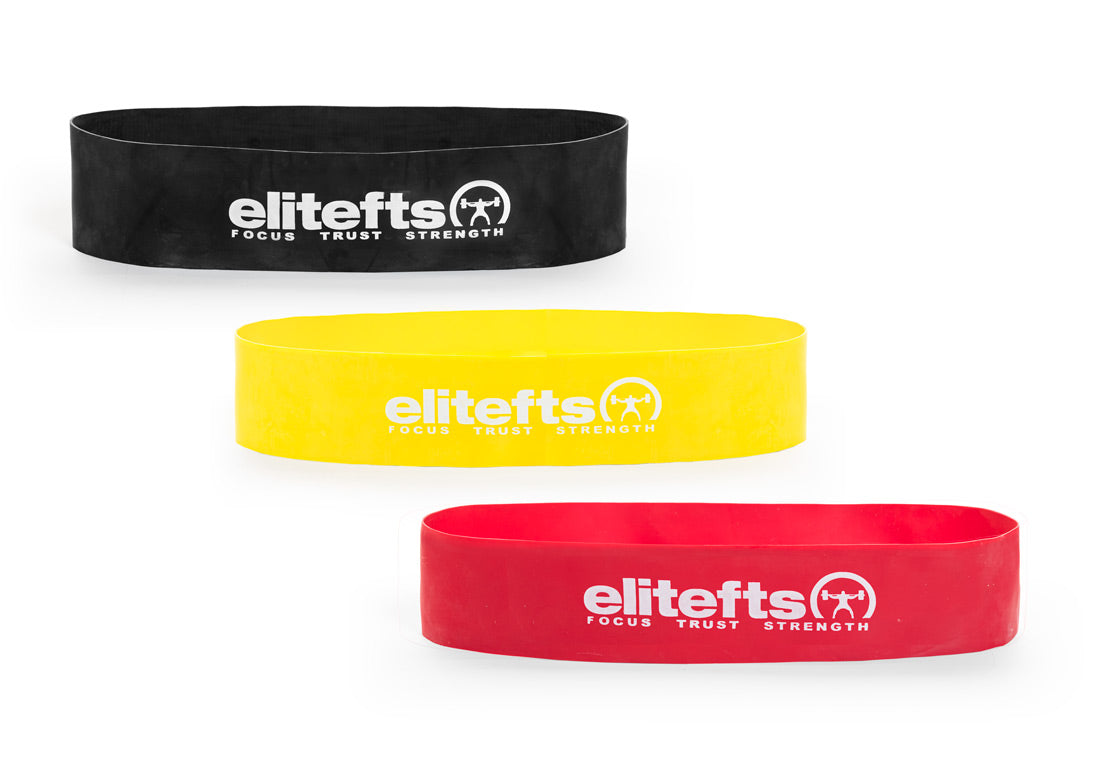
For accommodating resistance, banded box squats, speed work, warm-ups, mobility, and CARE-based resilience training.
Shop BandsMedicine Balls
For throws, slams, contrast work, and explosive upper/lower-body power development.
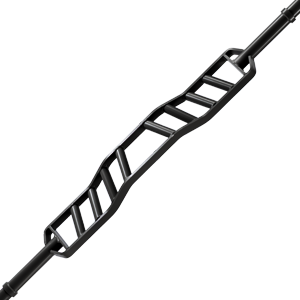
Shop Med BallsBarbells & Specialty Bars
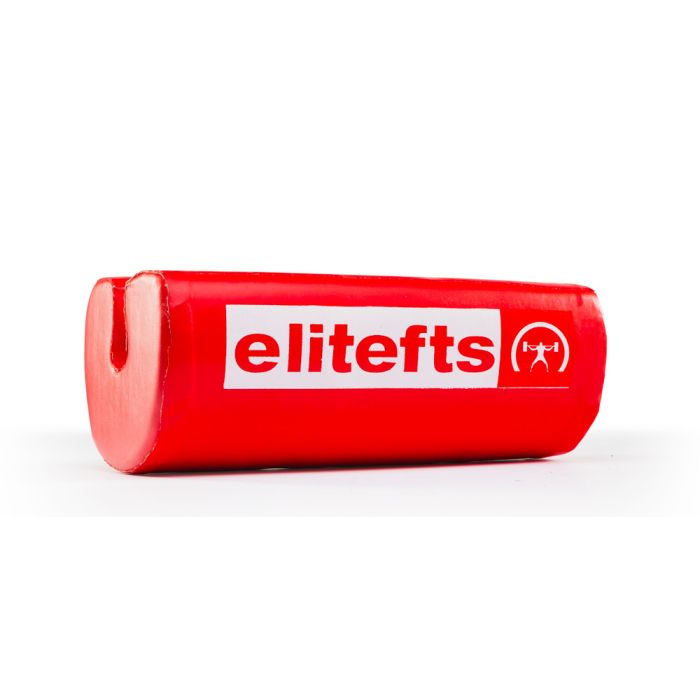
For max effort rotation, specialty bar variation, pressing, squatting, pulling, and reducing accommodation.
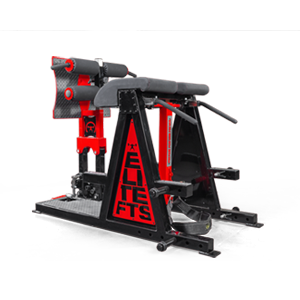
Shop BarsGlute Ham Raise
For hamstrings, glutes, posterior-chain strength, Nordic progressions, and injury-prevention work.
Shop GHREliteFTS Super Yoke
For loaded carries, trunk stiffness, grip, bracing, and strongman-style rugby conditioning.
Shop YokeDon’t Neglect the CARE Work
The primary lifts matter, but availability wins seasons.
The biggest mistake in rugby preparation is believing the primary lifts are enough. Players who remain available throughout the season consistently dedicate time to strengthening the areas most likely to fail.
Every session finishes with what I call the CARE program:
- Core stability
- Assistance work for previous injuries and weak links
- Resilience of the hips, hamstrings, and shoulders
- Essential grip and neck training
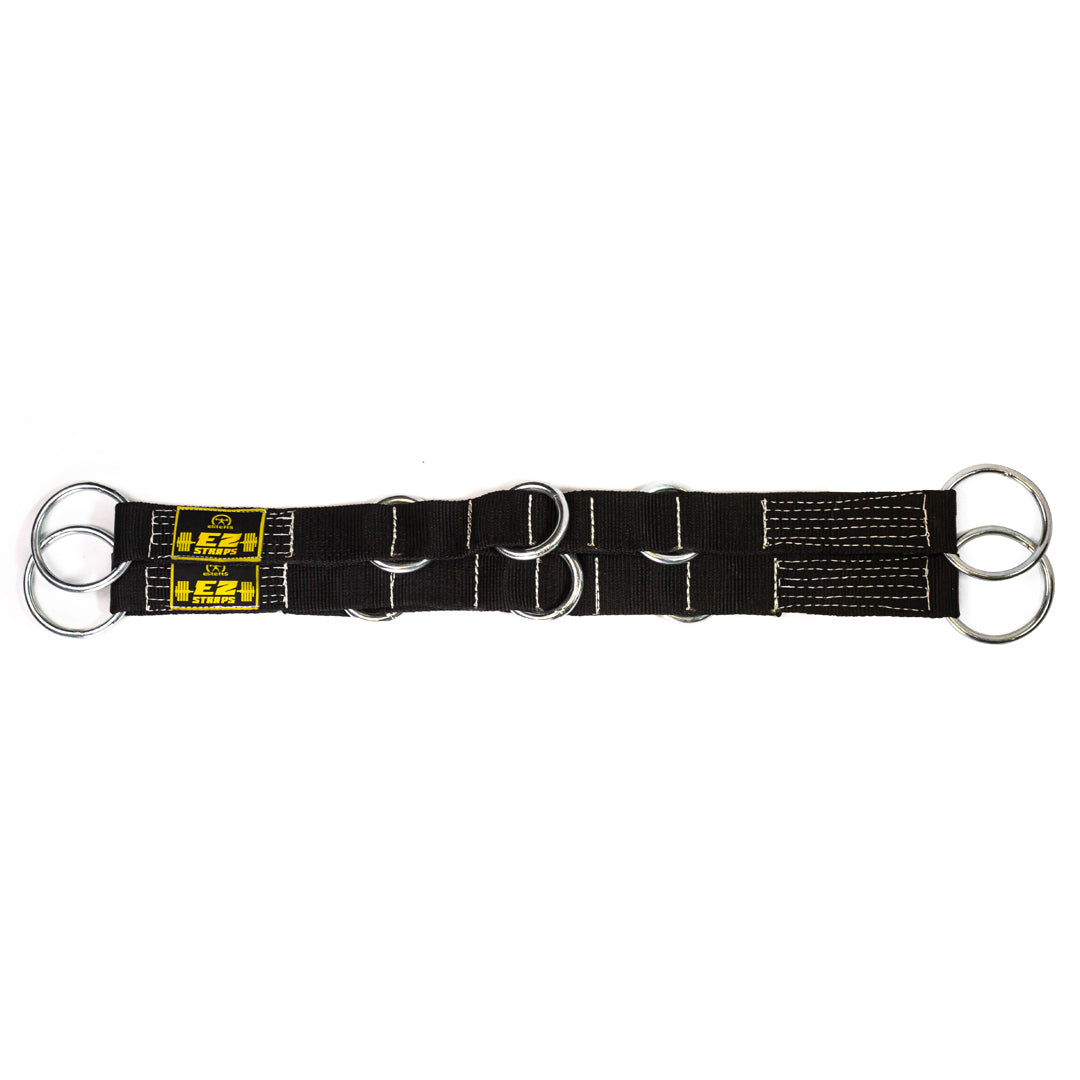
Exercises such as Nordic hamstring curls, Copenhagen planks, Turkish get-ups, YTIs, Cuban presses, loaded carries, and dedicated neck work rarely attract attention, but they often determine who remains on the field.
Availability remains the greatest performance enhancer.
Keep Progressing Without Burning Out
The exercises evolve. The objective never does.

One of the greatest advantages of the Conjugate Method is that athletes rarely become stale. Max Effort continually raises strength ceilings. Dynamic Effort delivers explosiveness. Repeated Effort builds muscle and durability. Metabolic work develops repeatability.
Over an off-season, squats, deadlifts, presses, specialty bars, accommodating resistance, and Olympic lift variations can all rotate while the underlying training principles remain unchanged.
Example Week Plans
Two simple ways to organize the off-season training week.
Simple Four-Day Conjugate Week
| Monday | Tuesday | Wednesday | Thursday | Friday | Saturday | Sunday |
|---|---|---|---|---|---|---|
| ME Upper Body | DE Lower Body | Recovery | ME Lower Body | DE Upper Body | Make-Up Session | Off |
Hybrid Off-Season Rugby Week
| Monday | Tuesday | Wednesday | Thursday | Friday | Saturday | Sunday |
|---|---|---|---|---|---|---|
| Speed Conditioning | Off | Speed Conditioning | Extras | Off | Needs-Based Top Ups or Catch-Up Sessions | Off |
| Horizontal Neural Contrast + unilateral hinge superset squat | Mechanical 3D Upper Body | Vertical Neural Contrast + unilateral hinge superset squat | Mechanical 3D Upper Body | Needs-based top-ups as required | Optional catch-up work | Off |
| Mechanical Lower Body or Metabolic Circuit + LB Armor Plating + LB CARE | UB Armor Plating or Metabolic Circuit + UB CARE | Mechanical Lower Body or Metabolic Circuit + LB Armor Plating + LB CARE | UB Armor Plating or Metabolic Circuit + UB CARE | Recovery emphasis | Optional lower/upper-body CARE | Off |
The off-season is not about chasing impressive gym numbers. It is about building athletes who are stronger in contact, faster over the first 20 meters, more resilient under fatigue, and available every week of the season.
When intelligently applied, the Conjugate Method develops all of these qualities simultaneously. At the end of the day, the scoreboard does not care what you squat, bench, or deadlift. It only cares whether your training made you a better rugby player.
As coaches, we are process-driven and outcome-judged. Build the process correctly, and the outcome has a much better chance of taking care of itself.
Read More Training Articles