
TL;DR: What You Need to Know
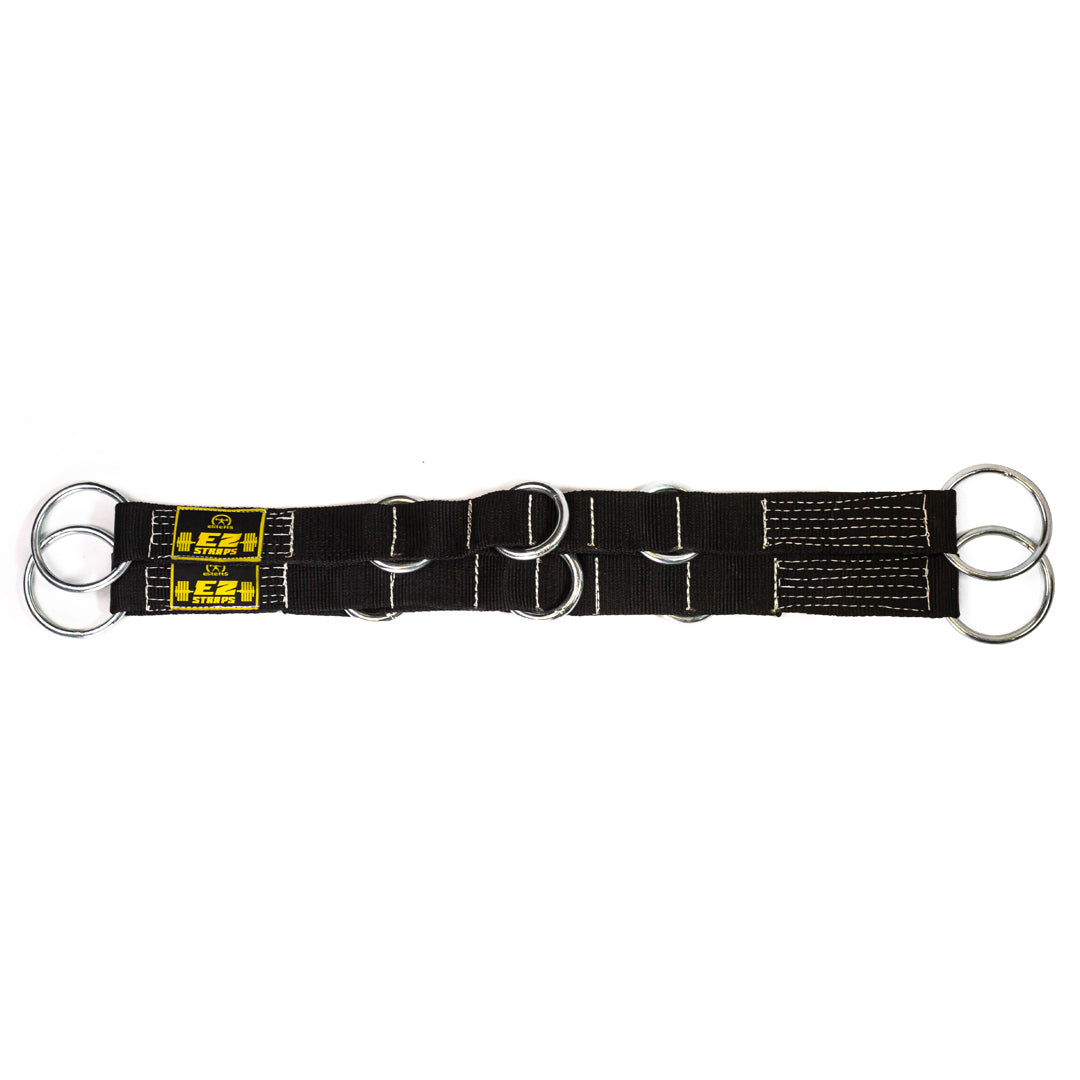
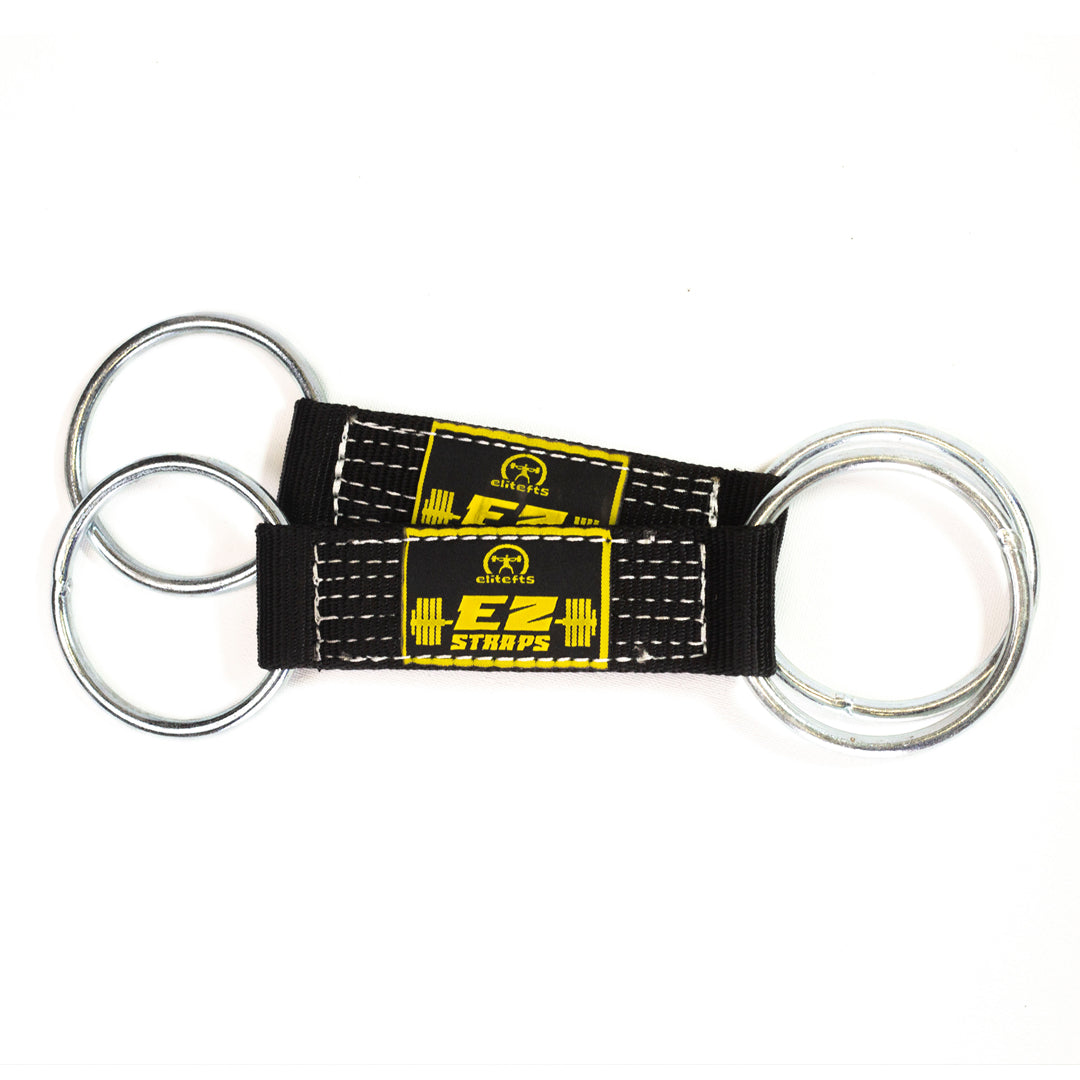
- The product: elitefts EZ Squat-Bench Loader Straps, sold as a pair for barbell chain work.
- The job: multiple attachment points let you adjust chain height for squats, bench presses and different lifters.
- Best fit: lifters and training groups already using chains who want a more repeatable setup.
- Before you buy: chains are separate. These are the squat-bench straps; deadlift loaders are a different product.
When I was at Westside, chain presses were one of our regular max-effort movements. Eventually, the pile of chain became part of the problem.
I would work up to 275 or 305 pounds on the bar. From there, we added one chain per side and did triples. We kept adding chains until triples were no longer there, then moved to singles and continued working up.
For me, the setup started getting awkward around nine or ten chains per side. The chains piled on top of themselves. Things felt less balanced, and the setup could twist. At that point, it made more sense to add straight bar weight and use fewer chains, then build the chain back up.
I described that progression in my published account of chain presses. I also pointed out that EZ straps allowed more chain than the old arrangement of clipping chain onto another chain.
The lesson carries over whether you are using two chains or a much heavier setup: pay attention to how they hang. The amount on the bar is only part of the exercise. The chain's relationship to the floor matters through the entire rep.
That is where the elitefts EZ Squat-Bench Loader Straps earn their place. They give you a practical way to adjust chain height and get back to a setup you can repeat.
About this article: This is my assessment of an elitefts product, built around my published training experience, current product details and a verified customer review.
Pros
- Multiple attachment points for controlling chain height.
- A matching pair, with one strap per sleeve.
- Works with straight bars and specialty bars.
- Makes height changes between lifts and lifters more straightforward.
Limitations
- You still have to establish the right chain position for the lifter and movement.
- Chains are not included.
- The squat-bench version is not the dedicated deadlift loader.
- The listing does not state dimensions, material composition or a rated working-load limit.
Why Chain Height Matters
As you stand up from a squat or press a bar upward, more chain lifts from the floor. More suspended chain means more resistance. As the bar comes down, chain returns to the floor and the suspended load decreases.
For that to do the job you want, the chain has to load and deload in the intended part of the movement. Hang it too high and more weight stays suspended at the bottom than you planned. Hang it too low and too little comes off the floor at the top.
You cannot judge that by looking at the bar sitting in the rack. Check the bottom and top positions of the actual lift. Your squat depth, bench setup, range of motion and choice of bar all affect the distance the sleeve travels.
The straps loop onto the sleeves and provide several attachment positions. Changing the position changes where the chain hangs. That gives you adjustment without rebuilding the entire connection each time.

Chain Squats: Set It for Your Depth
Set the chain for the squat you are actually doing. A different lifter, box height or bar can change the starting position and how much chain moves through the rep.
Use a light, controlled check before your work sets. Look at how much chain is on the floor at the bottom and how much is suspended when you stand up. Match the arrangement on both sides, and keep the chain clear of your feet and the rack.
If you change from a straight bar to a safety squat bar, cambered bar or SS Yoke Bar, check it again. The product is designed to work across bar types. That compatibility gives you options; the new bar still needs its own setup check.
Chain Bench Presses: Keep the Setup Repeatable
My Westside example was max-effort work. That is one use for chains, and the loads in that story describe what I did. They are not starting weights or a prescription for somebody else's program.
Chain presses can also be used for dynamic work. In my original account, I emphasized keeping the first rep and last rep consistent in speed and force. If the purpose of the session is speed, choose your loading to serve that purpose.
Whichever method you are using, establish the chain position at your normal bottom position and at lockout. Keep your bench setup and range of motion consistent when comparing sessions. Otherwise, you can change the amount of suspended chain without realizing that you changed the exercise.
Also remember the pile. More attachment options do not make an awkward pile of chain disappear. If the chain begins stacking, twisting or interfering with the movement, stop and correct the arrangement. The strap helps with height adjustment; judgment still belongs to the lifter and coach.
Training Partners: Change the Height, Keep the Method
This is an especially useful feature when several lifters share a rack. Two people can use the same bar and chains but need different attachment positions because their heights or ranges of motion differ.
Once each lifter has a workable setting, record the attachment position with the bar, chain arrangement and exercise. Recheck when changing lifters. A repeatable setup makes it easier to tell whether the training improved instead of wondering whether the chain was hanging differently.
Before the Work Sets
- Inspect the equipment. Check straps, stitching, rings, chains and connecting hardware. Do not load damaged equipment.
- Set both sides. Use one strap per sleeve and match the chain arrangement.
- Check the actual range. With a manageable load, inspect the bottom and top positions of the intended lift.
- Clear the area. Keep chains out of the lifter's stance and away from anything that can catch them. Use appropriate safeties and spotters.
- Record the setup. Note the bar, attachment position and chain arrangement so you can reproduce it.
Specs at a Glance
- Product: elitefts EZ Squat-Bench Loader Straps
- Quantity: pair, one per sleeve
- Adjustment: multiple attachment points for chain height
- Applications: squat and bench press chain setups
- Bar compatibility: straight bars and specialty bars, including safety squat, cambered and SS Yoke bars
- Chains: sold separately
- SKU: WS-EZ-CHAIN
The product page includes an account of loading over 300 pounds per side. That is a reported use, not a published working-load rating. Do not use it as a capacity specification for your straps, clips or complete setup. Confirm any loading requirement the published specifications do not answer.
Who Should Buy Them?
If chains are already part of your squat or bench training, and height adjustment is a recurring hassle, these address a specific problem. They also make sense for a training group that regularly changes lifters or bars.
If you do not use chains, there is no reason to buy a loader before deciding what job chain work will have in your program. If you only need a loader for pulls, look at the separate EZ Deadlift Loader Straps. Buy the version that fits the lift.
What a Verified Buyer Said
“MAKES USING CHAINS SIMPLE!”
Jackson Head · Verified buyer · May 13, 2026
Read the customer reviews
That is one customer's experience. It fits the practical reason to consider this product: make the chain setup easier to manage, then spend your attention on the training.
Final Verdict: Get the Setup Right
I learned with chains clipped to other chains. As the weight and chain count increased, the setup demanded more attention. The EZ Squat-Bench Loader Straps give you adjustable attachment points and a simpler way to change chain height.
Use those adjustments with a purpose. Check the chain at the bottom and top, keep both sides consistent, and record what you did. Get the setup right before the work sets start.
Set Your Chains. Then Train.
See the full product details, current price and availability.
BUY NOW: EZ SQUAT-BENCH LOADER STRAPSLive, Learn, Pass On.
Dave Tate