


Evolution of a System
Ashley Jones
Everything new is not necessarily better, and everything better is not necessarily new. I had these thoughts as I read through some older articles that were brought to my attention by a friend and fellow rugby strength & conditioning coach in Poland, Mirolslaw Barbiarz. He asked if everything in these articles was still relevant and what I would change. The articles in question were initially published in Milo magazine.
Kairikido: The Way of Superhuman Strength, Volume 9, Number 3, Dec 2001
What we do before Christmas dictates where we finish in May, Volume 12, Number 4, March 2005
In the ensuing 20 – 25 years since these were both published, I have endeavoured to search out the best and, in the immortal words of Bruce Lee, "Absorb what is useful, discard what is not, and add what is specifically your own." I developed an equation that relates explicitly to this search: Wisdom = Knowledge raised to the power of experience. Knowledge is a progression. Each year, we discover new ideas, but experience has a multiplier effect on this Knowledge as we work through trial and error to determine what works, which we know is the art of coaching and our accumulated training wisdom. The short answer is a resounding YES: I would happily roll these programs out today, with a few evolutionary changes and, hopefully, improvements to the initial training system.
I would change the player grouping names to reflect the positional role changes better, but they could still be used in tandem with an understanding of key roles for each position.


One of the most significant differences in my programming from 2005 to the present day is the refinement of. The injury prevention elements of the training program. As Louie is quoted as saying, "more prehab leads to less rehab". The CARE (Core Accessory Rehab Exercises) program has. developed extensively to ensure that all players have the necessary support, in consultation with medical staff, to minimise the risk and severity of injuries. Also, remember that what is often said is that the best indicator of an injury is that the player has already had an injury. This was the result of the following study, which examined injury types and rates by position, concluding that "the need for individual position-specific injury-prevention programmes in rugby union."
Injury-prevention priorities according to playing position in professional rugby union players
J H M Brooks, S P T Kemp https://bjsm.bmj.com/content/45/10/765


The other central area of difference between 2005 and today is that I have moved away from reliance on position-specific programming, though not wholly. Still, I now develop more individualized, needs-based programs, borrowing heavily from the teaching of Louie Simmons and the Conjugate System of training within my own philosophy of engineering strength through neural, mechanical, and metabolic programming.
“The Conjugate Method is a weekly strength and conditioning training system that decreases physical weakness. It switches through different exercises and physical effort levels to ensure you continuously get as strong and athletic as necessary for whatever objective you set. Its success relies on a training hierarchy that constantly rotates stimulus and intensities to increase positive changes to your physical health while reducing injury risk.” - Westside Barbell.
Based on the specific physical trait a player needs to develop, the priority given to that trait will determine its priority, as Louie said, "Whatever you do not train, you lose." Also, aligned with this are a few aspects of physical preparation that the ensuing 20+ years have taught me, and these are:
Strength training is movement-based, with a by-product of size & size training is muscle-based, with a by-product of strength.
There are only two week plans for developing rugby strength & conditioning programming: a game week and a no-game week. The only aspects that change are the volume of sessions, and training is health-dependent if there is a game.
Train Upper Body like a bodybuilder/powerlifter (Strength & Size) and Lower Body like an athlete (Power & Strength)
A line in a book I read recently struck a chord with me: "People do not care about the truth anymore, they only care about what reinforces their beliefs." We need to challenge our existing beliefs about training to distill the clear spirit of what works.
Train Upper Body like a bodybuilder/powerlifter (Strength & Size) and Lower Body like an athlete (Power & Strength)
A line in a book I read recently struck a chord with me: "People do not care about the truth anymore, they only care about what reinforces their beliefs." We need to challenge our existing beliefs about training to distill the clear spirit of what works.
Lower Body Programming: French Contrast utilizing Conjugate philosophy
1a: Max Effort Movement (eg, Trap Bar Deadlift, either movement changes or reps change (2 – 6) each week). If 1a is a hinge choice, 1c will be a squat; if 1a is a squat choice then 1c will be a hinge
1b: Plyometric/Jump/MB Throw (see table below)
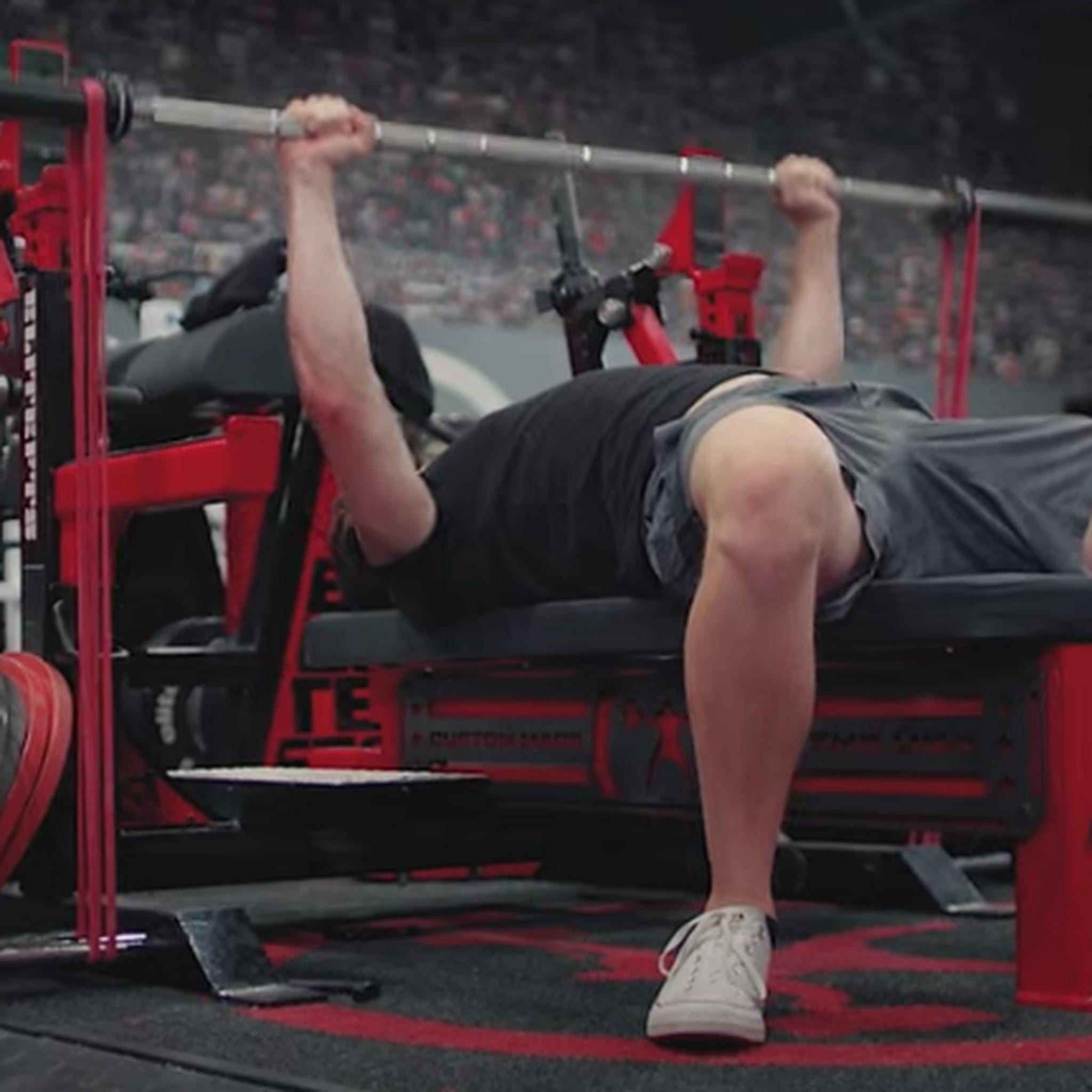
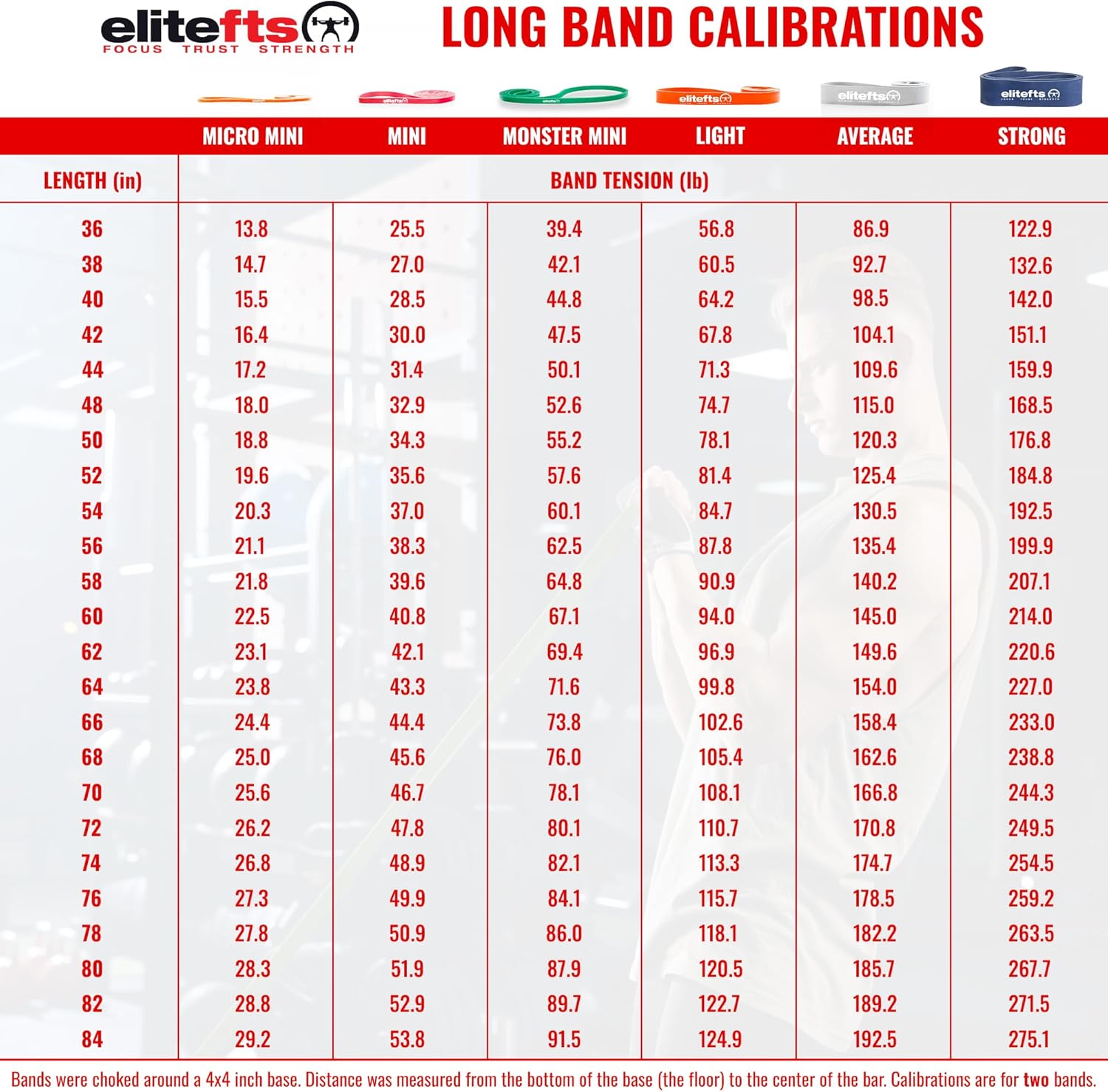
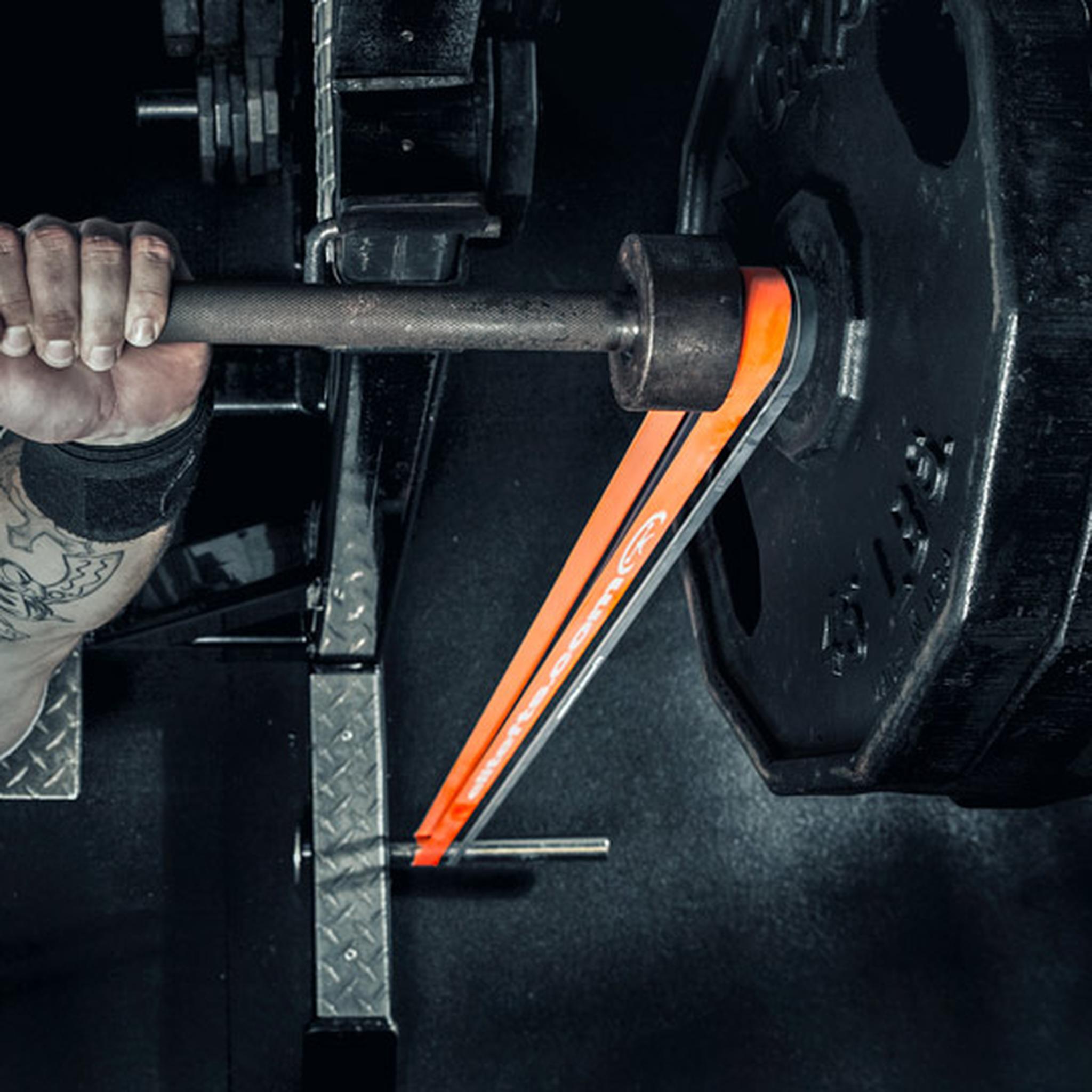
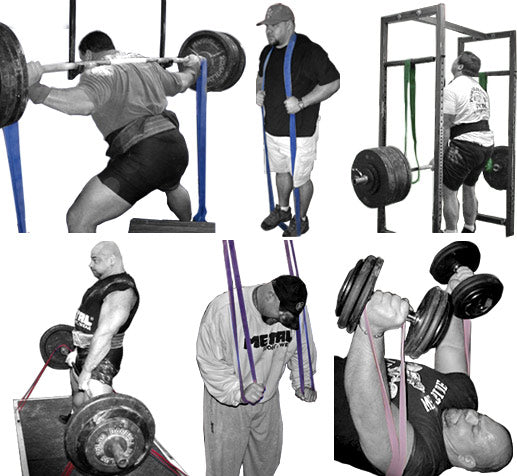
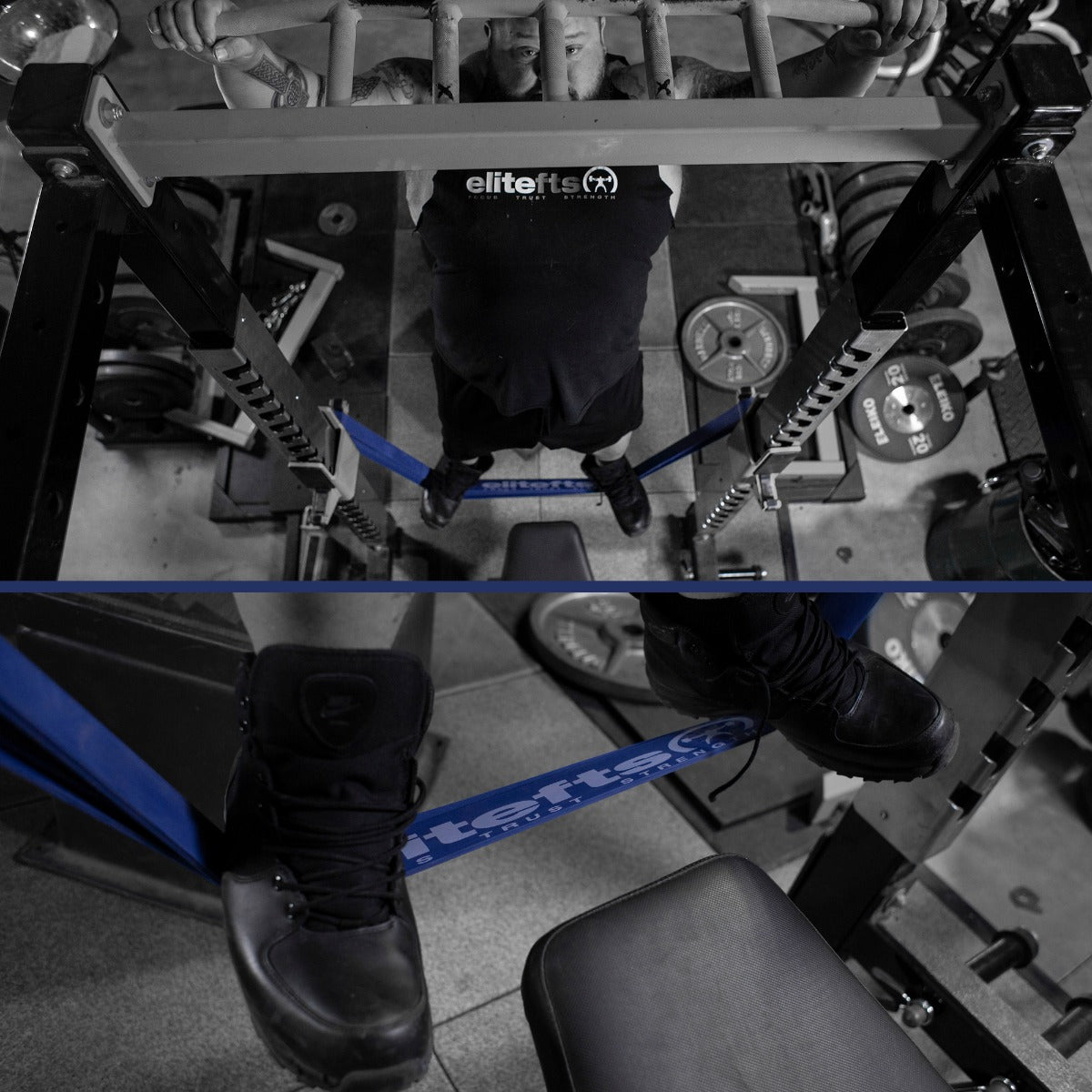
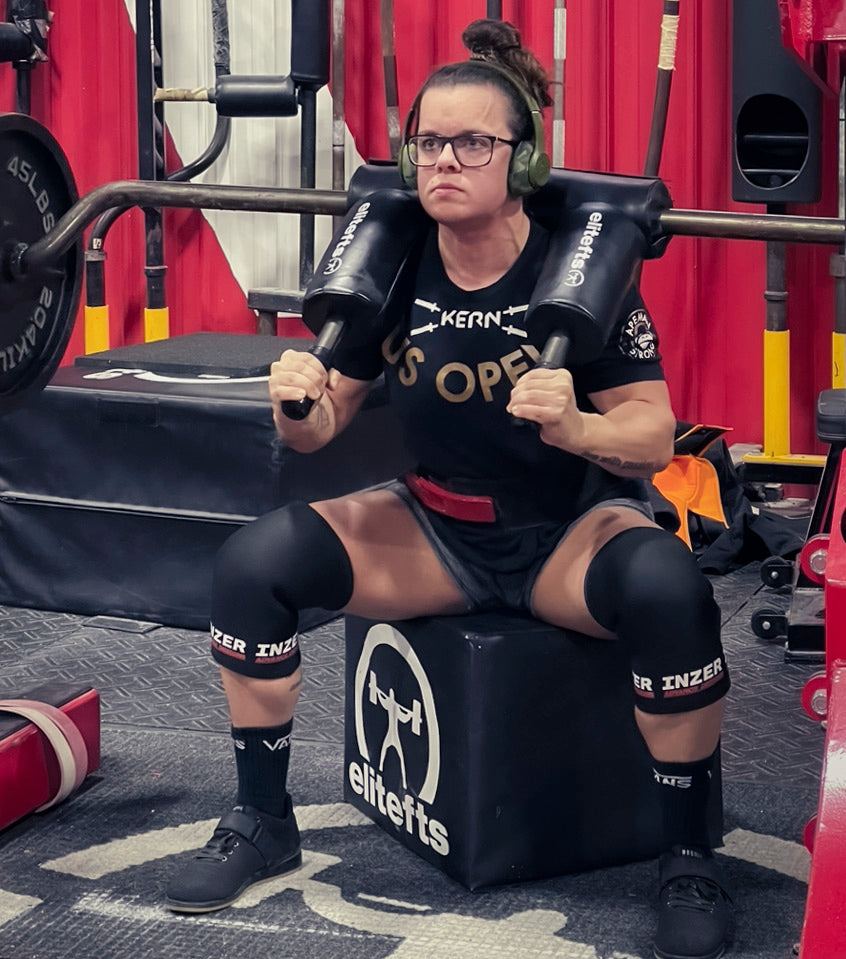
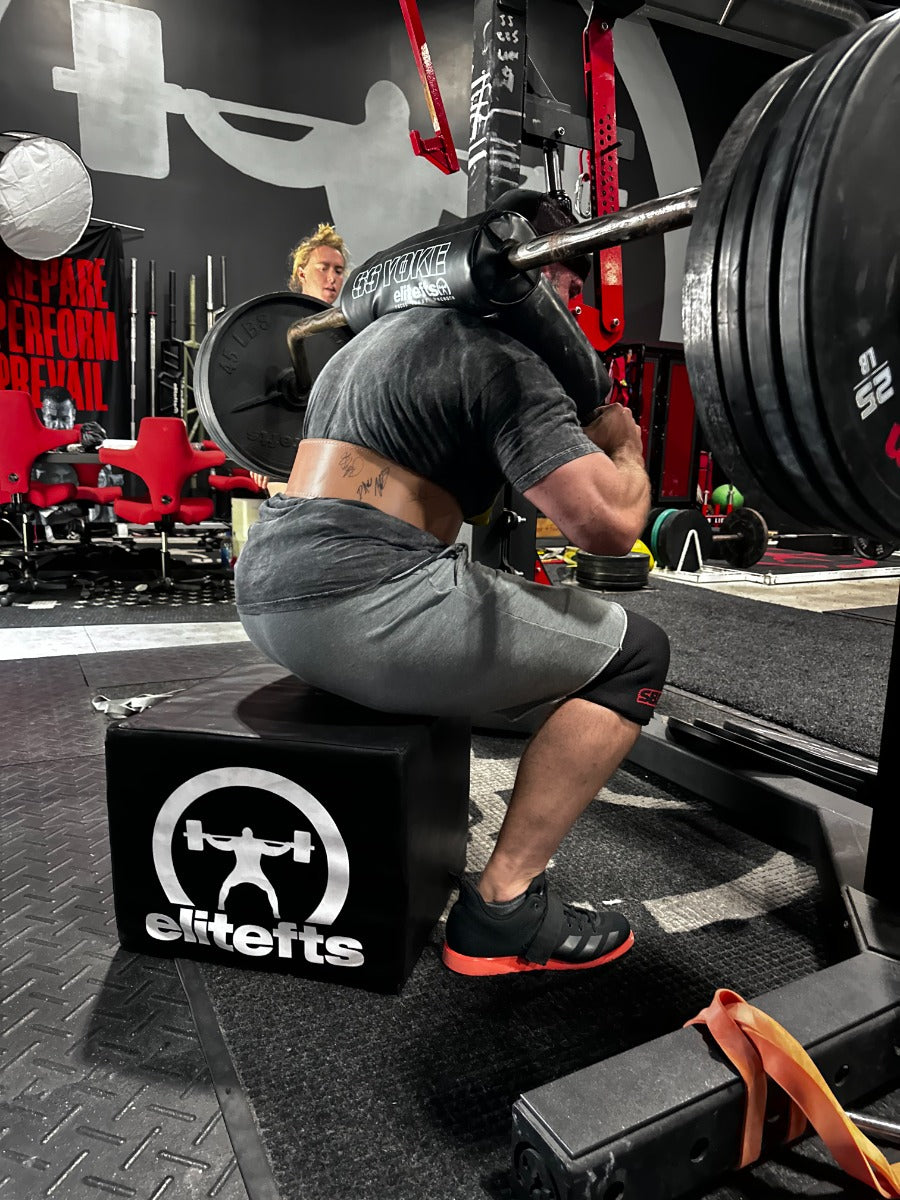
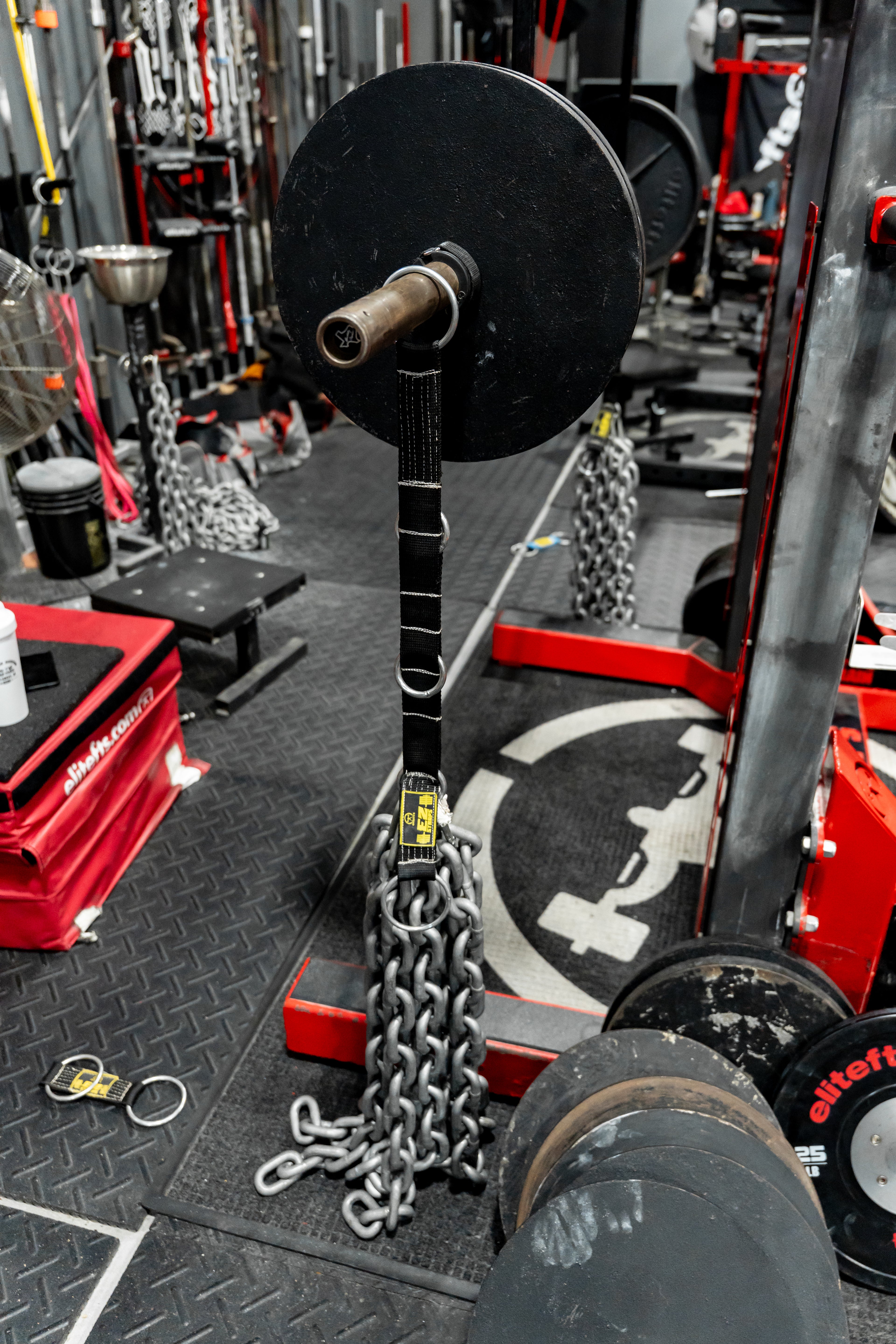
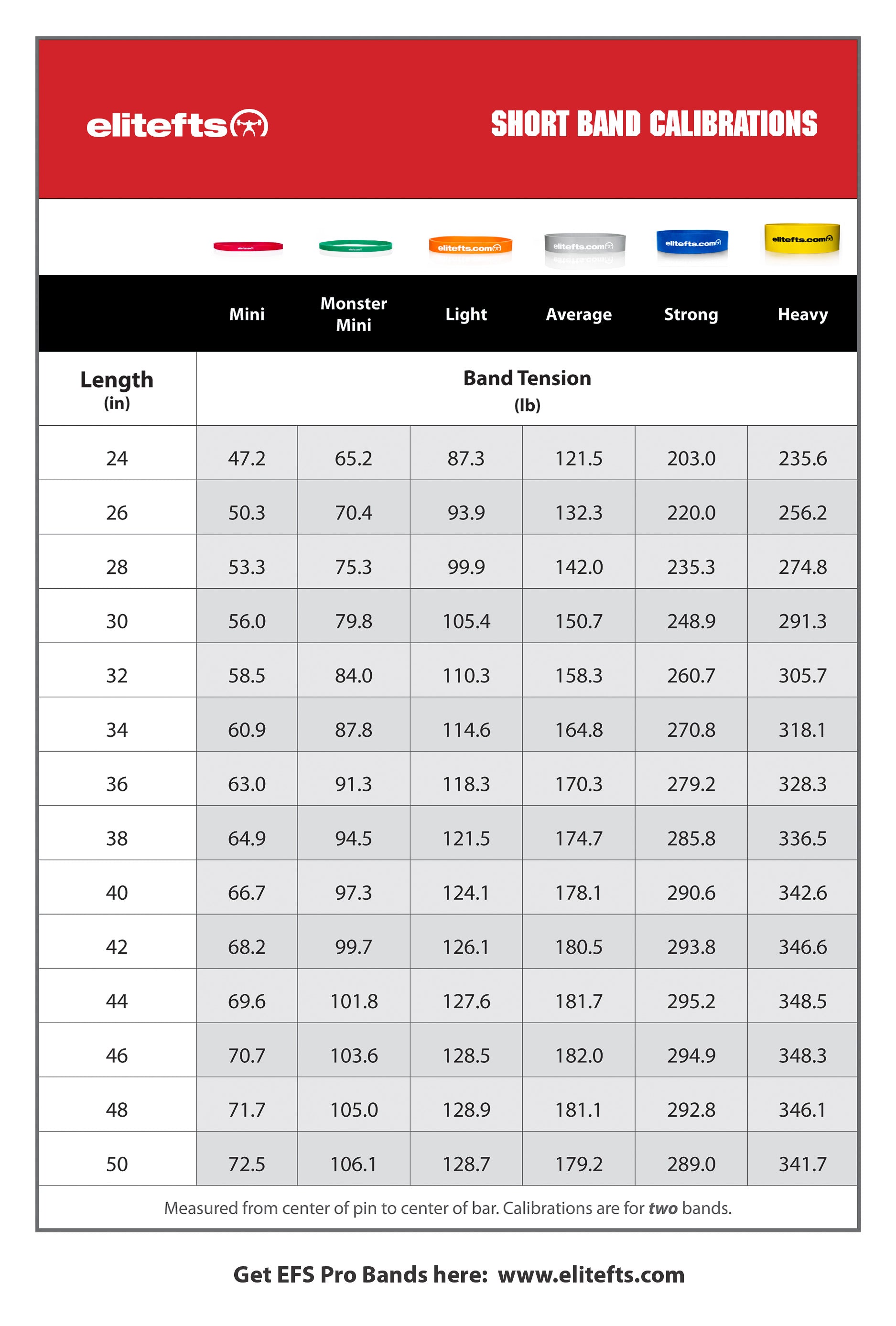
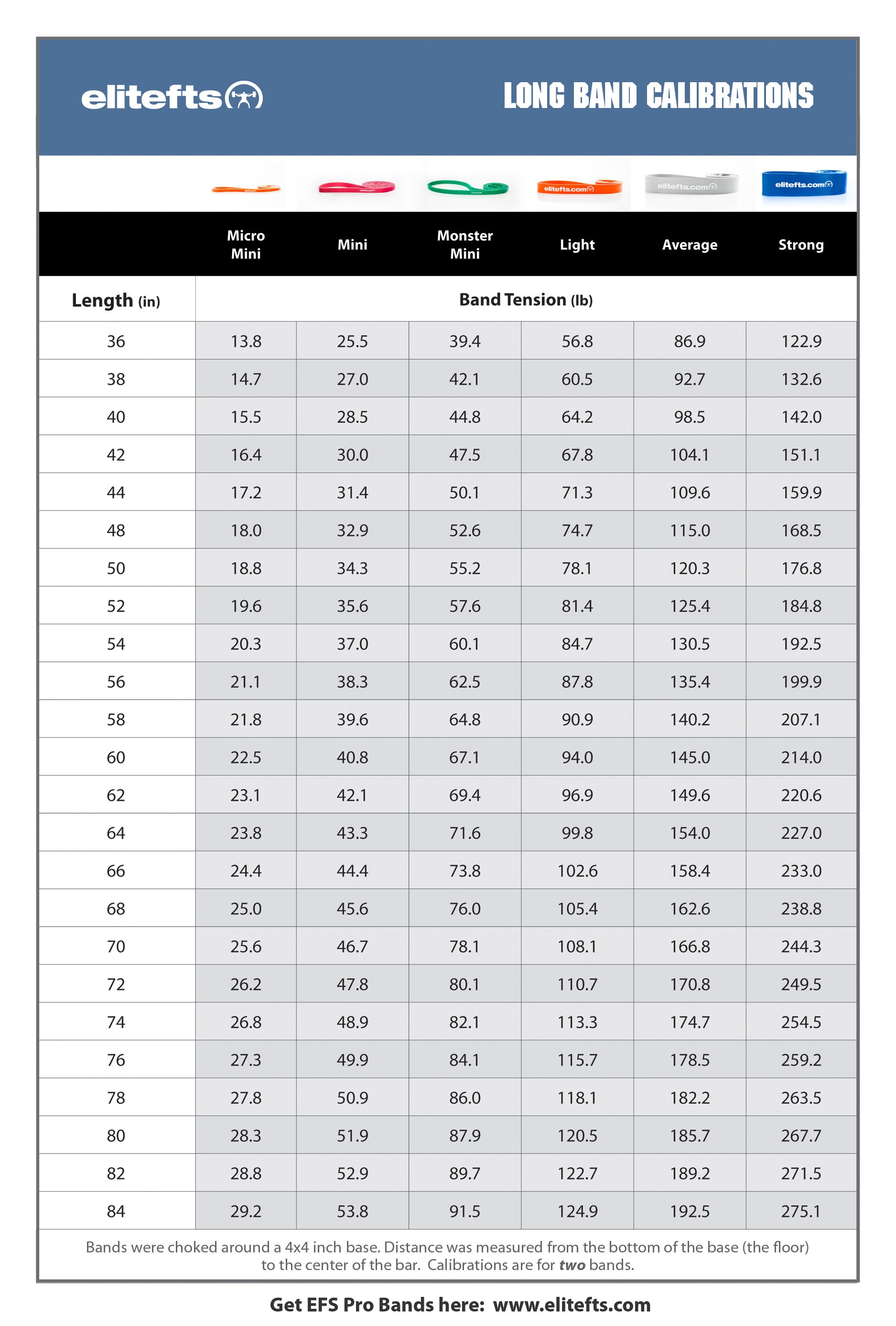
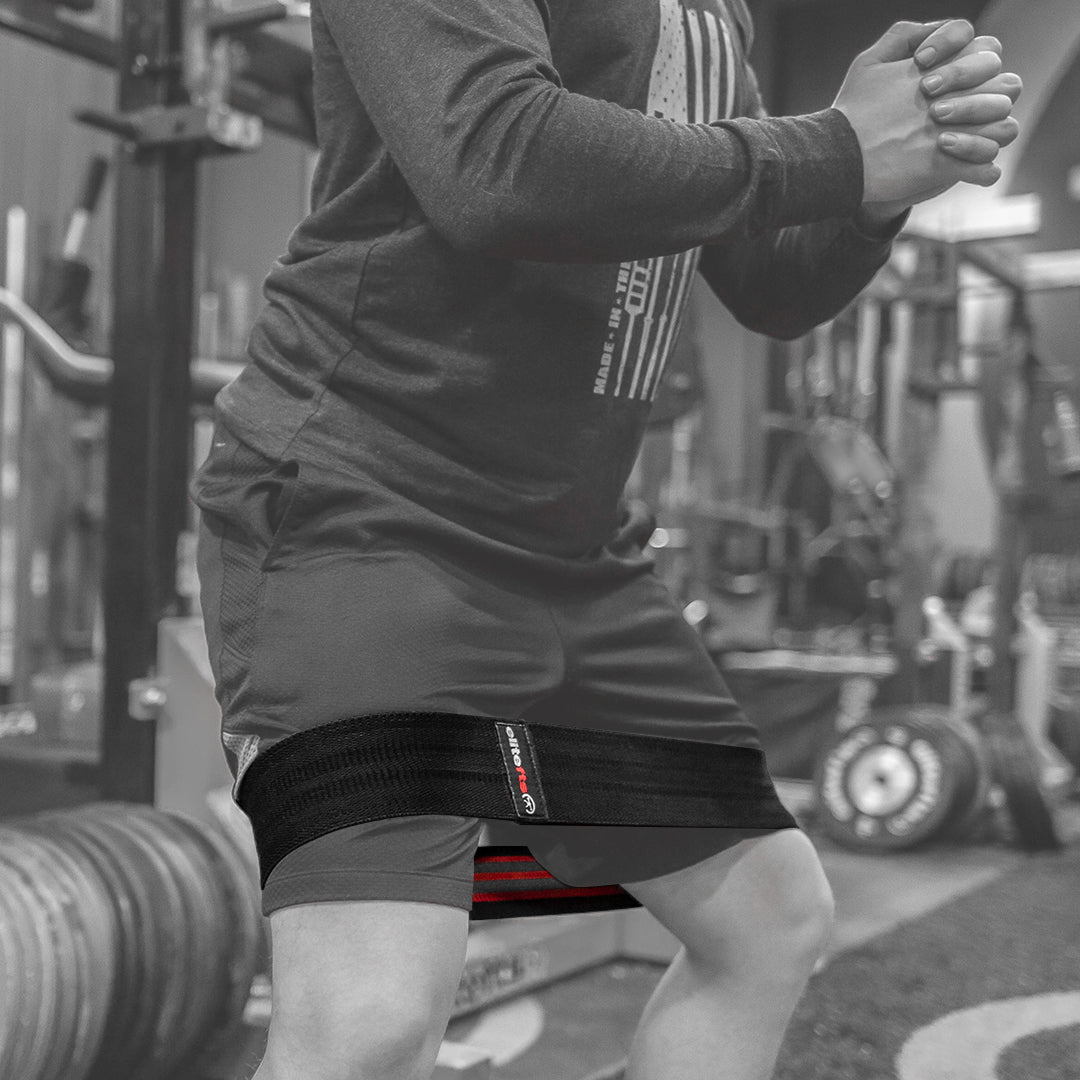
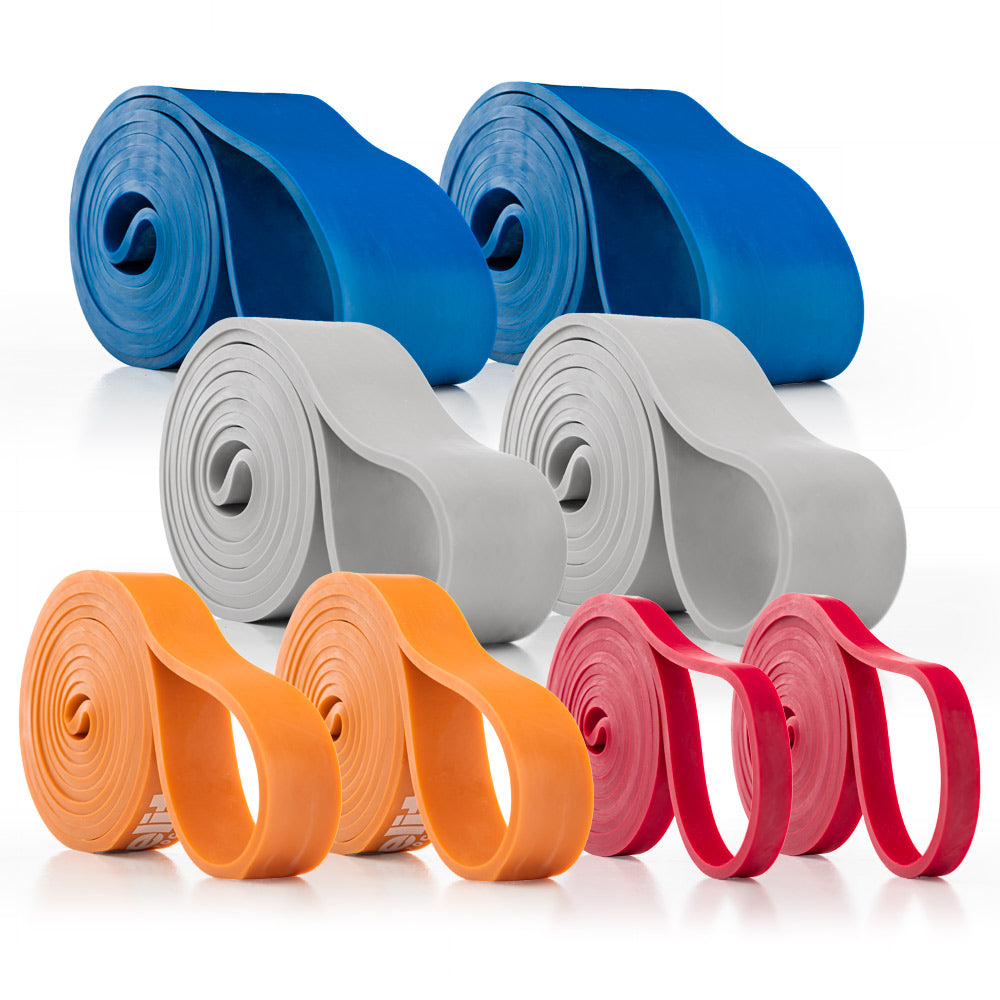
1c: Dynamic Effort/Speed Strength/Strength Speed (eg, Band Box Squat 3-week Pendulum Wave)
1d: Plyometric/Jump/MB Throw (see table below)
2a: Unilateral Hinge (Repetition Method) – eg, Contralateral KB RDL
2b: Unilateral Squat (Repetition Method) – eg, Bulgarian Sprinter's Squat
3: Lower Body CARE circuit (eliminating weaknesses): Hamstrings/Knee/Adductors/Core/Calves, Lower Back
Eg, Hamstring Sliders in Bridge, Banded TKE, Copenhagen Plank, Suitcase Walk, Seated Calf Raise, Back Ext.


A note on Lower Body hypertrophy: I have never been a fan of specific lower body hypertrophy programming, standing by the belief that "if you train for strength, then size will follow." That is, unless I get a player who is significantly underweight and could benefit from some systemic hypertrophy, squatting and deadlifting on different days of the week. The following protocol of sets and reps: 5 x 10, 5 x 8, 4 x 6, as well as the legendary 20 rep sets. Another fantastic session for me by Paul Wright is the Front Squat, Band Back Squat band at oth to concentric failure; select the Front Squat, then do Squat after an appropriate warm-up, working up to 6RM. Start the front squats, with a spotter, when you can no longer complete the concentric portion of the lift have the spotter assist you to the top and immediately rack the bar and position yourself in the back squat position and continue squatting, you should be able to get at least another 3 or 4 reps, control the eccentric and have your spotter assist you in a couple of forced reps to complete the set not so with addressing upper-body hypertrophy using the following programming.


If six days prove to be too much to recover from, you could program three lower-body and two upper-body workouts in the first week, then in the second week program three upper-body and two lower-body workouts, effectively doing five sessions a week.

Continue the rotation of sessions according to the planned number of sessions each week that you feel allows you the best recovery time to optimize your training.


One of the most significant changes in my programming is how I integrate player education into the program's framework. Through a better understanding of teaching and learning methods, I am better able to ensure that a player grasps what I am trying to do, which leads to greater buy-in and compliance with the program through co-development. I think I have achieved this through the use of charts that provide a visual representation of the program, and by linking exercise selection with videos, ensuring that I am now covering all four significant aspects of learning: Visual, Auditory, Read/Write, and Kinesthetic.
The final aspect that has seen the most significant growth and development in my programming is the Quadrant Management system, which provides play with degrees of freedom in an individualized programming environment tailored to their training experience and education.

In conclusion, I was recently sent a summary document generated by a friend and S&C colleague from South Africa, Neil Murphy, and I include it here:


Ashley Jones is a strength & conditioning coach with 30+ years in professional sport across seven countries, best known for his work in rugby from club to international levels—including two Rugby World Cups with teams from both hemispheres. He was named NSCA Professional Coach of the Year (2016) and received the NSCA Boyd Epley Lifetime Achievement Award (2023). HHe'salso a long-time Elitefts columnist.