


Training | Table Talk #447
Get Your Training Priorities Straight
By elitefts
You missed two training sessions this week. Before you spend another hour arguing about the smallest detail in your diet, deal with that.
That is the point behind the opening of Table Talk #447. Dave Tate sits down with Anthony Oliveira and Roman Mustaccio for a discussion that runs from conjugate programming to the people who keep powerlifting going. The useful thread for your next training cycle is simple: put your attention where it changes what you actually do under the bar.
The episode title is deliberately blunt. Read it as a challenge to misplaced priorities, not nutritional guidance. The training discussion gives that challenge some substance: show up, understand the session, choose appropriate loads, and stop turning every workout into a test.
TLTR
- Fix missed sessions and unclear training goals before chasing finer details.
- Plan the important training landmarks, then adjust individual sessions to the lifter in front of you.
- Choose loads and exercise variations that serve the intended work. A bigger gym number does not automatically mean a better meet.
- Build a training environment that teaches, holds people accountable, and welcomes the next lifter.
Build the Habit Before Adding Complexity
The full micronutrients discussion comes more than an hour into the episode. Dave questions the pressure to take every aspect of lifting to the highest possible level immediately. Anthony brings it back to habits: trying to overhaul everything at once can leave a lifter with a plan they cannot sustain.
For your training, identify the basic behavior that keeps falling apart. Maybe you schedule four sessions but reliably complete two. Maybe you rush the same warm-up every week. Pick one change you can repeat, make room for it, and track whether it happens before adding another demand.
The guests also make room for enjoyment. Their gyms train hard, but the people want to be there. If every ordinary workout requires a perfect day and maximum emotional intensity, take a look at the expectations you have built around it. A workable routine gives you more opportunities to do the actual training.
Give Every Session a Job
Early in the conversation, Roman explains how he organizes training around squat waves and key sessions before a meet. He leaves room to select movements within those boundaries. Anthony works more intuitively, drawing on what he has learned from training and coaching. Both approaches still require knowing what the session is supposed to accomplish.
That distinction matters when the plan gets interrupted. Anthony criticizes trying to squeeze an entire missed week into three days. Roman describes using his planned training landmarks to figure out how to get back on track. Neither approach requires blindly forcing yesterday's workout into today.
Apply that idea by writing one sentence beside each main session: practice the competition lift, develop force with crisp technique, build a weak area, or prepare for a particular meet-day demand. When you need to change the exercise, load, or schedule, that sentence gives you something useful to preserve.
Later, Dave gives a concrete example of intent: use the warm-ups to rehearse the lift. Set your hands, brace, and practice the walkout before the weight gets demanding. Treat those lighter repetitions as chances to repeat the technique you want on the platform. Waiting until the top set to pay attention wastes practice you already had built into the session.
Use a Training Number You Can Train With
A big meet can create a new problem: suddenly every percentage on the spreadsheet gets heavier. The conversation digs into the difference between what a lifter can produce in training and what happens on the platform. For equipped lifters, changes in briefs, suits, wraps, and setup make that comparison even messier.
The practical lesson is to define the number behind your percentages. Record whether it came from a meet, a training lift, or an estimate. Record the equipment and execution, too. A high gym squat in a different setup is a poor reference for judging progress on a properly executed training movement.
Dave also describes finding an appropriate dynamic-effort load by watching how the lift moves as weight increases. The goal is useful work with the intended technique. Once the load changes the nature of the work, adding more plates defeats the session's purpose.
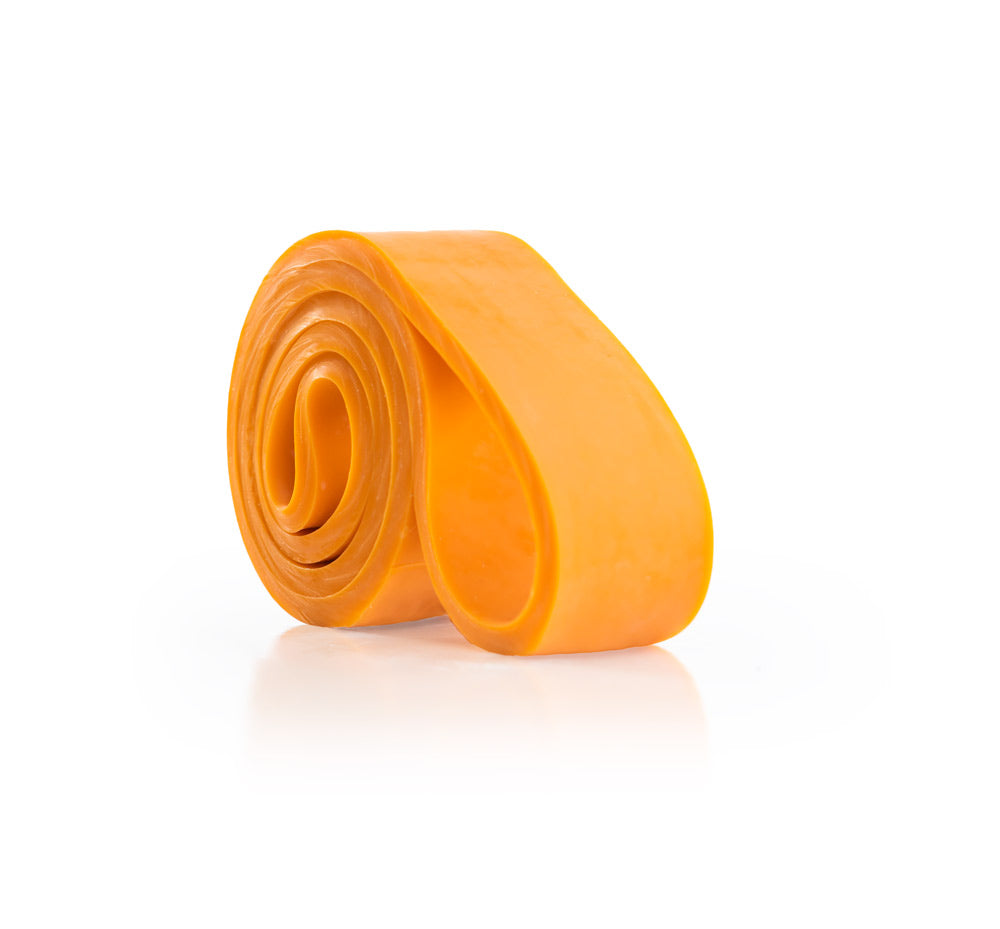
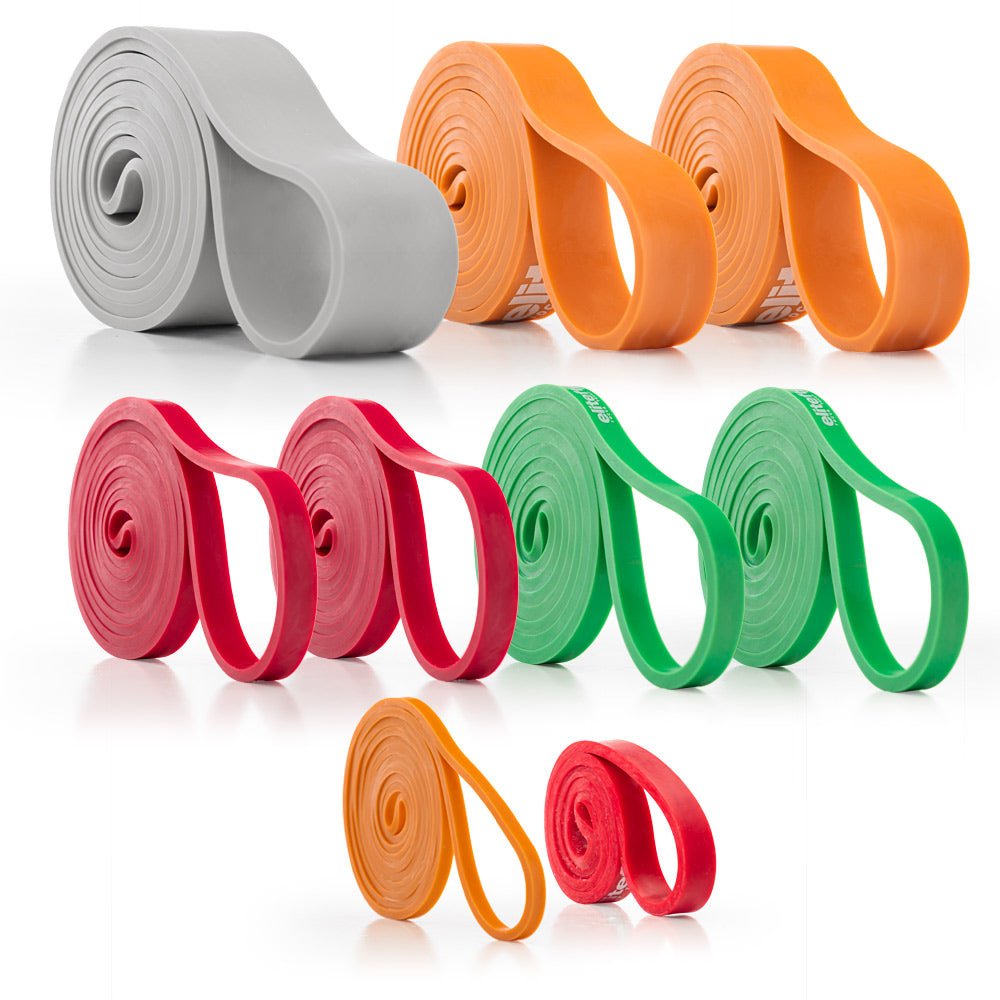
If your plan uses elitefts resistance bands, account for their resistance instead of adding them to a bar weight that was already appropriate. Record the band and setup so the next session is comparable. The guests specifically flag that bands can add tension at the bottom of the lift.
Quit Taking the Extra Attempt for Reassurance
Anthony describes the temptation to take another heavy attempt late in a training cycle just to prove it will be there at the meet. His argument is that an experienced lifter can have an ugly session, back off, and still perform well on meet day. Chasing reassurance adds more work without necessarily solving the problem.
Dave's story about his first 900-pound squat makes the same point from another angle. After the meet, he wanted to raise the training numbers aggressively. Louie Simmons suggested repeating the work and arriving in better condition to lift more.
For your next cycle, review what produced the result before increasing everything. Which sessions helped? Where did technique deteriorate? Which added sets made the next workout worse? Keep the useful work and question the rest. The episode's peaking examples come from experienced lifters; copying their exact timelines without the same context misses the lesson.
Make the Exercise Carry Over
The box-squat discussion gets specific because the guests are talking about actual lifters. Anthony describes athletes who improve their box squat but struggle to transfer that work to a free squat. He adjusts the setup and, in some cases, uses a controlled touch to the box while keeping the lifter's normal free-squat stance and shoes.
That is a coaching example, not a universal prescription. A traditional box squat and a free squat that touches a box have different intentions. Know which one you are doing before you compare numbers or decide the exercise failed.
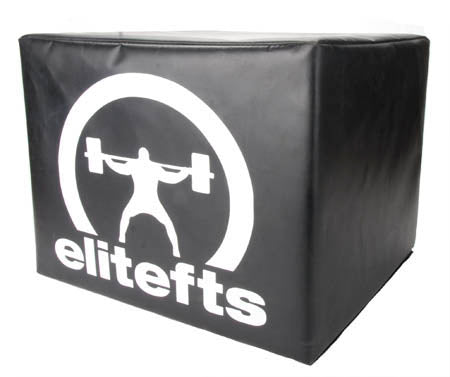
An elitefts squat box gives you a repeatable reference when box work belongs in the plan. Record its height, your stance, shoes, bar, and execution. Then check the competition lift. If the variation improves but the target lift does not, review the movement and the rest of the program with your coach.
Build a Gym You Want to Keep Showing Up To
Later in the episode, the conversation returns to how people enter the sport. Anthony describes inviting people to meets and getting them involved behind the platform. Roman talks about making powerlifting welcoming enough that the culture can continue.
There is a training application here, too. Find people who will watch your lifts, tell you when the plan needs adjusting, and help you learn the parts you cannot see yourself. Return the favor. Show up on time, help load, and pay attention when someone else is lifting.
Keep that accountability honest. The guests discuss groups developing the same technical problems and carrying fatigue from one hard session into the next. When several training partners struggle in the same way, review the shared setup and recent workload. A strong group can still repeat the same mistake together.
For next week, start with the work already on your calendar. Decide what each session needs to accomplish. Make your exercise setup repeatable. Get another set of experienced eyes on the lift that keeps giving you trouble. Give those basics an honest effort before hunting for another detail to optimize.
Watch Table Talk #447
Watch Dave Tate, Anthony Oliveira, and Roman Mustaccio discuss programming, training priorities, and powerlifting culture in the full episode.