

TL;DR
- If adding muscle is the priority, your calendar, exercise selection, effort, and recovery need to reflect it.
- You can grow in six or eight weeks. Substantial development usually requires a longer commitment than one short block between strength cycles.
- Build the week you can actually complete. More training days should initially redistribute work, not automatically multiply it.
- Learn the movements, perform challenging sets, and progress without changing the rules to make the numbers look better.
- Track execution, performance, recovery, and size over time. A pump is feedback, not a progress report.
Your calendar tells the truth
This comes up frequently during our clinics. A lifter says the goal is to get bigger. We start discussing the program, and almost everything revolves around the squat, bench, and deadlift. The main lifts get careful planning. The muscle-building work gets whatever time and energy remain.
Then there is a six-week hypertrophy block penciled in somewhere.
That is not necessarily a bad program. It might be a reasonable strength program. But the stated goal and the actual priorities do not match.
You can build muscle in six or eight weeks. The mistake is expecting one short block to solve a development problem you have ignored for years.
If you need more muscle, give that goal real space. Not just on the exercise sheet. On the calendar.
For a competitive lifter, work backward from the meet. Account for the time needed to prepare for competition, then examine how much development time remains. For someone without a meet, stop borrowing a competition schedule that serves no purpose.
You do not need to peak for a date you never entered.
Give each phase a job
During the weekend's Train Your Ass Off discussion, an important distinction emerged: a series of hypertrophy phases can have different purposes without abandoning the overall goal.
One phase might emphasize learning to perform the work correctly. Another might emphasize repeating a manageable workload consistently. Later, the emphasis can shift toward progressing those established movements.
That is different from changing the goal every time training becomes uncomfortable or repetitive.
The sequence is straightforward:
Learn the work. Establish the work. Progress the work.
The length of each stage depends on what needs fixing. An experienced lifter learning one machine does not need the same preparation as someone rebuilding training habits after a long layoff.
This is a coaching framework, not a claim that the body requires a specific block length. Research comparing periodized and nonperiodized programs has not shown a clear hypertrophy advantage for periodization when training volume is matched.
The plan matters because it organizes decisions. Calling a block “accumulation” does not make it productive. Knowing what you are trying to improve, and how you will recognize improvement, does.
Stop treating muscle work as an afterthought
In my guide to supplemental movements, I discuss the problem with carefully programming the main lift and then treating the rest of the session like filler.
An exercise needs a job.
Are you practicing a competition movement? Developing a particular muscle? Building the capacity to tolerate more productive training? Those jobs can overlap, but they are not identical.
The squat, bench, and deadlift can build muscle. They are not automatically the best answer for every muscle you want to develop, and performing them does not eliminate the need to examine everything else.
If your quadriceps are the priority, your program needs enough work that actually challenges them. If your upper back needs development, it cannot remain the thing you skip whenever the main lift runs long.
Sometimes the most useful programming change is moving important work earlier so it gets done. That does not mean exhausting every small muscle before every compound lift. It means exercise order should reflect the current goal, not which exercise has the most prestige.
Learn to make the exercise do its job
There is a difference between moving a weight and training a muscle with it.
That does not mean every repetition must be slow. It means you should know what you are doing, where you are doing it, and whether the same thing happens on the next repetition.
Look at the setup. Look at the range of motion. Look at what moves when the set gets difficult.
If a curl becomes a hip movement halfway through the set, adding weight next week may only improve your ability to move the weight with your hips.
Simple movements can be useful teaching tools. Dumbbells give you plenty of options for presses, rows, raises, and curls. A leg-extension/leg-curl machine offers seated extensions and lying curls when you want more targeted quadriceps or hamstring work.
Neither piece of equipment does the thinking for you.
A pause or a more controlled repetition can help expose momentum and inconsistent positioning. But deliberately making a light weight feel difficult is not a substitute for eventually performing sufficiently challenging work.
The pump can tell you something about the session. It cannot tell you how much muscle you built.

Build the week you can repeat
Before choosing a split, write down the days you can reliably train.
Not the days available during a perfect week. The days available during your actual week.
If you consistently have three days, build around three days. Do not write a five-day program and spend every weekend trying to catch up. A missed session changes the week. Pretending it happened does not fix anything.
There should also be a distinction between essential sessions and optional work. The essential sessions carry the main developmental workload. Optional work supports the plan when time and recovery allow it.
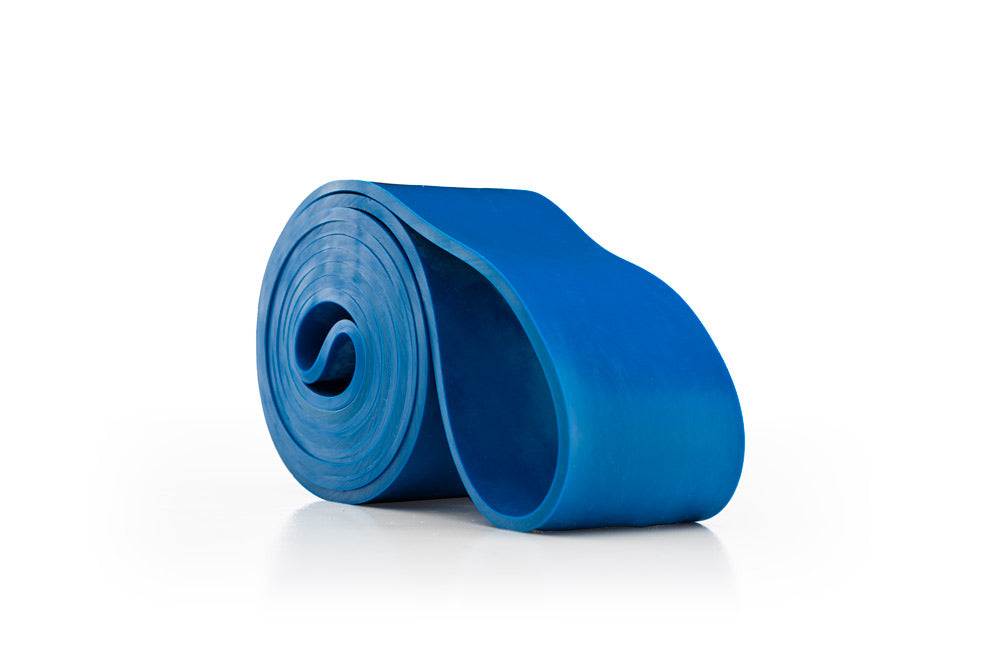
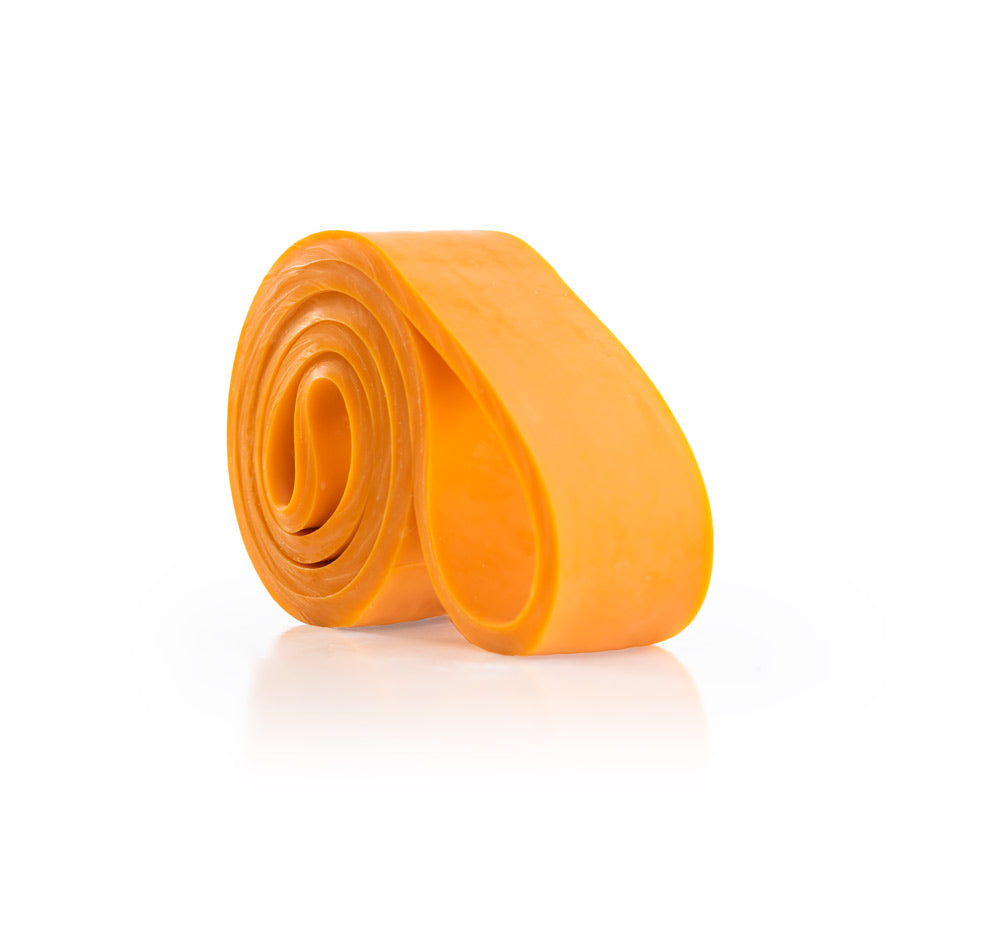
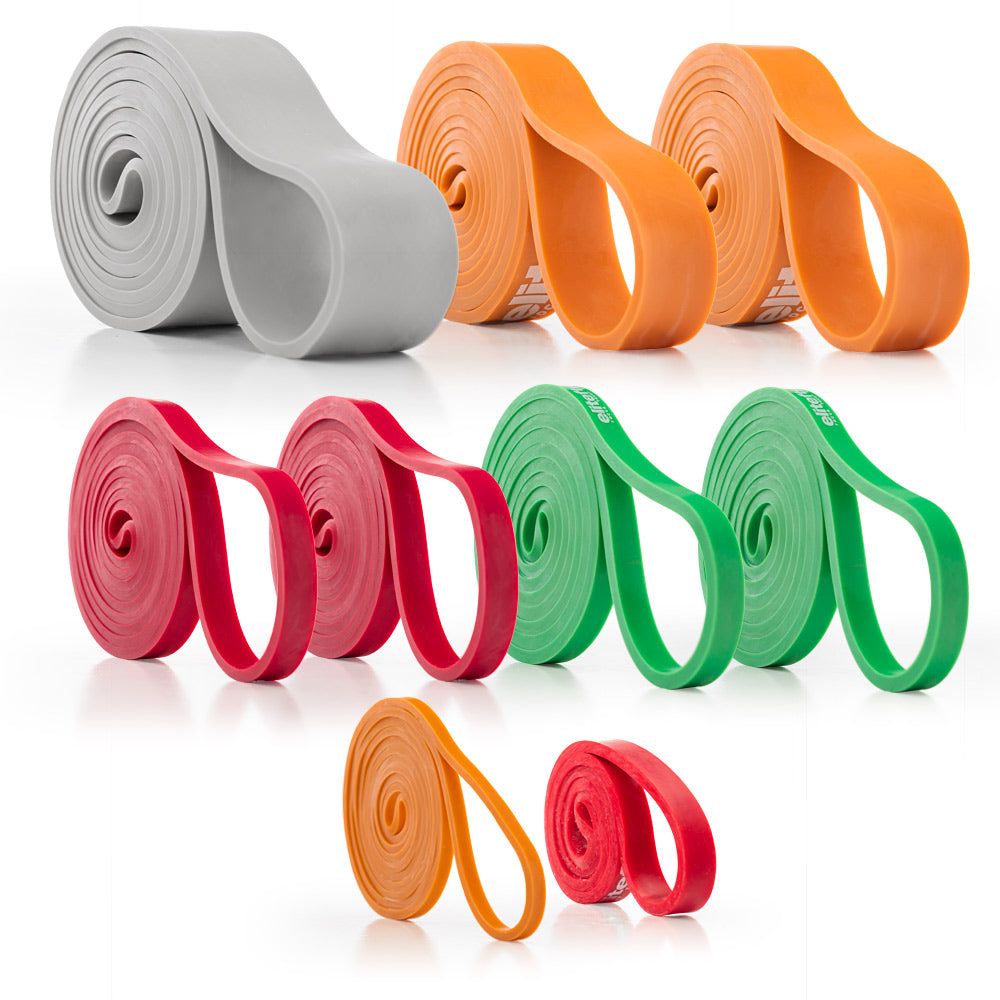
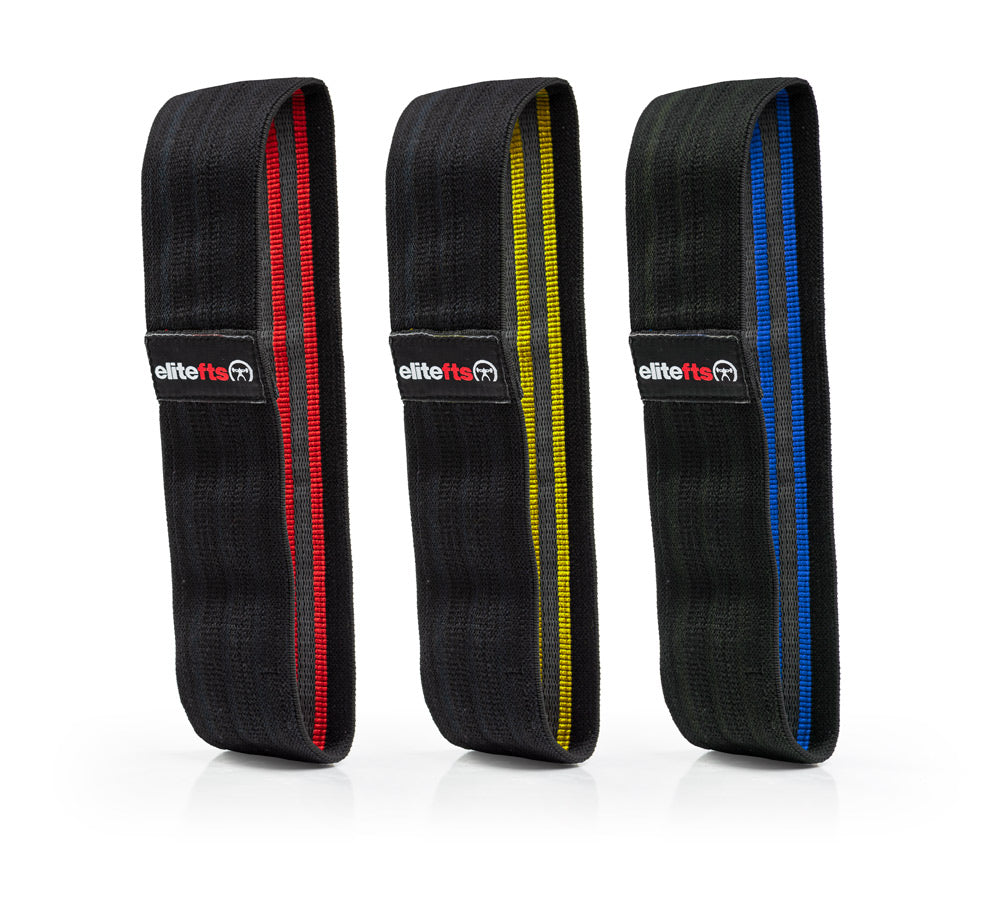
A brief session with resistance bands can make some supplemental work more convenient. It does not replace every function of a full session, and it should not become an excuse to avoid the challenging work.
Protect the sessions that matter. If your most important lower-body session is Saturday, consider what Friday's training does to Saturday's performance.
Your schedule is part of your program. It is not an obstacle you pretend does not exist.
More days do not automatically mean more work
One warning from the clinic discussion deserves attention: when people gain another training day, they often keep the original workload and pile a new session on top.
They think they changed the schedule. They also changed the dose.
If you move from three days to four, first consider redistributing the existing work. You may get better sessions because less work is crammed into each one. That does not require immediately adding another day's worth of sets.
A recent volume-and-frequency meta-analysis found that more weekly volume generally predicted more hypertrophy, with diminishing returns. Frequency itself appeared less influential once the other variables were considered.
That does not give everyone the same optimal number of sets. It tells you to examine the work before arguing about the split.
Count direct work, and recognize that compound exercises also contribute indirectly. Pressing affects more than your chest; pulling affects more than your back. A log is useful, but pretending you can calculate the exact biological contribution of every set creates false precision.
Start with what you are actually doing. Adjust from there.
A workable three-day example
Here is an illustration of organizing a hypertrophy emphasis, not a universal prescription or a literal clinic program.
Assume you have Monday, Wednesday, and Saturday. You want general development, with extra attention to your legs and upper back.
Monday could contain a knee-dominant lower-body movement, an upper-body press, a supported row, and a small amount of direct arm work.
Wednesday could contain a hip-dominant movement, a vertical pull, a second press, and targeted hamstring work.
Saturday could return to quadriceps and upper-back work, with shoulder or arm work added according to what the rest of the week already provides.
Choose a manageable number of working sets based on your recent training, not someone else's maximum. Keep the exercises stable enough to learn them. Give the priority work enough time that it is not rushed into the final ten minutes.
If you have four days, you might distribute similar work across upper- and lower-body sessions. If you have two, you might use two full-body sessions and be more selective about exercise count.
Before running that week, decide which pieces are non-negotiable and which are expendable. If Wednesday gets shortened, know what stays instead of making that decision while watching the clock. If Saturday regularly becomes a marathon, move work rather than assuming you need more discipline to finish it.
Review the whole week as one plan. Three individually impressive workouts can still make a poor week when they compete with each other. The best-looking session is not necessarily the one that best supports the sessions around it.
Those are organizational choices. None earns points just for looking sophisticated.
The question is whether the arrangement lets you perform, recover from, and repeat the work your goal requires.
Choose repetitions you can own
There is no special door that opens at eight repetitions and closes at twelve.
A large analysis of resistance-training prescriptions found that many combinations of loads, sets, and frequency increased muscle size. Heavier loads were more consistently advantageous for maximal strength, which is not exactly the same outcome.
For practical programming, choose repetition ranges that fit the exercise and let you perform demanding sets with repeatable execution.
A moderate repetition range might make sense for a dumbbell press. A higher one might suit a lateral raise. Those are useful choices, not biological laws.
When breathing, balance, or an awkward setup ends the set before the intended muscle is meaningfully challenged, examine the exercise and loading choice.
Also define what counts as a repetition before you start progressing. If the range gets shorter as the weight gets heavier, you are changing the test.
There is nothing wrong with deliberately changing a movement. Just do not call two different movements the same result because the exercise name in your notebook stayed the same.
Effort matters, but failure is not the whole plan
Doing ten repetitions and having ten more available is different from doing ten with one or two left.
That is why the load on the sheet should help you reach the intended effort, rather than force you to chase the largest number regardless of the day.
Research examining proximity to failure generally supports taking hypertrophy sets reasonably close to failure. It does not establish one perfect repetitions-in-reserve target for every exercise and lifter.
A separate eight-week trial in trained lifters found similar quadriceps growth from failure training and stopping approximately one to two repetitions short. Close can be enough.
The practical issue is honest effort. If you write “two reps left,” you should have a reasonable basis for that estimate. Beginners may need experience before their estimates become useful.
Failure on a stable isolation exercise also carries different practical consequences from failing a demanding compound movement. Use judgment and an appropriate setup. The goal is productive training you can repeat, not collecting failed repetitions as proof that you care.
Rest enough to preserve the work
Rushing between sets can make a session feel harder while reducing what you accomplish.
If your repetitions collapse because you never recovered enough to repeat the exercise, the clock is making programming decisions for you.
Research on rest intervals suggests a small advantage to resting longer than a minute, although the evidence does not establish one ideal rest period for everything.
Give demanding compound work enough recovery to maintain useful output. Smaller exercises may require less. Watch the result instead of defending an arbitrary stopwatch rule.
If time is limited, remove lower-priority work or organize compatible exercises efficiently. Do not automatically turn every important set into a conditioning circuit.
You can train conditioning separately. You do not need to accidentally turn your entire muscle-building session into it.
Progress without cheating the comparison
More weight is one way to progress. More clean repetitions can be another.
An experimental comparison of load and repetition progression found similar improvements in muscle size with both approaches. It involved previously untrained participants and one exercise, so it does not settle every programming question. It does challenge the idea that plates are the only useful measure.
A simple practical approach is to choose a repetition range, keep the execution consistent, and gradually improve within that range. When you can meet the intended repetitions and effort across the planned sets, consider a small load increase.
For example, you might build from the lower toward the upper end of an eight-to-twelve range before increasing weight. That is an example, not the only correct system.
Log the load, repetitions, and how the sets were performed. Include the effort estimate if you use one.
Do not add weight merely because another week passed. And do not dismiss a session because the number stayed the same. Better control, a more consistent range, or the same performance with less fatigue can matter. Eventually, though, the program needs evidence that its intended outcomes are improving.
Do not confuse adding work with solving the problem
When progress slows, adding sets is an easy answer because it feels like action.
Before doing that, ask whether the existing sets are accomplishing their purpose. Are you cutting the range short? Ending far earlier than intended? Changing the exercise every week? Missing the session where the priority work belongs?
More of that is not automatically better.
On the other hand, if you are completing the work consistently, recovering well, and no longer seeing useful progress, a modest workload increase may be a reasonable experiment. Change one important variable, record it, and give the change enough time to evaluate.
The word is experiment. Not guarantee.
You might also discover that the session already contains too much low-value work. Removing something can improve your ability to perform the work that matters. That is not laziness when the decision is tied to the goal and checked against results.
Every exercise on the page has a cost in time and effort. Make it justify its place. A movement does not become essential because you have always done it, and a new movement does not become useful because someone made a convincing video about it.

Recovery belongs in the schedule
A program is not just a list of things you can survive once.
If every session makes the next one worse, something needs examining. That could be workload, exercise selection, proximity to failure, sleep, nutrition, outside stress, or a combination.
One bad day is information. A repeated decline is a pattern.
Start by identifying what changed. Do not automatically blame the last exercise you performed, and do not assume the answer is always another exercise, supplement, or recovery method.
You may need fewer sets for a period, an easier effort target, a different movement, or a lighter week. You do not necessarily need to stop everything at once. My earlier discussion of when to back training down makes the broader point that adjustments should fit the phase and the problem.
There is no need to pretend every lifter requires a deload on the same calendar date.
Keep useful conditioning in perspective, too. It can support your ability to train, but its workload still counts. Hypertrophy being the priority does not mean every other quality disappears. It means those qualities cannot consume resources you intended to put toward growth.
Measure the goal, not just the workout
Before starting the block, answer this: in what way are you supposed to be better when it ends?
If the goal is learning execution, you need evidence of more consistent execution. If the goal is adding muscle, eventually you need more than evidence that training felt difficult.
Use a small dashboard:
- Sessions and planned work actually completed.
- Performance on a few stable exercises under comparable conditions.
- Bodyweight trends, when gaining weight is part of the plan.
- Consistent body-part measurements or photographs over longer intervals.
- Recovery patterns that explain whether the workload remains manageable.
None is perfect alone. Strength can improve through skill. Scale weight can change through fluid, glycogen, or fat. A tape measurement can change because you measured differently.
Consistency makes the information more useful. Compare similar conditions and look for trends rather than reacting to a single reading.
Nutrition also has to support the objective. Do not ignore it for six weeks and then blame the split. Equally, forcing scale weight upward as fast as possible does not prove you are building muscle faster.
Record enough to make better decisions. You do not need a dashboard with forty numbers you never use.
Adjust the plan you actually performed
At the end of the week, review what happened before deciding what comes next.
Did you complete the essential sessions? Did the priority muscles receive the intended work? Did performance hold up? Is the next week's schedule different?
If you have a coach, communicate those answers. A coach cannot adjust for missed sessions, changed availability, or persistent fatigue you never mention.
Do not cram every missed set into the next workout to make the spreadsheet look complete. Redistribute what remains important and accept that the week changed.
Keep enough consistency to learn from the program. Changing exercises, sets, repetitions, effort, and frequency simultaneously makes it hard to know what helped.
Sometimes the right change is small. Sometimes the right decision is to keep going because the trend is positive, even though the program stopped feeling new.
Boredom is not the same thing as a plateau.
Give the goal enough good weeks
Hypertrophy does not need to become complicated to become serious.
It needs a priority that survives beyond the first enthusiastic session. It needs exercises with a purpose, challenging work you can recover from, and enough consistency to judge the result.
The calendar sets the direction. The week makes it executable. The session supplies the work. The log helps you decide what to do next.
If those pieces do not agree, fix that before searching for a more advanced method.
You do not need to prove how much punishment you can tolerate. You need to build something that was not there before.
Plan for it. Train for it. Measure it.
Then give it enough good weeks to matter.
Live, Learn, Pass On.
Bring your training questions to Train Your Ass Off
Want help connecting your technique, weak points, and training plan? Train Your Ass Off combines hands-on coaching with time to work through programming questions. Bring the questions that matter to your training, not just a list of exercises. Applications are reviewed before participation is confirmed.