
TL;DR
- The SS Yoke Bar belongs in more than your squat rotation. Remove its handles and use the pad to guide a demanding triceps-focused JM press variation.
- Keep the movement controlled: lower to the chest, hinge into the extension, reverse that hinge, then finish the press. Bouncing the pad and turning every rep into a close-grip bench defeats the purpose.
- Use it for supplemental bench work, focused triceps training, or another productive application of a bar already in your gym.
- Start with a load you can control. The empty bar weighs 65 pounds. The pad does not make the exercise risk-free or guarantee that your elbows will like it.
SHOP THE ELITEFTS SS YOKE BAR →

If your SS Yoke Bar only comes out on squat day, you are leaving a useful upper-body movement sitting in the rack.
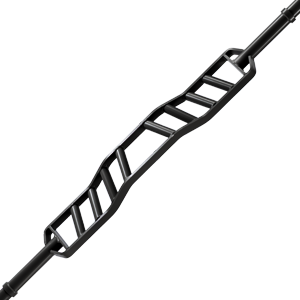
The removable handles are there for a reason. Take them out, set up on a bench, and the same bar gives you a different way to train your triceps. The pad becomes part of the movement. It helps guide the transition between a press and an extension, giving you a physical reference that a straight bar does not provide.
That is the useful part of the SS Yoke Bar JM press. You can load the triceps, practice a repeatable movement, and give the bar another job in your program. Whether that helps your pressing or builds your arms depends on how you perform it and how it fits the rest of your training.
Start there. Before asking how much weight to use, understand what you are trying to train.
Why Use a Squat Bar for Triceps?
The JM press combines elements of a close-grip press and a triceps extension. The elbow extension matters. When the load gets too heavy and the movement becomes another bench press, you can move more weight while doing less of the specific work you came for.
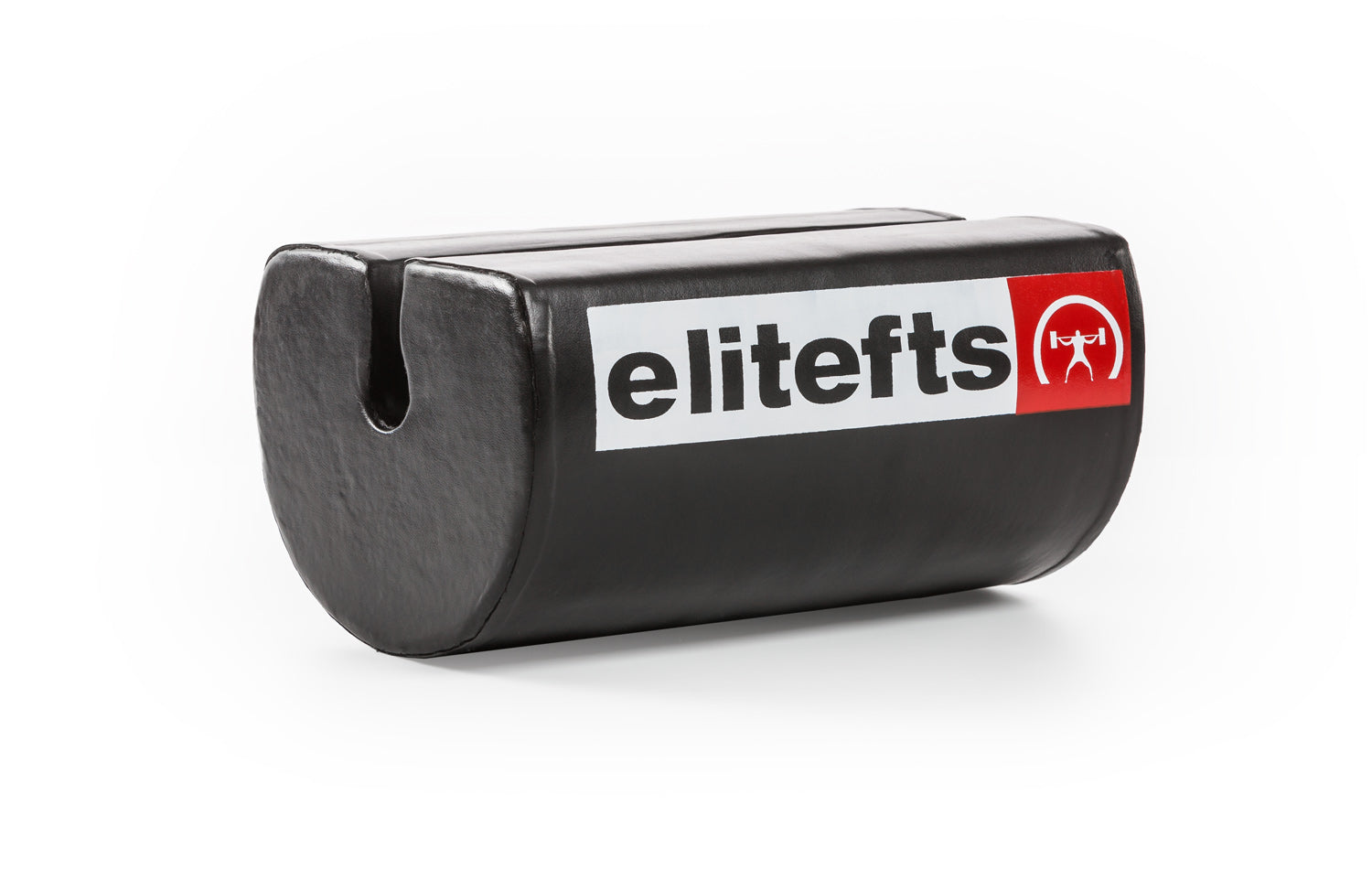
The SS Yoke Bar gives you a way to feel that distinction. Its pad contacts the chest and helps guide the hinge into the extension. Its recessed handles unscrew so they are out of the way. Those are practical design features, not decorations.
In my original explanation of this variation, I explained that this was one of the secondary movements we wanted the bar to perform when we designed it. I also said that I still preferred the original barbell version, while finding the Yoke Bar variation easier to teach and popular with lifters who tried it.
Both points matter. You do not need to declare one version the winner for everyone. You need a version you can perform correctly, progressively train, and recover from.
Features That Actually Change the Training
| Feature | What it gives you | What you still have to do |
|---|---|---|
| Removable, recessed handles | Clearance for the JM press setup | Remove the handles before the set and check the bar setup |
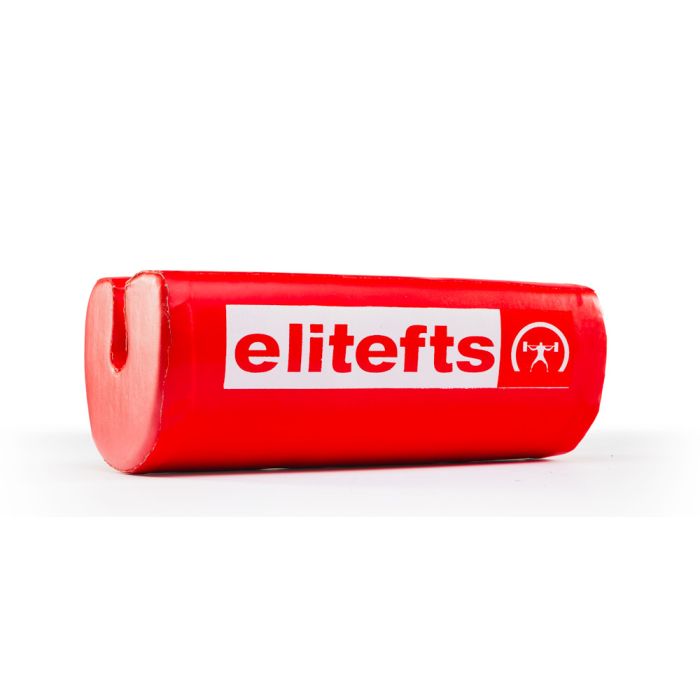
| Padded center section | A contact point and guide for the press-to-extension transition | Control contact; never bounce or drive the pad into your face |
| Specialty-bar shape | A different loading and handling experience from a straight bar | Learn its balance before adding plates |
| 65-pound empty weight | A substantial starting load | Choose another tool if the empty bar is already too heavy |
| Multiple intended applications | Squats, good mornings and JM presses from one bar | Give each exercise a purpose instead of using every variation at once |
On a small screen, swipe the table sideways to see all columns.
Watch the Movement, Then Learn the Setup
JM Press With elitefts SS Yoke Bar · Watch on YouTube
JM Press With elitefts SS Yoke Bar: A short official elitefts demonstration of the movement. Use it alongside the setup instructions below rather than treating a short clip as a complete coaching session.
The following sequence is the SS Yoke Bar variation described in my earlier article. It should not be mixed indiscriminately with every cue for the original straight-bar JM press. Different versions can use different setups. Establish the version you are doing, then keep it consistent.
1. Prepare the Bar and Bench
Remove the handles. Put the bench and rack in a position that lets you unrack and return the bar under control. Check the pad and equipment before loading. Use suitable safeties and competent spotting for the setup.
The product listing states that spring collars do not fit or work with elitefts specialty bars. Use collars compatible with this bar rather than assuming the collars from your regular barbell will work.
Learn with the empty bar only if you can control it comfortably. Sixty-five pounds is not a warm-up for everybody. If that is too much, choose a lighter implement while you learn the underlying movement.
2. Establish Your Position
For this variation, set your body as you would for a bench press: upper back set, lats tight and a stable position through your feet. Do not shift around on the bench as the bar changes direction.
A starting grip from my earlier explanation is approximately a thumb's length from the pad. Treat that as a reference, not a requirement to force an uncomfortable hand position. Establish a secure, balanced grip and check that you can control the bar before the set begins.
Unrack with the elbows beneath the wrists and bring the bar into your starting position. Do not begin the first repetition while you are still fighting the handoff or settling the bar.
3. Lower Until the Pad Reaches the Chest
Begin the descent like a controlled bench press, keeping the elbows aligned beneath the wrists. Let the pad reach your chest without crashing into it.
This contact is a reference point. If you use it as a trampoline, the movement changes. The load should still be yours to control when the pad touches.
4. Hinge Into the Extension
From that contact point, allow the wrists to move behind the elbows as the bar hinges downward into the extension. Keep the elbows from flaring excessively.
Use only the range you can control, keeping the bar secure and stopping before the pad can strike your face. Do not force a deeper position or chase contact. Reverse smoothly rather than letting gravity finish the repetition.
If you cannot stop and reverse the movement without impact, the load or range is beyond what you currently control.
5. Reverse the Hinge, Then Finish the Press
Come out of the bottom with the palms first, bringing the pads back toward vertical. Then complete the press to lockout.
That sequence is worth learning slowly. Simply driving the bar forward and pressing it away skips the part you are trying to train. Keep the repetitions recognizable from the beginning of the set to the end.
Coaching check: Film a light set from the side. Can you see the controlled transition into the extension and back out, or does every repetition become a different exercise?
Use Case 1: Supplemental Work for Your Bench
A stronger bench requires more than bigger triceps, but the triceps still have to finish the press. The Yoke Bar JM press gives you a supplemental movement that places deliberate work there after your main bench training.
First, make sure you have identified the actual problem. Losing your upper-back position, choosing an unrealistic attempt, or letting the bar drift out of position can all produce a missed bench. Adding triceps work will not automatically fix those problems.
When additional elbow-extension work fits the need, put the JM press in a supplemental slot and keep the setup repeatable. Record the grip, load, repetitions and range. Compare the same exercise with itself before deciding that the number in your log represents improvement.
Then evaluate the larger goal. Is your bench progressing? Can you maintain position and finish the press? Are you recovering for the next pressing session? A bigger Yoke Bar JM press is useful information, but it is not proof by itself that your competition bench improved.
Use Case 2: Bigger Triceps Without Chasing a Bigger Number
For hypertrophy, the exercise has to keep doing the job as you fatigue. If the first five reps are controlled extensions and the last five are bounced presses, you have changed the work to finish the set.
Ben Pollack made this point in Powerlifting for the Bodybuilder — The Triceps. His discussion of the Yoke Bar variation emphasizes a controlled path, tension through the repetition, complete elbow extension and a steady cadence rather than throwing the bar out of the bottom.
Apply that before adding more weight. Use the range you can control. Finish the repetition instead of stopping short just to keep the plates moving. End the set when you cannot maintain the movement you selected.
You already get triceps work from pressing. Account for it. Adding this variation on top of every extension, pushdown and close-grip press you already do can create more fatigue without giving you more useful training.
Replacing one existing triceps exercise is often a clearer test than adding another exercise to an already crowded session.
Use Case 3: Get More From the Bar You Already Own
For a garage gym, school weight room or training facility, versatility matters when it serves real training needs. A bar that handles lower-body work and a useful upper-body assistance movement can earn more time in the program.
That does not mean everybody needs to buy an SS Yoke Bar solely for JM presses. A straight bar, dumbbells or another extension may already do the job for you. Consider the whole range of applications, your athletes, your available space and the equipment you already have.
If the bar is already in your room, this is a straightforward application to evaluate. You do not need an elaborate band-and-chain setup to discover whether you can feel and control the movement. Learn the basic variation first.
Top 5 Movements With the SS Yoke Bar · Watch on YouTube
Top 5 Movements With the SS Yoke Bar: This official elitefts video provides broader context for the bar, including triceps extensions. The companion article explains the pad's role as a guide, along with squats, good mornings and back raises. It is a broader applications video, not a replacement for the specific JM press sequence above.
Give It a Sensible Starting Place
The following is a proposed starting framework, not a historical program from a video and not a prescription for every lifter.
For an experienced lifter new to this particular variation, begin with two controlled working sets after the main press, using a load that allows roughly eight to twelve clean repetitions with several good repetitions still available. Spend the first sessions learning the transition instead of testing your limit.
That range is only useful if you can control the empty bar. If you cannot, use a lighter exercise. Do not force a set because the plan says eight repetitions.
Once the movement is consistent and recovery is acceptable, progress one variable at a time. Add a repetition within your selected range before making a small load increase. Keep the grip, range and technique the same. You can earn more work later; you do not need the largest workload on your first day.
For someone already using the variation successfully, the programming can become more demanding. Pollack's article includes an experienced-lifter example with descending repetitions and increasing load. That example demonstrates an application, not a requirement to copy his entire session.
Watch the effect on your next bench workout. If the added work consistently leaves you unable to perform the pressing you are trying to improve, reduce or replace it.
Common Ways to Miss the Point
Too much weight too soon. The unfamiliar movement is not an invitation to find your maximum. Establish control before progressing.
Bouncing the pad. Chest contact helps guide the movement. It should not supply momentum. Slow down and own the transition.
Turning it into a close-grip bench. If you remove the extension component to finish the set, you are no longer comparing the same movement. Reduce the load or stop the set.
Forcing the bottom position. More range only helps when you can control it. Never drive the pad into your face or chase contact at the expense of position.
Assuming the pad protects everything. Padding is a design feature, not a substitute for a secure grip, appropriate load, safeties or a spotter. The exercise still loads the elbows and wrists.
Changing everything at once. New grip, more weight, more sets and added chains make it difficult to know what helped. Keep the test simple enough to learn from it.
Who Should Choose Another Option?
Choose another movement if the empty bar is too heavy, the rack setup does not allow a controlled unrack, or the variation repeatedly causes discomfort. You have plenty of ways to train your triceps.
The original JM press tutorial article emphasizes patience with loading and warns against ignoring irritated elbows. That caution still matters when you change the bar. A more convenient setup does not eliminate the demands of the exercise.
Do not treat this article as an injury-rehabilitation plan. Stop a painful movement and address persistent symptoms with an appropriately qualified professional rather than trying to force your way through them.
Product Details Worth Knowing
The current SS Yoke Bar specification lists a 65-pound weight, 92-inch length, approximately nine inches between the inside surfaces of the pads and 49.5 inches between the cambers. It uses removable handles and nonrotating sleeves.
Check those dimensions against your room and rack. If you are also outfitting a pressing station, compare options such as the elitefts Professional Competition Bench CB3. Verify rack clearance, unracking position and your safety setup for this specific movement; a product name alone does not establish compatibility. Check the current product page for options, availability and purchasing terms. The useful buying question is whether its combination of squat, posterior-chain and triceps applications fits your training, not how many exercises somebody can invent for a sales page.
Does It Replace Regular Benching?
No. It is an assistance option. Keep practicing the press you want to improve and use supplemental work to address a specific need.
Do I Need Bands or Chains?
No. Learn the basic movement with a consistent load first. Additional resistance methods add setup and loading variables; they are not prerequisites for productive triceps work.
Is It Automatically Easier on My Elbows?
No. Some lifters prefer the setup, but your response determines whether it belongs in your training. Comfort claims from another person's experience do not guarantee yours.
Make the Movement Earn Its Place
The SS Yoke Bar JM press gives a familiar piece of equipment another useful job. Remove the handles, learn the controlled transition, and train the triceps without letting the movement turn into something else.
Use it for a reason. Track it honestly. Keep it when it helps your pressing or your triceps training, and change it when it does not.
Live, Learn, Pass On.