

By elitefts | Training insights from Jason Manenkoff’s bench workout on the elitefts YouTube channel.
A heavy bench starts before the bar leaves the rack. Rack height, the way you take the bar out, your position on the pad, and the equipment around you all become part of the lift. When one changes, the weight can feel different before you have even lowered it.
In Inside an Elite Powerlifter’s Unfiltered Bench Workout, Jason Manenkoff works through those details in an unfamiliar training environment. He adjusts the rack, checks the bench alignment, builds toward heavy singles, and discusses the work behind his press. The useful lesson is how deliberately he evaluates the whole session.
TLTR
- Practice the full setup and unrack with your warmup weights.
- Check rack height before it becomes a problem under a heavy bar.
- Use competition-style practice to learn how your bench holds up outside your home gym.
- Choose your grip from repeatable results over time.
- Give back training and assistance work a clear place in the plan.
Make the setup repeatable
Throughout the workout, Manenkoff notices details many lifters would ignore. The rack initially feels low. After an adjustment, it feels a little high. The bench alignment bothers him enough that he checks it again between sets. He keeps investigating until the setup feels better.
These observations give a training log more value. Recording the load and reps tells you what happened. Recording a changed rack height or an awkward unrack helps explain it. If the first rep feels wrong, review what happened before it rather than immediately changing your entire program.
Build a short sequence you can rehearse: check the rack, take your grip, establish your position, unrack, settle the bar, and begin. Use the lighter sets to make that sequence consistent. Changing several setup details at once makes it harder to learn which adjustment helped.
Match rack height to your unrack
Manenkoff prefers to take the bar out himself during this session. When offered a handoff, he explains that it would make the situation worse for him. That is a preference built around his own practiced setup, rather than a requirement for every bencher.
He describes raising his hips during the unrack so he can use his legs to push back toward his upper back and traps. After taking the bar out, he settles his glutes onto the pad while maintaining his position. The distinction matters: the transition out of the rack and the position used to press are separate parts of his sequence.
The practical check is whether your rack height lets you remove the bar without having to rebuild your setup afterward. Test it with manageable weight. If you use a handoff, rehearse the timing and communicate where you want the bar delivered. If you self-unrack, practice that skill with appropriate safeties and competent spotting.
Manenkoff still asks for someone to be there during his heavy work. Taking your own lift-off does not remove the need for a spotting plan. Check your federation’s current setup requirements before copying another lifter’s sequence for competition.
Give every warmup a job
Before pressing, Manenkoff describes band work, occasional lat pulldowns, hip preparation, and push-ups. He is also evaluating his training after a shoulder issue, so this workout reflects his circumstances. It is not a return-to-training prescription for someone else.
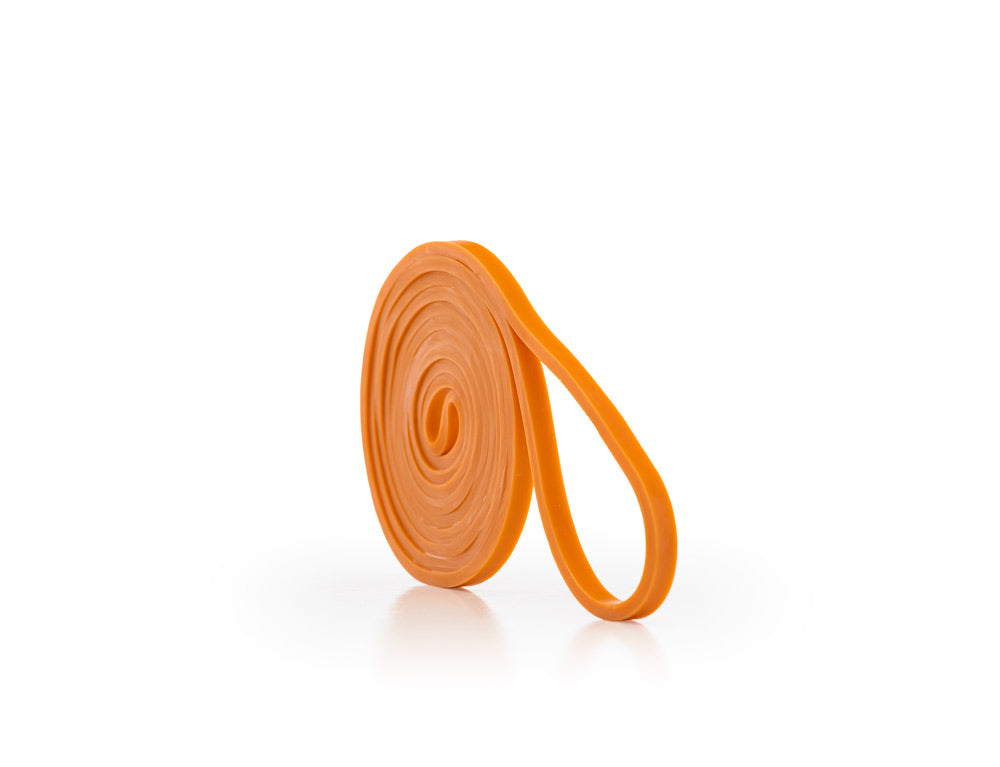
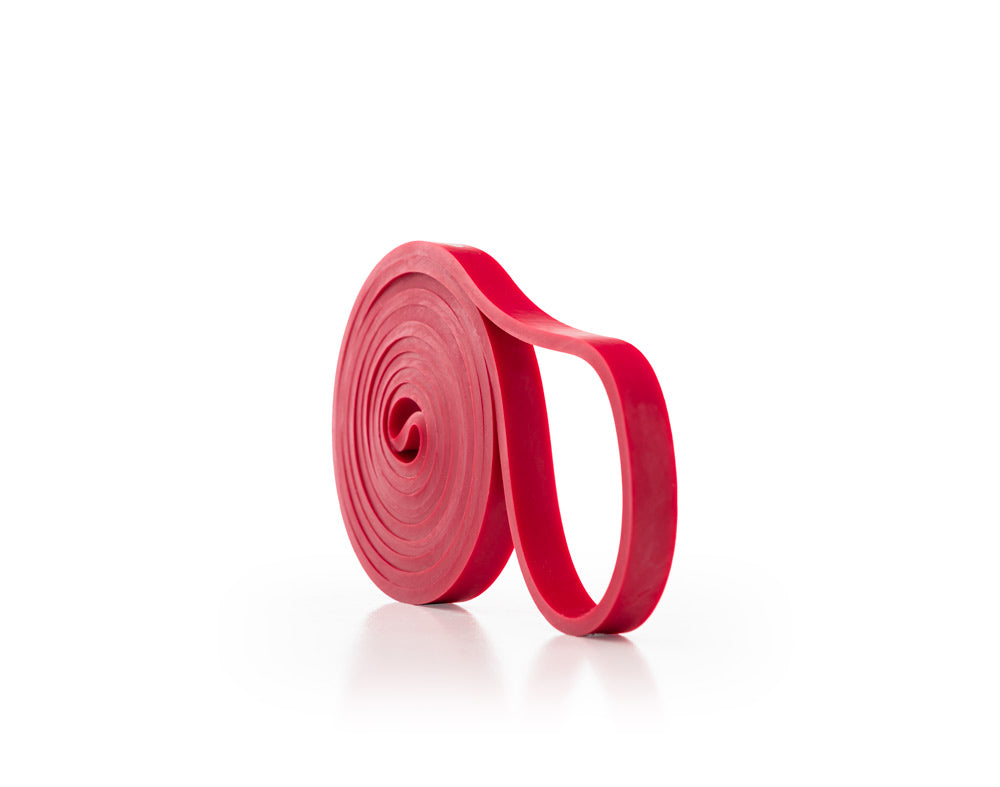
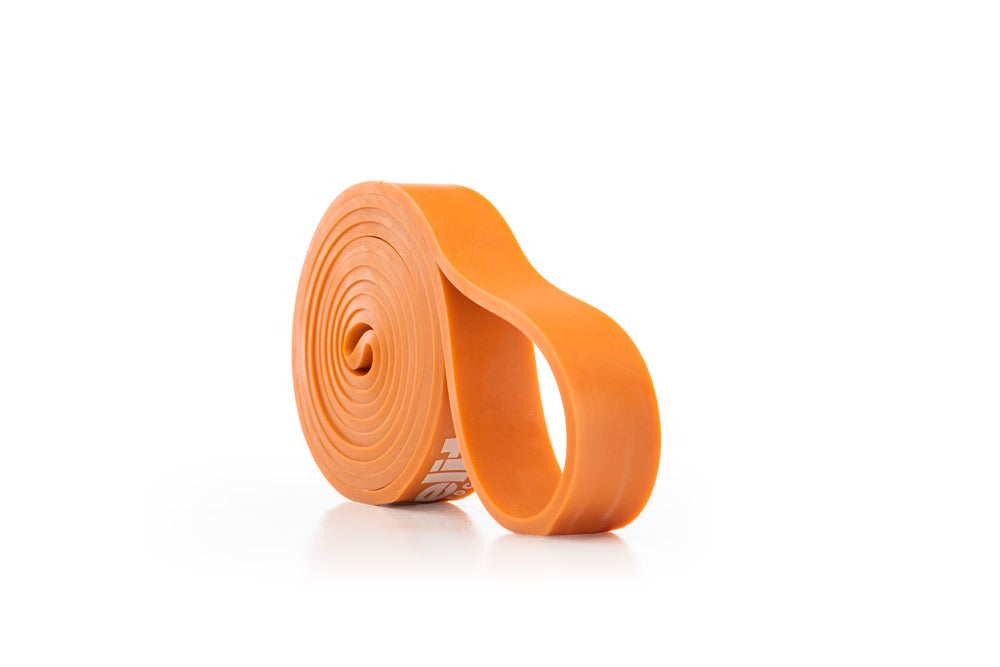
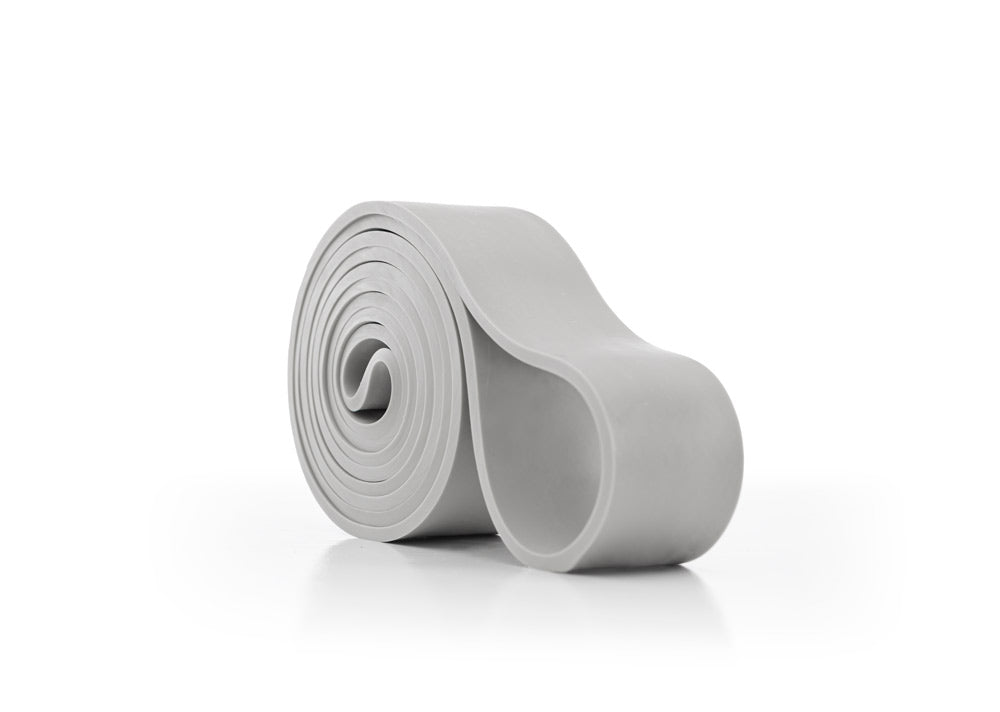
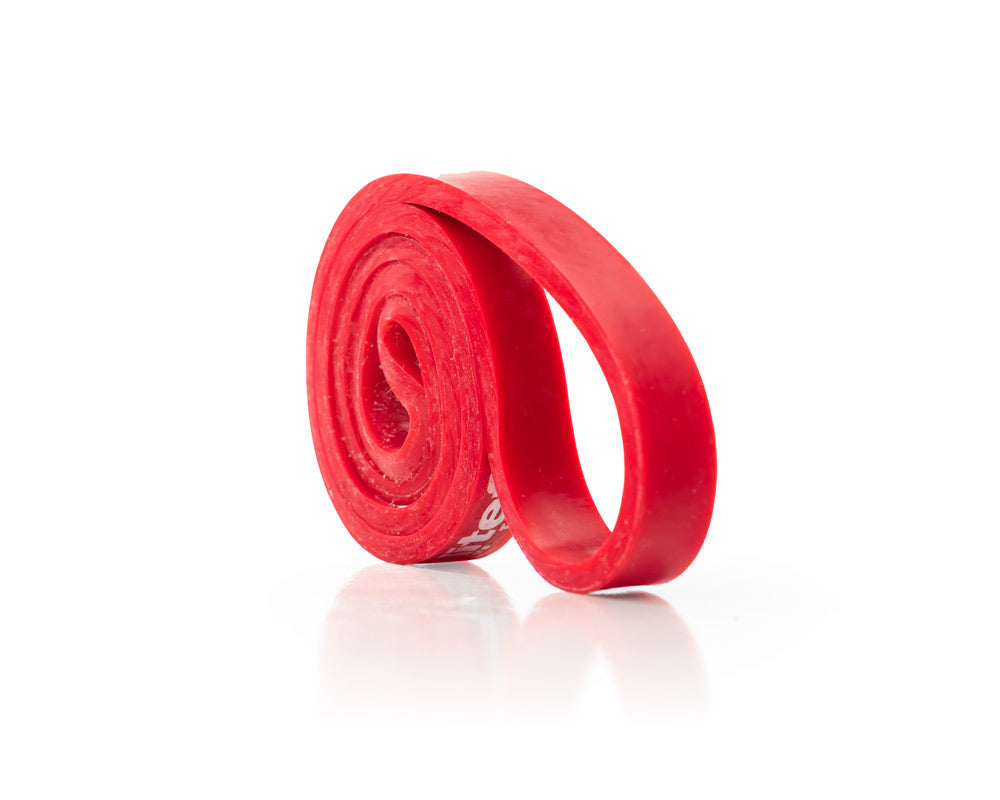
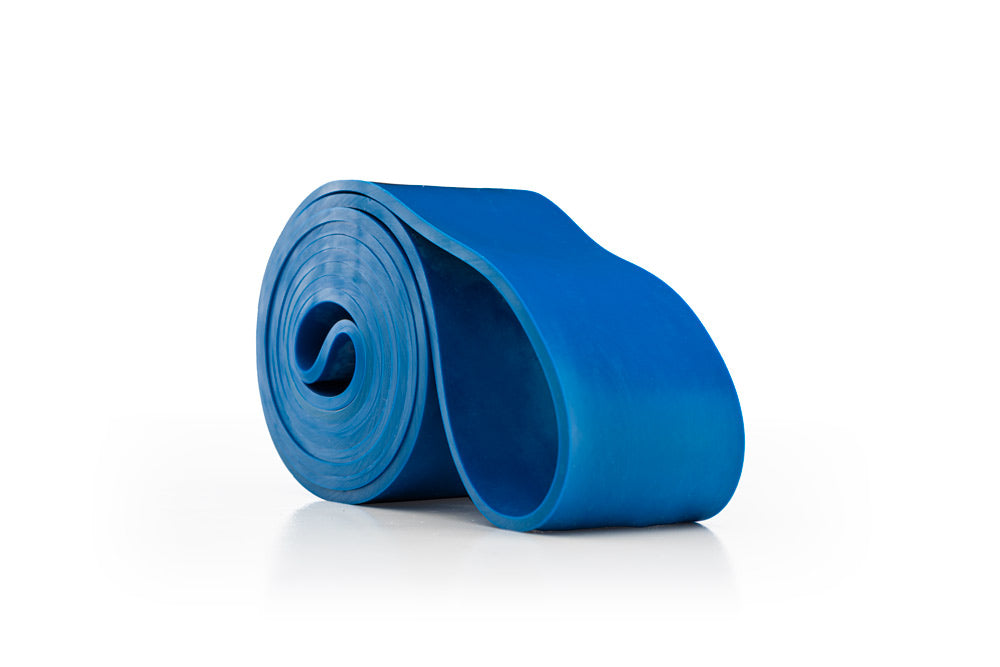
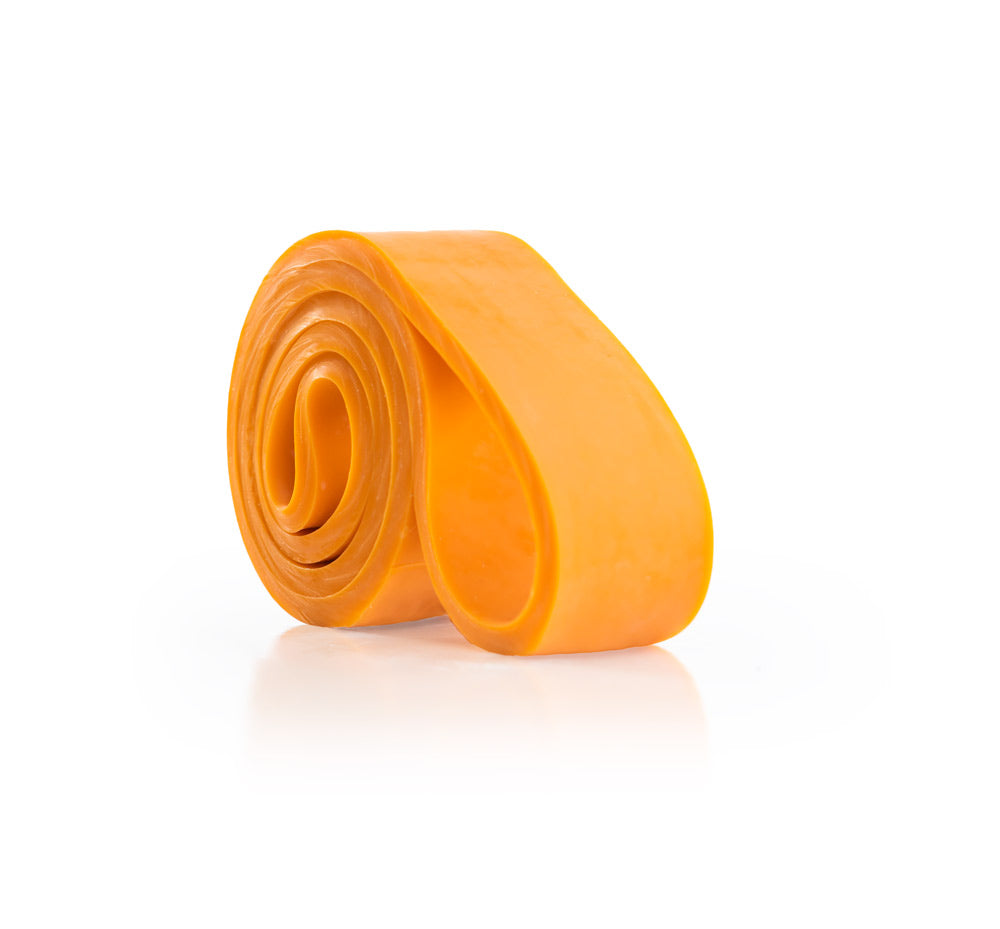
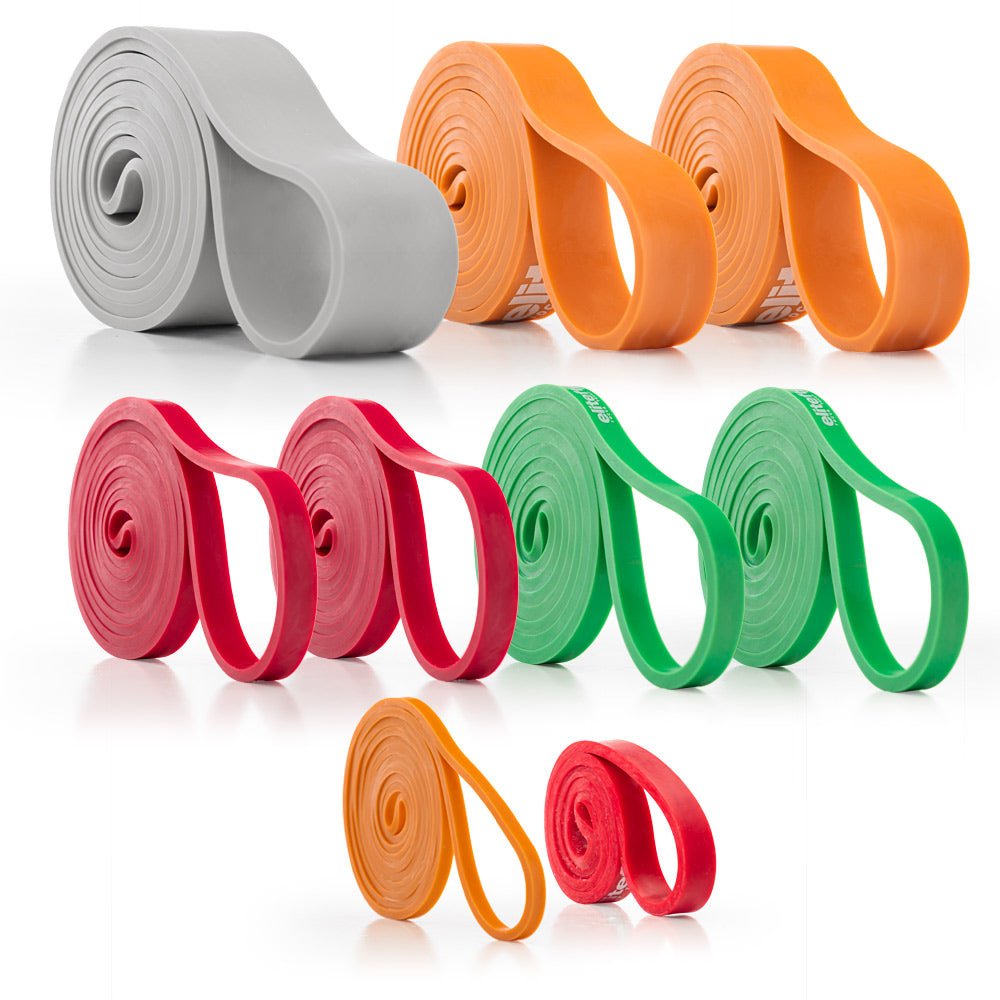
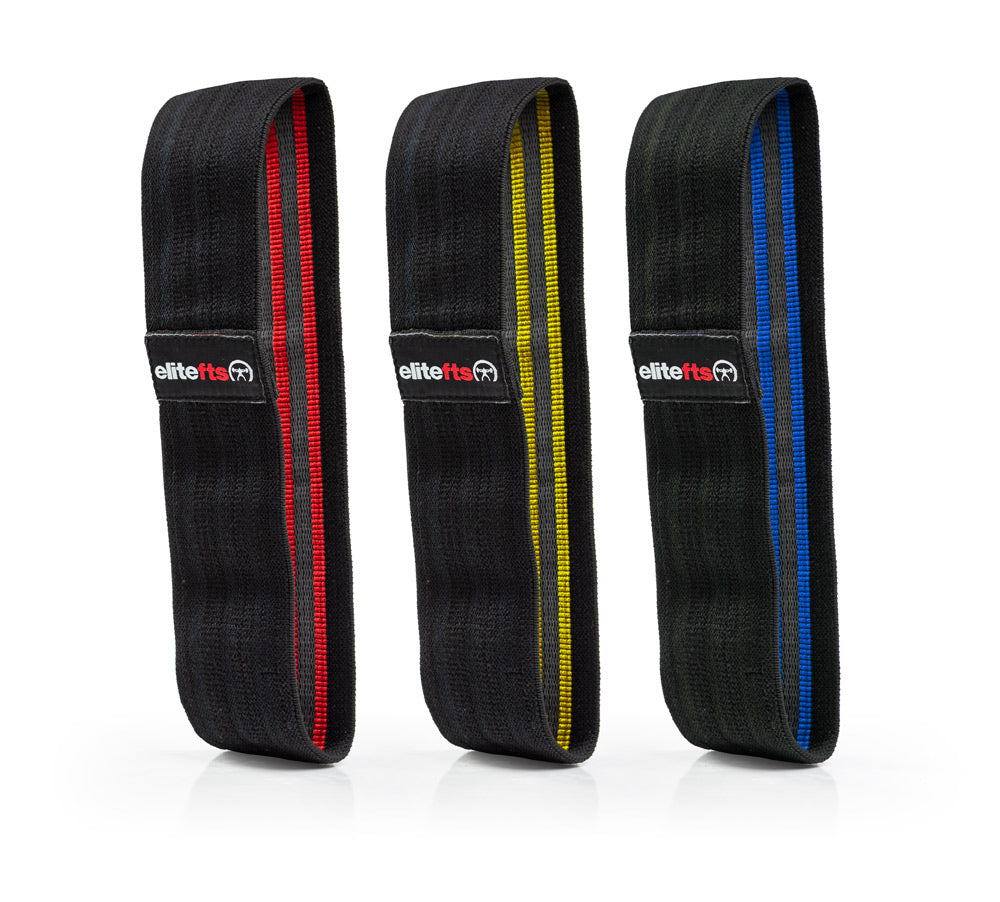
The useful programming question is what each warmup contributes to the session. For lifters who already include light band work in their preparation, the elitefts bands collection offers equipment options. Select resistance around the movement and its purpose rather than making preparation another demanding workout.
For his barbell warmups, Manenkoff works backward from the weight he expects to approach and makes smaller jumps as the load gets heavier. Use those sets to assess the same details you need on the working sets: unrack, position, control, and readiness. Let the information from the warmups influence the day’s plan.
Prepare for the whole competition environment
Manenkoff explains that calibrated plates and competition collars feel different to him when he takes the bar out. He also describes how moving from a warmup room to a platform can change the experience, even when the benches appear identical. Lighting, the ceiling, and the surrounding atmosphere all enter his awareness.
This is useful context when comparing gym performance with a meet. A familiar load does not guarantee a familiar experience. Where possible, practice with equipment similar to what you expect to use, and learn your setup before the attempts matter.
You can also make occasional, manageable changes to the training environment without turning every session into a test. Practice without your preferred music or on another suitable bench. Keep the important parts of your lifting sequence stable and notice what needs adjustment. The aim is to become familiar with adapting while keeping a dependable routine.
Train the bench you intend to compete with
During the conversation, Manenkoff distinguishes general benching experience from focused work to improve the competition lift. One example is his use of pauses. In his approach, lower-rep bench work is paused, while higher-rep work can be touch-and-go.
His reason is specificity. He considers a heavy paused bench a different task from pressing immediately out of the bottom. If the competition lift is your goal, a training plan needs deliberate practice with that demand. He also asks for commands during his heavy attempts in the workout.
Give each type of pressing a defined purpose. Competition-style work can rehearse execution; other work can develop the qualities your plan calls for. Keep those performances identifiable in your log. A touch-and-go result and a paused result provide different information, particularly when you are deciding what to expect on the platform.
Choose grip width from sustained results
Manenkoff has spent much of his lifting life using a relatively narrow grip. He says he has experimented with a wider position and could match his bench after training that way. His concern was holding that performance through a meet and retaining the response he wanted off his chest.
That history makes the lesson more useful than simply copying his hand placement. A grip can produce a good training result without becoming your most dependable competition option. Evaluate how a change performs across multiple sessions and through the training cycle.
Record grip position alongside the load, pause, and execution. Give an experiment enough consistent practice to assess it. Your decision should reflect the position you can use reliably, rather than the grip that looks most convincing on someone else.
Build the back and choose assistance deliberately
Back training is a repeated priority for Manenkoff. He describes his back as the foundation for his bench position and notes that, with his closer grip, his triceps contact his lats. When discussing accessories, he returns to the amount of back work he does.
He also describes how his assistance choices have changed. Weighted dips were important in an earlier period, but he is not currently using them the same way. An exercise’s history in your program does not settle whether it belongs in the next phase. Review its purpose and how it fits your current training.
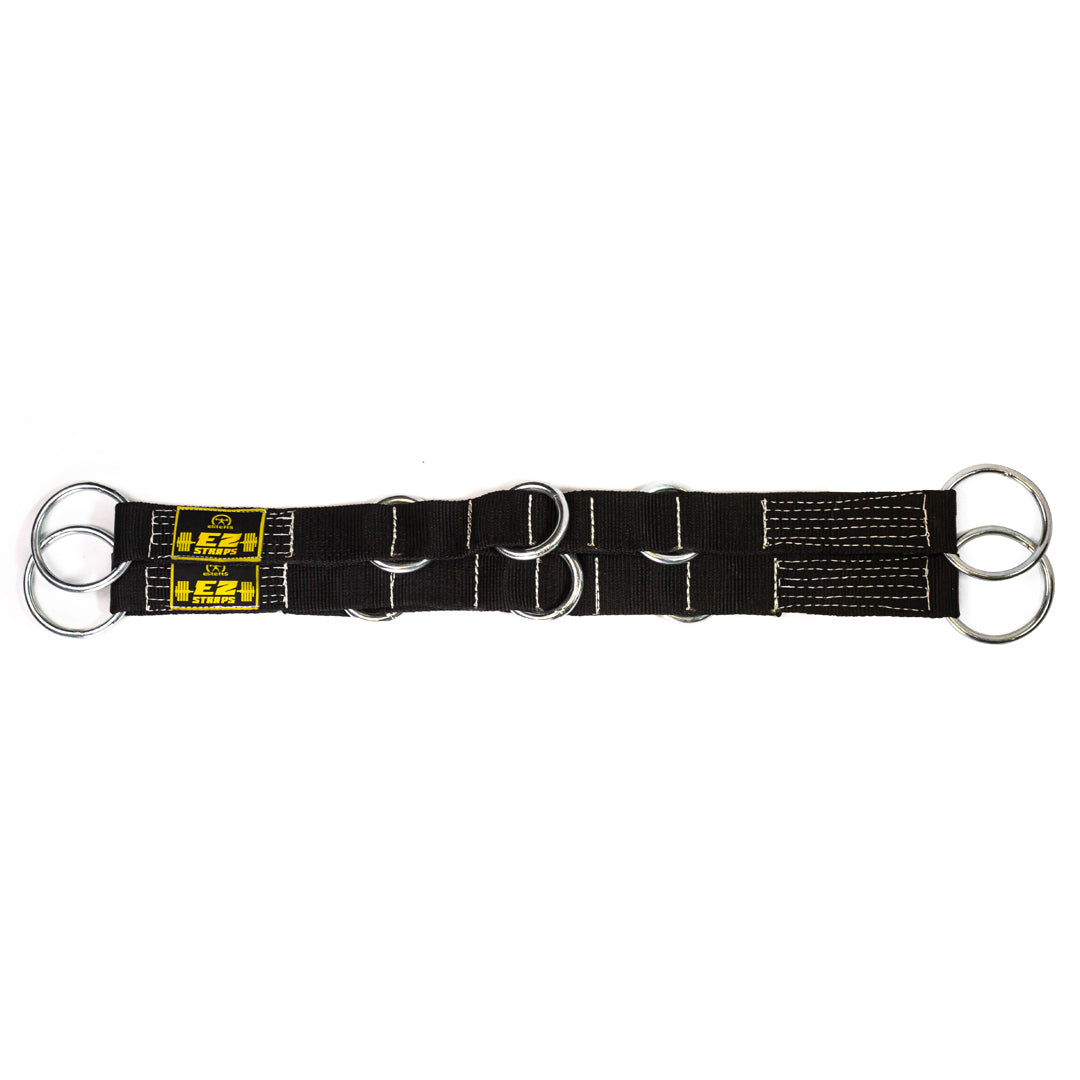
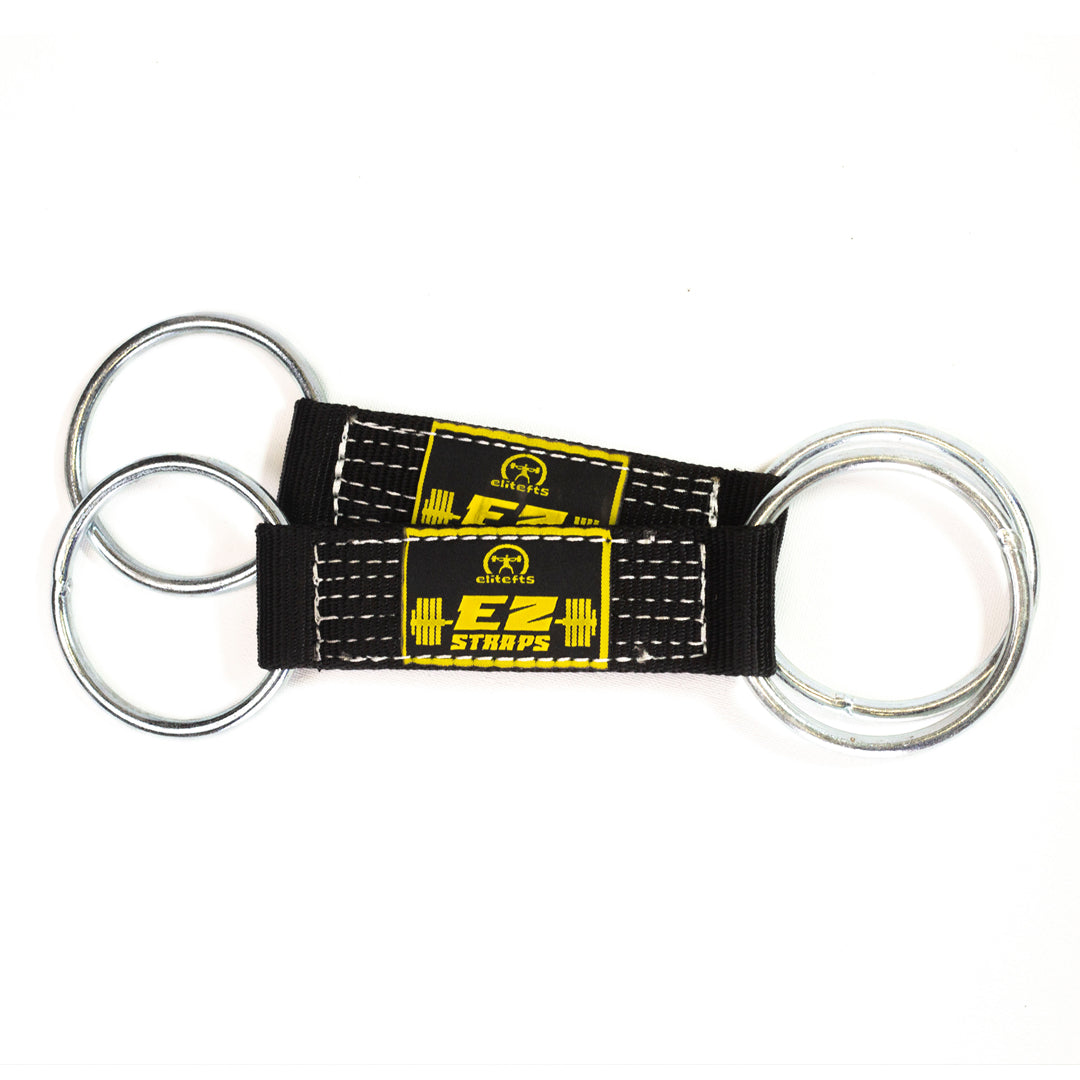
Equipment should follow that decision. For programmed rows and pulldowns, the elitefts cable-attachments collection offers handles and bars to fit your exercise selection. Choose the variation first, then an attachment that lets you perform it consistently.
Take one useful check into your next session
Start with the earliest part of the lift that becomes inconsistent. Check the rack height, film the unrack, or write down the setup sequence. Then use the session to see whether one adjustment makes your working sets more repeatable. Manenkoff’s workout provides plenty to study, but the most useful change is the one you can evaluate in your own training.
Watch the full workout
Source: elitefts, Inside an Elite Powerlifter’s Unfiltered Bench Workout, featuring Jason Manenkoff. Watch the full session for the setup adjustments and conversation behind these training lessons.