
Jump Progressions
If your athletes aren't jumping, they're leaving speed, power, and explosiveness on the table. This system shows exactly how we progress jumps from basic to advanced inside real training.
We place a heavy emphasis on jumping in our programs. These movements are typically used in contrast with our primary strength and power lifts, but they also stand alone effectively as primers or finishers within a session.
My interest in jump training goes back to watching old footage of Werner Günthör's training in the late 1980s and early 1990s. Those sessions left a lasting impression on me and still represent one of the most iconic examples of explosive training done correctly. Watch the training footage here.
I recommend Louie Simmons' work on jump training and progressions. Numerous practical takeaways have directly improved our programming. In addition, Explosive Power and Jumping Ability in All Sports by Tadeusz and Henryk Sozański is an outstanding resource, offering clear explanations and useful progressions for developing jumping ability.
At the end of this article, you'll find a table outlining our current jump menu. This is structured around a three-week loading cycle and integrated into a modified French Contrast Method, which serves as the backbone of our lower-body strength and power sessions.
Knees-to-Feet Jumps
One of the most effective tools we've used is the knees-to-feet jump. This movement not only improves power output but reinforces a critical concept we want in all Olympic lifts—"hips through."
This carries directly into movements like the clean and snatch. We typically incorporate a countermovement arm swing to enhance explosiveness and progressively load the movement with weighted vests or dumbbells. The best performance we've recorded is five reps with 30kg dumbbells in each hand.
- Transitioning from a clean into a squat position with the bar racked on the shoulders.
- Performing jumps from a kneeling position with a snatch grip, finishing in a squat snatch receiving position.
These are highly advanced and require significant strength, coordination, and technical proficiency. We've had only one athlete consistently perform the latter.
Progressions and Regressions
To appropriately scale the movement, we've used several variations:
- Knees-to-feet with hands on hips
- Knees-to-feet with hands behind the head
- Knees-to-feet with arms fixed at the sides
- Knees-to-broad jump
- Knees-to-box jump
- Knees-to-elevated box landing
- Knees-to-feet → broad jump → box jump
- Knees-to-feet → hurdle jump
Each variation increases coordination demands and/or power output requirements.
Coaching the Movement
Start in a tall kneeling position with the toes tucked under. Maintain full-body tension throughout.
- Sit the hips back toward the heels under control
- Rapidly extend the hips forward and upward
- Drive the entire body off the ground
- Land in a stable squat receiving position
Progressions can include unilateral landings or added external load, but only once the base movement is consistent and explosive.
Box Jumps
Another staple in our program is the standing box jump, done either bilaterally or as a more challenging unilateral hop to the box. We perform these from a static start—no step-in—using a coordinated arm swing and countermovement.
Our current best bilateral jump is a 100kg athlete jumping to a height of 125cm.
One practical method we've used to increase height incrementally is stacking rubber gym flooring. This allows increases of 2.5cm at a time, rather than being limited to standard box heights (75cm, 90cm, 105cm, 125cm). This is another simple but effective idea credited to Louie Simmons.
Recommended Equipment
Current EliteFTS product suggestions that fit the progressions and jump menu in this article.
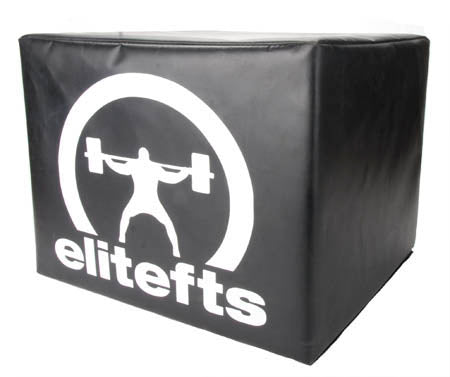
elitefts Plyobox Full Set.
A dedicated plyo setup for box jumps, seated box jumps, landings, and incremental height progressions.
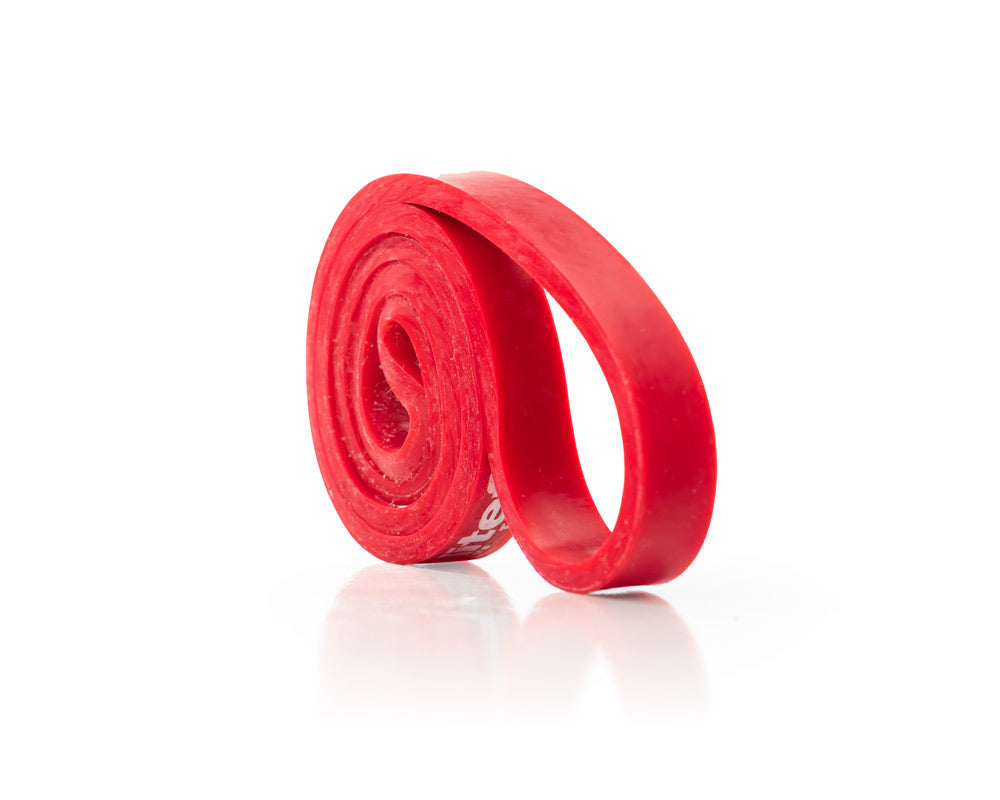
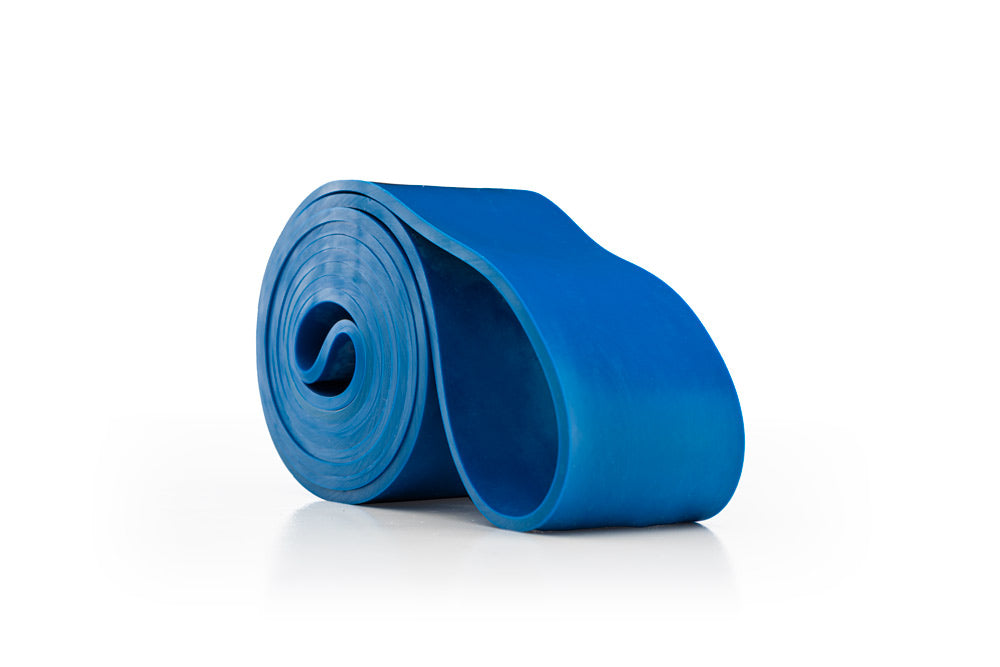
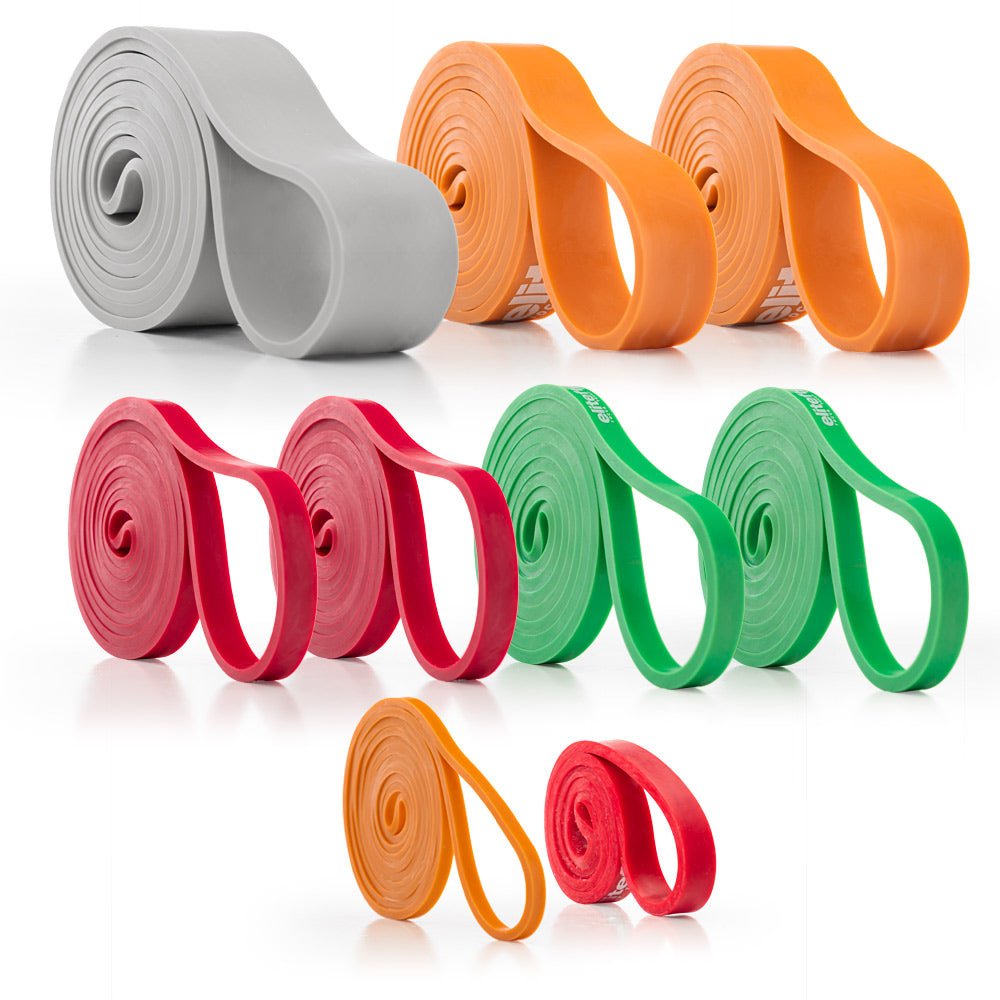
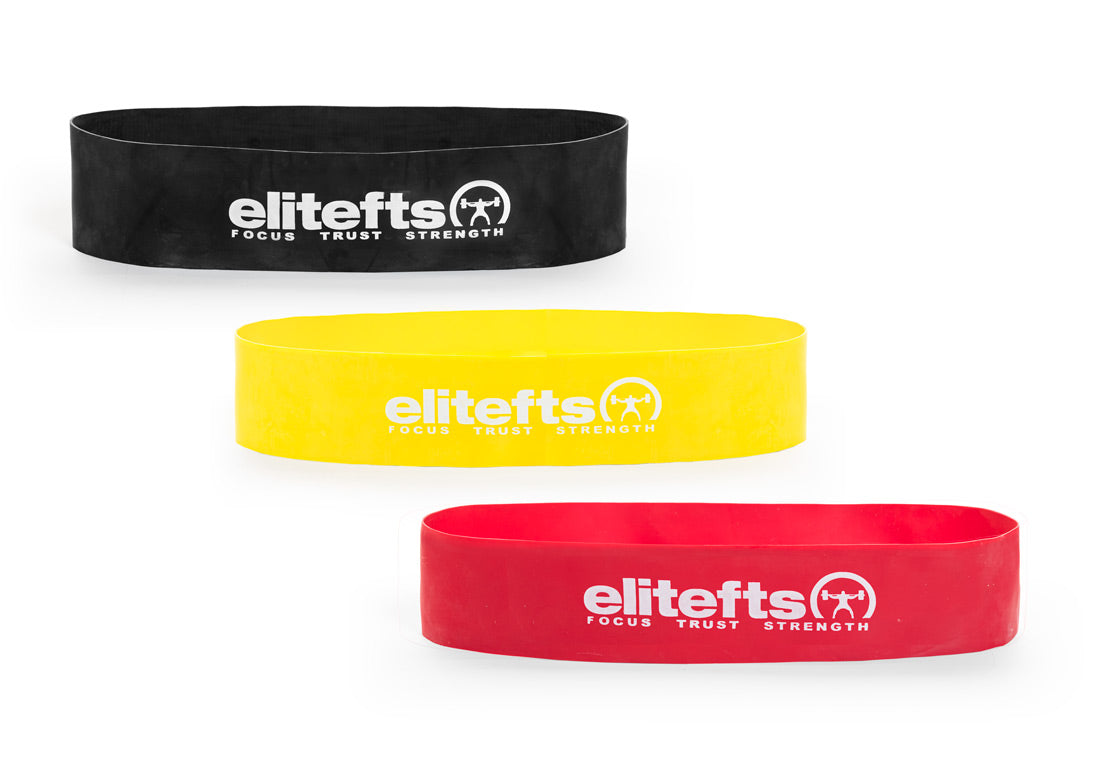
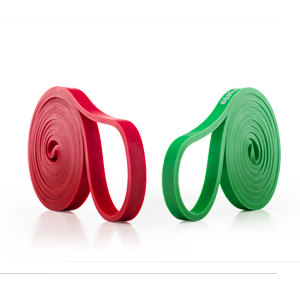
View Plyobox Full Set →elitefts Pro Resistance Band Pack
Useful for assisted vertical and horizontal jumps, activation work, and warm-up circuits.
View Resistance Bands →PowerMax Weight Vest Long (20LB)
A clean option for adding load to jump progressions while keeping mechanics consistent.
View Weight Vest →PowerMax 12" Step Hurdle
Fits repeat hurdle hops, lateral hurdle hops, and running or rhythm drills inside your jump menu.
View Step Hurdle →Elitefts Compact Dragging Sled
A versatile conditioning and power tool that pairs well with lower-body explosive sessions.
View Compact Dragging Sled →