


Keep It Real and Cut the Bullshit
Lucas White talks about what the collegiate strength and conditioning field really looks like: the unpaid internships, the long days, the weight room lessons, the mistakes, the strain, and the reality of coaching athletes who are there to play their sport—not become lifters.
It is easy to look at college strength and conditioning from the outside and think it is all big weight rooms, team gear, Division I logos, and getting athletes jacked.
Then you actually get around it.
You start seeing the hours. You start seeing the moving parts. You start to see the difference between training yourself, training powerlifters, training football players, and training a 110-pound cross-country runner who has never cared about a barbell in her life.
That is where the real coaching starts.
Lucas White has lived that path. High school weight rooms. Mississippi State. New Mexico State. Indiana State. Boise State. Iowa State. Penn State. A bunch of stops, a bunch of lessons, and a lot of time figuring out what actually matters when you are responsible for athletes.
Where It Started
Question:
When did you decide that you wanted to be a strength and conditioning coach?
Lucas White:
I would take it all the way back to when I was playing ball in high school. Really, even before that.
I was in middle school, playing football, running track, playing baseball, and I remember some of the guys I went to school with were wrestlers. They had some muscle on them, and I remember thinking, “Man, what are you guys doing?”
They told me they were lifting with their dads in the garage.
At the time, my mom had just gotten us one of those old universal machines. It had a pulldown, a row, a leg curl, a leg extension, and we had a small squat stand with cement weights. Bare bones. As bare bones as you could get.
But I started messing around with it, and I thought it was the coolest thing ever.
I was probably 11 years old. Sixth grade. Seventh grade. I had zero clue what I was doing. Same exercises every day. Same stuff. I had a CD player with the headphones plugged in, and the cord kept popping out. But I loved it.
It was almost like ignorance is bliss. I did not know what I was doing, but I knew I liked moving weight.
By the time White got to high school, he was lifting with the football team in a small, dirty fieldhouse. Ten racks. Bars. Plates. Two cable crossovers in the back. Nothing fancy. But to him, it was awesome.
He was not the strongest guy on the team. He was not the weakest either. He was somewhere on the 1,000-pound club board, around tenth.
But the weight room started becoming the part he looked forward to most.
Then one moment on the football field gave him a better idea of what coaching could be.
Lucas White:
I made a huge mental error in a game. Normally, if I messed up, I was getting lit up. That was usually how it went.
But we had a volunteer coach named Josh Yoder. He was in the Air Force, and he came over to me after that mistake. Instead of just berating me, he sat me down and said, “Hey, you’re good. Here’s where you screwed up. Here’s how you can fix it.”
That was the first time I remember coming off the sideline after a mistake and actually getting coached.
I remember thinking, “Man, I needed this.”
That moment stuck. White started thinking about what it would have been like to have that kind of guidance in the weight room. Not just workouts written on a board. Not just football coaches trying to make it work. An actual strength coach helping athletes train and understand what they were doing.
The Georgia Gut Check
Before White ever got to Mississippi State, he had a shot at Georgia.
He sent in his resume for an internship, heard back fast, and drove from Evansville, Indiana, to Athens, Georgia, for the interview.
He got offered the internship.
Then he drove home and realized something did not feel right.
Lucas White:
I got back that night, and I am having dinner with my mom and my stepdad. I had this knot in my stomach. Just this nauseous feeling.
I was thinking, “Man, I do not know if this is the right move at the right time.”
I had never moved away from home. I was 25. I had spent all 25 years in Evansville. I had never played college sports. I had coached at the high school level, but going from that to the SEC is a different animal.
Eventually, I wanted to go there. But in my gut, I knew I was not ready for that right then.
So I said, “Thanks, but no thanks.”
That was not him quitting. That was him getting punched in the face by the reality of the profession.
If this was what he wanted to do with his life, he had to get his mind ready for it.
The lesson: Sometimes the opportunity is real, but the timing is not. You still have to be honest enough with yourself to know the difference.
Mississippi State: Into the Fire
Eventually, White landed a six-month unpaid internship at Mississippi State.
That meant figuring out where to live, how to pay bills, and how to survive while making nothing.
Lucas White:
I had saved up a little money, but me and Fred Murphy were looking at places to live, and we found this townhome that was maybe 600 bucks a month.
We started doing the math, and it was like, “Man, I do not know if we are going to be able to swing this.”
So I made a call to my best friend’s uncle. I had coached his son when he was younger, and I told him the situation.
He said, “Check your account tomorrow.”
That gave us enough to make it through the internship.
Once he got there, the weight room changed his perspective fast.
This was not high school. This was not personal training. This was an SEC football weight room, and the environment was different.
Lucas White:
You walked in that room, and you could cut the electricity and the atmosphere with a knife. It was thick.
Dudes came in to train. The density of those sessions was on a whole other level. We got a lot done in a very short amount of time. There was not a whole lot of standing around or small talk.
Guys were training.
The hours were exactly what people warn you about.
Some days started around 5:00 or 5:30 in the morning. Some mornings, the interns were in the facility at 3:00 or 3:30. Some days went until 11:30 at night or midnight.
Then there was the log story.
Lucas White:
We had a workout one morning, and it seemed like we moved the entire weight room around. Machines, trap bars, ropes, logs, kettlebells, plates. Everything.
There was an indoor portion and an outdoor portion. We were outside, and we realized we did not have enough space on the logs for the number of guys we had.
The head strength coach called me over and said, “Lucas, I need another log.”
I said, “Where is it at?”
He said, “I do not know, but you'd better figure it out.”
So White and the other interns took off looking for a log in the dark.
They ran across practice fields. They checked behind the weight room. Eventually, someone thought to check near the baseball complex. There was construction going on, and they found a huge log sitting in the mud.
Six of them dug it out and started carrying it back.
Lucas White:
I had glasses on, no rubber on the side, just plastic. I was sweating. They were sliding down my face.
The guy behind me bailed out. He could not hold it. We all ended up dropping the log, and right before it dropped, my glasses fell off my face.
The log smashed them.
I picked them up, and they were mangled. One lens was missing. I could not see my hand in front of my face, and we still had two groups to coach.
So he coached them.
After that, his roommate had to drive him for 2.5 hours to Jackson, Mississippi, to get new glasses. His prescription had expired. He had no insurance. He had to pay for a new script and two new pairs of glasses as a volunteer coach, making nothing.
And then he was ready to go again Monday.
New Mexico State: Where He Learned to Coach
After Mississippi State, White went to New Mexico State.
He originally planned to go to USC for an internship, but one of the coaches at Mississippi State told him if he really wanted to learn how to coach, he should go to New Mexico State.
So he went.
Within a couple of weeks, an assistant got a job somewhere else. White moved from unpaid intern to paid coaching assistant almost immediately.
Lucas White:
I went through a six-month unpaid internship, then two weeks as an unpaid intern at New Mexico State, and now I was getting a little money and more responsibility.
That was probably why it felt right in my gut. It was the right move.
That job exposed him to a lot more than football.
Football. Track and field. Cross country. Men’s basketball. Softball. Baseball. A lot of teams. A lot of different athletes. A lot of different problems.
That was where he started asking better questions.
What does this group actually need?
What does this sport demand?
What does this athlete need to hear from me?
Lucas White:
Football is easy in the sense that you usually get a group of guys who actually like to get in the weight room and train.
Then I took over cross-country and track, and I thought, “Well, distance runners are probably not going to gravitate toward the weight room.”
But the weight room is general. Their sport is running. They do that every day.
So what is the gap?
They are probably not very strong.
So regress as much as you can. Let them marinate in basic movements. Let them get strong.
| Group | What You Learn Fast | What the Coach Has to Do |
|---|---|---|
| Football | Most guys already understand hard training | Organize the room, load intelligently, and build durability |
| Cross Country | The running is already there | Regress the lifts and build basic strength |
| Track Throwers | They need strength and force production | Use heavy strength work, Olympic variations, and power development |
| New Athletes | Talent in sport does not mean skill in the weight room | Teach the standards before chasing numbers |
The other part was communication.
The message might be the same, but the delivery has to change.
Lucas White:
I am not changing who I am as a coach, but I am going to deliver the message differently to football players than to a women’s cross-country team, where someone might be 100 or 110 pounds.
It might still be 65 pounds on a trap bar. You are still coaching the same thing. You are still doing your job.
The delivery just has to fit the population.
Getting Under the Bar
When White got to Indiana State for grad school, his own training was starting to stall.
He was a strength coach. He loved to train. But he felt beat up, and the straight bar work was not moving the way he wanted it to.
A friend told him to go to Thirst Gym and train with Brandon Smitley.
So he did.
Lucas White:
There was one Friday night during a bye week. I went out and squatted with that group.
I think I squatted 515 out of a monolift, and that was the most I had on my back in a minute. It actually felt decent.
That is when I started thinking, “Okay, there is something here.”
He had heard of Westside. He had tried reading the manuals. Like a lot of coaches, some of it went over his head at first.
Training around lifters helped make it real.
Lucas White:
I told Brandon, “I need help with this. I think there is something here. I am gravitating toward this style of training, but I need someone to break it down and make it simple for me.”
That changed how he looked at programming.
Not just for himself, but for teams.
How do you take max effort work and use it with athletes?
How do you take dynamic effort work and make it fit a college weight room?
How do you make it work when you have a big group, limited time, and only so many specialty bars?
That is where the three-week waves started making sense.
Lucas White:
We would pick a main movement for the upper and lower and keep it in for three weeks.
Week one, work to a hard set of five. Week two, work to a hard triple. Week three, work to a hard single with a rep or two left in the tank.
Then rotate the movement out and repeat the same idea.
| Wave | Lower Example | Upper Example | Why It Fits |
|---|---|---|---|
| First Wave | Front Squat | Floor Press | Lower relative intensity, easier to introduce to a new group |
| Second Wave | Safety Bar Squat | Close-Grip Bench | More loading, different stress, still controlled |
| Third Wave | Back Squat | One-Board Press | Highest loading potential and a good place to evaluate |
The key was not copying powerlifting and dumping it onto field athletes.
The key was understanding the principle, then making it fit the room.
Training In-Season Without Burying Guys
College football is not a short season anymore.
Depending on the schedule, camp can start in July, and the season can drag into late December or January.
So what do you do with the weight room when guys are already getting beat up?
You still have to train.
But you better be smart.
Lucas White:
If you ask someone to take 80 or 90 percent plus and get down into the hole after a game, that is the most mechanically disadvantageous position.
With all the stuff they have thrown at them through the season, you do not know if Monday off is going to do the trick.
So if you are going to ask them to move certain loads, be smart about it.
That is where box squats and chains come in.
The box controls the bottom position. The chains unload at the bottom and reload as the athlete stands up.
That lets you expose guys to heavier loads without crushing them where they are most beat up.
| Week | Method | Loading | Why It Makes Sense |
|---|---|---|---|
| Week 1 | Dynamic Effort | 40-50% with band or chain | Move fast, stay fresh, keep full range |
| Week 2 | Submax Effort | 60-75% straight weight | Keep strength qualities in without overreaching |
| Week 3 | Circumax Style | 60-70% bar weight plus chain | Manageable in the bottom, heavier at the top |
For the upper body, the same idea applies.
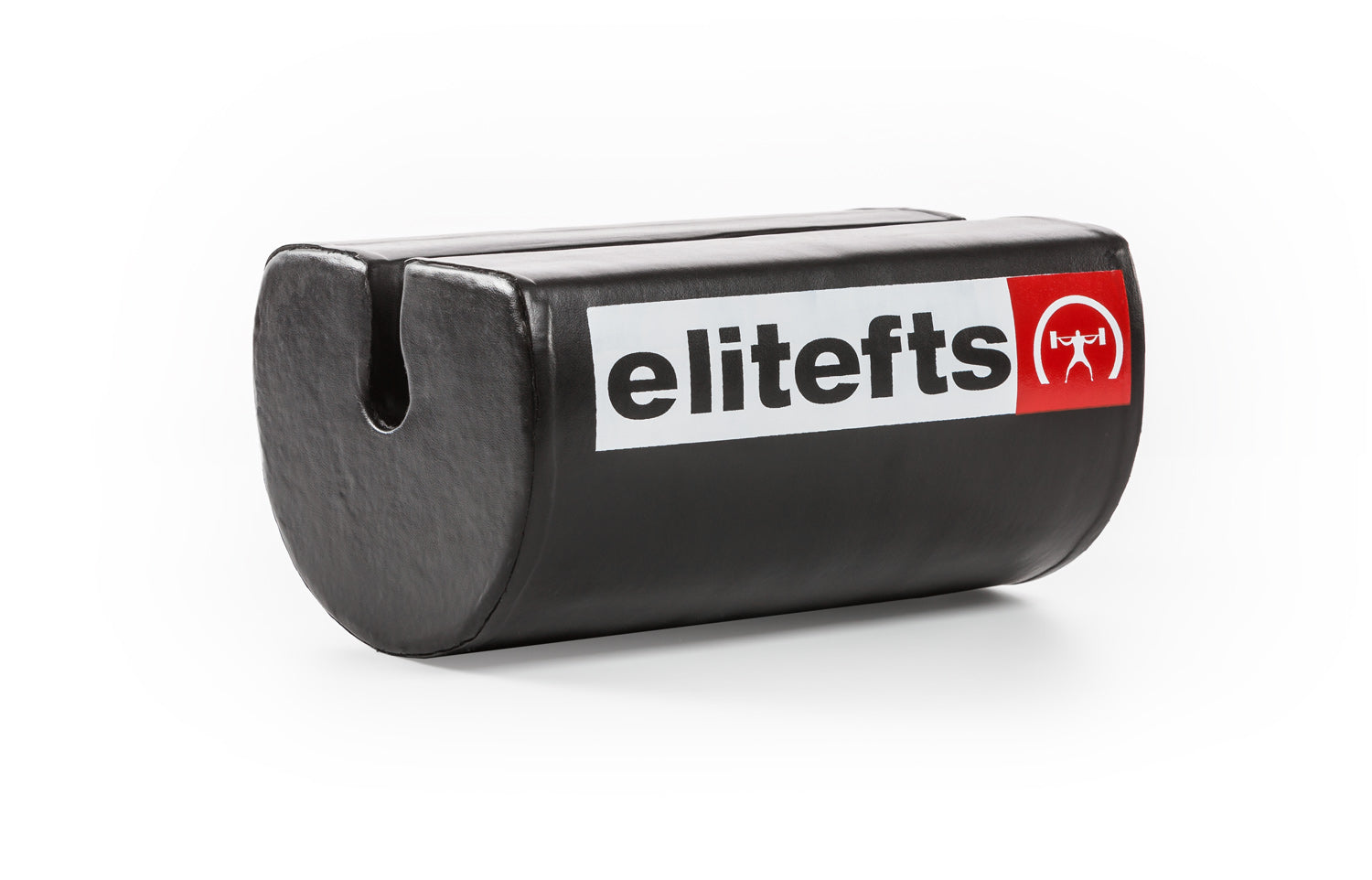
If a pad, specialty bar, or different variation helps keep stress off the shoulders, elbows, wrists, or pecs during the season, use it.
This is not about being soft. This is about keeping athletes training at a good clip while still letting them play football.
Lucas White:
The guys look at it and think, “Okay, the coaches are helping us out a little bit. We are not taking the bench all the way down. There is chain weight on here. They are trying to make sure we can still train during a competitive part of the year.”
Mentally, they are going to be more willing to dive in and roll with what you are asking them to do.
Culture, Competition, and Fourth-and-One
The numbers matter.
Bench matters. Squat matters. Clean matters. Speed matters. Power matters. Tracking progress matters.
But those numbers do not answer every question.
Can the guy make the play when everything is going sideways?
Can he win his one-on-one?
Can he handle being uncomfortable?
Can he be trusted?
Lucas White:
At the end of the day, it is fourth-and-one on the goal line to win the game with about a second left.
A paycheck is not coming down through the A-gap and blasting somebody to keep them out of the end zone.
We are going to play the guys we trust.
That is where winter competitions come in.
At Iowa State, they would break the team into leadership groups. Usually 12 to 15 guys. They would compete in team matchups and individual matchups. Scores were kept. Tallies were taken. There were winners and losers.
And yes, losing had consequences.
The point was not to make things stupid. The point was to put guys in situations where their effort mattered to the group.
Lucas White:
You have to go win your one-on-one matchup because your performance determines how well your team does.
The more times you can put guys in those situations, the more carryover you should get when fall camp starts, when they are fighting for a spot, or when they have to be their best in a hard moment.
White brought up Iowa State’s 2024 game against UCF.
They threw two pick-sixes. They were down big. Looking at the stats, they probably should have lost.
But they won on a fourth-and-one quarterback sneak as time expired.
That kind of thing does not just appear on game day.
Recommended Elitefts Equipment for This Style of Training
This is not about taking a powerlifting program and dropping it onto a football team.
It is about taking proven tools, understanding the principle, and making them fit athletes who have to practice, travel, compete, and survive a long season.
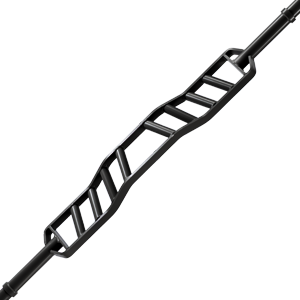
SS Yoke Bar
For squats, box squats, good mornings, and specialty bar work, when you need to change the stress and keep training productive.
Shop SS Yoke BarPair of Chains
Use them to accommodate resistance, dynamic work, bench variations, box squats, and to teach athletes to finish hard.
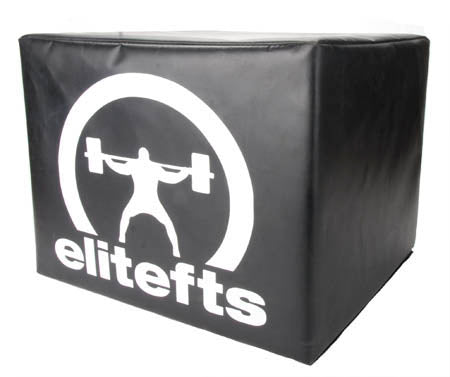
Shop Chainselitefts Box Squat Box
A simple piece that makes depth consistent and helps manage lower-body work during heavy training phases or in-season blocks.
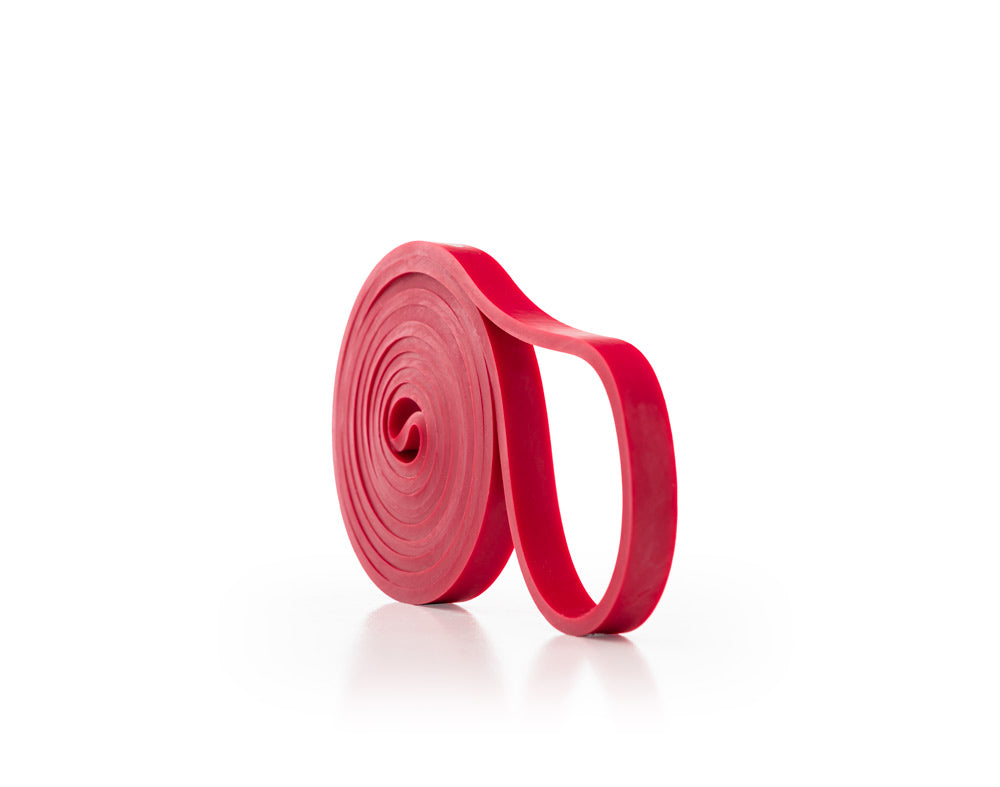
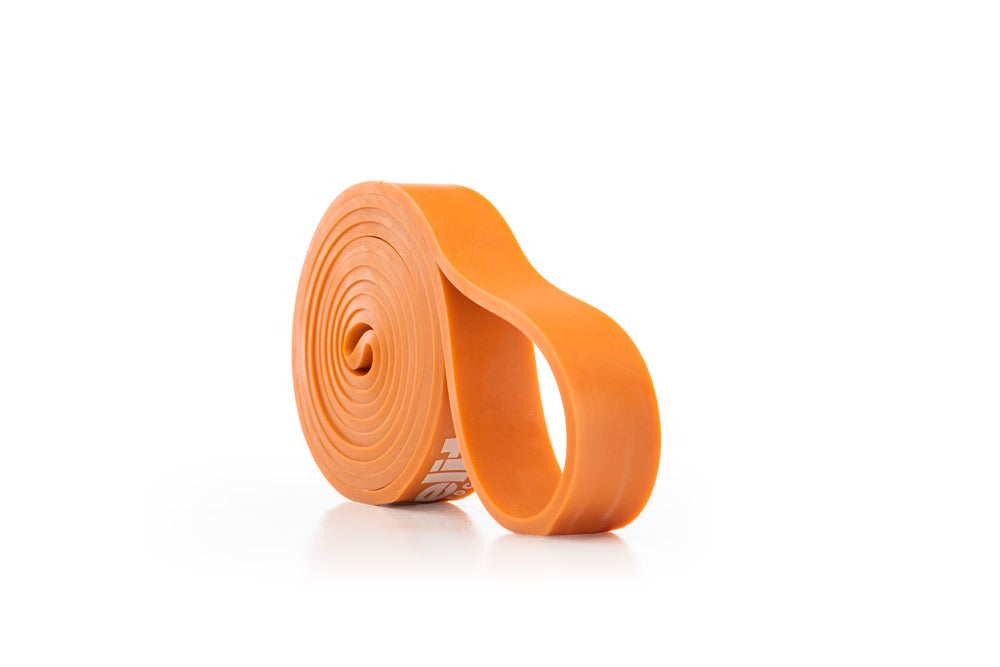
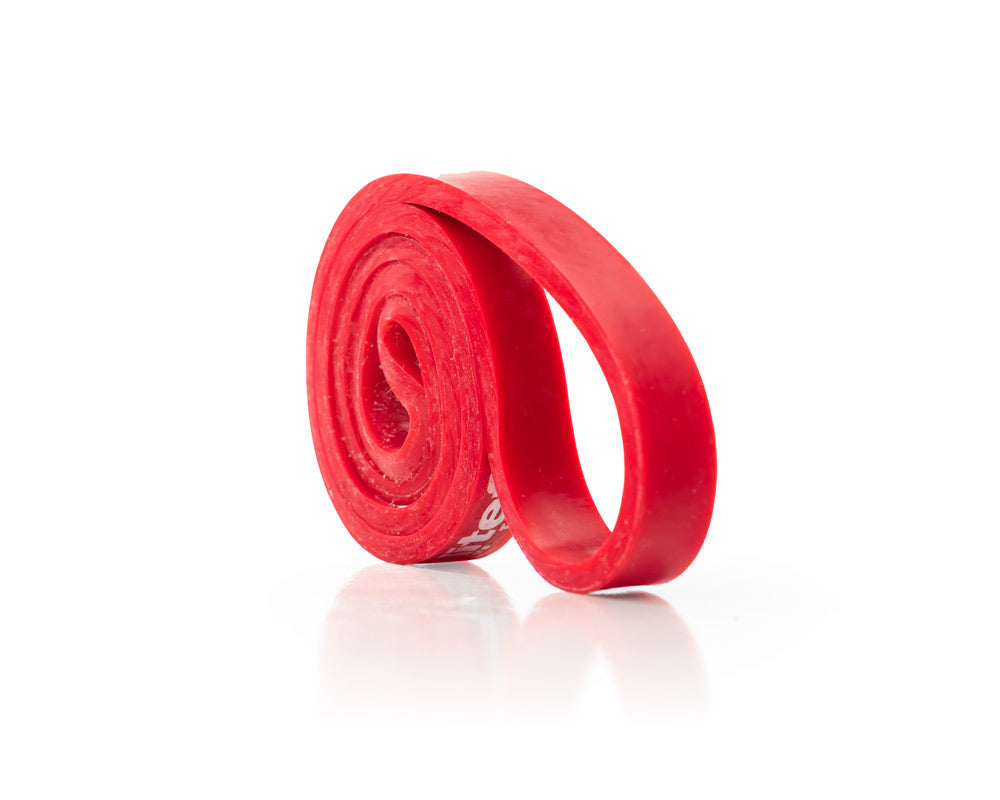
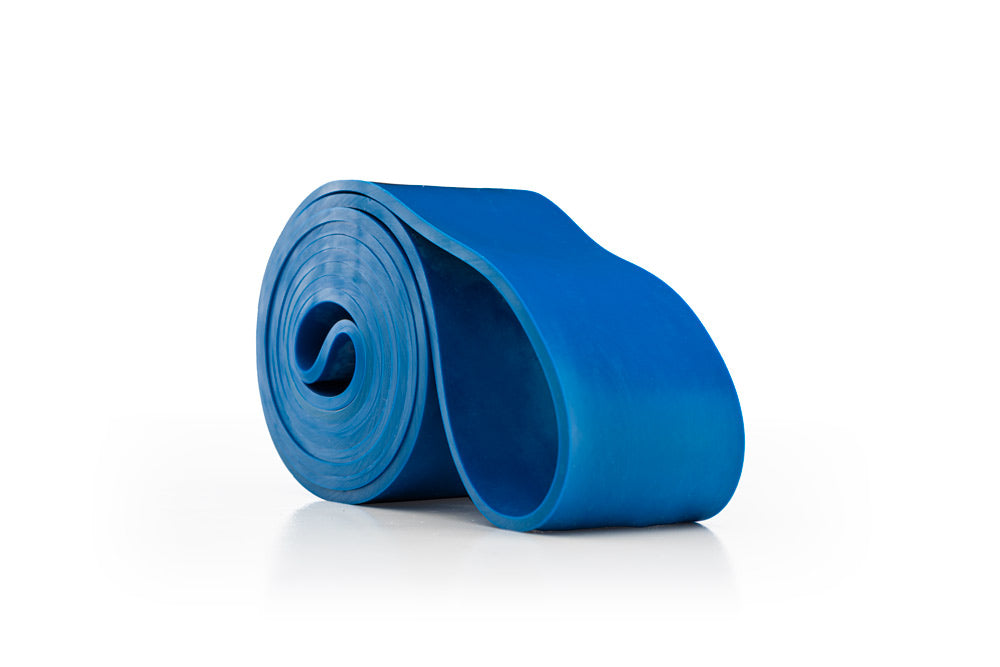
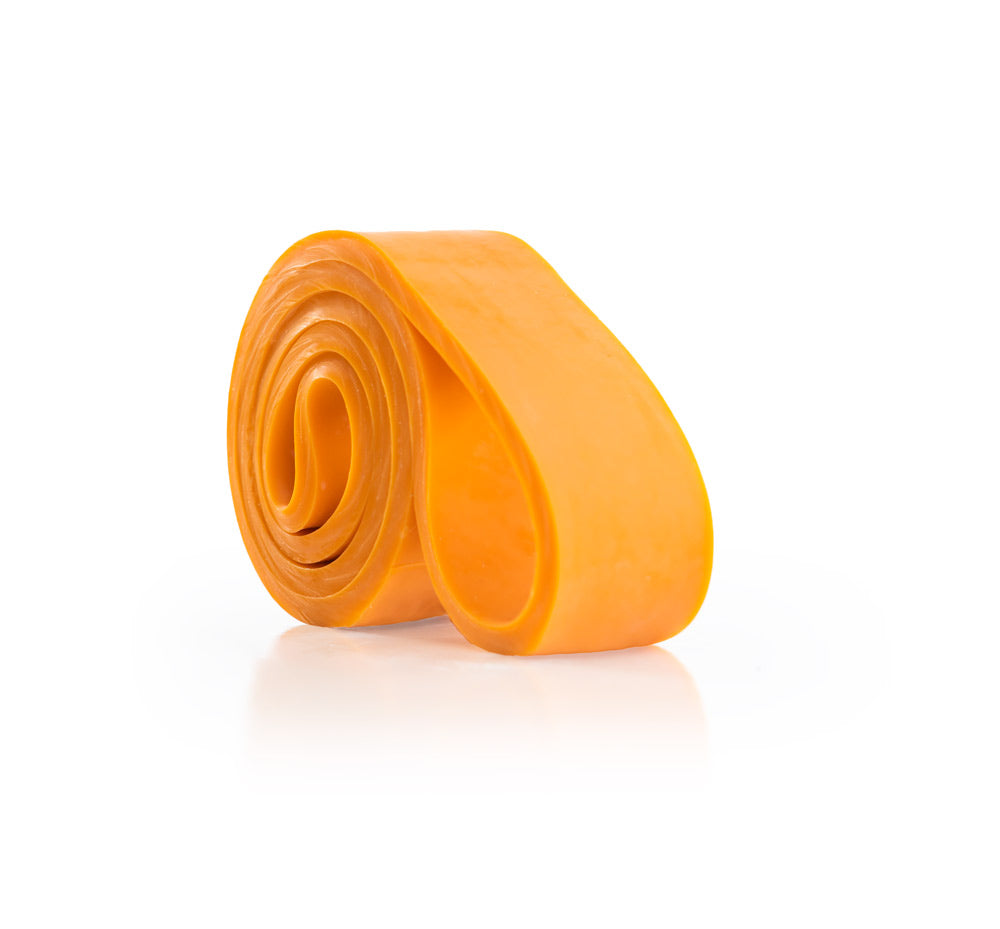
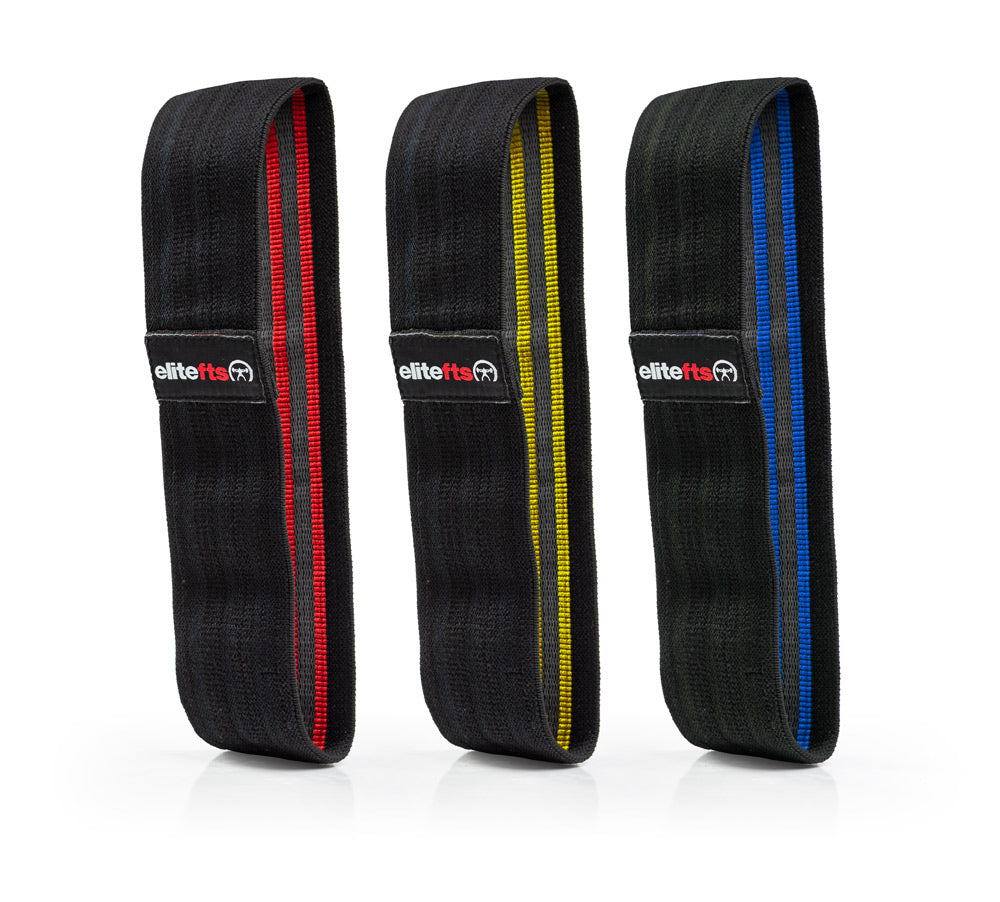
Shop Box Squat BoxResistance Bands
For warm-ups, activation, speed work, accommodating resistance, accessories, and large groups where simple tools have to do a lot.
Shop BandsIt's not complicated.
If you want to be in this field, understand what you are signing up for.
The hours can be bad. The money can be bad early. The moving around can be hard. You might be unpaid. You might be setting up before sunrise. You might be coaching half-blind because a log smashed your glasses.
That is part of it.
But the bigger part is this: you have to actually learn how to coach.
You have to know how to talk to different athletes. You have to know how to regress. You have to know when to push and when to pull back. You have to know how to train yourself enough to understand strain, but not be dumb enough to force every athlete into your own training bias.
Lucas White:
Their skill set is not going to be lifting weights. It is going to be the sport.
You need to get on some of those pieces. You need to train on them. And not only do you need to train on them, you need to learn how to strain on them.
When you understand how to do that, your ability to help a team gets better.
That is the job.
Keep it real. Cut the bullshit. Learn how to strain. Learn how to coach. Then take what works and make it fit the athletes in front of you.
Read More From Elitefts
Want more training, coaching, and strength education? Browse more articles from Elitefts and keep building your toolbox.
Read More Training Articles