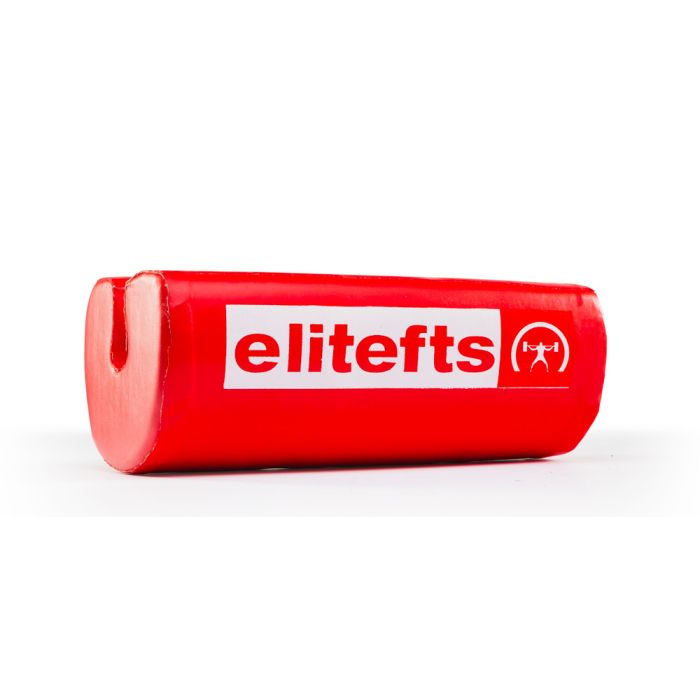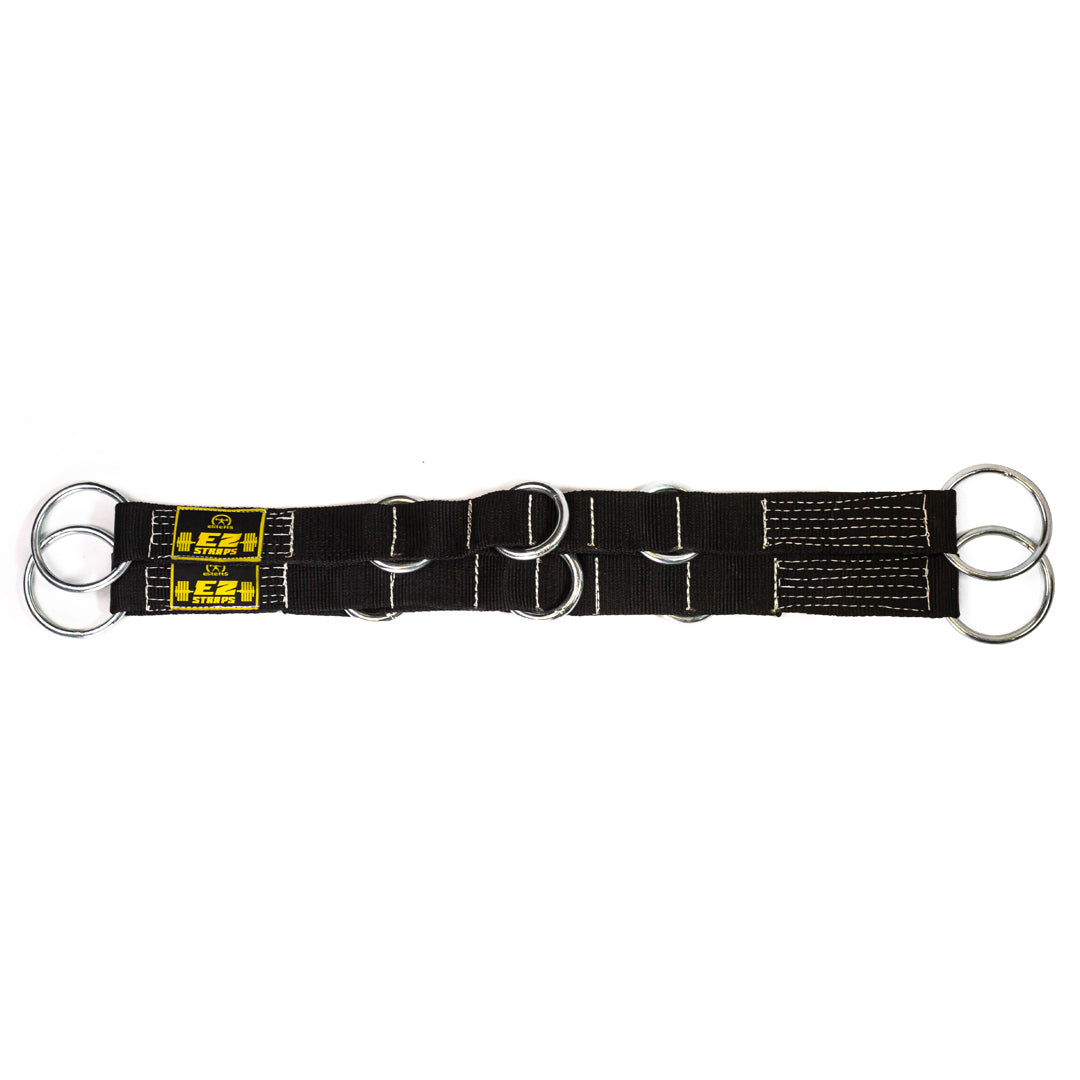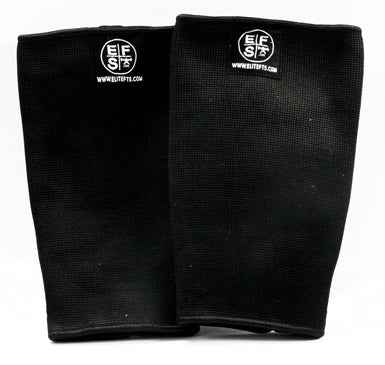

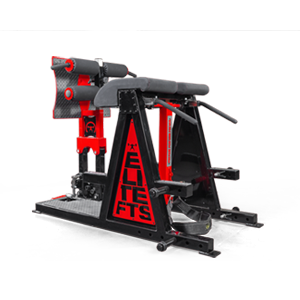
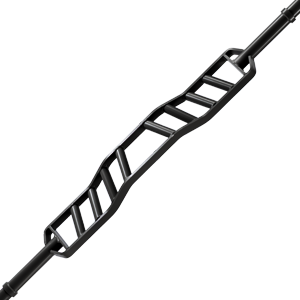


A strong fit for the article's emphasis on foundational strength. EliteFTS positions the SS Yoke Bar as a joint-friendlier specialty bar that reduces shoulder strain while improving strength and stability.
Shop SS Yoke BarLessons Lived & Lessons Learned
Ashley Jones on coaching philosophy, strength, recovery, individualization, and why simple training done with intent still wins.
Jump to a section
I have been a trainer in one form or another since 1979, with more than 30 years spent preparing professional athletes. The longer I stay in the profession, the more I realize how much there is still to learn, especially when it comes to asking better questions. I do not have all the answers, but some principles should not move.
Too many strength and conditioning programs drift toward generic solutions because they're easier to run. My mission has always been to go the other way: build systems that match the actual demands of the sport, the team, and the athlete. Real success comes from processes that produce repeatable results, week after week and season after season.
Every Day Better.
The mindset behind the methodThat idea drives both personal development and team culture. Players, coaches, medical staff, and support staff should not work in silos. The best environments align everyone toward the same outcome: better preparation, better communication, and better performance when it counts.
Build a Philosophy Before Trends Build One for You
I am a player-focused coach. I build needs-based programs in consultation with the people around the athlete, while keeping the athlete at the center. Outcomes matter, but the process should still be human. Data and metrics help, yet performance improves most when athletes know they are valued as people first.
My friend Peter Harding says, "You are there to train, not entertain." He also says that people complicate things to profit. That is worth remembering. Strip away the hype, noise, and trendy packaging. The job is still to help athletes become stronger, faster, more powerful, and better prepared to compete.
Very few strength coaches operate from a clearly defined philosophy. Many bounce from one system to the next, chasing novelty while abandoning methods that already work. If you do not stand for something, you will fall for anything.
Priority 1 Strength
The base quality that supports power, speed, resilience, and confidence.
Priority 2 Power
Built on top of force production and trained with intent, not guesswork.
Priority 3 Speed
Improved through targeted work, sharp execution, and individual needs.
Start with Strength and Keep the Job Simple
My philosophy is straightforward: develop athletes who are strong, powerful, metabolically capable, and as fast as possible, then hand them back to the coach in a better place than where they started.
At the heart of all physical development is one foundational quality: strength. As Dietmar Schmidtbleicher said, strength is the mother of all other qualities. Confidence transfers. Physical toughness transfers. Mental toughness transfers. And strength training, done well, helps support all of them.
Want a faster team? Recruit faster players. That line is partly true, but it is not the whole story. Max velocity is heavily influenced by genetics, whereas acceleration, especially over the first 10 meters, can be significantly improved through appropriate strength and power training. The real separator is individualization.
Bottom line: Good strength and conditioning coaches cannot promise a championship, but poor ones can absolutely wreck a season.
The best coaches understand early that the role is not about them. It is about contributing to something larger. Observe more. Listen more. Speak less. Humility keeps you learning long after your title says you should already know enough.
Recovery Rules the Ability to Train
I do not believe in overtraining in the way people often use the term, but I absolutely believe in under-recovery. The ability to train is governed by the ability to recover. Ignore recovery, and sooner or later, the training plan stops mattering.
The Big Three: sleep, hydration, and macronutrition still drive the majority of what high-performing athletes need to get right.
- Sleep: 8 to 10 hours per night, with naps when possible.
- Hydration: adjusted to training demands, travel, and environment.
- Macronutrition: enough protein, carbohydrates, and fats to support output and recovery.
RPE and reps in reserve can be useful tools, especially for experienced lifters. For beginners and intermediates, though, they can also become a ceiling if they prevent athletes from discovering what real effort actually feels like. If it does not challenge you, it does not change you.
Programming Means Prioritizing What Matters Most
I have moved away from traditional periodization models. Louie Simmons said it clearly: whatever you do not train, you lose. The real challenge is developing key biomotor qualities while still allowing enough recovery to keep the athlete progressing.
That is why effective programming starts with a better question: what does this player most need to perform on game day? That question matters more than loyalty to a rigid template.
I favor a conjugate approach because it allows multiple qualities to be trained concurrently without losing sight of the individual. Rugby is a collision sport. Theory matters, but reality always gets the final vote. Some players need very little lower-body work in season. Others need heavy work to stay sharp. Responses vary, and coaching has to respect that.
There is no one-size-fits-all solution. True individualization within a team environment is the holy grail.
Programming principleI could name a starting XV full of athletes who dominate in the gym, but it does not match the XV selected on game day. Training must move players closer to selection by addressing strengths, shoring up weaknesses, and involving them in the process. They know their bodies better than anyone.
Relationships, Humility, and the Real Job of Coaching
Do I make a difference? I hope so. What I know for certain is that relationships matter. Build them. Invest in them. Show athletes you genuinely care. Compliance grows from shared goals, not from forced buy-in.
Too many young coaches try to impress everyone in the room. I call it the "I have a black cat, but he has a panther" mentality. That constant need to outdo someone usually reveals insecurity and often blocks real learning.
The role is not about looking clever. It is about being useful. Great players and great coaches make people in my position look good. Strong culture, smart recruitment, and hard work carry more weight than flashy programming ever will.
Learn the Craft, Study the History, Respect the Game
If you are unfamiliar with Arthur Jones, do your homework. You may not agree with everything he said, but he will make you think. Coaches need historical context because good ideas rarely appear out of nowhere.
Strength training has deep roots, reaching back to the stories of Milo of Croton and progressive resistance. The farther backward you can look, the farther forward you are likely to see. The best coaches understand where ideas came from, how they evolved, and where they still hold up.
If you love this field, put the H.J. Lutcher Stark Center for Physical Culture and Sports on your list. It is one of the great places preserving the history of the Iron Game and physical culture.
I started as a high school physical education teacher because there were not many formal pathways at the time. Teaching gave me two skills that still matter every day: communication and organization. A degree can show commitment, but most of my real learning happened in the gym, where theories get tested against reality.
Build your philosophy before trends build it for you.
- Keep training simple, but never shallow.
- Start with strength because it supports everything else.
- Recovery determines how much quality work athletes can absorb.
- Program around the athlete, not around ego or favorite templates.
- Study history because it sharpens judgment.
- Relationships are not soft skills. They are performance skills.
"Do the best you can until you know better. Then when you know better, do better."
Maya AngelouKeep it simple. Keep your sense of humor. Trust the process. Enjoy the journey.
E-Series Prowler®
A natural match for the article's no-fluff conditioning message. EliteFTS describes the E-Series Prowler® as a proven way to get athletes in shape through brutally honest pushing work.
Shop E-Series Prowler®Pro Resistance Band Pack
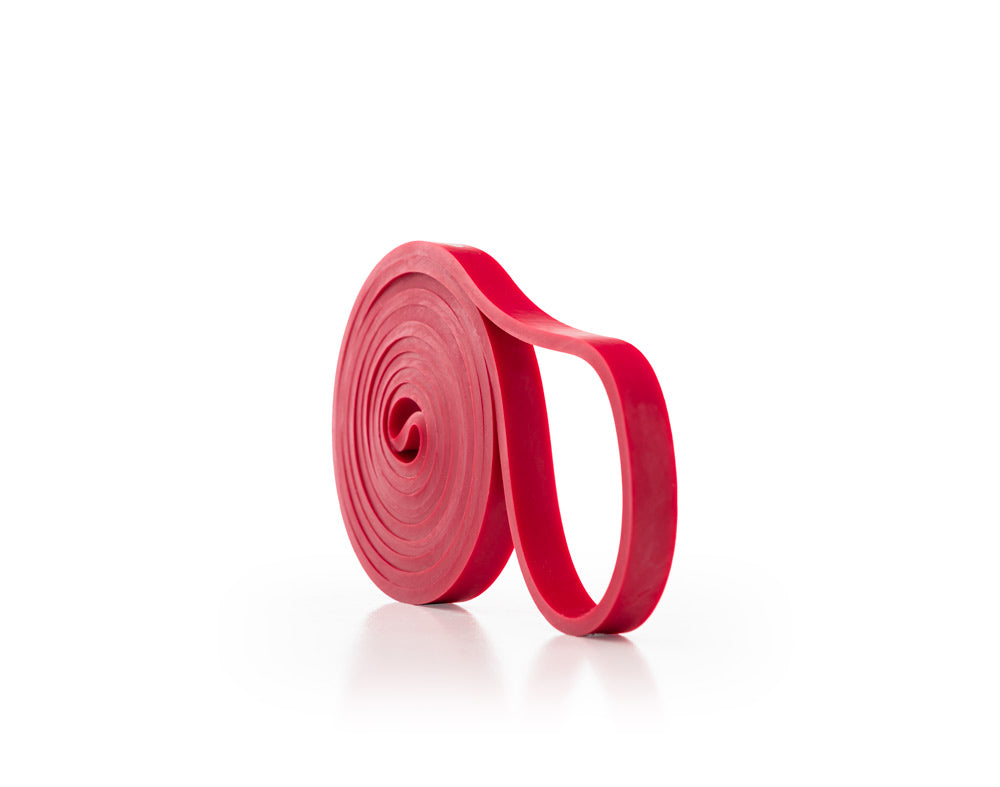
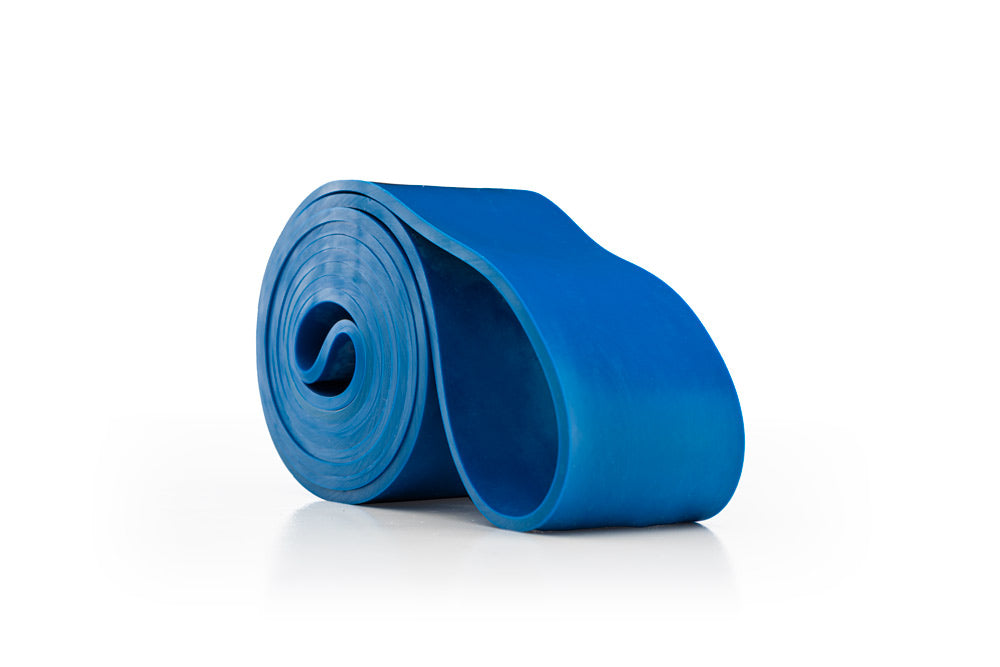
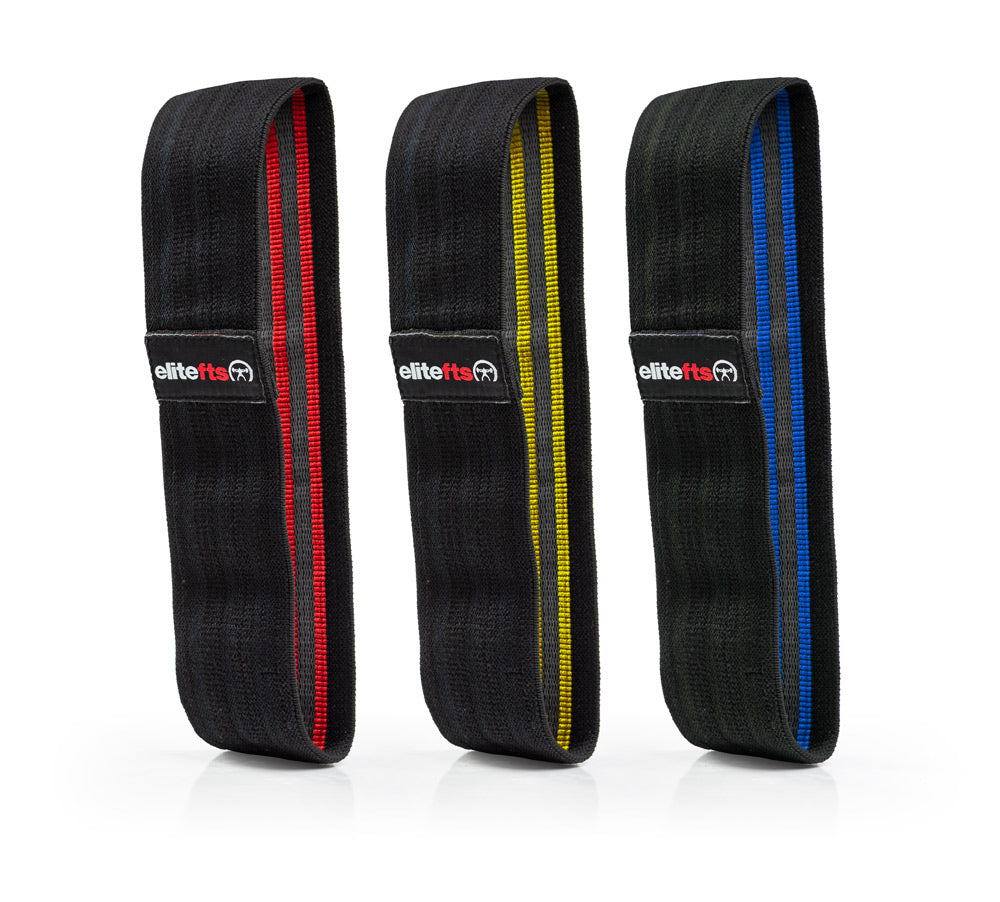
Useful for dynamic effort work, warm-ups, mobility, assisted training, and accommodating resistance without adding unnecessary complexity.
Shop BandsPosterior Chain Developer
A strong fit for building robust athletes over the long haul. EliteFTS describes it as a multi-function piece for glute-ham raises, back raises, Nordic curls, leg curls, and more.
Shop Posterior Chain DeveloperMore Articles from EliteFTS
Readers who like this piece will likely want to continue with these related articles from EliteFTS.
The Road Goes Ever On
A recent Ashley Jones piece focused on in-season strength and conditioning, force-velocity development, unilateral balance, and staying game-ready.
Read ArticleThe Conjugate 2025 Program
A rugby-focused Ashley Jones article on the Crusaders International Academy and how conjugate thinking is applied in a current performance setting.
Read ArticleProgramming for a Full Off-Season
A practical companion for coaches who want to zoom out and think through longer training blocks with clear phases and priorities.
Read ArticleLISTEN: Rugby S&C with Ashley Jones
A strong follow-up for readers who want more Ashley Jones context, background, and rugby-specific performance discussion.
Listen Now