


Math & Physics
Force, momentum, and intent explain more about strength training than most complicated programming charts ever will.
As Louie Simmons often said, strength training is about math and physics. The bridge connecting those two disciplines is biomechanics.
Sir Isaac Newton, much like Louie in his own way, was one hell of a strength coach. His principles still show up in the weight room today. When a lift stalls, a sprint slows, or an athlete gets stronger without improving, the answer often comes down to two simple equations: force and momentum.
Force Production
To increase force production, you can manipulate the mass being moved, the acceleration applied to that mass, or both.
Mass
Build strength and useful muscle to give the athlete more horsepower.
Acceleration
Teach the athlete to apply force aggressively through the full range of motion.
In the 1980s, Dr. Fred Hatfield, “Dr. Squat,” popularized Compensatory Acceleration Training. The idea is straightforward: keep applying maximal force to the bar, especially through sticking points.
Sometimes you miss a lift not because you are not strong enough, but because you are not fast enough.
Modern velocity-based training reinforces this concept. When bar speed drops below approximately 0.35 meters per second, the likelihood of successful lift completion decreases.
Intent Is the Ignition
The key ingredient is intent. Dietmar Schmidtbleicher’s work on intramuscular coordination supports a simple coaching point: athletes should aim to move the bar as quickly as possible, even when the load is heavy, and the bar feels slow.
That intent helps recruit high-threshold motor units and increases nervous system involvement. The goal is not just to lift the weight. The goal is to produce force as rapidly as possible.
Momentum: The Trade-Off
Training should develop both mass and velocity. Mass comes from hypertrophy and strength development. Velocity comes from explosive and sport-specific training. Together, they determine momentum:
M = m × v
Increasing muscle cross-sectional area can improve force production, but added body mass only helps if velocity is maintained or improved. In athletic terms, more force can create better output—but only when that force is expressed effectively.
General → Special → Specific. Build the base, then shift the emphasis toward velocity and sport-specific power.
Why Conjugate Matters
One limitation of traditional periodization is that qualities not being trained tend to decline. As Louie frequently stated, whatever you do not train, you lose.
The conjugate method solves this by training multiple qualities in the same week while still emphasizing the qualities most in need of development. Strength, speed, hypertrophy, and explosive power can all be maintained and improved concurrently.
When Stronger Stops Helping
A common mistake is getting trapped on the “mass for mass’s sake” treadmill. There comes a point where increasing body mass or maximal strength may no longer improve performance and may even reduce it. This is why regular performance testing matters.
Ask these questions
- Has increased squat strength improved 10-meter sprint performance?
- Has it improved vertical jump height?
- Has it enhanced sport-specific outcomes?
| General Exercise: Squat | Performance Test: 10m Sprint | Coaching Interpretation |
|---|---|---|
| 100 kg | 2.30 sec | Baseline |
| 140 kg | 2.10 sec | Strength carried over |
| 200 kg | 2.15 sec | More strength, less speed |
In this example, sprint performance improved as squat strength increased from 100 kilograms to 140 kilograms. But after the squat increased to 200 kilograms, sprint speed declined. Over an 18- to 24-month period, this may show that the next training priority should not be maximal strength.
Better options may include more Dynamic Effort work, a shift toward neural methods such as French Contrast training, and increased plyometric or jump work.
| Body Mass | Velocity | Momentum | Result |
|---|---|---|---|
| 100 kg | 8.0 m/s | 800 | Baseline |
| 105 kg | 8.0 m/s | 840 | Momentum improves |
| 105 kg | 7.5 m/s | 787.5 | Momentum decreases |
If the athlete gains mass while maintaining velocity, their momentum increases. If the athlete gains mass and loses too much velocity, the added mass becomes a negative adaptation.
Train Movements, Not Just Muscles
There is a fine line between gaining useful mass and sacrificing velocity. If athletes spend too much time chasing size and maximal strength, they can stagnate or even regress.
Train movements, not just muscles.
Function—not appearance—is the measure of training success. The purpose of strength training is not merely to increase numbers in the weight room. It is to improve athletic performance.
Five Rules That Still Work
Train Hard, Train Smart, Train for Results
Effort matters, but effort must point toward a measurable outcome.
Prioritize Compound Movements
Use basic, ground-based, multi-joint, multi-planar exercises.
Keep Training Abbreviated and Intense
Stay focused. Get in, do the work, and get out.
Progress Continuously
Challenge the athlete each session and track meaningful improvement over time.
Concentrate on the Task
Build mental toughness by focusing completely on the objective at hand.
Build the Training Toolbox
Match the tool to the training quality. Use accommodating resistance for acceleration, boxes for repeatable positions, and sleds or Prowlers for output that transfers beyond the barbell.
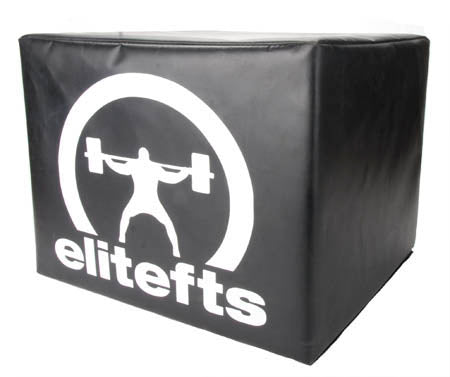
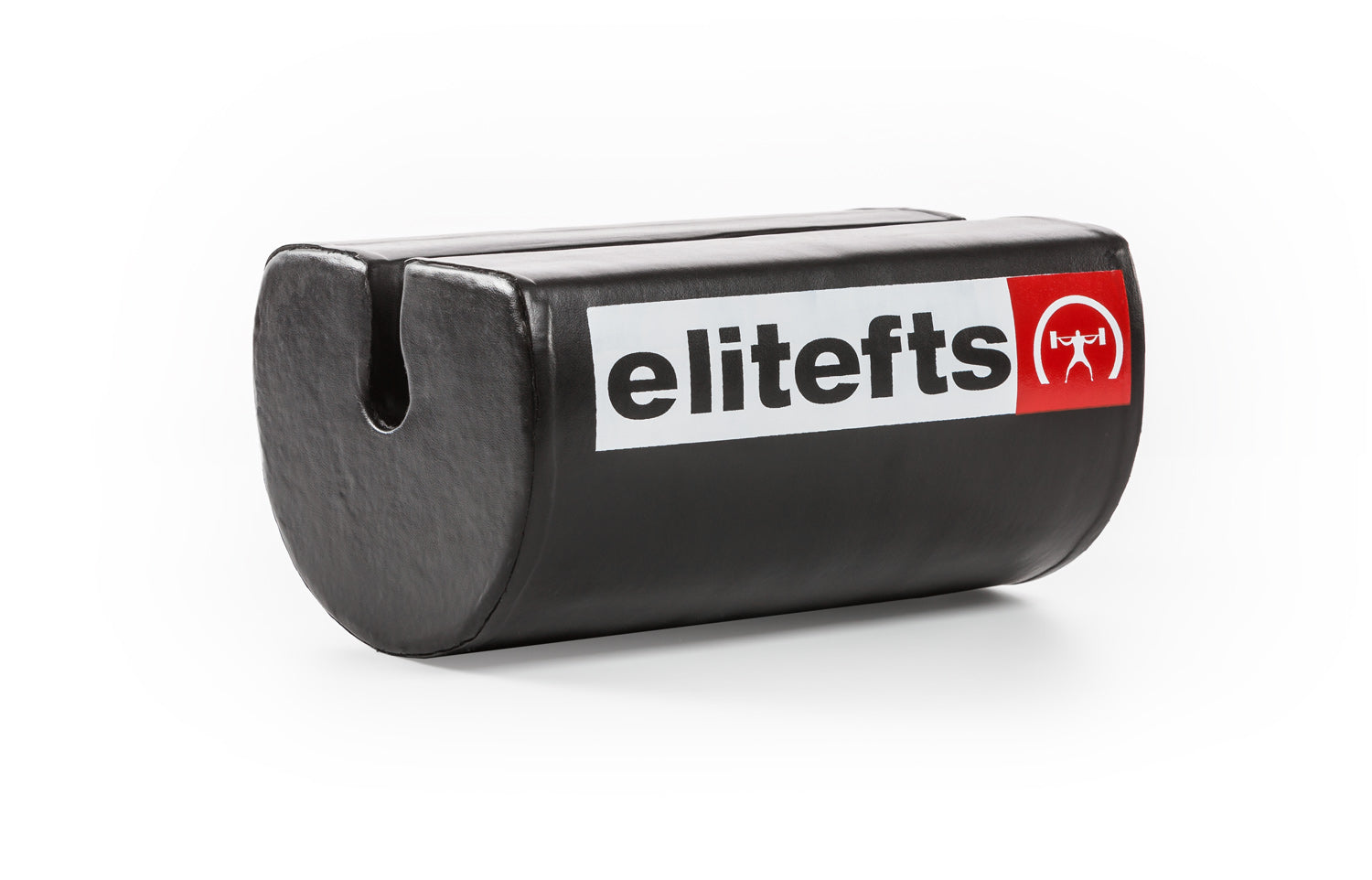
EliteFTS Squat Box
Standardize depth and build explosive lower-body strength.
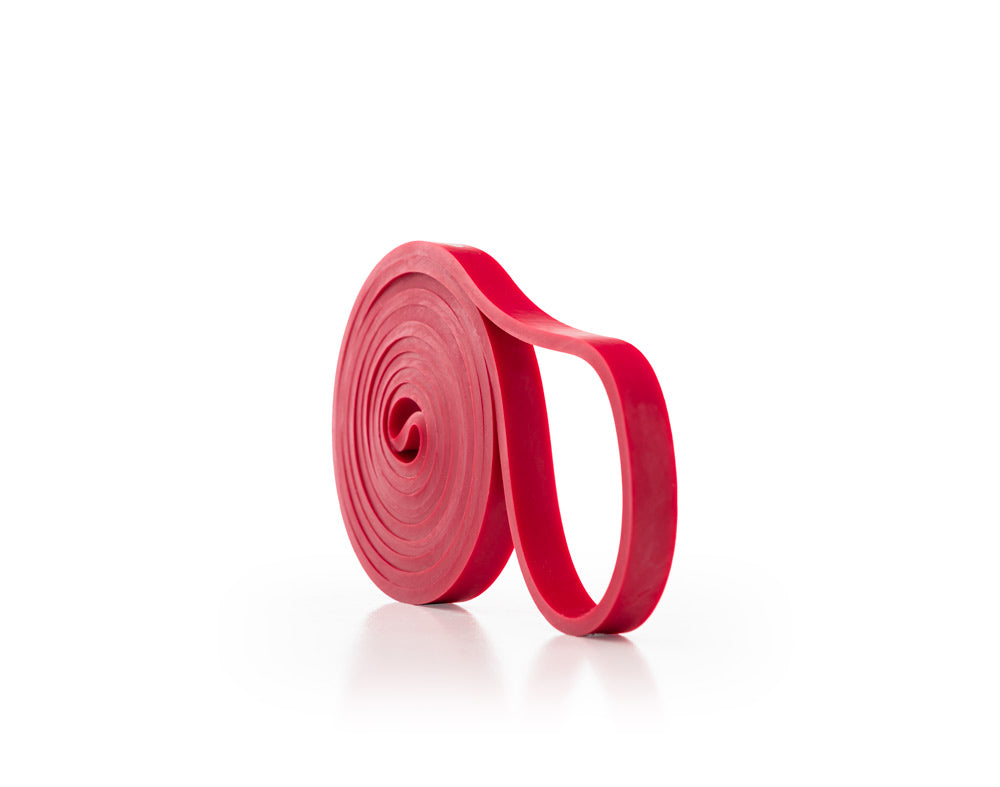
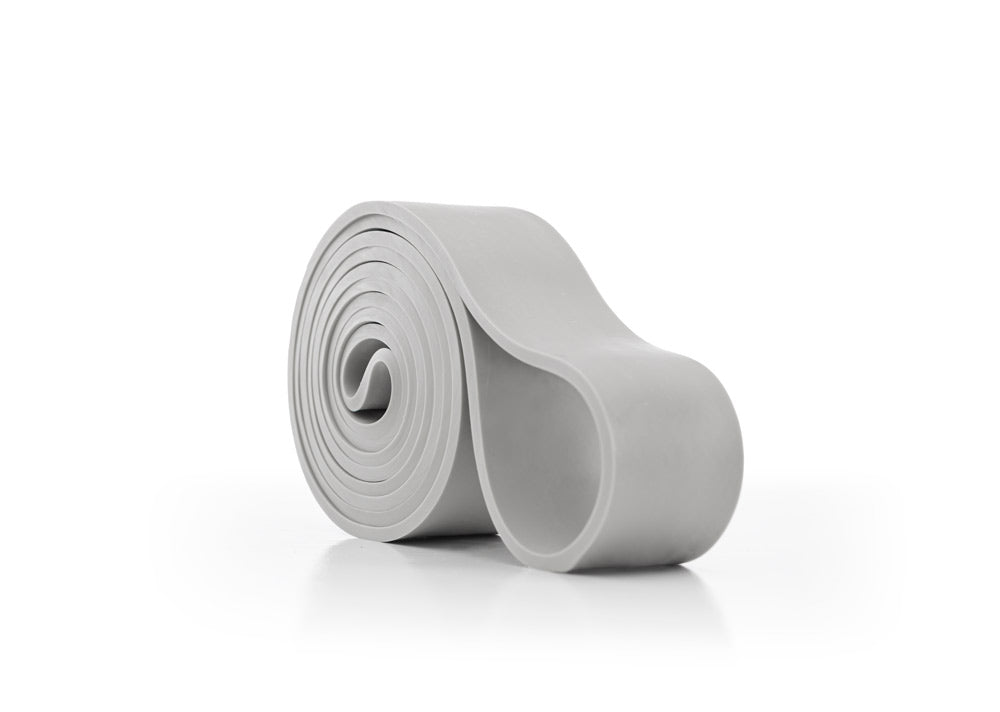
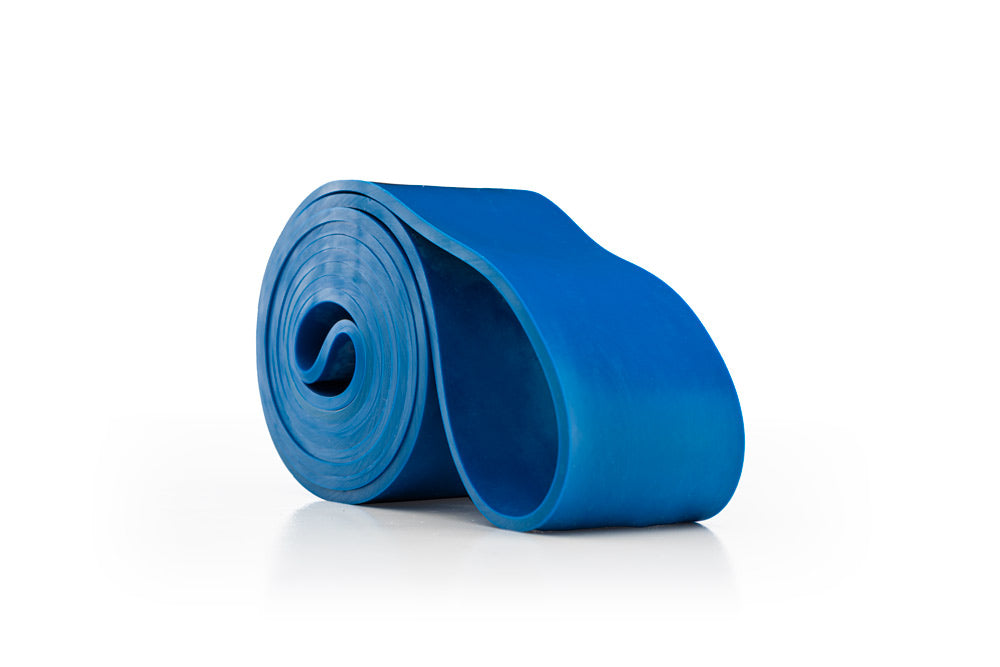
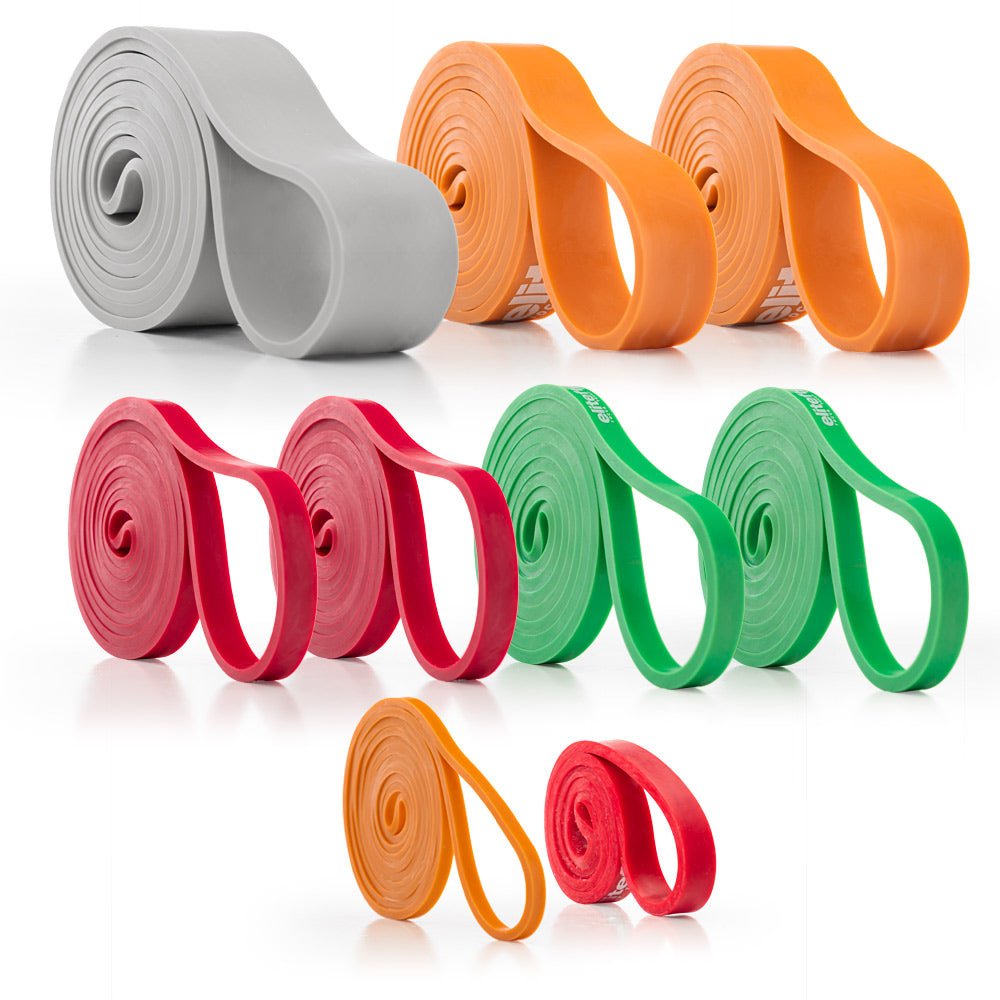
elitefts Single Band Pack
Six bands for speed work, warm-ups, assistance, and recovery.
Pair of Chains
Add variable resistance for stronger acceleration and control.
Prowler 2
Train conditioning, drive, repeat effort, and lower-body output.
Compact Dragging Sled
Build work capacity and recoverability with loaded dragging.
Posterior Chain Developer
Train glutes, hamstrings, low back, and force transfer.