


Neck Training 101: Simple and Effective
A practical, no-fluff guide to building a stronger neck without wrecking the rest of your training day.
Why Neck Training Matters
The significance of neck training varies by sport. For some sports, such as soccer, neck training can help mitigate the effects of collisions and of using the skull to direct the ball. In that setting, it should be viewed as a safety protocol rather than a source of performance enhancement.
In other sports, neck strength can have a tangible impact on outcomes. Lifters rely on retraction of this region to enhance performance; packing the neck is a vital cue in the squat. Fatiguing this region before barbell work would be counterproductive.
Nevertheless, from a safety standpoint, even if the chance is marginal, the area should be fortified. During my 12 years of Jiu-Jitsu training and coaching, concussions were extremely rare, taking into account the absence of head trauma from strikes. Yet there is always a chance, however marginal, that one can occur. Be prepared.
Where Neck Training Belongs
The placement of neck training within the confines of a regimen for strength development differs greatly from its inclusion in sport practice. For strength athletes, ending the lift with neck training is suggested.
Due to the emphasis contact sports place on absolute strength development, it can be argued that all contact-sport athletes should place this form of concussion-prevention work at the end of their strength and conditioning sessions. For example, a running back trains with barbell lifts for their correspondence to accruals in sporting prowess. Therefore, it would be counterintuitive to train this framework before seeking a personal best in the squat.
A combat athlete, on the other hand, can begin and end competition practice with neck strengthening. I used to begin Jiu-Jitsu practice with neck bridge progressions. Typically, these would be prone, with the person bearing their weight through the forehead. The ultimate goal is to form a bridge whereby the toes and forehead are the sole structures of support. At this point, the person rocks their weight forward, which draws the chin to the top of the chest, and then moves their weight backward to the starting position, where the top of the forehead makes contact with the floor.
The Neck Bridge Progression
Progress the neck bridge with control. Each step should be owned before moving to the next one.
-
Step 1: Quadruped, hands on the floor.
-
Step 2: Quadruped, hands behind the back.
-
Step 3: Hands, toes, and forehead.
-
Step 4: Full neck bridge, hands behind the back, fully supported by the toes and forehead.
Bridges can be done for a preset number of total repetitions or for time. Leave the bridge as a standalone movement, as it requires the utmost focus. An added benefit is the secondary areas it develops, such as the abdominal wall, which is active to resist extension of the lumbar spine much like in a plank.
While other variants of the neck bridge, even oscillating laterally, hold validity, they present unnecessary risk with little reward. Keep the work controlled, progressive, and purposeful.
Harness, Lateral Flexion, and Protraction Work
Neck harness extensions are a close second to the traditional bridge but are reserved for the end of a lifting session. They are included for size augmentation of the respective areas; however, they lack the qualities of a bridge when considered as a warm-up movement. Regarding equipment, you do not need more than a harness.
The lateral flexors must be trained. Lateral flexion can be done with the harness through band or cable attachments.
Each compartment must be developed; the approach simply differs. The neck's extensors can endure high-repetition work and significant weight. The lateral flexors will respond to minimal tension, comparatively, for extended periods of time. Muscles of the anterior compartment of the neck are trained best through protraction, with forms of resistance being manually applied by a partner or through band tension.
Neck Training Programming Chart
Use this as a starting point. Adjust based on sport demands, training age, and tolerance.
| Exercise | Sets | Reps | Rest Interval | Pre or Post Lift / Sport Practice |
|---|---|---|---|---|
| Neck Bridge | 1 | As many as possible for time 30-60 sec. | N/A | Post lift / Pre practice |
| Harness Extension | 2-3 | 15-30 | 45 sec. | Post lift / Post practice |
| Harness Lateral Flexion | 2-3 | 15-30 | 45 sec. | Post lift / Post practice |
| Banded Protraction | 2-3 | 1 timed hold 20 sec. | 45 sec. | Post lift / Post practice |
Shop the Setup
These elitefts options pair well with the training above. Choose based on how you plan to load the work: plates, cables, bands, or rotational training.
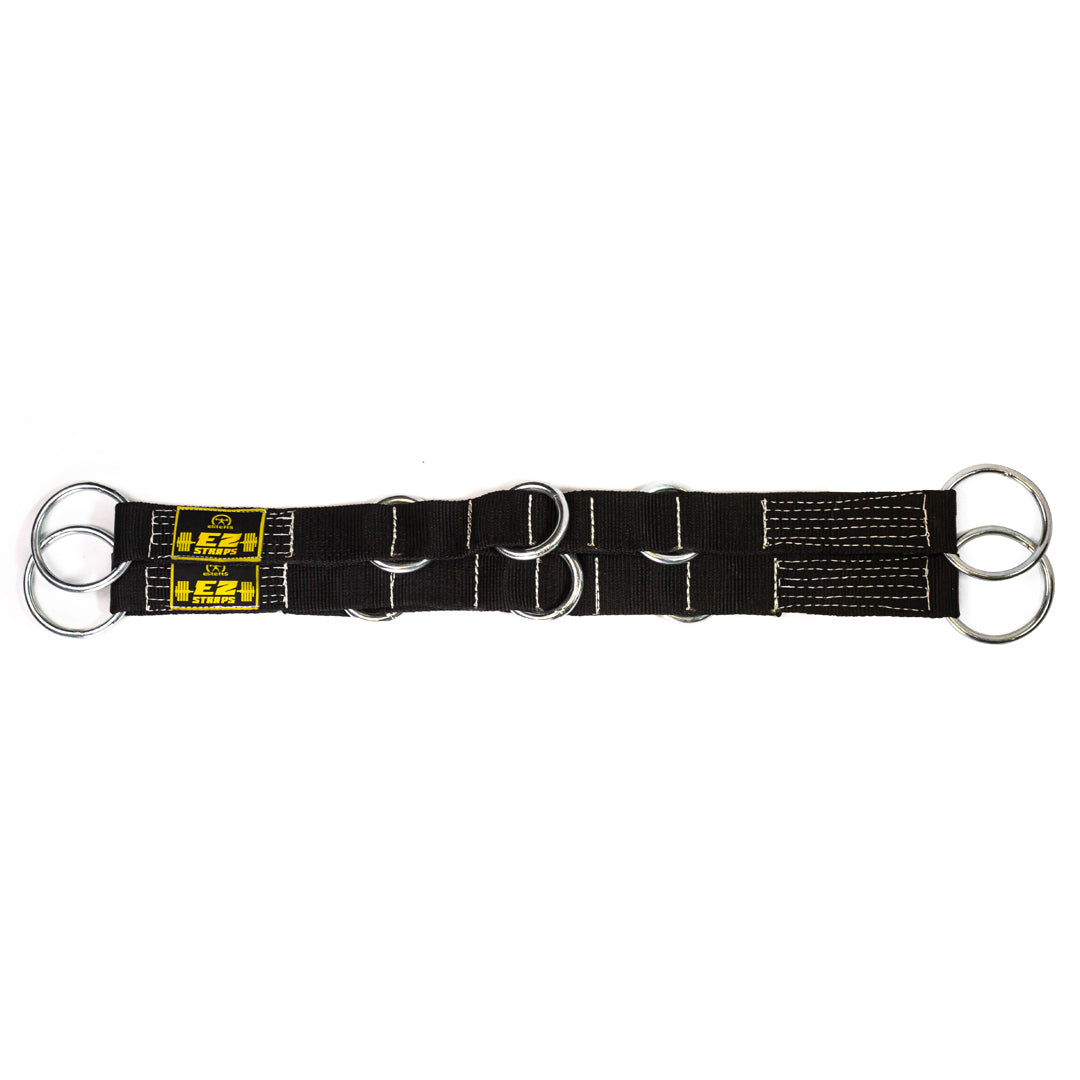
elitefts Head/Neck Harness
A straightforward harness for neck flexion, extension, and walk-tall variations loaded with bands, cables, or plates.
Elitefts Deluxe Padded Head Harness.
More padding, a padded chin strap, and a secure fit for lifters who want comfort during higher-rep neck work.
Iron Neck Alpha Plus Harness
Built for side-to-side, up-and-down, traditional weighted, and band-resisted rotational neck training.
Iron Neck 3.0
A portable 360-degree neck and posture training system for athletes who want a more complete neck-training station.
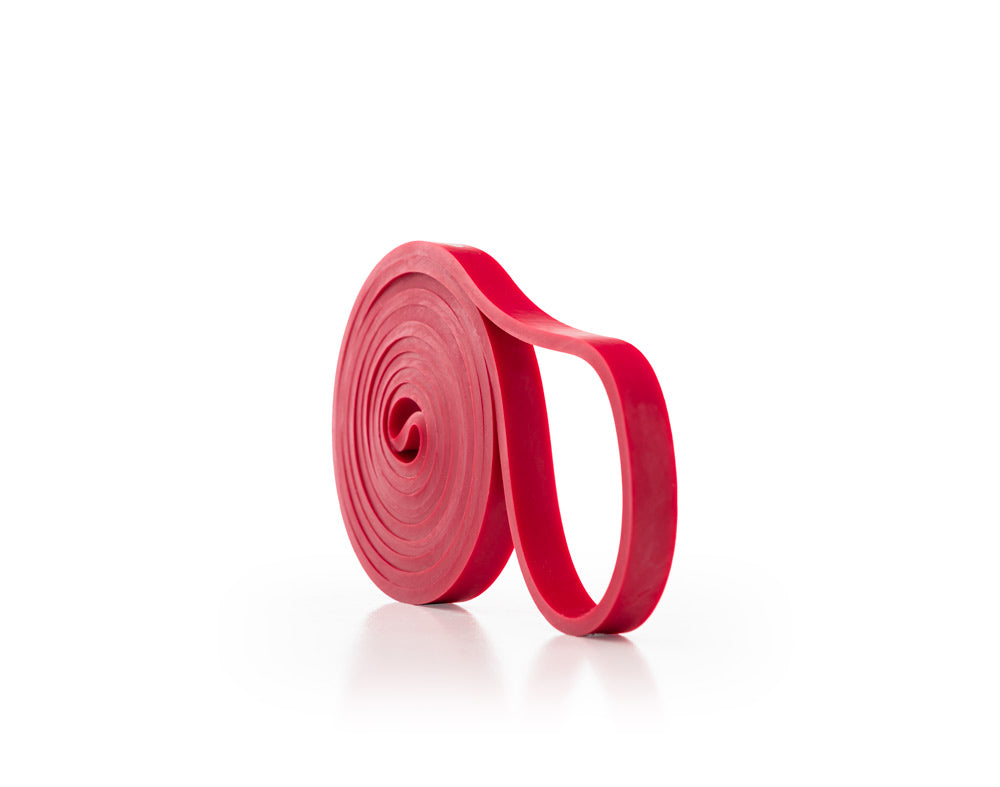
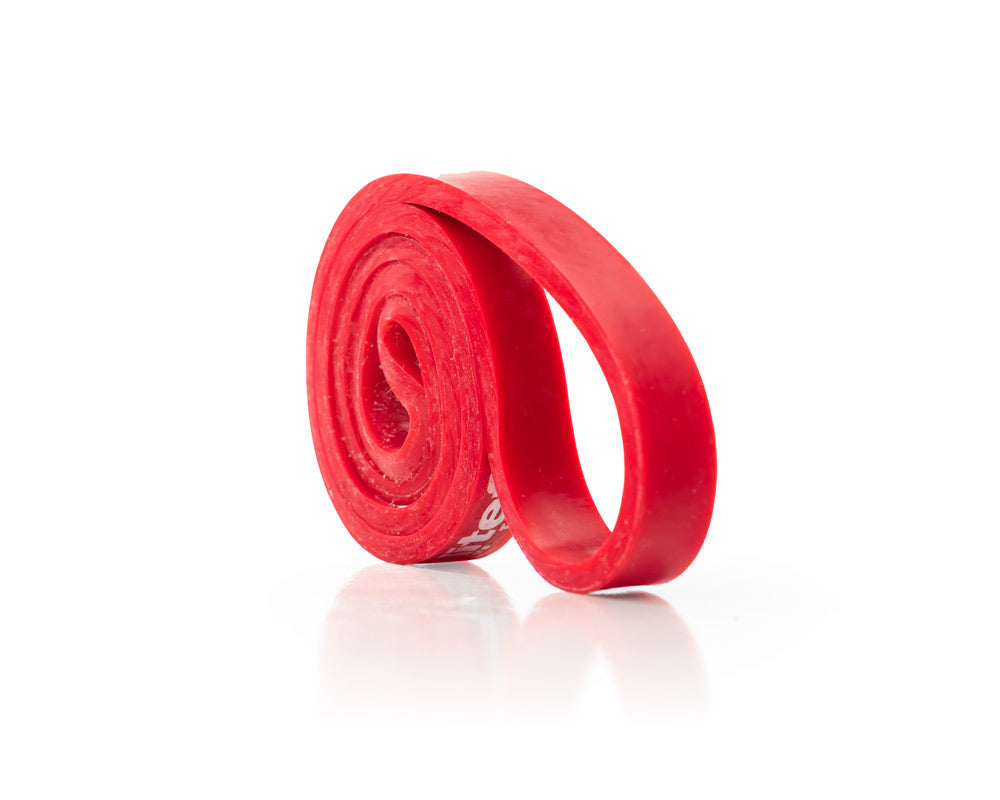
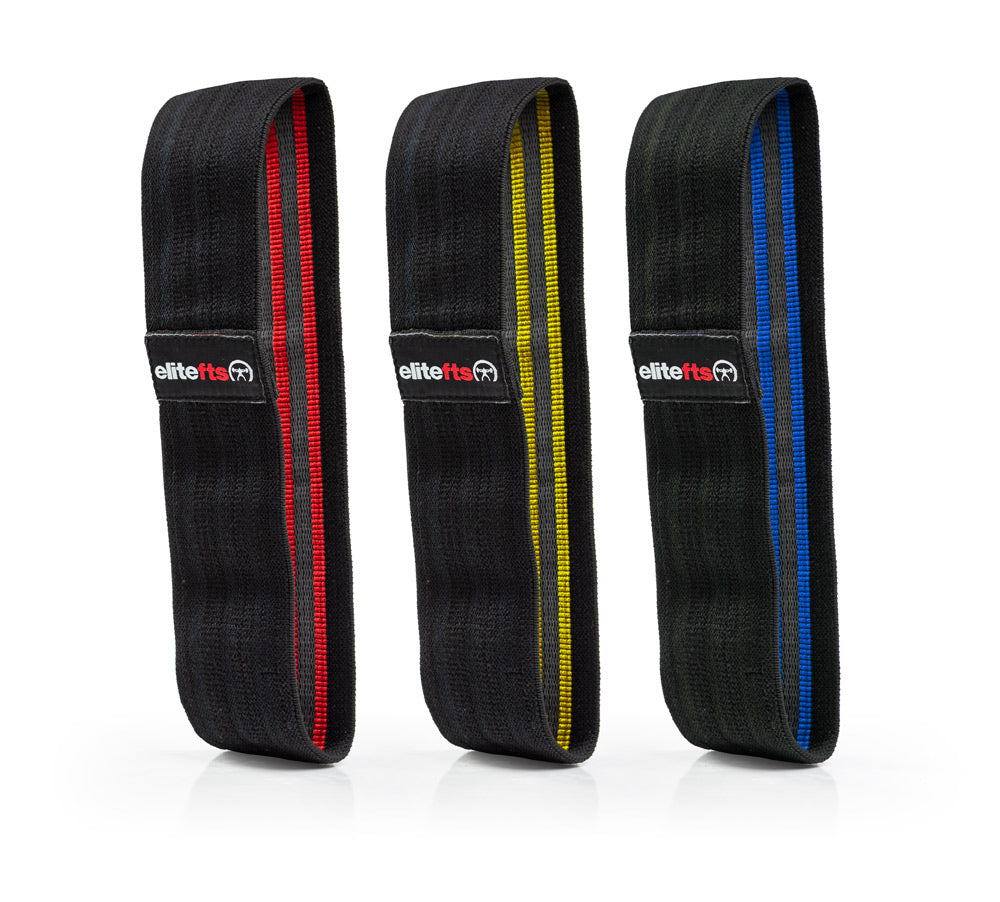
elitefts Pro Short Light Resistance Band.
A compact band option for controlled protraction, lateral flexion, and accessory neck work.
Neck Harnesses Collection
Compare the full current lineup of elitefts neck harnesses and neck-training tools.
Neck training does not need to be complicated. Put it where it belongs, keep the movements strict, progress conservatively, and train every compartment with purpose. A stronger neck is built the same way everything else under the bar is built: consistency, control, and intelligent loading.
Disclaimer: Neck training carries risk if progressed too quickly or performed with poor control. Start conservatively, avoid painful ranges of motion, and consult a qualified professional if you have a history of neck injury, concussion, neurological symptoms, or cervical spine issues.
Author Bio:
Max Barnhart has been a strength and conditioning coach for 17 years, holding a CSCS through the NSCA, and working at the Division-I level for roughly 10 of those years. Throughout that time he achieved the rank of Black Belt in Brazilian Jiu-Jitsu. It has always been a great privilege to contribute to EliteFTS- a resource that has guided everyone in the field, and has served as a source of inspiration for me during my formative years, as much as it has in the present.