


Program Variation Based on Recovery Status: Reviving, Surviving, and Thriving
How coaches can individualize training loads, maintain high quality, and deliver the right stimulus when athletes walk in with varying levels of readiness.
“The ability to train is governed by the ability to recover.”
Regardless of sport, the quality of training an athlete can perform is directly influenced by how well they have recovered from previous workloads. For strength and conditioning coaches, the challenge is not simply prescribing training. It is prescribing the right training at the right time.
Athletes rarely arrive at a session in the same state of readiness. Some are fully recovered and primed to perform. Others are carrying fatigue, soreness, travel stress, or mental strain. Effective programming must account for those differences without turning the session into chaos.
One practical solution is to categorize athletes according to recovery status and adjust training accordingly. By combining the Intensity Number of Lifts (INOL) system with established loading principles such as Prilepin’s Table, coaches can create flexible programs that optimize adaptation while minimizing unnecessary fatigue. INOL was developed by Hristo Hristov; you can read the original Hristov article here.
 Modified Prilepin chart for strength and size loading zones.
Understanding the Three Recovery Categories
A useful framework for classifying athletes is based on the familiar bell-shaped curve. In a typical group, approximately 68 percent will fall within one standard deviation of the mean. These athletes represent the middle ground: the Surviving Group. On either side are the athletes who need the most adjustment.
Reviving
Under-recovered athletes exhibit fatigue, soreness, reduced readiness, or diminished mental sharpness.
Surviving
Athletes who are coping adequately with current training demands and can handle moderate work.
Thriving
Fully recovered athletes are capable of training at maximum intensity, quality, and intent.
The distribution will shift depending on the training phase, competition schedule, travel demands, and recovery behaviors. The goal is always to move as many athletes as possible toward the Thriving category. As one professional rugby player said after his first year in the sport, “I was never 100 percent going into each game.”
Using INOL to Quantify Training Stress
The Intensity Number of Lifts (INOL) gives coaches a simple way to quantify training stress and compare sessions. Instead of relying solely on intuition, the coach can adjust volume, intensity, frequency, and recovery demands to align with the athlete’s current readiness.
 INOL ranges help coaches determine whether a session is too light, manageable, tough, or excessive.
Recovery Time and Training Load
Research summarized in Science and Practice of Strength Training demonstrates a clear relationship between workout load and restoration time. These timelines are especially useful when building the weekly structure around strength, power, and sport-specific sessions.
| Zone | Training Load of One Workout | Restoration Time |
|---|---|---|
| 1 | Extreme | 72 hours |
| 2 | Large | 48–72 hours |
| 3 | Substantial | 24–48 hours |
| 4 | Medium | 12–24 hours |
| 5 | Small | <12 hours |
For example, Louie Simmons’ Westside Barbell methodology schedules Dynamic Effort work approximately 72 hours after Max Effort work for the same body region. That spacing reflects the recovery demands associated with high-intensity training.
Athlete Self-Appraisal: A Simple Monitoring Tool
One of the most effective readiness assessments is still a simple conversation supported by structured self-reporting. Athletes can evaluate physical freshness, mental focus, recovery from the previous game or session, and readiness to compete later in the week.
Player Self-Appraisal Template
Name: ____________________________ Next game/opponent: ____________________________
Development focus this week: ________________________________________________
Monday or Tuesday
Rate how physically fresh you feel now:
Rate how mentally fresh and focused you feel now:
Rate recovery from the previous game/session and note what you did: ____________________________
Not recovered35810
Fully recovered
Thursday or Friday
Rate how physically ready you are to meet this week’s challenge:
Rate how mentally prepared, focused, and excited you are:
Rate how well you achieved your development goal this week:
Not even close35810
Nailed it
Adjusting Training for Reviving, Surviving, and Thriving Athletes
Once athletes have been categorized, training can be modified without abandoning the larger program. Think of the system as a traffic light: reduce stress for red, sustain quality for yellow, and push performance for green.
 Example training menu for athletes to revive, survive, and thrive.
Reviving Athletes
- Lower total volume
- Reduced loading percentages
- Simplified neural training demands
- Greater recovery focus
Surviving Athletes
- Moderate volume and intensity
- Strength-speed and speed-strength emphasis
- Continued technical development
- Balanced recovery strategies
Thriving Athletes
- Higher loading intensities
- Increased training complexity
- Broad force-velocity spectrum exposure
- Strength, power, and ballistic training
Progression Options
- Absolute strength work
- Accelerative strength work
- Strength-speed and speed-strength work
- Ballistic and starting-strength exercises
Velocity-based training hardware, such as GymAware, can also help coaches adjust training in response to fatigue. If an athlete cannot maintain prescribed velocities for the workout or training zone, the session can be adjusted before quality drops.
 Velocity zones provide another way to match loading to the intended training effect.
The Value of Flexible Programming
Traditional monthly plans often follow a fixed loading structure, such as a four-week progression model. An INOL-based traffic light system allows coaches to adjust training in real time while keeping the athlete connected to the larger plan.
Example: Hypertrophy-Focused Session
Original session: 4 × 8 @ 65% 1RM
INOL: 32 ÷ 35 = 0.91
Modified session for a Reviving athlete: 4 × 6 @ 65% 1RM
INOL: 24 ÷ 35 = 0.69
By reducing volume while keeping the same percentage, the coach dramatically reduces training stress while still allowing the athlete to train productively.
Recommended elitefts Tools for Flexible Programming
The following tools fit naturally with a recovery-based programming model. Use them to create lower-stress options for Reviving athletes, moderate-intent work for Surviving athletes, and high-output training opportunities for Thriving athletes.
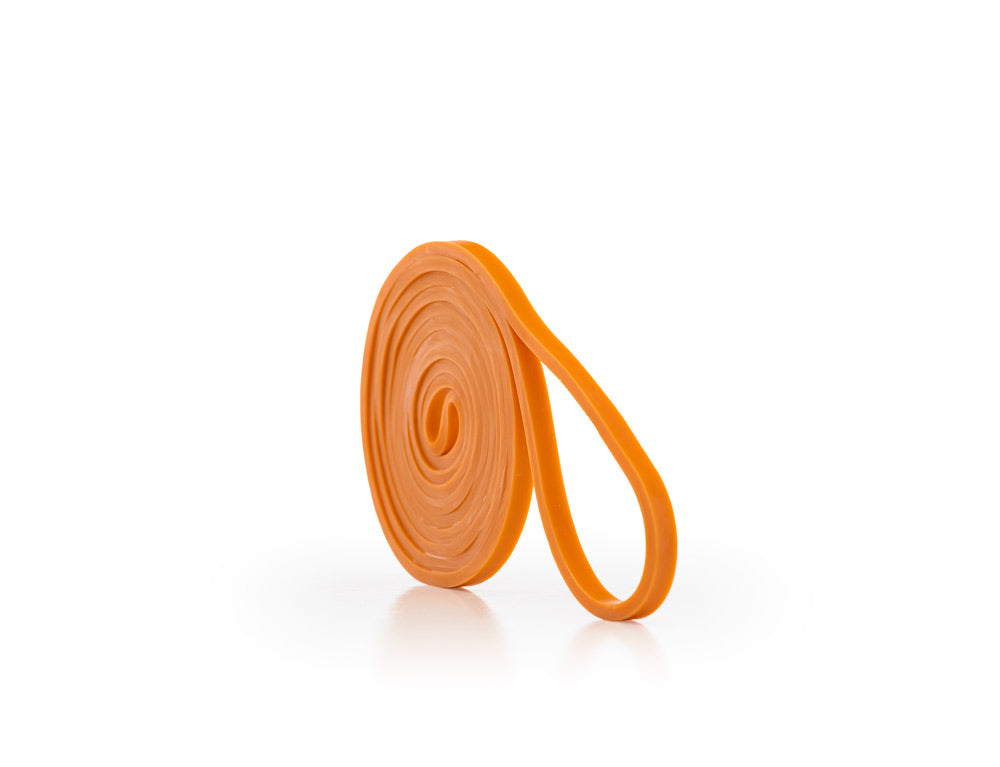
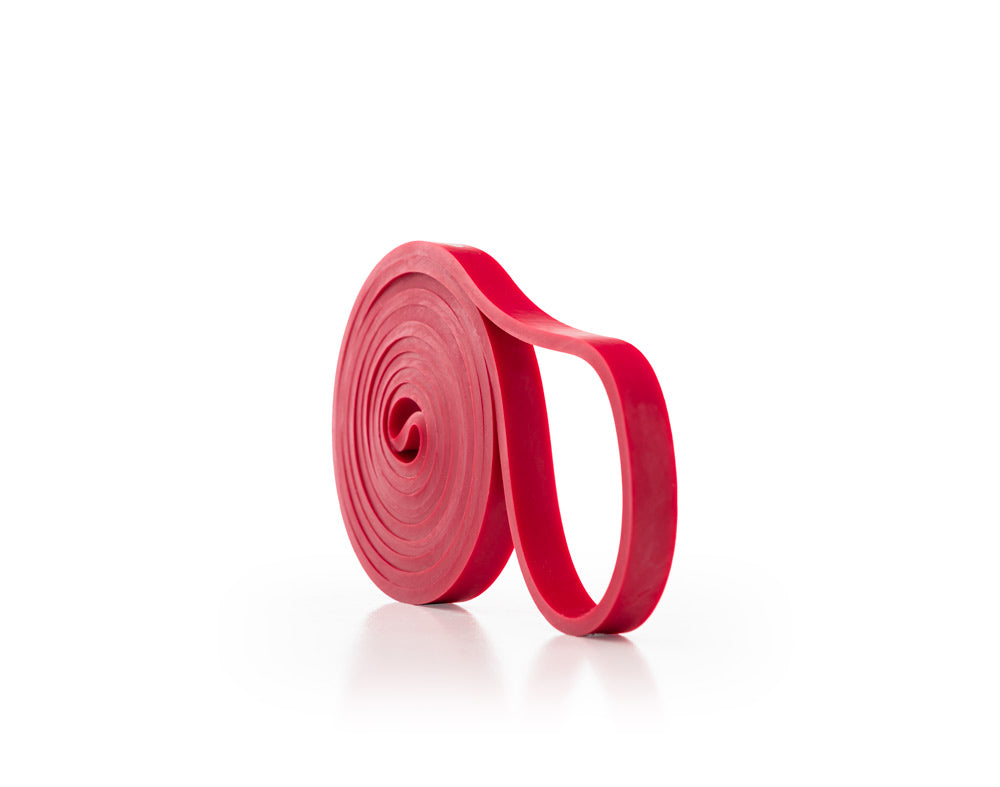
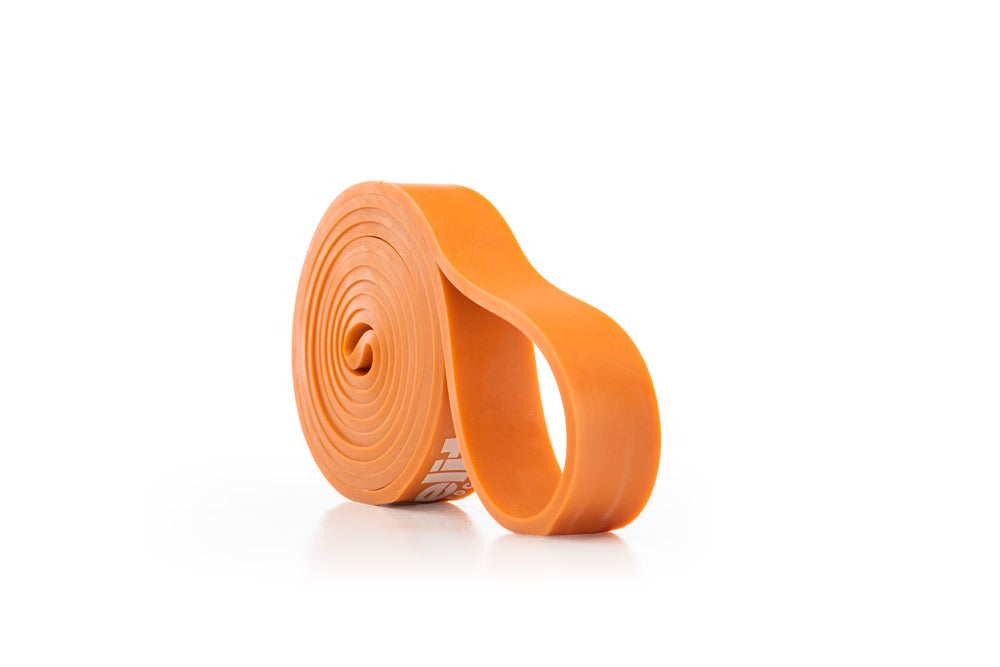
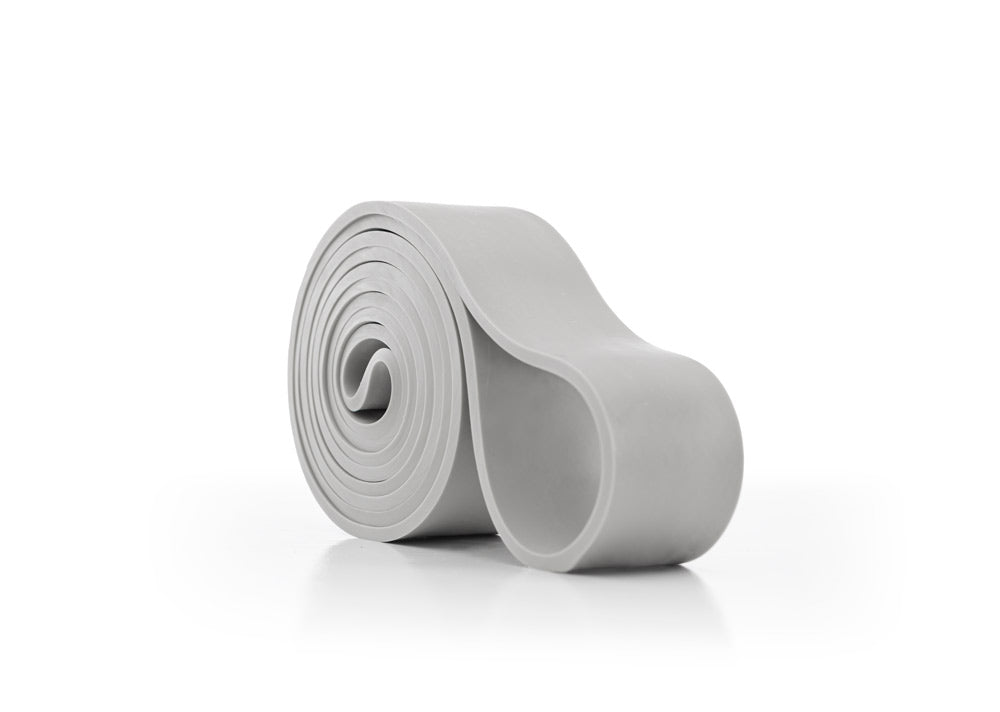
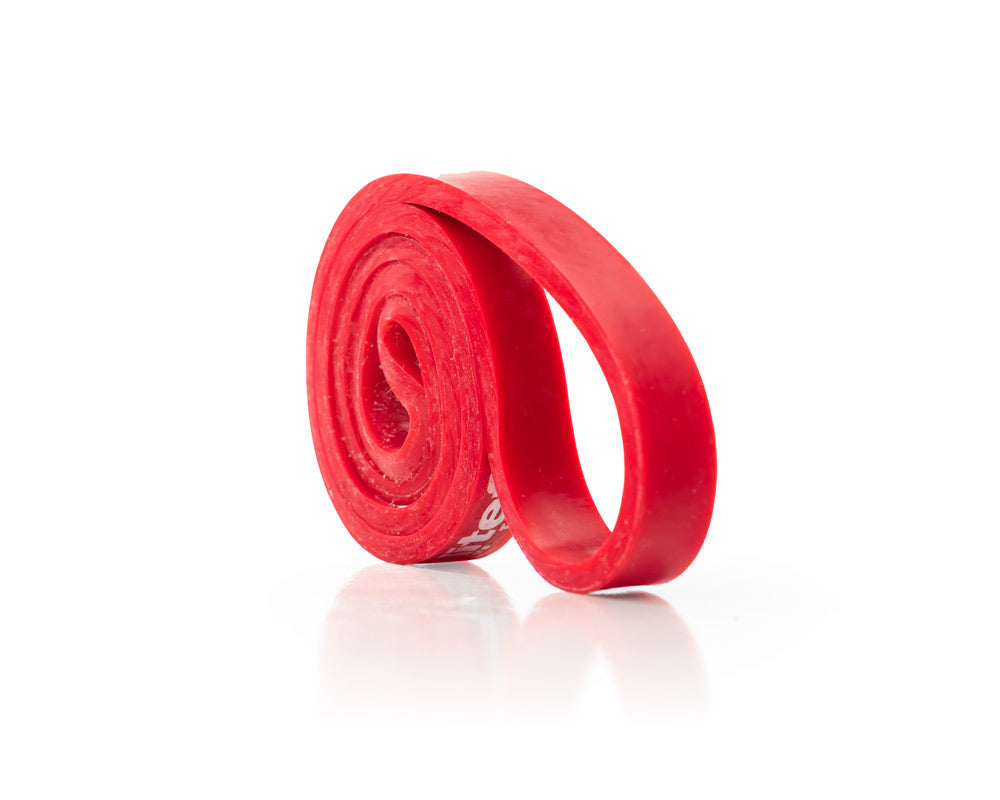
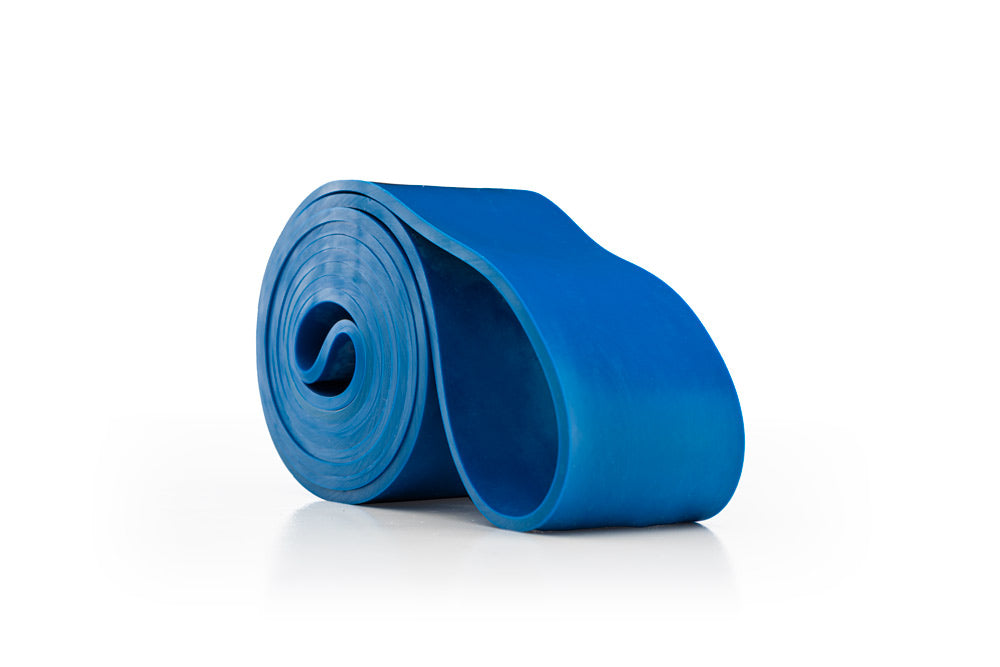
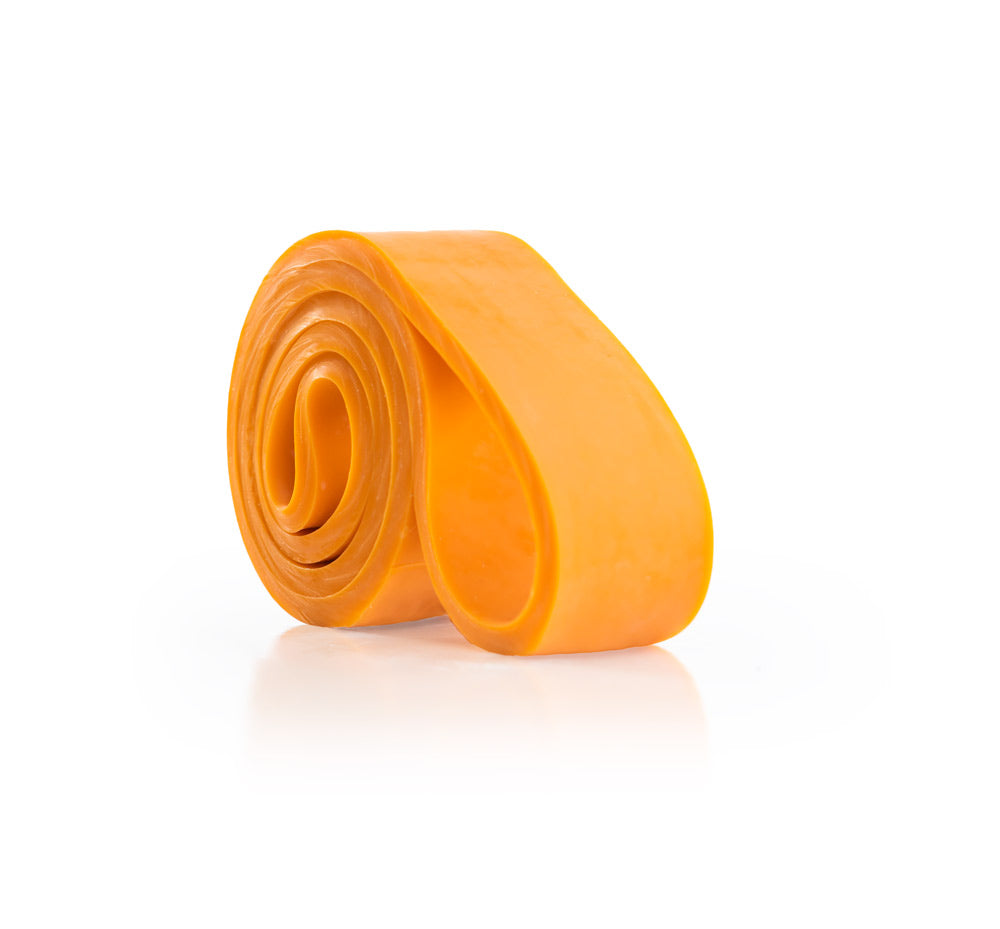
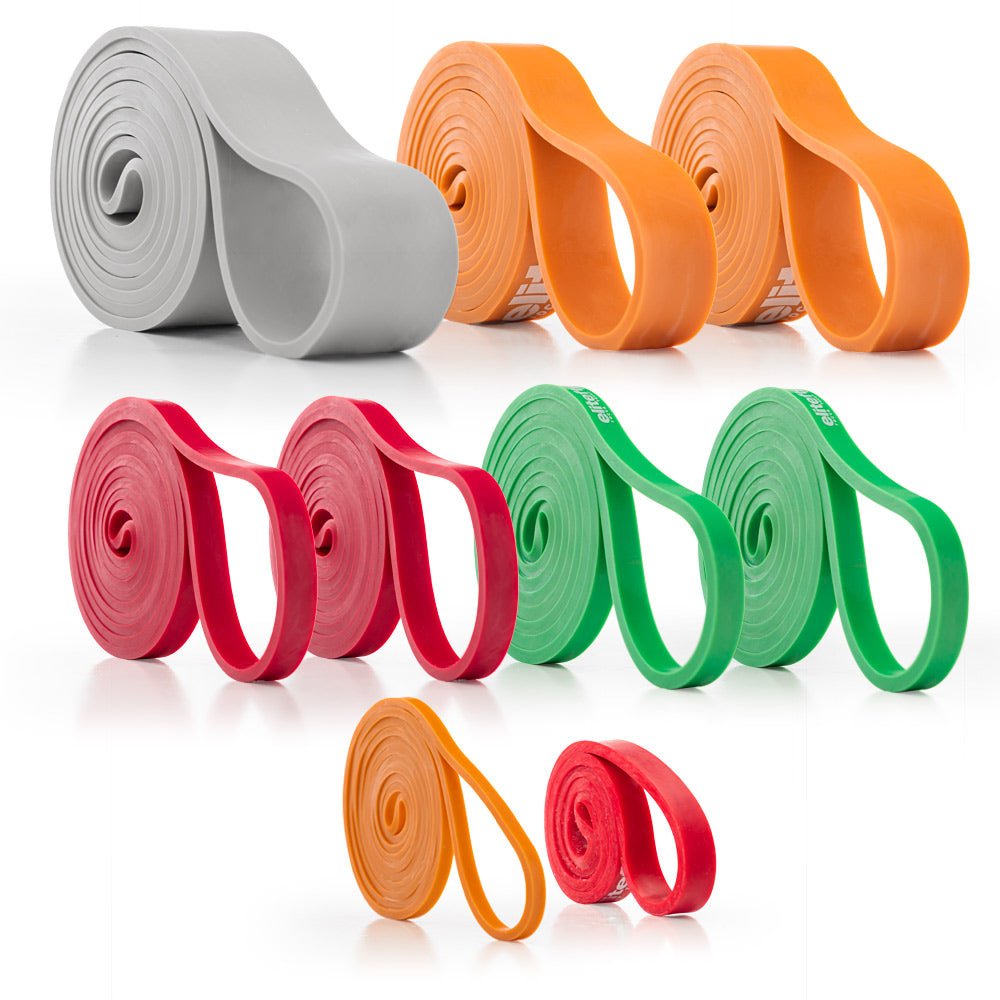
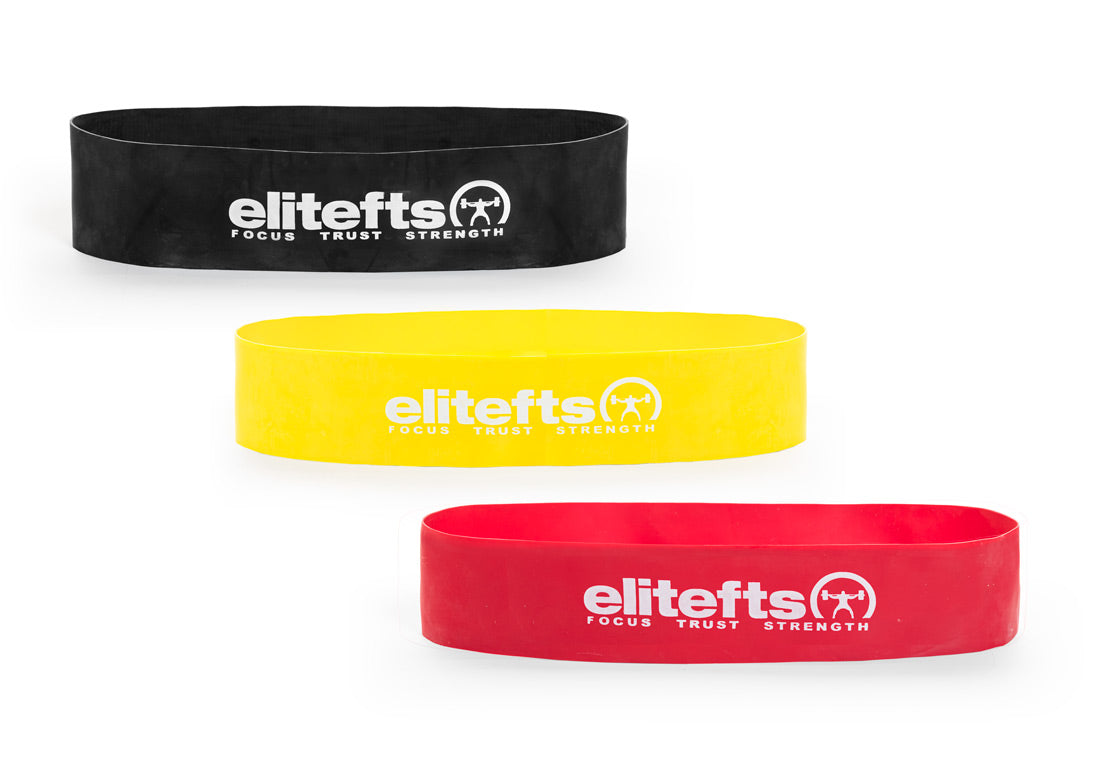
Portable, versatile, and useful for warm-ups, rehab-style work, pull-aparts, push-ups, good mornings, and accessory movement quality.
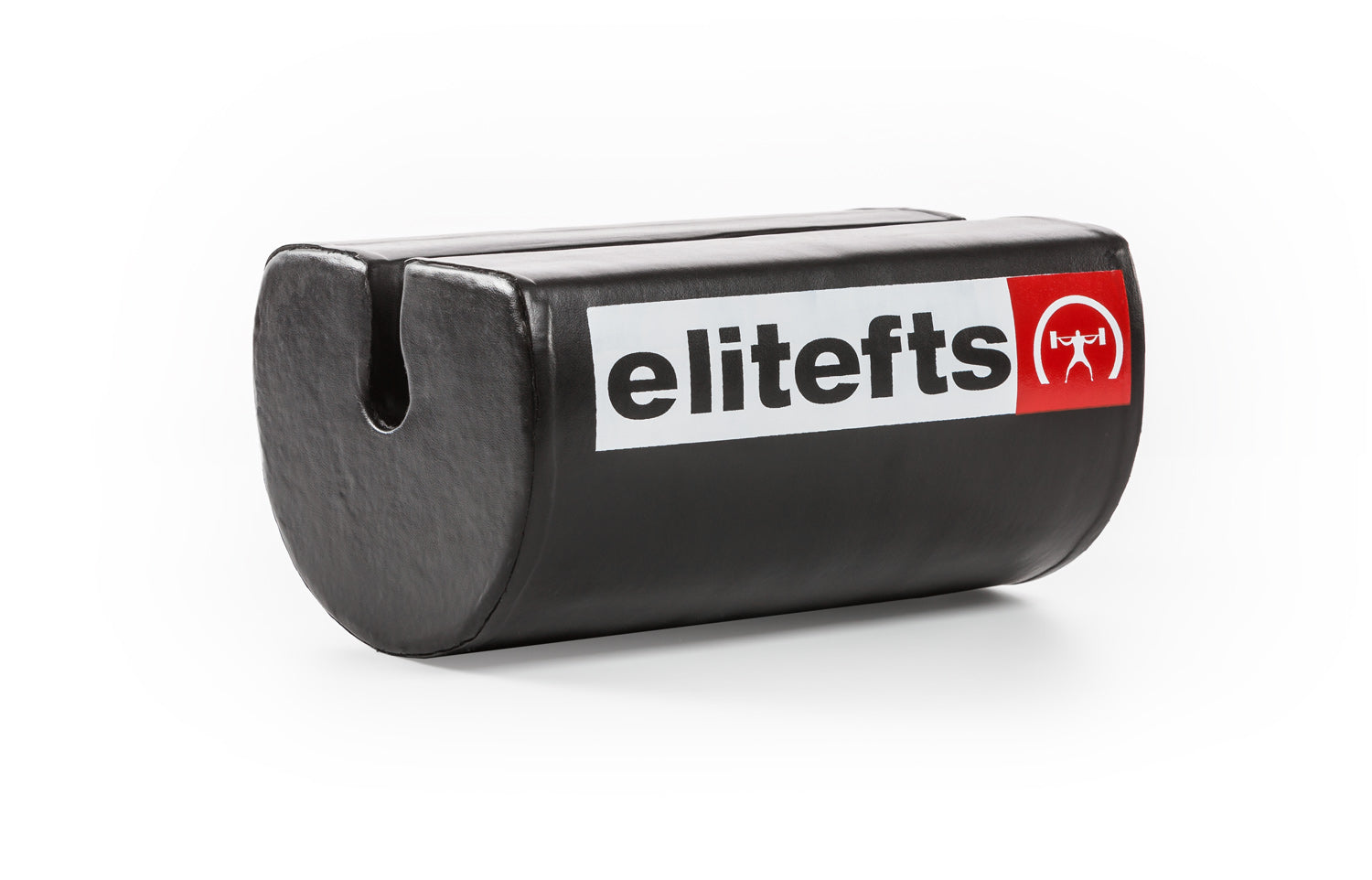
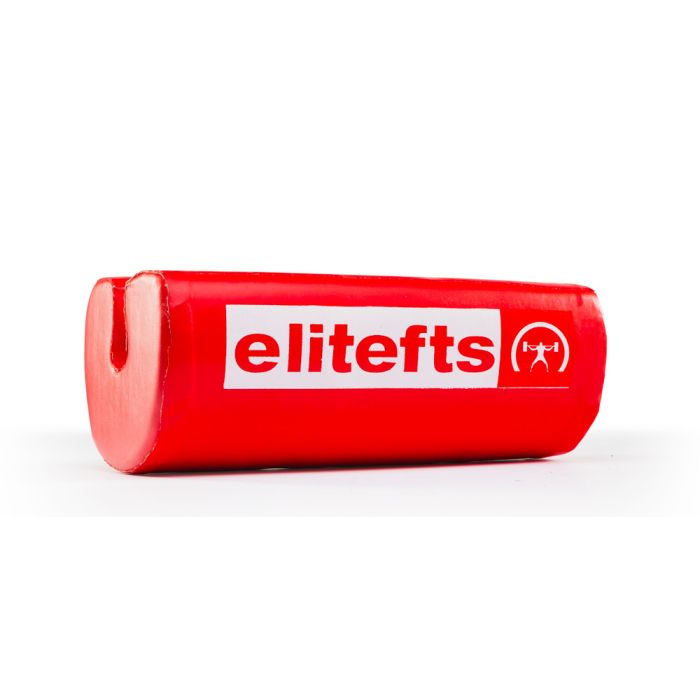
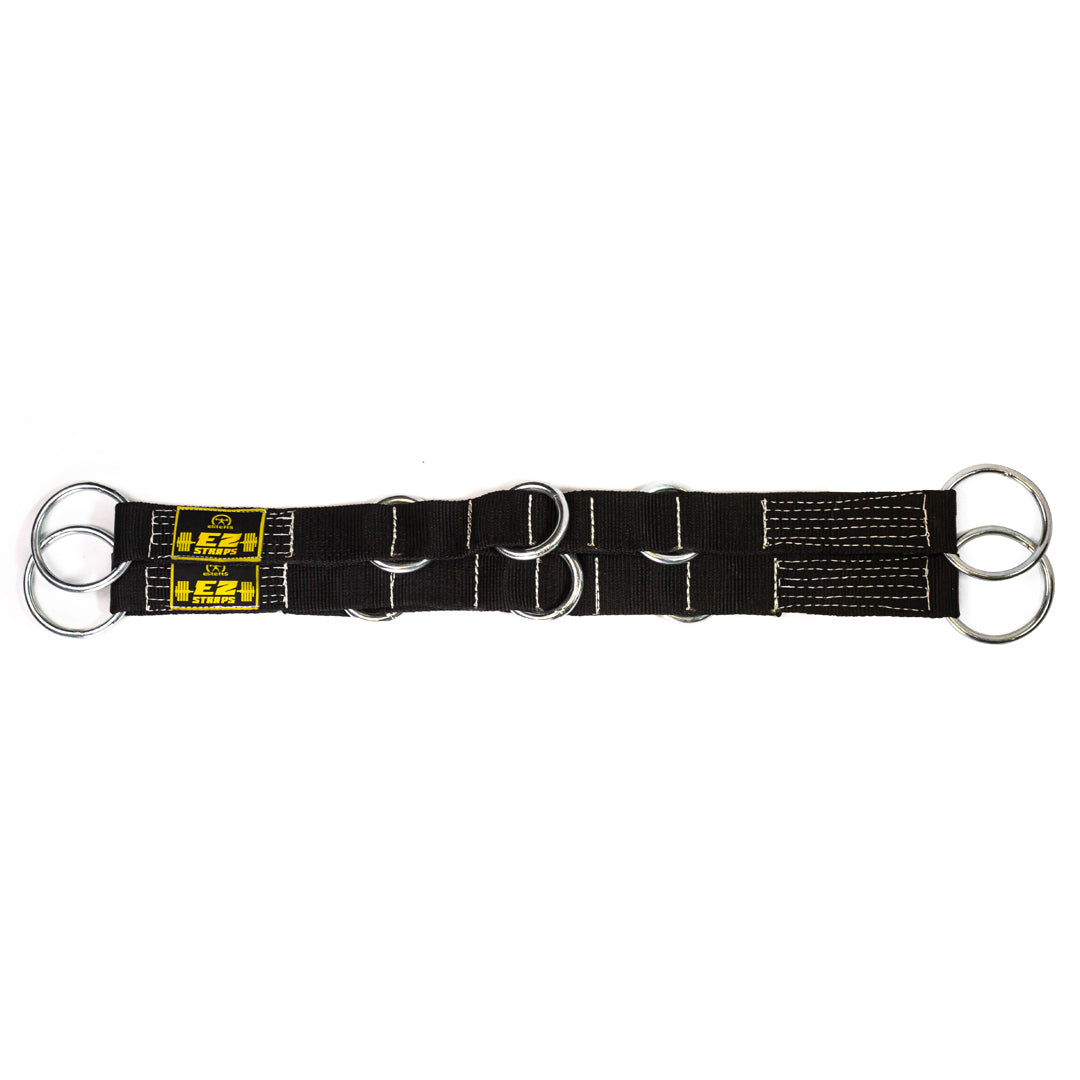
Shop BandA smart option when pressing needs to stay in the program, but shoulder stress or range-of-motion demands need to be managed.
Shop Shoulder SaverExcellent for lower-impact conditioning, restoration, GPP, and building work capacity without always loading the spine heavily.
Shop SledA hard-nosed conditioning tool for athletes who are ready to push output, build acceleration, and train repeat-effort capacity.
Shop ProwlerFor broader options, browse elitefts Resistance Bands and the full Prowlers & Sleds collection.
Coaching Beyond the Weight Room
Joe Kenn famously stated, “We are developing football players, not weightlifters.” The objective of athletic training is not to maximize gym performance in isolation. It is to enhance sports performance while ensuring athletes are physically and mentally prepared to compete.
By adjusting training loads according to recovery status, coaches can improve readiness, enhance adaptation, reduce unnecessary fatigue, support long-term development, and teach athletes how recovery behaviors affect performance.
The best programs do not give everyone the same training. They consistently deliver the right stimulus to the right athlete at the right time.