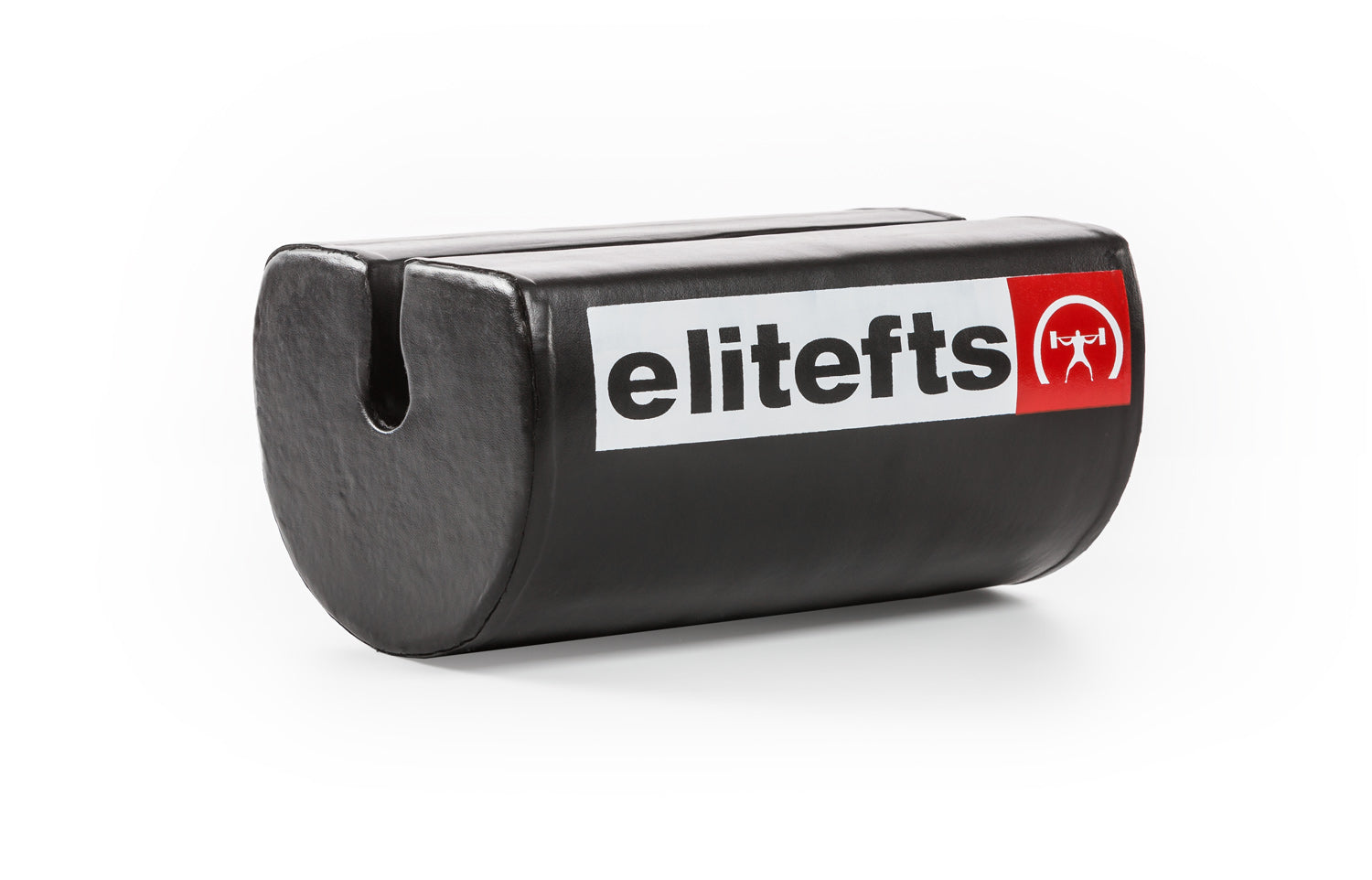

Elitefts Power Bar
A durable, powerlifting-focused bar for the squat, bench press, and deadlift—the core movements behind straightforward strength development.
View Power Bar
Strength & Coaching
Why Matching Method to Training Age Beats Chasing the Next Trend
Complexity is not a badge of honor. The coach’s job is to give an athlete exactly as much programming complexity as their training age can productively absorb—no more and no less.
Every young coach goes through the same phase: you discover a new method, fall in love with it, and try to force it onto every athlete you touch—regardless of whether they are ready for it. I did it myself early in my career, and I still see it in coaches I mentor today.
It is an easy trap. The strength world is full of clever tools, and it is tempting to believe that the tool itself is what makes the difference. It is not. What makes the difference is whether the method matches the athlete standing in front of you.
That is the whole idea behind programming simplicity. Complexity is not a substitute for competence. Give a beginner a conjugate system, and you can bury them in technical demands they are not ready for. Give an advanced lifter nothing but straight sets for years, and you can stall their progress just as surely. The skill is knowing where an athlete sits on that continuum and choosing methods that meet them there.
One of the most common mistakes I see is coaches programming based on the calendar rather than training age. An athlete’s chronological age tells you very little about what they are ready for in the weight room. What matters is how long they have trained consistently, with intent, and under some form of coaching.
That is training age, and it is one of the best practical indicators of how much programming complexity an athlete can handle productively.
| Training Age | Classification | Days / Week | Primary Methods |
|---|---|---|---|
| Under 12 months | Beginner | 2–3 | Straight sets and linear intensification |
| 12 months–2 years | Intermediate | 3–4 | Straight sets, linear intensification, supersets, contrasts, and undulating intensification |
| 2+ years | Advanced | 3+ | All of the above, plus cluster sets, wave loading, complexes, and conjugate periodization |
A beginner—someone with less than twelve months of consistent training—does not need variety. They need consistency, technical repetition, and a program built almost entirely around straight sets and linear intensification. Two to three sessions a week are plenty. The novelty of adapting to the barbell can drive progress for months without additional programming trickery.
Move into the intermediate range—roughly one to two years of training age—and the body starts to blunt its response to the same stimulus. This is where supersets, contrasts, and undulating intensification earn their place, layered atop the straight-set foundation rather than replacing it. Three to four sessions a week become appropriate as recovery capacity improves.
By the time an athlete crosses into advanced territory—two-plus years of serious training age—they can, and generally need to, handle the full toolbox: cluster sets, wave loading, complexes, and conjugate periodization across three or more sessions a week. This is also where individualization matters most because advanced athletes have the widest spread of strengths, weaknesses, and recovery capacities.
The other half of this equation is time. Beginners adapt slowly to any single stimulus, so their blocks can—and should—run long. I typically plan beginner blocks around three months because there is no urgency to change what is already working.
Intermediate athletes need more frequent stimulus variation as their rate of adaptation slows, so I bring blocks down to roughly six weeks. Advanced athletes are chasing much smaller windows of adaptation, and their blocks often run as short as one to three weeks.
| Training Classification | Typical Block Length |
|---|---|
| Beginner | Approximately 3 months |
| Intermediate | Approximately 6 weeks |
| Advanced | 1–3 weeks |
This is not arbitrary. It reflects a simple biological reality: the more trained an athlete becomes, the smaller and more fragile their remaining margin for adaptation gets, and the more precisely you need to manage the dose.
Charles Poliquin used to make this point constantly, and it has stuck with me for decades: there is an inverse relationship between sets and reps.
The first approach leans toward neural and strength qualities; the second leans toward metabolic and hypertrophy qualities. Understanding that relationship lets you direct a program toward the specific quality you are trying to develop instead of filling in sets and reps simply because they appeared in the last program you read.
Whatever method you choose, and whatever the training age of the athlete in front of you, one principle does not change: strength underpins everything else.
Dietmar Schmidtbleicher put it plainly when he called strength the mother of all qualities. Mike Stone has said much the same thing—that strength is the base on which all other physical qualities rest. I have built my entire coaching philosophy around that idea.
No matter how much complexity an advanced athlete’s program eventually earns, strength qualities never leave the program. They are simply expressed through different methods as the athlete’s training age allows.
Louie Simmons spent a career hammering home a version of the same message from the powerlifting side of the fence: intensity, consistency, and respect for the basics beat any fad you will find.
Explore a collection of Louie’s most memorable lessons and principles from decades under the bar.
None of this framework is something I invented in isolation. It is built on decades of work from people who studied training age, periodization, and strength qualities far more rigorously than I ever could on my own—John Garhammer, Harold O’Bryant, Tudor Bompa, Greg Haff, Charles Poliquin, Dietmar Schmidtbleicher, Bryan Mann, Tim Suchomel, and Paul Comfort, among others.
Good coaching is not about originality for its own sake. It is about taking principles that have already been proven, understanding why they work, and applying them with discipline to the athlete in front of you.
The method should lead, and the equipment should support it. These selections fit the article’s progression from foundational barbell work to more advanced variations.
A durable, powerlifting-focused bar for the squat, bench press, and deadlift—the core movements behind straightforward strength development.
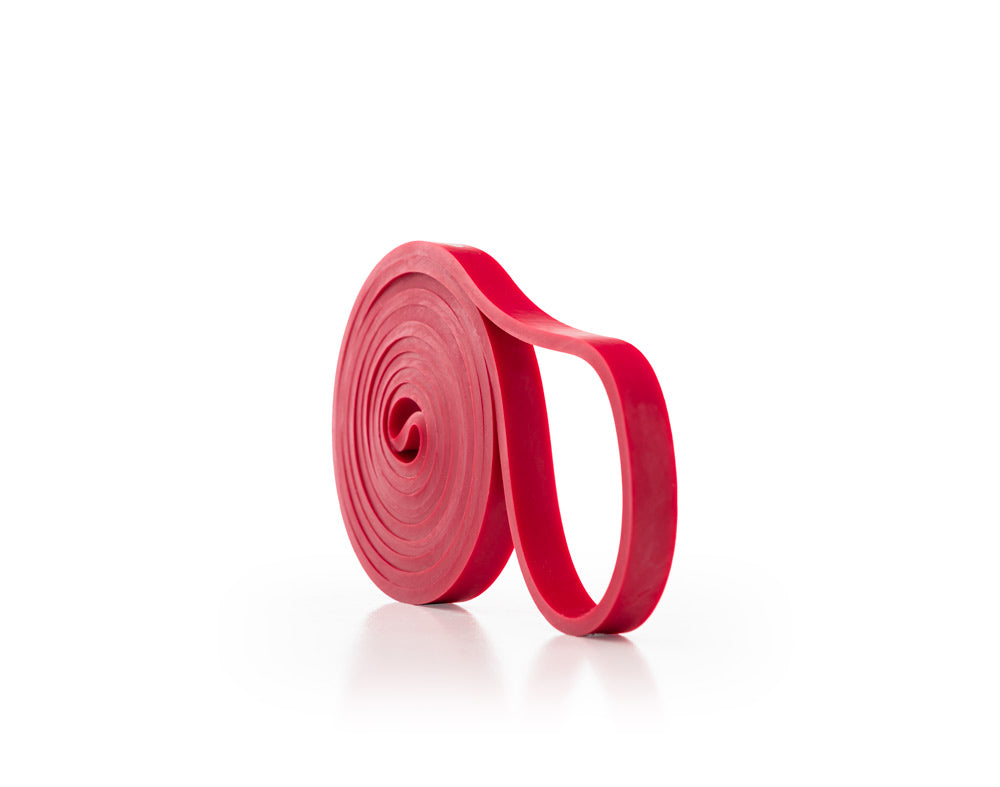
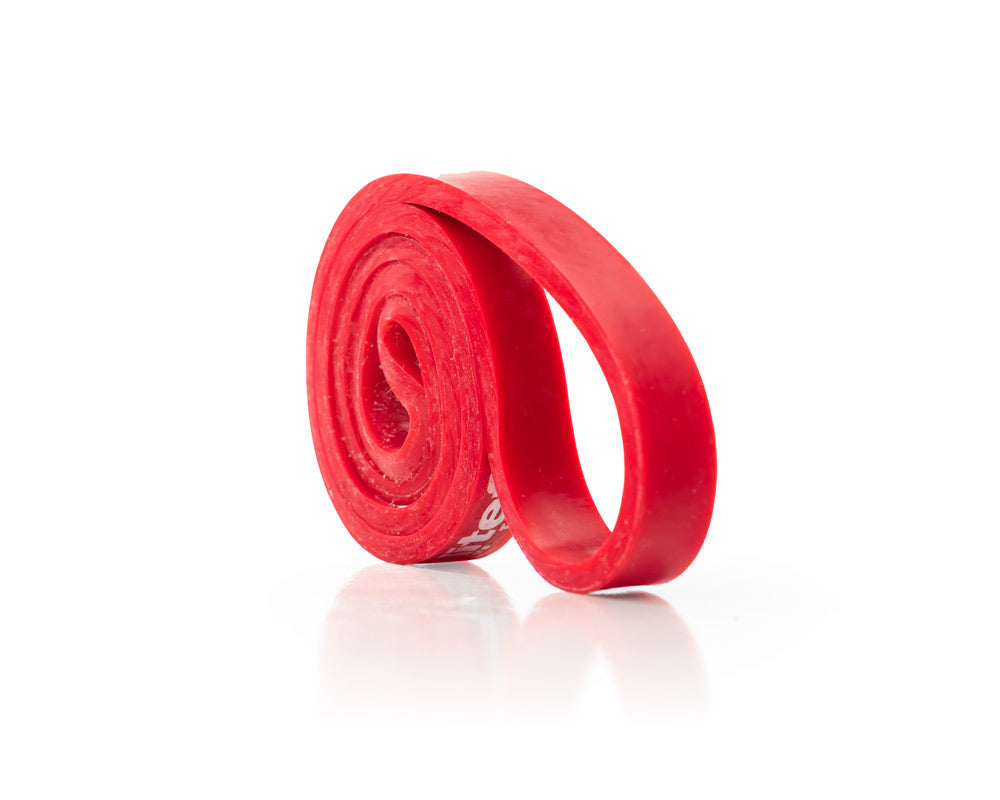
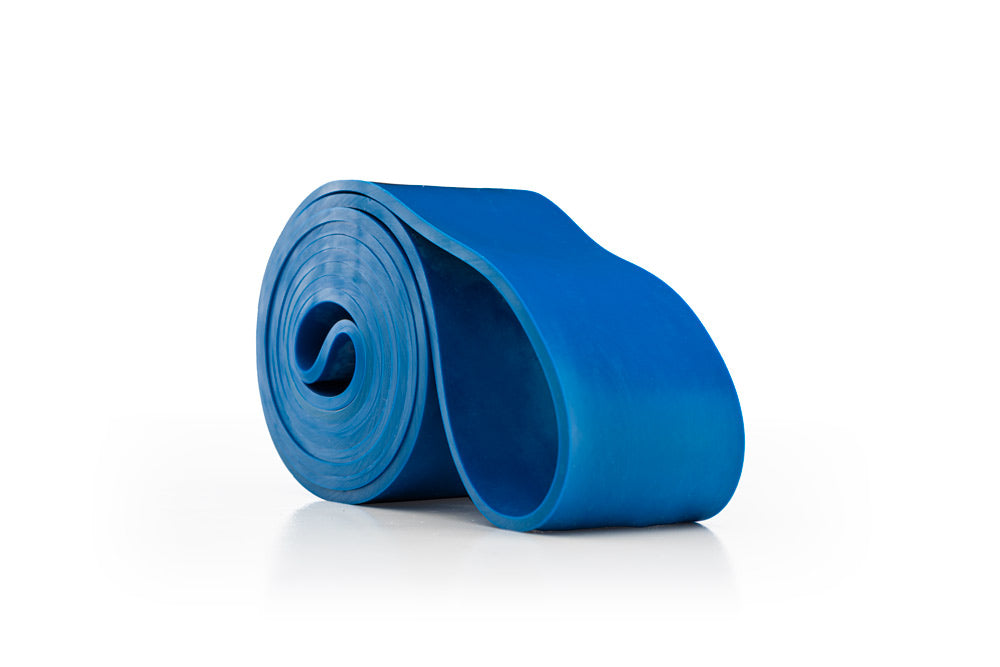
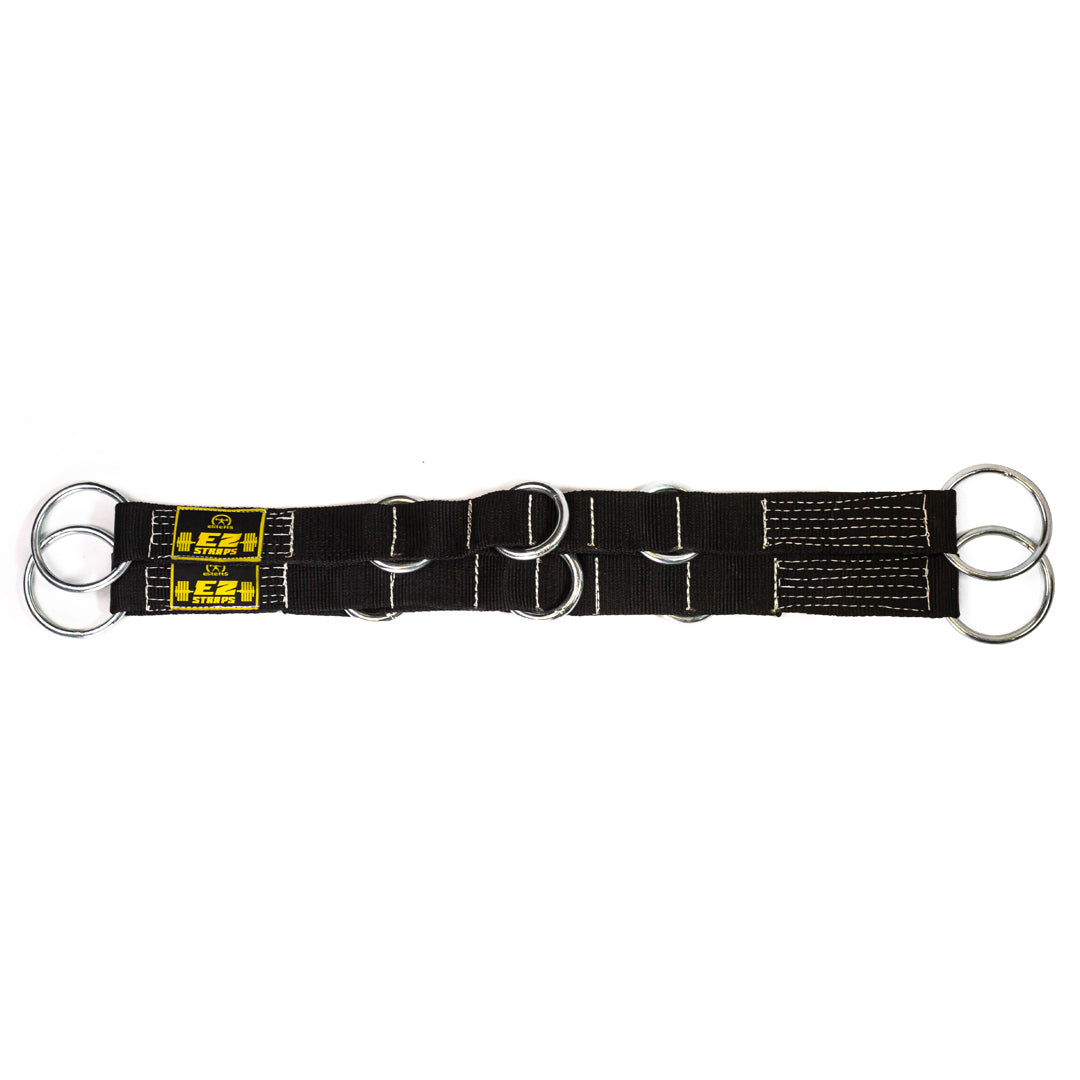
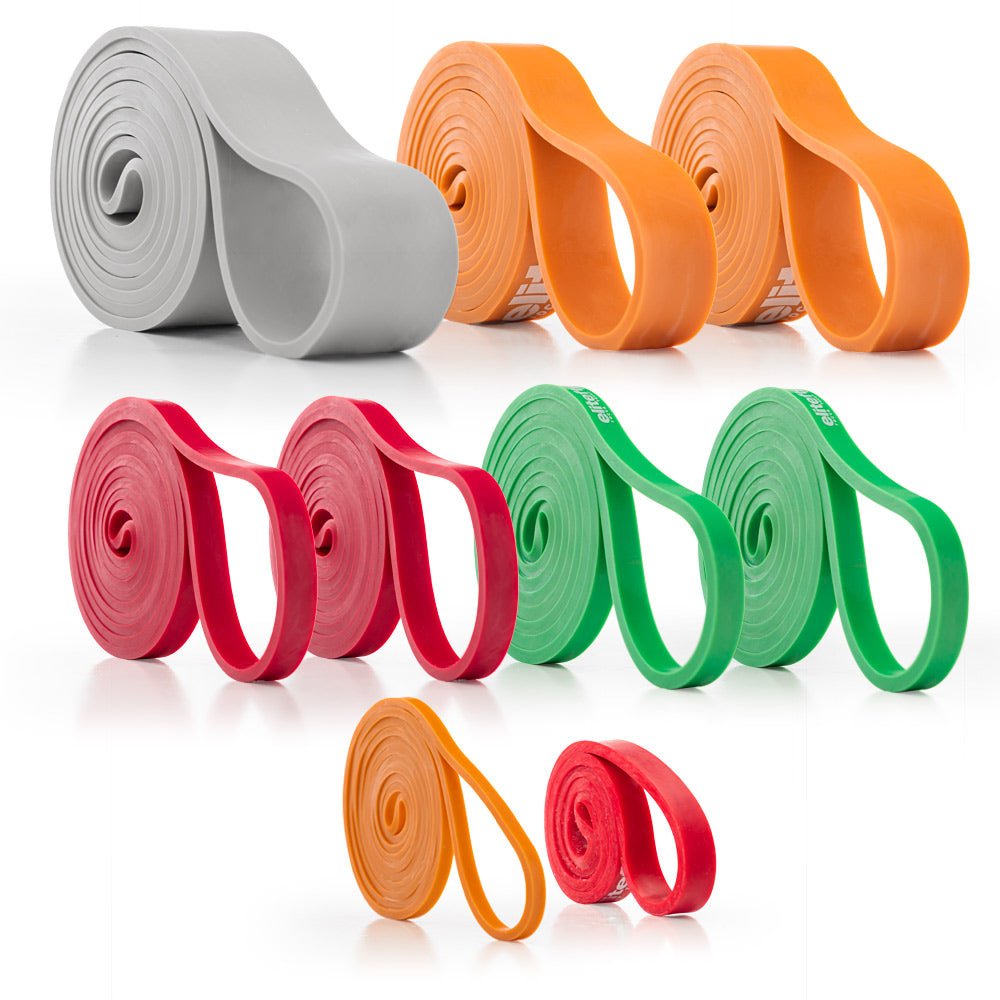
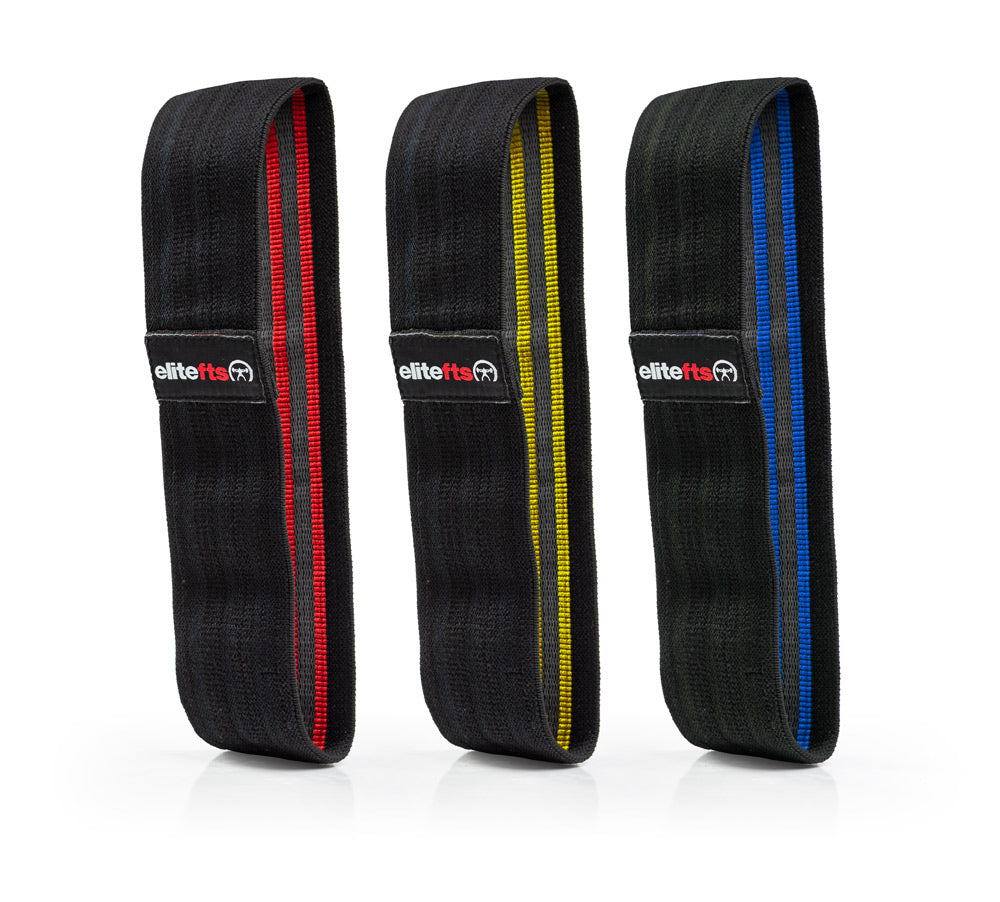
View Power BarAdd accommodating resistance, assisted work, warm-ups, and accessory variations as an athlete earns greater programming complexity.
Shop BandsA deep resource for intermediate and advanced lifters or coaches ready to understand and apply conjugate programming with greater intent.
View Training BundleProgramming simplicity is not about doing less work as a coach—it is about doing the right work at the right time.
Match your methods to the training age. Shrink your blocks as your athletes become more advanced. Understand the sets-and-reps relationship well enough to bend it toward the quality you are chasing. Never let strength drop out of the program, no matter how sophisticated the rest of it gets.
Everything else is detail.

Ashley Jones is a strength and conditioning coach with more than 30 years in professional sport across seven countries, best known for his work in rugby at the club and international levels—including two Rugby World Cups with teams from both hemispheres. He was named NSCA Professional Coach of the Year in 2016 and received the NSCA Boyd Epley Lifetime Achievement Award in 2023. He is also a long-time Elitefts columnist.

EliteFTS Table Talk— Where strength meets truth. Hosted byDave Tate, Table Talk cuts through the noise to bring raw, unfiltered conversations about training, coaching, business, and life under the bar. No fluff. No hype. Just decades of experience — shared to make you stronger in and out of the gym.

Support us and access premium content monthly!