

Stop Retracting Your Shoulders To Bench Press
A Better Way To Build Your Pressing Platform
TL;DR
- Maximal shoulder-blade retraction is not the same thing as a stable bench setup.
- If you jam the scapulae together and lock the upper back down, you can lose the ability to use the serratus, lats, and rib cage correctly.
- The goal is not loose shoulders. The goal is a wider, stronger, better-loaded platform.
- Your bench setup should let you depress the shoulders, load the lats, control the bar path, and press without forcing the elbows into a bad flare.
One of the most repeated bench press cues is also one of the most misunderstood: retract your shoulder blades.
For years, lifters have been told to pinch the shoulder blades together as hard as possible, set them on the bench, and never let them move. Some lifters heard that cue and got stronger. A lot of lifters heard that cue and got beat up.
The problem is not that the upper back does not matter. It matters a lot. The problem is thinking that maximal retraction is the same thing as stability. It is not. If you pull your shoulder blades together as hard as you can and then try to press heavy weight, you may actually make the shoulder joint feel smaller, tighter, and less able to handle the load.
That is the point of the video below. The setup that feels safe because it is locked down can also be the setup that keeps the shoulder from doing its job.
The Cue Got Too Simple
Most bad coaching cues start as good ideas that get shortened until they become wrong.
Retracting the shoulder blades was meant to keep lifters from benching with the shoulders dumped forward, the chest collapsed, and the elbows flaring all over the place. That part makes sense. Nobody should bench with the upper back disconnected from the press.
But the cue turned into something else. It became: pinch the shoulder blades together as hard as possible and hold them there no matter what.
That can create a different problem. When you chase maximal retraction, you can lock the scapulae in a position where the shoulder has nowhere useful to go. The upper back may feel tight, but tight does not always mean strong. Tight does not always mean stable. Tight can also mean stuck.
The better question:
Can you create a stable platform and still let the shoulder complex handle the load?
Retraction Is Not The Same As Depression
This is where a lot of lifters get lost. Pulling the shoulder blades together is retraction. Driving the shoulders down is depression. They are not the same thing.
When you set up to bench, the goal is not to make the shoulder blades touch. The goal is to put the shoulders in a position where the lats can help control the bar, the upper back can support the load, and the press can move through a strong path.
If you are trying to maximally retract and maximally depress at the same time, one of those is going to lose. Most lifters end up with a forced, jammed-together position that feels tight at the start and starts falling apart when the weight gets heavy.
A stronger setup usually feels different. The shoulders are down. The lats are loaded. The ribs are not dumped. The upper back is active. The shoulder blades are not floating around, but they are not crushed together so hard that the rest of the system cannot work.
The Serratus Matters More Than Most Lifters Think
Powerlifters talk about lats all the time. That is good. You need them. But the serratus anterior is one of those muscles that gets ignored until the shoulder starts telling you something is wrong.
The serratus helps control how the shoulder blade sits and moves around the rib cage. If your setup completely removes that contribution, you may have a tight upper back, but you may not have a shoulder that is organized well enough to press heavy.
This does not mean you turn the bench press into a loose, rolling shoulder movement. It means you stop trying to solve every bench problem by smashing the shoulder blades together harder.
For many lifters, the better setup is a wider platform. The lats help pull the shoulders down and keep the bar connected. The serratus helps the shoulder blade sit better on the rib cage. The upper back supports the load instead of being turned into a rigid block that cannot adapt.
How To Find The Sweet Spot
The fix is not to stop setting your upper back. The fix is to stop taking one piece of the setup and turning it into the whole setup.
Start by getting your feet set and your body tight. Then think about putting your shoulders down instead of only back. Load the lats like you are trying to bend the bar and pull it into the right groove. Keep the chest high enough to support the press, but do not force the rib cage into a position you cannot hold.
When the bar comes out, the weight should feel connected to your back, not hanging off the front of your shoulders. As you lower the bar, you should feel the lats guide the descent. The elbows should not flare because the shoulder has no other option. The press should feel like the whole upper body is working together.
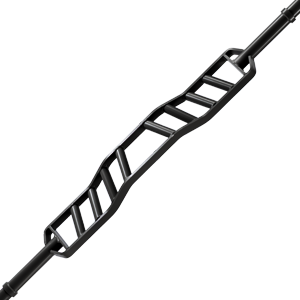
If you want to test this without turning it into a max-effort experiment, use lighter bench work, close-grip pressing, dumbbell pressing, or specialty bar pressing. A bar like the American Thin Press Cambered Angle Grip Bar or American Thin Press Angled Grip Bar can give you pressing options that are easier to manage while you clean up position.
What To Watch For
If the shoulder feels jammed:
You may be over-retracting and losing the ability to load the lats and keep the shoulder organized.
If the elbows flare hard:
The bar path and shoulder position may be fighting each other. Check how the lats are controlling the descent.
If you lose your upper back:
You still need tension. This is not an excuse to bench loose. It is a better way to create pressure.
Small setup changes can feel strange at first. Do not judge it only by how it feels with an empty bar. Judge it by whether you can keep the bar path, shoulder position, and lat tension together across real working sets.
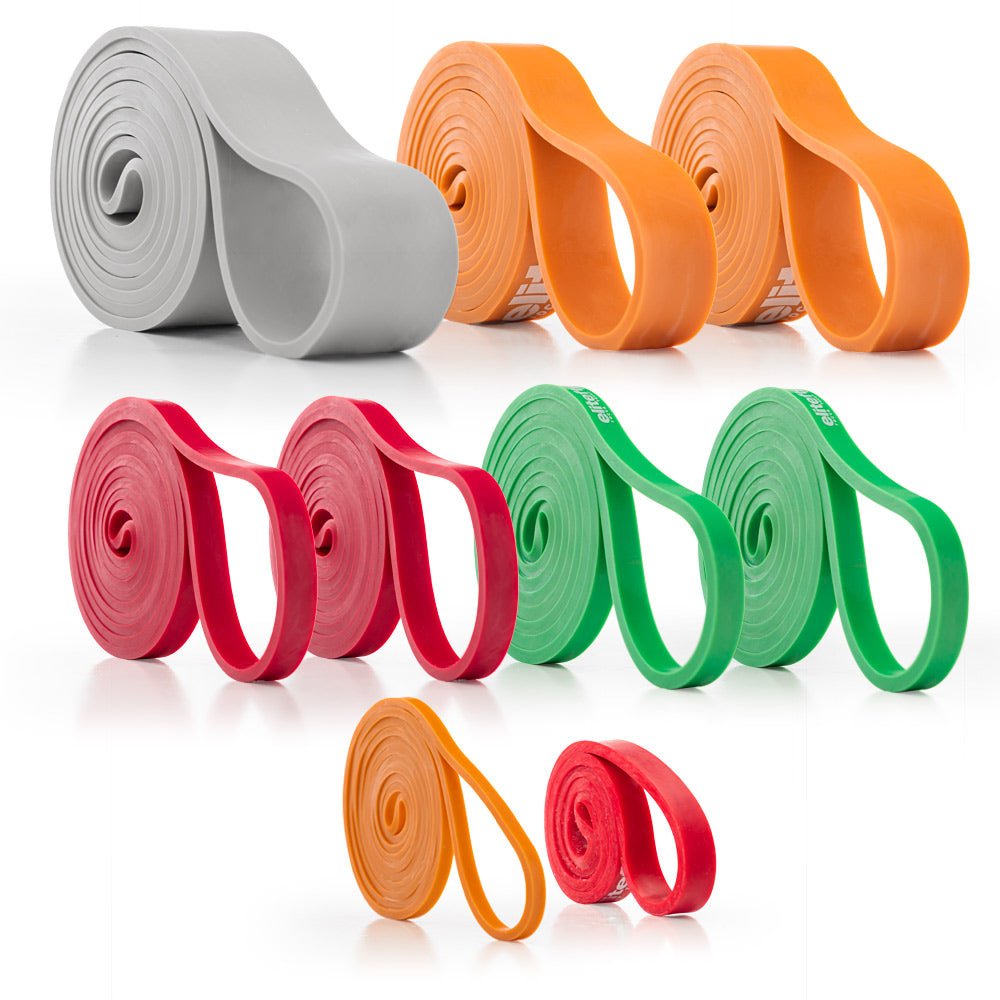
If your wrists are limiting your ability to keep the bar stacked and controlled, the elitefts Secure Lock Wrist Wraps are a simple support option. If you need warm-up or activation work before pressing, the elitefts Pro Resistance Band Pack gives you plenty of options for upper back, lat, triceps, and shoulder prep.
The Point
The bench press is not a shoulder-blade squeezing contest.
It is a press. The setup exists to give you the best platform to press from. If the cue you are using makes you tighter but weaker, or tighter but more beat up, it is time to question the cue.
Do not throw out upper-back tightness. Do not bench soft. Do not let the shoulders roll forward and hope for the best. But stop assuming that harder retraction is always better.
Depress the shoulders. Load the lats. Let the serratus do its job. Build a wider platform. Then bench from there.
Watch The Full Video
See the full explanation and demonstration in the elitefts video.
Live, Learn, Pass On.
elitefts