


elitefts Training • Dave Tate's Table Talk #453
Stop Treating the Rebound Like a Reward
Jon Heck on getting leaner, holding strength, and building a metabolism that can support harder training.
TL;DR
- A post-diet rebound is not permission to eat without a plan. The leaner and more depleted you are, the more deliberate the transition needs to be.
- During a cut, keep enough heavy work to preserve the skill and intent of strength while trimming volume you cannot recover from.
- A high food intake is not proof of a fast metabolism. The goal is to build the training capacity and muscle that give those calories somewhere useful to go.
- Progressive overload must survive changes in rep range. If the load only rises when the movement and reps never change, you may be rehearsing one test.
- Nutrition and training should solve the same problem. Stop running one plan in the kitchen and another in the weight room.
Jon Heck opened Table Talk #453 with the kind of story most lifters do not tell until after it goes bad. Following a hard diet, he tried to force a rebound. Carbohydrates climbed, bodyweight jumped roughly 20 pounds in days, blood pressure shot up, reflux worsened, and sleep fell apart. The lesson was not that carbohydrates are dangerous. The lesson was that a depleted body is not a blank check.
That matters because lifters love extremes. We diet hard, then celebrate the finish by eating like recovery has no limit. We call it a rebound, a growth phase, or a metabolic push. The label does not change what is happening. Food, training stress, fluid balance, and recovery all arrive at the same body.
The diet does not end when the scale hits the target. It ends when you can train, eat, recover, and hold a stable bodyweight without the plan controlling every hour.
The rebound is another training phase
Heck's mistake was not wanting to restore performance. After a long deficit, better training, fuller muscles, improved sleep, and more food are legitimate goals. The mistake was treating the transition as if the system could absorb unlimited change at once.
A good rebound has a job. Maybe the first job is restoring training performance. Maybe it is stabilizing bodyweight, hunger, digestion, and sleep. Maybe it is getting the athlete back to maintenance without an immediate swing from restriction to chaos. Pick the job, then use the smallest increase that moves it forward.
Do not use Jon's medical symptoms as a self-diagnosis guide. Rapid swelling, severe blood-pressure changes, breathing trouble, chest symptoms, or other acute problems need qualified medical attention. A podcast story can sharpen your judgment; it cannot clear you to manage a dangerous situation alone.
Keep strength in the program when calories fall
Later in the episode, Heck and Dave separated intensity from volume. When calories drop, the lifter often tries to preserve the entire program: the same heavy work, the same supplemental volume, the same accessories, and the same conditioning. Then recovery collapses and the conclusion becomes, “Cutting makes me weak.”
Strength is partly a skill. If you remove heavy exposures for months, you stop practicing the positions, bracing, aggression, and timing that make heavy work feel normal. But preserving that skill does not require preserving every set. The practical move is to keep meaningful intensity while reducing the work that creates fatigue without protecting the main objective.
| Phase | Primary training job | What to protect | What to question |
|---|---|---|---|
| Fat-loss phase | Hold muscle and strength while bodyweight falls | Heavy skill work, execution, key hypertrophy stimulus | Redundant accessories, junk volume, conditioning that ruins lifting |
| Post-diet transition | Restore performance and stabilize recovery | Consistent schedule, measured food increases, sleep and digestion | Unplanned refeeds, sudden workload spikes, daily scale panic |
| Growth phase | Turn added resources into more productive work | Progressive overload, work capacity, technical quality | Eating more without earning more training output |
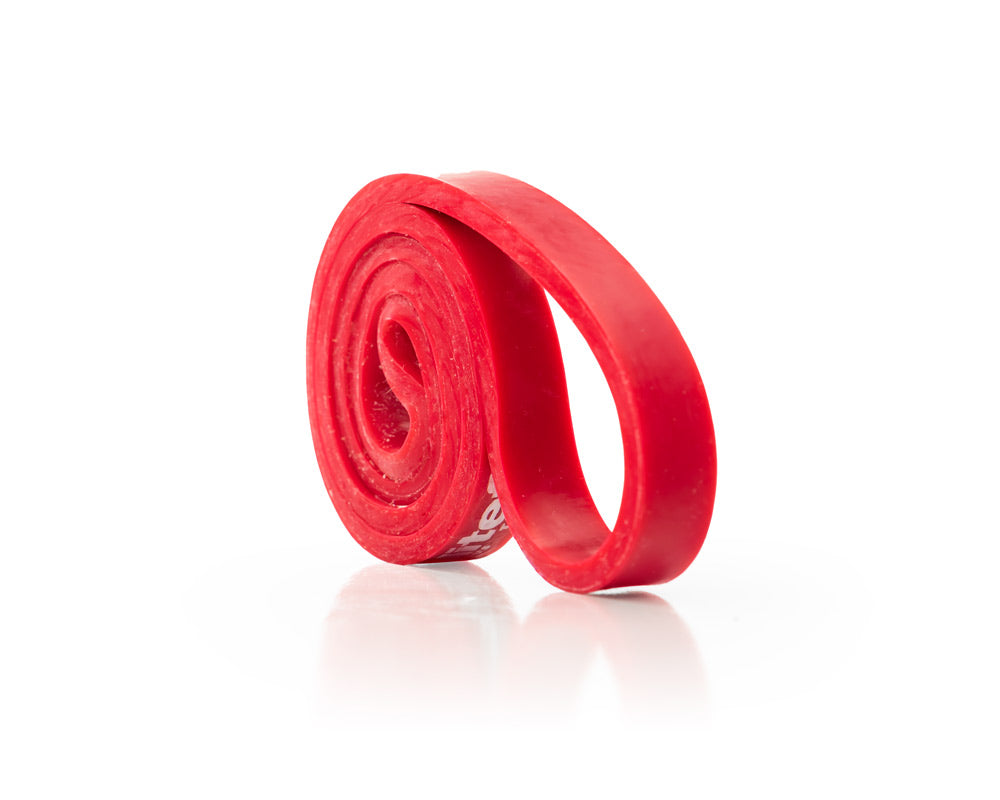
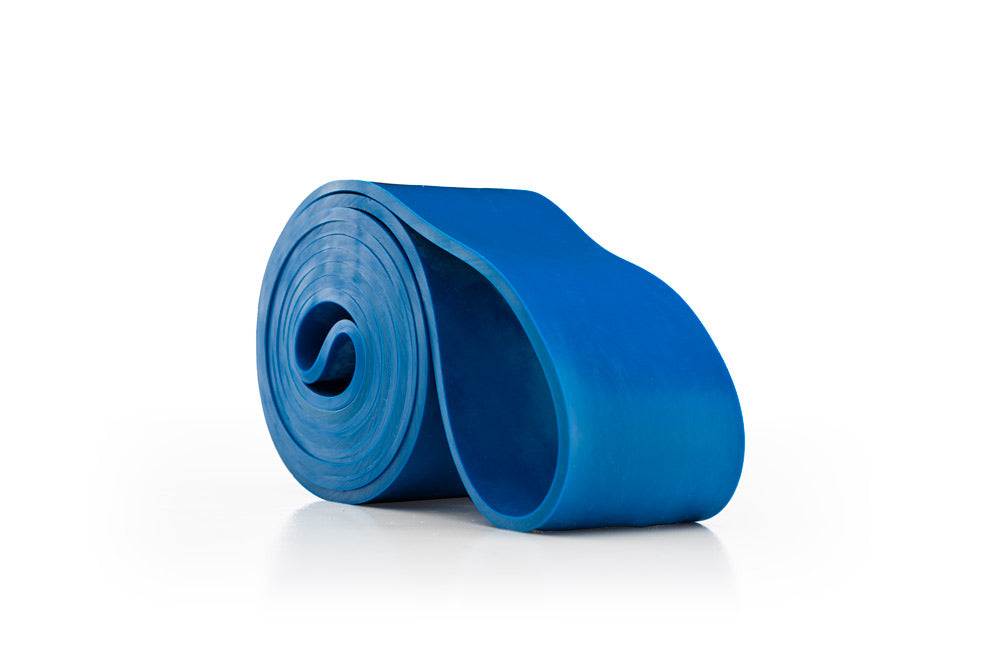
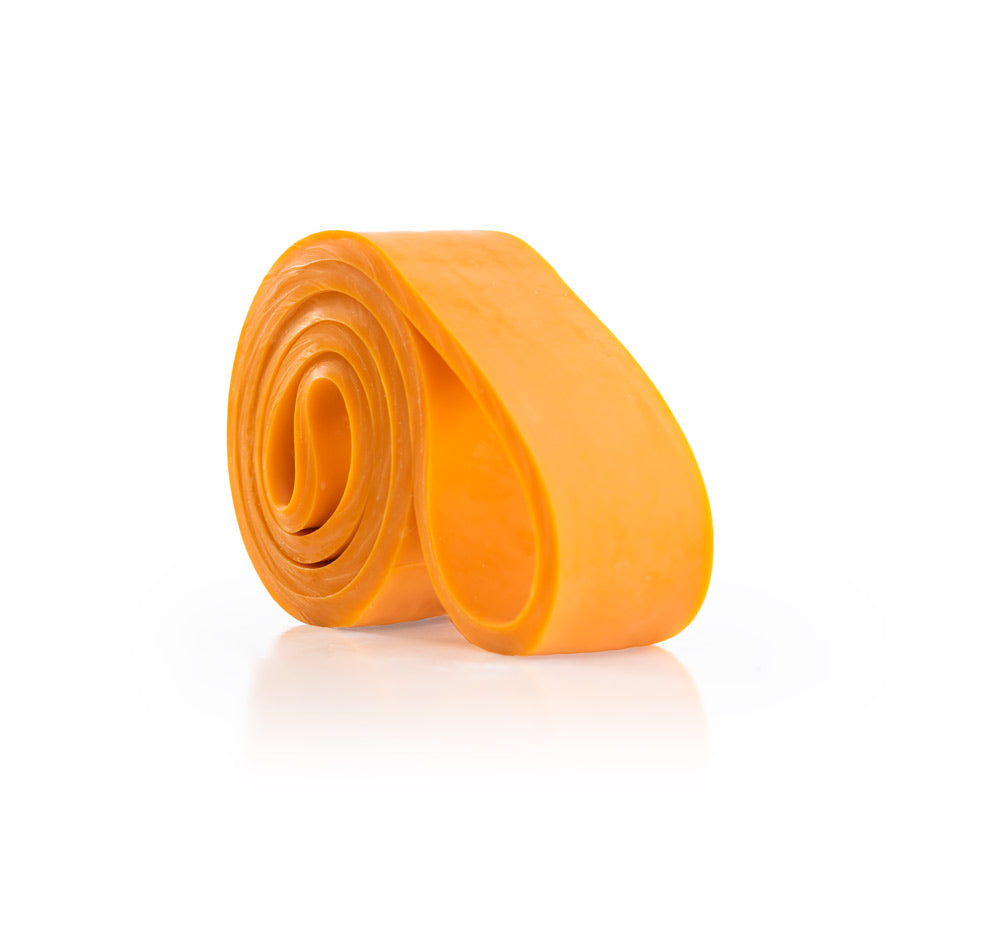
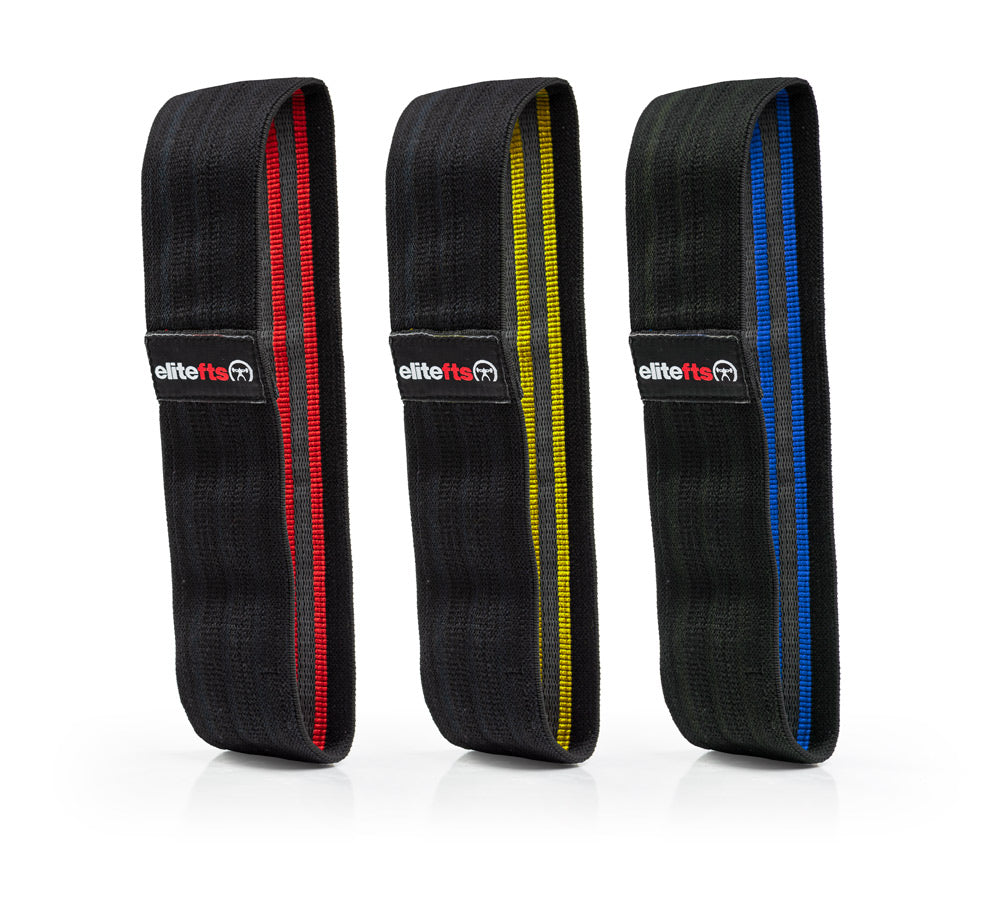
This is where equipment choice can help without becoming the story. A specialty bar can change the stress or position while keeping a primary pattern in the program. Resistance bands can give a lifter a fast, low-load option or change the loading curve. Neither tool fixes a bad workload. Use the tool only after you define the problem.
Build a metabolic engine, not a bragging right
One of Heck's central ideas is that an athlete should become capable of processing more food through a larger, harder-working system. That does not mean chasing a ridiculous carbohydrate number because it looks impressive online. It means building muscle, increasing useful training output, and improving the capacity to recover from that output.
The direction matters. More food should support more productive work. More productive work can justify more food. If calories rise while training quality and output stay flat, the surplus has nowhere special to go. You are not “building the metabolism.” You are simply eating more.
This also explains why aggressive dieting can backfire. The deeper the deficit and the longer it runs, the harder it becomes to maintain training output. If you keep adding cardio and stripping food while performance falls, you are dismantling part of the system you want to restore later.
Make progressive overload survive a new test
Heck also described rotating rep ranges to expose false progress. A lifter can become very good at one fixed prescription. Add a little weight to the same set-and-rep scheme every week and the logbook looks clean, but the adaptation may be narrow.
Change the rep range and you find out whether the lifter built more strength or merely improved at the test. That does not require random programming. It requires planned variation with comparable standards. A heavier week, a moderate week, and a higher-rep week can all progress, but each must keep its own technical rules and loading history.
The same principle applies to a cut. Judge progress against the phase. If bodyweight is dropping and the athlete holds most of the important loads with fewer total sets, that can be a successful block. If every exercise is forced upward while recovery markers collapse, the logbook may be winning while the athlete loses.
Put the kitchen and weight room on the same team
Start with one outcome. If the goal is fat loss, define the rate, the strength qualities you must protect, and the amount of work you can recover from. If the goal is a post-diet transition, define what stability looks like before chasing another performance peak. If the goal is growth, require the extra food to improve training, not merely bodyweight.
Then track a small set of signals: average bodyweight, key lift performance, sleep, digestion, appetite, and the ability to complete the next session. Those signals do not make decisions for you, but together they tell a better story than one weigh-in or one great workout.
For lifters who want a practical starting point, revisit Heck's carb-timing system. It explains how to place carbohydrates around the work. This episode adds the larger frame: the athlete still has to earn the workload, manage the phase, and resist turning the rebound into another extreme.
Earn the next increase
The strongest point in this conversation is not a macro formula. It is restraint. Getting leaner does not require burning the training program to the ground. Restoring food does not require a free-for-all. Growing does not require treating every calorie as automatically anabolic.
Keep the heavy work that matters. Remove fatigue that does not pay you back. Increase food for a reason, then make sure the training can use it. Build a body that can handle more before you brag about how much you can put into it.
Live, Learn, Pass On.
Watch the full Jon Heck #453 episode on YouTube.
Transcript support: Based on the full episode transcript, especially the opening rebound account and the discussions beginning around 45:45 (getting leaner), 56:39 (metabolic capacity), 1:14:01 (dieting and strength), 1:29:32 (heavy training during a cut), 1:47:20 (surplus and growth), and 2:01:19 (changed training and nutrition beliefs).