


Stop Waiting to Feel Motivated. Build the System That Forces It.
Motivation is not lightning. It is not an ammonia cap. It is not a perfect Monday morning. Motivation is a feedback loop—and the lifter who learns how to build that loop stays dangerous for years.
Listen up. In the real world, action is the catalyst that leads to motivation. That is why getting started is the hardest part of any goal under the bar.
Sports psychology has a massive gap. On one end, you have the meathead approach: sniff ammonia, headbutt the bar, sit in the dark, and hope the switch flips. On the other end, you have academic theory so abstract that even if you understand it, you still do not know what to do when your alarm goes off, and your legs are smoked.
Most of us live in the middle. We need practical tools that help us get out of bed, drive to the gym, train hard, recover, and repeat. Acute arousal tools have their place before a top set. But long-term adherence—the part that actually changes your total, your body, and your life—comes from a system.
This is not another checklist telling you to add exactly 20 pounds to your bench or lose exactly 15 pounds by a random date. Numbers can matter, but they are not the whole target. This is about building a goal matrix that makes you intrinsically driven beyond one meet prep, one transformation block, or one good week.
Progress builds Motivation
Dopamine is often described as a pleasure chemical, but that is too simple. In training terms, think of it as part of the brain’s pursuit system: it helps reinforce actions that move you toward something valuable. No target, no pursuit. No pursuit, no momentum.
That is why achievement alone rarely satisfies you for long. Hit a PR and the high fades faster than you expected. Break a record, and your brain starts looking for the next number. The reward is real, but the chase is where most of the emotional fuel lives.
Stop negotiating with zero.
Most lifters think, “I will take action when motivation hits.” That is backward. Action creates progress. Progress creates emotional reinforcement. Reinforcement creates motivation. Being stuck at zero is the worst place to be because there is no momentum to multiply.
Your Goals Tell Your Brain What to See
Goals do more than motivate you. They frame the world. The environment is too complex to process all at once, so your brain uses your priorities to decide what deserves attention.
Drive through a new town with someone who does not train. You will clock every gym, every rack, every rusted barbell in a garage. They might notice every coffee shop, barbershop, or restaurant you completely missed. Neither of you is seeing “the whole world.” You are seeing what your current goal makes valuable.
That is why a beginner with no target can freeze in a gym full of machines. If the goal is “build stronger legs,” the field narrows. The anxiety drops. The first action becomes obvious.
For a simple demonstration of selective attention, see Daniel Simons’ official videos page.
The Ultimate Goal Has Four Rules
The best goal is not a fragile number that collapses the second life gets messy. The best goal is a master target that sits above your training, nutrition, skill work, and lifestyle.
It constantly recedes.
If you fully achieve it, the chase ends. “Become the strongest, most useful version of myself” has no ceiling.
It balances importance and interest.
Only chasing importance makes life miserable. Only chasing interest makes you whimsical. The master goal needs both.
It creates meaning through challenge.
The sweet spot is hard enough to demand focus but not so reckless that it breaks you. That is where training feels alive.
It nests smaller goals inside it.
Your daily actions need to connect to the larger target. Otherwise, they feel random and disposable.
The “zone of proximal development” is commonly used to describe the gap between what someone can do alone and what they can do with help or guidance. In training, the useful parallel is the challenge zone: difficult enough to force adaptation, controlled enough to repeat. See the APA Dictionary of Psychology definition.
SMART Goals Are Not Enough for Lifters
The standard SMART framework can help with simple business tasks, but it gets weak when you use it as the master system for a serious lifter. A rigid number can be useful inside a larger plan. It should not become the plan.
| Standard SMART Question | Stronger Question for Lifters |
|---|---|
| Specific: What exact number do I want? | Directional: What kind of lifter, athlete, coach, or person am I becoming? |
| Measurable: What metric proves success? | Comparable: Am I better than yesterday, last week, or last year? |
| Achievable: Is this realistic? | Bounded: What standard will I refuse to fall below? |
| Relevant: Does this task fit? | Nested: Does this action serve the master goal? |
| Time-bound: When is it done? | Repeatable: What behavior can I sustain long enough to become dangerous? |
The Goal Matrix for a Combat Athlete
Let’s use an MMA or BJJ athlete as the blueprint. The center target is simple: become the best combat athlete possible. It recedes forever, stays interesting, matters deeply, demands challenge, and gives every smaller goal a place to live.
Node 1: Training
- Receding goal: Become as explosive and resilient as possible.
- Interest: Choose the method that fits your brain—Conjugate for variety, 5/3/1 for structure.
- Challenge: Push a boundary every session without turning every day into a max-out circus.
Node 2: Nutrition
- Receding goal: Become leaner, more muscular, and better fueled for your weight class.
- Interest: Pick a dietary structure you can actually execute.
- Challenge: Attack the weakest link: weekend drinking, missed protein, low hydration, or chaotic meals.
Node 3: Skill Work
- Receding goal: Keep expanding the technical toolbox.
- Interest: Rotate drills that expose weaknesses instead of only rehearsing what already feels good.
- Challenge: Spar up. Find the person who forces you to think, adapt, and stay calm.
Node 4: Lifestyle
- Receding goal: Live like the athlete you claim to be.
- Interest: Build routines that make training easier to repeat.
- Challenge: Cut the habit that steals the most focus, recovery, or time.
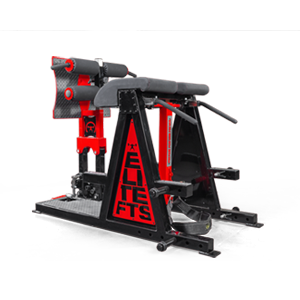
elitefts Product Suggestions to Support the System
Gear will not do the work for you. Good equipment removes excuses, keeps training honest, and gives you more ways to attack the goal matrix. Check each product page for current inventory, options, and shipping details.
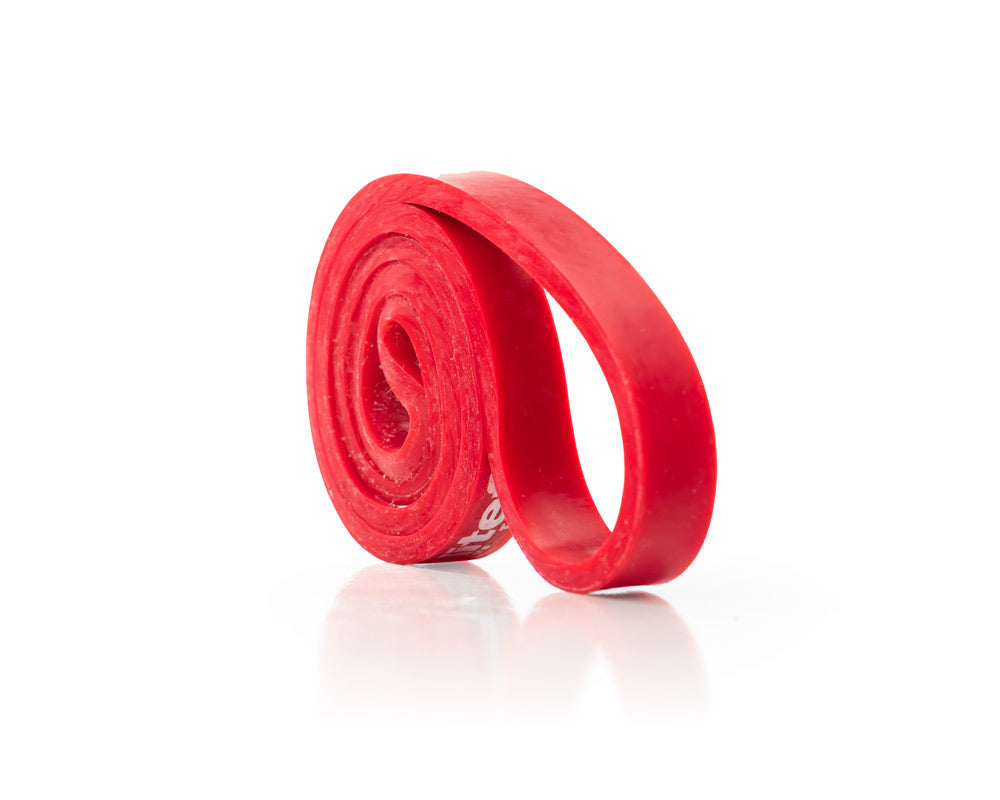
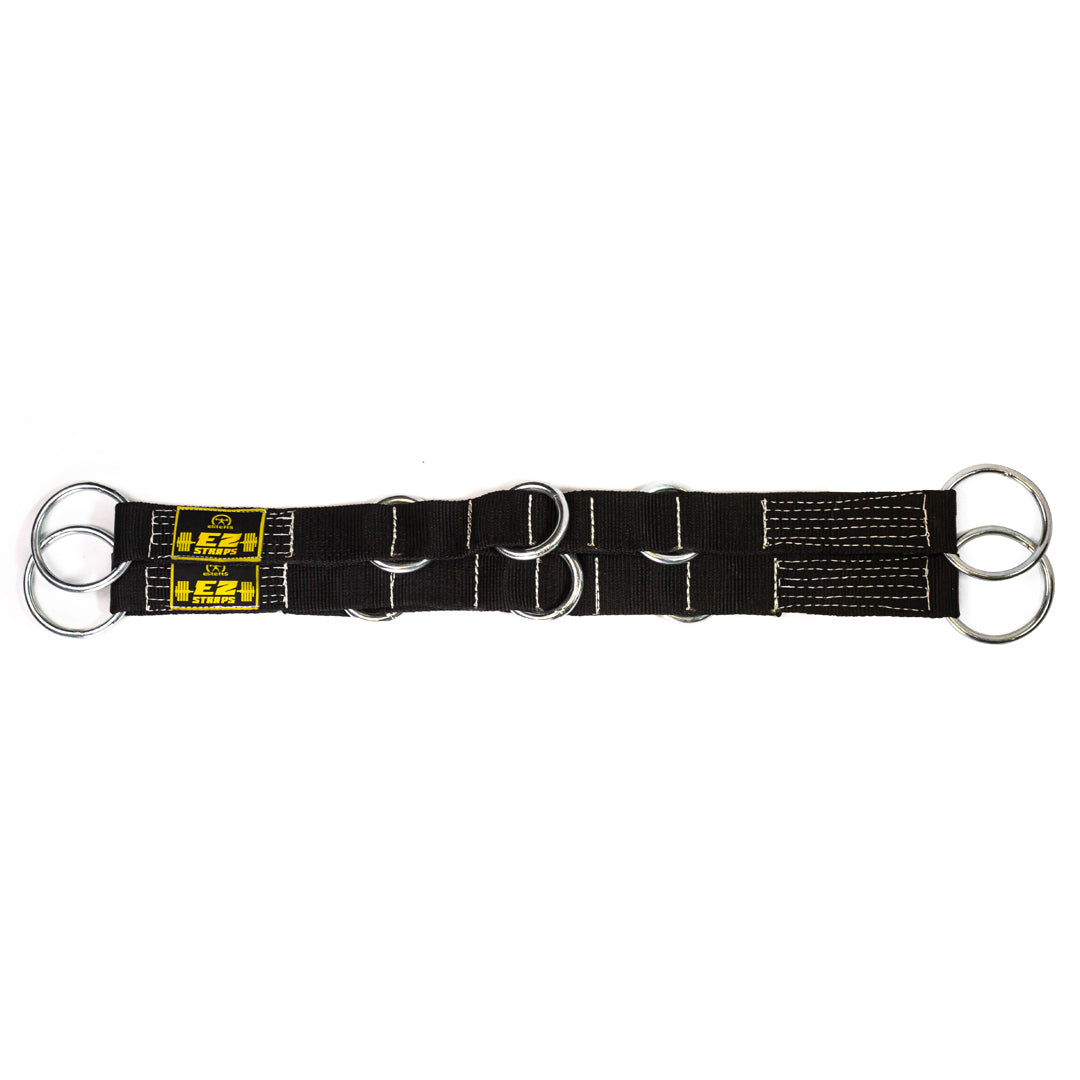
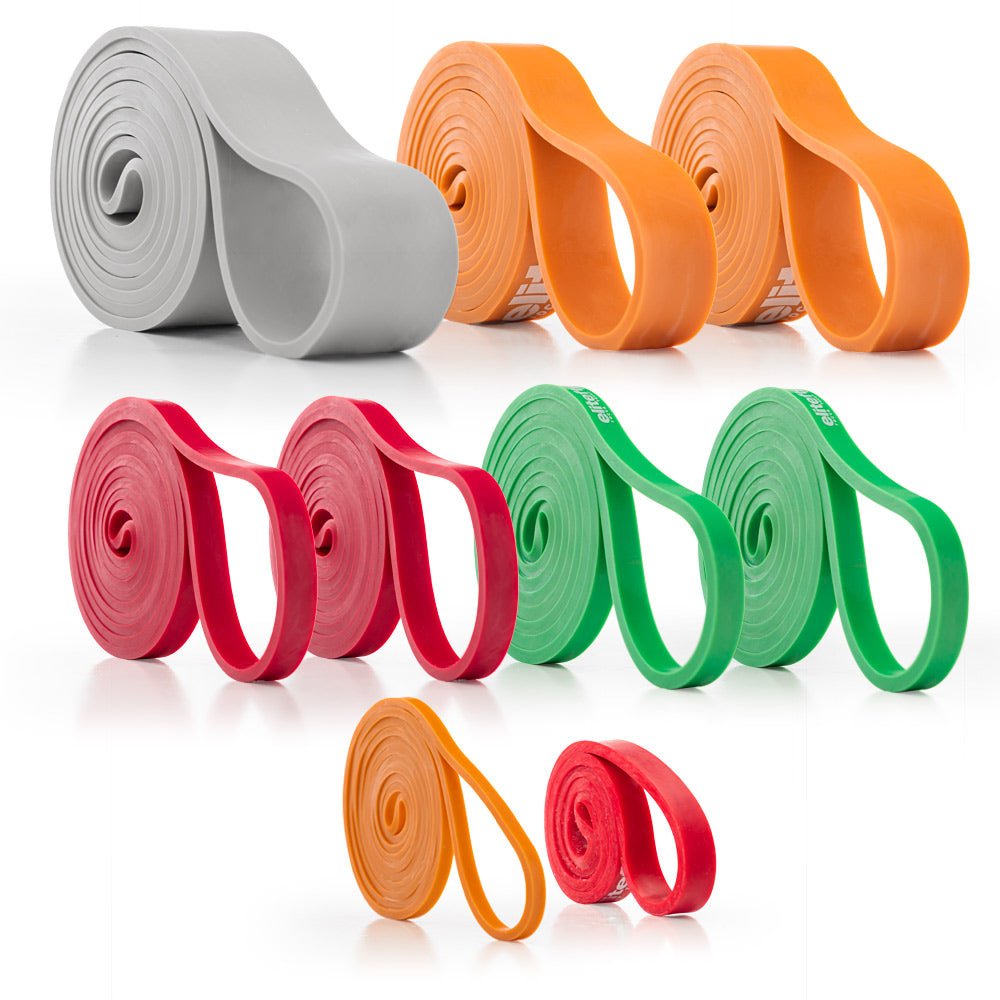
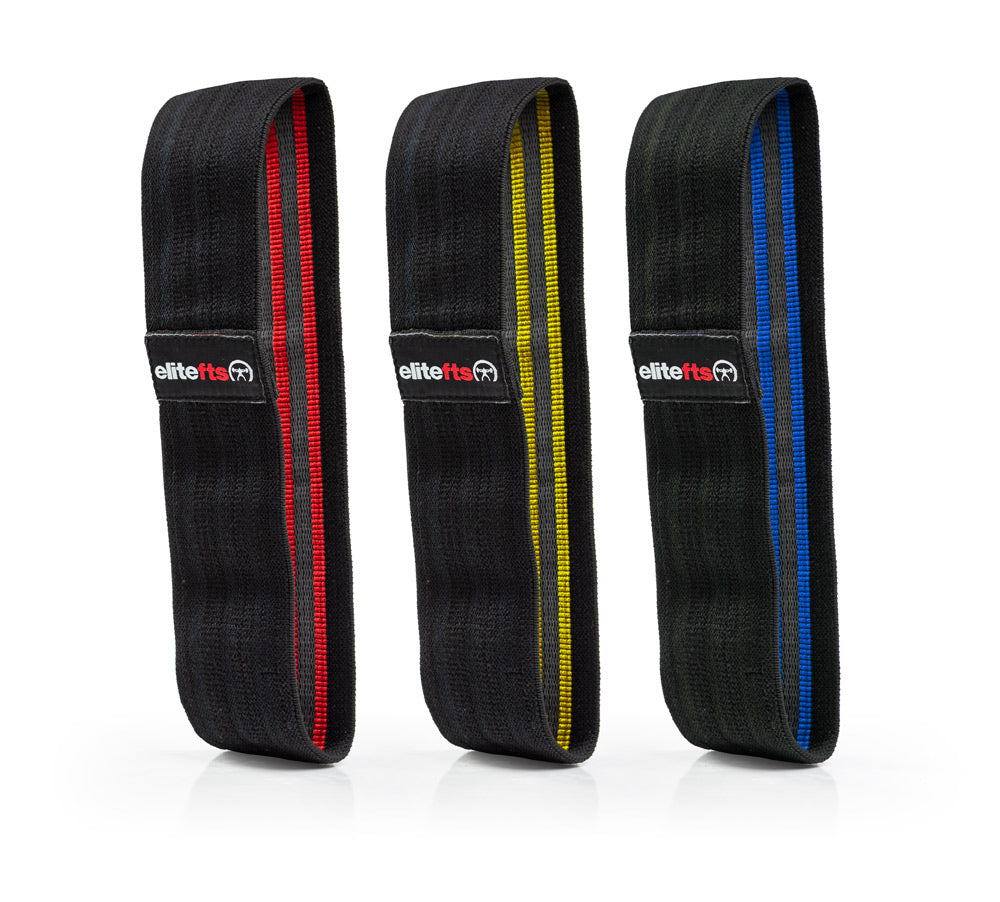
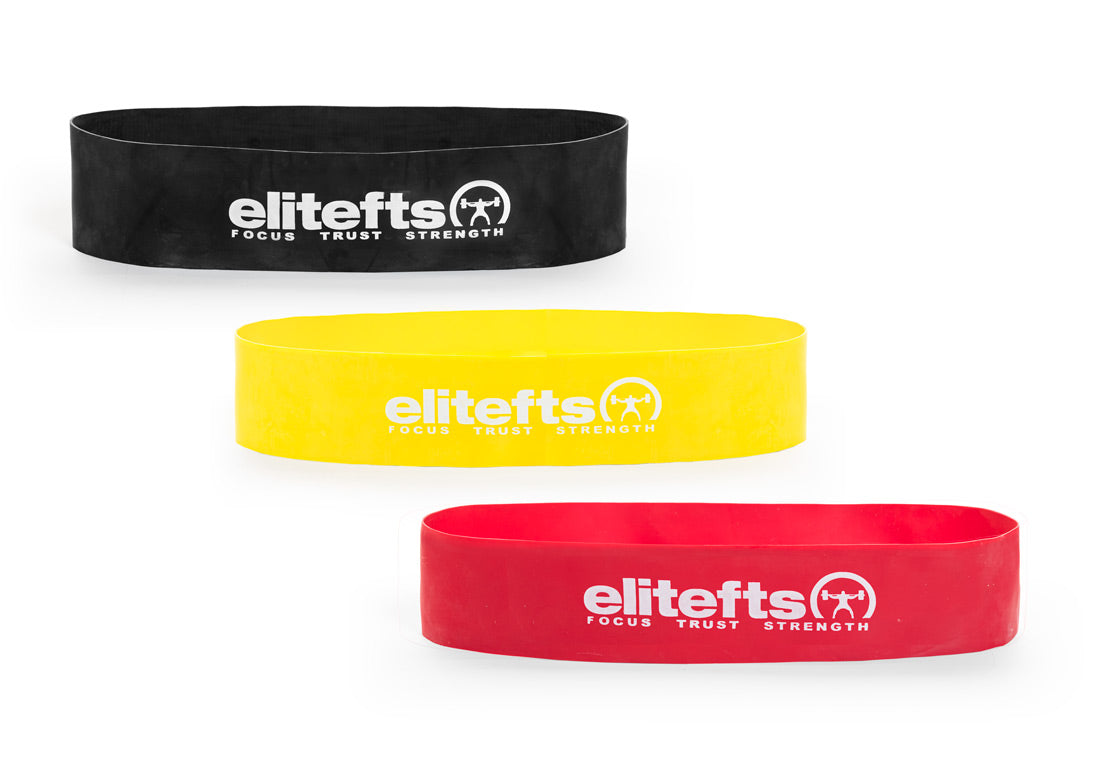
elitefts Bag of Minis
Use for warm-ups, activation, mobility, travel training, and low-friction “just start” sessions.
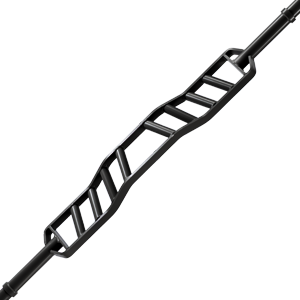
Specialty Bars
Rotate bars to keep training productive, interesting, and joint-friendly while still pushing the main lifts.
Prowlers & Sleds
Brutal, simple, measurable work for conditioning, GPP, and the kind of effort you cannot fake.
Rack Attachments
More options inside the rack mean fewer excuses when the program calls for variation or targeted weak-point work.
Belts
For heavy squats, pulls, and loaded work, when bracing quality has to match the weight on the bar.
Home Gym Equipment
Turn “I could not get to the gym” into “the gym is ten steps away.”
The Biggest Reward Is Behind the Thing You Resist
Where there are dragons, there is treasure. Sometimes the ultimate target is blurry. You may not know which habit will lead to the biggest PR or the cleanest breakthrough. But the dragons are easy to spot because they are the things you least want to confront.
What is the one change you keep defending? The late-night scrolling. The weekend beers. The skipped warm-up. The inconsistent meals. The sloppy sleep. The training log you refuse to keep. That resistance is information.
Get to work.
When you build a goal matrix, you stop standing aimlessly in the gym and in life. Whether you are under the bar, at your desk, or on the mats, you have a compass. You have direction. You have a reason to take the next step before motivation shows up.
Action first. Progress second. Motivation third. Repeat until it becomes who you are.