


Strength & Conditioning / Individualization
The Holy Grail
For me, individualization of a player's program within a team sports environment is the Holy Grail of strength & conditioning. I didn't find the idea in a coaching manual. I found it in the Harvard Business Review.
I've always read outside my lane. My background is in education, and somewhere along the way I picked up the habit of reading management journals the way other coaches read sports science papers — looking less for exercises than for structures, for ways of thinking about how people develop. One article in particular stopped me. It wasn't about athletes at all. It was about management, about how organizations move people from being told what to do toward being trusted to decide for themselves. I remember sitting with it and thinking, "That's the weight room." That's exactly the problem I've been circling for years.
The problem was this. Every strength coach eventually has to answer the same question — how do you individualize a program for twenty, thirty, forty players without either drowning in the detail or falling back on a generic template dressed up to look personal? I'd tried both. Neither sat right. A program that's identical for every player isn't a program; it's a schedule. But a coach who tries to personally author every set and rep for every athlete, forever, isn't building anything in the player — he's just building dependency.
What that article gave me was a structure I could adapt: a system with stages, where control shifts deliberately from the person at the top to the person doing the work, on a path that's earned rather than given. I built it out over the years, tested it, broke it, rebuilt it. I called it the Quadrant Management System — QMS.
The Quadrant Management System
How It Works
QMS has four quadrants. Players move through them, though not on a fixed clock — I'll come back to that. What changes from one quadrant to the next is who is making the decisions.
Stage One / Full Guidance
Coach-directed
Q1 — coach-directed. At the start, I control every element of the program. Exercises, sets, reps, the shape of the week — all of it comes from me, and it comes after talking it through with the medical team, the coaching staff, and the player himself, because the target is always the same: is he game-ready this week, and is he doing the loading he needs for the season ahead? But Q1 isn't just about control. It's about exposure. I make sure every player sees a genuine variety of exercises, set-and-rep protocols, and week structures — full-body, split by movement category, whatever the block calls for. He's not choosing yet, but he's building the vocabulary he'll need to choose well later.
Stage Two / Guided Choice
Exercise selection
Q2 — exercise selection. Here, the player starts choosing his own exercises, working from a selection chart I built around movement categories, shaped heavily by Bill Starr and Dan John. He picks what he feels gives him the best return on his effort. The one rule: stay with a movement for at least one three-week loading cycle before switching. I read once that variation hastens adaptation, and I believe it — but variation without commitment is just noise. Give an exercise a try for three weeks before you decide it isn't working. It also means a player can't quietly accommodate to a single stress and stall out; by the time a movement risks going stale, he's already choosing the next one.
Stage Three / Shared Planning
Week plan selection
Q3 — week plan selection. Now the player chooses the shape of his own training week. In theory, the options are close to limitless. In practice, I hand him a shortlist, because the parts of the week that are fixed — team training, the sport itself, injury risk — aren't up for negotiation. In season, rugby comes first, full stop. My job is to sit down with the coaching group, find out what they need from the week, and then work out how much room that leaves for the player to move within.
Stage Four / Informed Autonomy
Sets & reps selection
Q4 — sets & reps selection. By the final quadrant, the player is choosing his own sets and reps. This is where Louie Simmons's influence is most evident — three-week loading cycles have been a game-changer in how I structure things. Over the previous months and often years, players have been exposed to numerous permutations of sets and reps. So by this stage of QMS, they're in a position to make informed choices about what works best for them. It sounds like a lot to hand over, but by Q4, the player has already lived through every one of these options back in Q1. He's not guessing. He's choosing from experience.
Progress Is Individual
Why There's No Clock
People sometimes ask how long it takes to move through the quadrants. There's no answer, because there's no fixed timeline, and I stopped looking for one a long time ago. Some of my most experienced players — men with a long training age, who've been lifting seriously for a decade or more — tell me flatly that they'd rather be told what to do. They trust what I put in front of them, and they don't want the extra decision. Others want to be free-range from the moment they walk in. Both are right. The system isn't there to push everyone toward autonomy as if independence were the goal. The goal is to fit.
Some senior players don't want that autonomy at all. The longest I've worked with any one group of players is eight years, and over that time they progress at very different rates — some love the gym, some would rather run — and by any fair measure they've earned the right to be the architects of their own program. But often what they tell me is simpler than that. They've got so much going on outside the gym — media, sponsors, meetings — that the last thing they want is one more decision to make. So they say it straight: "I trust you. Give me what you think I need, and I'll do it." In effect, they choose to go back to where they started as professionals. It's not unlike the black belt who chooses to wear white again after years of training.
That's the part I'd want a young coach to understand before anything else. QMS only works if it's built on continuous education — you can't hand a player a decision he isn't equipped to make and call it empowerment. And it only works if the coach is willing to let it flex, quadrant by quadrant, player by player, rather than running everyone through the same four stages on the same schedule because that's tidier for the coach.
The Standard Behind the Structure
The Holy Grail
If you asked me to name the single hardest thing to get right in gym programming for a team sport, this is it: making sure no two programs in the room are identical. I run formal meetings with each player every month, and I check in with him before and during every session. It's not just diligence. It's the whole point. This, combined with feedback from medical staff and coaching staff, allows me to work with a player to set their own schedule within the overall team week plan.
A generic program tells a player you didn't look closely enough to notice he's different from the man next to him. An individualized one tells him something else entirely — that you see him, that you're paying attention to what he actually needs, not what's easiest to write down. That, before it has anything to do with sets and reps, is what QMS is really for. The system gives a coach a structure for personalizing forty programs without drowning. But underneath the structure, what it's actually delivering is care. And that, more than any loading chart, is the part I'd want to be remembered for.
“No one cares how much you know, until they know how much you care.”
Elitefts Product Suggestions
Tools That Expand the Menu
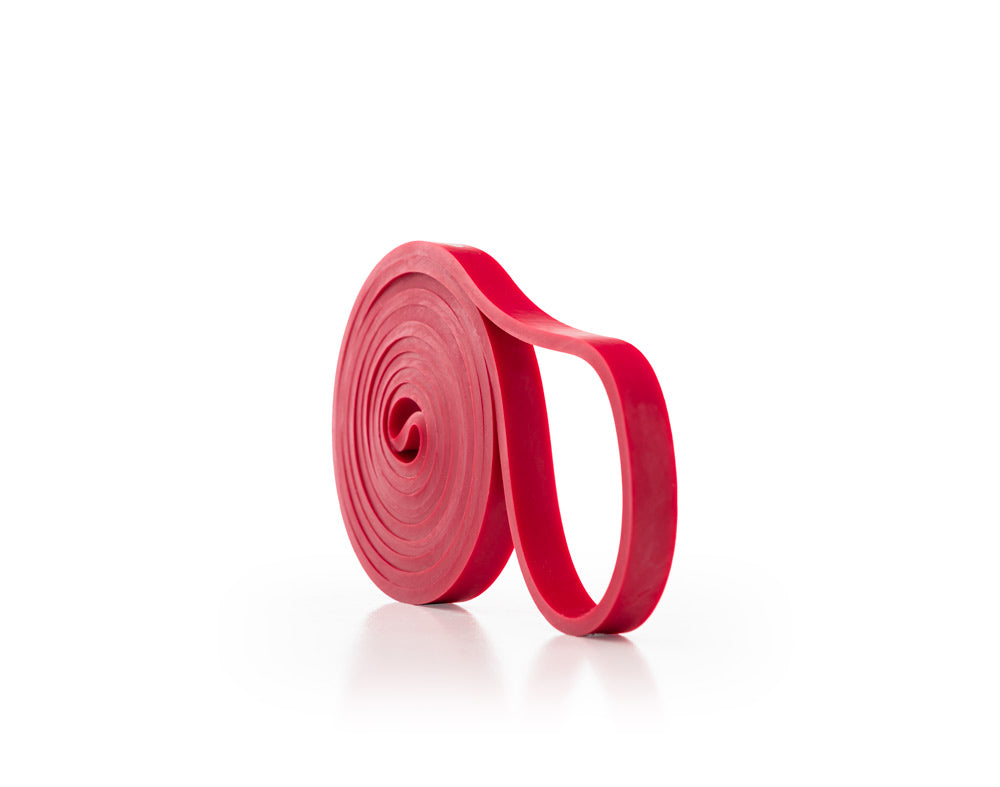
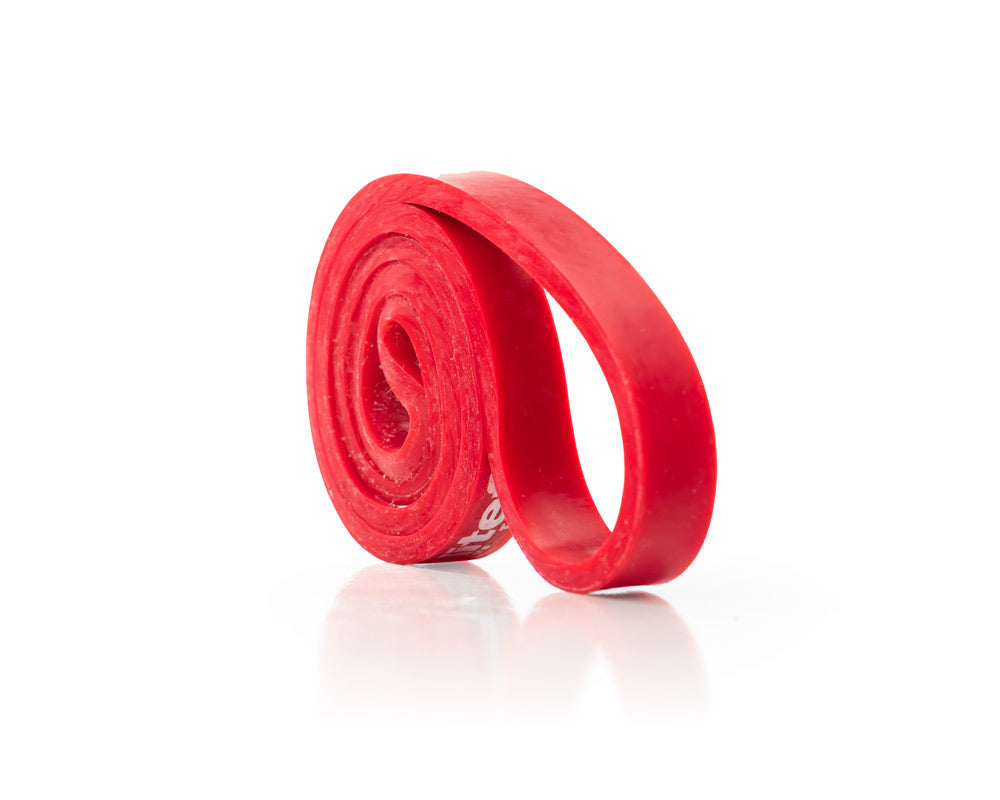
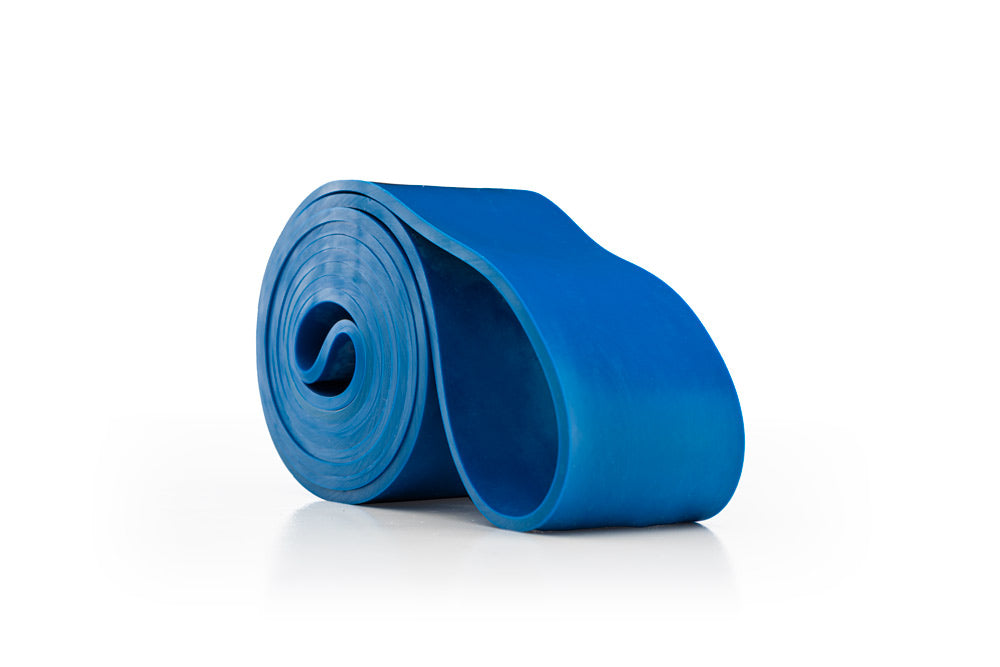
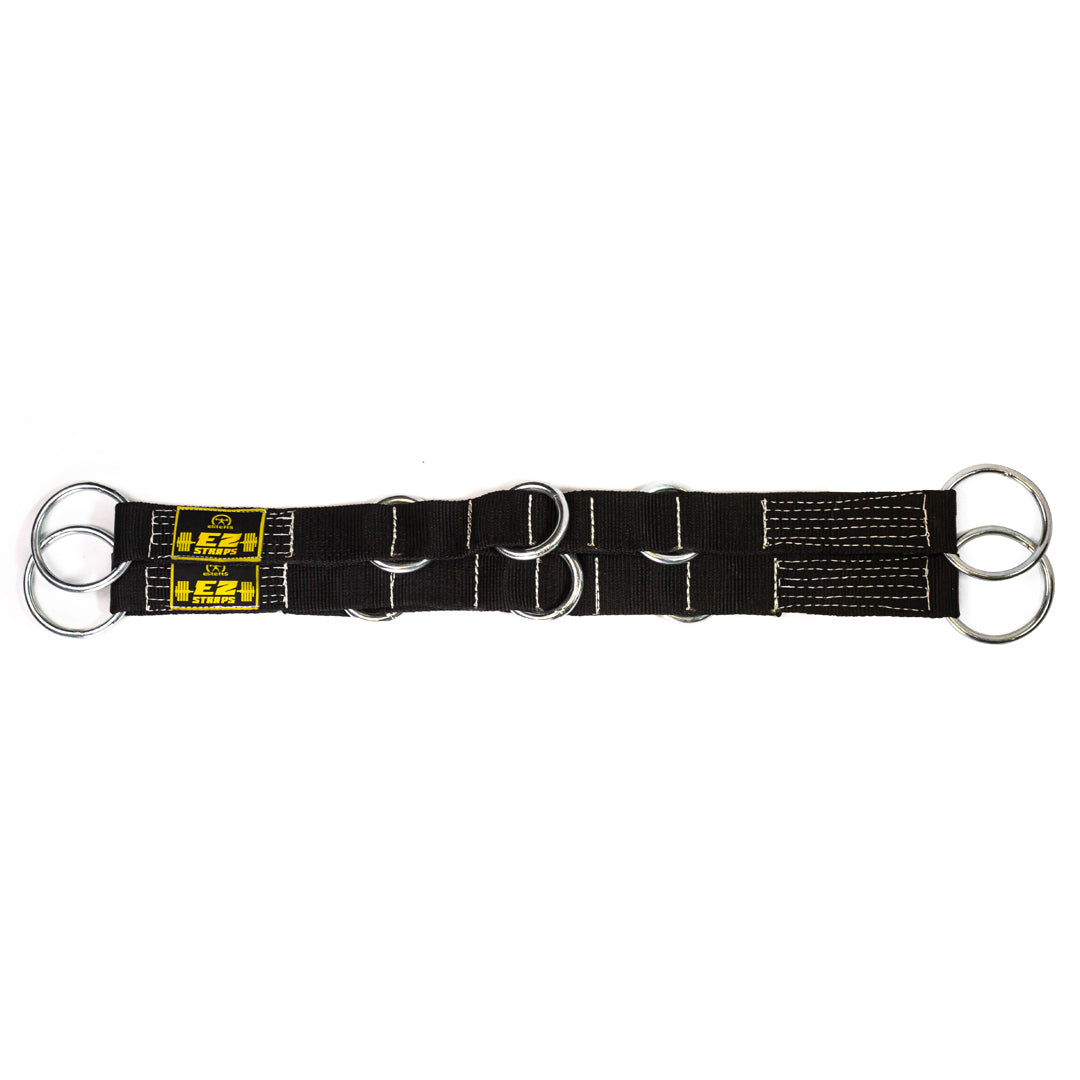
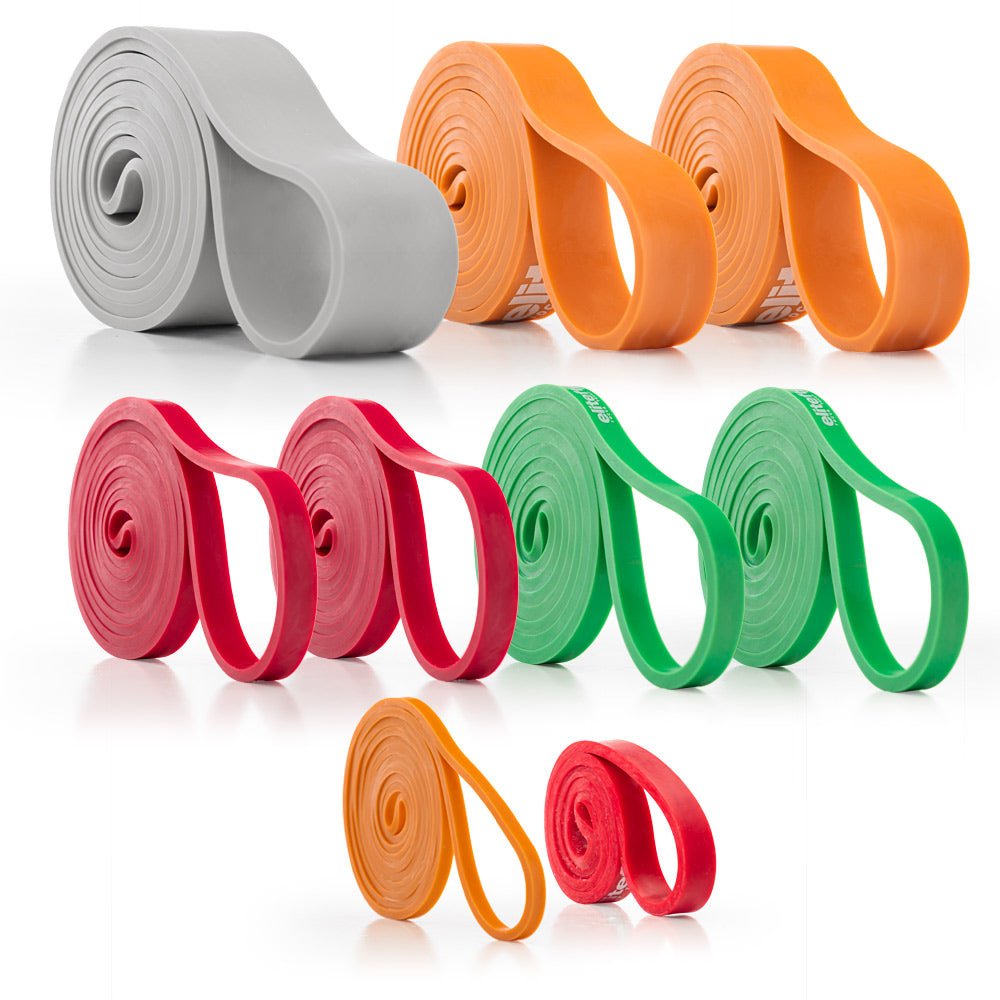
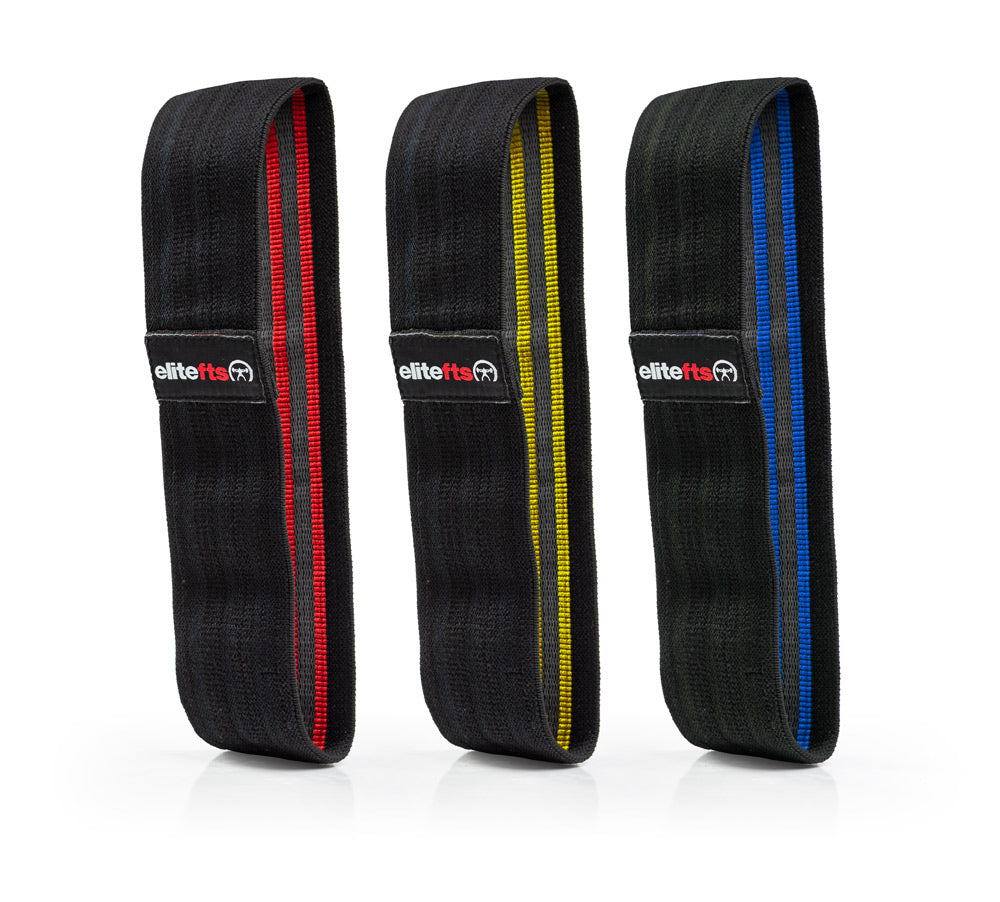
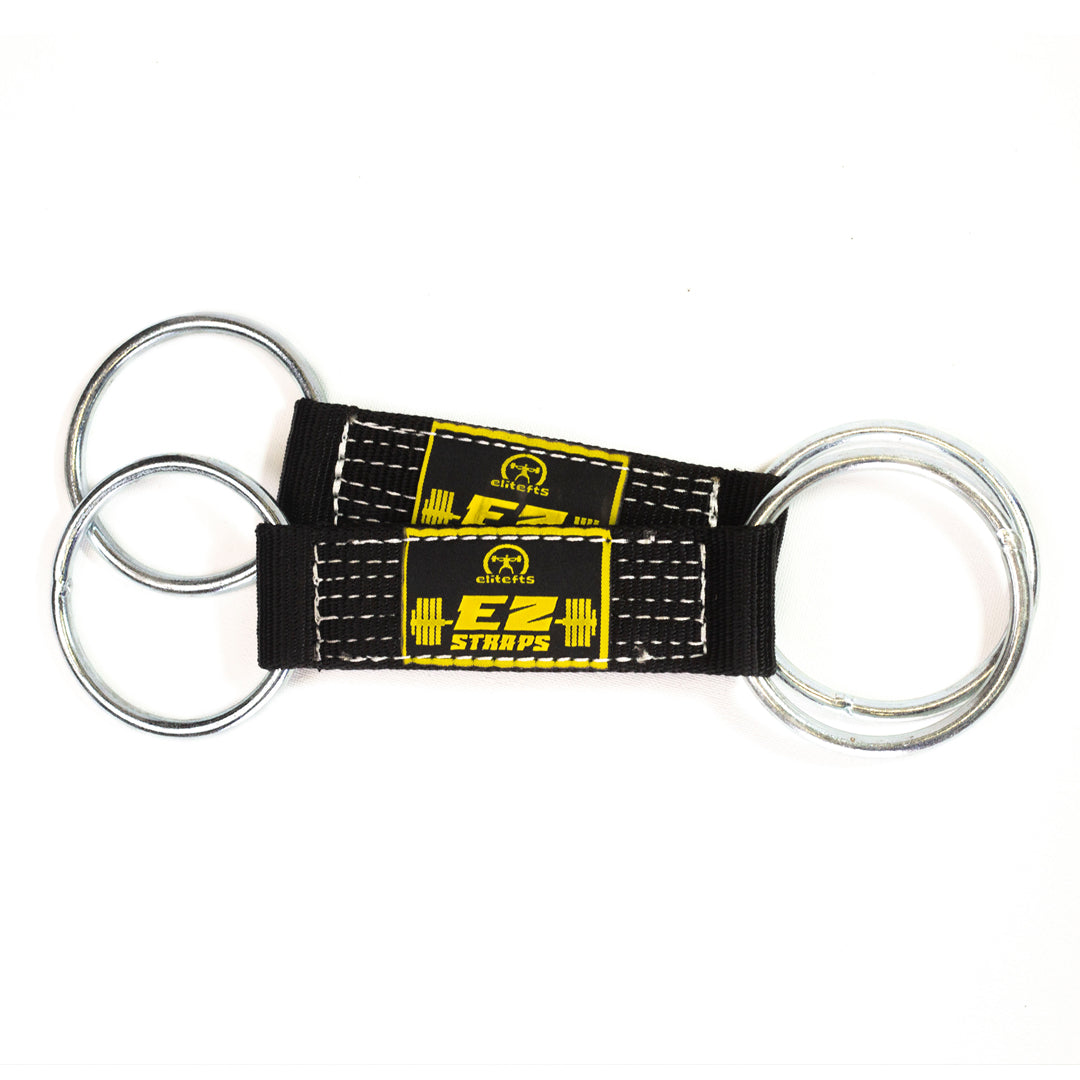
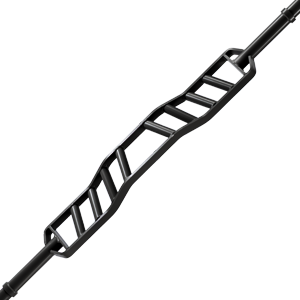
The system comes first. Equipment should create enough movement and loading options to match the athlete, training age, joint tolerance, and goal — not force every player into the same solution.
Editor's note: The price of equipment is subject to change at any point.