

TLTR
More testosterone is not automatically more performance. Dr. Daniel Fosselman explains that pushing hormone numbers too high can make some people more impulsive, damage sleep, and pull attention away from the fundamentals that actually drive strength, health, and good decisions.
Strength athletes understand the temptation to chase a bigger number. More weight on the bar. More volume. More gear. More intensity. When hormones enter the conversation, the same mindset shows up fast: if a normal level is good, a higher level must be better.
That logic is simple. It is also incomplete.
On Dave Tate’s Table Talk episode 454, Dr. Daniel Fosselman connects performance medicine, strength training, executive decision-making, and long-term health. One of the sharpest points in the discussion is that testosterone does not only affect muscle. It can affect behavior. According to Fosselman, elevating testosterone can make a person more impulsive. For someone whose job depends on high-quality decisions—or a lifter who already operates close to the edge—that tradeoff matters.
THE PROBLEM WITH CHASING THE HIGHEST NUMBER
Fosselman’s point is not that testosterone is bad or that every person responds the same way. His point is that the target should serve the person, not the ego.
In the episode, he describes a practical range he often considers more useful for executive patients than the four-digit targets promoted in some corners of the performance world. The exact number is not a universal prescription, and it is not something to copy from a podcast. It is a reminder that “optimal” depends on the job the body and brain must perform.
Coaching takeaway: Do not confuse a higher lab value with a better outcome. Track the outcome you actually care about—sleep, judgment, mood, recovery, training quality, and health markers.
A powerlifter may notice more aggression and better recovery while missing that he is also sleeping worse, ruminating over small problems, or making rash decisions. Dave gives a blunt example from his own experience: when his levels moved beyond what worked for him, minor frustrations stuck in his head. The issue was not a lack of awareness. He knew the reaction was stupid and still could not shut it off.
That is the trap. A number can look impressive while the person carrying it functions worse.
IMPULSIVITY IS NOT THE SAME AS DECISIVENESS
Good coaches and good executives have to make decisions. They cannot wait forever, but they also cannot treat every situation like a max-effort attempt.
Fosselman separates decisiveness from impulsivity. A strong decision-maker acts when action is required and can also say, “I need more time or information.” An impulsive decision-maker feels urgency, acts, and justifies the choice afterward.
Dave’s answer is a rule lifters can use immediately: for decisions that do not require an instant response, wait 24 hours and revisit them in a different mental state. The same rule applies to changing a program, buying more equipment, firing a coach, adding another drug, or turning one bad session into a total rewrite.
| Situation | Impulsive response | Better response |
|---|---|---|
| One bad training day | Replace the whole program | Review sleep, food, stress, and trend data |
| New recovery tool | Add it because it is popular | Define the problem and expected result first |
| High lab value | Assume higher is better | Evaluate function, symptoms, risk, and context |
SLEEP AND STRESS STILL RUN THE SHOW
The episode repeatedly returns to the fundamentals. Fosselman explains that chronic stress and poor sleep can work against the very outcomes people are trying to buy with hormones and supplements. Testosterone’s value to recovery is not only about building more muscle; much of the benefit is anti-catabolic—helping reduce tissue breakdown and counter the cost of stress.
This is why a person can add more pharmacology and still move backward. If the intervention worsens sleep, drives more impulsive behavior, or makes the athlete train beyond what he can recover from, the total system loses.
Before looking for a complex answer, audit the basic inputs:
- Sleep: Are you getting enough, and is the quality stable?
- Food: Are you eating enough to support training without turning every hard week into a binge-and-crash cycle?
- Training: Is the program appropriate for your current life, or are you still training the person you were five years ago?
- Stress: What can be removed, delegated, or handled with a better system?
- Environment: Are the people around you raising your standard or feeding your worst impulses?
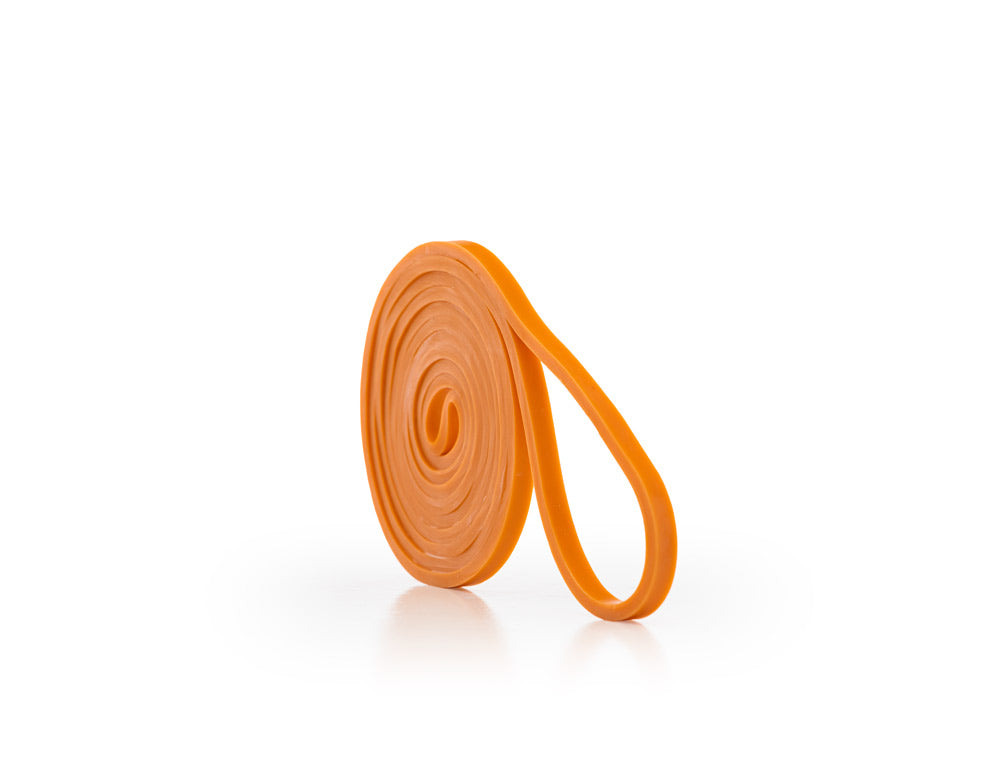
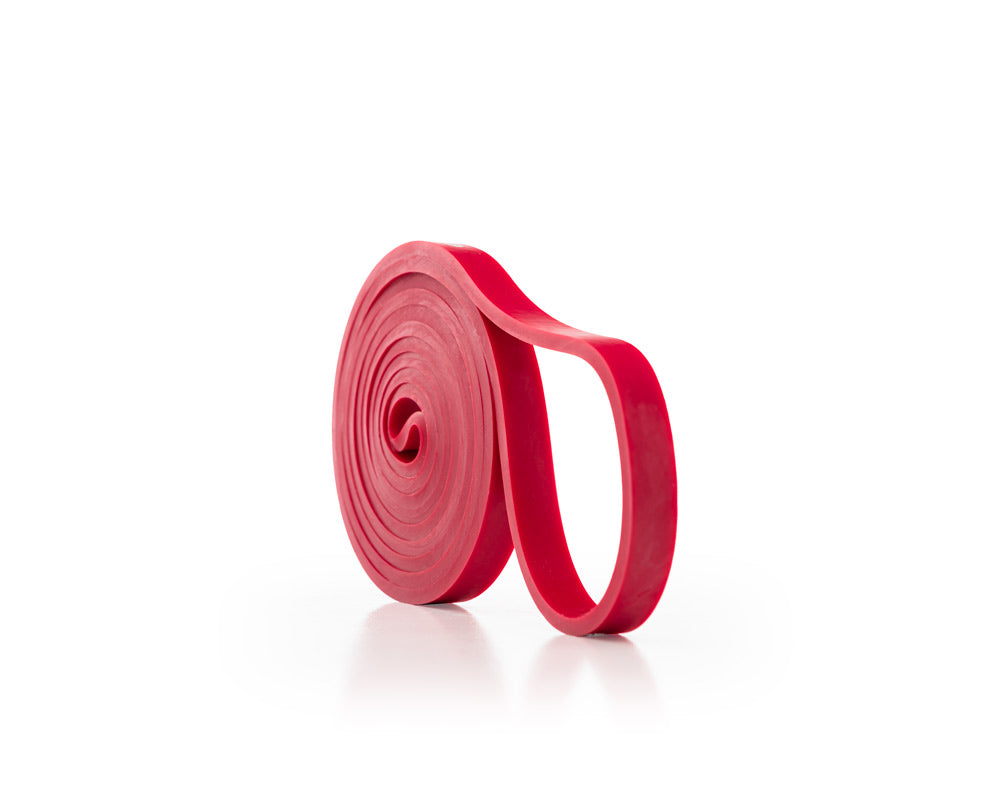
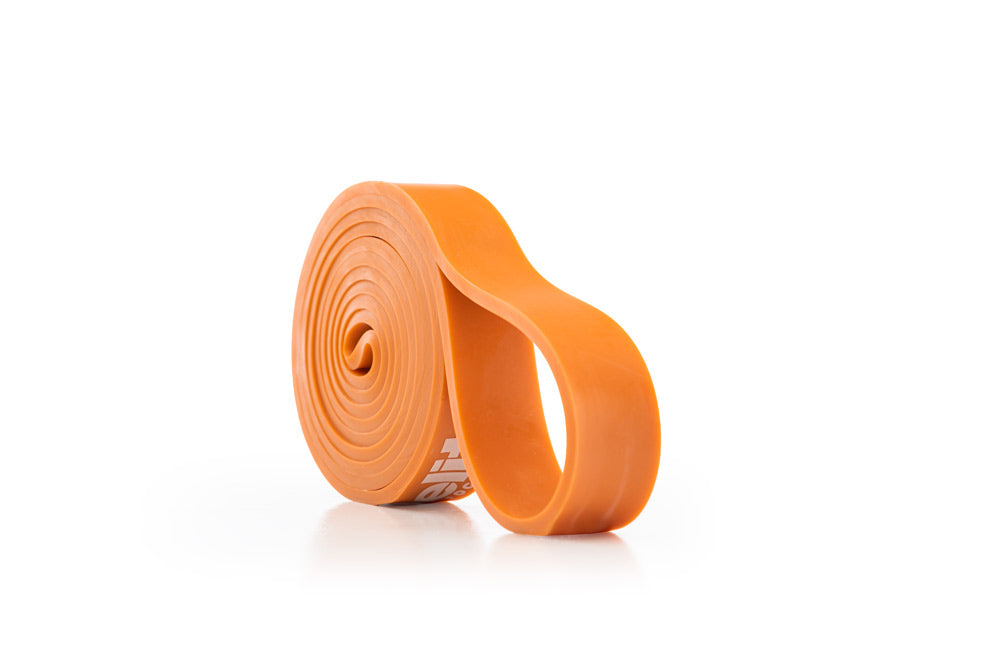
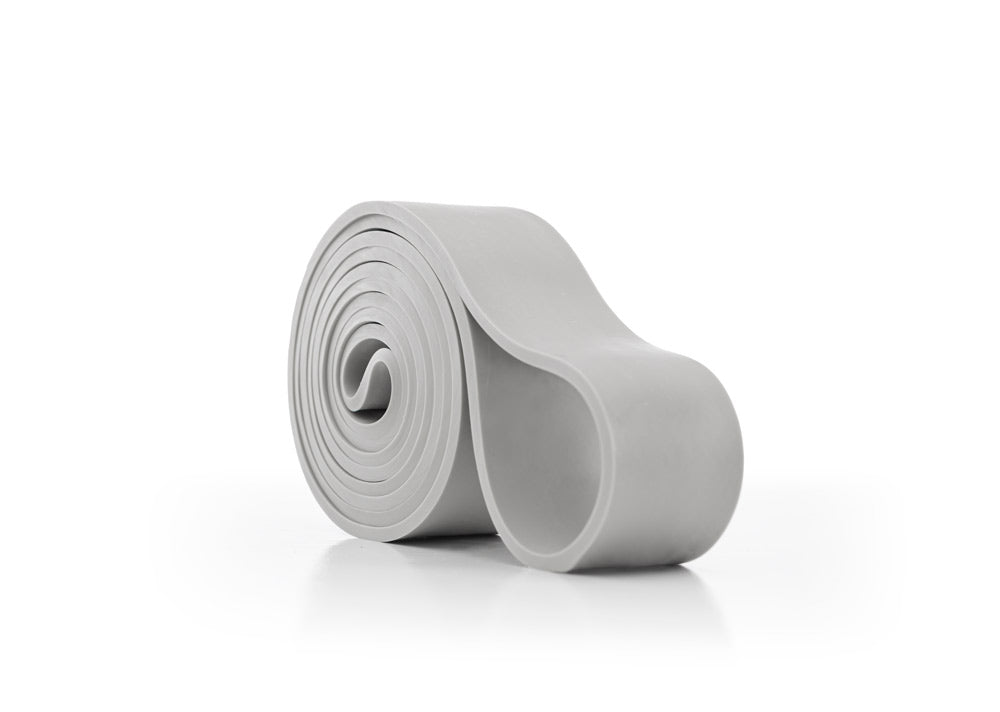
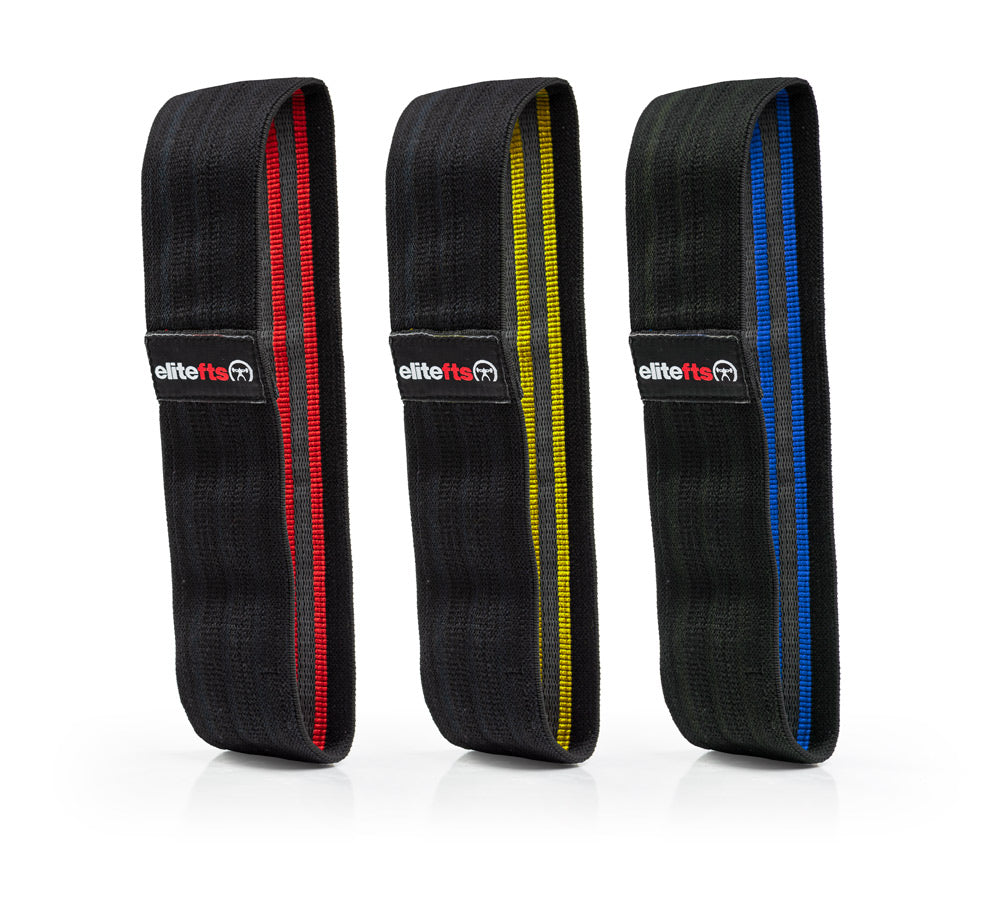
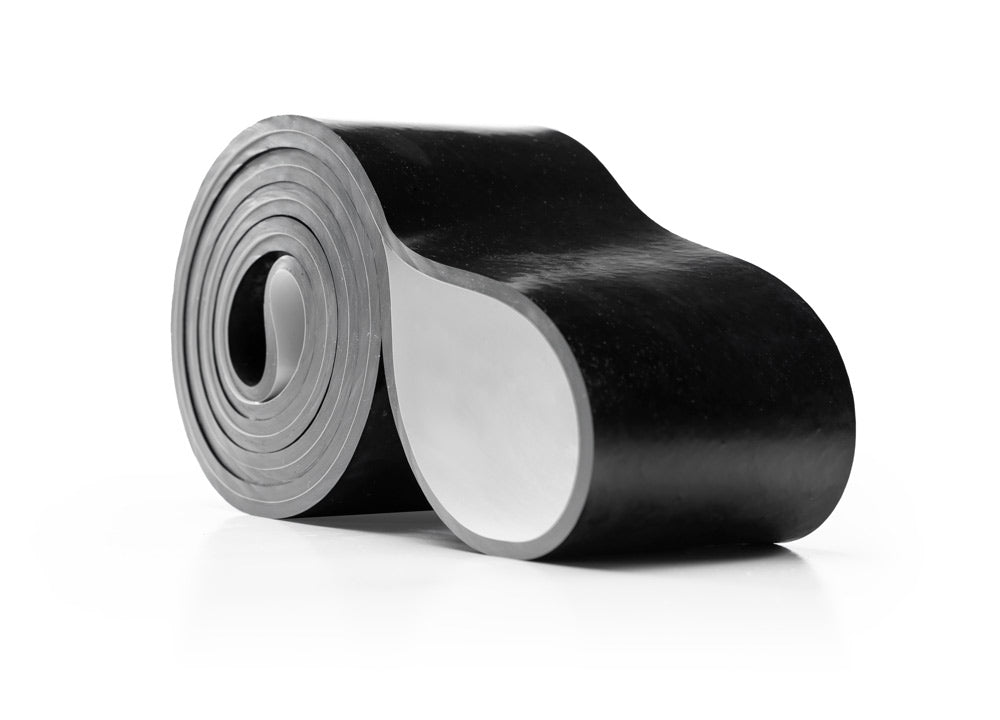
The right equipment still matters, but it only works inside a sound plan. A simple tool such as an elitefts Pro Mini Resistance Band can add useful resistance, assistance, or warm-up work. It cannot repair bad judgment, missing sleep, or a program built on emotion.
BUILD AN ENVIRONMENT THAT MAKES THE RIGHT DECISION EASIER
One of the strongest ideas late in the conversation is “positioning.” People like to think discipline is a permanent personality trait. In reality, environment decides more than most lifters want to admit.
Fosselman describes waking at 4:00 a.m. because that is the only time his training can happen before his family and patients need him. The schedule removes negotiation. He does not wake up and debate whether training fits. He positioned the day so the correct choice became the default.
The same principle applies to where you train. A serious powerlifting gym changes the standard because the people around you demonstrate what is normal. That does not mean copying every strong lifter’s program or drug protocol. It means using the environment to improve effort, technique, accountability, and judgment.
THE RULE
Set up your schedule, training space, and circle so the useful choice requires less willpower and the reckless choice creates friction.
USE MEDICINE TO MANAGE RISK, NOT TO WIN A SCOREBOARD
The conversation does not pretend that strength athletes will always choose the lowest-risk path. Fosselman’s approach is to understand the decision, identify the risk, and reduce avoidable harm. That requires an actual clinician, complete medical context, appropriate testing, and honest reporting—not a borrowed protocol from a stranger online.
It also requires boundaries. Hormone therapy, anabolic drugs, sleep apnea, cardiovascular risk, and mental-health changes are medical issues. The transcript supports education and better questions; it does not clear anyone to start, stop, or change treatment.
If a protocol produces worse sleep, unusual agitation, impulsive spending, relationship problems, or decisions that feel out of character, that is not a badge of intensity. It is information worth bringing to the qualified professional managing your care.
Coaches should watch for the same pattern without pretending to diagnose it. A sudden jump in recklessness, anger, missed sleep, or unnecessary program changes is a reason to slow the process down, document what changed, and direct the athlete back to the clinician responsible for treatment.
THE BOTTOM LINE
Strength culture rewards aggression, but strength is not the same thing as maximum aggression. The lifter who lasts learns when to push, when to wait, and when the number on paper is costing more than it gives back.
Fosselman’s message is not complicated: protect the fundamentals, use context, and stop treating every new tool as a replacement for judgment. Keep sleep, food, training, relationships, and stress management in order. Use a 24-hour rule when the decision can wait. Put yourself around people who make better behavior normal.
More is not always better. Better is better.
Transcript-based article from Dave Tate’s Table Talk episode 454. This article is educational and is not medical advice.