

It is time to sit down, keep it real, and cut the bullshit.
Powerlifting is not just a hobby. For those truly entrenched in the iron game, it becomes a lifestyle, a business, and a psychological battleground. The sport is filled with incredible highs, but it is also littered with catastrophic injuries, burnout, and lifters who unknowingly sabotage their own progress.
Between navigating severe injuries, building a successful strength facility, and managing the psychological shift from chasing world records to prioritizing long-term health, the realities of powerlifting are far more complex than simply showing up and moving weight.
Part One
Injury Is Only the Beginning
The brutal reality of powerlifting is that serious injuries are not unusual. When dealing with a complete pectoral tendon rupture, the traditional medical route can become a convoluted and wildly expensive nightmare.
One lifter may be quoted $40,000 for surgery at a standard hospital, then find a cash-pay sports surgeon who can perform the procedure for a fraction of that amount. That is the meathead version of healthcare: locate the person who understands athletes, get the repair done, and start planning the comeback before the anesthesia wears off.
But surviving surgery is only step one. The real battle is rehabilitation. A conservative post-operative plan may call for extended immobilization, while a sports-medicine team may introduce carefully controlled movement earlier. The correct approach depends on the exact repair, the surgeon's protocol, tissue quality, and the lifter's individual risk factors.
Important Recovery Note
A repaired tendon is not the place for guesswork. Post-surgical movement, loading, and return-to-training decisions should be coordinated with the surgeon and a qualified rehabilitation professional who understands strength athletes.
Successful recovery is not about blindly toughing it out or relying on chemical shortcuts. Peptides and other recovery compounds can create a false sense of security when lifters use them as a substitute for the tedious work required to rebuild tissue capacity.
Real recovery means treating rehab like training. It means scheduling the work, showing up repeatedly, and progressing from basic range-of-motion and isometric exercises into carefully loaded movements. It means rebuilding confidence one exposure at a time, rather than testing the repair every time you feel good.
Ironically, a devastating injury can become a blessing in disguise. It forces a mental reset. The goal changes from relentlessly chasing a number to finding joy in the simple act of training again.
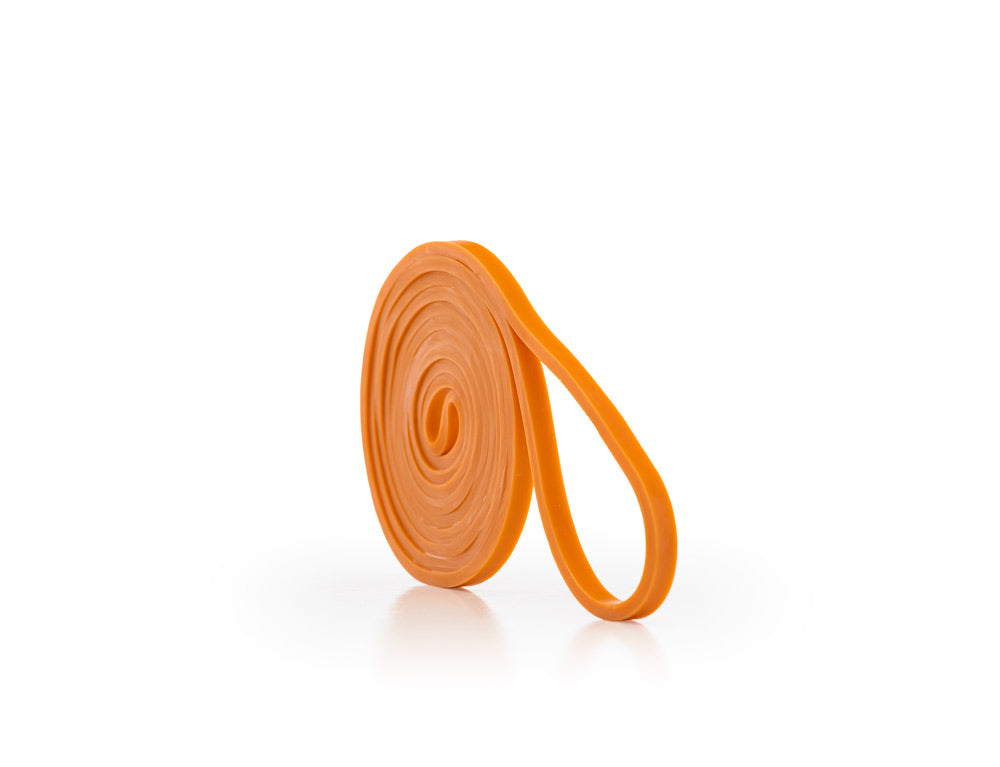
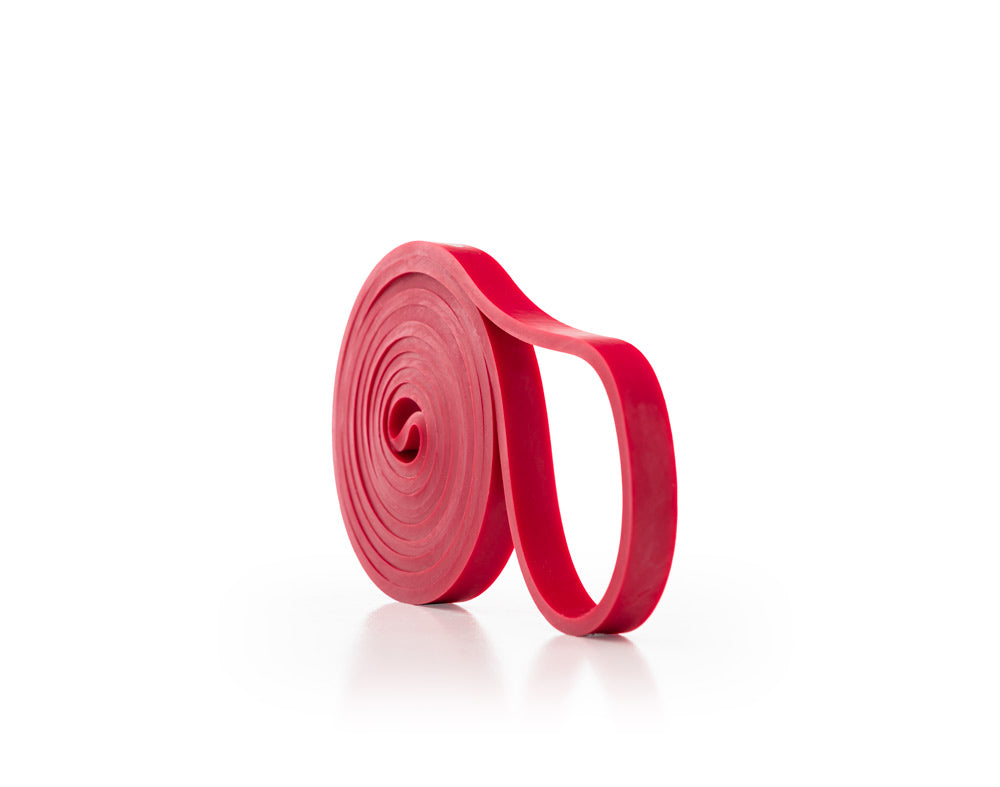
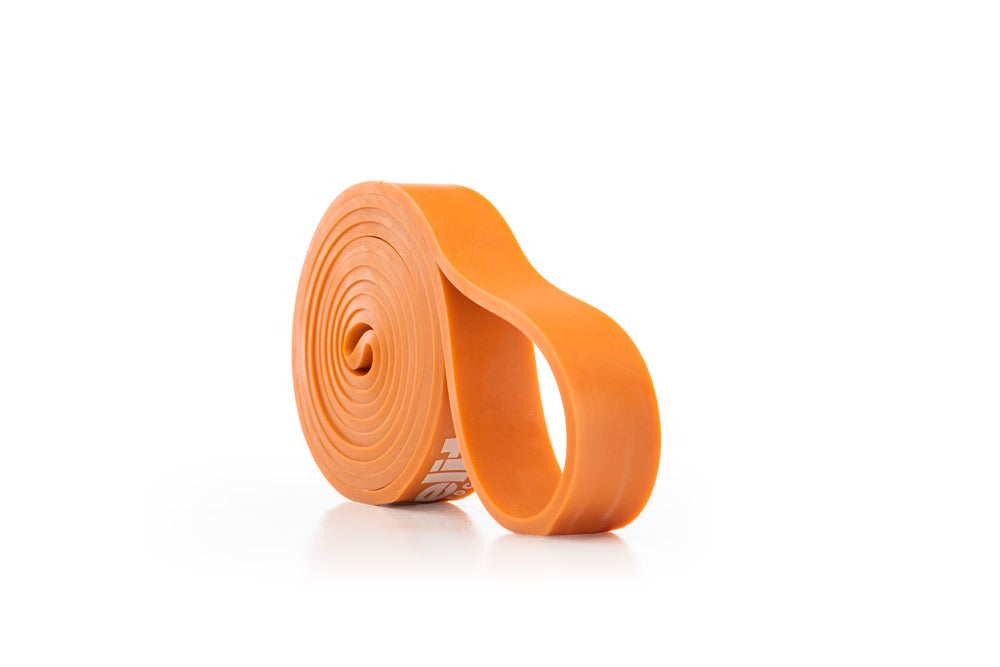
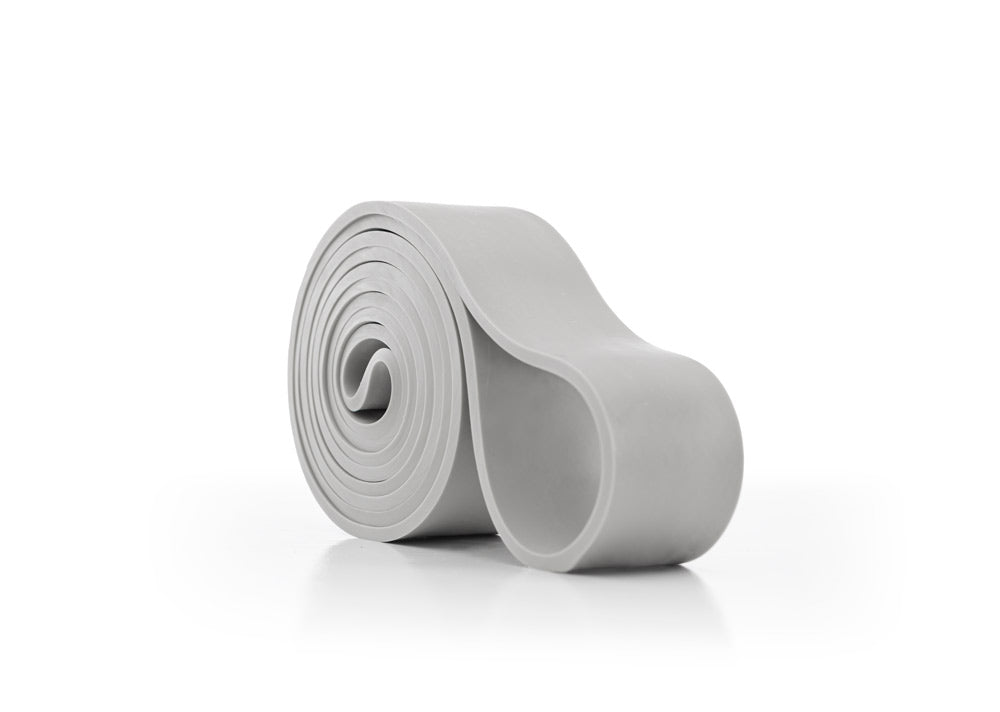
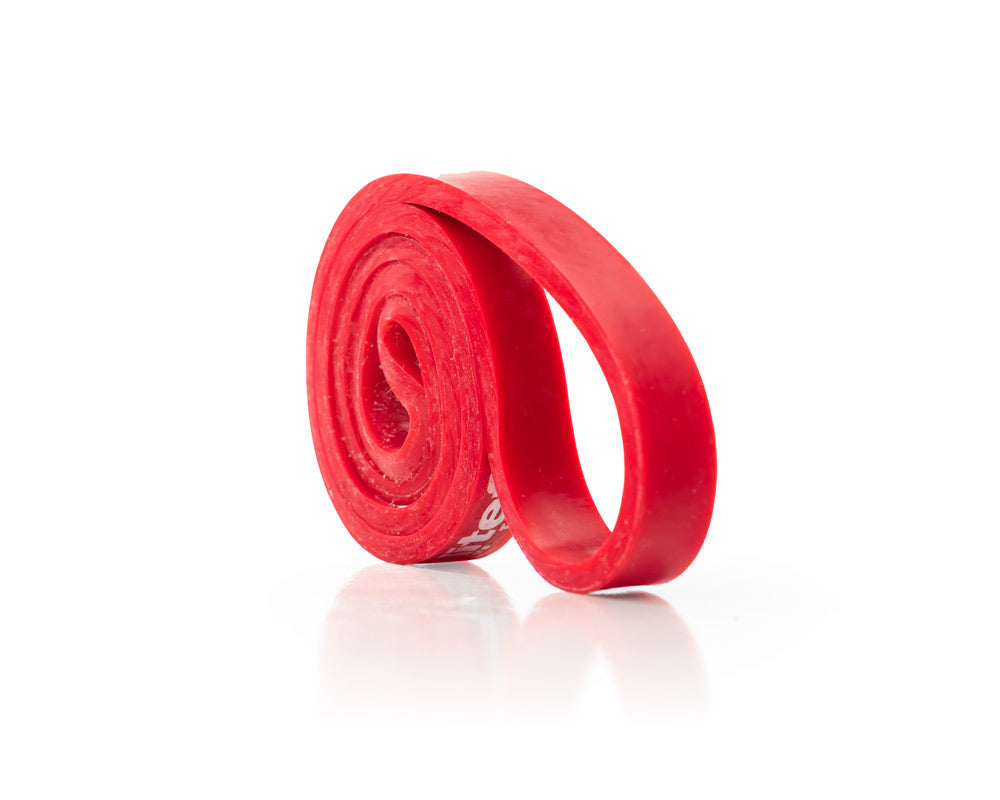
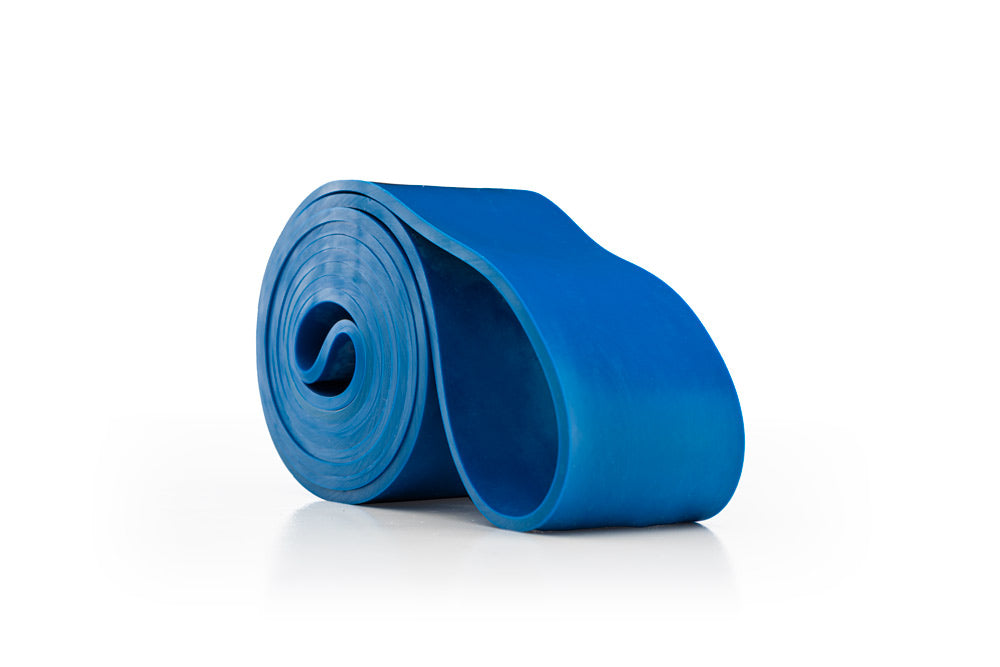
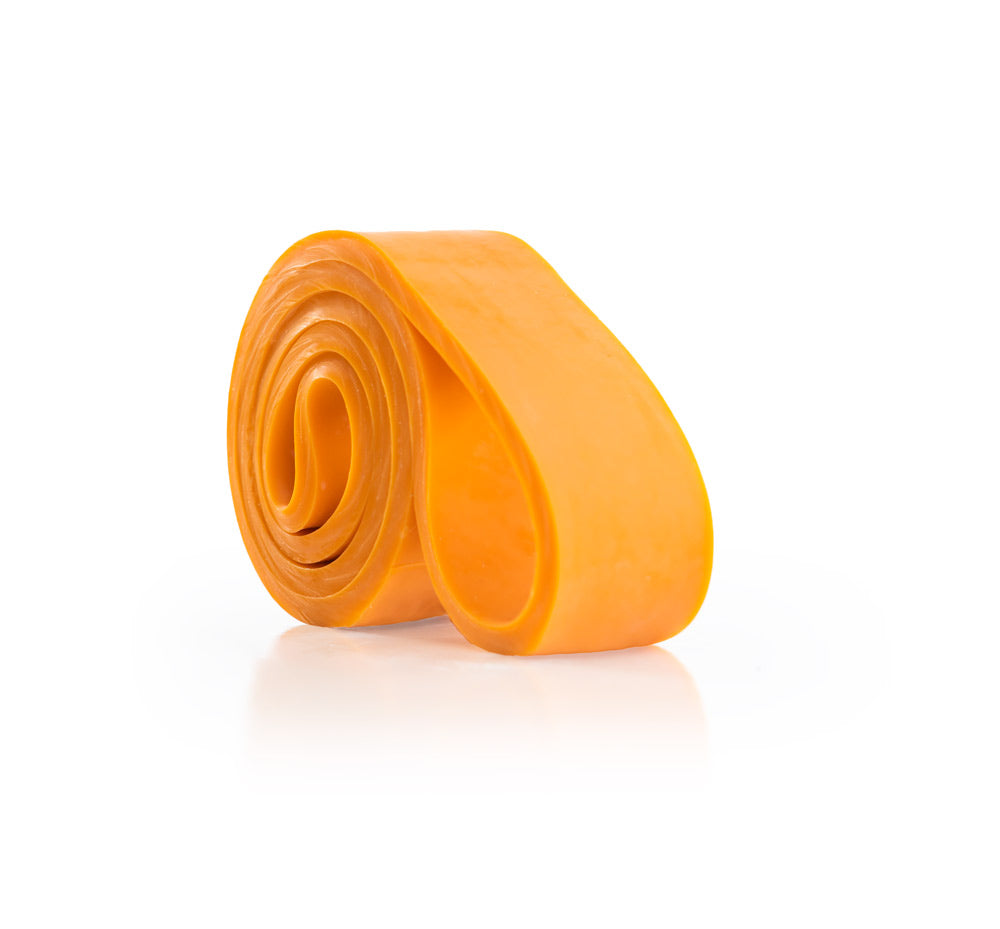
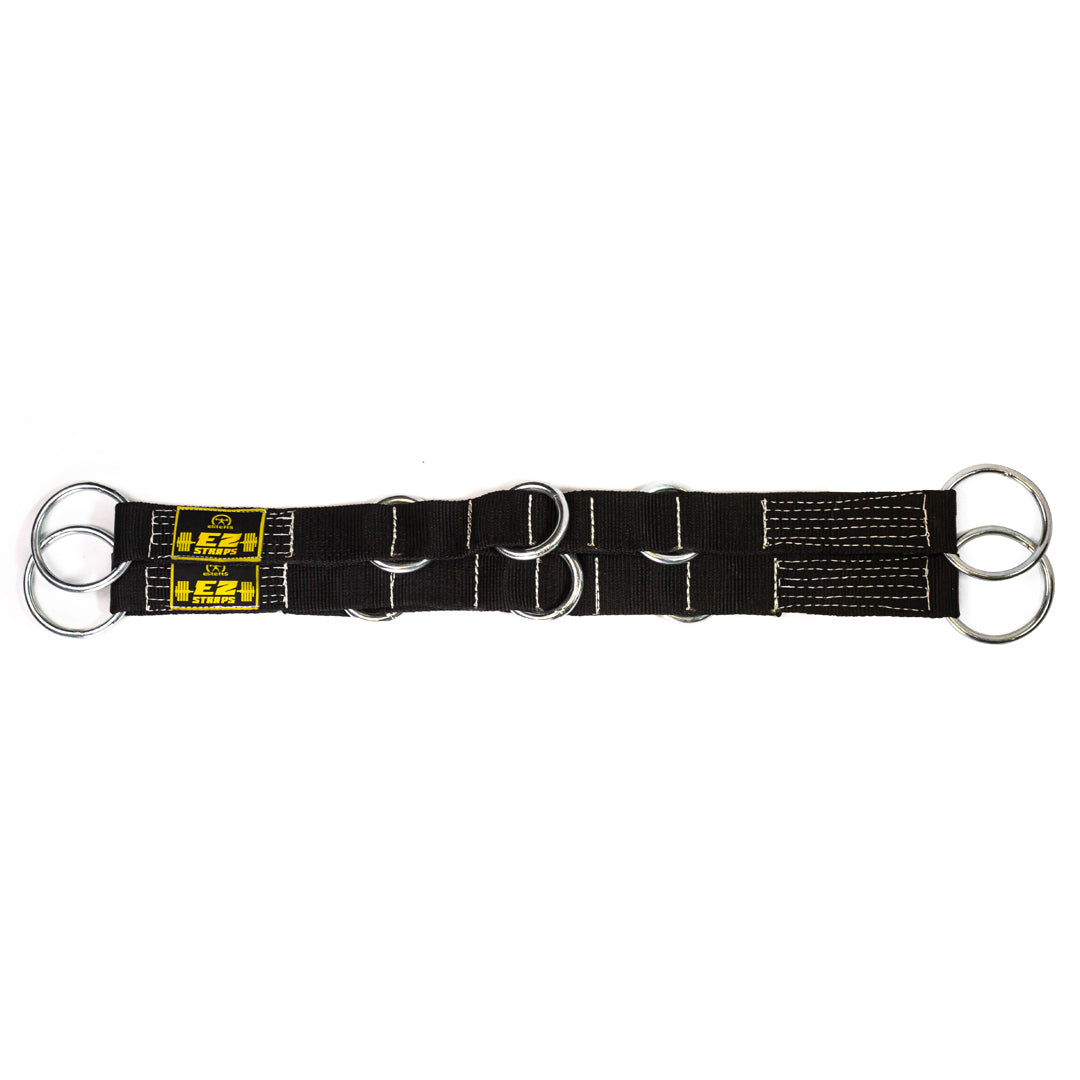
Recommended Equipment
Tools for Smarter Rebuilding
Part Two
The Spreadsheet Is Not Your Coach
The biggest threat to longevity in the sport is not physical injury. It is how many lifters structure their training programs.
New lifters often download a rigid squat, bench, and deadlift program and refuse to deviate from it. They develop little body awareness, ignore their upper backs, skip rowing movements, and eventually hit a wall of stagnation or injury.
The modern powerlifter can become entirely dependent on an online coach's spreadsheet, surrendering the ability to think critically and autoregulate. A beginner building a 1,100-pound total does not need a needlessly complicated sequence of hypertrophy, strength, and peaking blocks. They need quality repetitions, consistent practice, a stronger back, and enough heavy sets of five to learn what effort actually feels like.
Autoregulation Is a Survival Skill
If you are scheduled to hit a heavy squat two weeks out from a meet but you are drastically under-recovered, stubbornly obeying the spreadsheet is a recipe for disaster.
A veteran lifter makes a dozen small decisions during warm-ups. If a weight feels wrong, they may repeat it. If bar speed falls apart, they may reduce the planned load. They know when to pull back 10 percent and still obtain the training effect without risking a catastrophic miss.
One ego-driven decision on a bad day can create a domino effect that ruins the next deadlift session, the next accessory session, and the lifter's confidence heading into the meet.
Part Three
Meet-Day Math Does Not Care About Your Ego
This lack of critical thinking carries directly into attempt selection. A common example is an experienced male lifter handling his girlfriend at her first meet.
A lifter who benches 400 pounds may be comfortable with a 40-pound jump between attempts. But applying a 15-pound jump to someone whose maximum is 150 pounds creates the same 10 percent increase. On paper, it may not look dramatic. On the platform, it can be the difference between building momentum and crushing a lifter's confidence.
The Rule
Choose attempts for the lifter in front of you—not for the numbers you are accustomed to lifting.
For those who compete, judging can also be a harsh wake-up call. Squat depth is judged by humans in real time, considering different body types, femur lengths, stances, and speeds. Newer lifters often explode over red lights, convinced they were robbed. But if multiple judges call the same infraction, the first assumption should be that the lift needs correction.
Veteran lifters understand that human error is part of the game. You receive nine attempts, and sometimes a close call goes against you. The answer is not a tantrum. The answer is to make the next lift undeniable.
In earlier eras of multiple powerlifting, judging could be brutally strict, and entire squat flights occasionally collapsed into bomb-outs. Modern meet directors tend to prioritize consistency, organization, and pace. A fast, well-run meet also exposes lifters who are unprepared for the cardiovascular demands of warming up and competing on a tight clock.
Part Four
What Happened to the Training Crew?
Over-reliance on online programming has also damaged the traditional training crew.
In the past, becoming a powerlifter often meant showing up at a barbell gym on Saturday morning, loading plates for the strongest people in the room, and figuring things out together. Today, lifters walk in alone, set up a tripod, stare at a phone between every exercise, and spend three hours training in isolation.
When a lifter refuses to deviate from a rigid spreadsheet long enough to jump in with a stronger crew, they miss the experience, camaraderie, and spontaneous adjustments that help build elite strength.
The sport's feeder system is no longer always the local barbell club. Increasingly, it is an online coach hundreds of miles away. Remote coaching can be valuable, but it should not eliminate the lifter's responsibility to think, communicate, and learn from the people standing beside the rack.
Powerlifting Grew—Then the Ground Shifted
The broader powerlifting landscape has experienced massive growth and turbulence. Raw participation expanded rapidly through the 2010s and early 2020s, while the number of local meets also multiplied. In some regions, lifters could find a competition nearly every weekend.
That growth also produced saturation. At the same time, a new kind of “closet powerlifter” emerged: someone who trains the squat, bench press, and deadlift seriously in a commercial gym but has no desire to compete.
There is nothing wrong with training for strength without stepping onto a platform. But it changes the culture. For many lifters, the barbell squat is becoming another gym movement rather than an event that connects them to a team, a meet, and a larger competitive identity.
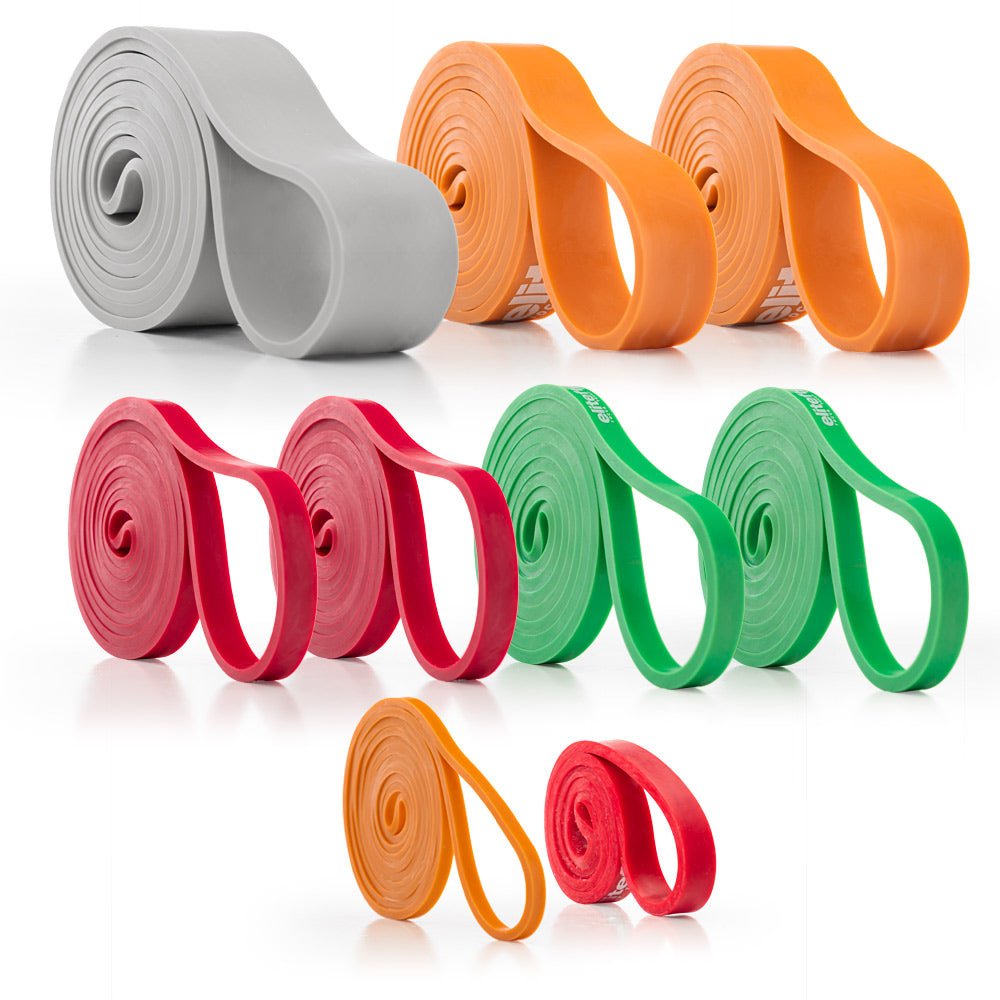
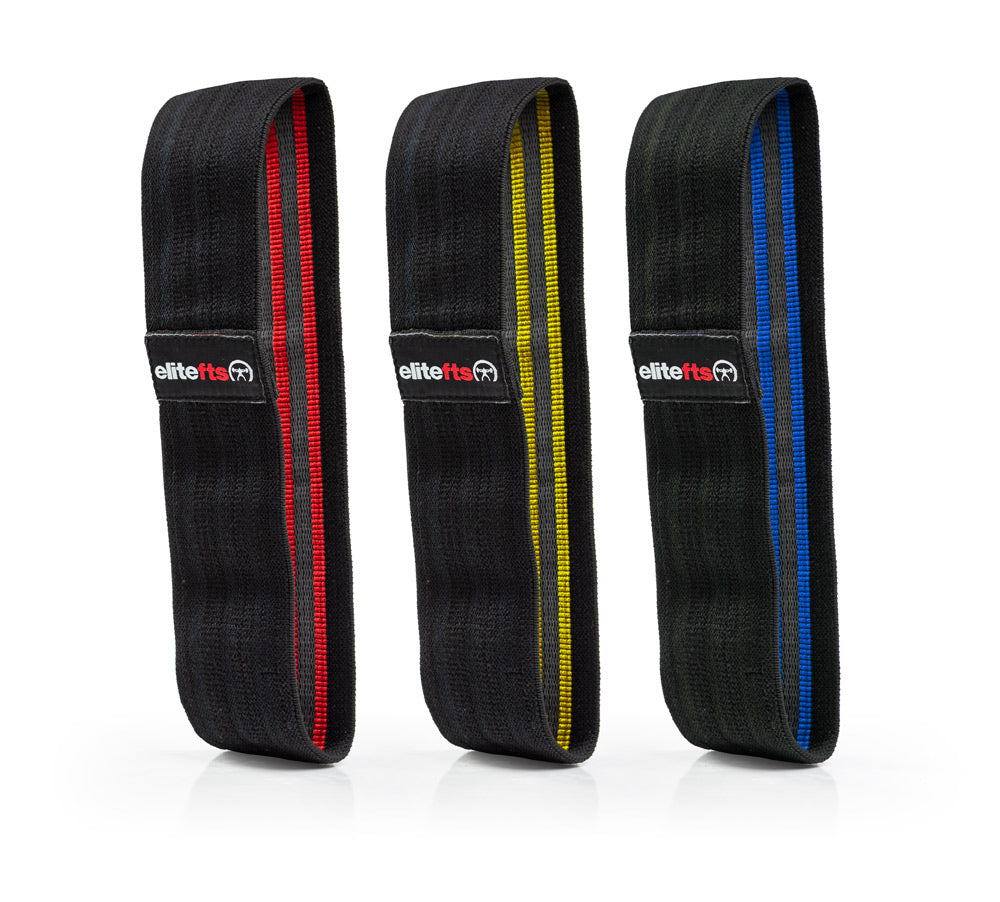
Build the Right Environment
Equipment That Supports Better Training Decisions
Part Five
Loving Strength Does Not Make You a Business Owner
Transitioning from lifter to business owner requires an entirely different skill set. It is also where many passionate fitness professionals fail.
Too many gym owners throw receipts into a box, have no idea how to read a profit-and-loss statement, and cannot explain the basic numbers driving their business. Successfully expanding a facility requires measurement, planning, and a willingness to serve people beyond a narrow powerlifting niche.
You cannot scale a large facility by relying only on competitive powerlifters. A sustainable gym often needs to combine high-end strength equipment with an atmosphere that welcomes everyday people.
Culture Is the Retention Tool
In a massive corporate fitness center, a 70-year-old woman may perform dangerous partial repetitions while staff members walk past her. In a well-run private facility, the strongest and most intimidating lifter in the room may be the first person to show her how to adjust the seat.
That organic community culture crushes the anonymous corporate gym experience. People stay where they feel seen, supported, and respected.
The Personal Training Trap
The commercial personal-training model is often built around aggressive sales tactics. Trainers are pressured to expose clients' insecurities, use questionable assessments, and sell expensive packages before earning clients' trust.
Eventually, successful trainers realize how much revenue they generate for the facility and leave to start their own businesses. Then reality hits: rent, payroll, equipment, insurance, lead generation, and the disappearance of free foot traffic.
A better model may be simpler: efficient sessions, honest coaching, useful programming for clients' solo training days, and no manipulative sales pitch.
Part Six
The Final Battle Is With Your Own Ego
Surviving in the iron game requires a massive shift in ego. After a decade or two, the goal often stops being about constantly building more strength. It becomes learning how to display the strength you already have while staying healthy enough to keep training.
The 260-pound, bloated super-heavyweight phase eventually loses its appeal. The better target is a leaner, more efficient body that can recover, move, work, and live outside the gym.
Sleep, nutrition, conditioning, stress management, and life outside training become more important than another brutal accessory set.
The meathead brain always wants one more personal record. Wisdom is knowing when that desire is no longer worth the price.
The most difficult advice for an aging lifter is knowing when to walk away from competition. Master's divisions can provide meaningful goals and community, but they can also become an excuse to keep forcing meet preparations long after the body is asking for a different challenge.
In most sports, declining physical performance eventually leads to retirement. Powerlifting makes it easy to change age brackets, chase another record, and justify one more cycle until injury makes the decision for you.
Stepping away from the platform to focus on business, family, coaching, or another athletic pursuit—while you are still healthy—is not defeat. Letting go of perfect meet preparations, accepting your limits, and understanding that there is a vast life beyond the barbell may be the ultimate expression of strength.
The Long-Game Checklist
- 01. Treat rehabilitation with the same discipline as serious training.
- 02. Use the program as a guide—not as permission to ignore reality.
- 03. Make attempt jumps based on percentages and the individual lifter.
- 04. Build or join a training culture where people teach, spot, and pay attention.
- 05. Learn the business numbers before trying to scale a strength facility.
- 06. Know when pursuing another PR is costing more than it is giving back.