The Man Maker Beastly: Building Total-Body Strength Through the Zercher Position
Strength & Conditioning
The Man Maker Beastly: Building Total-Body Strength Through the Zercher Position
By Ashley Jones
A brutal, smart, full-body circuit built around one rule: keep the load in place while the body changes position.
I have been credited with making the Beastly Circuit a popular option for rugby players - possibly more popular with coaches than players. I credit coaches such as Chad Waterbury, Istvan Javorek, and Martin Rooney for either creating early versions of this circuit style or planting the seeds for its development.
The original Beastly involves six exercises performed back-to-back with minimal rest, using the same initial load, before finishing with a metabolic element such as a row, bike, or ski erg for a set distance. There are six rounds and six exercises, making it a 666 circuit - hence the name Beastly.
Coach's lens: This is not random fatigue. It is an integrated strength work that simultaneously challenges posture, bracing, work capacity, and movement competency.
The Beastly Circuit Concept
A single muscle group rarely limits strength. More often, strength is limited by an athlete's ability to coordinate force, maintain position under fatigue, and move efficiently through multiple planes of motion.
One of my favorite examples is what I call the Man Maker Beastly - a full-body sequence built around the Zercher carry position. The idea came about after my assistant, Nick Middleton, suggested an initial framework for a next-level circuit that used the Zercher position as an alternative to metabolic strength circuits.
The rule is simple:
Keep the load in place while the body changes position.
Continuous tension
Increased time under load
Greater trunk involvement
Enhanced grip and upper-back endurance
Improved movement efficiency
The athlete is constantly solving movement problems while carrying a significant load. That is where the training effect lives.
My most frequently programmed version of the Beastly Circuit, shown in the video below, is: deadlift from the floor, hang power clean, push press, front squat, bent-over row, and Romanian deadlift.
The Man Maker Beastly Sequence
Using a sandbag, axle, log, or appropriately loaded barbell, perform the following sequence without dropping the implement.
Cue 01
Keep the load close
The farther the load drifts, the more the position breaks down.
Cue 02
Brace before moving
Own the position before transitioning into the next movement.
Cue 03
Stay tall
The Zercher position rewards posture and exposes collapse fast.
Anterior loading encourages an upright posture, strong abdominal engagement, and upper-back activation.
Kneeling Pick from the Floor to Zercher Step-Up
Begin from the ground. Kneel in front of the bar and position your elbows under it. Step one leg through, extend through the hips, and stand using a step-up technique. Repeat up and down until the required reps are complete on each leg.
Forward Lunge
Single-leg strength is often the missing ingredient in otherwise strong athletes. The Zercher lunge increases the demand by adding a unilateral component, dynamic balance, and positional control to every rep.
Zercher Squat
From the standing position, perform a squat while maintaining the Zercher hold. The load sits in front of the body, forcing an isometric contraction of the upper back and strong bracing to maintain a safe, upright lifting position.
Reverse Lunge
The reverse lunge trains coordination, balance, and stability while increasing posterior-chain demand in the circuit.
Good Morning
Perform a controlled good morning while maintaining the Zercher position. This trains posterior-chain strength, hip-hinge mechanics, and isometric trunk endurance. The challenge is keeping the torso organized while the hips move.
Lateral Lunge
The final movement improves hip mobility and stresses the hip muscles in a different plane than traditional movements. It targets the adductors and the glutes (max, medius, and minimus), while further enhancing balance and stability.
Zercher Carry to Finish
Finish with a loaded Zercher carry. The carry is where everything gets exposed. Any weakness hidden during the earlier movements becomes apparent once the athlete starts moving.
The carry develops:
Work capacity
Bracing endurance
Upper-back strength
Mental toughness
Simply put, if you can carry heavy objects well, many other physical qualities tend to improve alongside it.
Why the Zercher Position Works
Back before squat racks were commonly found in weight rooms, Ed Zercher developed a way to lift the bar from the floor into the crooks of the elbows, then stand from a deep receiving position. The movement pattern resembles how strength competitors lift Atlas stones and similar odd objects.
In this circuit, the kneeling start into a step-up adds a unilateral element. The Zercher position immediately demands upper-back strength, trunk stiffness, hip stability, and breathing control.
Unlike traditional front-loaded variations, the load sits lower and farther from the body's center of gravity, forcing the athlete to actively organize posture throughout the entire sequence. The result is a brutally effective movement series that develops strength, resilience, and athletic capacity.
Trunk
Constant engagement and bracing under fatigue.
Upper Back
Strong thoracic posture and active lat involvement.
Breathing
Efficient mechanics while the load tries to collapse the posture.
Programming Chart
Run this as a finisher, a metabolic strength circuit, or a stand-alone challenge when athletes have already earned the positions.
Order
Movement
Prescription
Coaching Focus
1
Floor Pick to Zercher Step-Up
6 reps each leg
Brace, step through cleanly, stand tall.
2
Forward Lunge
6 reps each leg
Control the front leg and avoid torso collapse.
3
Zercher Squat
6 reps
Stay upright and keep elbows connected to the load.
4
Reverse Lunge
6 reps each leg
Own balance and load position through the transition.
5
Good Morning
6 reps
Hinge with control; do not round into fatigue.
6
Lateral Lunge
6 reps each leg
Move in the frontal plane while maintaining posture.
7
Zercher Loaded Carry
30 meters
Walk with intent; breathe behind the brace.
Video References
These references are preserved as clickable links and embedded video blocks for Shopify.
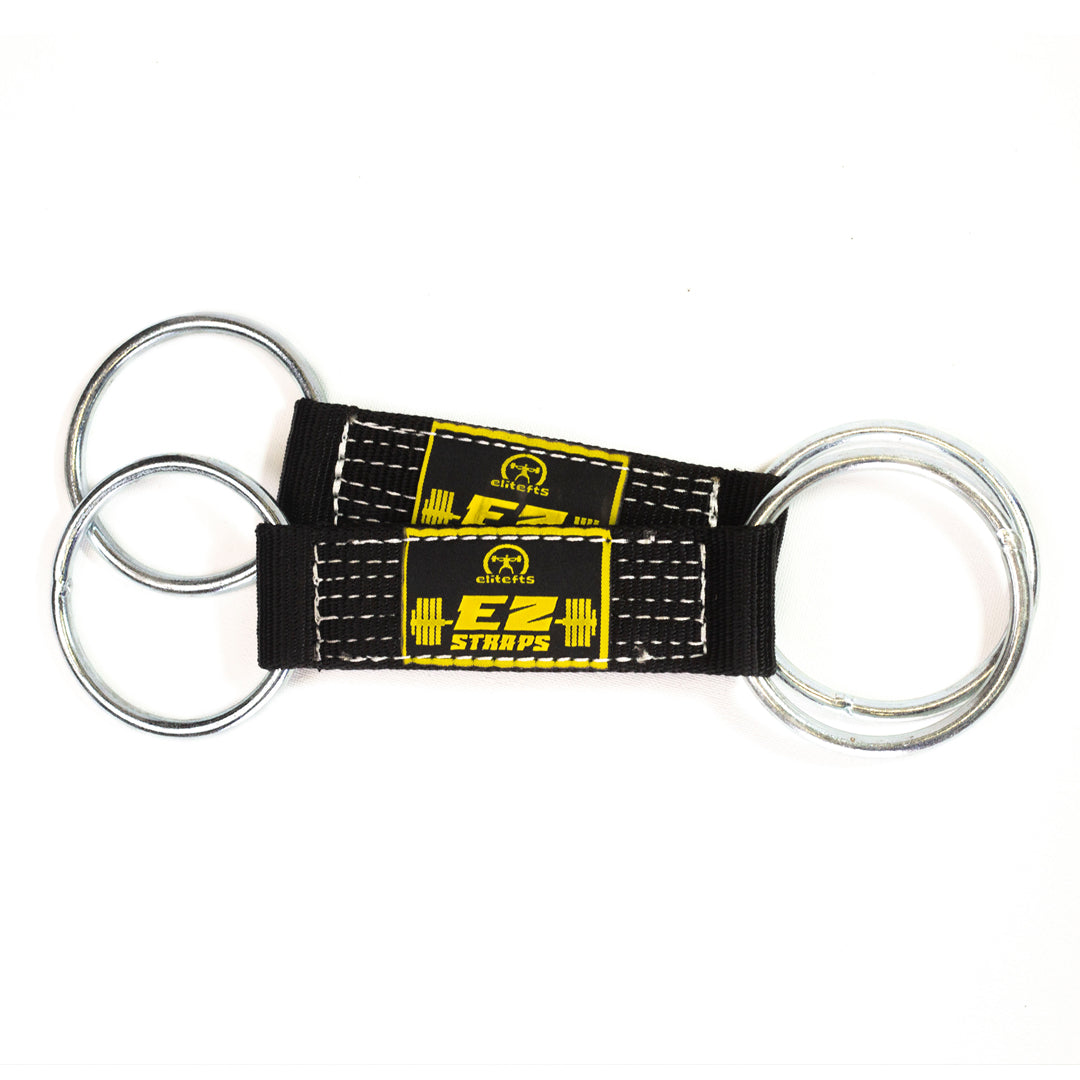
Helpful for athletes who need to build tolerance to Zercher squats, carries, lunges, and holds without the arm discomfort becoming the limiting factor.
The best training methods do not just build stronger muscles. They build stronger movers.
The Man Maker Beastly accomplishes exactly that. By combining the floor pick, kneeling transition, squat, good morning, lunge, and carry into a single uninterrupted sequence, athletes are forced to demonstrate strength across multiple positions while maintaining control of a challenging load.
The Zercher position ties everything together, creating a brutally effective combination of strength, stability, posture, and work capacity. Sometimes, the most valuable training is not found in adding more exercises. It is found in connecting great movements into a single seamless challenge and in demanding that athletes own every step of the process.
My thanks to Nick Middleton for setting the idea alight and demonstrating the full circuit.
Coaching note: Load selection should match the athlete's technical ability. Use conservative loads first, prioritize clean positions, and stop the set when posture or control breaks down.
EliteFTS Table Talk— Where strength meets truth. Hosted byDave Tate, Table Talk cuts through the noise to bring raw, unfiltered conversations about training, coaching, business, and life under the bar. No fluff. No hype. Just decades of experience — shared to make you stronger in and out of the gym.