
The Shiny Object Trap and the Ultimate Free Drug
Everybody wants the next thing.
The new peptide. The smarter supplement stack. The recovery device costs more than a month of groceries. The wearable that confirms you slept badly after you already woke up feeling like hell.
The performance world has become crowded with expensive answers to questions most people have not earned the right to ask. Lifters will spend weeks comparing compounds, dosing schedules, glucose monitors, red-light panels, and sleep aids while their program changes every ten days, their technique is inconsistent, and their recovery plan is whatever happens after they put the bar down.
That is the shiny object trap. It lets you feel advanced without forcing you to master anything basic.
Exercise is not literally a drug, but the comparison is useful. A hard training session changes the way muscles, the nervous system, the cardiovascular system, and dozens of signaling molecules communicate. Contracting muscle releases myokines and other exercise-related signals. Repeated exposure changes tissue, energy systems, work capacity, and skill. The dose matters. The timing matters. The recovery matters. Unlike a social-media protocol, the adaptation is tied directly to the work you performed.
The best performance stack in the world cannot rescue weak training, poor sleep, bad execution, and a diet that does not support the work.
Before you spend thousands of dollars trying to gain the final one percent, make sure you are not ignoring the first ninety-nine.
Are you progressing the lifts that matter? Are you training hard enough to create a reason to adapt? Are you eating enough to recover? Can you repeat the work next week? Are you sleeping on a schedule that gives your body a chance to rebuild? Do you know what problem you are trying to solve?
If those answers are vague, another compound will not make them clear.
01 The Raw Materials of a Lifter
Anthony Castore did not begin as a genetic outlier built for strength sports. By his account, he was the opposite: a 117-pound kid who played travel soccer, wrestled, and could run all day but had almost no physical mass behind him.
During his junior year, his parents enrolled him at Wayland Academy in Beaver Dam, Wisconsin. It was a small boarding school, not a military academy or a sports factory. The smaller classrooms mattered. Castore is dyslexic, and a room with thirty or forty students made it easy to disappear. At Wayland, he could ask questions, interrupt his own confusion, and work through material out loud.
That was one of the first important discoveries of his life: he did not learn well by sitting quietly and pretending to understand. He learned through conversation, repetition, and relentless questioning.
The school also gave him a chance to play football. His parents had resisted the idea because their 117-pound son looked like a bad collision waiting to happen. Their concern was justified. Castore remembers facing heavily recruited prep-school athletes who looked less like teenagers and more like grown men. His team was routinely outmatched. In his telling, one of their few wins came because the other school nearly failed to dress enough eligible players.
Football made the problem obvious. The effort was not enough. Courage was not enough. When two bodies collided, size and strength still counted.
After high school, Castore returned to West Lafayette and enrolled at Purdue. He was technically a college student, but he was not yet moving with much purpose. He took enough classes to stay afloat, spent time with friends, and trusted that he would eventually figure out the rest.
Then a late-night bar fight across the room changed the direction of his life.
Castore was there with his girlfriend, who weighed about 118 pounds. As the fight broke out, she looked at him and said, half joking and half serious, that if the trouble moved closer, she might have to be the one who stepped in front.
He weighed less than she did.
That landed harder than anything he had heard from a coach. Two days later, he walked into a local nutrition store and met Chad Coy, a serious powerlifter and strength coach with ties to Purdue. Coy had the size, focus, and practical knowledge Castore was looking for. He agreed to train him.
The first session began with 135 pounds on the bench. For an experienced lifter, one plate per side is a warm-up. For a 117-pound beginner who had never trained, it looked like a loaded trap.
Castore told Coy, “You’re going to be picking me up off the floor.”
Coy spotted him, and Castore pushed.
What Coy noticed was not polished technique or natural strength. It was a refusal. Castore would fight until the rep stopped moving. That made him a project worth coaching.
The months that followed were old-school in every sense. Castore describes bowls of oatmeal, cherry pie filling, and egg whites. He ate until he was full, slept, woke up, and ate again. He also trained with a high-intensity approach influenced by Ellington Darden: many exercises, one brutally hard work set, and very little ambiguity about whether the set was finished.
By Castore’s account, his body weight climbed from 117 to roughly 185 pounds in six months while his measured body-fat percentage dropped. That is an anecdote, not a controlled body-composition study. The gain would have included muscle, glycogen, water, digestive mass, fat, and normal growth—not nearly seventy pounds of pure contractile tissue. The exact composition matters less than the lesson that stayed with him.
He gave his body a clear reason to change, supplied enough food to recover, and repeated the process without negotiating with it every day.
Do not copy the extremity. Copy the clarity.
Force-feeding until you are sick and turning every exercise into a death set are not universal recommendations. The useful principle is simpler: create a measurable training stimulus, support it with adequate nutrition, and stick with the plan long enough to judge the results.
That foundation became the filter Castore used for everything that came later. He could appreciate advanced physiology without forgetting the first rule of adaptation: the body changes when the demand is clear, and the recovery is sufficient.
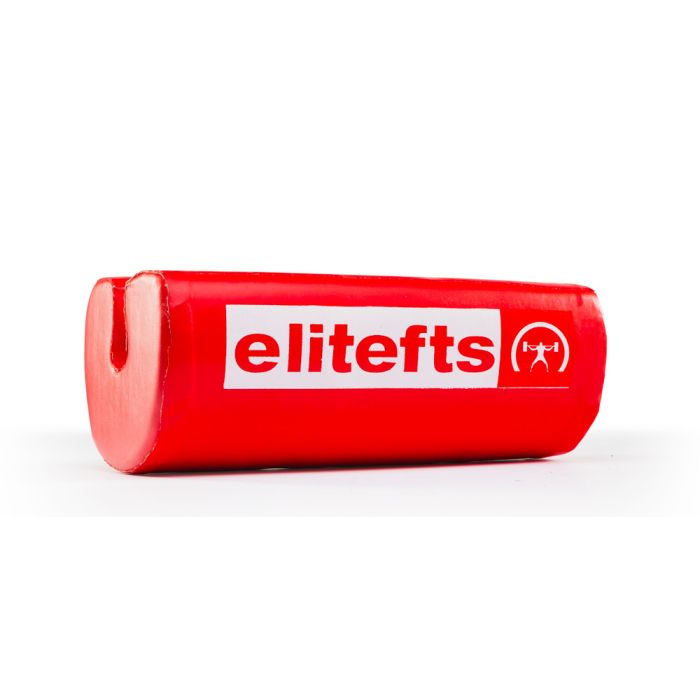
elitefts Power Bar
A no-nonsense bar for the squat, bench, and deadlift—the lifts that tell the truth about whether your base is getting stronger.
02 The Cognitive Engine
The physical transformation did more than add body weight. It gave Castore a system he could measure.
Powerlifting appealed to him because the feedback was clean. The bar either moved or it did not. If he changed training volume, altered his food, or adjusted an exercise, he could watch the numbers. His bench was a weak point. His squat came naturally. His deadlift was competitive. He gravitated toward what would now be called powerbuilding: using heavy lifts to measure strength, then building enough muscle to support them.
His interest in the “why” quickly outran what he was getting from ordinary classes. Dyslexia made dense reading slow, so he stopped trying to study the way everyone else did. He built a method around the way his brain actually worked.
He would read one paragraph and stop. Then he would ask himself a direct question about what he had just read. If he could not answer it, he did not keep sliding his eyes down the page. He went to the index, found the missing term, read the related section, and returned to the original paragraph. He called it a ping-pong-style reading because he bounced around the book until the idea made sense.
He also used short timers. Three minutes were enough to overcome the resistance to starting. If the subject caught, he extended the block to roughly twenty minutes. During that window, he read aloud, made flashcards, and forced himself to explain the material in plain language. Then he stood up, moved for a few minutes, and started again.
Start Small
Set a three-minute timer. The goal is not mastery. The goal is to begin.
Interrogate the Page
After each paragraph, ask a question that proves whether you understood it.
Use More Than One Channel
Read it, say it, and write it. Passive highlighting is not the same as learning.
Move Before Attention Dies
Take a brief walk, reset, and come back before the session turns into staring.
Castore credits Charles Poliquin with the idea that people remember the beginning and end of a study period better than the long middle. The exact percentages sometimes attached to that claim are coaching folklore, not settled neuroscience. The practical point still holds: attention fades, and more time at a desk does not automatically mean more learning.
Dave Tate developed his own version of active study. In college, he wrote enormous amounts of information onto tiny “cheat sheets.” The writing was so compressed that preparing the sheet forced him to organize and remember the material. By test time, he often did not need it.
The lesson is not to cheat. The lesson is that compression exposes whether you know something. If you cannot explain an idea on a small card, teach it to another person, or connect it to a decision under the bar, you probably do not own it yet.
This matters because advanced physiology attracts people who like collecting terms. They can say “mTOR,” “AMPK,” “mitophagy,” and “mechanotransduction” without knowing what any of those words should change in Tuesday’s training session.
Knowledge becomes useful only when it improves a decision.
03 Nutrition Without the Dogma
When Castore began studying nutrition, bodybuilding culture was dominated by simple templates: high-carbohydrate, very low-fat, dry chicken, plain rice, and the belief that suffering through bland food proved the plan was scientific.
He noticed that the same diet did not produce the same result in everyone. Some people performed well and stayed lean. Others felt hungry, bloated, flat, or out of control. That pushed him away from diet tribes and toward a more useful question: what job is each macronutrient doing, and what does this athlete need right now?
| Macronutrient | Main Jobs | Why Lifters Care |
|---|---|---|
| Protein | Provides amino acids for muscle, enzymes, transport proteins, immune proteins, and other tissues. | Supports repair and growth when total intake, energy intake, and training are adequate. |
| Carbohydrate | Provides glucose and replenishes glycogen; supports rapid ATP production during hard efforts. | Helps preserve training quality, volume, and recovery during high-intensity work. |
| Fat | Provides energy, essential fatty acids, and structural components for cell membranes; supports absorption of fat-soluble vitamins. | Helps maintain a complete diet and provides dense energy when calories are high. |
Protein: Building Material That Can Also Be Burned
Protein is valuable because it supplies amino acids, including the essential amino acids that the body cannot make. Those amino acids are used for more than muscle. They are part of enzymes, connective tissue, transport systems, and immune function.
The body can also oxidize amino acids for energy and can use some of them to make glucose. That process—gluconeogenesis—is not an emergency switch that only flips on when carbohydrates disappear. It happens all the time. What changes is the rate and the source material.
For most healthy people who train, total daily protein matters more than hunting for an extreme number. A widely used evidence-based range is roughly 1.4 to 2.0 grams per kilogram of body weight per day, or about 0.6 to 0.9 grams per pound. Some lifters may benefit from more during a hard calorie deficit, especially when they are already lean. More is not automatically better, and 400 or 500 grams per day is not a badge of seriousness.
Carbohydrate: Fuel for Work That Has to Happen Fast
Carbohydrate is especially useful when the session demands repeated high-force contractions, hard intervals, or enough volume to drain glycogen. A low-carbohydrate diet can work for some goals and some people, but it changes the fuel mix and may reduce the amount or quality of high-intensity work a lifter can repeat.
Carbohydrates also have a protein-sparing effect in practice. When enough energy and carbohydrate are available, fewer amino acids need to be oxidized to cover energy demands. That does not mean carbohydrate magically lowers everyone’s protein requirement to a fixed number. It means the whole diet works as a system.
Fat: More Than Spare Calories
Dietary fat contributes essential fatty acids and helps build cell membranes. It also supports the absorption of vitamins A, D, E, and K. Extremely low-fat diets can be difficult to sustain and may crowd out nutrient-dense foods.
The original claim that eating “bad fats” directly twists hormone receptors out of position is too neat for a complicated subject. Fat quality still matters. A diet built mostly from minimally processed foods, fish, nuts, seeds, olive oil, eggs, dairy, and varied meat sources gives you a better base than one built around repeatedly heated oils and ultra-processed food.
Stop asking which macro is good or bad. Ask what the training demands, what the goal requires, and what the athlete can digest and repeat.
The High-Protein, No-Fuel Mistake
A lifter who removes nearly all carbohydrate and fat, then tries to solve the calorie gap with protein, has built an expensive and inefficient diet. Protein has a higher thermic effect than carbohydrate or fat, which can help during fat loss, but that does not make it a superior fuel for every job.
Dave Tate’s joke about “atrophy of the muscle and atrophy of the wallet” points at a real planning error: paying premium prices for protein while refusing to eat enough total energy to train or recover.
The fix is not a universal macro split. It is context.
- A high-volume strength athlete usually needs more carbohydrate than a sedentary client.
- A person dieting aggressively may need more protein than the same person at maintenance.
- A lifter with a very high calorie target may need more dietary fat simply to make the plan livable.
- A person with a medical condition needs individualized guidance, not an Instagram template.
Food Rotation: Useful, but Not for the Reason You Were Told
Chicken, beef, fish, eggs, and dairy are complete proteins. They contain all essential amino acids. Eating chicken repeatedly does not create a mysterious single-amino-acid hole that automatically drives zonulin, food allergy, and kidney stress.
Food rotation is still a good idea. It improves micronutrient variety, alters the diet's fatty acid profile, exposes you to different textures and fiber sources, and can make a high-calorie plan easier to tolerate. It also helps you notice whether a specific food consistently causes symptoms.
Rotate foods because a varied diet is more complete, not because your body forgets how to use chicken after the fourth meal.
Choose a portion that helps you reach the day’s target.
Scale it to the session, body-composition goal, and tolerance.
Use fruits and vegetables for fiber, micronutrients, and variety.
Add enough for energy, flavor, and dietary completeness.
04 Mitochondrial Quality Control
Every rep costs energy. The immediate currency is ATP, and the body has several ways to keep rebuilding it as the set continues. The phosphagen system covers the briefest, hardest work. Glycolysis helps carry repeated high-intensity efforts. The mitochondria handle most aerobic energy production and play a central role in recovery between efforts and between sessions.
Calling mitochondria the “powerhouse of the cell” is accurate, but incomplete. They are not static batteries. They form a changing network that responds to training, fuel availability, sleep, illness, and inactivity. Exercise can increase mitochondrial content and improve the machinery that produces energy. It also creates stress that the cell must manage.
That stress is not inherently damaging. Reactive molecules produced during exercise can act as signals that tell the body to adapt. The problem is not that training creates oxidative stress. The problem is that the total stress can outrun the athlete’s ability to recover.
Parts of the mitochondrial network divide. This can help isolate sections that are not working well.
Damaged or unnecessary mitochondrial material can be identified and cleared through cellular recycling systems.
Mitochondria can join and share components, helping the network maintain function under changing demands.
The neat three-box diagram is useful for teaching, but biology does not run through it like an assembly line. Fission, fusion, and mitophagy overlap. They are influenced by far more than a single meal or a single rest day.
mTOR and AMPK Are Not an On-Off Switch
The original version of this argument treated mTOR as the “building” signal and AMPK as the “cleanup” signal, then implied that frequent meals keep mTOR high and prevent mitochondrial repair. That is too simple.
mTOR responds to amino acids, energy status, mechanical tension, and other inputs. AMPK responds to cellular energy stress. The pathways can oppose one another in certain contexts, but the body is not forced to choose between building muscle and maintaining mitochondria for an entire day. Resistance training, endurance work, feeding, fasting, sleep, and ordinary movement all create overlapping signals.
Eating every two hours does not automatically block mitophagy. Eating 250 grams of protein in one sitting does not keep every cell permanently trapped in a “splitting phase.” Those claims turn a useful concept into a cartoon.
There is still a practical warning underneath them: constant force-feeding can become a recovery problem. A lifter who is always digesting an uncomfortable meal may sleep poorly, train with a distended stomach, lose their appetite, and find food another source of stress. The issue is not that mTOR stayed on too long. The issue is that the plan became harder to digest than to execute.
More input is not always more adaptation.
Training creates the demand. Food, sleep, and lower-stress time help you answer it. If volume, calories, stimulants, and life stress all rise together, the body does not award extra points for effort. It simply has more to recover from.
What to Do With This on the Training Floor
Use the physiology to make better decisions, not to decorate a bad program with scientific language.
- Fuel hard sessions well enough to preserve output and technique.
- Keep the calorie surplus large enough to gain, but not so large that every meal becomes a fight.
- Let rest-day intake match the goal. Some athletes eat slightly less when expenditure drops; others need the same intake to keep gaining and recovering.
- Use low-intensity work to build aerobic capacity without turning every conditioning session into another max-effort event.
- Watch the trend in performance, body weight, resting heart rate, appetite, sleep, and soreness. One number rarely tells the whole story.
A better mitochondrial network is not built by memorizing the word “mitophagy.” It is built by exposing the body to work it can adapt to, then giving it enough time and material to make the change.
elitefts Indoor Sled with Strap
Use controlled drags for general physical preparedness, warm-ups, or low-skill conditioning that does not require another complicated setup.
05 The Gut Barrier
Getting big requires food. It does not require ignoring every sign that your digestive system is struggling.
Strength athletes can normalize symptoms that would concern anyone else: constant bloating, reflux, urgent bathroom trips, nausea during training, loss of appetite, and fatigue after meals. The standard response is often to add another shake, blend the meal, or force it down faster.
That can work for a day. It is a poor long-term strategy.
The intestinal lining is only one cell layer thick in many areas. Tight junction proteins help regulate what passes between those cells. During prolonged or very intense exercise—especially in heat—blood flow can shift away from the gut, core temperature can rise, and gastrointestinal symptoms or temporary changes in permeability can occur. Nonsteroidal anti-inflammatory drugs, illness, alcohol, foodborne infection, and several medical conditions can also affect the barrier.
Hard work, heat, dehydration, and mechanical jostling increase the digestive demand.
Large meals, high-fat, high-fiber, or unfamiliar products can become harder to handle near training.
Bloating, cramping, reflux, urgency, or nausea can reduce intake and training quality.
The athlete force-feeds more, adds random supplements, and makes the problem harder to identify.
Zonulin Is Not a Complete Diagnosis
Zonulin is involved in regulating intestinal permeability, but the internet has turned it into a catch-all explanation for fatigue, food intolerance, autoimmunity, and every bad meal. Commercial zonulin tests have important limitations, and a single number cannot explain the entire state of the gut barrier.
The original draft also linked hard training and force-feeding to a “massive” zonulin release as though that sequence were guaranteed. It is not. Gastrointestinal problems in athletes are real, but they deserve a more careful explanation than a single protein and a single dramatic pathway.
The Monodiet Problem
Chicken and rice are not poisonous. Egg whites do not become inflammatory because you ate them yesterday. Complete animal proteins already contain all essential amino acids, so the body is not waiting for beef to “fill the gap” left by chicken.
The weakness of a monodiet is simpler:
- It narrows micronutrient and fiber intake.
- It can make a high-calorie plan harder to enjoy and sustain.
- It may expose the athlete to the same food-preparation issues, portion sizes, or meal triggers repeatedly.
- It makes it harder to identify whether the problem is total volume, timing, a specific ingredient, or something unrelated to food.
Variety is useful because diets are built from more than amino acid totals. Rotate protein sources. Change fruits and vegetables. Use different carbohydrate sources. Include foods you digest well instead of building an identity around the blandest plate possible.
A Better Gut-Training Plan
Athletes can train the digestive system just as they train work capacity. The goal is not to eliminate every sensation. The goal is to make the fueling plan predictable.
Reduce the Collision
Move the largest meals farther from hard training. Use lower-fat, lower-fiber foods close to the session when those are easier to tolerate.
Build Intake Gradually
Increase calories in steps. A sudden jump from 3,000 to 5,000 calories can overwhelm appetite and digestion before it builds anything useful.
Track the Pattern
Record the meal, timing, symptoms, training conditions, sleep, and medication use. Patterns beat guesses.
Practice Competition Fuel
Do not test a new drink, bar, pre-workout, or meal on meet day. Rehearse it under similar conditions.
Respect Red Flags
Blood in stool, persistent vomiting, unexplained weight loss, severe pain, fever, or symptoms that keep worsening require medical evaluation.
Stop Hiding the Problem
Antacids, digestive enzymes, and elimination diets can mask symptoms without identifying the cause. Use them with a clear reason.
A nutrition plan is not successful because the spreadsheet says you hit the macros. It is successful when you can digest it, train on it, recover from it, and repeat it without your day revolving around stomach distress.
06 Peptides, Influencers, and Conflicts of Interest
Peptides sit in the perfect marketing category. They sound technical. Some have legitimate medical uses. Others have interesting early research. Many can be sold with a story that is difficult for the average buyer to verify.
That makes the market attractive to people who earn money from certainty.
A creator posts a dramatic recovery story. A discount code appears underneath it. The product is described as “research grade,” “pharmaceutical purity,” or “the same thing the pros use.” The customer hears confidence and assumes there must be clinical evidence behind it.
Often, there is not.
A chemical is sold with limited human evidence, uncertain quality control, or a “not for human use” disclaimer.
The promoter is paid when the audience buys, but the size of the payment may never be clear.
Technical words, lab reports, and personal anecdotes are presented as proof of safety and effectiveness.
The buyer injects or ingests a product without reliable identity, dosing guidance, follow-up, or a way to manage an adverse event.
The original draft attached exact manufacturing costs and affiliate percentages to this cycle. Those figures may be possible in individual deals, but no source list was provided, so they should not be presented as universal facts. The conflict does not need an invented margin to be real. If someone is paid when you buy a medical or research product, that relationship belongs in your evaluation.
What a Peptide Is—and What That Does Not Tell You
A peptide is a chain of amino acids. Some are short; some are long enough to overlap with what people casually call proteins. The body makes many peptide signals of its own. Insulin is a peptide hormone. GLP-1 is a peptide hormone. Contracting skeletal muscle releases signaling molecules, including myokines, that affect local tissue and communicate with other organs.
None of that means a vial sold online is safe because its ingredient resembles something the body produces. Structure does not guarantee purity. “Natural” does not establish the dose. A promising mechanism does not prove a clinical outcome.
Fragments of larger hormones can have distinct biological effects, but snipping a sequence from a protein does not automatically yield a targeted, side-effect-free drug. Every claim still has to survive pharmacology, toxicology, dose finding, manufacturing controls, and human trials.
Three Categories Buyers Commonly Confuse
| Category | What It Means | What It Does Not Mean |
|---|---|---|
| Gray-Market “Research” Product | Usually sold outside ordinary patient care, often labeled “not for human consumption.” Identity, concentration, sterility, and storage may be difficult to verify. | A posted certificate of analysis does not prove that the vial in your hand matches the tested sample or that it is sterile. |
| Compounded Drug | Prepared by a licensed pharmacy or outsourcing facility for a patient's need under applicable law and professional oversight. | Compounded drugs are not FDA-approved, and the FDA does not review each one for safety, effectiveness, or quality before marketing. |
| FDA-Approved Drug | Reviewed for a specific indication, formulation, labeling, manufacturing process, and benefit-risk profile. | Approval does not make a drug risk-free, appropriate for every person, or useful outside its labeled and clinically justified context. |
A compounding pharmacy can fill an important need when an approved product cannot meet a patient’s requirements. That is different from saying every compounded vial is equivalent to an FDA-approved product. It is also different from buying a freeze-dried chemical from an anonymous website and injecting it based on a forum protocol.
BPC-157, TB-500, and several other popular “recovery peptides” were discussed at a July 23–24, 2026, FDA advisory committee meeting about potential inclusion of certain bulk substances on the 503A Bulks List. An advisory discussion or vote is not FDA approval, does not prove clinical effectiveness, and does not turn a gray-market product into an approved medicine.
GLP-1 receptor agonists require the same distinctions. Approved drugs such as semaglutide or tirzepatide have labeled indications and established manufacturing controls. Unapproved or mass-marketed compounded versions are not automatically interchangeable with them. Buying from a telehealth site that skips screening, provides no licensed clinician for follow-up, or cannot clearly identify the dispensing pharmacy is a red flag.
The Free Signal You Keep Ignoring
The body already produces a complicated response to movement. Resistance training, sprinting, walking, and endurance work change tissue signaling, glucose handling, blood flow, mitochondrial function, and the nervous system. The dose is not flawless, and the response is not risk-free—training can be excessive, poorly chosen, or badly recovered—but exercise has something no influencer code can replace: it is tied to a known behavior with broad evidence behind it.
Before looking for a chemical shortcut, answer these questions:
- What problem has been medically identified?
- What approved or lower-risk options have already been considered?
- Who is responsible for screening, prescribing, monitoring, and responding if something goes wrong?
- Can the seller document the pharmacy, lot, concentration, storage, and testing rather than showing a generic PDF?
- Is the person recommending it paid when you buy it?
- Are you using a compound to compensate for training, sleep, nutrition, or rehabilitation that has never been organized?
There are legitimate medical conversations about peptide drugs. There is also a large gap between medicine and buying mystery powder because a jacked stranger called it “healing.” Do not confuse the two.
07 The Sleep Blueprint
Lifters will argue for an hour about whether the third movement on Tuesday should be dumbbell press or machine press, then treat sleep as something that happens after the phone finally falls out of their hands.
Sleep is not empty time. It is when the brain cycles through distinct stages, memory is consolidated, the immune system does maintenance, and the body gets a long break from the demands of training and daily life. You cannot knock yourself unconscious and assume the job is done. Sedation and normal sleep are not the same thing.
The best place to start is not a supplement. It is the clock.
Light Sets the Schedule
The circadian system uses light as its strongest time cue. Outdoor light after waking helps anchor the clock. Darkness in the evening helps signal that the active part of the day is ending.
You do not need to worship a precise 9:30 a.m. deadline or chase a specific lux reading. The practical move is to step outside soon after waking, especially if your day is spent indoors. A cloudy morning still provides far more useful light than a dim room. The exact exposure needed depends on the person, season, latitude, and the day's brightness.
At night, reverse the signal. Lower the lights. Reduce the brightness of screens close to the face. Keep the room dark, quiet, and cool enough to sleep comfortably. These habits are boring because they work through repetition, not because they create an immediate sensation.
The Same Meal Can Land Differently at a Different Time
Glucose tolerance and other aspects of metabolism follow daily rhythms. In controlled studies, a large late meal can produce a different glucose and sleep response than the same food eaten earlier. That does not mean a steak and sweet potato become toxic at 10:00 p.m., or that insulin shuts off when melatonin rises.
It means timing can matter, especially when the meal is large, close to bed, and followed by poor sleep.
More Time to Digest
The meal is farther from bedtime, which may reduce reflux, heat production, and the feeling of going to bed overly full.
More Variables at Bedtime
Digestion, reflux, glucose response, and a higher resting heart rate can make sleep worse for some people.
A useful starting point is to finish the last large meal two to three hours before bed, then adjust based on training time, appetite, blood-glucose management, and how you actually sleep. An athlete who trains late may need a smaller post-training meal closer to bed. That is not a failure. The plan has to fit the real schedule.
Shift Work Requires Damage Control, Not Magical Thinking
Night work puts behavior and the external light-dark cycle in conflict. It is associated with sleep disruption and metabolic strain, but shift workers are not doomed. They need a more deliberate environment.
- Keep the sleep and wake schedule as consistent as work allows.
- Use bright light during the active portion of the shift and reduce light on the way home when the goal is to sleep.
- Make the bedroom dark, quiet, and cool. Blackout curtains and a sleep mask are often more useful than another supplement.
- Set a caffeine cutoff far enough from the sleep window that it is not still working when you are trying to stop.
- Pack food you tolerate rather than relying on vending machines or drive-through meals at 3:00 a.m.
- Discuss persistent insomnia, loud snoring, breathing pauses, or severe daytime sleepiness with a qualified clinician.
Castore’s food-based advice for shift workers included sardines, fruits, and vegetables. Those are reasonable foods: sardines provide protein and omega-3 fats, while produce adds fiber and micronutrients. They are not an antidote to circadian disruption.
The original protocol also included a daily baby aspirin. That does not belong in a general performance article. Aspirin can increase bleeding risk and interact with medical conditions and other drugs. Use it only when a clinician who knows your history recommends it.
Owen Lacy’s 5-10-15-20 Rule
This rule works best as a behavior scaffold. It slows the meal down, provides a calmer digestive environment, and adds light movement afterward. It is not a biochemical lock combination.
Pause before eating. Let the pace of the day come down before the first bite.
Put the fork down. Give fullness signals time to catch up with the plate.
Fifteen chews is a cue, not a law. The point is to stop swallowing half-chewed food at race speed.
An easy walk after the meal can support glucose control and is a clean way to add low-stress activity.
Five breaths do not instantly “turn off” the sympathetic nervous system. Chewing 15 times does not directly convert complex carbohydrates into muscle glycogen. A walk does not remove the need for insulin. The rule is useful because it changes behavior in a direction most rushed lifters need.
Melatonin: A Timing Signal, Not a Hammer
Melatonin is a hormone involved in circadian timing. Supplements can help in certain situations, particularly when the problem involves timing, such as jet lag or some delayed sleep schedules. More is not automatically more effective.
The original draft contrasted a tiny “nudge” with a huge dose that supposedly desensitizes receptors and damages endocrine feedback. The larger point—do not casually escalate the dose—is reasonable. The certainty of the receptor claim is not.
Supplement labels can also be inaccurate, and long-term safety information remains limited. Start with the schedule, light exposure, caffeine, sleep opportunity, and the reason you are awake. A clinician or pharmacist can help determine whether melatonin is appropriate, what timing makes sense, and whether it conflicts with other medications.
If you cannot sleep because of untreated sleep apnea, pain, anxiety, reflux, medication effects, restless legs, or an unstable schedule, adding more sedatives can hide the signal while the cause remains.
08 Waking Up to Pee: Do Not Blame One Hormone
Waking several times a night to urinate is common, disruptive, and worth taking seriously. It is not proof that a 3:00 a.m. cortisol spike relaxed your bladder.
Nocturia has many possible causes. Evening fluid intake can matter, but so can alcohol, caffeine, diuretic medication, diabetes, sleep apnea, leg swelling, urinary tract problems, an enlarged prostate, pelvic-floor dysfunction, pregnancy, kidney or heart conditions, and simply waking for another reason and deciding to use the bathroom while you are up.
Blood-glucose swings and stress hormones may contribute in some cases. They are one branch of the decision tree, not the trunk.
Storage or Flow Problem
Urgency, infection, prostate issues, pelvic-floor problems, or reduced bladder capacity may be involved.
Production Problem
Late fluid, alcohol, medication, diabetes, sleep apnea, or fluid shifting from swollen legs can increase nighttime urine.
Sleep Problem
Pain, anxiety, noise, insomnia, or breathing disruption wakes the person; the bathroom trip happens afterward.
Keep the Night Dark—But Do Not Fall Down
Bright light in the middle of the night can increase alertness and make it harder to return to sleep. Ten seconds of bathroom light does not permanently reset the entire circadian system, but blasting the ceiling LEDs and checking email will not help.
Use the lowest light that lets you move safely. A dim, warm night-light near the floor is a better option than walking through a dark house with your eyes closed. Protecting the sleep signal is useful; protecting your skull matters more.
The Ketone and Saltine Claims
The original conversation offered two fixes: a ketone monoester as the high-tech option and salted crackers as the low-tech option. Both were presented as if they reliably fuel the brain, suppress cortisol, hold water inside muscle, and prevent nighttime urination.
That chain of claims goes beyond the evidence.
Ketone esters can raise blood ketones. Researchers are studying their effects on metabolism, performance, and the brain. That does not establish a 2.5-gram bedtime dose as a proven treatment for nocturia or insomnia, and the claim that it produces “four times more ATP than glucose” is not a useful clinical promise.
A small carbohydrate snack may help a person who is genuinely under-fueled, but it is not a universal sleep treatment. Saltine crackers do not pull fluid away from the bladder and lock it into muscle. A large sodium load can worsen blood pressure, thirst, edema, or nocturia in some people.
| Claim | Better Interpretation |
|---|---|
| “You woke because cortisol crashed your blood sugar.” | Possible in a narrow context, but nocturia and nighttime waking have many more common explanations. |
| “Ketone monoesters keep the brain fed all night.” | They raise ketone levels, but a reliable benefit for sleep or nocturia has not been established. |
| “Salt and starch trap water in the cell.” | Sodium and carbohydrate affect fluid balance, but salted crackers are not a validated treatment and may be inappropriate for some people. |
| “Never turn on a light.” | Keep the light low and warm, while still using enough to move safely. |
Start With a Two-Week Log
Record bedtime, wake time, bathroom trips, approximate evening fluids, alcohol, caffeine, medication timing, ankle swelling, snoring, and whether the urge woke you or appeared after you were already awake. That small record gives a clinician far more to work with than “I pee a lot at night.”
Seek medical care when the problem is frequent, new, worsening, painful, accompanied by blood in the urine, extreme thirst, leg swelling, shortness of breath, fever, weak stream, or major daytime sleepiness. Repeated nocturia is not a character flaw and does not need to be solved with a supplement experiment.
09 Loaded Stretching, Long Muscle Lengths, and Fascia
Strength athletes are taught to value tightness. In a heavy squat or bench press, a stable setup and well-timed stretch reflex can improve force transfer. Over time, however, some lifters turn “stay tight” into “never move through a position you do not already own.”
That is where strength becomes a cage.
The answer is not to chase flexibility for its own sake. It is to build a usable range and produce force through it. Recent research has made training at longer muscle lengths a serious topic in programming. The evidence is still developing, and results vary by muscle group and exercise, but the idea is no longer fringe: challenging a muscle while it is lengthened can be a productive stimulus for hypertrophy.
Mechanotransduction: How Tension Becomes a Signal
Muscle does not count plates. It responds to force, strain, fatigue, metabolites, neural drive, and the distribution of those demands through the tissue. Mechanotransduction is the broad process through which a mechanical input is converted into cellular signaling.
Integrins and other structures help connect the cell’s external environment to its internal framework. Mechanical tension can influence pathways involved in protein synthesis and remodeling. That does not mean one loaded stretch “splits the cell” or guarantees a new wave of muscle growth. It means tension at long lengths is one way to create a training signal.
The muscle produces force while lengthened through a range that the lifter can stabilize.
Cellular structures detect strain and load distribution.
Training-related pathways influence repair, protein turnover, and adaptation.
Enough productive sessions, food, and recovery can add tissue and improve strength in that range.
The Pec-Deck Example, Rewritten for Use
The original protocol called for taking a flye or pec-deck set to absolute failure, holding the deepest stretch under full load for 30 seconds, then repeating the stretch several hours later to trigger a second protein-synthesis wave.
That is more certainty—and more risk—than the evidence supports.
A safer version looks like this:
- Perform the programmed work sets with a controlled eccentric and a range you can own.
- After the final set, reduce the load substantially if you want to use a stretch hold.
- Ease into the lengthened position. Keep the shoulders centered and the rib cage controlled.
- Hold for 15 to 30 seconds only while the sensation stays in the target muscle and remains free of sharp pain, numbness, instability, or joint pressure.
- End the set before position breaks. Do not let a partner force the handles farther back.
The hold is an accessory, not a test of courage. A loaded stretch performed after a technical failure can become dangerous when the stabilizers are exhausted, and the joint is carrying the position.
Where PNF Fits
Contract-relax methods are often grouped under proprioceptive neuromuscular facilitation, or PNF. They can improve the range of motion, at least temporarily. A common sequence is a controlled stretch, a brief isometric contraction, and a return to the stretch.
Use that method with restraint. It does not need to be combined with the day's heaviest-loaded position. If the goal is mobility, an unloaded or lightly loaded version after training is usually easier to control. If the goal is hypertrophy, the hard sets already did most of the work.
There is no established rule that a second stretch four to six hours later creates a separate, high-amplitude growth wave. It may feel good. It may help a lifter practice a position. It should not be sold as a guaranteed doubling strategy.
The useful range ends where control ends.
Long-muscle-length training can be productive. Chasing the deepest possible position without stability is not advanced hypertrophy work. It is a joint-management problem waiting to happen.
You Are Not Breaking Up Fascia
The phrase “break up the fascia” has survived because it gives a simple story to a complicated sensation. A therapist digs into a painful area. A foam roller hurts. The tissue feels looser afterward. The explanation becomes: the fascia was stuck, and the tool broke it apart.
Living fascia is a continuous, load-bearing connective-tissue network. A roller or massage tool does not shatter it, melt scar tissue, or permanently reshape the body in one session. The original draft used a precise figure—roughly 825 kilograms of force—to prove the point. That number is unnecessary and too context-free to be meaningful.
Manual therapy and rolling can still be useful. They may change pain perception, pressure tolerance, local fluid movement, and short-term range of motion. Those effects can make it easier to train for a position. They do not replace progressive loading, sleep, rehabilitation, or a diagnosis when pain persists.
Fascia also does not transmit information “faster than the nervous system.” It carries mechanical tension through the body, while the nervous system senses and interprets that input. The trampoline analogy works only as an image of connected tissue, not as a claim that connective tissue outruns neural signaling.
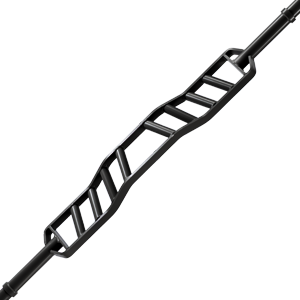
American Thin Press Cambered Neutral Grip Bar
The 2.5-inch camber can extend or shorten the pressing path. Use the extra range only when you can control it—this bar creates an option, not an obligation.
10 Hydration Beyond the Gallon Jug
Carrying a gallon of water does not prove you are hydrated. It proves you own a gallon jug.
Hydration is a moving balance between intake and loss. Water is distributed inside cells, between cells, and in the blood. Sodium, potassium, chloride, glucose, proteins, hormones, kidney function, sweat rate, temperature, and exercise duration all influence where that water goes and how well the system holds together.
The original argument was right about one thing: water does not work alone. It moved too far when it reduced hydration to intracellular swelling and treated every other compartment like a waiting room.
Water Follows Osmotic Gradients
Water crosses cell membranes by osmosis, including via aquaporin channels. Dissolved particles influence that movement. Electrolytes carry a charge and are essential for nerve impulses, muscle contraction, and fluid balance. The body regulates them tightly because both deficiency and excess can cause problems.
Cells also use organic osmolytes—small molecules that help regulate volume without creating the same electrical effects as concentrated ions. Creatine can contribute to cellular water retention, but that is not its only or primary performance role. Its best-established role in strength training is to support rapid ATP regeneration through the phosphocreatine system.
Trehalose is a sugar with notable roles in research on cellular stress and in organisms that tolerate extreme conditions. That does not make it an established hydration ingredient for lifters. The original recommendation to sip creatine, trehalose, and electrolytes all day was a theory, not a standard sports-nutrition protocol.
| Part of the System | What It Does | What Lifters Commonly Get Wrong |
|---|---|---|
| Water | Supports blood volume, temperature control, transport, and cellular function. | More is not always better; excessive intake can dilute sodium. |
| Sodium and Other Electrolytes | Support fluid balance, nerve signaling, and muscle contraction. | Needs vary with sweat losses, diet, environment, and medical history. |
| Carbohydrate | Supports high-intensity work and can improve fluid absorption in appropriate exercise drinks. | A sugary drink is not necessary for every 45-minute lifting session. |
| Creatine | Supports phosphocreatine stores and repeated high-intensity performance; early use may increase body water. | The water gain is not dehydration, and creatine is not merely a cell-swelling trick. |
The “Cell Danger State” Needs Better Boundaries
Severe dehydration stresses cells and the cardiovascular system. It can reduce plasma volume, raise heart rate, impair heat loss, increase perceived effort, and reduce performance. Cell volume also influences signaling in laboratory models.
That does not prove the internet version of the “cell danger state,” where a slightly flat muscle supposedly shuts off all protein synthesis, abandons fat oxidation, buries hormone receptors, and becomes unresponsive to testosterone or insulin. Receptor biology is far more complicated. Dehydration is a performance problem; it is not a universal explanation for every poor response to training or medication.
The same applies to protein folding. Water is essential to protein structure and cellular chemistry, but a lifter does not create amyloid plaques because one workout left him under-hydrated. That leap turns basic biology into fear marketing.
A Sports Drink Does Not Electrically Shock the Heart
The original scenario described a dehydrated football player slamming 32 ounces of sports drink, “frying” uncharged cell membranes, and immediately entering atrial fibrillation. That is not a sound account of exercise physiology.
Cardiac rhythm problems can occur around strenuous exercise, heat illness, stimulant use, underlying heart disease, and serious electrolyte disturbance. Both severe dehydration and excessive fluid intake can be dangerous. Drinking a normal sports beverage after practice is like connecting a dead AA battery to an industrial generator.
The more realistic danger at endurance events is often overdrinking plain or low-sodium fluid faster than the kidneys can clear it, which can contribute to exercise-associated hyponatremia. At the other extreme, failing to replace substantial sweat losses can worsen heat strain and performance. The right answer depends on the athlete and the conditions.
Confusion, fainting, chest pain, severe shortness of breath, seizure, hot, dry skin, repeated vomiting, or a racing or irregular heartbeat during or after exercise require urgent medical attention. Do not keep experimenting with salt packets.
A Practical Hydration System
For ordinary lifting in a climate-controlled gym, thirst, regular meals, and water are enough for many people. Longer sessions, high heat, heavy equipment, repeated conditioning, and high sweat rates change the equation.
- Begin training normally hydrated instead of trying to repair the entire day in the parking lot.
- Drink during the session according to thirst and known sweat loss. Avoid both deliberate dehydration and forced overdrinking.
- Use carbohydrate and electrolytes when the duration, heat, sweat rate, or repeated high-intensity work justifies them.
- Weigh before and after demanding sessions under similar conditions to estimate sweat loss. Include fluids consumed when interpreting the change.
- Replace losses over the hours after training with fluid, food, and sodium—not one violent chug.
- Watch urine trend, thirst, body-weight change, headache, dizziness, and performance together. No single marker is perfect.
- People with heart, kidney, blood pressure, or fluid balance conditions need medical guidance before aggressively increasing sodium or fluid intake.
Creatine belongs in this discussion because it works and because its early water gain is routinely misunderstood. It does not need a mystical osmolyte stack around it. Use a standard evidence-based protocol, take it consistently, and let the boring answer do its job.
11 The Nervous System Has to Come Down
A hard session asks the body to become aggressive, alert, and coordinated. Heart rate rises. Breathing changes. Attention narrows. The nervous system helps you produce force and tolerate discomfort.
The mistake is carrying that state into the rest of the day as though recovery were another event to attack.
The autonomic nervous system is often described as a seesaw between sympathetic “fight or flight” and parasympathetic “rest and digest.” That picture is useful, but the branches are not enemies and are not controlled by a single breathing drill. Both remain active, and the balance changes with posture, emotion, food, temperature, movement, and context.
Still, a deliberate transition after training makes sense. It separates the work from what comes next.
A Five-Minute Post-Training Reset
Stop Adding Stress
Finish the session when the work is done. Do not turn every cooldown into bonus conditioning because you feel guilty leaving.
Get Supported
Lie on your back with your lower legs on a bench, or sit somewhere comfortable. Choose a position that does not create pain or dizziness.
Slow the Exhale
Take ten quiet breaths through the nose when possible. Let the exhale run slightly longer than the inhale without forcing a huge breath.
Check the Basics
Notice whether you are overheated, lightheaded, under-fueled, or dehydrated. Recovery begins with the problem in front of you.
Leave With a Plan
Know the next meal, the next training day, and the bedtime target. A calm transition is easier when nothing urgent is being invented in the parking lot.
Repeat It
One reset is pleasant. A repeated post-training routine becomes a cue that the hard part of the day is over.
Slow breathing can reduce arousal and help some people feel more settled. It does not instantly switch on muscle protein synthesis. The benefit is practical: you leave the gym less wound up, more aware of your condition, and less likely to drag the session’s intensity into the commute, the next meal, and bedtime.
Pain, Protection, and the Brain’s Map
Pain and movement restriction are influenced by tissue condition, training load, sleep, fear, previous injury, coordination, and the nervous system’s interpretation of threat. A shoulder can feel guarded without a major structural injury. It can also hurt because something is injured. The job is to stop treating those two possibilities as identical.
Posturology and systems such as Reflexive Performance Reset use sensory inputs—including the eyes, mouth, skin, and feet—to change movement or muscle tone. Some drills may alter a person’s awareness or performance in the moment. The evidence for diagnosing whole-body dysfunction through a lagging eye, tongue position, or a pressure point is limited.
| Input | Reasonable Use | Overreach to Avoid |
|---|---|---|
| Eyes | Vision and gaze influence balance, orientation, and some motor tasks. Eye-tracking drills can be useful in specific coaching or clinical settings. | A small tracking difference does not prove the brain is locking the hips or shoulders for safety. |
| Tongue and Jaw | Jaw tension and breathing habits can affect comfort and bracing. A relaxed jaw or consistent tongue cue may help some athletes. | Tongue position is not a master switch that unlocks every joint. |
| Feet | Tripod pressure, footwear, and contact with the floor matter for balance and force transfer. | Uneven pressure does not automatically mean the brain believes you are falling off a cliff. |
A drill earns a place when it produces a useful change that carries into the movement you care about. Test it. Re-test the squat, press, gait, or range. Then ask whether the improvement lasts and whether it solves the actual problem.
Do not let a temporary change become a dramatic diagnosis. If a painful shoulder feels better after an eye drill, that is interesting. It does not rule out tendon injury, cervical involvement, poor programming, or a technique problem. Persistent pain, weakness, numbness, instability, or loss of function deserves an assessment from a qualified professional.
Mobility Is Access Plus Control
Stretching can increase access to a position. Sensory drills can change how a position feels. Soft-tissue work can reduce discomfort for a while. None of those tools builds control by itself.
Keep the range you gain by loading it at an appropriate level. Use tempo, pauses, isometrics, controlled eccentrics, and gradual exposure. The nervous system learns safety through repeated success, not from being told it is broken.
The Original Stick — Travel Stick
A compact self-massage tool for short-term comfort and warm-up. It can help you feel ready to move; it does not “break” fascia or replace treatment.
FINAL Build the Pyramid in the Right Order
Physical optimization is not a single product, a single pathway, or a perfect morning routine. It is a hierarchy of decisions.
At the bottom are the variables that look too ordinary to sell: a stable schedule, enough sleep opportunity, food you can digest, water and electrolytes that match the conditions, basic medical care, and a nervous system that is not pinned at full throttle all day.
Above that sits the work: a program with clear goals, exercises you can execute, enough effort to create adaptation, enough restraint to recover, and enough time to measure the result.
Only then do tools become useful. A specialty bar can solve a programming need. Creatine can support repeated high-intensity performance. A wearable can reveal a trend. A qualified clinician can prescribe a drug for an identified problem.
None of those belong at the base.
Use this order when the next shiny object appears:
- Name the problem in one sentence.
- Show the training and recovery data that prove it exists.
- Fix the cheapest, safest, most foundational cause first.
- Add one change at a time.
- Decide in advance what result would make you keep or remove it.
- Put medical decisions in the hands of licensed professionals who can screen and monitor you.
Advanced tools should sharpen a strong system. They should not distract you from building one.
Train hard enough to create a reason to change. Eat in a way you can digest and repeat. Sleep on purpose. Build work capacity. Keep your medical decisions out of affiliate funnels.
Then, when a tool truly solves a problem, use it.
Equipment That Supports the Foundation
These products match the training ideas in this article. They are tools—not substitutes for programming, coaching, or medical care.
elitefts Power Bar
A powerlifting bar with aggressive knurling for the squat, bench press, and deadlift.
Shop the Power Bar →WORK CAPACITYelitefts Indoor Sled
A plate-loaded, indoor-friendly sled for drags, conditioning, and simple GPP work.
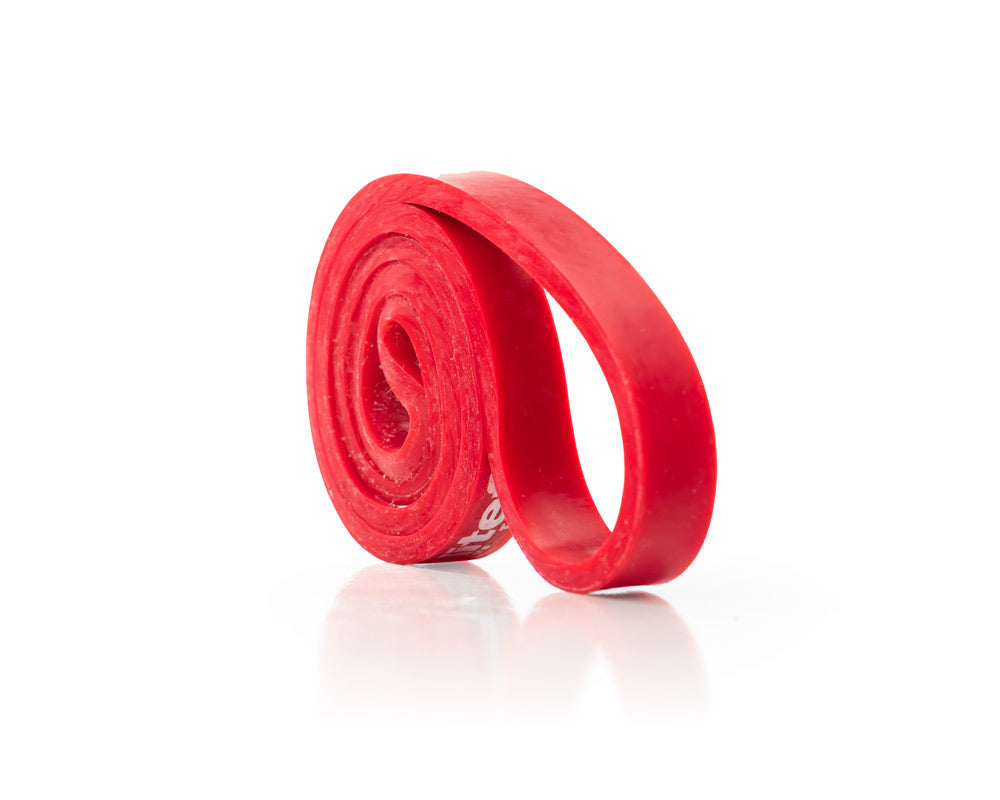
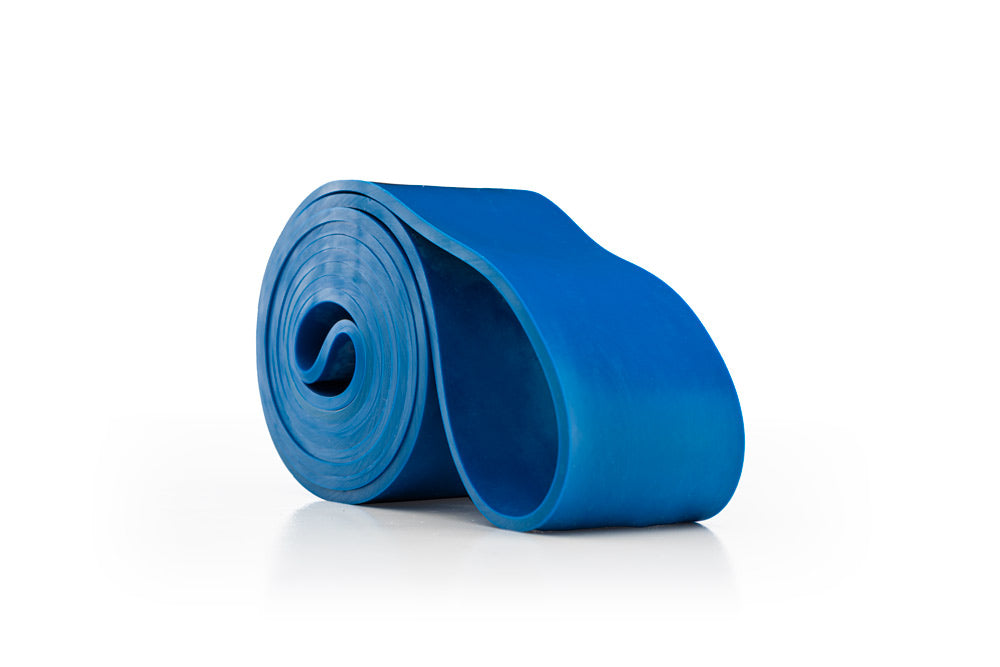
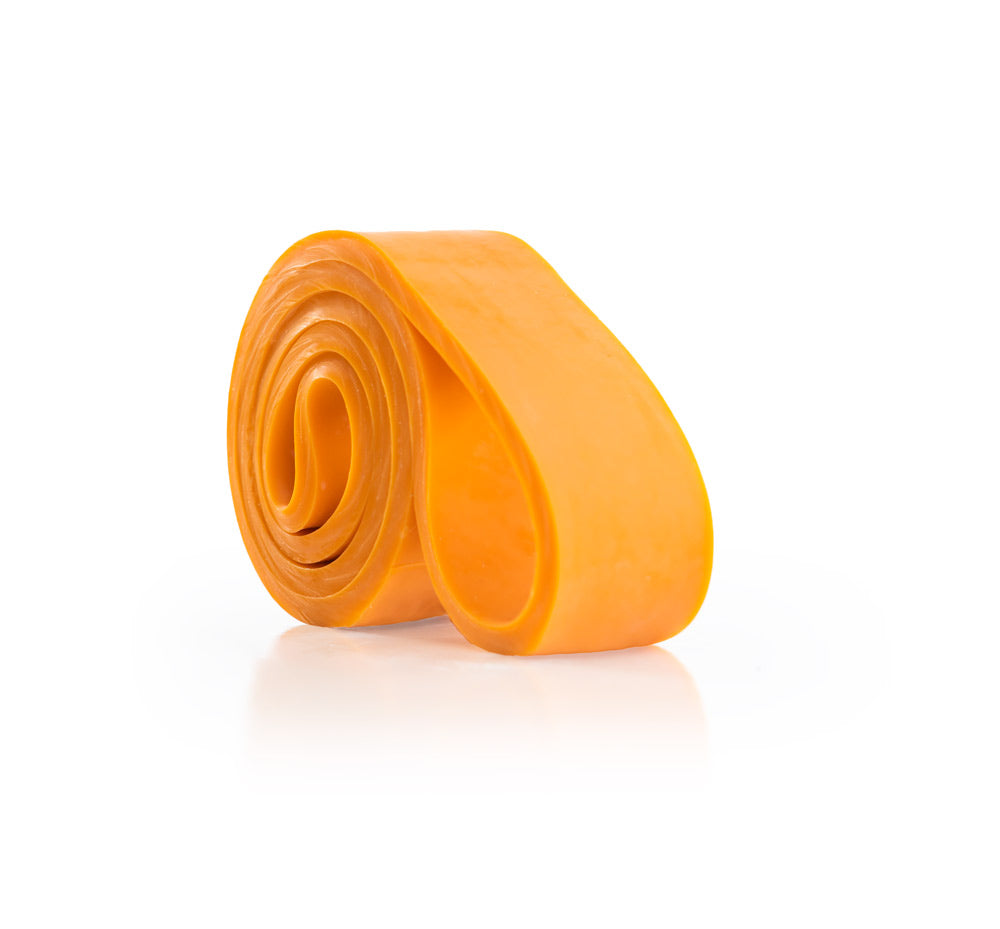
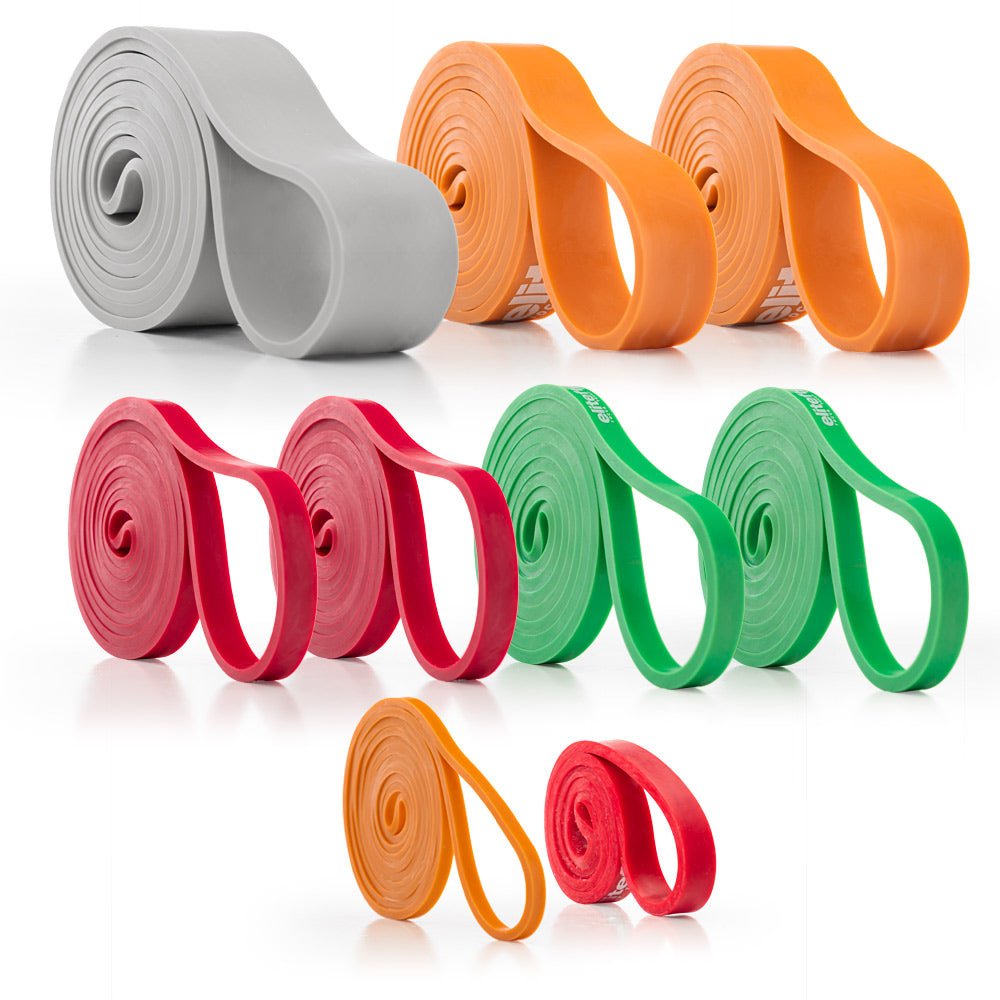
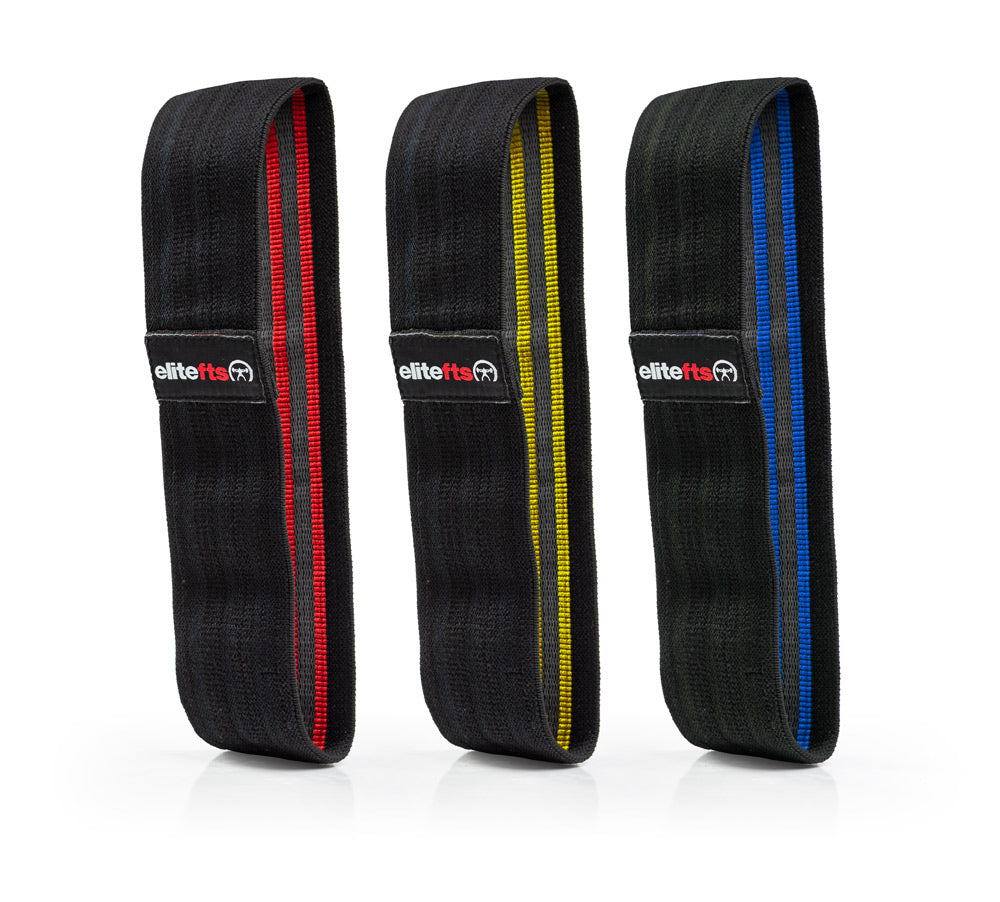
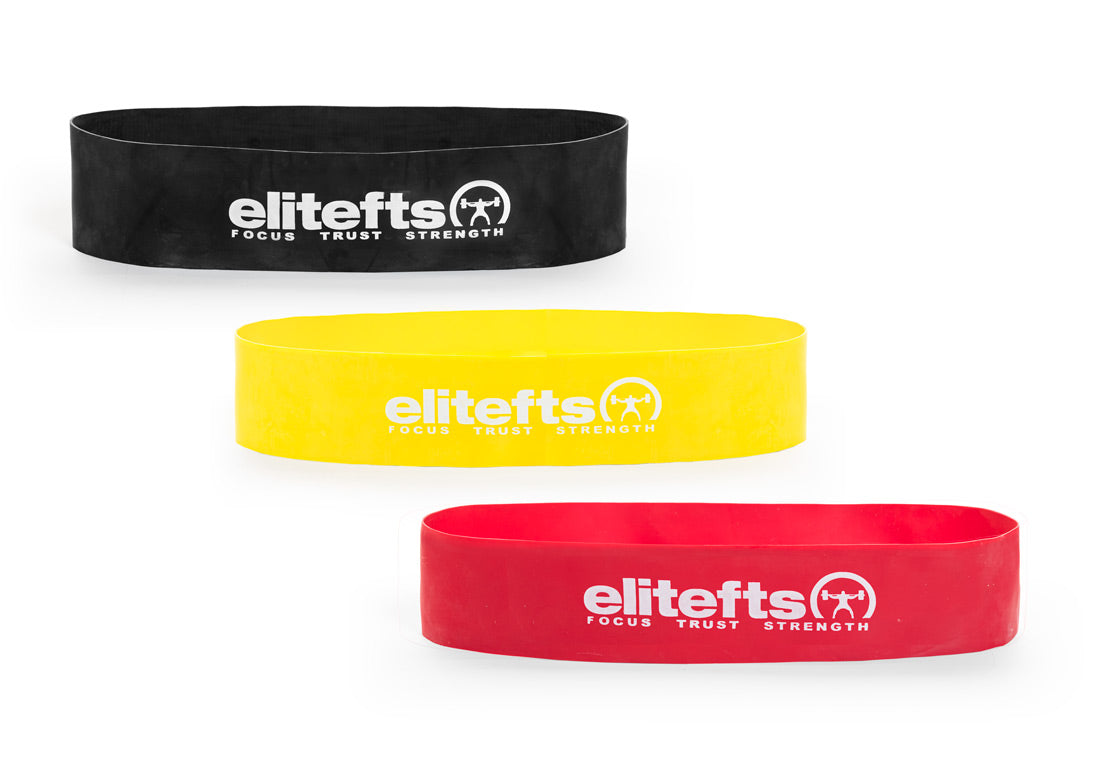
Shop the Indoor Sled →WARM-UPS AND ASSISTANCEPro Light Resistance Band
A versatile band for dynamic warm-ups, assistance work, and accommodating resistance.
Shop the Pro Light Band →PRESSING RANGECambered Neutral Grip Bar
A specialty press bar with multiple neutral grips and a camber that can extend or shorten range.
Shop the Cambered Bar →WARM-UP AND COMFORTThe Original Stick — Travel Stick
A compact self-massage tool that fits in a gym bag and is easy to use before training.
Shop the Travel Stick →Evidence and Regulatory Links
The submitted draft contained bracketed numbers but no bibliography or working source links. Those orphaned markers were removed. The links below support the corrected physiology, safety, and regulatory language used in this edit.
- Table Talk #433: Stop Buying Biohacks Until You Fix Your Training — Anthony Castore
- Exercise-induced myokines and communication between muscle and other organs
- International Society of Sports Nutrition position stand: protein and exercise
- Mitochondrial quality control and exercise
- Exercise-related gastrointestinal symptoms and gut damage
- FDA: Understanding the risks of compounded drugs
- FDA: July 23–24, 2026 Pharmacy Compounding Advisory Committee meeting
- FDA: Concerns with unapproved GLP-1 drugs used for weight loss
- Randomized crossover trial on late dinner, metabolism, and sleep
- NCCIH: Melatonin—what you need to know
- NIDDK: Bladder control problems and evaluation
- Review of stretch-mediated hypertrophy and strength
- Common questions and misconceptions about creatine supplementation