


Coaching • Culture • Character
The Standards Before the Sets
The Principles That Matter More Than Any Program
By Ashley Jones
Programs are tools. Standards determine what athletes do with them.
Inside This Article
Integrity • Maximum Effort • Never Become Comfortable • Standards and Culture • Trust the Process • Mastery • Recovery
Every coach wants the perfect program.
They spend hours debating exercises, arguing over percentages, and discussing velocity zones, cluster sets, French contrasts, and periodization models. Those things matter—I’ve devoted my career to studying and improving them.
But after more than three decades coaching professional rugby players around the world, I’ve come to one conclusion: programs don’t build champions. Standards do.
I’ve seen beautifully designed training plans fail because the athletes lacked discipline. I’ve also seen relatively simple programs produce extraordinary results because the people executing them possessed exceptional standards.
The longer I coach, the less interested I become in finding the next revolutionary training method, and the more interested I become in developing professional habits—because before an athlete can maximize a program, they must first become the kind of person who deserves one.
Principle 01
Integrity Is Training When Nobody Is Watching
Character isn’t built on match day. It’s revealed there.
Character is built on Tuesday morning, when nobody is applauding. It’s built when you complete the final set with the same concentration as the first. It’s built when you return the weights after training, rather than leaving them for someone else. It’s built when you stretch, recover, eat properly, and go to bed early—despite nobody checking up on you.
Integrity isn’t something you switch on when coaches are present. It’s a habit. The best players I’ve coached have almost always been the best professionals. That’s rarely a coincidence.
Principle 02
Maximum Effort Is the Minimum Requirement
One question I’ve often asked players after training is remarkably simple:
“Did you honestly give everything you had today?”
Only they know the answer. As coaches, we can monitor heart rate, GPS data, force plates, and bar speed—but none of those technologies can accurately measure intent. Intent is still the athlete’s responsibility. If you consistently leave the gym knowing you could have given more, you’re developing the habit of underperforming. Eventually, that habit appears on the field.
Principle 03
Never Become Comfortable
Success can be dangerous. The moment an athlete believes they’re strong enough, fast enough, or fit enough, improvement stops.
I’ve coached World Cup players who never lost the desire to improve. They were already among the best players on the planet, yet they still wanted better technique, greater speed, more strength, and higher work capacity. That’s why they stayed there.
The average athlete trains to reach a standard. The elite athlete trains knowing there isn’t one.
Principle 04
Standards Are Contagious
Culture isn’t created by speeches. It’s created by behaviors that are repeated every day. One phrase I’ve used for years is simple:
Whatever you walk past, you accept.
If players consistently arrive late and nobody challenges them, lateness becomes acceptable. If poor technique is ignored, poor technique becomes the standard. If recovery is neglected, eventually everyone begins neglecting recovery.
Standards drift downward unless somebody deliberately raises them. Every player has a responsibility to contribute to that environment. Leadership isn’t a title—leadership is protecting the standard.
Principle 05
Trust the Process
Athletes often ask why they’re doing a particular exercise. That’s a fair question, and as coaches, we should always be able to explain our reasoning. But once the rationale is understood, commitment becomes essential.
No program works if athletes continually modify it to suit their preferences. The exercises they enjoy are rarely the ones they need most. The squat isn’t always enjoyable. Repeated accelerations aren’t always enjoyable. Conditioning isn’t always enjoyable. They’re effective because they solve problems—not because they’re entertaining.
Principle 06
If Training Is Boring, You’re Probably Not Working Hard Enough
People occasionally tell me training is boring. Sometimes they’re right—more often, they’re simply not training with enough intent.
Heavy squats aren’t boring when every repetition demands total concentration. Olympic lifting isn’t boring when every movement requires precision. Sprint training isn’t boring when every effort is maximal. Intensity creates engagement. Half-hearted effort creates boredom.
Principle 07
Chase Mastery, Not Novelty
Our profession has become obsessed with variation. Every month, there’s another exercise variation promising revolutionary results. The irony is that the athletes who become truly exceptional usually spend years mastering relatively ordinary movements:
- Squat well.
- Sprint well.
- Jump well.
- Land well.
- Change direction efficiently.
- Recover properly.
- Repeat.
Mastery has never been fashionable, because it isn’t exciting. It’s repetitive. It’s disciplined. It’s often boring. It’s also where excellence lives.
Principle 08
Be a Professional Before You’re Paid Like One
One of the easiest ways to identify future elite players is to observe how they behave before training begins:
- Are they prepared?
- Do they arrive early?
- Do they organize their equipment?
- Do they warm up with purpose?
Professionalism isn’t defined by your contract. It’s defined by your habits. The best professionals I’ve coached acted professionally long before anyone called them professionals.
Principle 09
Have the Courage to Speak Honestly
High-performance environments demand honest conversations. If a player disagrees with something I’ve programmed, I want to hear it. We’ll discuss it. We’ll challenge each other.
What I don’t tolerate is complaining behind closed doors. Constructive disagreement improves performance; whispering criticism destroys culture. Strong teams communicate directly. Weak teams communicate indirectly.
Principle 10
Recovery Is Part of Training
One of the biggest misconceptions in sport is that training creates improvement. It doesn’t. Training creates fatigue. Recovery creates adaptation.
- Sleep.
- Nutrition.
- Hydration.
- Mobility.
- Stress management.
These aren’t optional extras. They’re the foundation that allows hard training to become meaningful. I’ve often used a simple analogy with players: if you want to perform like an Aston Martin, don’t treat your body like a Mitsubishi Mirage. Elite performance demands elite maintenance.
Principle 11
The Program Is Only the Beginning
Over the years, I’ve become convinced that coaching has far less to do with sets and repetitions than most people imagine. Programs matter. Exercise selection matters. Loading matters. But they’re only tools.
The real work lies in creating an environment where high standards become normal and mediocrity becomes uncomfortable. That’s what separates good teams from great ones. The strongest athletes I’ve coached weren’t always the most talented—they were the most disciplined. The fastest weren’t always genetically gifted—they simply refused to lower their standards.
Long after athletes have forgotten the exact percentages they lifted or the conditioning sessions they completed, they’ll remember the standards that shaped them. And those standards—not the program—will continue to influence every part of their lives. Because strength and conditioning have never been just about building stronger athletes. At its best, it’s about building stronger people.
Strength and conditioning have never been just about building stronger athletes. At its best, it’s about building stronger people.
Recommended Equipment
Build the Environment. Protect the Standard.
The right equipment cannot replace intent, discipline, or coaching, but durable tools make it easier to build repeatable habits and hold athletes to a consistent standard.
Elitefts Resistance Bands
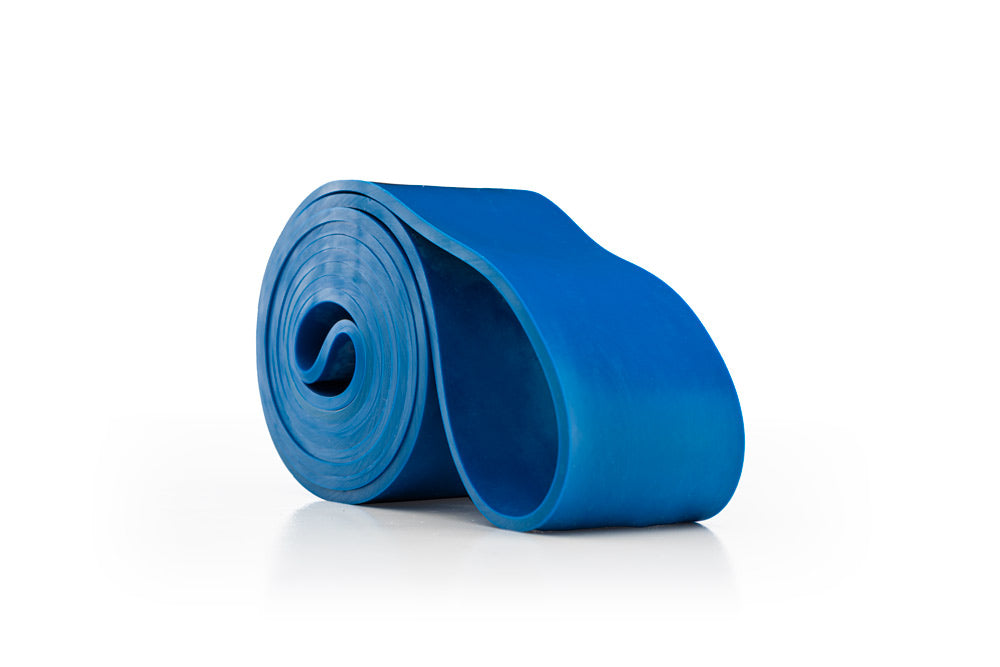
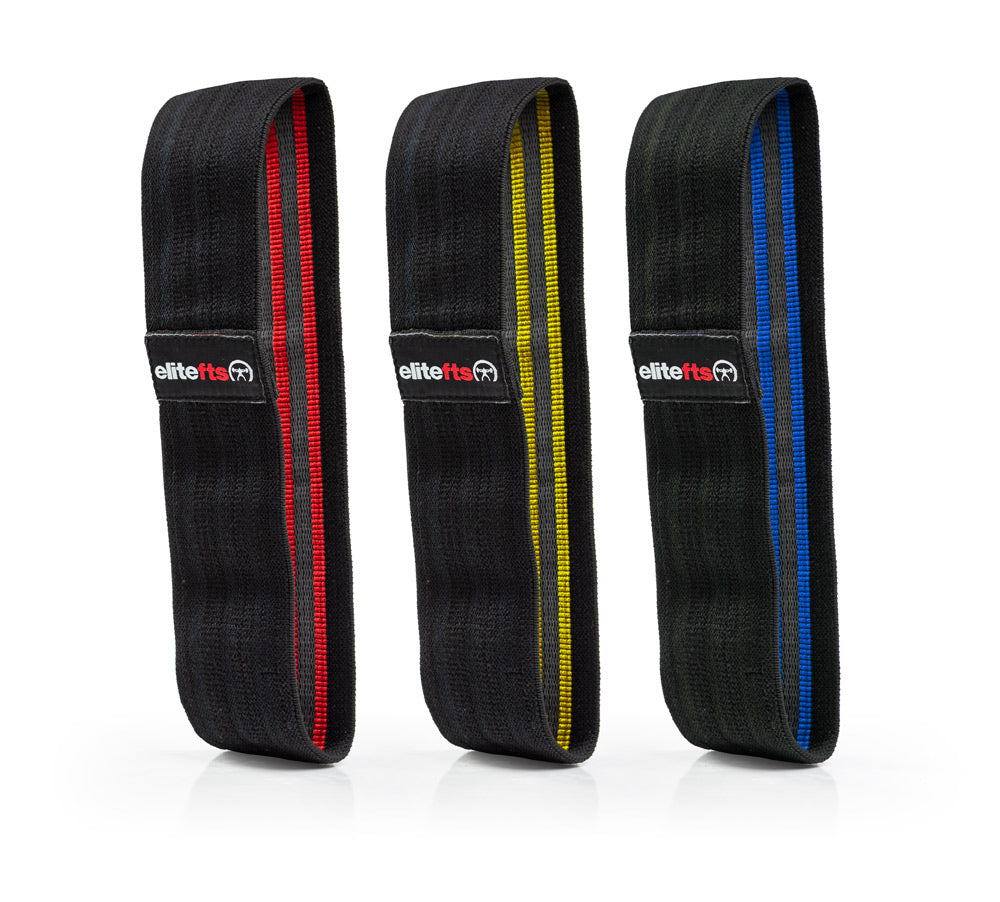
Useful for purposeful warm-ups, mobility work, accommodating resistance, assistance work, and accessory training.
Shop BandsBarbells and Training Bars
Build technical consistency around the movements that matter with power bars, squat bars, deadlift bars, and specialty options.
Shop BarbellsElitefts Power Racks
Create a dependable training station for serious home gyms, private facilities, and team environments.
Shop Power RacksRecovery and Rehab Tools
Support mobility, soft-tissue work, and better recovery habits with practical tools that belong inside the training environment.
Shop Recovery Tools
About Ashley Jones
Ashley Jones is a strength and conditioning coach with more than 30 years in professional sport across seven countries. He is best known for his work in rugby at the club and international levels, including two Rugby World Cups with teams from both hemispheres. He was named NSCA Professional Coach of the Year in 2016 and received the NSCA Boyd Epley Lifetime Achievement Award in 2023. He is also a long-time Elitefts columnist.