

Table Talk / Strongman
Torn Biceps, Strongman, and the Long Game
Josh Hendrickson on training through setbacks, chasing a sub-20 5K, building 580 Barbell, coaching strongman, promoting better contests, and why most lifters need to stop rushing the process.
Strength sports have a way of exposing what is real. The weight does not care what you posted, what you planned, or what you thought you were ready for. In this Table Talk conversation, 580 Barbell owner, strongman competitor, promoter, and coach Josh Hendrickson gets into the part that matters: what happens when the plan breaks, the injury hits, the show goes sideways, or the next level costs more than you expected.
This is an edited, cleaned, and organized adaptation of the full conversation. The filler, duplicate timestamps, and obvious transcription errors are gone. The lessons are not.
- Injuries change the plan, not the standard. Find productive work you can actually recover from and keep moving forward.
- Strongman rewards adaptability. Every contest is a different problem, so training has to prepare the athlete—not just the spreadsheet.
- More training days are not automatically better. Three high-quality days can beat four rushed ones when work, family, and recovery are real constraints.
- Good promoters protect the athlete's experience. Start small, build a dependable crew, and earn the right to scale.
- The long game wins. Talent matters, but strength sports are full of people who got good because they kept showing up after the novelty wore off.
Tearing a Bicep Before the Arnold
Hendrickson was finishing his last heavy press day before the Arnold when a 286-pound axle clean went wrong. The hand in the supinated position was the side that tore. There had been no warning sign, no long stretch of nagging pain, no obvious signal that the next rep was going to change the entire training cycle.
That timing mattered. He was competing in the 80-kilogram class, felt good about the event lineup, and believed he had a real shot at making the finals. Strongman can be brutally specific: one event list can fit an athlete perfectly, while a different five or six events can change the entire competitive picture. This one fit him.
Then the bicep went.
“This injury isn’t going to decide whether I show up. I’m going to find a way to train around it.”
He had surgery within days. The emotional hit was immediate, but so was the instinct to keep training. Before surgery, he was already looking for what he could still do. That does not mean the answer is to ignore pain, rush a repaired tendon, or turn recovery into a toughness contest. The useful lesson is simpler: when one route closes, productive athletes start looking for the next available route.
Strongman also changes the injury equation because so many events can load the biceps hard—stones, sandbags, axle cleans, mixed-grip pulling, loading medleys. That meant Hendrickson could not just think about getting “strong” again. He had to think about returning to specific tasks and managing fatigue in the repaired arm.
The early target became the range of motion. He talked about how psychologically strange it was to see an arm that would not fully straighten and wonder if an overhead lockout would ever look normal again. That uncertainty is part of serious injury: you are not only dealing with tissue. You are dealing with the loss of a movement you have taken for granted for years.
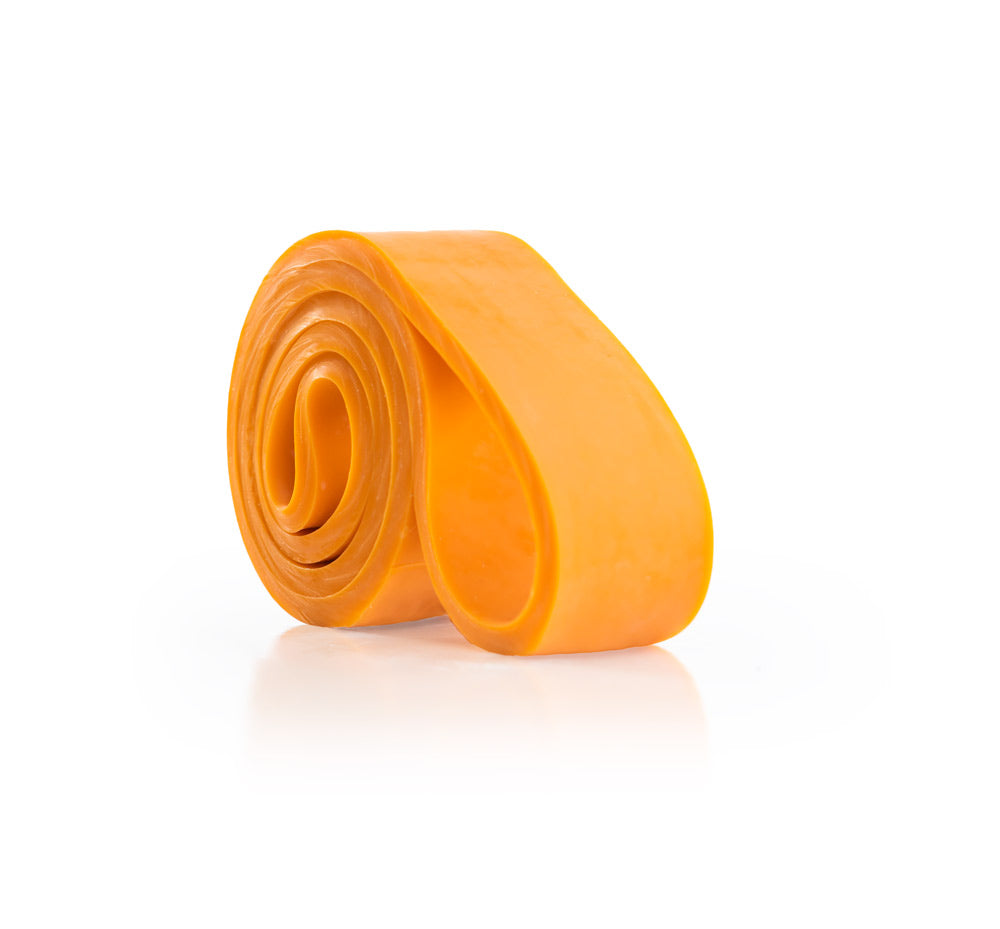
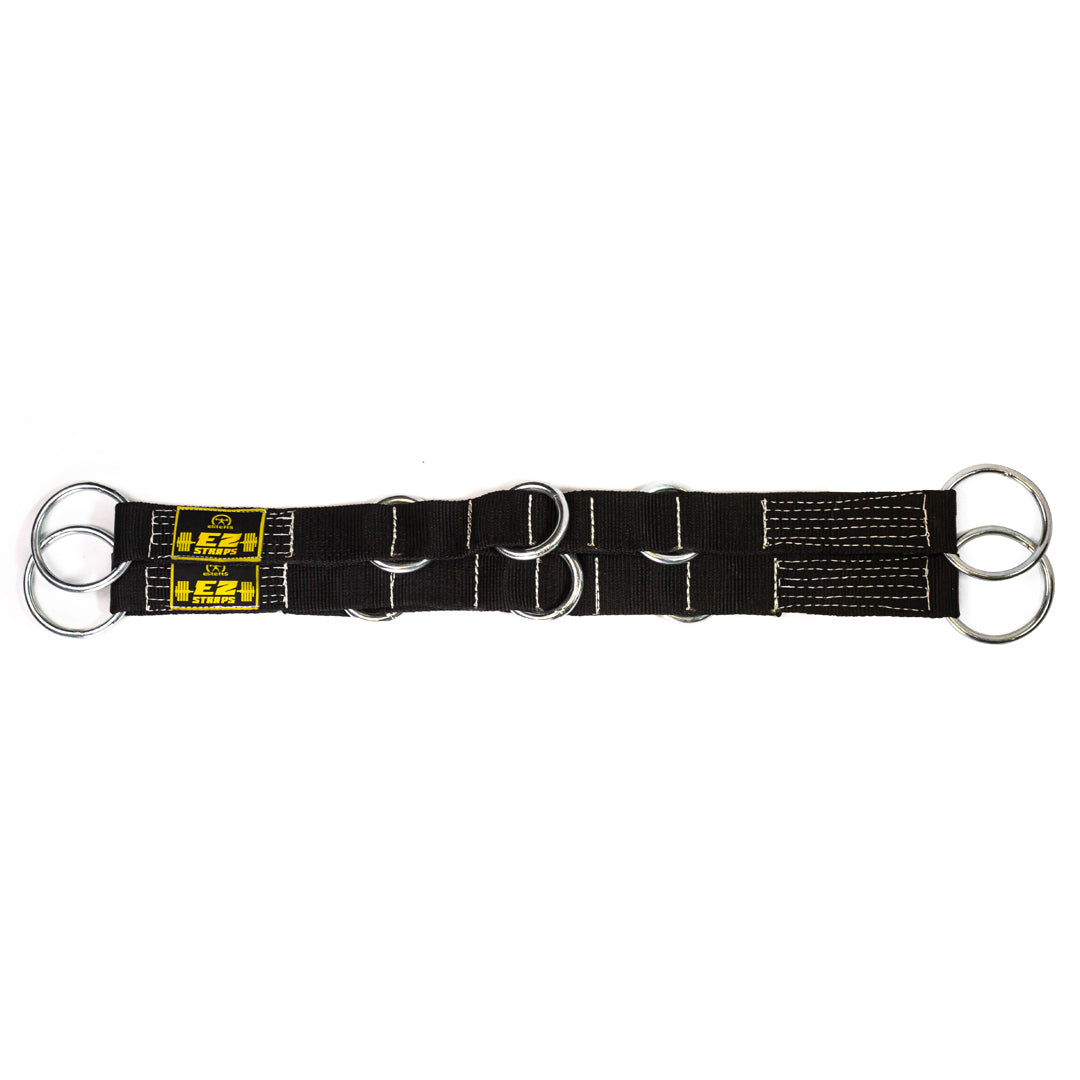
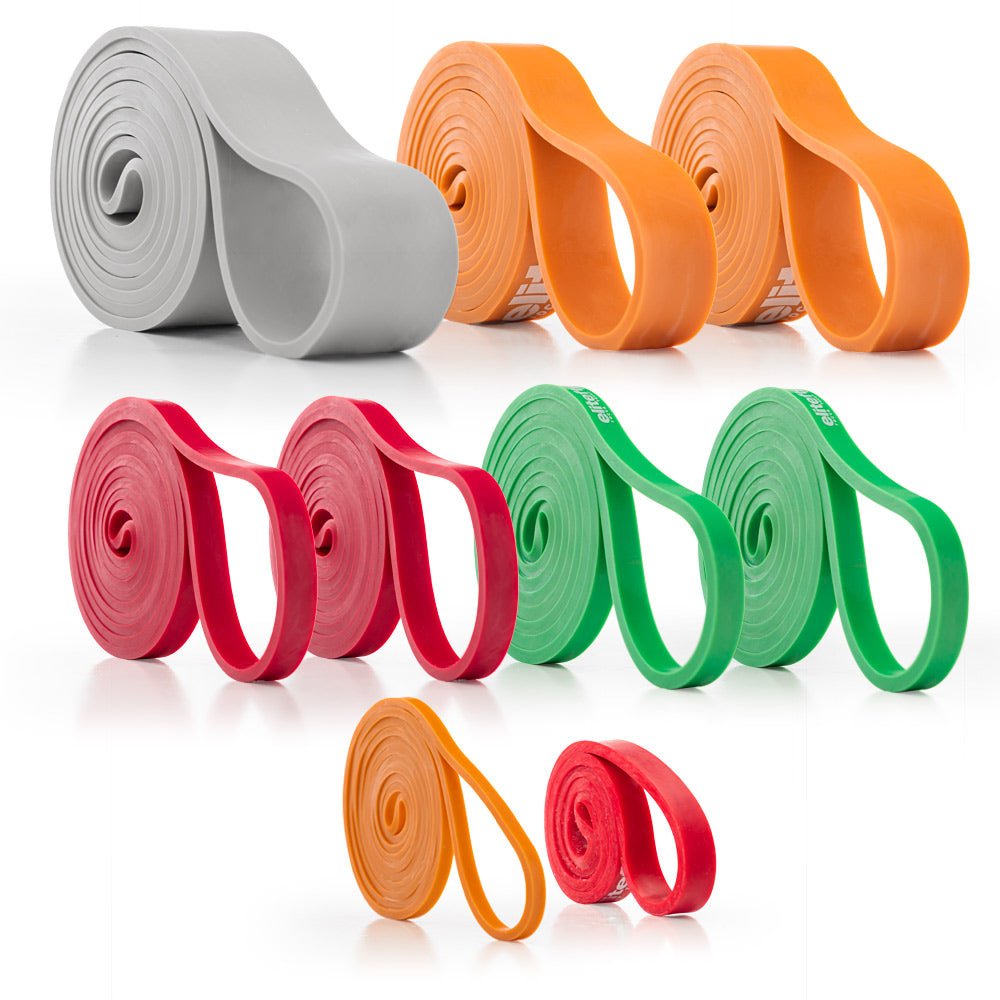
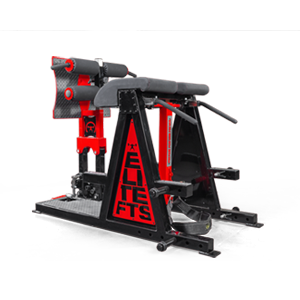
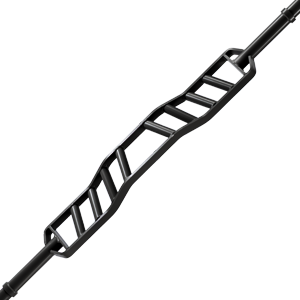
elitefts Gear / Pulling & Pressing
Tools for the work—not shortcuts around rehab.
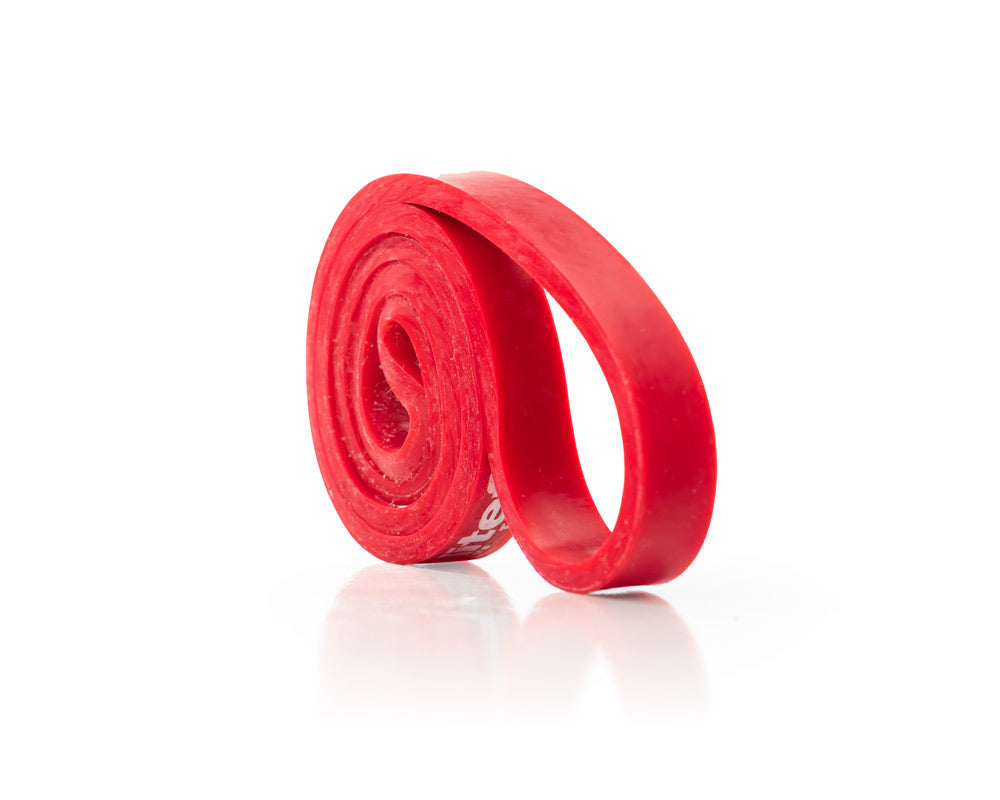
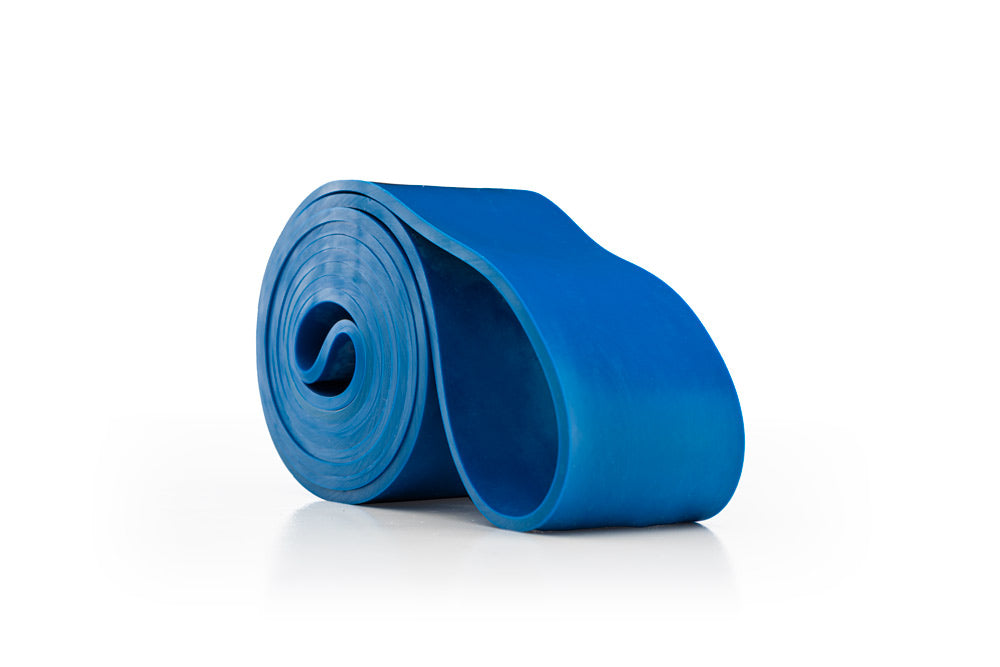
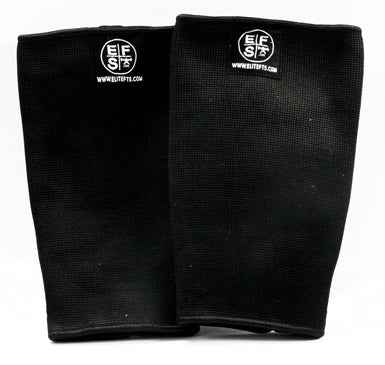
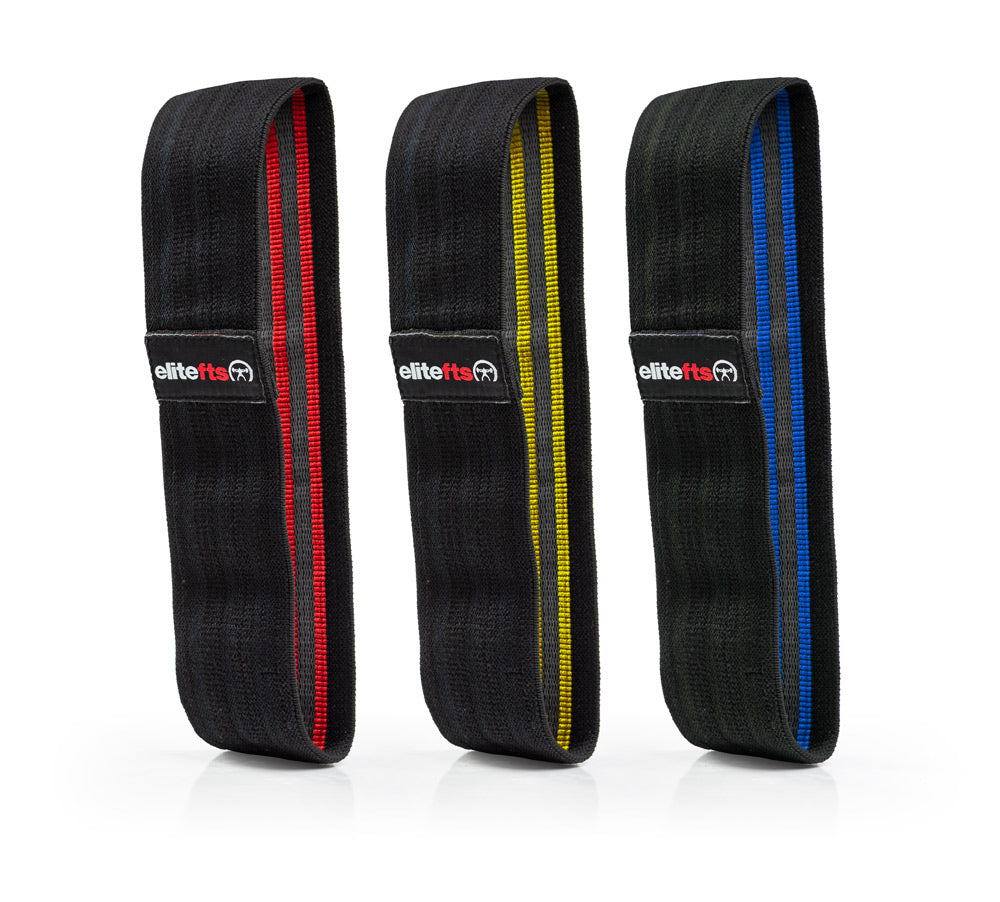
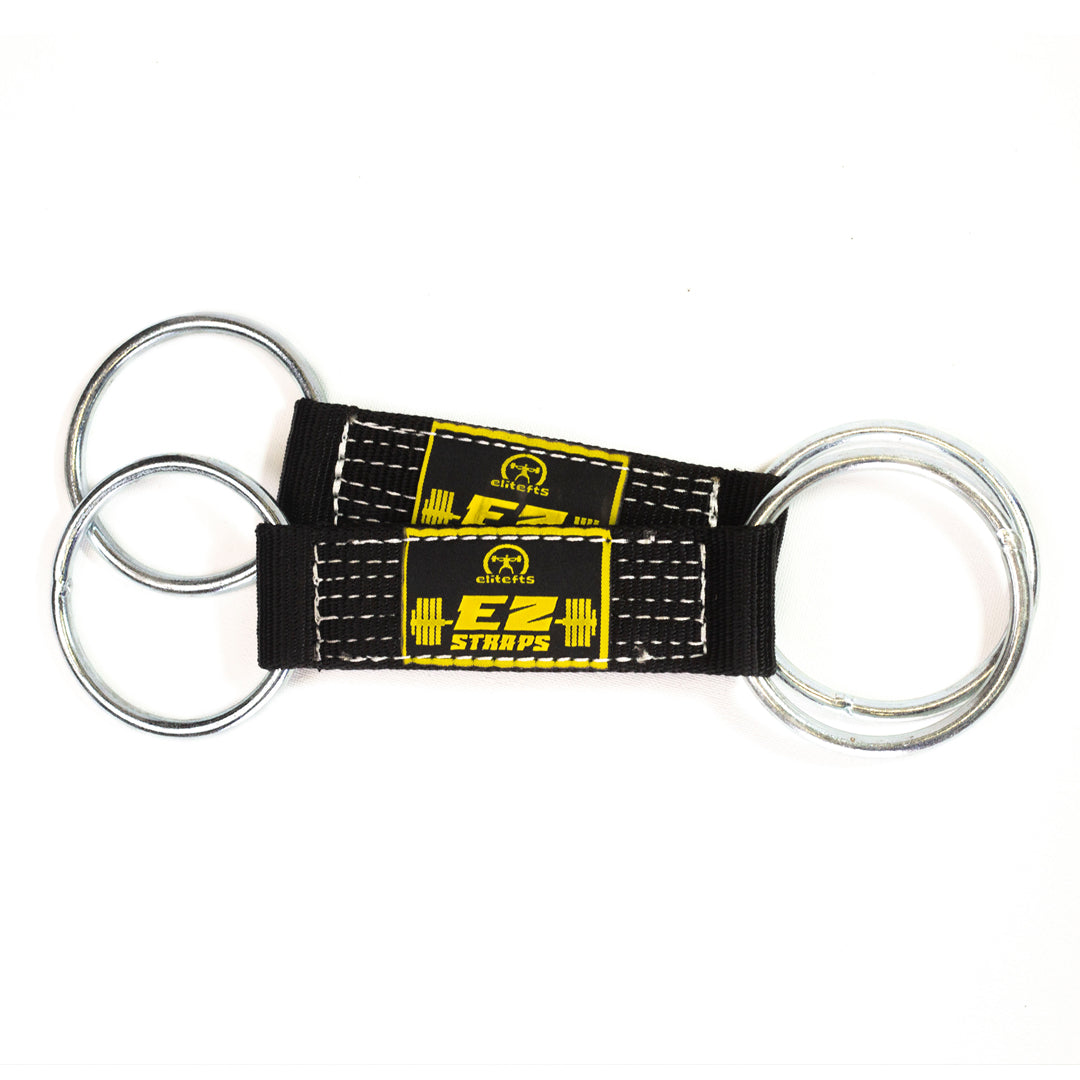
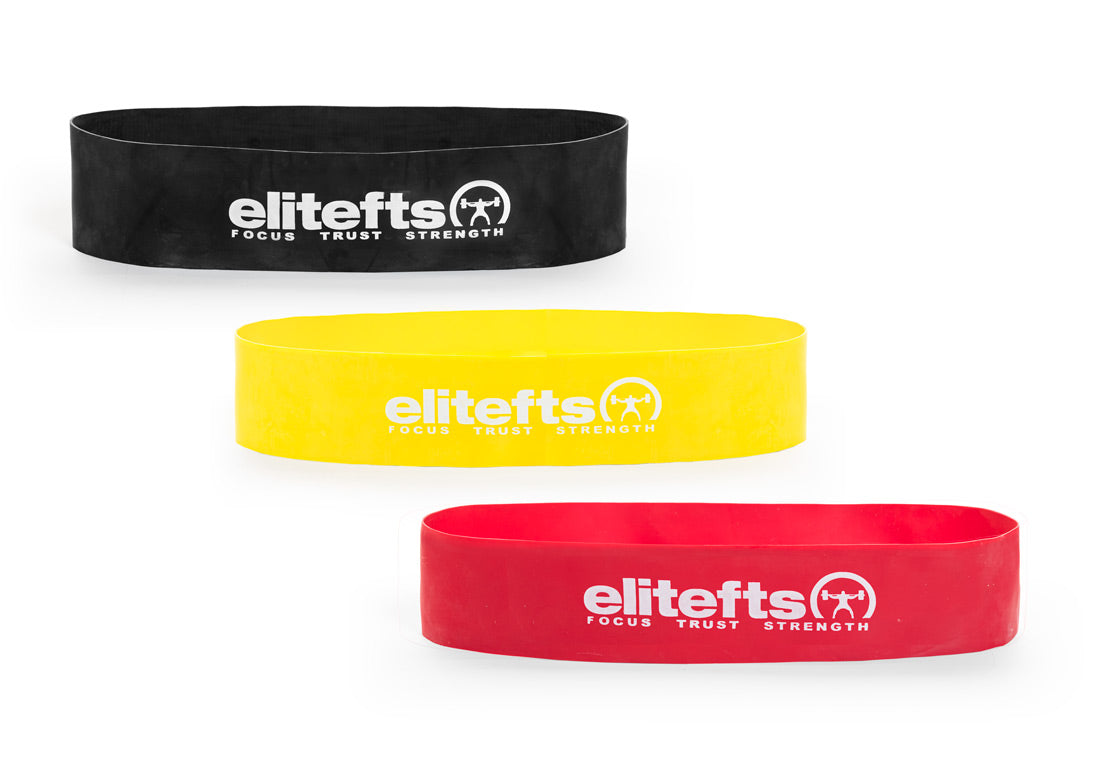
Once an athlete is cleared for the work ahead, the right support gear can make strongman training more specific and repeatable.
Training Through Injury Against Doctor’s Orders
The rehab discussion gets messy fast because athletes are rarely satisfied with generic timelines. Hendrickson had a surgeon, a medical team, and access to a physical therapist who understood strongman. He also had the mentality of someone who had spent years organizing life around training.
For roughly the first two weeks, he described closely following the prescribed restrictions. After that, his approach became more aggressive and more movement-focused. He worked on pronation and supination, assisted hangs, controlled range of motion, and had frequent low-level exposure throughout the day.
The important point is not to copy his protocol. It is that the comeback had measurable targets. Can the arm extend farther? Can a controlled movement be tolerated? Does fatigue rise too quickly? Can a pattern be repeated without the next session getting worse? Recovery becomes less mysterious when the athlete and clinician can identify what is actually improving.
The conversation also hits a problem experienced lifters know well: doing rehab twice a week is not the same as living the rehab. Small, repeatable work performed consistently can create momentum that one heroic session cannot. Hendrickson noticed his range improved as the day went on, especially after waking stiff. More attention, more frequent movement, and better feedback gave him a clearer picture of what the arm could handle.
He also redirected his competitive drive instead of pretending it had disappeared. That decision becomes the bridge to the next chapter.
From Strongman to Chasing a Sub-20 5K
If you take a competitive athlete away from the thing he is used to chasing, he will usually find something else to chase. Hendrickson could not immediately go back to the kind of heavy, strongman work he wanted, so he picked a goal that had nothing to do with axle cleans or 700-pound pulls: run a sub-20-minute 5K.
At first, he made the classic strength-athlete mistake—he treated running as if it were too simple to have a learning curve. Go outside. Run hard. Done. The shin splints quickly corrected that idea.
He started asking competitive runners questions and learned to respect the difference between running a hard 5K and building the base required to run one well. Longer, slower runs were not wasted mileage. They built durability, gave him more technical reps, and taught pacing under submaximal fatigue. Interval work let him touch faster speeds without turning every run into a test.
The lesson was the same as lifting: stop trying to prove your fitness every session and start building it.
The conversation moves into the old “cardio kills strength” argument. The more useful frame is dosage. A lifter doing one controlled run, walks, intervals, or sled work is not living the same recovery problem as someone running ultramarathons and trying to pull a max deadlift the next morning. Work capacity is trainable, and better conditioning can make a lifter more capable of handling training, not less.
For lifters who hate traditional cardio, loaded conditioning offers another option.
elitefts Gear / Conditioning
Build the engine without pretending you are a distance runner.
Prowler work gives strength athletes a simple way to build legs, lungs, and work capacity with a tool that still feels like training.
Shop the Prowler 2How Strongman Became an Obsession
Hendrickson came into strongman from powerlifting. He saw a guy training with a Húsafell-style stone, an Atlas stone, and a few implements he had never used. A contest was about a month away. He asked the obvious question: Can anybody sign up?
He did, and the sport got him.
What stayed with him was not only the events. It was the experience. That first show mattered enough to eventually shape how he approached promoting. If a first-time competitor walks into a fourteen-hour disaster with confused rules, bad equipment, no communication, and nobody willing to help, the sport may lose that person before they ever get a chance to love it.
That is why he makes a point of recognizing first-time competitors at his shows and asking experienced athletes to help them. Strongman has a novice division for a reason. Someone can arrive with plenty of static strength from powerlifting and still need to learn how to lap a stone, clean an axle, move a yoke, or pace a loading medley.
The bigger lesson is pure elitefts: Live, Learn, Pass On. Hendrickson traces much of his own development to stronger, more experienced people who answered questions when they did not have to. Louie Simmons is sending equipment and books to a college powerlifting club. Lifters are taking the time to explain why a movement was programmed. Coaches are letting a younger athlete into the room and expecting him to pay attention.
That culture does not grow through slogans. It grows when the experienced person replies to the message, watches the set, fixes the mistake, and helps the next person avoid wasting 3 years learning the hard way.
The Hidden Problem Holding Strongman Back
Strongman has an unusual advantage that people sometimes treat like a weakness: it is small.
Small means the same athletes see each other repeatedly. Small means a new competitor can often message a promoter, coach, or state chair and actually get an answer. Small means the community can feel personal in a way that huge sports cannot.
The mistake is pretending the niche is bigger than it is. That creates bad decisions—especially around sponsorship. A promoter can sell a small brand to a fantasy audience, collect money once, deliver no measurable return, and guarantee that the sponsor never comes back. That is not growth. It is an extraction.
Hendrickson’s alternative is more practical: build sponsorships around fit. At Pittsburgh’s Strongest Man, local brands became part of the event itself. Iron City beer supplied branded kegs. A local fabrication idea turned Heinz ketchup bottles into a front-hold implement. That makes the sponsor visible in a way a logo buried on the back of a shirt never will.
The conversation also points out that the people most likely to see direct business value from a strength event are not always supplement companies or equipment brands. Coaches already have athletes at the contest. A few new long-term clients can justify the trip. That is a more honest value exchange than asking a small retailer to spend thousands on a booth with no realistic path to break even.
If the sport is small, lean into what small does better: access, community, creativity, and actual relationships.
Why Most First-Time Promoters Fail
The first strongman show Hendrickson promoted was intentionally small. He took advice from an experienced promoter: do not chase a massive sponsor package, do not build an event you cannot control, and do not start by trying to look like the Arnold.
He opened a limited number of spots, kept the show simple, and focused on making the day a good one. Then he added competitors over time. Forty becomes fifty. Fifty becomes a larger regional. The volunteer crew gets better. Judges become consistent. Reliable people get invited back. The event grows because the system can handle it—not because the promoter got excited and printed “Classic” on a shirt.
A bad event choice can add hours to a show. Too many competitors can crush the schedule. Unclear standards can turn judging into arguments. Volunteers who are not fed, briefed, or appreciated stop volunteering. None of those problems gets solved by a bigger banner.
The rule is simple: start small and earn complexity.
The same lesson applies to almost every strength business. A gym, coaching roster, meet, seminar, or content project becomes fragile when the public-facing version outpaces the back-end systems that support it.
Building the Dream Strongman Gym
Hendrickson spent years looking for the right gym location while collecting equipment anywhere he could store it. The early versions were improvised: a friend’s garage, then another small space packed with racks, platforms, and strongman gear.
The permanent home appeared almost by accident. He saw a for-rent sign while driving, checked out a basement that had previously been used as a bingo hall, and immediately understood why it worked. Concrete floors. Enough room to build. A landlord with a space that was difficult to use for many other businesses. The kind of location that makes perfect sense for a gym full of things nobody wants to move twice.
That eventually became 580 Barbell, a strength-focused gym built around the equipment Hendrickson wanted to train on himself.
His business model is not presented as a clean MBA case study, and that is part of the point. The gym, coaching, competition promotion, and his full-time work all support one another. Coaching income can help fund equipment. The gym creates a place to coach and train. Events strengthen the community. The day job reduces the pressure to make every decision around immediate gym profit.
That freedom lets him buy equipment because it improves the room. Inverse curl? Get it. Another specialty implement? Find a place for it. The result is a facility built by a lifter who notices when a gym is missing the tool he wants.
The bigger theme is mentorship again. Hendrickson learned early to find the strongest, most knowledgeable people in the room and ask why they trained the way they did. Eventually, he became the person running the room. The obligation then flips: teach the next lifter.
Why He’s Stayed Natural
The performance-enhancing drug discussion is one of the more useful parts of the conversation because Hendrickson refuses to treat it like a rite of passage. His concern is not a moral speech. It is the number of young lifters who see drug use normalized online before they have built years of training, learned how their body responds, or even figured out whether strength sport will still matter to them five years from now.
His position is straightforward: there is no reason for a teenager or early-20s lifter to rush a permanent decision because social media makes advanced drug use look ordinary. Most young lifters are still capable of making enormous progress through better training, better food, better sleep, more muscle, and more time.
That connects directly to the episode's broader theme: stop trying to skip levels.
The chapter also covers everything required to keep training seriously while maintaining a career and a family. Hendrickson is clear that his wife and extended family are a major reason he can manage a gym, clients, contests, his own training, and kids. Show weekends are not one day. Equipment starts moving early, problems appear, athletes need answers, and somebody still has to handle the rest of life.
That support system matters because training is not isolated from the rest of the week. A program that looks perfect on paper can fail if it requires a lifter with young kids and a 60-hour workweek to produce four perfect sessions every seven days.
That is why Hendrickson has become more willing to use three-day schedules or eight-day rotations. Quality beats obligation. If three sessions can be trained hard, recovered from, and executed consistently, they can outperform a four-day plan that the athlete is constantly rushing, missing, or surviving.
His time around Westside helped shape that coaching mindset, too. The famous Louie Simmons stories are funny, but the lasting part was the exposure to people willing to explain the system—and the realization that a system still has to be adapted as the sport changes. Powerlifting principles can inform strongman, but strongman adds moving events, odd objects, variable implements, conditioning, and contest-specific demands. The coach still has to think.
The Strongman Training Blueprint
Strongman programming starts with a problem powerlifting does not have: the competition can change almost everything.
Squat, bench, and deadlift are standardized enough that a powerlifter knows the competitive movements months in advance. Strongman may give you a deadlift ladder, a max log, a stone series, a yoke, a frame, a sandbag load, a front hold, a carry medley, or something the promoter built in a welding shop last weekend.
That means the coach has to separate general ability from contest preparation.
1. Fix the limiter first.
If an athlete wants to move from novice to open but does not have enough static strength to touch the expected deadlift, event variety is not the immediate problem. Build the deadlift. If the press is the limiter, build pressing. Six months spent making the base bigger can be more useful than six months pretending every week needs to look like a contest.
2. Do not abandon the events in the offseason.
Hendrickson admits he made this mistake after coming over from powerlifting. Strongman skill disappears when you stop touching strongman implements. Stones, axle cleans, yoke picks, farmers, sandbags, and other events all have technical details that are hard to recreate with a barbell alone.
3. Peak to the actual event sheet.
When he programs an eight-week contest build, Hendrickson likes to establish realistic A-, B-, and C-level outcomes for each event. Best-case day. Expected day. Bad day. That keeps the athlete from treating every event like a fantasy PR and gives the coach a target for volume, intensity, and practice.
4. Rotate heavy, repetition, and speed work when time is limited.
A three-day model inspired by the logic of rotating training stress can cover the major qualities strongman demands. Some contests reward maximum strength. Some reward speed. Some turn a moderate load into a brutal rep test. Training needs exposure to all three without burying the athlete.
5. Stop worshipping fake standardization.
A 300-pound log on one implement is not identical to a 300-pound log on another. Yokes flex differently. Farmers handles sit differently. Stone surfaces vary. Pickup heights change. That is not a flaw in Strongman. It is part of a strongman. Records have context, and the best athletes learn to solve unfamiliar problems fast.
6. Communication is part of online coaching.
Strongman is hard to coach remotely if the athlete disappears. Hendrickson wants video of the movements that matter, especially heavy or technical event work. A coach cannot individualize a plan around information the athlete never sends. The athlete who communicates more gives the coach more opportunities to make useful changes.
Strongman is not a spreadsheet contest. The program has to build an athlete who can adapt when the implement, surface, order, weather, or event is different than expected.
elitefts Strongman Picks
Train the qualities the sport actually tests.
E-Series Farmer’s Walk Handles
Grip, bracing, acceleration, and loaded carry work in one implement.
View Farmer’s Walk HandlesSpud Strongman Stone Strap
A portable way to add overload and skill work to stone training.
View Stone StrapThe Brutal Truth About Becoming Elite
One of Hendrickson’s biggest frustrations is the new athlete who has barely learned the sport and immediately makes “World’s Strongest Man” the only acceptable goal.
Ambition is not the problem. Skipping every intermediate win is.
Strongman gives a lifter dozens of targets that matter before the top level: finish the first contest, move from novice to open, qualify for regionals, stop zeroing an event, make a national show, win a local event, learn how to cut weight responsibly, build a better press, or simply put together two uninterrupted years of training.
Hendrickson’s own path kept moving that way. First contest. Better contest. Regional level. Arnold. Worlds. Every time you reach the thing that once looked enormous, a new level appears.
And the higher levels are not automatically more fun.
Travel gets more expensive. Weight cuts get harder. Trips get longer. World-class weight-class competition can cost more than the prize money will ever return. You may arrive days early, weigh in, refeed, compete through preliminaries, and stay through finals because you have to believe you will make them. The sport gets more serious without suddenly becoming a reliable paycheck.
That is why Hendrickson pushes back on the idea that strongman has to become a profession for everyone. For almost everybody, it can be a brutally demanding hobby—and that is not an insult. A kid watching his dad lift a stone does not care whether the dad placed first or twentieth. He saw his dad do something hard.
The people who last are usually the ones stubborn enough to keep showing up after the dream stops feeling new.
If the sport becomes more, earn it. If it stays a hobby, make it a good one. Train hard. Compete. Help the new person. Build the room. Pass it on.
Find Josh Hendrickson & 580 Barbell
Questions about strongman? Start here.
Josh on Instagram: @hendo580
580 Barbell: 580barbell.com | @580barbell
Email: 580Barbell@gmail.com
Coaching: First Called Strength & Performance