


Trade or Profession? Where Does the Strength Coach Actually Stand?
By Ashley Jones
In a previous article, I made the point that strength coaching was actually a trade rather than a profession, and hence that the letters from various educational institutions after my name did not really count for much.
In reality, the two aspects of my training that I use every day in my role as a strength coach, I learned during my initial Diploma in Teaching: communication and organization.
Even though I went on to complete a degree in education and then a master's in science, these qualifications did not contribute much to what I actually do. Other than, perhaps, showing that I had the patience to stick at something, show up each day, do the work, and eventually get the piece of paper.
After more than 40 years of formal post-secondary education and professional experience, I believe that every sports science graduate who wants to coach should complete a program similar to a Diploma in Teaching to develop the necessary organizational and communication skills.
These are the “soft skills” Brett Bartholomew has been extolling for at least the last decade through his book Conscious Coaching, seminars, and workshops.
Coaching is learned partly through education, but a large part of it has to be learned by standing in the room and doing the job.
Where I grew up, there is an educational organization called TAFE—Technical and Further Education. Basically, it combines apprenticeship-style on-the-job training under a “master” with formal classroom education.
I believe this type of system could serve as the finishing school for degree programs. It would provide a great way to connect academic programs with the hands-on training time potential coaches need to start understanding the why, as well as the how and when.
I have had graduates who could not tell me the difference between a power snatch and a power clean, let alone demonstrate reasonable proficiency in either.
What Should a Coaching Degree Actually Look Like?
I recently had a friend from South Africa ask me for advice on setting up a new sports coaching degree, and I suggested something radically different from what he had been considering.
I suggested making one element of the course multidisciplinary by having students train for a specific event in one of the strength sports:
Students would have to train in that discipline and examine the nutrition, physiology, and biomechanics associated with it. Sports management would also be part of the course, as students would organize and participate in the event.
Unfortunately, the idea did not gain traction, but I still think it is worth discussing.
Tokyo Training — Ricoh Rugby
A look at the practical training system used while he was working in Japan—a simple, solid approach that has stood the test of time.
READ THE ARTICLE →“What's the difference, do you think, between being a coach and being a sports scientist?”
The Case for the Trade
I picked up my first barbell at fifteen. I learned by doing it, watching people better than me, and getting it wrong in front of them.
Build the Environment Where Coaching Happens
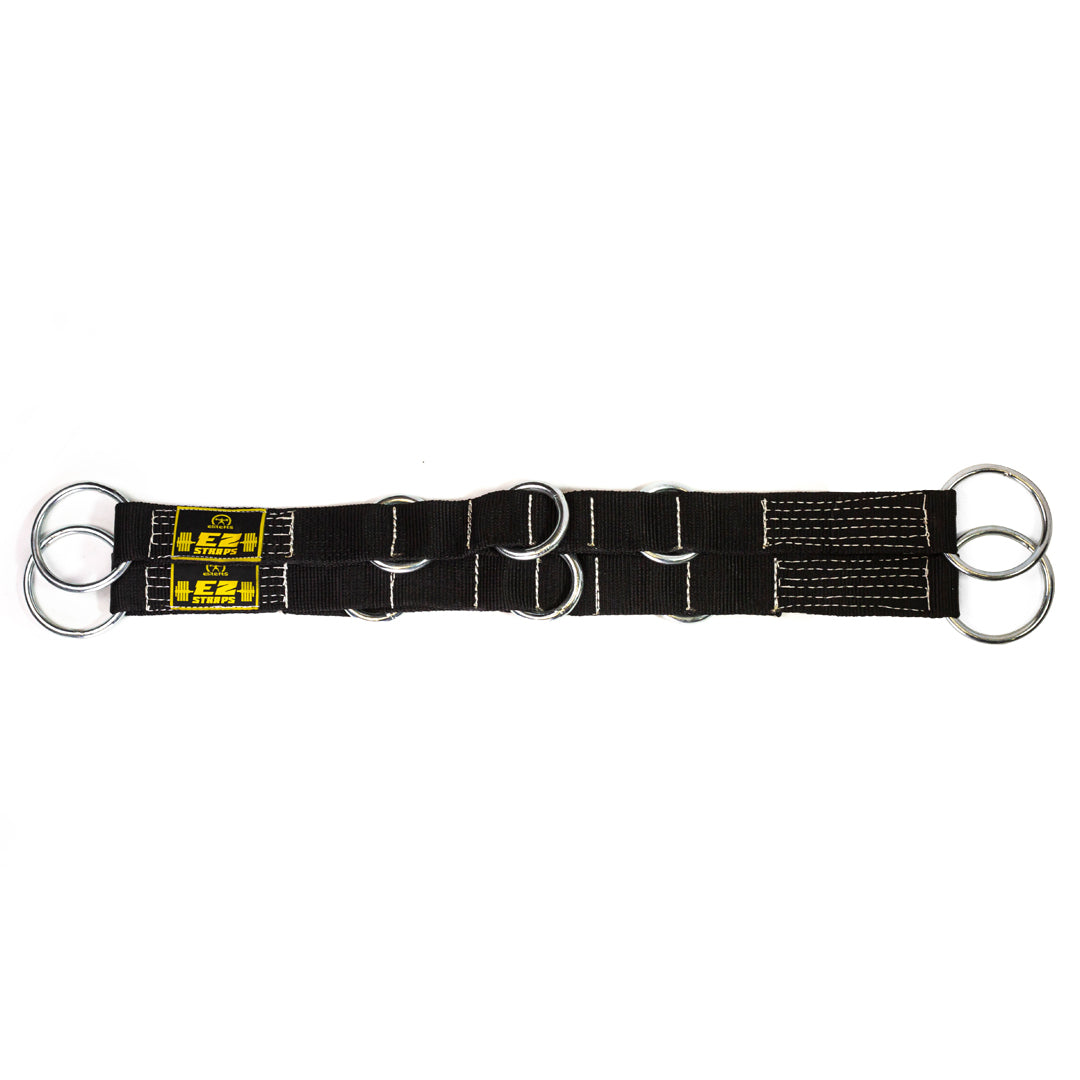
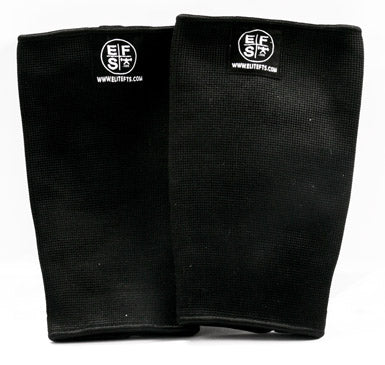
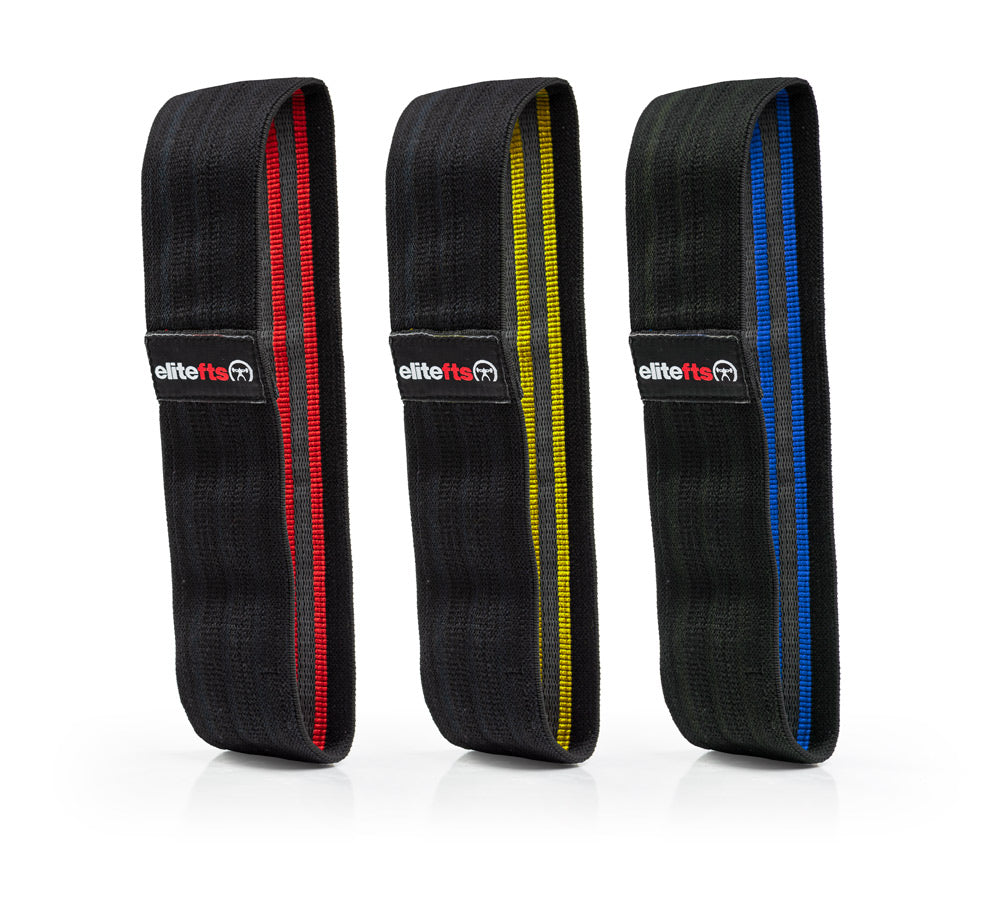
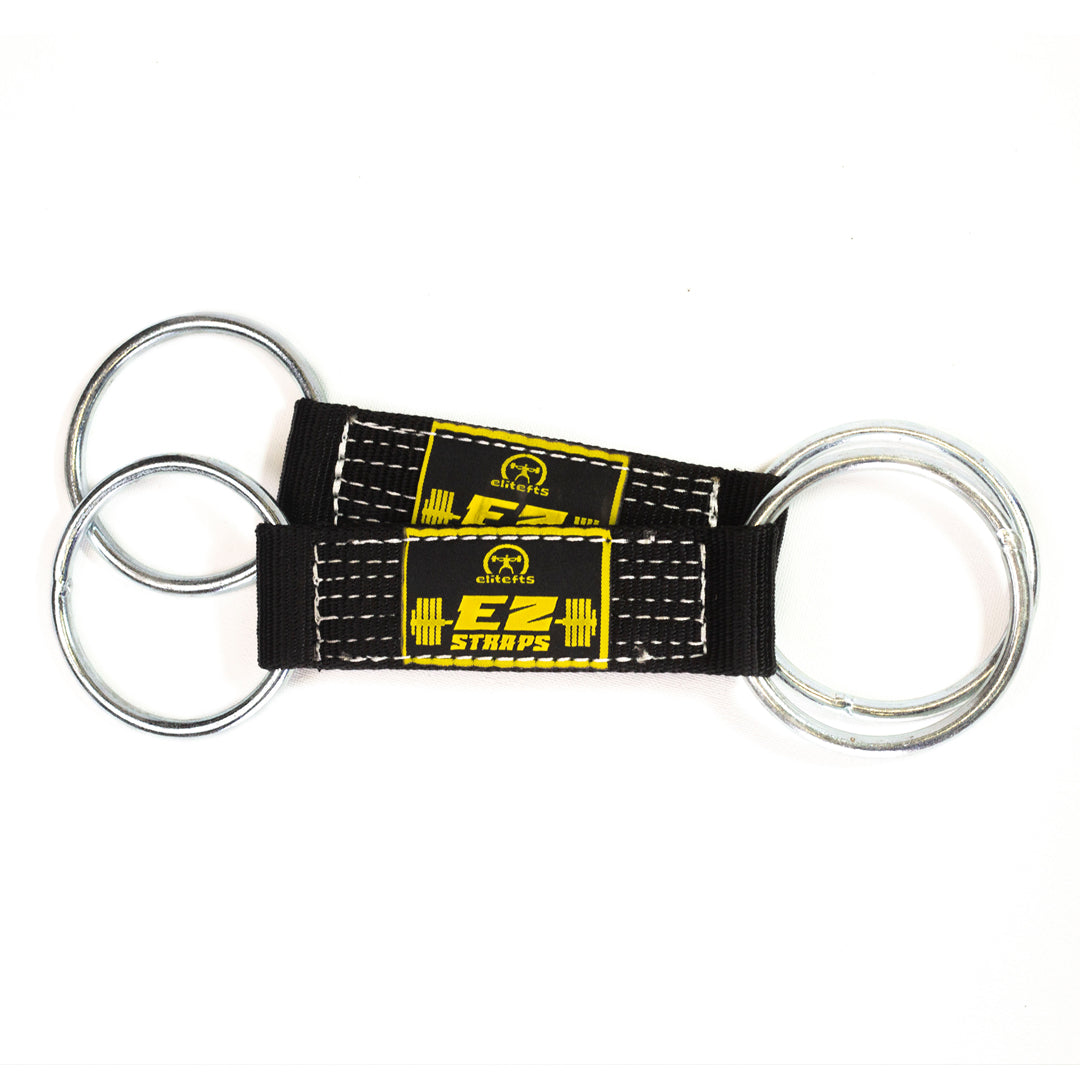
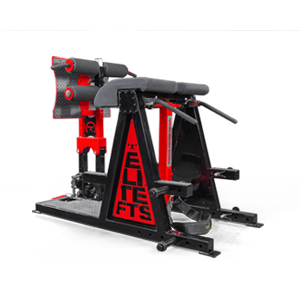
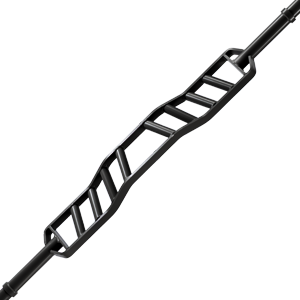
Coaching skill is developed around real athletes, real barbells, and repeated exposure to the training process. For coaches building that kind of environment, these elitefts staples fit the work described throughout this article.
The Case for the Profession
Now for the other side, and it's a strong one.
A trade is about skill. A profession is about skill plus responsibility.
Neural, mechanical, and metabolic adaptation. Force-velocity profiling. Load management. Periodization across a week, a month, and a year. That's a serious body of knowledge, and it keeps changing.
“It's an art, you can't measure it” has covered for a lot of lazy coaching.
Metrics guided.
Outcome judged.
The best strength coaches are craftsmen who work to professional standards.
Either way, get in the room, pay attention to the people in front of you, and keep getting better.