

Training After Work
Train Hard Tonight. Sleep Well After.
A practical evening-training timeline for getting ready, performing, and coming back down.
TL;DR
Evening training is not the problem. Staying stimulated for hours afterward is. Use the smallest effective amount of caffeine early, fuel the session, create readiness with a short neural warm-up, and start your recovery process before you leave the gym. After training, eat enough without turning dinner into a challenge meal, lower your body temperature, reduce light and stimulation, and use a repeatable wind-down routine. The goal is not to make a 6:00 p.m. session feel like a 10:00 a.m. session. It is to perform well without borrowing from tomorrow.
Most lifters do not train at the physiologically perfect time. They train when work ends, the kids are covered, and the rest of life gives them a window. For a huge percentage of people, that means walking into the gym between 5:00 and 7:00 p.m.
That schedule creates a real problem. Hard training requires arousal. Heavy squats, pulls, presses, jumps, and hard conditioning all push the nervous system toward a more alert, sympathetic state. Sleep asks for the opposite. If you finish work tired, hammer caffeine, train hard, eat an enormous meal, and stare at a bright screen until bed, you should not be surprised when your body refuses to shut down.
The answer is not to tell working lifters to stop training at night. The answer is to build a better transition. This is the blueprint outlined in the elitefts video: prepare early, produce enough activation to train, limit unnecessary stimulation, and deliberately bring the system back down.
Start Two Hours Before Training
The first mistake happens before the gym. A lifter reaches the end of the workday mentally flat, assumes the only solution is more caffeine, and takes the dose far too close to bedtime. Caffeine can help performance, but it does not stop working when the last set ends. Its effects may remain long enough to delay sleep or reduce sleep quality, especially in sensitive lifters.
If you use caffeine, treat it as a tool instead of a ritual. Use the smallest dose that produces a meaningful effect, take it earlier rather than immediately before training, and establish a personal cutoff time. A 50- to 100-milligram dose several hours before a session is a different decision than a large pre-workout on the drive to the gym. If sleep is already poor, remove caffeine before adding another recovery product.
This is also the time to solve the energy problem with food and hydration. A modest pre-training meal with protein and easily digested carbohydrate can do more for a late-day session than another stimulant. Do not arrive at the gym dehydrated, underfed, and expecting a scoop of powder to replace the previous eight hours.
Coaching point: If you need a heroic stimulant dose to begin every evening session, the problem may be your sleep, meal timing, hydration, workload, or training volume—not a lack of pre-workout.
Create Readiness Without Creating a Hangover
You still need to be ready to train. The useful distinction is between producing a short rise in neural readiness and flooding the system with stimulation that lasts for hours.
A brief explosive warm-up can bridge that gap. Use low-volume jumps, medicine-ball throws, plyometric push-ups, or banded kettlebell swings that match your ability and the session. Start conservatively. The first set may feel slow, the second more coordinated, and the third sharp. Once performance stops improving, the warm-up has done its job.
Another option is an overcoming isometric matched to the main lift. Press or pull an empty bar into pins for six to nine seconds, build tension for the first second or two, then produce maximum force. Two or three quality efforts can raise neural output with little fatigue. For a deadlift day, set the pins near the position you need to strengthen. For a press day, use a joint angle that carries over without irritating the shoulders or elbows.
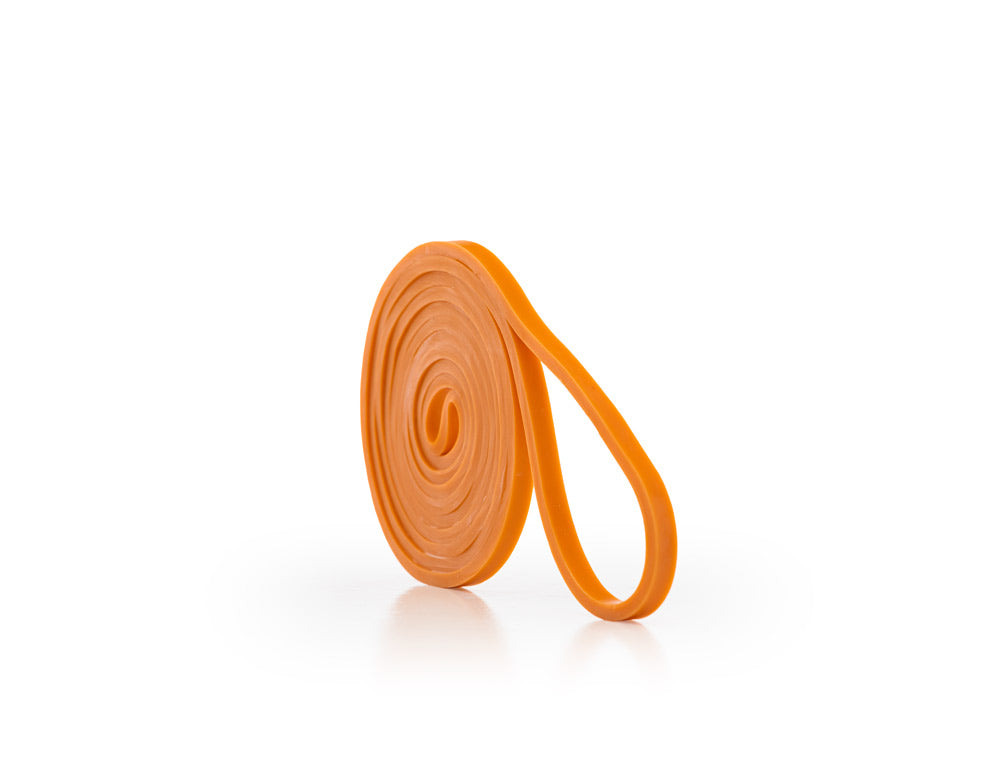
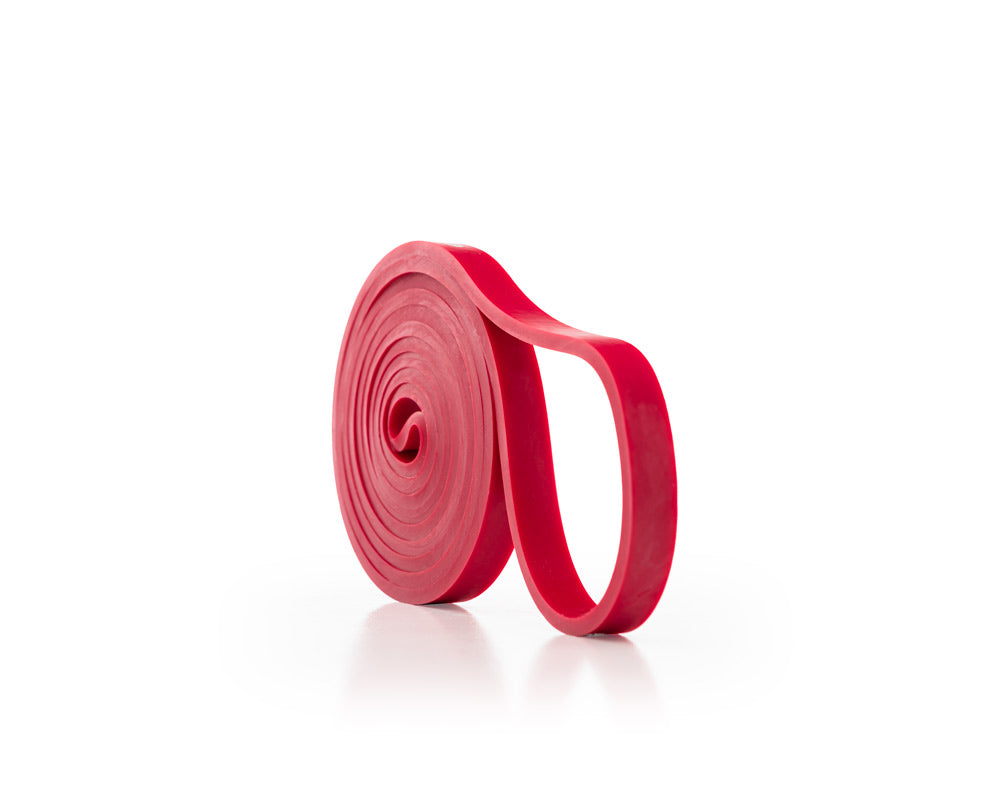
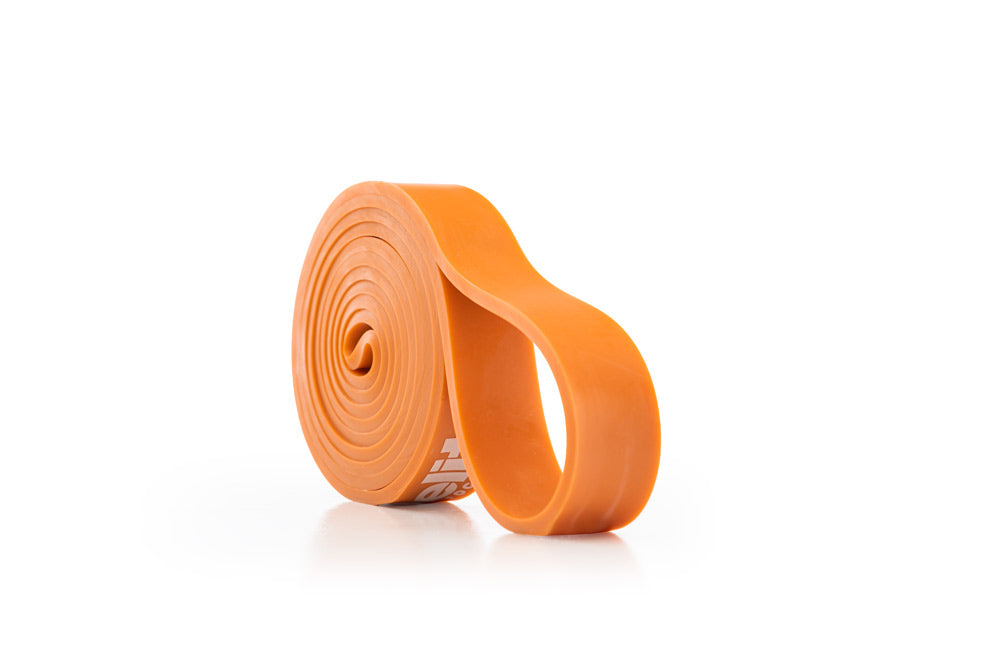
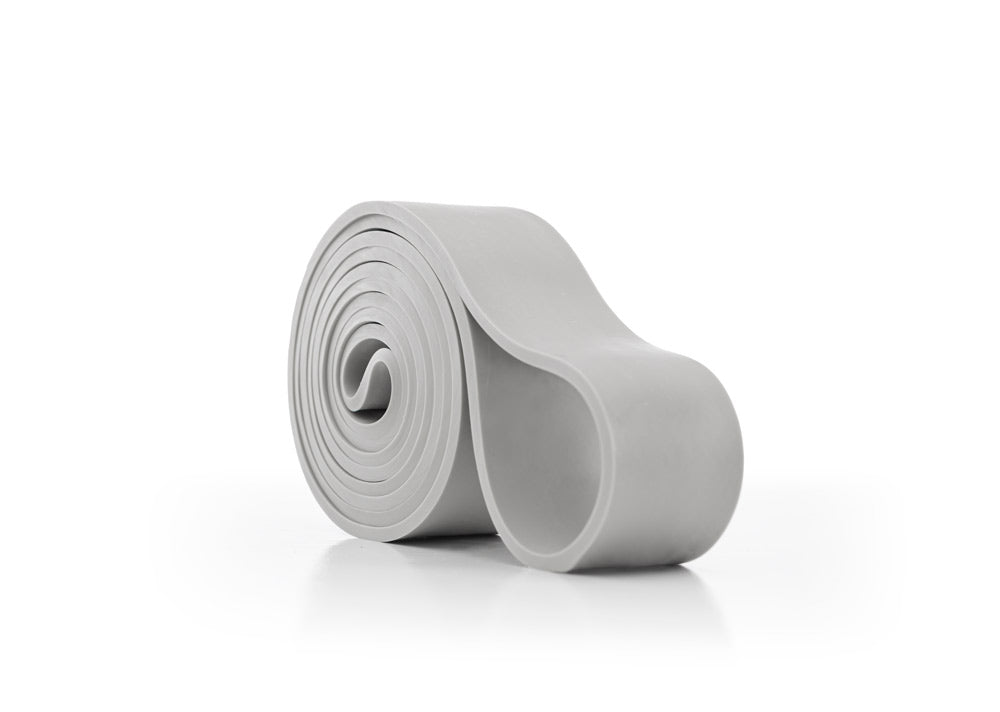
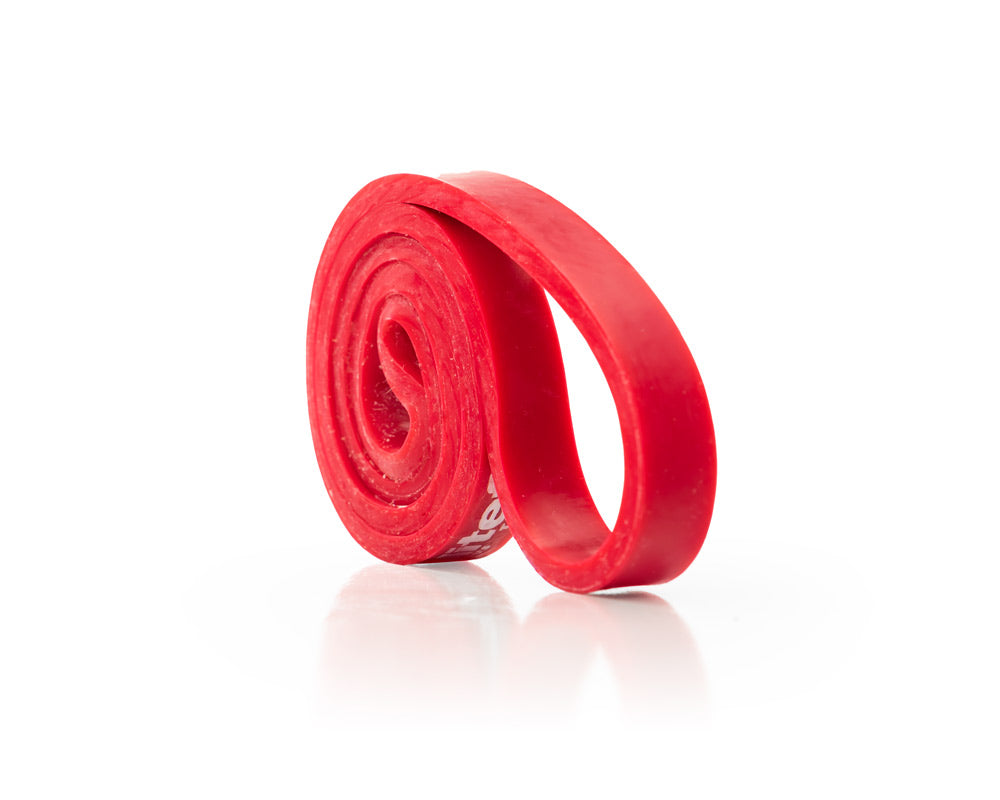
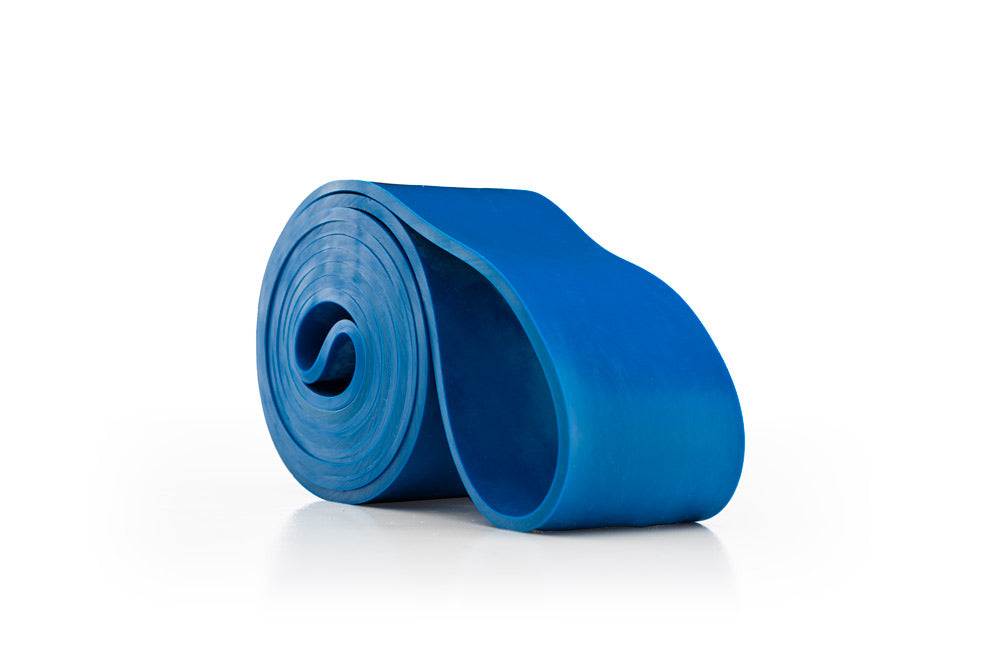
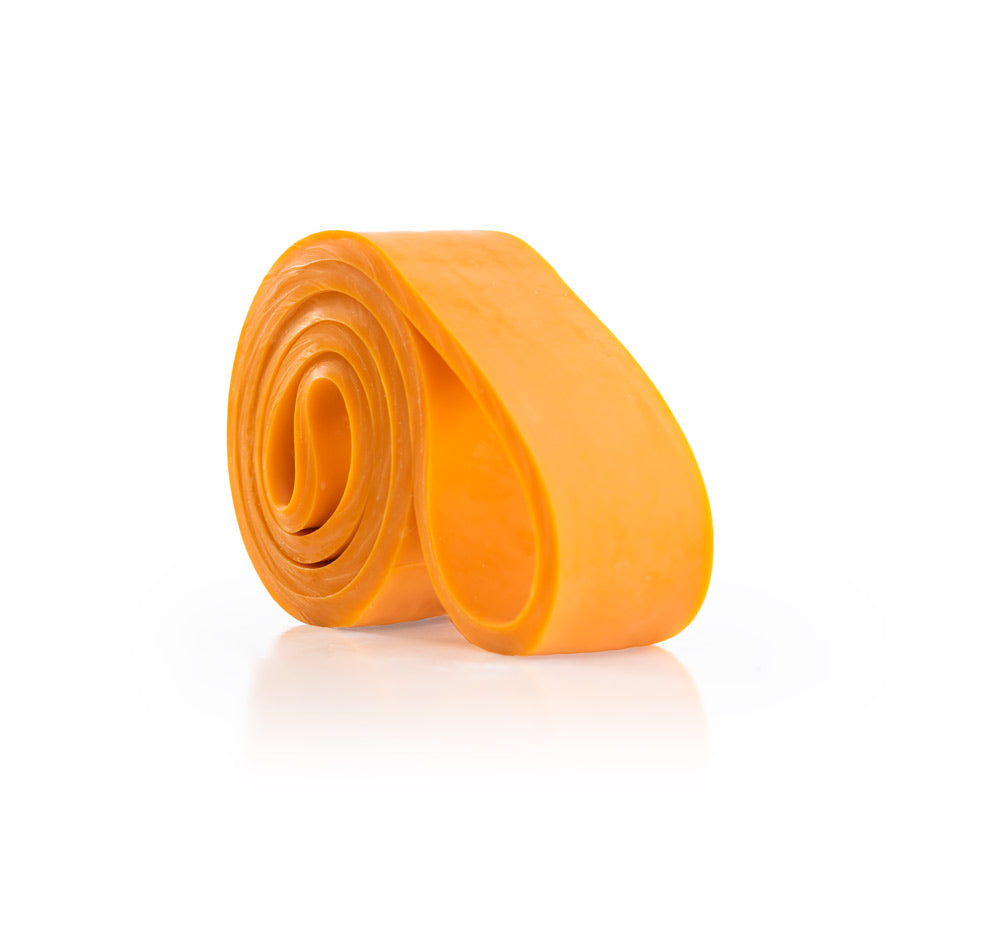
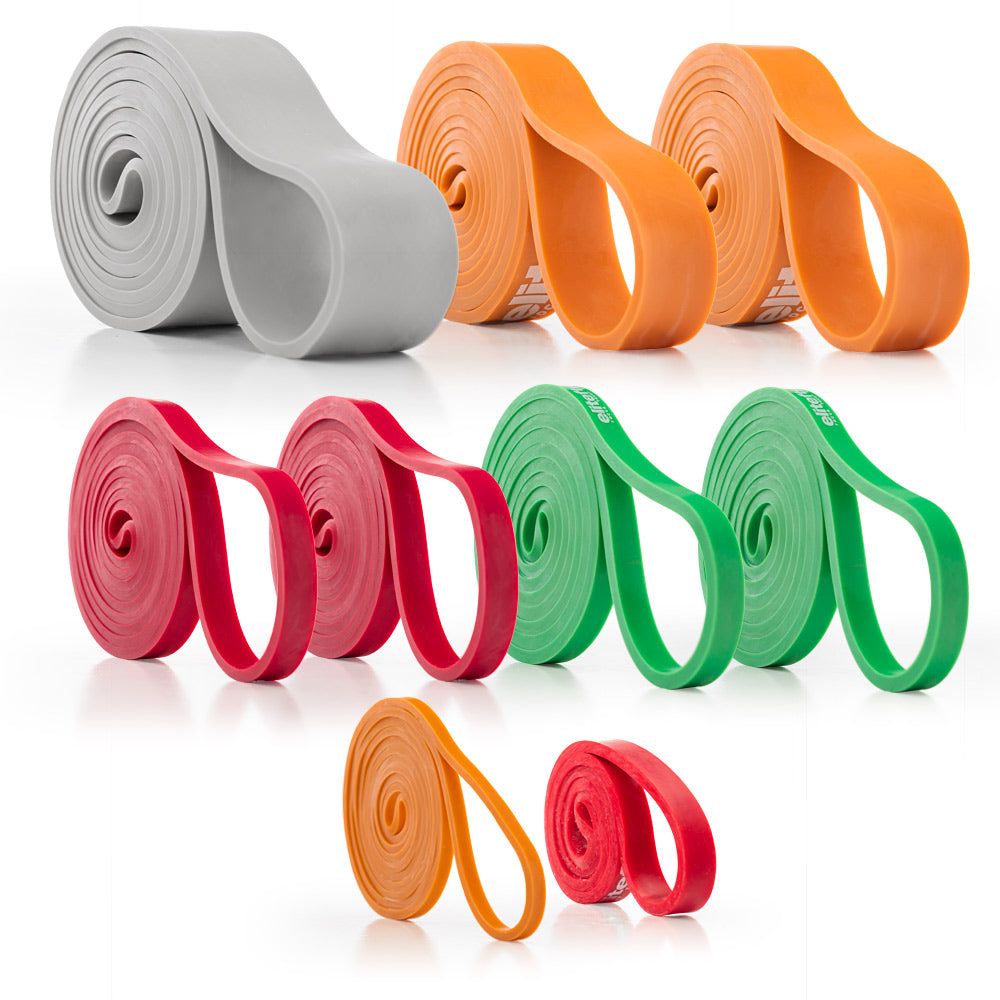
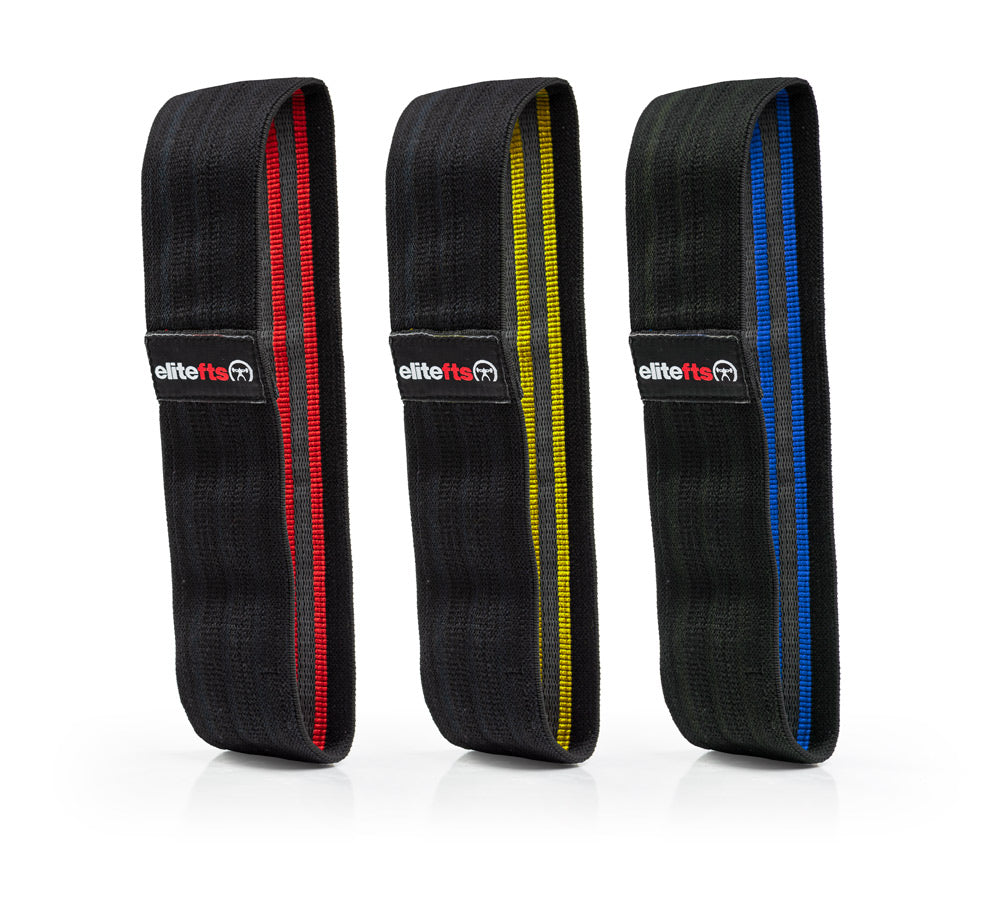
Bands are useful here because they allow fast, low-load movement without turning the warm-up into a workout. The elitefts Workout Band Pack gives you several resistance options for swings, pull-aparts, activation work, and travel. Keep the volume low and the intent high.
Fuel the Session Without Overloading the Gut
Training is a stressor. Letting blood glucose crash during the session can make it feel worse and may push you toward more caffeine. For longer or higher-volume sessions, sipping carbohydrate during training can support output and make the session easier to recover from.
The key word is sipping. More is not always better. A drink that becomes thick syrup can sit poorly, pull fluid into the gut, and leave you bloated or nauseated. Start with a light concentration that you tolerate, drink water consistently, and adjust based on session length, body size, temperature, and sweat rate. Essential amino acids may be useful when the session is long or the previous meal was small, but they do not replace an adequate daily protein intake.
| Time | Priority | What It Looks Like |
|---|---|---|
| 2–3 hours pre | Fuel and stimulant cutoff | Modest meal, hydration, minimal caffeine if needed |
| Warm-up | Readiness | Two to four explosive or isometric efforts |
| During | Stable output | Water, electrolytes, and light carbohydrate as needed |
| Immediately post | Downshift | Easy breathing, lower stimulation, begin cooling |
| 60–90 minutes pre-bed | Sleep routine | Moderate meal, dim light, consistent wind-down |
Begin the Downshift Before You Leave
The session is not finished when the last work set ends. If you walk out of the gym with music blasting, heart rate elevated, and your mind replaying every set, you carry the training state into the rest of the night.
Use five minutes to change gears. Walk slowly. Breathe through the nose. Make the exhale longer than the inhale. You do not need a complicated breathing protocol; you need a clear signal that the hard work is over. A few minutes of quiet is more useful than scrolling through the training clips you just recorded.
Core temperature matters too. Training raises it, while sleep is supported by a gradual drop. Change out of hot clothes, stop adding unnecessary activity, keep the bedroom cool, and give the body time to release heat. Some lifters find glycine or magnesium helpful, but supplements should sit behind the basics and should be cleared with a qualified professional when medications, health conditions, or unusual doses are involved.
Do Not Turn Dinner Into Another Max-Effort Event
A post-training meal should restore energy, not create another recovery demand. A huge meal close to bed can raise body temperature, keep digestion working hard, and leave you uncomfortable. That does not mean avoiding food. It means using a moderate, balanced meal instead of trying to replace the entire day in one sitting.
Include protein, carbohydrate, some fat, and foods you digest well. The carbohydrate supports recovery and helps move the body away from the training state. Some fat slows digestion enough to reduce the chance of waking hungry. Finish the meal at least 60 to 90 minutes before bed when possible, and adjust portion size to your schedule.
Build a Repeatable Pre-Bed Routine
The best wind-down routine is the one you will repeat. Dim the lights. Reduce screen brightness or put the phone away. Keep the room cool and dark. Use relaxed breathing, light mobility, reading, or another low-arousal activity that does not turn into a second workout.
Melatonin is not a substitute for that routine. Some people benefit from it, others feel groggy, and timing and dose matter. Start with behavior, then discuss supplements with a qualified clinician if sleep remains a problem. Persistent insomnia, loud snoring, gasping, restless legs, or severe daytime sleepiness deserve medical assessment—not a larger supplement stack.
The point is to create a reliable sequence: work ends, you fuel, you train, you downshift, you eat, and you sleep. You are teaching the body that high output has a clear endpoint.
Make Evening Training Sustainable
You do not need a perfect schedule. You need a schedule that lets you train consistently without wrecking the next day. Track when you train, how much caffeine you use, when you finish eating, how long it takes to fall asleep, and how you feel the next morning. Change one variable at a time.
If sleep improves when caffeine moves earlier, keep it there. If a smaller dinner helps, use it. If heavy lower-body days require more time to come down, finish them earlier or shorten the session. The plan should fit the lifter, not the other way around.
Train hard when life allows. Then respect the recovery process enough to shut the session down. The work you do tonight only matters if you can adapt to it tomorrow.
Watch the full video: Stop Relying on Caffeine for Evening Workouts.