

Train, Don’t Maintain
Applying the Conjugate System during the rugby season so athletes keep building strength, power, muscle mass, and fitness without sacrificing Saturday.
In-season lifting is not maintenance work.
One of the biggest misconceptions in rugby physical preparation is that once the season starts, strength training becomes little more than maintenance. The competitive season is when athletes still need to develop. The challenge is not just holding on to preseason gains; it is improving the qualities that matter while keeping players fresh enough to perform every weekend.
Popularized by Louie Simmons at Westside Barbell, the Conjugate Method allows multiple physical qualities to be trained concurrently. Rather than abandoning one quality to improve another, coaches shift the emphasis according to the athlete’s greatest need while maintaining exposure to everything else.
Louie often said, “Strength training is the overcoming of weaknesses.” That idea should guide every in-season decision.
Four performance priorities
Most rugby players can be categorized by the physical quality that is currently limiting their performance. Identify the limiter, then adjust the emphasis without letting the other qualities disappear.
Speed and explosiveness
Dynamic Effort work becomes the priority while Max Effort lifting maintains strength.
Maximal strength
Heavy Max Effort work leads the program, while Dynamic Effort sessions preserve the rate of force development.
Lean mass
Repetition Method work adds targeted volume without removing heavy or explosive training.
Work capacity
Conditioning circuits are layered in while exposure to heavy and explosive work remains intact.
The weekly framework
For a Saturday match, the weekly structure stays stable. The early-week sessions create the adaptation; late-week work sharpens the nervous system and manages fatigue. GD means game day.
| Day | Emphasis | Coaching note |
|---|---|---|
| Monday (GD+2) | Upper or lower Dynamic/Max Effort, depending on emphasis | Use this as a primary adaptation session after the match recovery window. |
| Tuesday (GD+3) | Opposite lower or upper session | Train the other half of the body while managing total load. |
| Wednesday | Rugby training | Skill, tactical, and field workload drive gym volume decisions. |
| Thursday (GD-2) | Dynamic Effort exposure, recovery, or tactical work | Use the Dynamic Effort lower-body option only if the athlete is fresh enough to move with speed. |
| Friday (GD-1) | Neural Primer / Captain’s Run | Players should leave feeling faster than when they arrived, not exhausted. |
| Saturday | Match | Never sacrifice Saturday performance for Tuesday’s workout. |
The framework stays. The stress changes.
One strength of the Conjugate System is that the weekly structure remains familiar while emphasis shifts between training methods.
Max Effort: build or maintain strength
For athletes who need maximal strength, rotate primary lifts every 3 weeks using a 5RM, 3RM, then 1RM approach, or use a 6-4-2 progression for less-experienced athletes.
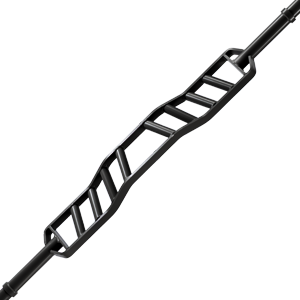
Typical movements: Safety bar squats, trap bar deadlifts, Swiss bar bench press variations, and military press variations.
Supplemental work should target unilateral strength, posterior chain development, upper back strength, and trunk stability before finishing with injury-prevention work.
Dynamic Effort: turn strength into speed
For players who need explosiveness, Dynamic Effort work becomes the priority. A common prescription is 8 sets × 3 reps at 50-60% bar weight plus accommodating resistance.
Wave the work across three weeks from strength-speed toward speed-strength. Pair explosive lifts with jumps, throws, or modified Olympic lift variations to maximize neural output.
The goal is not simply moving a lightweight. The goal is to produce maximal bar speed.
Hypertrophy: add muscle without losing athleticism
A common mistake is replacing athletic training with bodybuilding during muscle-gain phases. Instead, maintain both Max Effort and Dynamic Effort exposures while adding 15-20 minutes of targeted hypertrophy finishers.
Superset upper-body muscle groups, shorten rest periods, and train close to failure when appropriate. Lower-body volume should be managed carefully to avoid compromising rugby performance.
Strength remains the foundation. Added muscle is the by-product of intelligent programming, not excessive fatigue.
Conditioning: make fatigue specific
Conditioning should not interfere with strength development. Players who need additional fitness can finish lifting sessions with high-output circuits using rowing, Prowler pushes, kettlebell swings, dumbbell cleans, medicine ball throws, and loaded carries.
The objective is not simply to become tired. The objective is maintaining force production under fatigue, the quality that separates effective rugby athletes late in matches.
CARE work keeps athletes available.
The best training program is worthless if players are unavailable for half the season. Every session should conclude with targeted CARE work based on the athlete’s needs.
Select several movements based on the individual athlete and perform them consistently. Availability is a performance quality.
Three-week in-season Conjugate wave

This sample uses a Saturday match and a 6-4-2 Max Effort progression. Keep intent high, cut junk volume, and adjust Thursday or Friday based on the player’s readiness.
Max Effort Lower Body
Monday / GD+2Primary lift: Squat or deadlift variation.
If the first exercise is a squat, choose a secondary hip-hinge movement for 3, 4, then 5 sets of 10 reps. If the first exercise is a deadlift, choose a secondary knee-dominant movement for 3, 4, then 5 sets of 10 reps.
Supplemental lower body: Superset one single-leg knee-dominant movement with one single-leg hip-dominant movement.
Core options: Half Turkish get-up, windmills, rollouts, suitcase deadlift, combat twist, weighted sit-up, and leaning Pallof press to overhead position on the TRX.
Hips, hamstrings, calves, and knees: Copenhagen plank, crab walk with band, lateral lunge, Nordics, Swiss ball leg flutter, hip thrusts, single-leg calf raise, Petersen step-ups.
Max Effort Upper Body
Tuesday / GD+3Primary lift: Bench press or military press variation.
If the first exercise is a bench press, choose a secondary overhead press movement for 3, 4, then 5 sets of 10 reps. If the first exercise is a military press, choose a secondary bench press movement for 3, 4, then 5 sets of 10 reps.
Choose one triceps movement and one biceps movement, then superset them for 2, 3, then 4 sets of 6-12 reps.
Shoulder/rotator cuff options: Incline YTIs, Bottom-Up KB Press, Cuban press, DB scarecrow, plate bus driver.
Neck options: Iron Neck, wrestler’s bridge two ways, neck planks three ways, band look-aways.
Dynamic Effort Lower Body
Thursday / GD-2Main option: Banded box squat, jump squat, or trap bar jump shrug.
| Week | Prescription | Intent |
|---|---|---|
| Week 1 | 8 × 3 @ 50% 1RM + bands @ 25% 1RM | Strength-speed |
| Week 2 | 8 × 3 @ 55% 1RM + bands @ 25% 1RM | Bridge week |
| Week 3 | 8 × 3 @ 60% 1RM + bands @ 25% 1RM | Speed-strength under load |
Pair a modified Olympic movement with a jump variation.
Finish with the same lower-body supplemental and CARE options listed above, reducing volume if the athlete’s speed drops.
Dynamic Effort Upper Body
Friday / GD-1Main option: Banded bench press, push press, or landmine single-arm jammer.
| Week | Prescription | Intent |
|---|---|---|
| Week 1 | 8 × 3 @ 40% 1RM + bands @ 25% 1RM | Fast and crisp |
| Week 2 | 8 × 3 @ 45% 1RM + bands @ 25% 1RM | Build speed under slightly more load |
| Week 3 | 8 × 3 @ 50% 1RM + bands @ 25% 1RM | Prime the nervous system, do not grind |
Accessory pairing: Row movement supersets with incline DB press or DB shoulder press.
Choose one shoulder/rotator cuff movement and one neck movement, each performed for 3 sets of 12-15 reps. Keep the session sharp enough that the athlete leaves feeling switched on.
Do not change everything. Change the right thing.
The beauty of the Conjugate System is not endless exercise variation. It is flexibility. The weekly structure remains stable, while the training emphasis shifts according to the athlete.
| Athlete needs more... | Increase | Keep exposed |
|---|---|---|
| Strength | Max Effort volume and intent | Dynamic Effort and CARE work |
| Speed | Dynamic Effort frequency and quality | Heavy lifting in low enough volume to maintain strength |
| Size | Repetition Method finishers | Heavy and explosive work |
| Fitness | Metabolic circuits after lifting | Bar speed, strength, exposure, and recovery |
Product suggestions for building the in-season kit
Use the products below to match the article’s training needs: Max Effort strength, Dynamic Effort speed, conditioning that transfers, and CARE work that keeps players available.
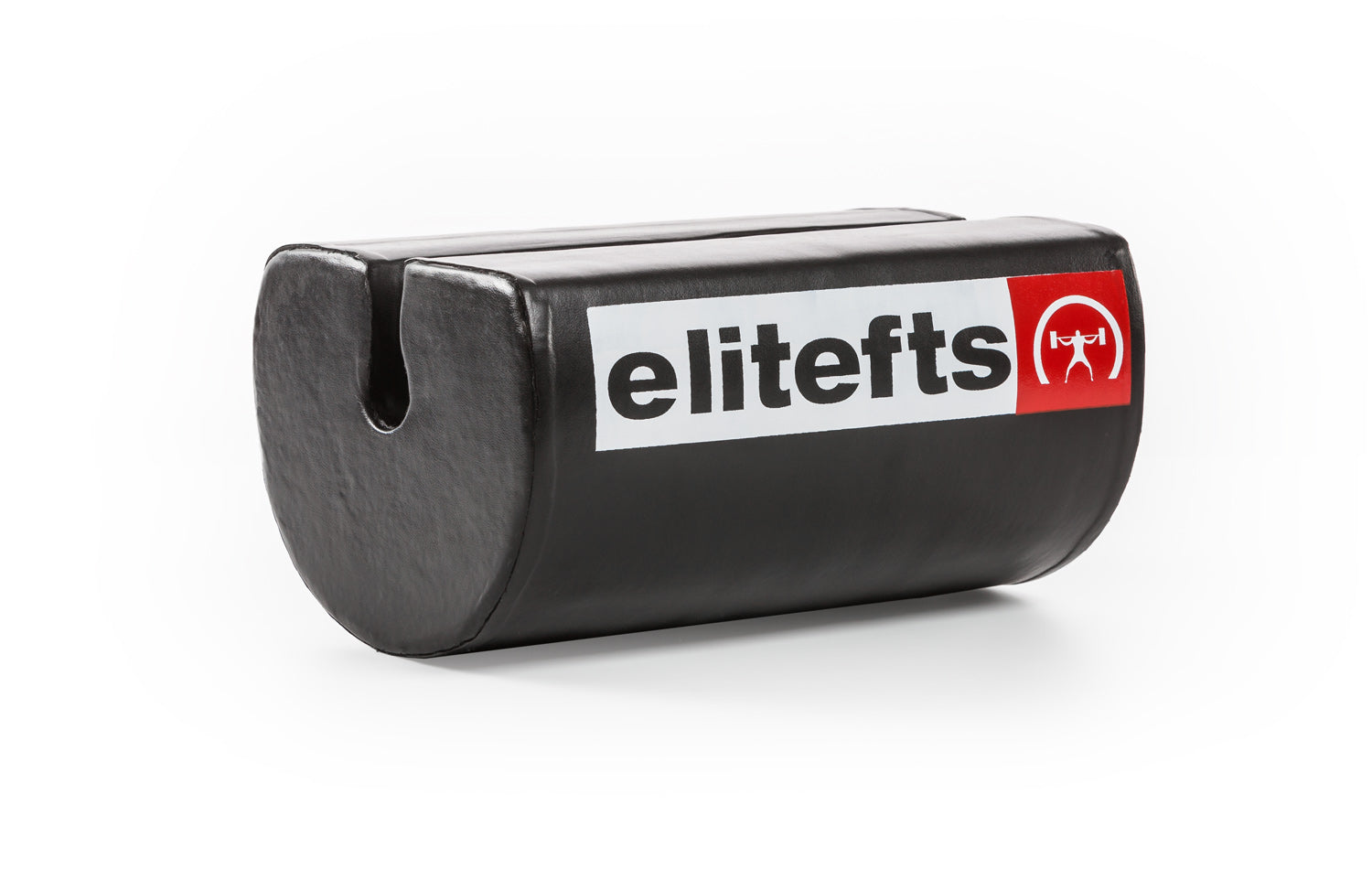
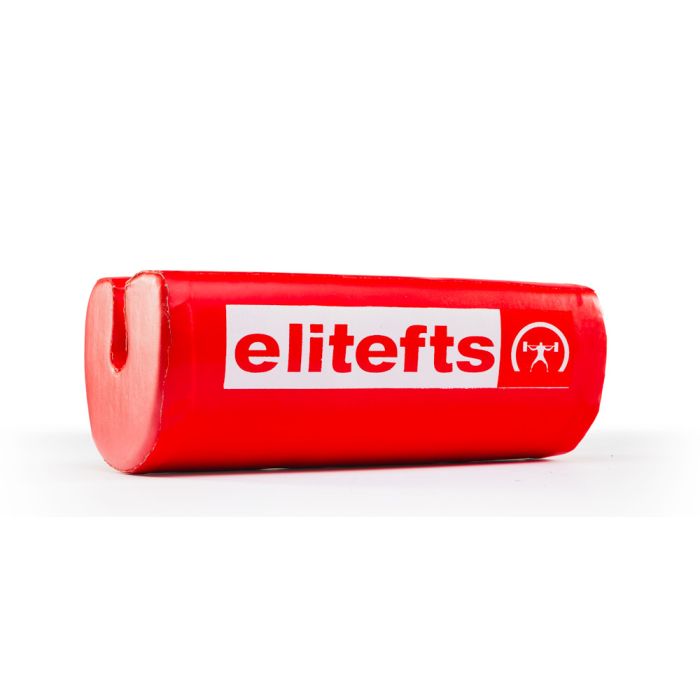
Spud Safety Squat Bar Strap
A shoulder-friendly squat setup for athletes who need heavy lower-body work without fighting shoulder position.
View on eliteftsCombat Ready Hex Bar
Fits trap bar deadlifts, jump shrugs, carries, and heavy pulling variations with a more centered load.
View on eliteftsAmerican Press Bar
A neutral-grip press option for bench, overhead pressing, extensions, and shoulder-friendly upper-body strength.
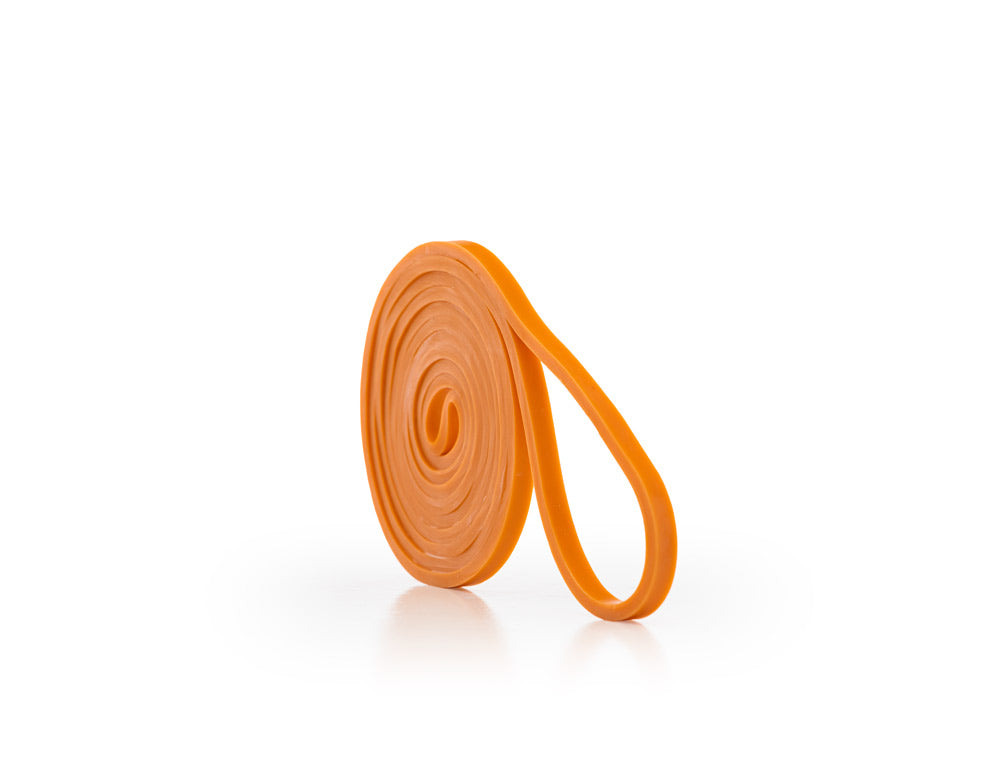
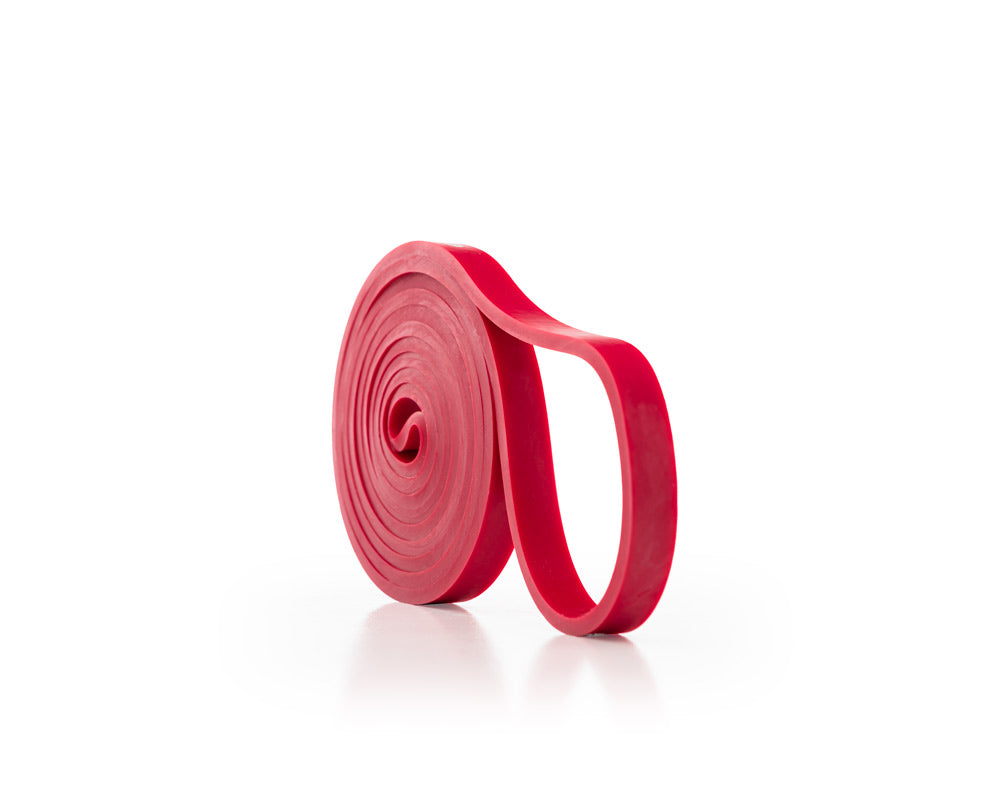
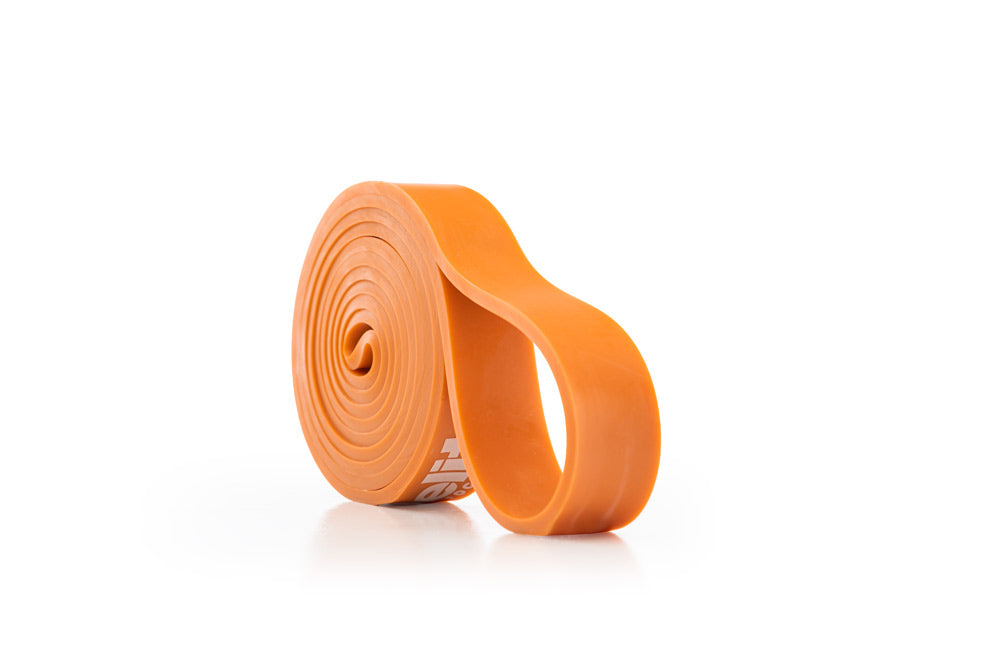
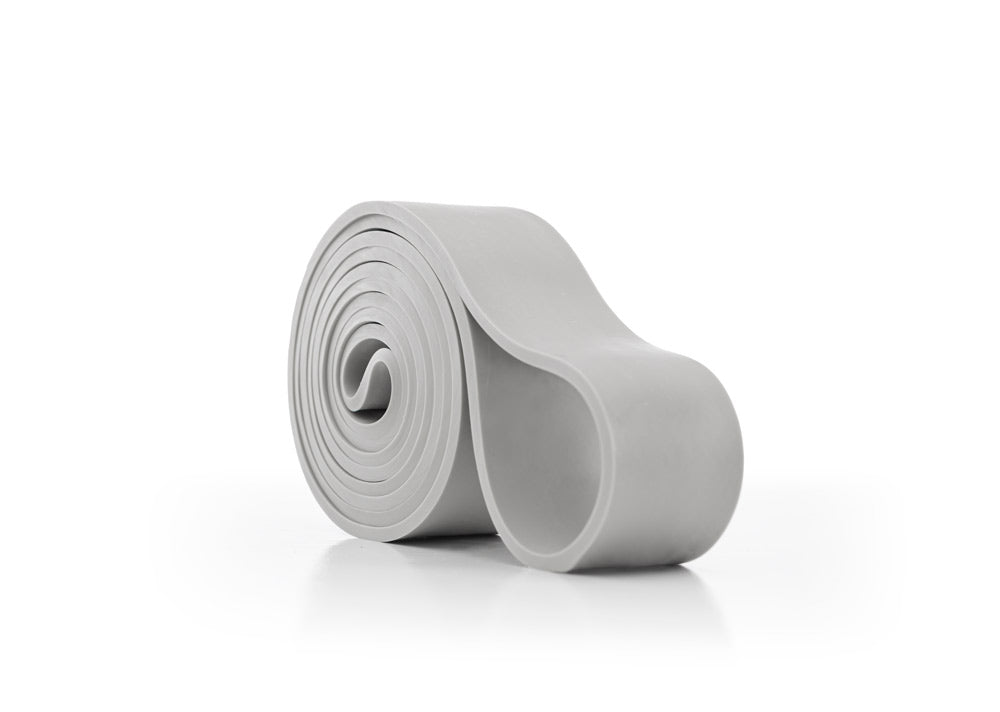
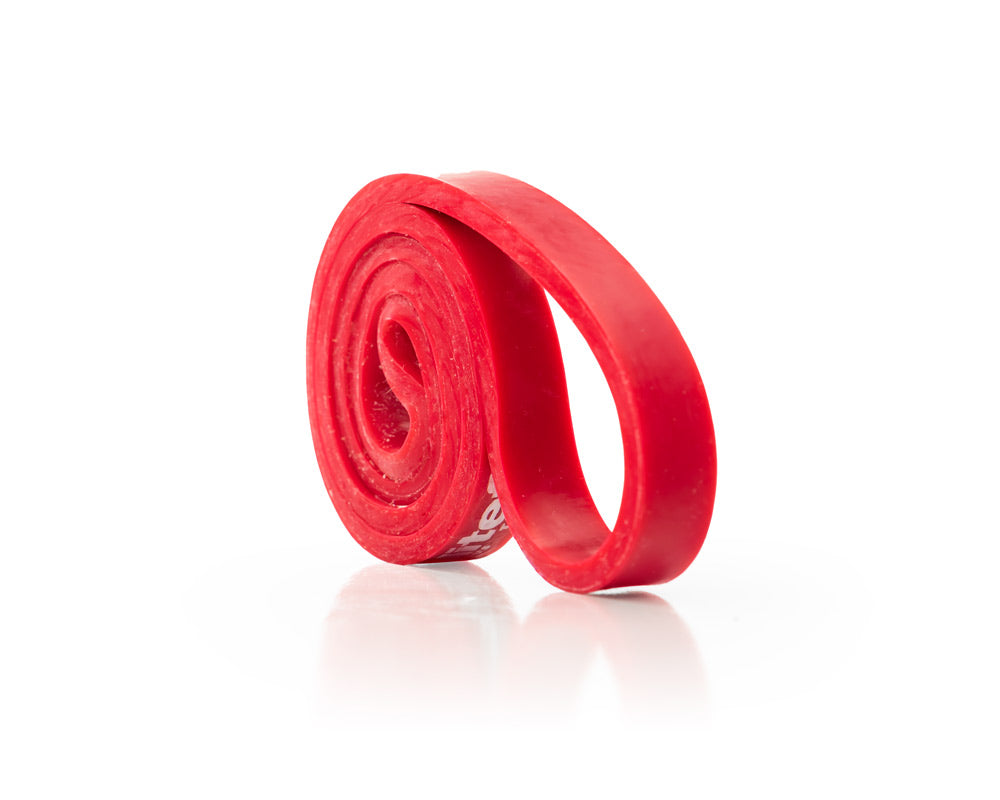
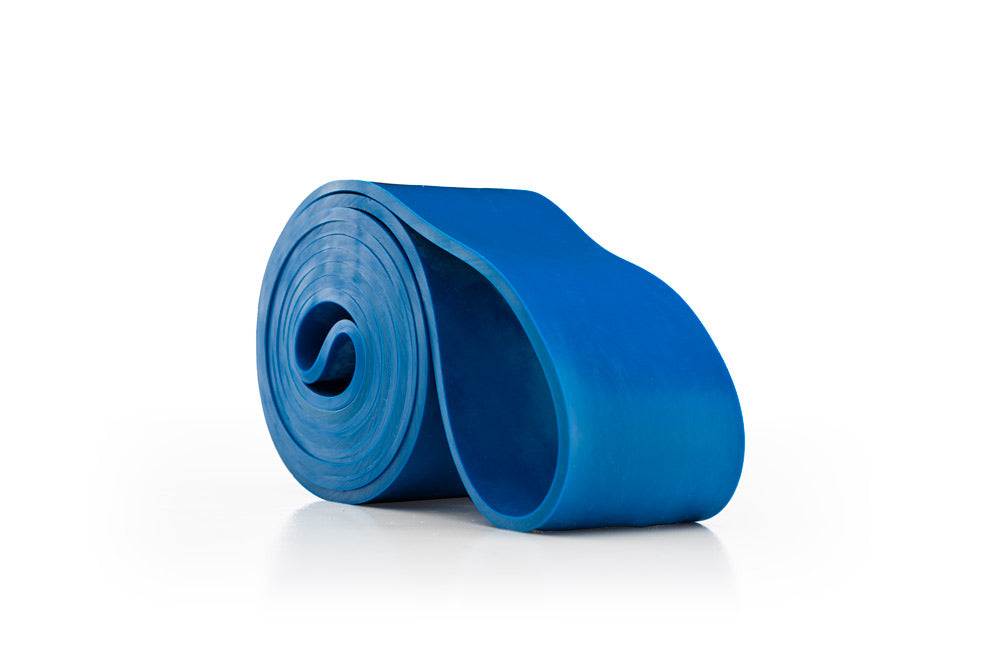
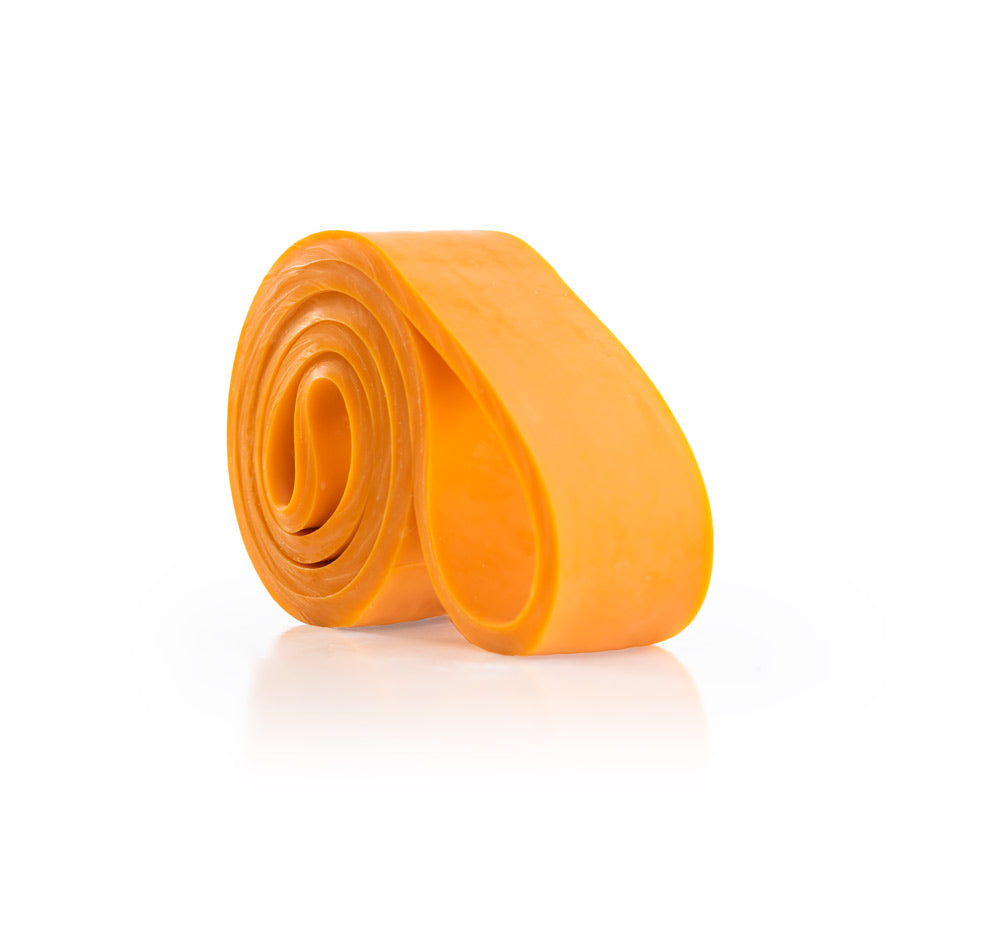
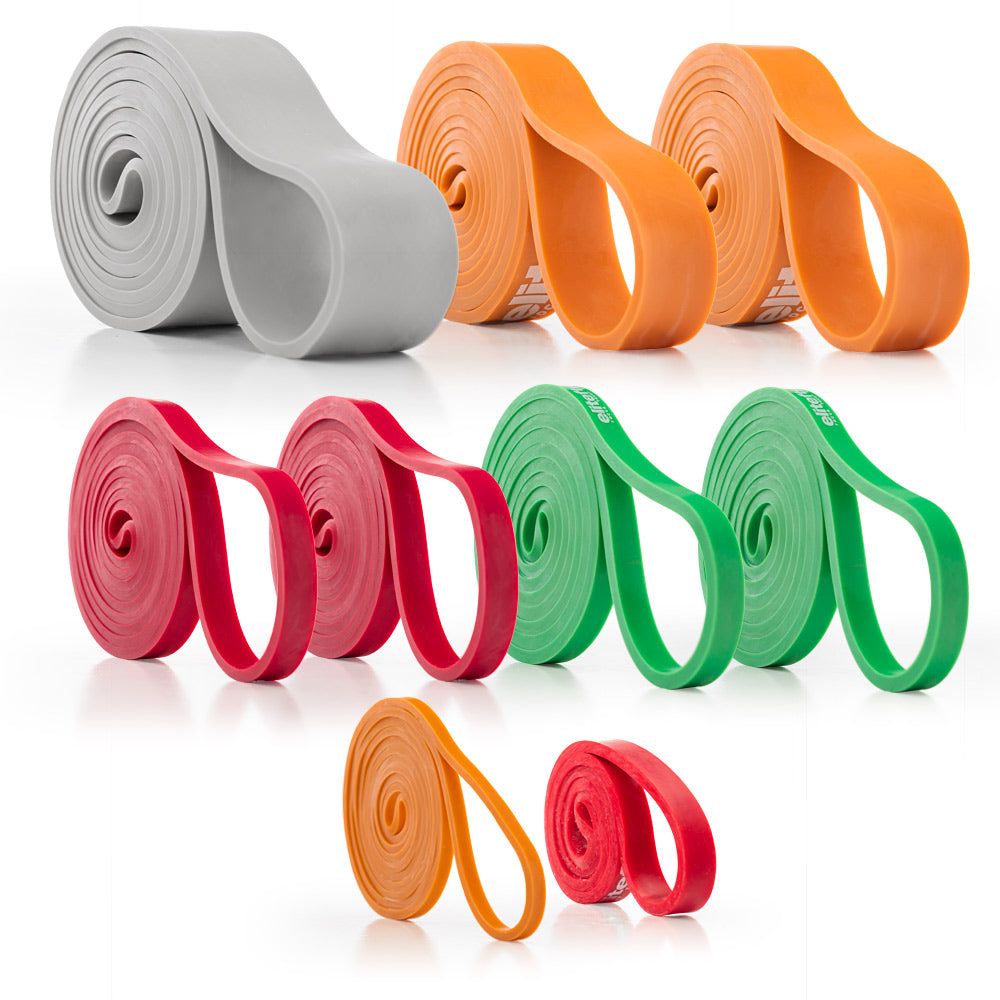
View on eliteftsElitefts Pro Resistance Band Pack
Matched bands for accommodating resistance, warm-ups, accessory work, and lower-body activation.
View on eliteftsEliteFTS Pair of Chains
A classic Conjugate tool for overload, lockout strength, and teaching athletes to accelerate through the lift.
View on eliteftsE-Series Prowler®
Use for high-output pushes that train force production under fatigue without turning every session into a run test.
View on eliteftsPowerMax Med Ball
Helpful for throws, power work, trunk expression, and low-cost neural primers before heavy or explosive sessions.
View on eliteftsE-Series Farmer’s Walk Handles
Train grip, trunk stiffness, posture, and total-body resilience for athletes who need strength that carries over.
View on eliteftsCoach’s note: Product selection should match the athlete’s limitation. Buy tools that solve the performance problem; do not add equipment just to add complexity.
Attack the biggest weakness. Protect the match.
The biggest mistake coaches make in-season is abandoning qualities instead of prioritizing them. Strength, speed, hypertrophy, and conditioning should all remain part of the weekly plan. The only thing that changes is which quality receives the greatest emphasis.
Develop athletes throughout the season rather than simply trying to hold onto preseason gains. Train every quality. Attack the biggest weakness. Manage fatigue intelligently. Never sacrifice Saturday’s performance for Tuesday’s workout.