

Elitefts Training Manual
The Simple, Brutal, and Effective Truth About Conjugate Training Structure
A no-fluff conjugate structure you can scan, apply, and adjust: four training days, three session blocks, smart waves, practical speed work, and honest auto-regulation.
The point
Look, people are making this entire system way too complicated. I recently found a video on our YouTube channel from six years ago called "Simple and Effective Conjugate Training Guide," and despite taking an hour and seven minutes to lay out the whole system, I came back to find 275 comments full of questions. If I made a simple guide and people are still that confused, it means we need to strip away the noise and summarize how the conjugate method actually works in the real world. I'm going to break this down in a way that is straightforward, effective, and completely easy to follow. If this structure still feels impossible to follow, you are probably overcomplicating the point of training.
The Weekly Framework: Structuring Your Four Days
Max effort lower, max effort upper, dynamic lower, dynamic upper. The layout can move, but recovery spacing matters.
When you look at the conjugate method over a one-week period, the basic framework for each training day does not change. You are going to have four main training days: a max-effort day for the upper body, a max-effort day for the lower body, a dynamic day for the upper body, and a dynamic day for the lower body. The optimal setup is simple: you do not want all four of these days running consecutively.
Online and on YouTube, you will find people splitting this up in a million different ways, but the way I did it for 14 years at Westside was structured to allow for recovery. Max-effort lower body was on Monday, max-effort upper body was on Wednesday, dynamic squats were on Friday, and dynamic bench was on Saturday or Sunday. Sometimes, depending on the schedule, the max-effort day might land on a Saturday, with dynamic squat on Saturday and dynamic bench on Sunday. The exact days of the week don't inherently matter as long as you maintain that general layout and give yourself room to breathe.
The Daily Hierarchy: Blocks of Work
Every training day has a main movement, a heavier secondary movement, and accessory work that builds the base.
Within each specific training day, the hierarchy of your movements is essentially the same from an overall structural standpoint. You don't need to reinvent the wheel every time you walk into the gym. The first exercise of the day will be your main movement, which we will call block one. On max-effort days, block one will be your max-effort movement; on dynamic days, it will be your dynamic-effort movement.
Right under that, you have block two, which is your secondary movement. The secondary movements on those days will be the exercises trained at a heavier weight, typically in a four- to six-rep range. The entire purpose of this secondary block is to pick movements that have the highest possible correspondence to driving up whatever main lift you are targeting. Optimally, you want that second exercise to ruthlessly focus on the weak point that you are currently seeing in your main lift. If you have no idea what your weak point is, it is safe to assume that on a bench day, you need to focus on the lower end of the bench press with something pec-related. If it is a squat day, you can safely assume your weakness is posterior chain-related, meaning you need to hammer movements like an RDL or a stiff-leg deadlift in that secondary block.
Once you get past the main and secondary blocks, you hit the final stage of your workout: the accessory block. This is where you will put all the standard bodybuilding work you would typically do in any other training program. These are the low-end accessories that may or may not have a massive direct correspondence to the powerlifts, but they build the base. You are going to train these accessory movements in a rep range much higher than the four-to-six range you used earlier, aiming for eight to fifteen reps.
It really is freaking simple: you have a main movement, a secondary movement, and accessories. You can stick a warm-up block in before the main movement, or add 15 minutes of "free time" at the very end to get random extra work done, but for the core of the program, those three blocks are all that matter. How many total movements should be in a session? That is highly variable, but let's just say five. One main movement, one secondary movement, and a few accessories will help you get the work done and keep the training session to just under an hour. Once you establish those basic building blocks, that week really doesn't ever change unless you get hurt or you are in the final peaking week before a meet.
Waving the Program: Anchor to the Squat
Build the dynamic squat wave first, then use that rhythm to organize the rest of the week.
So, if the structure stays the same, how do you wave the different blocks and cycles? Simple: you base it all on the squat. Build the squat phase out first, then fill in the rest of the work from there. You anchor the program by creating a three-week wave based on the dynamic squat.
Let's keep it simple: your dynamic squat wave will be 8 sets of 2 reps. You will hit 8 by 2 in week one, 8 by 2 in week two, and 8 by 2 in week three. The weight you use will progress from week one to week two to week three. Say week one is weight A, week two is weight B, and week three is weight C. You progressively increase the load by 10 pounds, 20 pounds, or whatever it is for those three weeks. After the third week, you loop right back to week one. People always ask about deloading, but I don't think it's necessarily needed here. When you drop back from the heavy load of week three to the lighter load of week one, that drop in weight naturally acts as your deload.
Mastering Max Effort: Earning the Right to Strain
True max effort work is a skill. New lifters have to earn heavy singles by building tolerance first.
Once your squat is anchored, you have to figure out how to wave your max effort exercises. This is not a one-size-fits-all equation; it is entirely based on skill acquisition and on whether the lifter is sufficiently conditioned to perform true max-effort work. I define true max-effort work as hitting a heavy single at over 90 percent. But listen, sometimes a person isn't conditioned enough to handle that heavy single without their shoulders or back getting beaten up.
If you are just starting this system, it is safe to assume that your tendons and muscle structures cannot handle 90 percent max effort singles right out of the gate. You are going to need two three-week waves just to build yourself up to that position. For those initial waves, keep your reps in the fives or the sixes. This pulls the overall weight down, keeps the intensity manageable, and ensures you leave reps in the tank on a movement that isn't truly a "max effort" yet, but fills the block so you can adapt.
Once you get to the point where you can safely rotate into true max-effort movements, it depends on a few variables. A lot of people will use a three-week wave, so it aligns perfectly with the dynamic day. If you do a three-week max-effort wave, the first week is just about acclimating to the movement. You might work up to a heavy double, a heavy triple, or even a set of five, intentionally leaving one set in the tank. In the second week, you increase the weight, work up again, maybe chop the reps down from five to three, and still leave one set in the tank. Finally, in the third week, you max out on that movement, with the ultimate goal of getting the highest number you can without missing.
That three-week approach is a good way to start, but it will eventually handicap you because it stops you from rotating through enough exercises to know if you are genuinely getting better. I recommend sticking with that approach only until you build technical skill in whatever your max-effort movements are. For the lower body, your max-effort movements will typically be some kind of good morning, a hip-hinge variation, a deadlift, or a squat, using different specialty bars, bands, or chains. It honestly doesn't matter which specific exercise you use, because at the end of the day, the fundamental goal of a max-effort exercise is simply to strain. You have to learn how to push and strain when the weight gets heavy. You can strain on rep three of a three-rep max, or on a set of five due to residual fatigue from the first four reps, but it is always going to be a different stimulus than straining on a heavy single.
Another, often better, option is to rotate your max-effort movements every two weeks. You have one week to get acclimated, and the next week you hit it hard for a single to max out. As you move through this program over time, you will eventually develop a stable of around 8 movements that are classified as your primary max-effort lifts. Once you have that stable, you can revisit them more frequently or make slight adjustments. For example, if your movement is a floor press, you can run it one week, and the next time you revisit it, you simply add chains. It's still a floor press; you'll hit a different number, but it's still a close enough indicator to tell you whether you are actually getting stronger.
Unless you are incredibly advanced in the conjugate system, you need to bring back movements very similar to what you've done before so you can accurately track your progress. One of the biggest mistakes people make is rotating in way too many random movements. The other massive mistake is staying with the exact same movement for way too long. If you feel the need to stay with the exact same movement for 12 weeks, stop doing conjugate. You are better suited for a basic linear base periodization program. The rotation of your max effort exercise can be one, two, or three weeks, built out to match the rhythm of your dynamic movement.
Secondary and Accessory Work: Managing Adaptation and Fatigue
Supplemental work drives the main lift. Accessories build muscle, keep buy-in high, and must be managed around fatigue.
Now, how do you handle the rotation of your supplemental, secondary movements in that four to six rep range? If you are a highly advanced lifter, you can rotate these secondary movements every single week because it is the stimulus and the adaptation that matters. However, if you are an intermediate lifter, you are going to have to stay with the same movement long enough to actually get better at it. For intermediate lifters working in the four to six rep range, you might be able to get three or four weeks out of a specific movement. I like to keep them at three weeks, so they rotate at the exact same rate as the dynamic day.
But remember the word "conjugate" means coupling, and it may sometimes take four or even six weeks before you completely peter out on a supplemental movement. If it takes less time and you stall early, no big deal—just pick a different movement and stick it in there. Those first two blocks of your training day are where you work brutally hard.
Anything that falls after those blocks goes into the accessory category. Most of the time, I just tell people to do their bodybuilding work. Pick whatever muscle group you want to train, as long as it doesn't compromise or hurt whatever you have planned for the next training session. If you are coming from a bodybuilding or physique background, you absolutely have to keep in movements for the quads and the biceps. You need to do this to maintain buy-in, because physique guys will panic and think they'll get small and weak if they don't train those muscles. It isn't true, but it doesn't hurt anything to leave that stuff in the program.
Even with these accessory movements, you must have something physically moving and progressing at all times, whether you are pushing repetitions or the weight. However, you have to be smart and keep in mind that your progression with accessories will be inherently compromised by what you did in blocks one and two. Think about the accumulated fatigue. If it's an upper body day and your main movement was a max effort floor press where you hit a heavy triple, felt good, and went up to a heavy single, and then you followed that up by hammering rolling triceps extensions for four sets of six, your third movement—say, flat dumbbell presses—is going to suffer. Your dumbbell presses will be compromised compared to a week where your main and secondary movements were lighter or trained at a different intensity. You just need to keep that accumulated fatigue in your head as you evaluate your accessory strength.
Dynamic Effort Selection: Stop Using Percentages
Percentages can start the conversation, but the better answer is bar speed, force, and clean execution.
Let's talk about the dynamic effort day, because this is where everyone gets completely lost in the weeds. How do you pick the weight for your dynamic speed work? Everybody on the internet has a different formula. Louie has a percentage, Brandon Smitley has a percentage, Matt Wenning has a percentage, and I’ve listed percentages in the past. Percentages are a decent starting point, but in reality, they fall short. They don't actually tell you anything.
There are only two reliable ways to determine the weight you should use for your dynamic day. The first way is to train with someone who has done it and knows exactly what the bar speed is supposed to look like; they will simply tell you if it's right. That completely eliminates the problem.
If you don't have that luxury, the second-best way is to take one week before you start your new wave and use it as a testing week to manually determine your speed weight. You are looking for a weight you can move with high force, but it shouldn't look sloppy from being too light, and it shouldn't look or feel like a heavy grind.
Here is exactly how you test it. If you are squatting, work up to about 45 percent of your one-rep max and start doing sets of 2. I highly recommend using a box or a pause squat for this so that your depth is identical on every single rep. Do your double, then rest longer than you normally would on a speed day—about 3 to 5 minutes—to minimize accumulated fatigue. After resting, add 20 pounds to the bar and repeat. Film every single one of these sets.
That very first set at 45 percent should feel stupidly light. You should literally feel like the exercise is a waste of time. Add 20 pounds, rest 3 to 5 minutes, add another 20 pounds, and just keep running this process. You might end up doing 14 sets before it’s all said and done. Eventually, you will hit a weight and think, "That felt good. That moved fast, but it was hard enough that I actually had to focus on my speed to keep it moving at a good clip." Keep adding weight until you finally hit a set where you say, "That felt heavy."
That is your golden window. Say the bar starts to feel perfectly fast but focused at 300 pounds, and when you hit 355 pounds, it immediately feels like a heavy grind. Right there is your three-week wave. You run 300 pounds in week one, 320 pounds in week two, and 340 pounds in week three. It is easy, simple, and, most importantly, entirely customized to you based on your current rate of force development and technical acuity. There is absolutely no better way to figure out your dynamic weights. You just run the exact same process for your bench press.
Accommodating Resistance: Bands and Chains Made Foolproof
Chains and bands work when the setup respects the bottom position and the dynamic wave's point.
If you want to add bands or chains to that dynamic wave, you don't need a math degree. If you are using chains, the chain should be set up so that when you are at the absolute bottom of the lift, most of the chain is de-loaded onto the floor. You want essentially zero chain weight at the bottom, so as you stand up, you are adding 20, 40, 60, or 80 pounds at the top. Here is the rule: you do not lower your barbell weight. Keep the bar weight exactly the same as your test wave, and just throw the chains on top of it. Why? Because the chains add no weight at the bottom, the required starting force is identical from a percentage standpoint. If you squat under 400 pounds, use two chains per side. If you squat between 400 and 600 pounds, use three chains per side, and if you are pushing 600 to 800 pounds, use four chains per side. Roll with it and don't overthink it.
If you are using bands, the setup is slightly different. You need to figure out exactly how much band tension exists when you are sitting on the box or at the bottom of the bench. If you measure the band tension at the bottom and it is 30 or 40 pounds, that weight has to be removed from the barbell. You subtract whatever the bottom band tension is from your bar weight, and you run your waves from there. It is simple, easy to figure out, and entirely bypasses the need to deal with a complicated formula. This method is foolproof and the absolute best way to do it, but nobody online talks about it because they can't sell you their complicated programs if it's this simple.
Auto-Regulation: Stop Whining and Listen to Your Body
Auto-regulation is the day-to-day decision to push, hold, or pull back based on actual recovery.
The final piece of this puzzle is auto-regulation, which is how you adjust the program moving forward based on how each training day feels. Ask yourself: Is Monday affecting Wednesday? Is Monday affecting the following Monday? If your heavy days bleed into your other workouts, you are doing too much and need to lower the volume. You have to learn how to navigate these training sessions to know when to pull back and when to push harder.
If you are moving from your main movement into your secondary movement, and that main block kicked your ass harder than it ever has, you need to adapt. Chop the sets down a bit on the secondary movement, and remove one of your accessory movements entirely. If you are breezing through the workout without a problem and keeping your ego in check, stick exactly to the plan. But let's be real: sticking perfectly to the plan rarely happens. There will always be day-to-day changes as recovery progresses. If you overdid it on Monday, pull back on Wednesday.
People are making auto-regulation so complicated now. Here is the only rule you need: If you feel good, do more. If you don't, do less. Is it that easy? You just have to be brutally honest with yourself. Do you feel bad because you're actually overtrained, or do you feel bad because you just didn't get enough sleep? If it's just a lack of sleep, then handle it. Get more sleep next time, but for today, push hard and get the work done.
If your lack of sleep becomes a chronic, recurring issue day over day, then maybe you should change something in the program. But you do not change your entire training block because of one bad night of sleep. You just ball up and do the damn work. Think about it: you made progress in the gym long before you even knew tracking sleep was a factor, so why would you suddenly change your routine now just because a tracker told you to? Use your head. It is great to track these metrics, but you cannot live and die by them, especially for one-off occurrences. That is life, you just deal with it and move forward.
That summarizes the absolute base of the conjugate system. It really doesn't take an hour and seven minutes to understand; it takes common sense, an honest assessment of your weaknesses, and the willingness to actually put in the effort. Anchor your squat, wave your weights, build your accessories, and stop overcomplicating the math.
elitefts Gear Suggestions for This Setup
These suggestions align with the method in the article: bands for dynamic work and warm-ups, chains for accommodating resistance, a box for repeatable depth, posterior-chain work for lower-body carryover, and specialty pressing tools for max-effort and weak-point training.
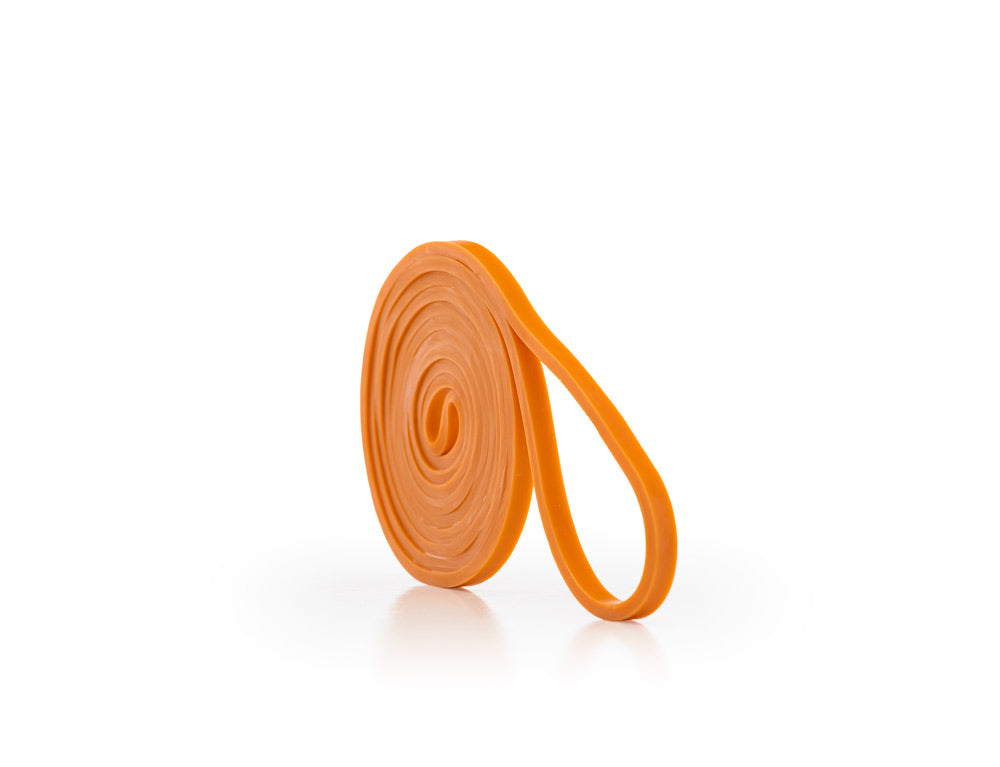
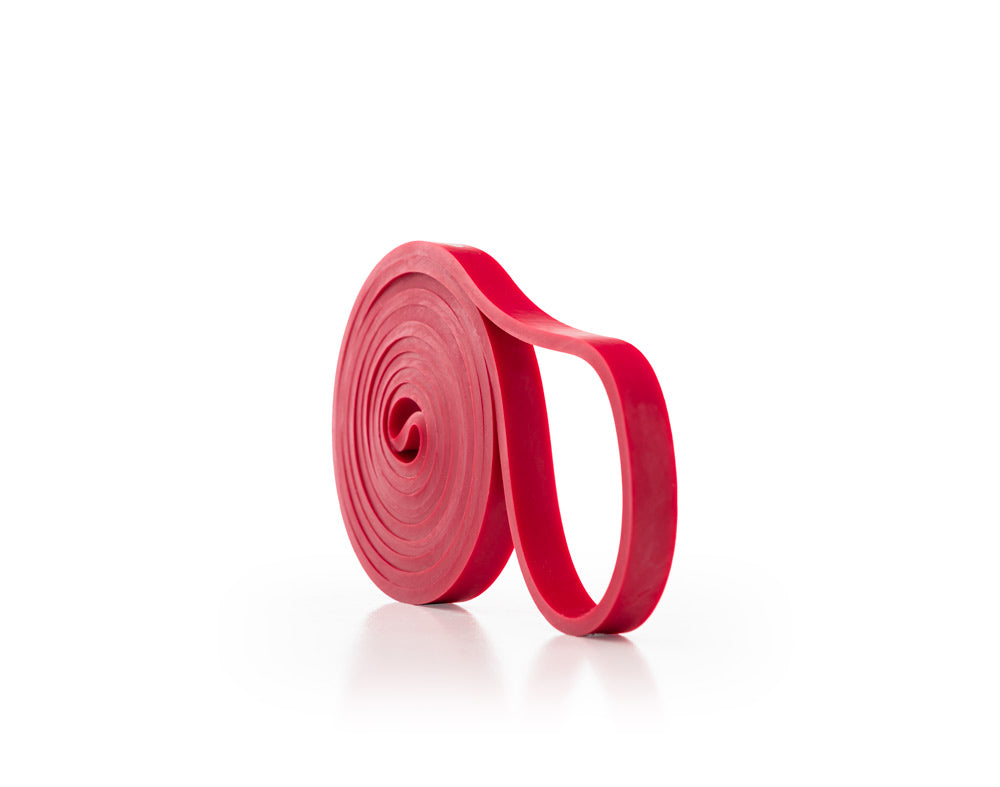
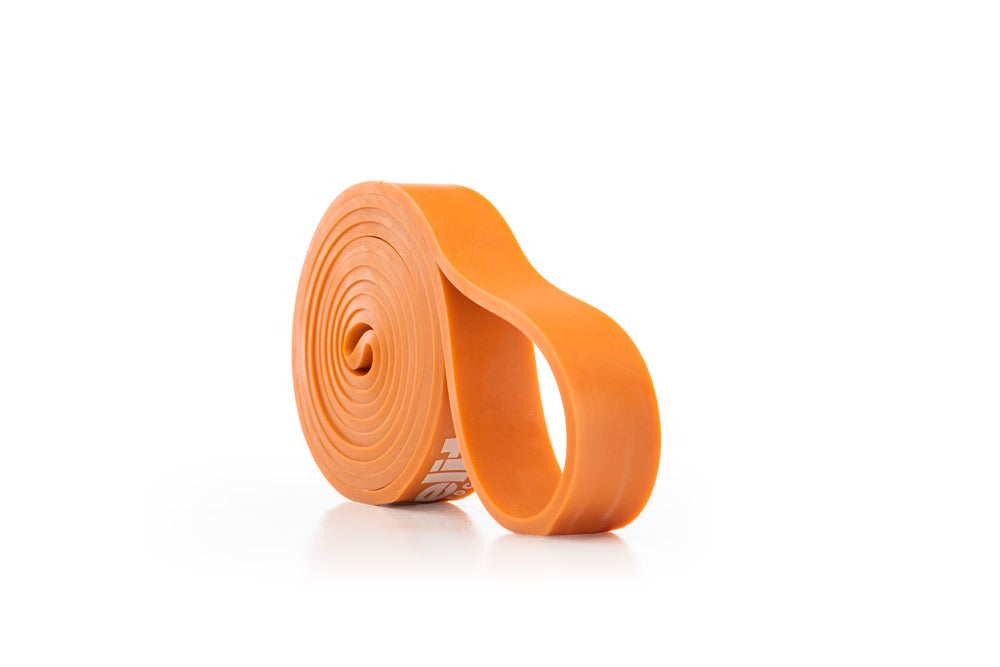
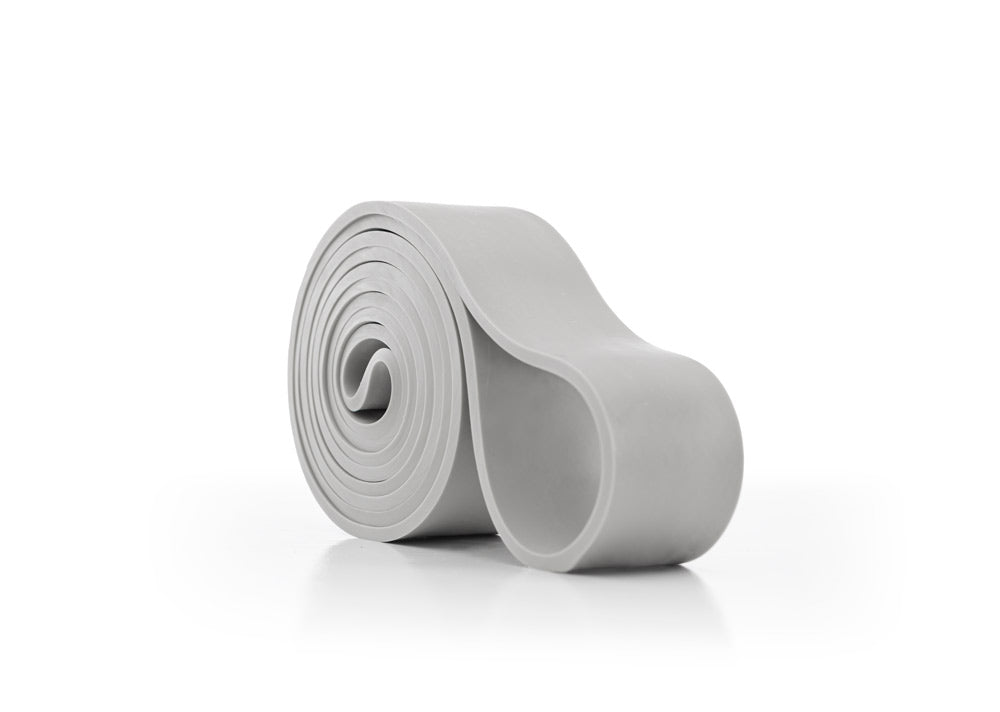
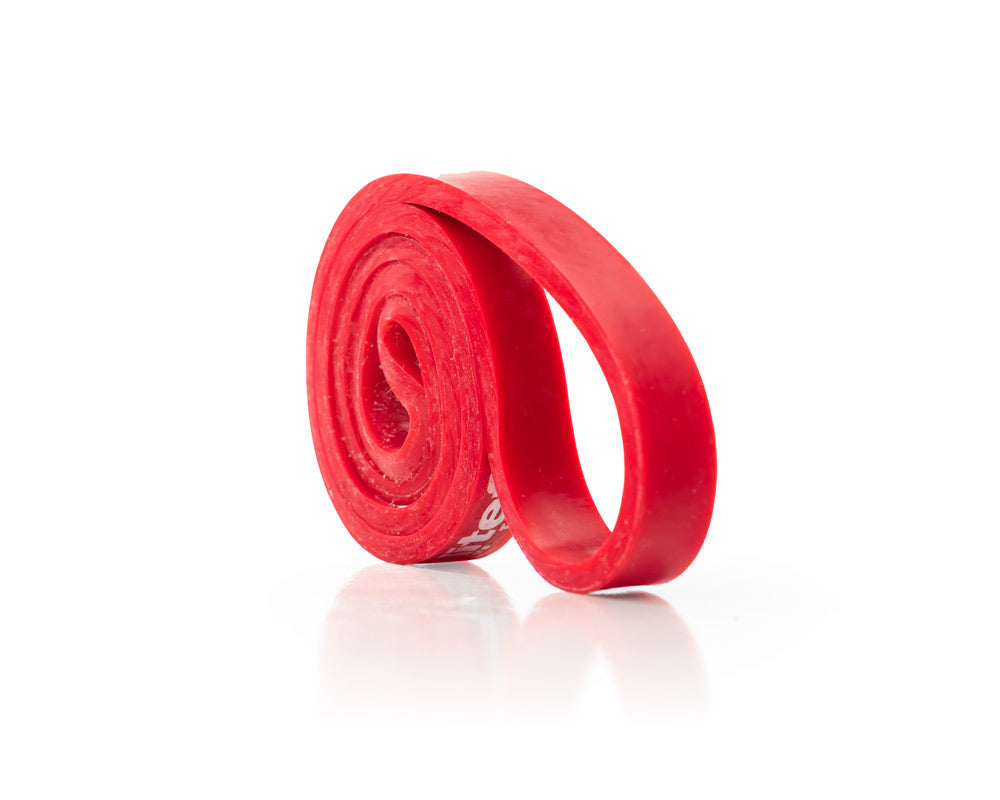
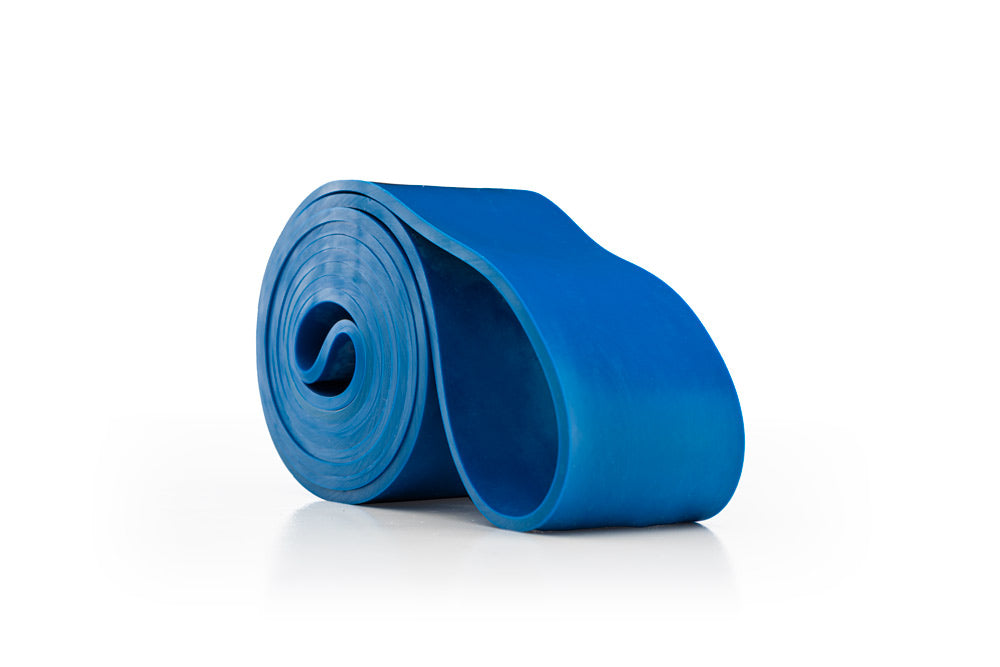
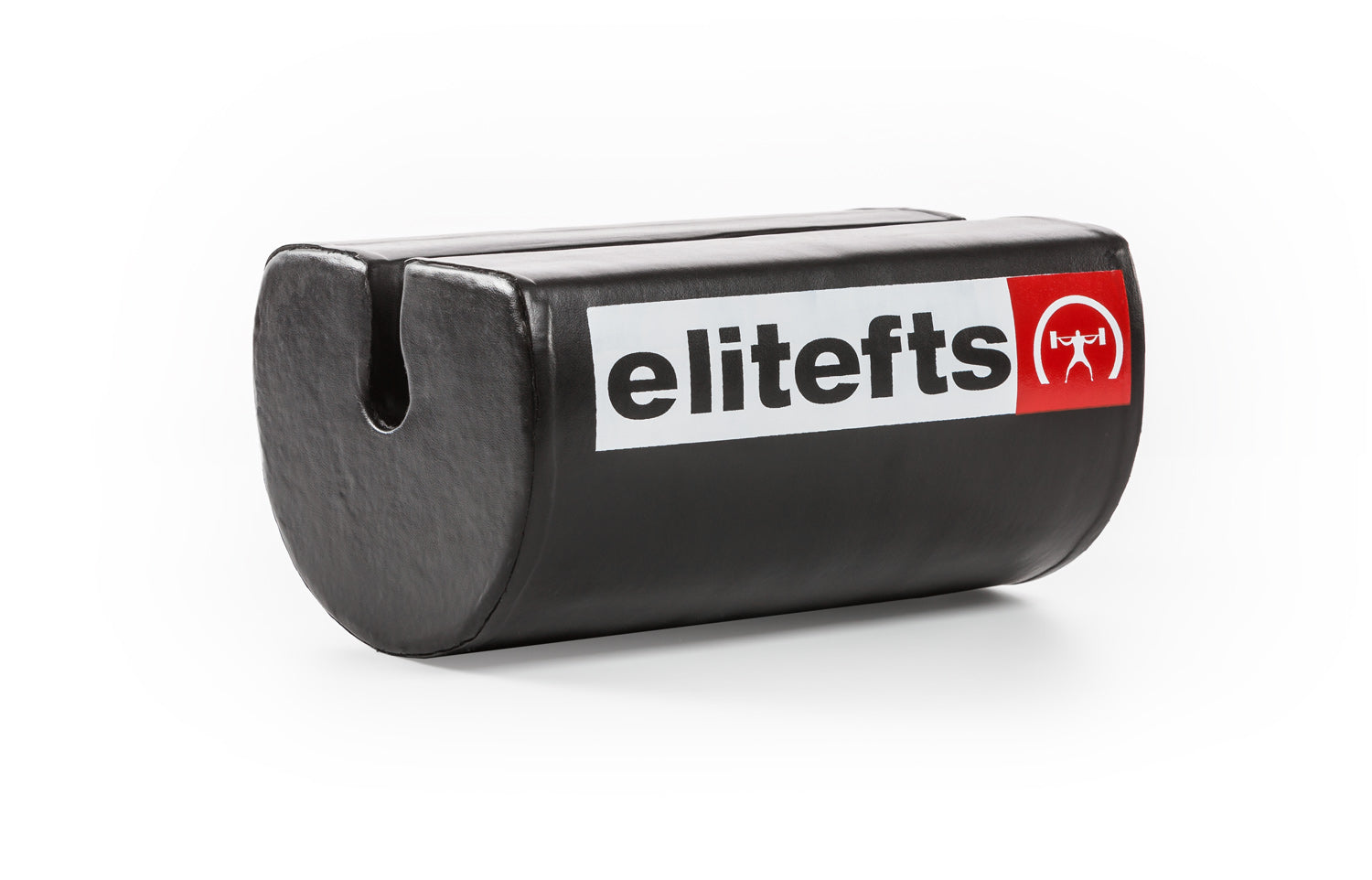
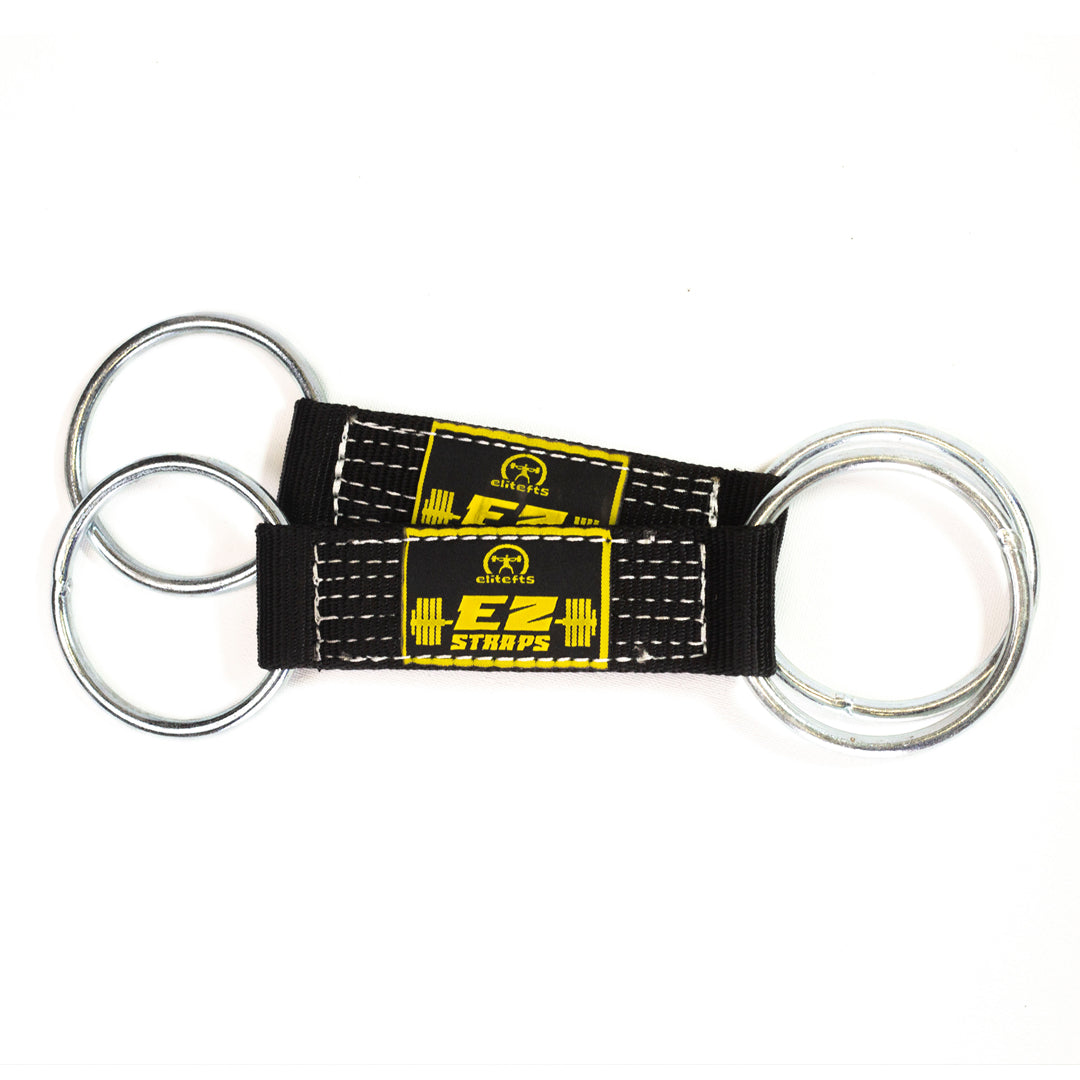
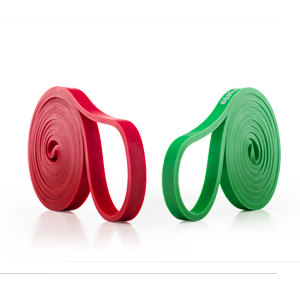
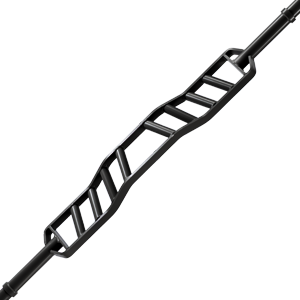
Bands Elitefts Pro Resistance Band Pack Best broad starter kit Matched pairs for warm-ups, dynamic work, assistance, and accommodating resistance setup. Shop at elitefts Chains Pair of Chains For speed squats and presses Use variable resistance without turning the dynamic wave into a percentage puzzle. Shop at elitefts Chain setup EZ Chain Sleeve w/ Shackles Cleaner chain height Helps attach chains consistently so the load deloads and reloads where you need it. Shop at elitefts Depth standard Elitefts Collegiate Box Squat Box Repeatable lower-body work Keeps depth honest for box squats, pause work, and speed-weight testing. Shop at elitefts Posterior chain Elitefts Posterior Chain Developer Weak-point builder Builds the glutes, hamstrings, and lower back that drive squats and pulls. Shop at elitefts Press variation American Press Bar Max effort upper option Neutral and angled grips let you rotate pressing stress and keep your shoulders happier. Shop at elitefts Off-chest strength Elitefts Black 4" Cambered Bar Bench weak-point tool Adds range of motion to expose weakness in the chest and reinforce tightness. Shop at elitefts Shoulder control Elitefts Shoulder Saver™ Pad Black Board-press alternative Limits the range of motion, overloads the lockout, and keeps pressing productive. Shop at elitefts Triceps Elitefts Pushdown Tricep Strap Pair Accessory staple Useful for the triceps accessory work that supports heavy pressing. Shop at eliteftsAnchor the squat. Wave the weights. Build the accessories. Stop overcomplicating the math.
Back to top Shop the setup