
Recovery Tools
What Floss Bands Actually Do (And Why Every Serious Lifter Should Have Them)
If your joints are beat up and you need something that actually works between now and your next training session, floss bands might be the most practical recovery tool you're not using.
I've trained through a lot of things. Torn muscles. Tendinitis that wouldn't quit. Knees that sounded like gravel in a can every time I walked down stairs. You get to a certain point in this sport where your body is a running inventory of things that hurt, and you're constantly making the calculation about what you can work around versus what's actually going to stop you.
Years back, somebody handed me a floss band and said try this on your knee. I figured it was another one of those things somebody saw on the internet that looked impressive in a video but wouldn't amount to much in the real world. Wrapped my knee up, did some bodyweight squats, unwrapped it.
The joint felt different. Not fixed. Not perfect. But something had shifted. Enough that I paid attention.
That's where the story usually starts with floss bands. Someone tries them out of desperation, skepticism, or pure curiosity, and the results are enough to keep them in the bag from that point forward.
We've been using them at elitefts for years. This article covers what they actually are, what's happening when you use them, how to use them correctly, and which ones to start with. The video below walks through the application so you can see it before you try it yourself.
Watch: Floss Bands in Action
Before we get into the mechanics, watch this first. It gives you a visual foundation for everything we'll cover below.
What Is a Floss Band?
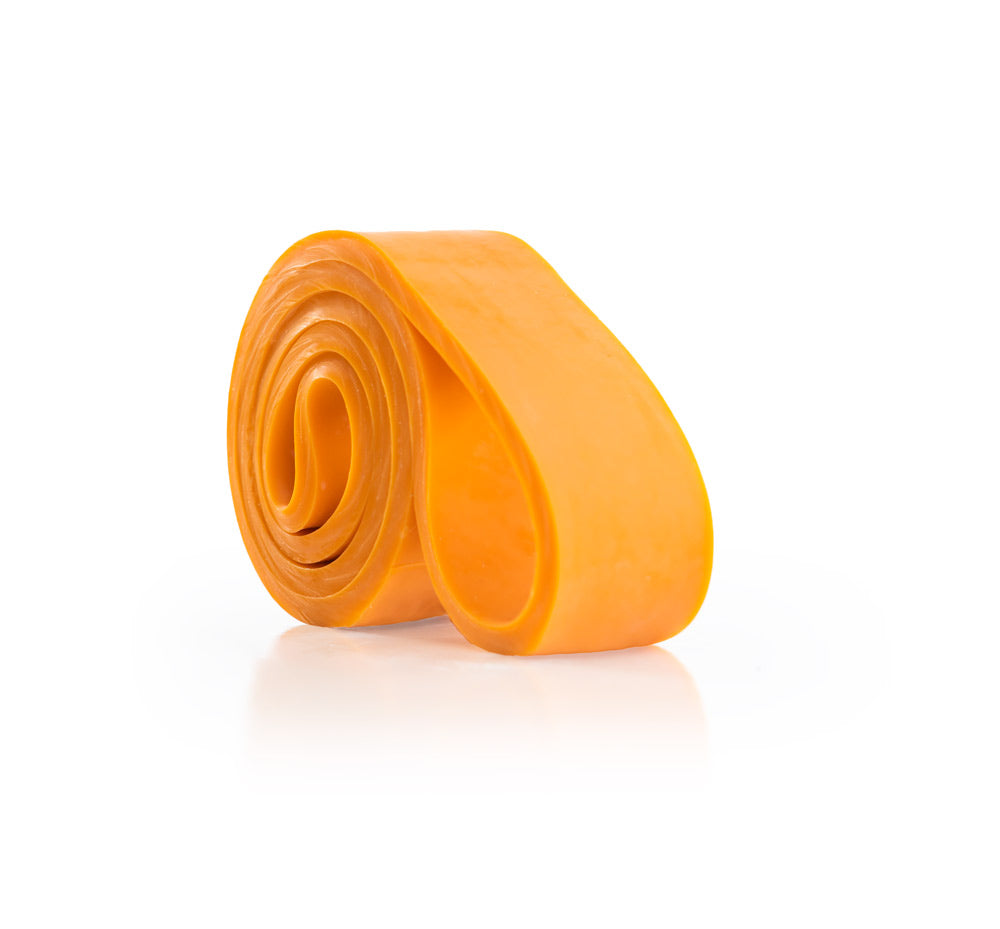
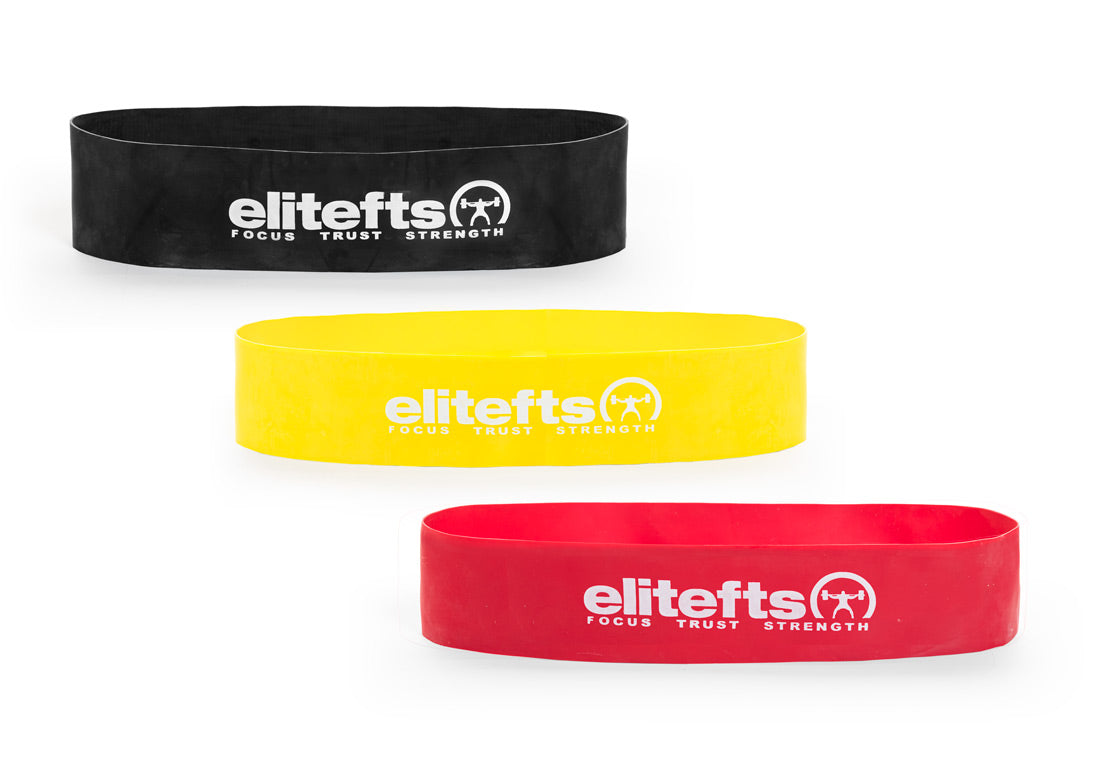
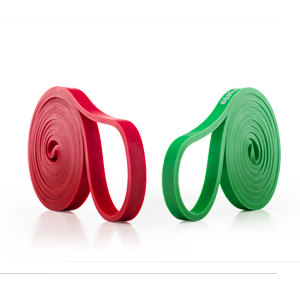
A floss band is a flat, thin strip of latex rubber. That's it. No moving parts, no battery, nothing complicated about the tool itself. They come in different tensions, which matters when you're choosing which one to use on which body part. The compression it delivers is the mechanism, and the movement you perform while it's wrapped is what activates that mechanism.
You might hear them called voodoo bands, compression tape, compression floss, or muscle floss. Different names, same tool. The core idea is identical across all of them: wrap tight around a joint or muscle group, move through range of motion, unwrap, train.
What makes floss bands different from a standard compression wrap is the elasticity. A standard athletic wrap provides static compression. A floss band wraps tight enough to create real tissue compression, but it moves with the joint. That combination of compression plus dynamic movement is what separates this tool from anything else in most lifters' bags.
What's Actually Happening When You Wrap One
The honest answer is that the exact mechanism isn't fully settled from a research standpoint. What we know comes from the coaches, clinicians, and athletes who have used these tools extensively and tracked what changes. The main theories are likely working together to some degree.
Fascial Shear
The fascia is the connective tissue that wraps everything. After years under heavy bars, that fascial tissue can stop gliding the way it's supposed to. The compression from a floss band, combined with movement, is believed to restore that gliding action. The shear force created between tissue layers gets things moving again.
Hypoxia Followed by Reperfusion
When you compress an area tightly, you reduce blood flow to that tissue. When you remove the band, blood rushes back in. That contrast is believed to help clear metabolic waste, reduce localized inflammation, and restore nutrient delivery. Think of it as a manual flush-and-fill mechanism.
Nerve Gliding and Pain Reduction
Pain signals travel through nerves, and nerves can become entrapped in surrounding soft tissue. Compressing the area and moving through range of motion slides the nerve in and out of the tissue, which can reduce entrapment and the pain associated with it. If you've got an elbow or knee that's been nagging with a nerve-type sensation, this is one of the reasons floss bands often help when other things don't.
Edema Management
Edema is the fluid accumulation that happens with acute injuries and chronic overuse. Ice alone isn't the answer. Compression and movement together are a better approach. A floss band gives you both simultaneously, and the movement ensures you're not sitting still under static compression while the joint stiffens further.
Joint Centration and Motor Pattern Reset
The compression reinforces proper joint centration and changes the feedback loop to the nervous system. Some coaches use floss bands to help lifters reset a motor pattern after a nagging injury has caused them to compensate. You're not just recovering tissue, you're relearning what the movement is supposed to feel like when the joint is properly loaded.
Key Point
Floss bands don't replace your programming or fix structural problems. They create the conditions for your tissue to respond better to training and recover faster between sessions. That's the value.
Where You Can Use Them
This is one of the best features of floss bands. If it's a joint or muscle group that's giving you trouble, you can probably wrap it.
Knees are the most common application. Wrap above and below the joint, perform bodyweight squats, lunges, or step-ups, unwrap. Most lifters report immediate improvement in range of motion and a reduction in that grinding, clicking discomfort that builds up during a heavy training cycle.
Elbows are close behind. Any pressing athlete who has put in years of volume knows elbow tendinitis is a constant companion. Wrap the elbow tight, extend and flex, make a fist, supinate and pronate. This is also one of the best applications for nerve gliding work if you're dealing with medial nerve symptoms.
Ankles respond well when dorsiflexion is limited. Wrap the ankle, perform deep bodyweight squats or simple ankle circles. The mobility restoration can carry directly into your squat depth and quality.
Calves and Achilles benefit significantly, especially for lifters who are on their feet and under load regularly. Wrap the calf belly, walk, perform calf raises, flex and extend the foot.
Shoulders and upper arms can address the general tightness that builds up from years of pressing. Wrapping around the shoulder girdle and upper arm, combined with movement in every angle, can restore range of motion that static stretching alone won't touch.
Forearms and wrists during grip-intensive sessions or as part of post-session recovery. Any lifter doing heavy deadlift variations knows the forearm tissue takes a beating.
Hips and groin can be addressed with the right approach. The compression is applied to the hip flexor and upper thigh region and combined with hip circles and light loaded movement.
How to Apply Them
The application is straightforward but the details matter.
Start your wrap distal to the joint, meaning below it. Overlap each pass by about fifty percent. Wrap upward toward the heart. The tension should be tight enough that you feel real compression but not so tight that circulation is cut off immediately. You want to feel the squeeze.
Once wrapped, perform several minutes of active movement through the affected range. For a knee, that means bodyweight squats. For an elbow, flexion and extension with forearm rotation. You're not loading heavy here. The goal is movement through range under compression, not testing a max.
Keep the wrap on for no more than two to three minutes at a time. Watch for signs that circulation is compromised: numbness beyond normal compression sensation, tingling, or skin going pale. If any of those appear, remove the band immediately.
When you unwrap, do it relatively quickly. That release is part of the reperfusion effect. Perform a few more reps of the movement after the band is off. That's your window when the tissue is most responsive.
You can repeat the sequence two to three times per session.
When to Use Them
Pre-training is the most common time. Floss the joints you're going to be loading heavily. Five to ten minutes with the bands before you start your warm-up can restore range of motion that would otherwise take much longer to work through. Lifters with chronic knee issues who floss before a squat session report a faster warm-up and less discomfort through the early working sets.
Post-training addresses recovery directly. After a heavy session, the tissue is inflamed and loaded. Floss banding at the end of a session initiates the recovery process by driving circulation and addressing the fascial tightness that built up during the work.
Between sessions on off days or active recovery days. If you're carrying soreness or stiffness from a previous session, ten minutes with the floss bands as part of a movement session can meaningfully reduce the time it takes to feel ready again.
The one thing to avoid is treating floss bands as a substitute for actual recovery. They accelerate recovery and improve tissue quality. They don't replace sleep, nutrition, managing training volume, or addressing the underlying cause of a chronic issue.
Band Selection Guide
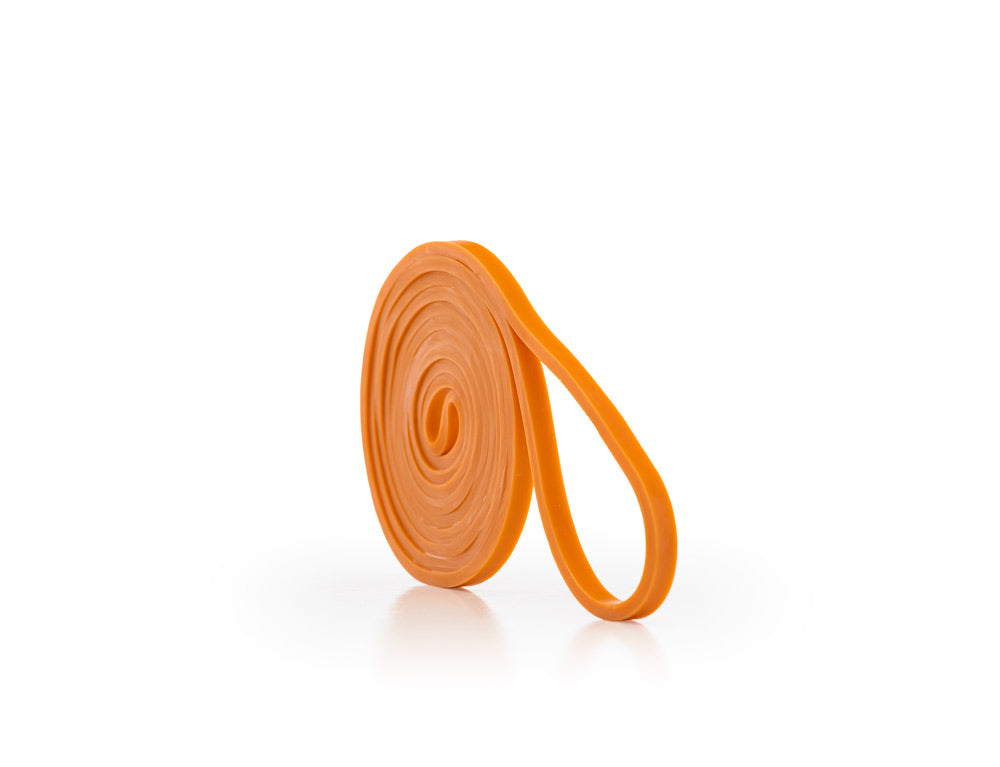
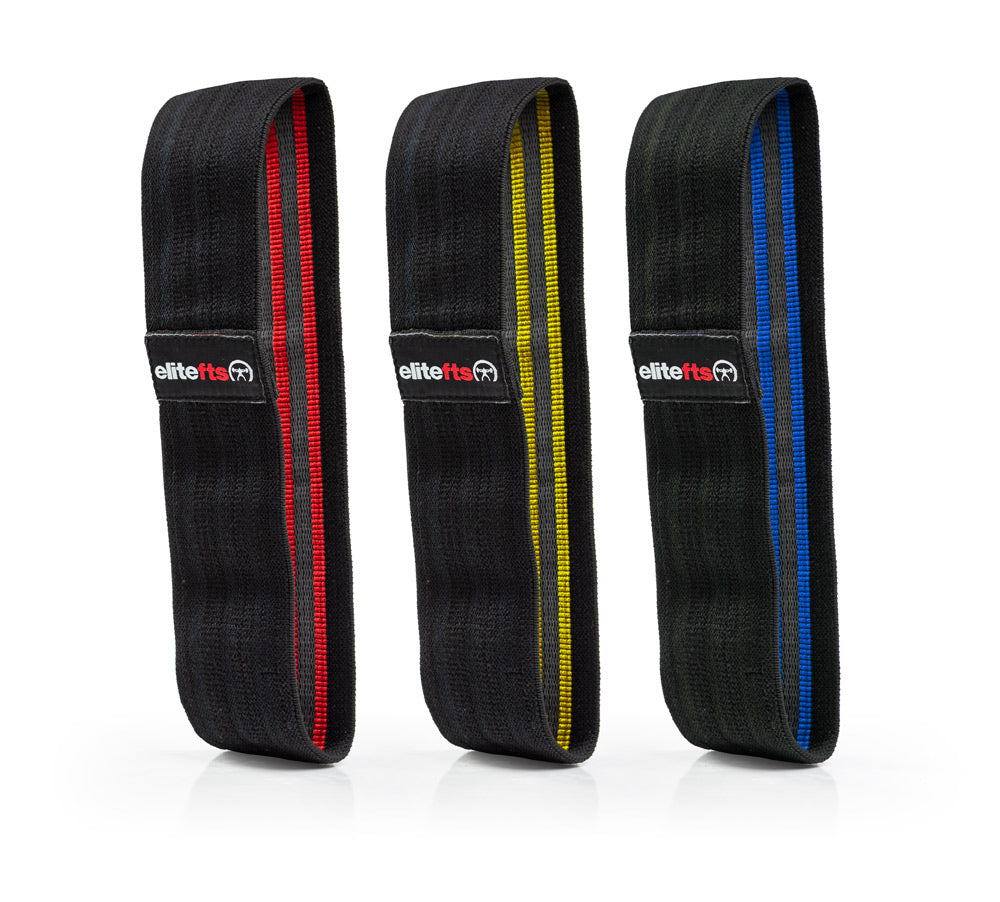
Average Band — Starting point for new users and sensitive areas. Enough compression to create the effect, manageable on acutely inflamed tissue.
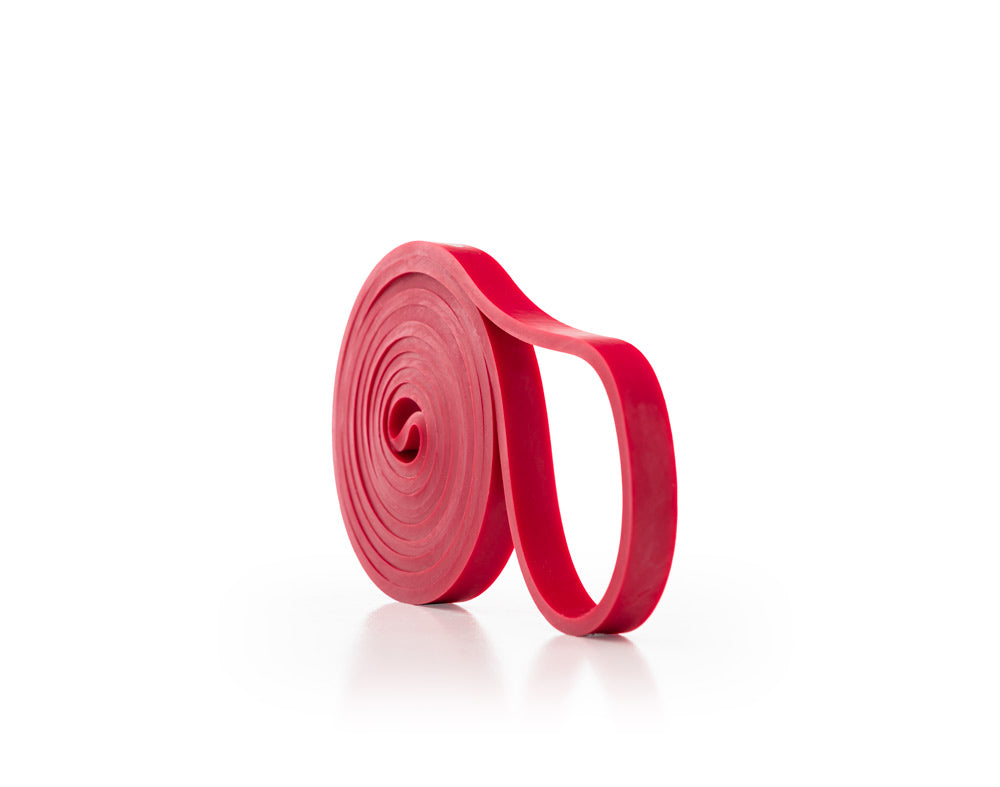
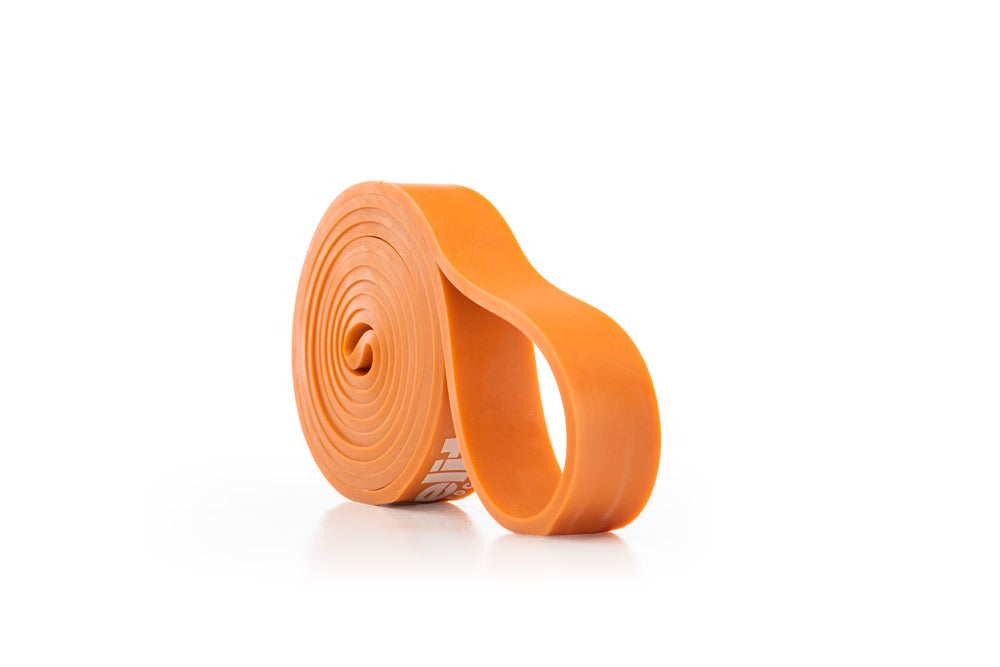
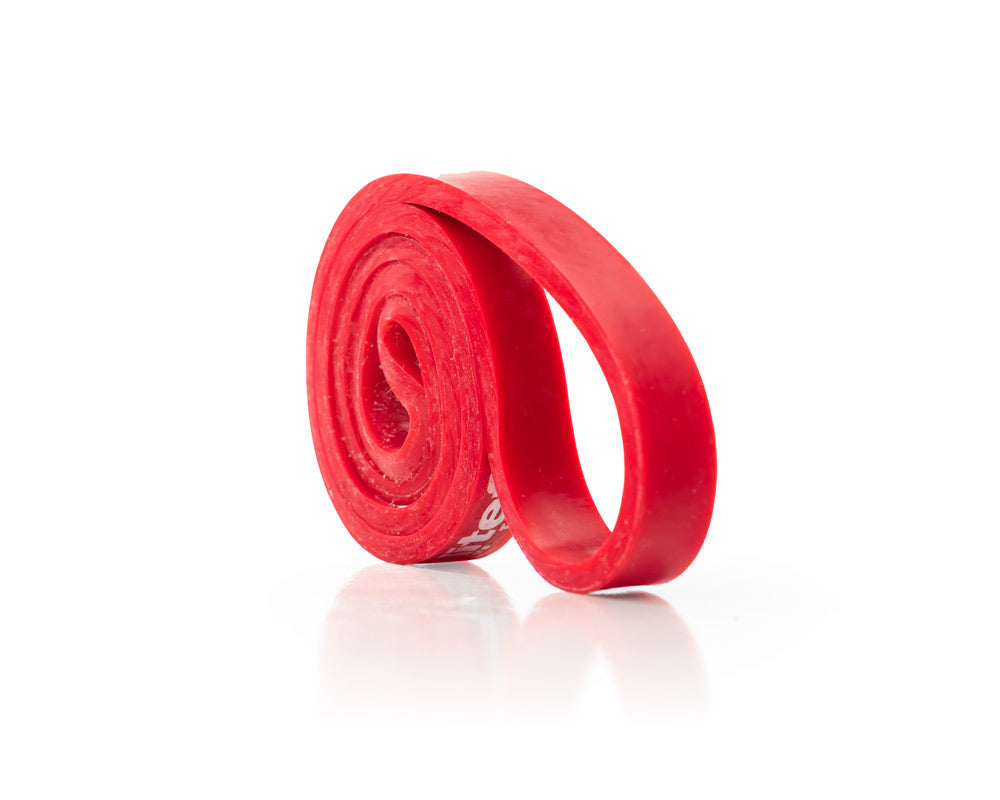
Strong Band (Red, 82" x 2") — Standard working band for most lower body applications. Knees, calves, ankles, hip flexors. Step up here when you need real compression through dense tissue.
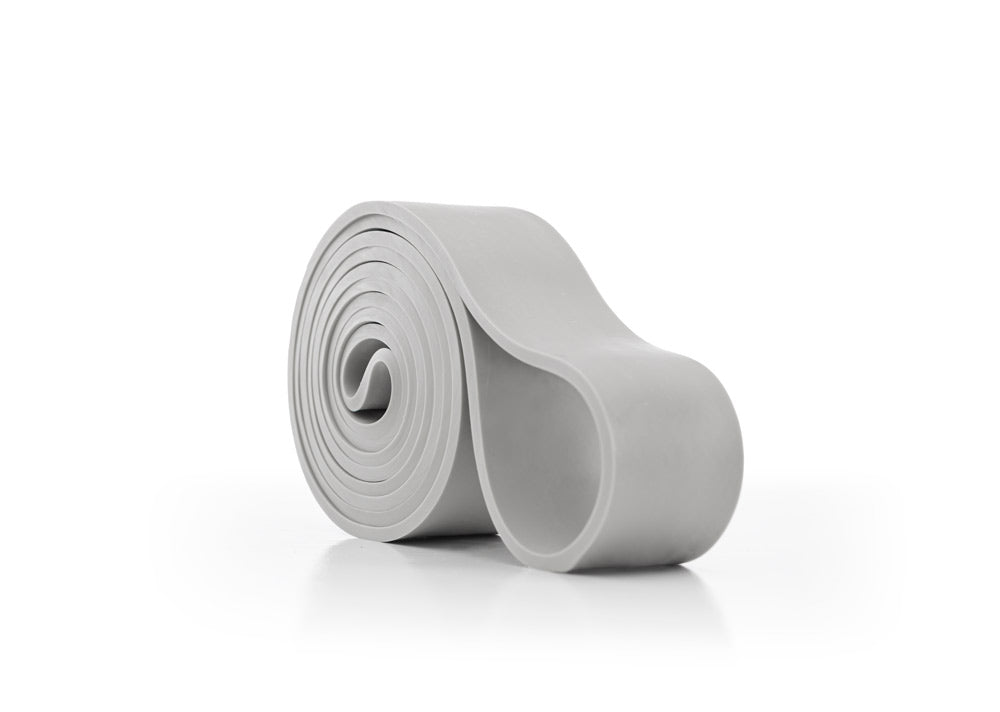
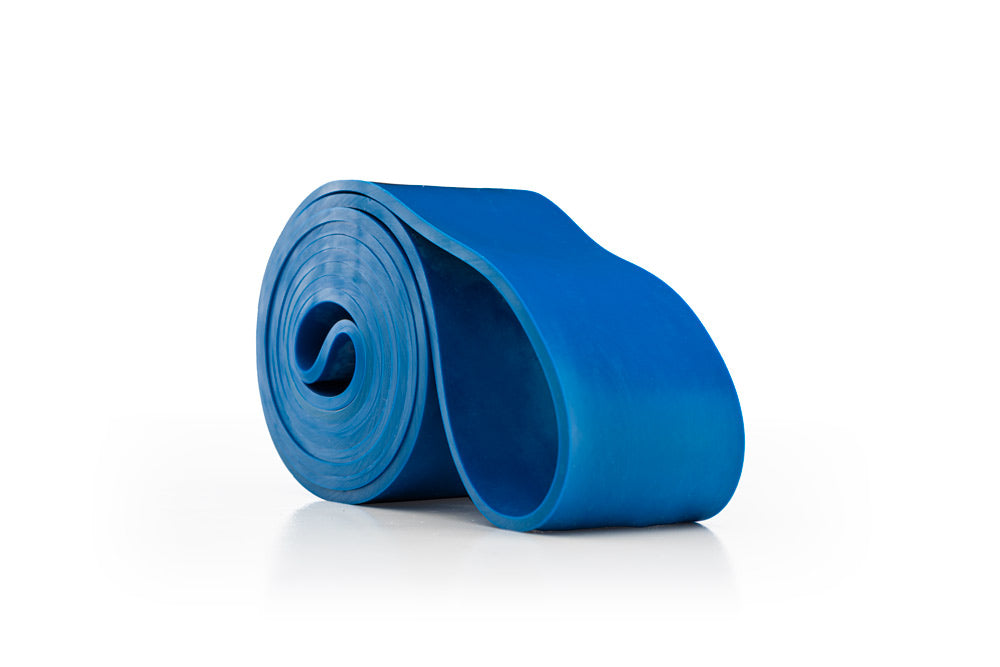
Ultra Band (Blue, 3" wide x 165" long) — Heaviest compression in the pack. Extra width distributes force over a larger surface area. Larger athletes, larger muscle groups, or anyone who's found the Strong insufficient.
Choosing the Right Band for the Job
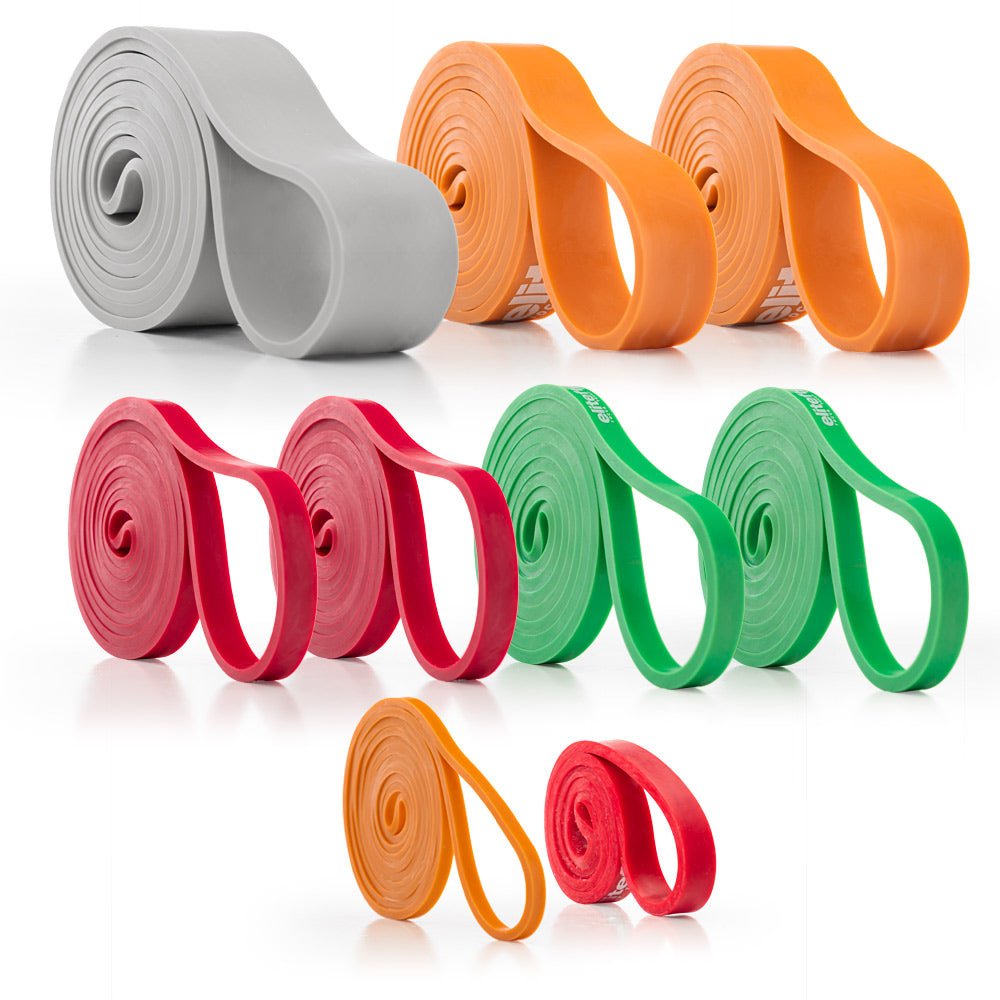
The elitefts Pro Compression Floss Band Pack gives you all three tensions so you're covered for every application.
The Average band is your starting point. If you're new to flossing or working on a sensitive area, this is where you begin. Enough compression to create the effect, manageable enough to tolerate on areas that are acutely inflamed.
The Strong band steps up significantly. This is the standard working band for most lower body applications. When you need real compression to get through dense tissue or address a larger muscle group, this is what you reach for.
The Ultra band is the heaviest compression in the pack. The extra width distributes force over a larger surface area while still delivering serious pressure into the tissue. Larger athletes, larger muscle groups, or anyone who's found the Strong band insufficient will get more out of the Ultra.
Having all three means you match the tool to the situation rather than forcing one band to do everything. The pack is the right starting point.
A Note on Safety
Remove the band immediately if the limb goes numb, pale, or the sensation crosses from compression into sharp pain. The body is telling you the circulation is compromised.
Do not wrap and then hold still. Movement is the mechanism. Static compression under a floss band without movement misses the point and increases the risk of cutting off circulation for too long.
Consult a medical professional if you are working around an acute injury or have any circulatory or vascular concerns. These bands are a recovery and mobility tool, not a medical treatment.
Get the Full Pack
The elitefts Pro Compression Floss Band Pack includes the Average, Strong, and Ultra bands so you have the right tension for every application. One purchase covers everything from sensitive elbows to dense lower body tissue.
Shop the Floss Band PackThe Bottom Line
Floss bands work. Not because they're complicated, but because they apply basic principles of tissue physiology in a practical format that fits into any training session without requiring equipment, space, or a specialist's appointment.
Every serious lifter eventually accumulates enough wear that recovery becomes as important as the training itself. The lifters who stay in this for the long haul are the ones who take that reality seriously and use every legitimate tool available.
Add floss bands to your toolkit. Use them consistently. You'll feel the difference inside a few weeks.
Live, Learn, Pass On.