


What HYROX Taught Me About Strength & Conditioning
The sport is new enough to expose weak systems fast. The principles that solve those problems are not new at all.
Introduction
For years, most athletes arrived with the same solution to every problem.
- Need to get stronger? Lift more.
- Need to get fitter? Run more.
- Need better results? Do more.
The problem was not effort.
Some athletes had plenty of strength but could not repeatedly express it under fatigue. Others had enormous aerobic capacity but lacked the force production to move efficiently through loaded stations.
The longer I coach, the more convinced I become that performance is not limited by an athlete's willingness to work. It is limited by a coach's ability to organize stress, develop transferable qualities, and remove what does not matter.
HYROX has simply exposed those lessons more clearly than most sports. The sport may be relatively new. The principles are not.
Recovery Determines Whether Training Works
One of the biggest mistakes I made early in my coaching career was confusing fatigue with progress.
Heavy lifting. Hard conditioning. Field sessions. Contact work.
Everyone looked busy. Everyone looked committed. Unfortunately, many athletes were simply surviving the training week rather than adapting to it.
Charlie Francis' High/Low approach helped me understand that recovery is not something that happens after training. Recovery determines whether training works in the first place.
A poorly organized week can look logical on paper and still fail the athlete. The issue is not whether each session makes sense in isolation. The issue is whether the accumulated stress allows the athlete to adapt.

Developing Multiple Qualities Simultaneously
One of the reasons Louie Simmons had such a profound influence on my coaching was his ability to solve a problem most coaches still struggle with: how do we develop multiple physical qualities simultaneously?
Rugby players still need speed while developing strength. Hybrid athletes still need strength while building their aerobic base. Tactical athletes still need work capacity while improving force production.
Max Effort + Dynamic Effort
Expose high force and speed-strength without turning every session into a grind.
Aerobic Development
Build the base that lets athletes repeat outputs and recover between high days.
Race-Specific Conditioning
Use specificity after the qualities are built, not as a substitute for building them.
A typical week may include: max-effort lower with dynamic-effort upper; aerobic development work; max-effort upper with dynamic-effort lower; tempo or threshold running; race-specific conditioning; and restoration work.
The objective is not to maximize fatigue. The objective is to develop multiple qualities while preserving the ability to recover and adapt.
Force Transfer Matters
Verkhoshansky's concept of Dynamic Correspondence fundamentally changed how I think about specificity.
Specificity is not simply copying movements. It is understanding how force is produced and expressed.
One example is the heavy sled march and various sled push progressions. Not because they replicate the race exactly, but because they allow us to develop force application, posture, trunk stiffness, and force production under load in ways that transfer to the demands of sled pushing.
The exercise itself is not the point. The transfer is.
Coaches argue about exercises. Athletes compete with qualities.

Every Exercise Must Earn Its Place
Bondarchuk's work may have provided the simplest lesson of all.
Every exercise must justify its existence by improving performance.
One of the traps I see in HYROX programming is the inclusion of exercises simply because they look specific.
If an exercise consumes time, creates fatigue, and contributes little to performance, its place should be questioned, regardless of how closely it resembles the sport.
Similarity is not transfer.
When reviewing a program, I often ask: “If I removed this exercise tomorrow, would performance suffer?” If the answer is yes, it stays. If the answer is no, it probably does not need to be there.
Build the Qualities That Transfer
For coaches building hybrid athletes, the best tools are the ones that help organize stress, develop force, and keep training honest. Start here.
EliteFTS Prowler® 2
For sled push progressions, loaded conditioning, and building repeatable force under fatigue.
Shop Prowler® 2elitefts Compact Dragging Sled
A simple, durable option for dragging, general conditioning, recovery work, and low-impact volume.
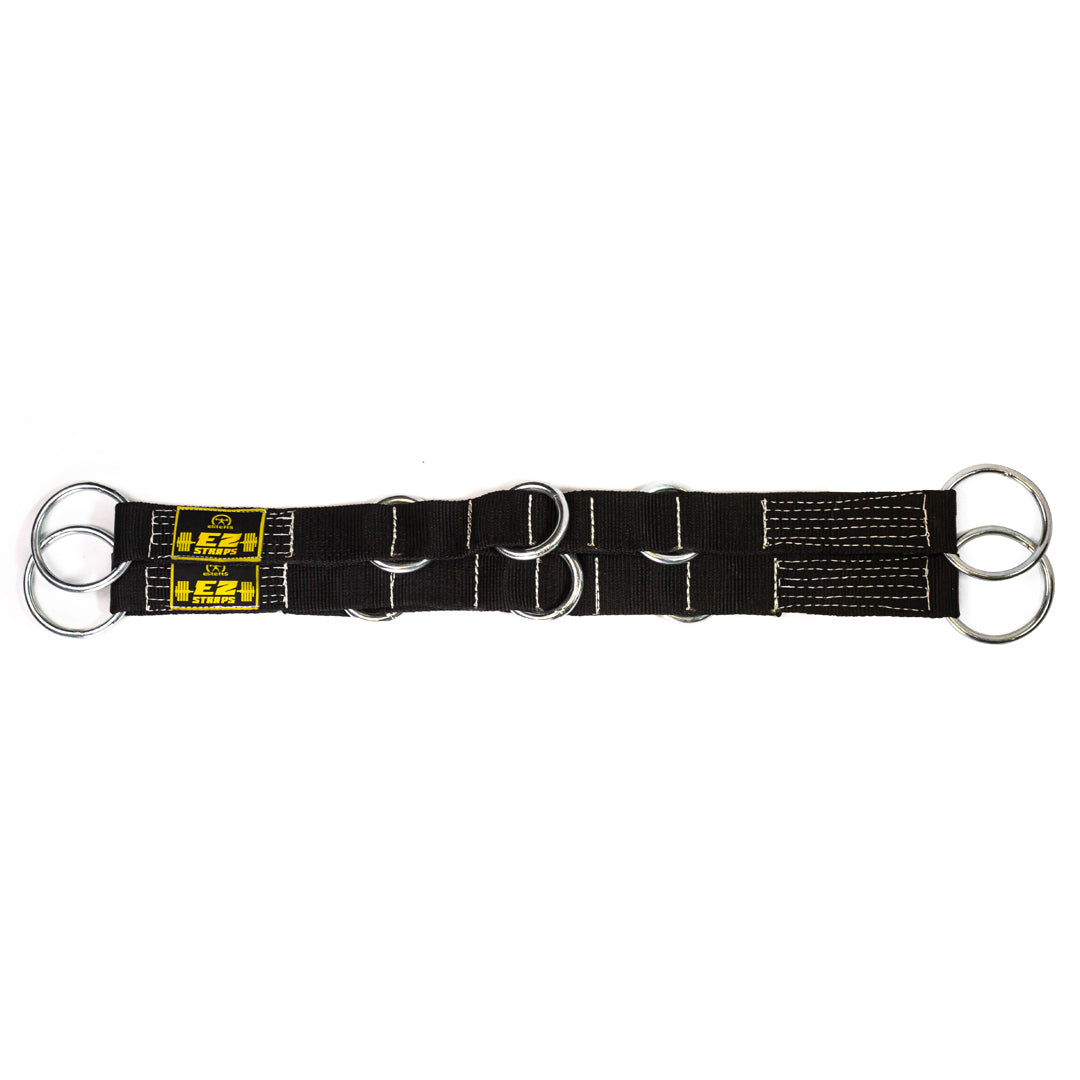
Shop Dragging Sledelitefts Sled Strap
Use it for sled dragging setups when you want practical, repeatable conditioning without overcomplicating the session.
Shop Sled StrapSpud Inc. Track Harness
Useful for resisted running, sled pulls, change-of-direction work, and general speed-strength applications.
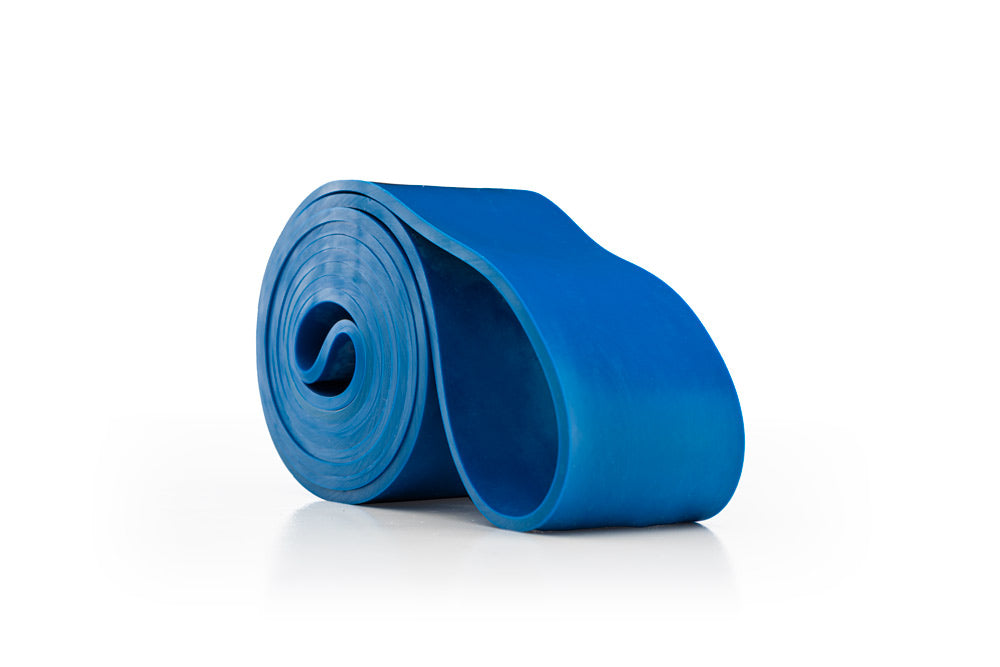
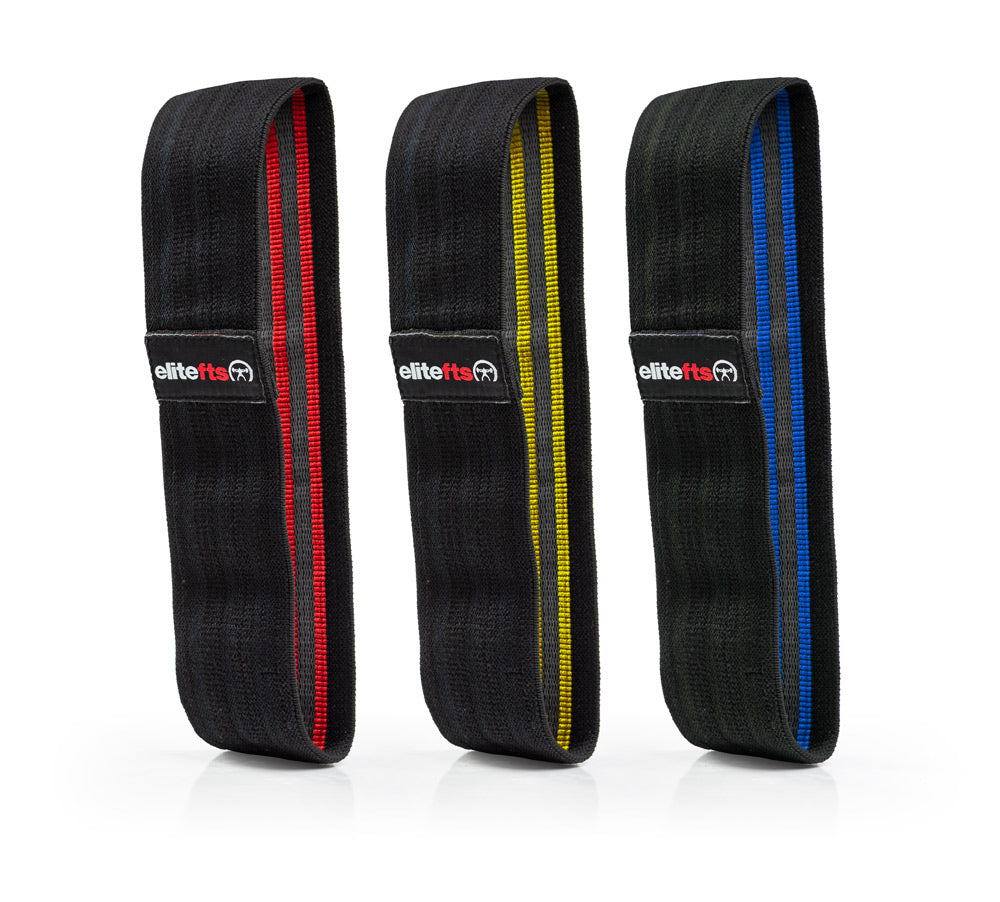
Shop Track Harnesselitefts Pro Resistance Band Pack
For dynamic effort work, warm-ups, mobility, barbell resistance, and accessory training.
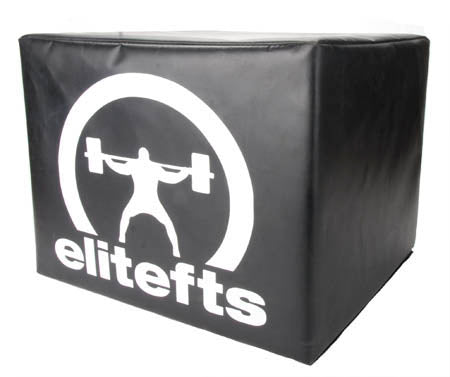
Shop Band Packelitefts Box Squat Box
For consistent depth, controlled strength work, and lower-body force production without guesswork.
Shop Box Squat Box
What Most HYROX Programs Still Get Wrong
HYROX did not teach me anything revolutionary. What it did was expose weaknesses that already existed in many training systems.
- Organize stress.
- Develop multiple qualities.
- Prioritize transfer.
- Remove what does not matter.
Most athletes do not need more exercises. They do not need more conditioning sessions. They do not need more complexity.
They need a better understanding of which qualities matter, how to organize stress, and which exercises actually transfer.
The challenge is not doing more. The challenge is knowing what to leave out.
Better coaching often comes from doing less, but doing it with greater purpose.
Further Reading
- Charlie Francis - The Charlie Francis Training System
- Charlie Francis - Training for Speed
- Joel Jamieson - Ultimate MMA Conditioning
- Louie Simmons - The Westside Barbell Book of Methods
- Yuri Verkhoshansky & Mel Siff - Supertraining
- Yuri Verkhoshansky - Special Strength Training Manual for Coaches
- Anatoliy Bondarchuk - Transfer of Training in Sports
- Vladimir Issurin - Block Periodization
- Michael Yessis - Explosive Running