
Why Olympic Lifting Still Belongs in Football
Evan Barr makes the case that Olympic lifting still has a place in football when it is coached with purpose, scaled to the room, and treated as a tool instead of a religion.

The Olympic lifting debate usually gets turned into a fake choice. Either every athlete has to snatch like a national-level weightlifter, or the lifts are a complete waste of time and nobody should touch them.
That is not how real weight rooms work.
In this Table Talk conversation, Evan Barr explains why he still likes Olympic-lift variations for football. His answer is not because they are trendy, old school, or mandatory. He likes them because football is hard, complex, and violent. A football player has to coordinate the body, put force into the ground, absorb force quickly, and do it all while another human being is trying to disrupt the plan.
When Olympic lifting is used correctly, it gives coaches a way to train those qualities in one movement. Not perfectly. Not magically. But effectively enough to earn its place in the program.
What Barr Is Really Saying
The Pushback Misses the Point
The strongest argument against Olympic lifting in team sports is time. Coaches have limited contact hours, big groups, mixed training ages, injuries, position demands, and athletes who may not be in the program long enough to master technical lifts. Barr does not brush that off. He acknowledges it.
But he also points out that football itself is technical. Players have to learn complex offenses, defenses, calls, adjustments, and positions. Nobody says, "The playbook is hard, so do not teach it." The question is whether the thing being taught is worth the coaching time.
For Barr, the clean and related variations are worth it when they serve the larger goal. He is not building an Olympic lifting program. He is building football players. That means he can touch the clean, teach positions, use catches, use pulls, and blend the movement into a broader conjugate-based system without forcing every athlete through a full competitive weightlifting progression.
Good Enough Does Not Mean Sloppy
One of the best parts of the conversation is the distinction between good enough and perfect.
A powerlifter's squat, bench, and deadlift have to be better than good enough because those lifts are the sport. For a football player, the weight room supports the sport. The lift needs to be good enough to create the intended adaptation without turning into a safety problem or a circus rep.
That still leaves a standard. Good enough does not mean knees everywhere, soft positions, missed racks, and coaches pretending not to see it. It means the coach understands the return on investment. At some point, chasing prettier cleans may cost more than it gives back. The athlete still needs to sprint, practice, recover, lift, build tissue, and be ready to play.
The lift has to be clean enough to drive the adaptation. It does not have to be clean enough to win a weightlifting meet.
The Room Can Coach the Room
Barr's own experience matters here. When he was around players who could Olympic lift well, he learned faster. The rack became another coaching station. You see the timing. You see the position. You see the intent. Then peer pressure does what a whiteboard never can.
That matters for a college weight room. If a coach inherits athletes with little Olympic lifting background, the first cycle may take longer. Barr talks about slowing things down, teaching positions on the whistle, spreading proficient athletes through groups, and letting the system compound over time. Once more athletes know how to move, teaching the next group becomes easier.
This is also why staff alignment matters. The program is not just sets and reps. It is culture, grouping, expectations, and where a coach places athletes within a room. Put the wrong athlete with the wrong group and you may bury him. Put him with the right group and his intent can change in one session.
Build the Year Before You Chase the Max
The broader programming discussion is where the episode gets even more useful. Barr does not rush into heavy testing when athletes return. He talks about basic assessments, body composition, force plates, Nordics, movement quality, and teaching. In that first block, the priority is getting the athlete back into quality work and restoring ranges of motion that get shortened during a season.
Then the program starts to build: modified max-effort work, repetition work, dynamic effort, field work, tempos, resisted sprints, and eventually higher-speed exposures. For bigs, the demands are different than they are for skill players. Linemen live in repeated five-to-seven-second fights. Skill players need more single-leg work, repeated sprint ability, posterior-chain readiness, and enough power touches to stay explosive.
The key is not one magic exercise. The key is knowing what quality you are chasing and when that quality needs to show up.
Where the Tools Fit
This is where coaches can get practical. If the goal is force into the ground, rate of force development, catching and absorbing load, posterior-chain development, resisted sprint work, and dense football preparation, the tools have to match the job.
SS Yoke Bar
A shoulder-friendly way to rotate squat patterns and keep lower-body loading in the plan.
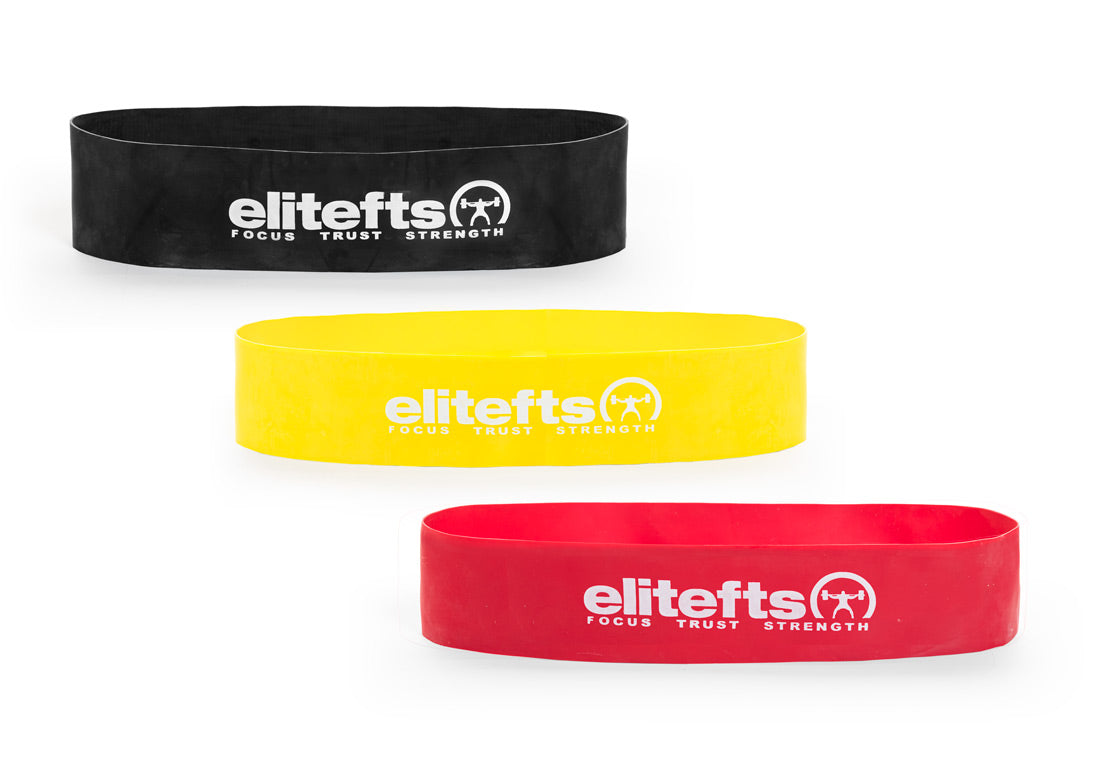
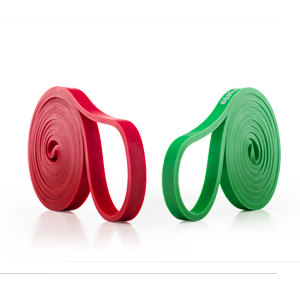
Shop SS Yoke BarPro Resistance Band Pack
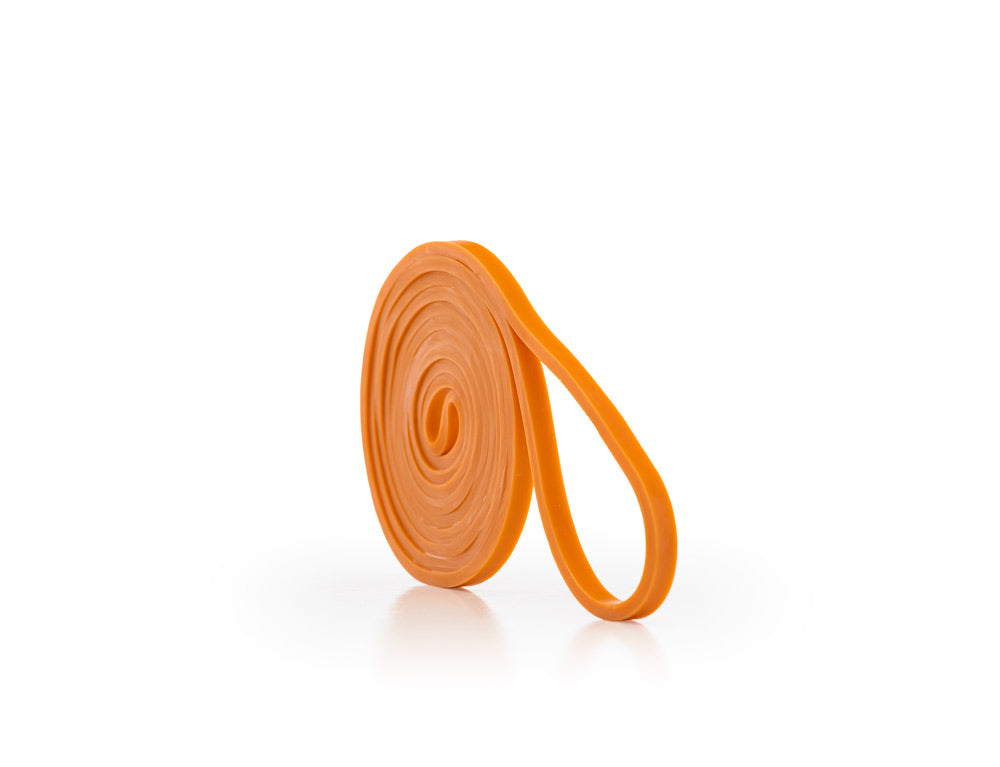
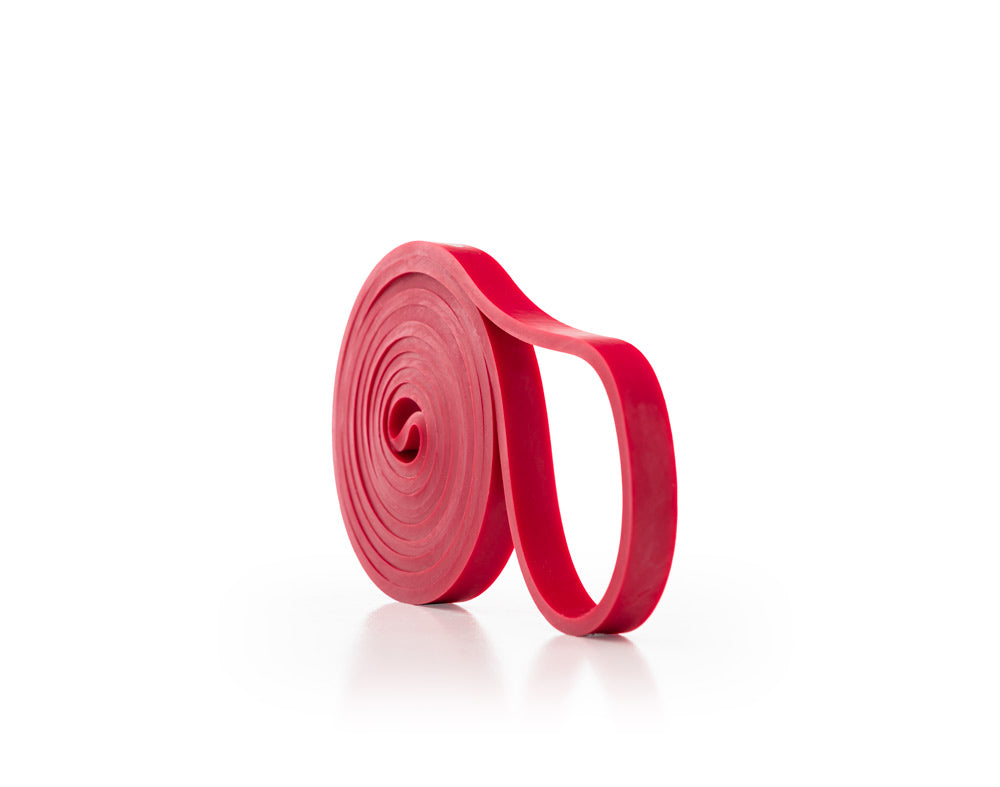
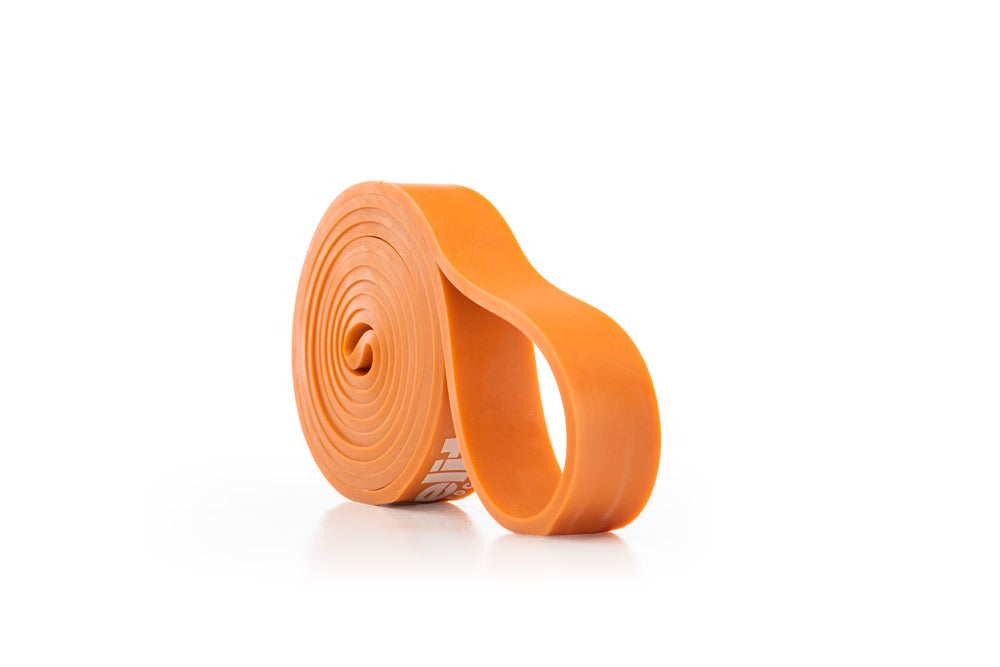
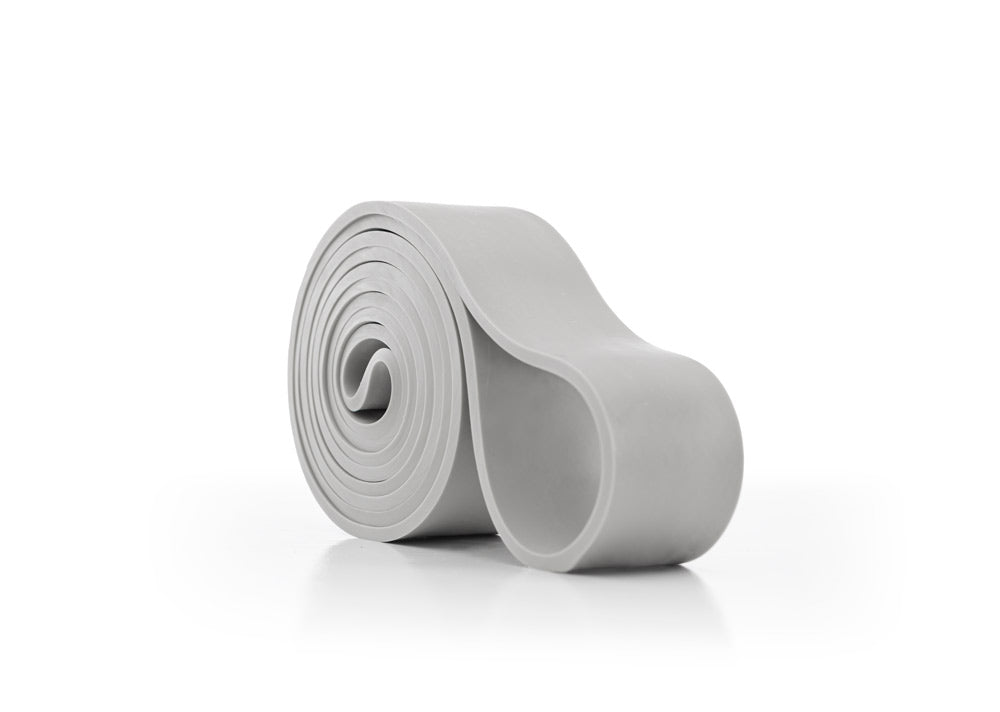
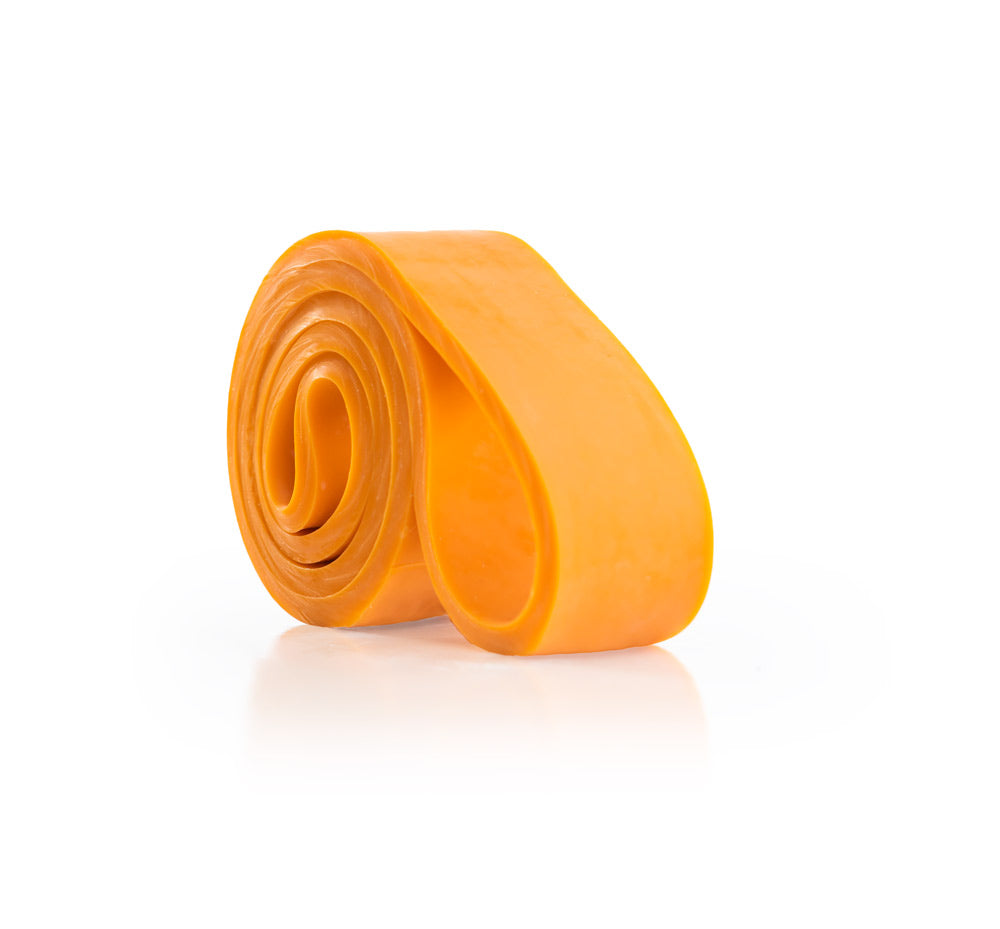
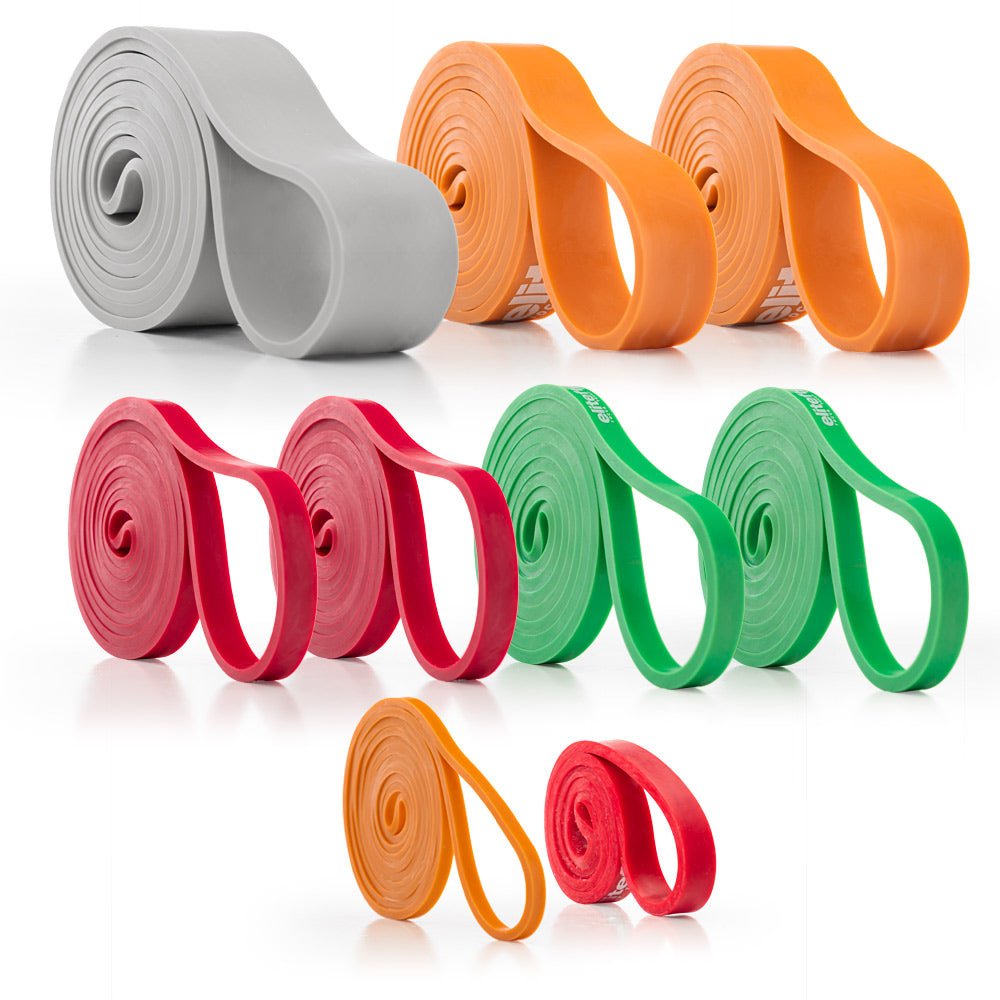
Useful for resisted work, accommodating resistance, warm-ups, and mobility options.
Shop BandsPair of Chains
Classic variable resistance for squats, benches, pulls, and speed-strength work.
Shop ChainsProwler 2
A straightforward way to train football-specific drive, conditioning, and repeated effort.
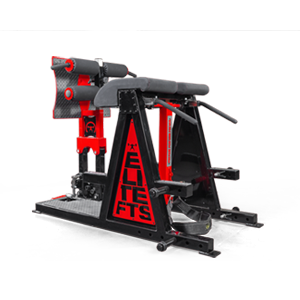
Shop Prowler 2Scholastic GHR
Posterior-chain work for athletes who need hamstrings, glutes, and low back that can handle a season.
Shop GHRWatch the Full Conversation
- Barr likes Olympic lifts for football because they are complex, coordinated, and demanding, just like the sport.
- He does not frame the program as Olympic lifting first. He uses clean variations, catches, second-pull work, dynamic effort, and conjugate principles to chase football outcomes.
- Early blocks emphasize teaching, rebuilding movement quality, body composition, and reestablishing training habits before heavy testing.
- Summer and in-season work depend on position, maturity, practice load, and the need to keep power and speed qualities touched frequently.