
Why Your Athletes Are Leaving Explosive Power on the Table
Sports performance coach Khalil Sharad breaks down the three-tool progression he uses to build stronger, more explosive athletes, starting with the belt squat and ending with resisted jumping.
Khalil Sharad coaches out of Columbus, Ohio. He came up in New York, spent years putting athletes through the wringer, and figured out a few things most S&C coaches overlook because they're too busy chasing complexity.
The progression he runs is simple. Not easy. Simple.
Belt squat. Safety squat bar. Resisted jumping.
Three tools. Each one earns its place for a specific reason. Watch the full breakdown below, then read on.
Start With the Belt Squat. Every Time.
Most coaches reach for the goblet squat when an athlete can't squat worth a damn. Khalil doesn't. He starts them on the belt squat, and once you hear the reasoning, you won't argue with it.
Two things kill most athletes' squat patterns early: weak hips and a back that hasn't earned a barbell yet. The belt squat takes both problems off the table. Spinal loading is gone. The walkout is gone. You're left with the pattern itself, and nowhere to cheat it.
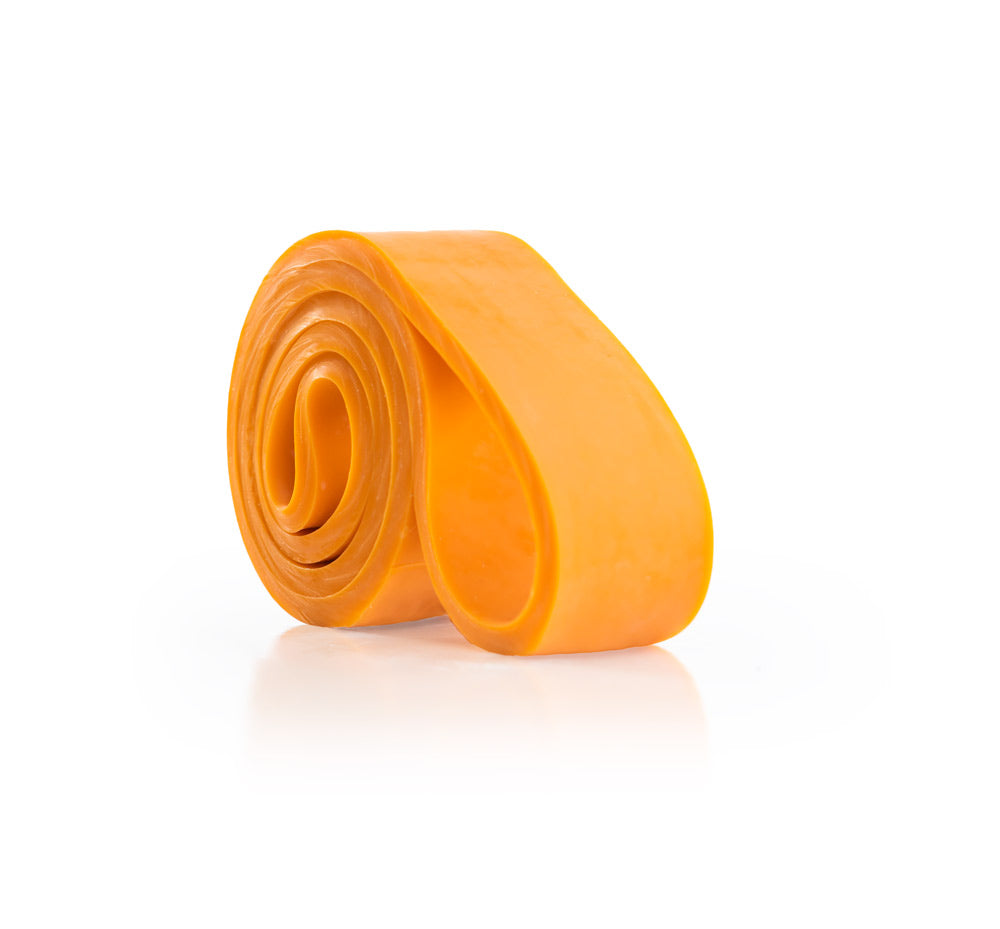
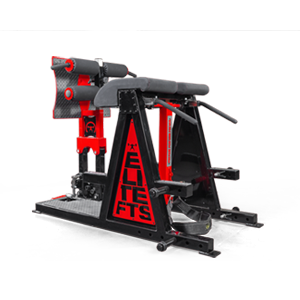
He runs the Tiger belt squat, but the lesson applies to any belt squat setup you have access to. Load it with straight weight, bands, chains, or a combination of them. The loading variable matters less than the cue: stay tall, drive the knees out, and come up explosively. If an athlete can't hold their torso upright without collapsing, have them use the handles. Not to perform a curl. Just as a reference point. If you took your hands off those handles, would you fall backward, or would you still be standing tall? That's the question you're answering.
The Belt Squat Coaching Cue
"If I let go of these handles, would I fall back, or would I be able to stay up tall?" That question is all you need. The handles are a reference point. Not a crutch. If the athlete is gripping for survival, you haven't fixed the problem. You've hidden it.
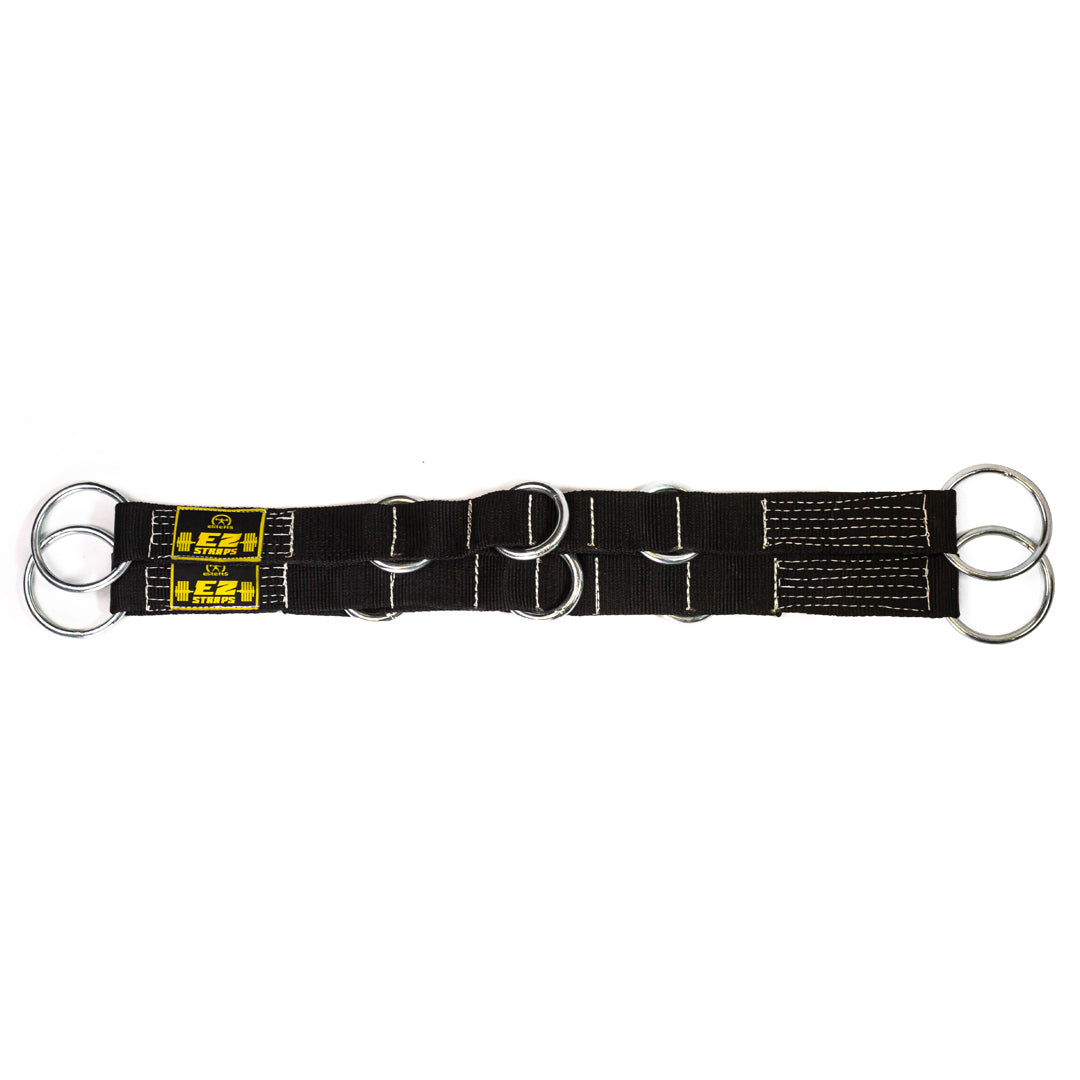
One variation Khalil keeps in rotation even with advanced athletes is the march. Attach to the belt squat and alternate legs like you're running. Wide and low works the glute meat. Close and high shifts focus to the quads and hip flexors. You can add a med ball to the chest. Weak-footed athletes can walk on the balls of their feet. Basketball players can dribble while marching. Fighters can grapple while moving. The belt squat keeps delivering traction, decompression, and hip work without adding to the spinal load that's already stacking up in-season.
Get a belt squat. Use it. Your athletes will be better for it.
Progress to the Safety Squat Bar Before You Touch the Straight Bar
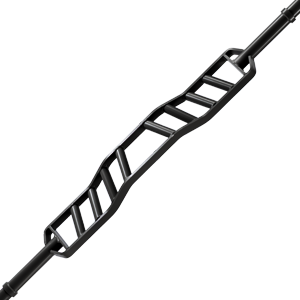
Once an athlete has the pattern down, Khalil moves them to the safety squat bar. Not the straight bar. The SSB.
The reason is practical, and it holds for any level athlete who's in-season or managing beat-up shoulders, elbows, and wrists. Which is most athletes most of the time. The straight bar demands a shoulder position that gets expensive fast when a kid is already taking hits in practice and competition. The SSB removes that demand.
The bonus you get is something most coaches don't advertise enough: every rep on the SSB is a rep of upper back work. Thoracic and upper back strength is a weak link in most athletes. The bar fights to pull you forward the entire time. If your athlete isn't actively working to stay upright, they're losing the rep. That's a feature, not a bug.
The Donnie Thompson Cue
After the bar is unracked, make a fist. Keep it for the entire set. The moment an athlete starts gripping and lifting with their hands, they're unloading the bar and making the movement easier. You're not looking for easier. The handles are there so the bar stays on the athlete, not so the athlete can help themselves with their arms.
Box height matters. Set it so the athlete doesn't have to tiptoe into the hole. Find the height where they can sit to the box cleanly, demonstrate control, and drive back up with intent.
If you need any more convincing on the SSB, Khalil's point is blunt: if their safety squat bar number goes up, their straight bar goes up too. The carryover is real. Meanwhile, their shoulders are still intact for the rest of the season.
If You're Not Doing Resisted Jumping, You're Missing Gains
This is the piece most coaches skip, or they do it wrong, and they wonder why their athletes aren't getting more explosive.
Khalil uses a jump mat for training and testing. His preferred tool for resisted jumping is dumbbells. Not a weight vest, not ankle weights, not a trap bar. Dumbbells. The reasoning is clean: dumbbells keep the athlete centered. Ankle weights shift the load to the lower leg and mess with mechanics. Vests can shift and come undone. The trap bar is a whole setup process. Dumbbells are in your hands, balanced, and ready to go in ten seconds.
The method is contrast training. Specifically, a one-and-one or two-and-two pairing: one weighted jump followed by one bodyweight jump, or two-and-two. The weighted jump teaches the nervous system to attack the ground on the way down. Most athletes drop into a jump slowly. That's a problem. Faster down means faster up. The weighted rep trains that aggression into the pattern. Then you pull the dumbbells and let the nervous system express what it just learned without the load.
The cue Khalil uses: punch the ground on the way down, upright row on the way up. That mental image tends to click fast.
The PR Protocol
On the final set, if the athlete ties or beats their jump height PR, they get two more attempts to push further. Khalil's had athletes jumping for thirty minutes straight because they kept hitting new marks. When that's happening, the training is working. You don't cut it short because the clock says so.
The practical case for jump training versus sprinting comes down to two things: space and recovery cost. Sprinting requires room, most facilities don't have. It's also harder on the body per session. Jumping gets you to the same velocity end of the force-velocity curve with less cumulative damage. If jump height goes up, sprint speed goes up. The relationship is bidirectional. But when you can't sprint, you can always jump.
If you don't have a jump mat or any way to measure jump height, you're guessing at your athlete's progress. Get the measurement tool. Test consistently. Train the quality deliberately.
The Progression That Holds Up
Belt squat builds the pattern and protects the spine. Safety squat bar builds the upper back and protects the shoulders. Resisted jumping builds velocity at the high end of the spectrum without destroying the body in the process.
None of this is complicated. All of it works. The belt squat progression is the foundation. The SSB is the bridge. The dumbbell jump is the finish that turns a strong athlete into an explosive one.
Watch the video again if you need to. The coaching is there in plain sight. All you have to do is apply it.
Build Stronger, More Explosive Athletes
The equipment Khalil trusts is here. Belt squats, safety squat bars, and everything else your program needs.
Shop elitefts EquipmentLive, Learn, Pass On.
Dave Tate / elitefts