

Table Talk Training Notes
You Don't Need a Periodized Program to Build Strong Athletes
Guillermo Blanco's point is simple: the real world does not care about your spreadsheet. If the plan cannot survive bad equipment, changing schedules, low training ages, and a room full of athletes who all need different things, it is not a plan. It is a wish.
In this episode of Dave Tate's Table Talk, Dave sits down with Guillermo Blanco, a tactical strength and conditioning coach with experience in collegiate athletics, powerlifting, private performance, and the Army's H2F system. The conversation keeps circling back to one idea: most lifters and athletes do not fail because they lacked the perfect long-term periodization model. They fail because the foundation was never built hard enough to support the work.
TL;DR
- Most populations Guillermo sees, from high school athletes to tactical athletes, need more posterior-chain and upper-back work.
- Rigid periodization breaks down when attendance, equipment, training age, and stress are unpredictable.
- GPP is not random conditioning. It is the base that lets lifters handle training and life without falling apart.
- The goal is not maximum strain every day. The goal is the minimum effective strain that keeps progress moving.
The First Problem Is Usually the Back Side
Before Guillermo gets into sets, reps, or percentages, he starts with what shows up across nearly every population he has coached: weak posterior chains. Lower backs are underprepared. Hamstrings are not strong enough. Athletes lack the kind of back strength that lets them sprint, brace, change direction, squat, pull, and tolerate hard training.
This is not limited to beginners. It shows up in high school athletes, collegiate groups, service members, and plenty of lifters who have been around weight rooms long enough to know better. Dave pushes the conversation toward the needs analysis of the individual, and Guillermo's answer is practical: even before a formal assessment, he knows most people are not getting enough backside work.
That does not mean every athlete needs the same template. It means the starting bias should be obvious. Build the hamstrings. Build the glutes. Build the spinal erectors. Build the upper back. Get the athlete pulling, rowing, hinging, bracing, carrying, and controlling position under fatigue.
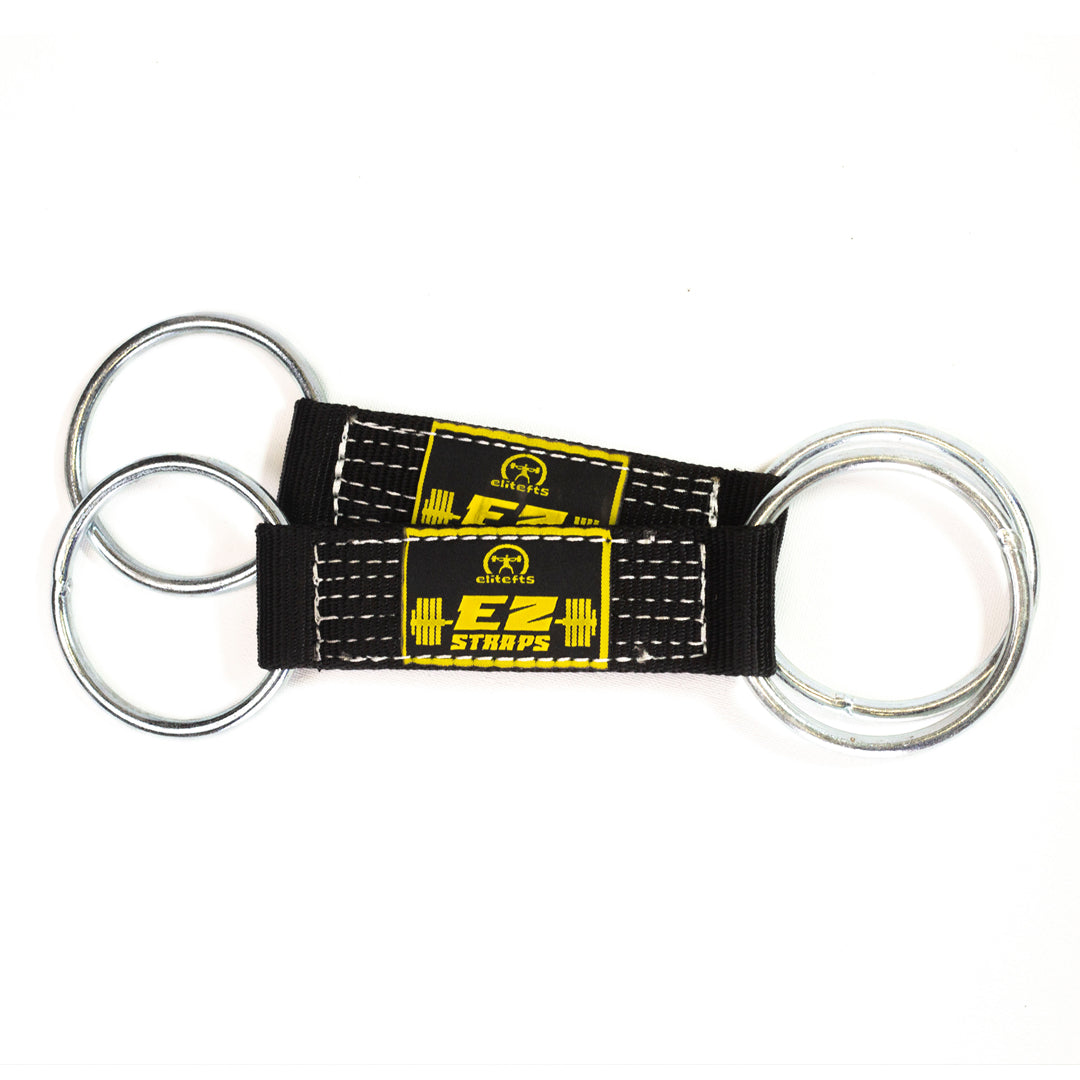
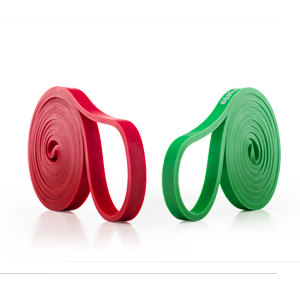
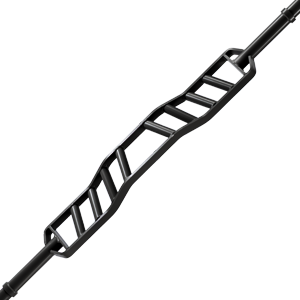
For an elitefts reader, this should sound familiar. If the lower back is always smoked, the answer is not always less training. Many times the answer is a better base and smarter exercise selection. This is where staples like bands, specialty bars, reverse hypers, sleds, rows, pull-ups, back raises, GHR variations, and simple trunk work all earn their keep.
The Spreadsheet Is Not the Athlete
The line from the episode that should stick with every coach is, "You don't need a periodized plan." The point is not that planning is useless. The point is that a perfect twelve-month model means nothing if the environment cannot support it.
Guillermo has coached in settings where the athlete might disappear for a field exercise, the equipment might be limited, or the group might include a hundred people with different training histories. In that reality, a rigid percentage-based plan can become a liability. It assumes consistency that does not exist.
Good coaching still requires structure. The difference is that the structure has to bend without breaking. A coach needs priorities, progressions, movement categories, and standards, but also enough room to adjust the dose based on who showed up, what equipment is available, and what the group can actually recover from.
| Rigid Plan Thinking | Adaptable Coaching Thinking |
|---|---|
| The percentage is the priority. | The training effect is the priority. |
| Missed sessions ruin the block. | The coach has fallback options ready. |
| Everyone follows the same model. | The model adjusts to training age and readiness. |
| Conditioning is added at the end. | GPP is baked into the foundation. |
GPP Is the Base, Not the Punishment
One of the best parts of the conversation is Guillermo's use of simple, high-rep total-body work to build fast capacity in low-training-age athletes. He discusses the value of basic circuits and the 1x20 style of training because it gives coaches a way to accumulate quality work without pretending beginners need advanced loading waves.
That matters because GPP is often misunderstood. It is not just making people tired. It is not a junk pile of exercises after the "real" work. It is the engine, the tissue tolerance, the coordination, and the general strength base that allow harder training to work later.
Athletes with no base need repetition. They need positions. They need to learn how to strain a little, recover, and come back. They need enough variety to develop the whole body without turning training into chaos. For a beginner, twenty crisp reps across a series of simple movements can teach more than a heavy triple they cannot own.
This is also where coaches have to drop their ego. Advanced lifters love advanced answers. Beginners need boring answers done well, repeated long enough to matter.
Minimal Effective Strain Beats Maximal Noise
Guillermo and Dave also get into a principle that powerlifters need to hear: find the smallest training dose that still moves the needle. That does not mean easy training. It means controlled, repeatable strain that does not bury the athlete before the next session.
Dave has said for years that maximal effort work is not just about displaying strength. It is about learning how to strain. But if everything becomes a max-effort event, the athlete stops adapting and starts surviving. Guillermo's point fits that same philosophy: the dose has to be enough to force change, but not so much that the coach loses the ability to keep building.
This is especially important in tactical and team environments. The weight room is not the only stressor. Practice, field work, sleep, nutrition, job demands, school, and life all count. A program that ignores those inputs will look great on paper and fail in the room.
Powerlifting Still Teaches the Coach
Guillermo's own background in raw and multi-ply powerlifting gives the conversation a useful edge. Gear teaches patience, position, setup, and respect for small technical errors. Raw lifting exposes whether the base is actually there. Coaching different populations forces those lessons out of the narrow powerlifting lane and into real-world problem solving.
That is the larger lesson of this episode. The best coaches do not worship one system. They learn from the system, test it against the person in front of them, and keep the pieces that create results. The athlete does not care whether the method sounds impressive. The athlete cares whether it works.
Coaching Takeaway
If your athletes cannot recover, hold positions, sprint, brace, pull, and repeat quality work, do not hide behind periodization. Build the base first. The advanced plan can wait.
Watch the Full Episode
Watch the full conversation with Guillermo Blanco below, then look at your own training or coaching model and ask the uncomfortable question: is the plan serving the athlete, or is the athlete serving the plan?
Transcript-Supported Notes
- 0:00 - Guillermo states the central argument: lifters and athletes do not always need a formal periodized plan.
- 1:06 - The first common weakness he names across populations is posterior-chain strength.
- 1:29 - Low-back issues show up repeatedly when the backside is undertrained.
- Early segment - Dave and Guillermo frame the discussion around needs analysis, training age, and building what the athlete actually lacks.
For more long-form strength education, gear, and exclusive Table Talk content, see the elitefts Crew and the Table Talk Crew collection.