


Introduction: Beyond the Hype
The internet is saturated with conflicting strength training advice, making it nearly impossible to separate fleeting trends from foundational principles. To find real wisdom, you often have to look beyond the hype and study those whose philosophies were forged in the fire of genuine adversity.
Coach Stuart Locke is one such individual. His expertise wasn't born in a classroom but shaped by two unconventional crucibles: the catastrophic personal injuries that defined his powerlifting career and the "brain-breaking" challenge of training completely deconditioned clients. His approach is a masterclass in diagnostics, resilience, and practicality. This article distills five of his most surprising and impactful lessons that challenge common training wisdom, weaving them together to reveal a cohesive philosophy born from hard-won experience.

Listicle Body: The Five Takeaways
1. The Most Elite Skill is Learning to Regress a Bodyweight Squat
The most foundational skill in Stuart Locke's coaching arsenal didn't come from his time as a high-level athlete, but from his early days as a commercial trainer working with the general population. He describes this period as "brain-breaking" because it forced him to confront the reality that movements he took for granted, like a simple bodyweight squat, were impossible for some clients.
He tells the story of Vanessa, a client with osteoporosis who was physically unable to perform a bodyweight squat. To help her, Locke had to deconstruct the movement to its absolute most basic components, programming light leg extensions and leg curls until she built the foundational strength to support her own weight. This process of extreme regression became the diagnostic framework he now uses to analyze the failed lifts of elite powerlifters, determining if a breakdown is structural or muscular. It's a powerful reminder that true expertise isn't just about mastering advanced methods, but about deeply understanding the fundamentals.
"It totally broke my brain because up to that point I was like 'How do you not... Everyone can squat.'... But in actuality that is a big part of the reason why I have the skill set that I have now because I had to figure out... how do you regress beyond can't you can't do a squat."
2. Your Minor Injuries Are a "Check Engine Light"
This obsession with diagnostics, born from training novices, directly informs his view on injury and casts a stark light on the mistakes Locke made in his own athletic career. In a journey marked by severe setbacks, including tearing both patellar tendons in a single squat, he developed what he calls the "Check Engine Light" theory of injury. Looking back, he views his earlier, less severe injuries—like muscle belly quad tears—not as random misfortunes but as crucial warnings he failed to heed.
He now understands that those minor tears were leading indicators of a flawed, excessively knee-dominant squat pattern where you "just dump into your knees all the time." This mechanical error constantly overstressed his quads and patellar tendons. His failure to diagnose and address the root cause of these "check engine lights" ultimately led to a catastrophic outcome. This experience fuels his obsession with preventative diagnostics for his athletes, stressing that minor aches and pains should not be pushed through, but treated as valuable data signaling underlying movement dysfunctions that demand attention.
3. To Heal an Injury, You Must Gently Re-enact It
Locke's failure to heed his body's warnings and the subsequent catastrophic injury forced him to develop a sophisticated recovery framework. Based on his extensive experience, he advocates for a three-part approach to managing acute soft tissue injuries that is both systematic and surprisingly counter-intuitive.
-
Address the Psychology: He argues that the physical sensation of pain is only one-third of the experience. The other two-thirds consist of the cognitive component (the fear of what the pain means) and the affective component (the emotional response to it). Managing this fear and emotion is the critical first step to reducing the overall perception of pain.
-
Promote Blood Flow: The next priority is to get blood circulating to the injured area. This process helps shuttle out waste products, deliver the nutrients necessary for healing, and "turn the muscle back on" to combat the neural inhibition that follows an injury.
- Replicate the Pattern: In the most counter-intuitive step, Locke advocates using the exact movement pattern that caused the injury, but with an extremely light and controlled load. The purpose of this is twofold: it ensures that new scar tissue forms in line with existing muscle fibers for a stronger, more functional repair, and it actively prevents the nervous system from cementing flawed compensatory movements that program future dysfunction.
"Generally in injury management you know this very well you're going to feel good before you are good."

4. High-Frequency SBD Training is a "Meat Grinder" for Most People
This comprehensive framework for injury and recovery provides the lens through which Locke critiques some of the industry's most popular and potentially destructive trends. He offers a pointed critique of performing the Squat, Bench, and Deadlift (SBD) multiple times per week, acknowledging that this high-frequency approach can work for a small subset of genetically elite athletes who possess "technically pristine" form.
However, for the average lifter with suboptimal technique and rep-to-rep deviations, he calls the method a "meat grinder" that inevitably leads to overuse injuries. He stresses a critical distinction that is often overlooked: the training methods that create peak performance for a world champion are often destructive for a developing lifter. Simply copying the program of the best in the world without having their years of foundational work is a recipe for breakdown.
"I think people see what the best do and they're like well I have to do that now. It's like but what what did their prior eight years of training look like?"
5. Stop Wasting Your Post-Meet Peak
Locke’s philosophy extends beyond preventing injury to maximizing opportunity. A common practice for powerlifters after a competition is to immediately drop into low-intensity, low-percentage work, like blocks of 5x5s. Locke dismisses this approach as "untested linear periodization" (a model that fails to account for the unique, heightened state of the nervous system after a competition), arguing that it completely wastes a massive opportunity.
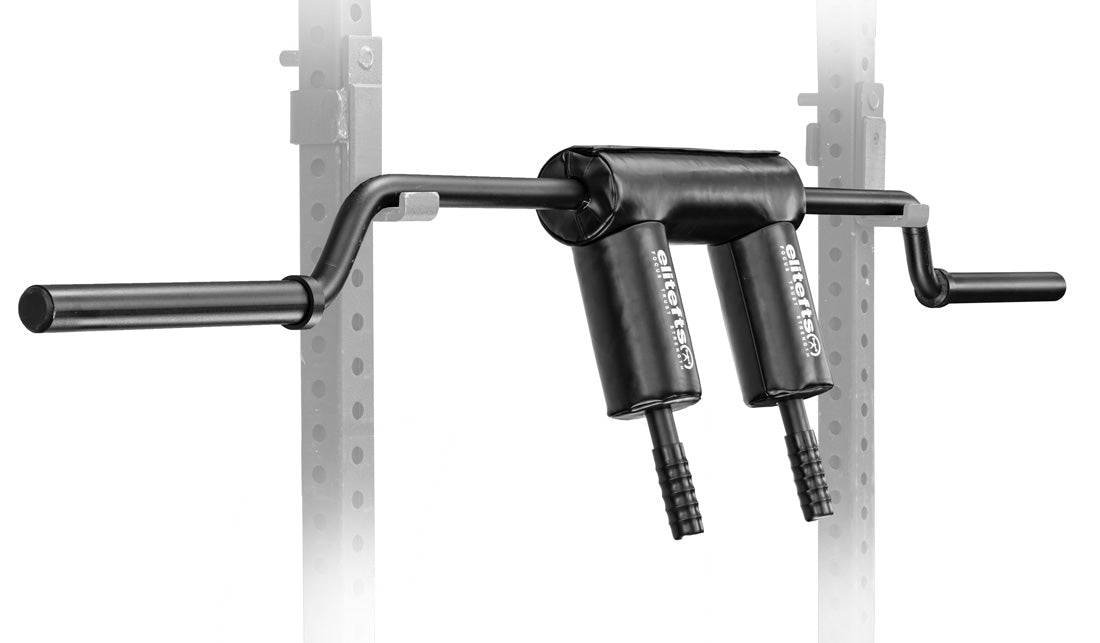
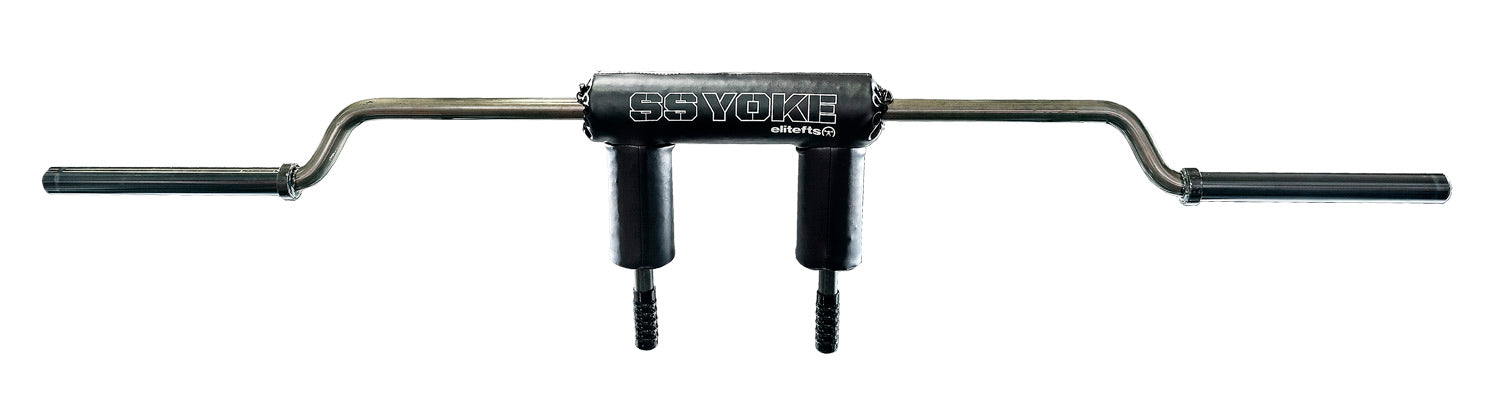
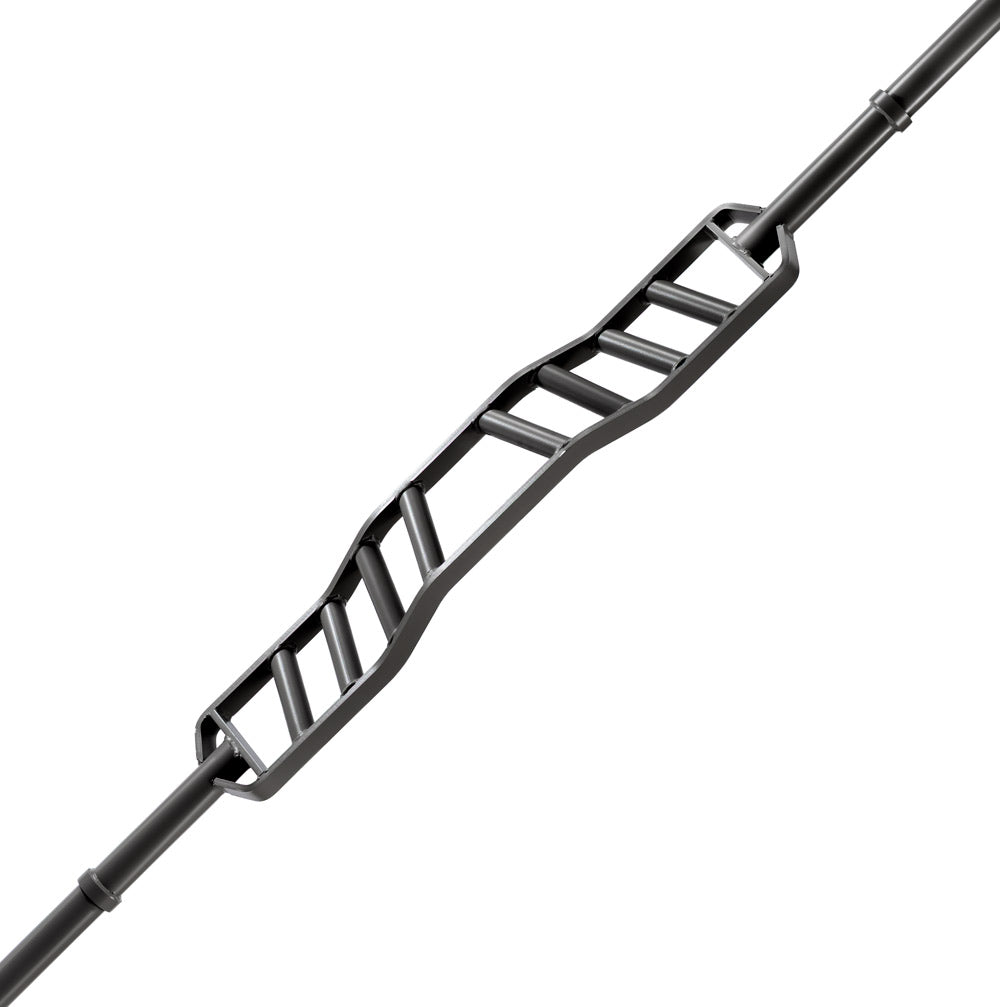
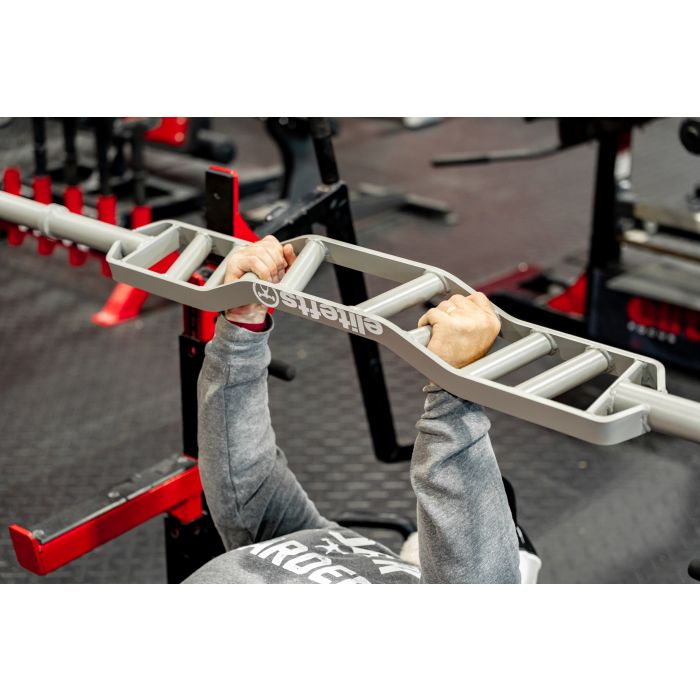
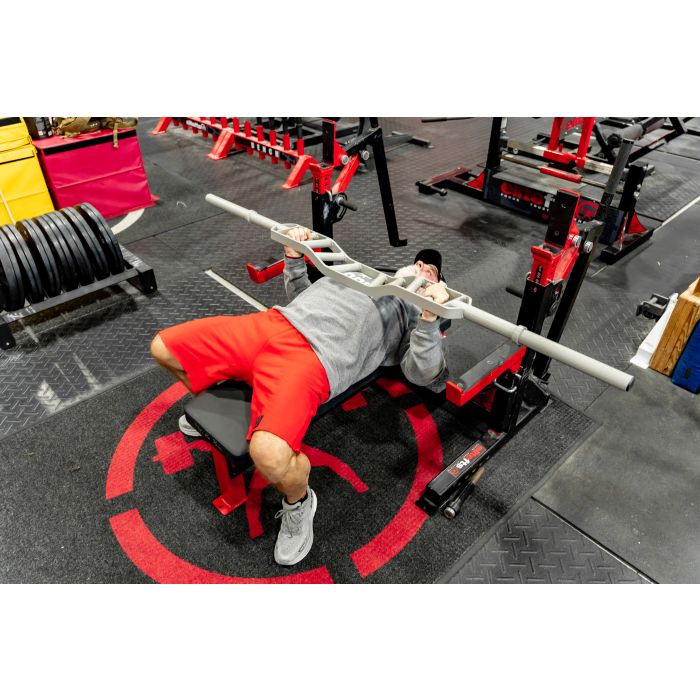
His core concept is that peaking for a meet creates significant "nervous system potentiation." Instead of letting this heightened neural drive detrain, he advocates capitalizing on it. This is a unique physiological window where the nervous system is primed to handle maximal strain and neural output. His alternative is to continue with high-strain work—using variations with built-in constraints like pauses, tempo, or specialty bars. This is a strategic tool to provide the necessary stimulus while mechanically deloading the joints and tissues, rebuilding tolerance and making progress instead of taking a step backward.
A Final Thought
Stuart Locke's philosophy is a testament to the idea that the most valuable strength wisdom isn't a collection of tips, but an interconnected system forged through hard-won experience. His journey reveals a clear arc: mastering the absolute basics (Point 1) builds the diagnostic skill needed to interpret your body’s warnings (Point 2). Ignoring those warnings leads to injury, which necessitates a sophisticated framework for recovery (Point 3). This entire experience—from fundamentals to failure to rebuilding—provides the authority to critique dangerous industry trends (Point 4) and identify wasted potential (Point 5).
This cohesive approach moves beyond blindly following trends and toward building a foundation of resilience and progress that can withstand any challenge. It leaves one to wonder: What "check engine lights" in your own training have you been ignoring?
More Listening Options


Support the Podcast and Become a Member of The Crew

________________________________________________________________________________________________

Support Our Sponsors