

The state of powerlifting in early 1980 is a whirlwind of massive weights and organizational chaos. While the iron is getting heavier, the politics are getting messier. A major rift has formed between the IFBB and the USPF, with rumors of new organizations forming to represent the United States in the IPF. Despite the drama, the culture is thriving. We see the emergence of the "World Superman" contests in England and a growing mainstream interest in pure strength, with legends like Frank Zane and Doug Young headlining multi-sport exhibitions. It is an era where the lines between bodybuilding, powerlifting, and professional strongman are beautifully blurred.
Legend Feature: The Philosophy of Bill Kazmaier
This issue puts a spotlight on the man who would become a myth: Bill Kazmaier. Before he was a household name, Kaz was a fullback at the University of Wisconsin and an oil rig roughneck searching for his path. His transition into powerlifting was solidified after a four-month sojourn to Central America. Upon his return, weighing only 210 lbs and having not trained for 10 months, he bench pressed 315 lbs for 5 sets of 5. That was the moment he knew he was born for this sport.
The Kaz Training Split
Bill’s routine is built on a six day mini-cycle designed for explosive power and massive volume:
-
Sunday: Heavy Deadlifts, Light Squats, Calf work, and Leg Curls.
-
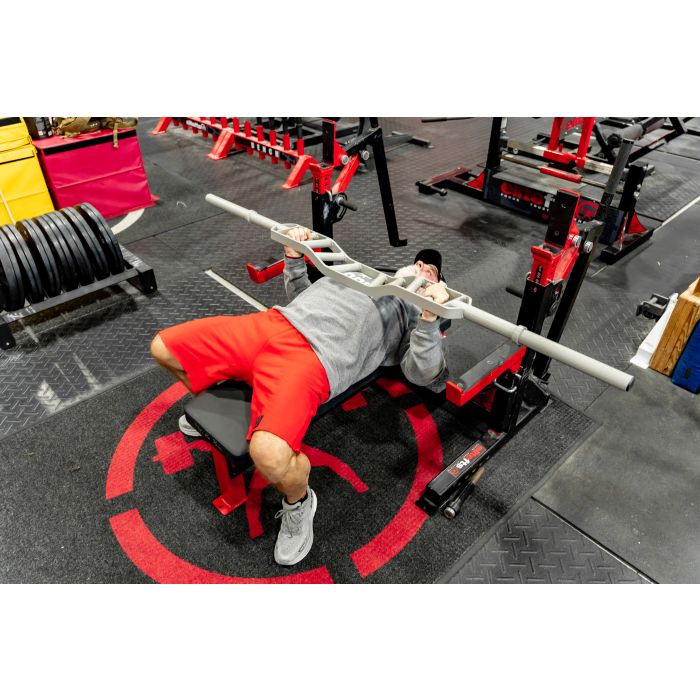
Monday: Light Benches (sets of 5), Pause Benches, Narrow Grips, and Front Delt Raises.
-
Tuesday: Upper back and Triceps work, including Shrugs, Extensions, and Seated Hammer Curls.
-
Wednesday: Heavy Squats and Roundback Deadlifts in the rack.
-
Thursday: Heavy Benches (high on the chest and narrow grip) and Front Delt Raises.
- Friday: More Upper Back work, mainly Shrugs.
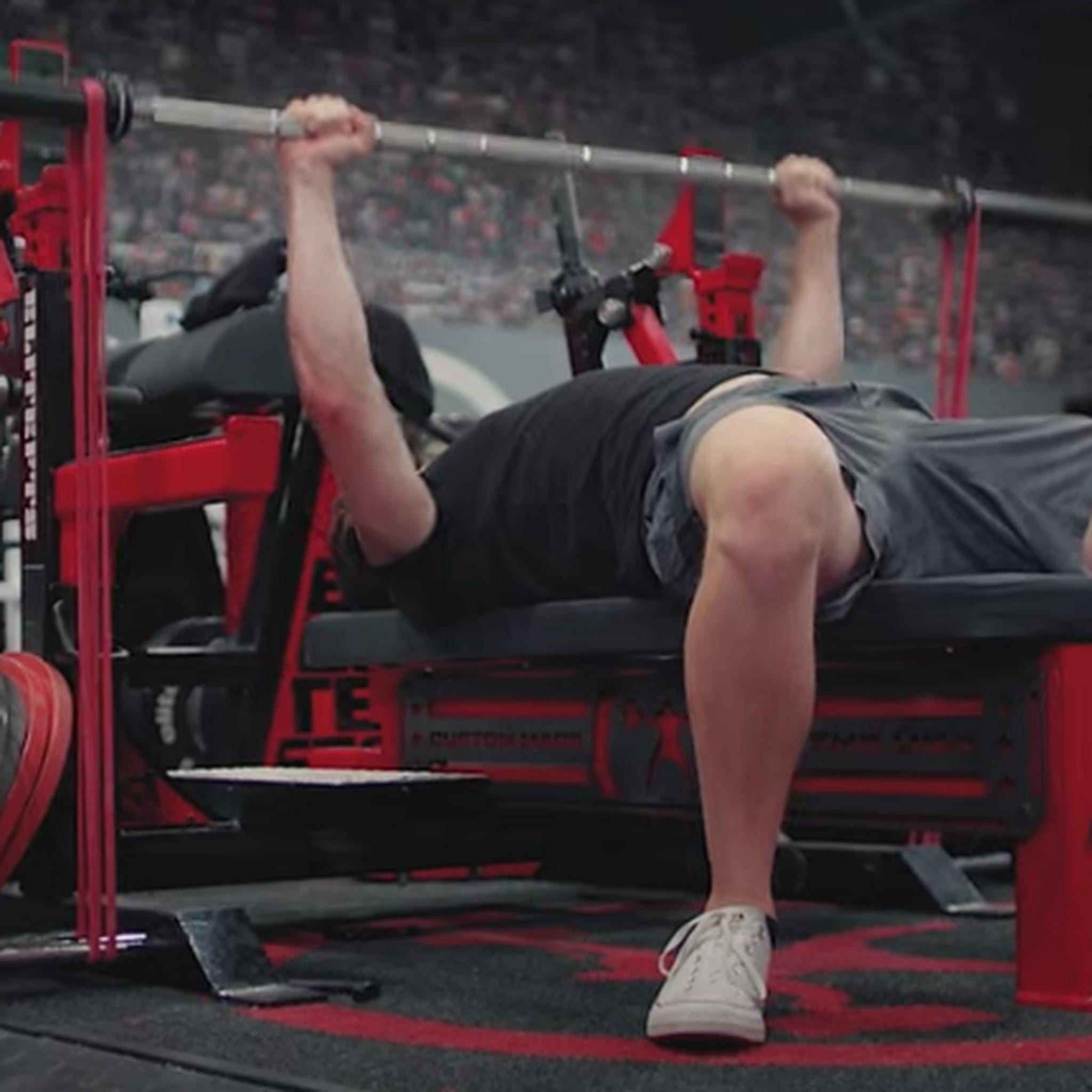
Kaz lives by a simple three-word mantra: Conceive, Believe, Achieve. He emphasizes incredible control on the descent of the bar, particularly in the bench press, where research at Auburn University showed he brings the bar down with only 10% of the maximum acceleration used by average lifters. This "controlled explosion" is the secret to his massive lockout power.

The Leaderboard: Top 10 Light-Heavyweights (181 lb Class)
This month we look at the 181 lb class, a division defined by incredible pound-for-pound strength and technical precision.
| Rank | Lifter | Total | Squat | Bench | Deadlift |
|---|---|---|---|---|---|
| 1 | Fred Hatfield | 1835 lbs | 725 lbs | 410 lbs | 700 lbs |
| 2 | Becker | 1835 lbs | 710 lbs | 440 lbs | 685 lbs |
| 3 | Thomas | 1710 lbs | 675 lbs | 450 lbs | 585 lbs |
| 4 | Carpino | 1750 lbs | 680 lbs | 420 lbs | 650 lbs |
| 5 | Sluzten | 1725 lbs | 685 lbs | 385 lbs | 655 lbs |
| 6 | Belcastro | 1720 lbs | 660 lbs | 435 lbs | 625 lbs |
| 7 | Grudzien | 1708 lbs | 644 lbs | 424 lbs | 640 lbs |
| 8 | Barnes | 1640 lbs | 540 lbs | 420 lbs | 680 lbs |
| 9 | Mossharger | 1625 lbs | 550 lbs | 410 lbs | 665 lbs |
| 10 | Jones | 1620 lbs | 562 lbs | 407 lbs | 651 lbs |
Tactical Training Takeaways
Drawn from the columns of Ken Leistner, Tony Fitton, and Mike Lambert, here are 10 nuggets of old-school wisdom:
-
Forced Reps Limitation: Use forced reps for a maximum of six months to stimulate new fiber recruitment. Once the gains stop, switch to a new assistance movement; your body has likely learned to voluntarily recruit those fibers.
-
Bench Control: Tuck the elbows in and make minute shoulder girdle adjustments during the descent. The slower the bar comes down, the more explosive the ascent.
-
Deadlift Grip Fix: To fix a weak grip, lower a heavy dumbbell to your fingertips and then "curl" it back into your palm.
-
Squat Knee Position: Keep your knees over your ankles as much as possible. Allowing the weight to drift forward during a heavy squat is often unrecoverable.
-
Roundback Rack Pulls: Use highly exaggerated roundback deadlifts in the power rack to specifically assist with the final lockout of 800+ lb pulls.
-
The "Psych-Up" Barrier: Overtraining is often in the mind. If you control your intensity, you can train for hours.
-
Pressing Power: You don't build a big overhead press by just pressing. Focus on heavy lats and triceps work (bent rows and pulldowns) to provide the base for the lift.
-
The "Prudent" Diet: Stay away from the 400g protein myths. Focus on lean meats, fruits, and low-fat dairy. Bodily efficiency is better than bulk.
-
Bar Selection: Use a stiff, deeply knurled bar for deadlifts. For squats, look for a bar with a 1-inch strip of center knurling to provide traction without stripping the skin off your neck.
-
Recovery Visualization: After a layoff or injury, don't rush the weight. High reps (20 to 30) are necessary for the cardiovascular effect and to re-establish the mind-muscle connection.
Ohio States