
The Soul of the Compound
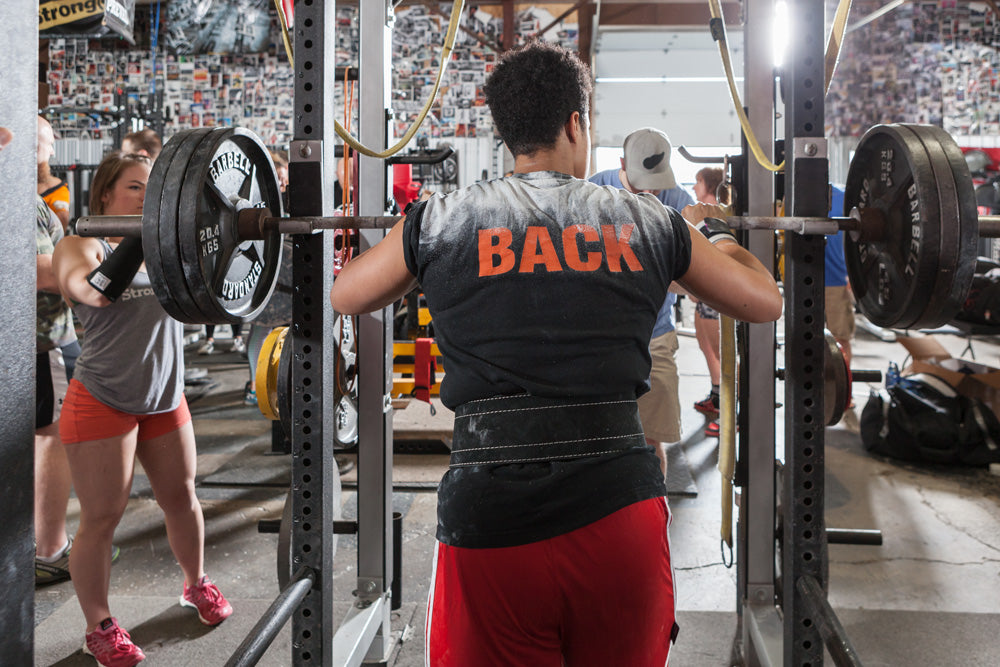
Walking into the elitefts S5 Compound isn’t like stepping into a sterilized corporate fitness franchise. It’s an immersion into a cathedral of scarred steel and iron, smelling of sweat and three decades of chalk. This is more than a gym; it is a living museum of struggle, innovation, and community.
The journey to S5 wasn't a clean, linear ascent. It was a chaotic, grit-fueled migration that began in 1994 in a backyard shed. From there, it moved to the S1 location on Main Street, a former pottery shop in London, Ohio, then to Maple Street (S2), followed by a stint in a drafty old tractor dealership (S3) with walls of screaming blue insulation, before finally circling back to its current incarnation. Every piece of equipment within these walls carries the "blood equity" of Dave Tate’s journey. Much of what is now considered industry-standard gear began as "junk"duct-taped experiments and discarded metal born from the "relatable curiosity" of a man trying to find a better way to move heavy weight.

The Rug That Does Nothing (And Everything)
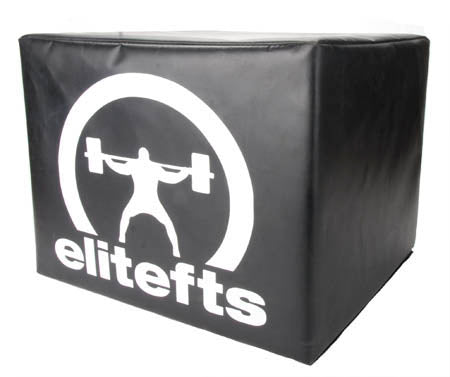
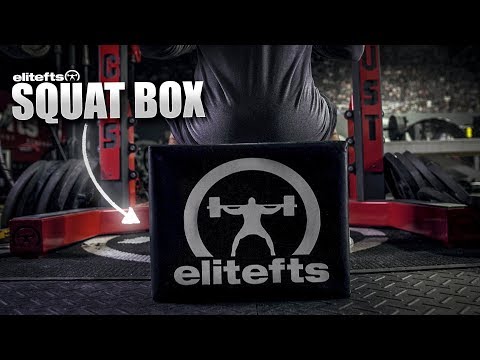
Amidst the high-tech racks and specialized machines lies a peculiar artifact: a battered piece of carpet known as the "Magic Carpet." This rug predates the brand itself, tracing its lineage back to Westside Barbell on Demerst Road. When Louie Simmons moved the gym, Dave asked to keep one of the box-squatting rugs.
Functionally, the rug’s purpose is nearly non-existent. Louie claimed it prevented lifters from slipping, but Dave admits it primarily protected athletes from splinters in aging wooden boxes. Despite the lack of any technical advantage in a modern facility, the rug has followed Dave through every gym move for over a decade. It is "functional nostalgia"—a bridge to the past that anchors the present.
As Dave reflects on its history:
"This rug here... predates back to... one of the very first Westside Squat videos that has Matt Dimmel in it... it’s been in every single gym that I’ve been a part of and... I’ll throw it over the squat box when I’m squatting... there’s no real reason for it outside of that."
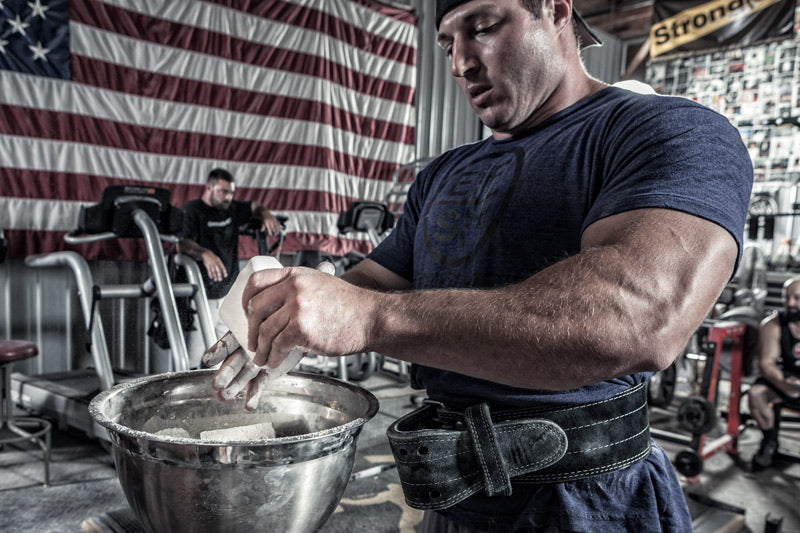
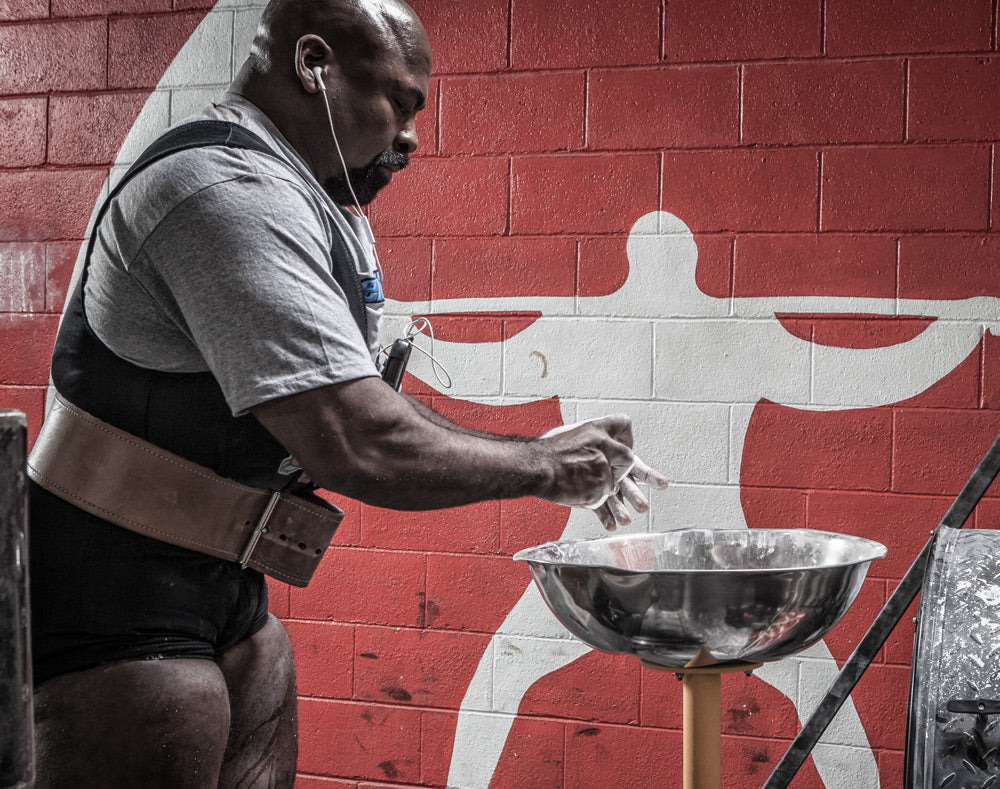
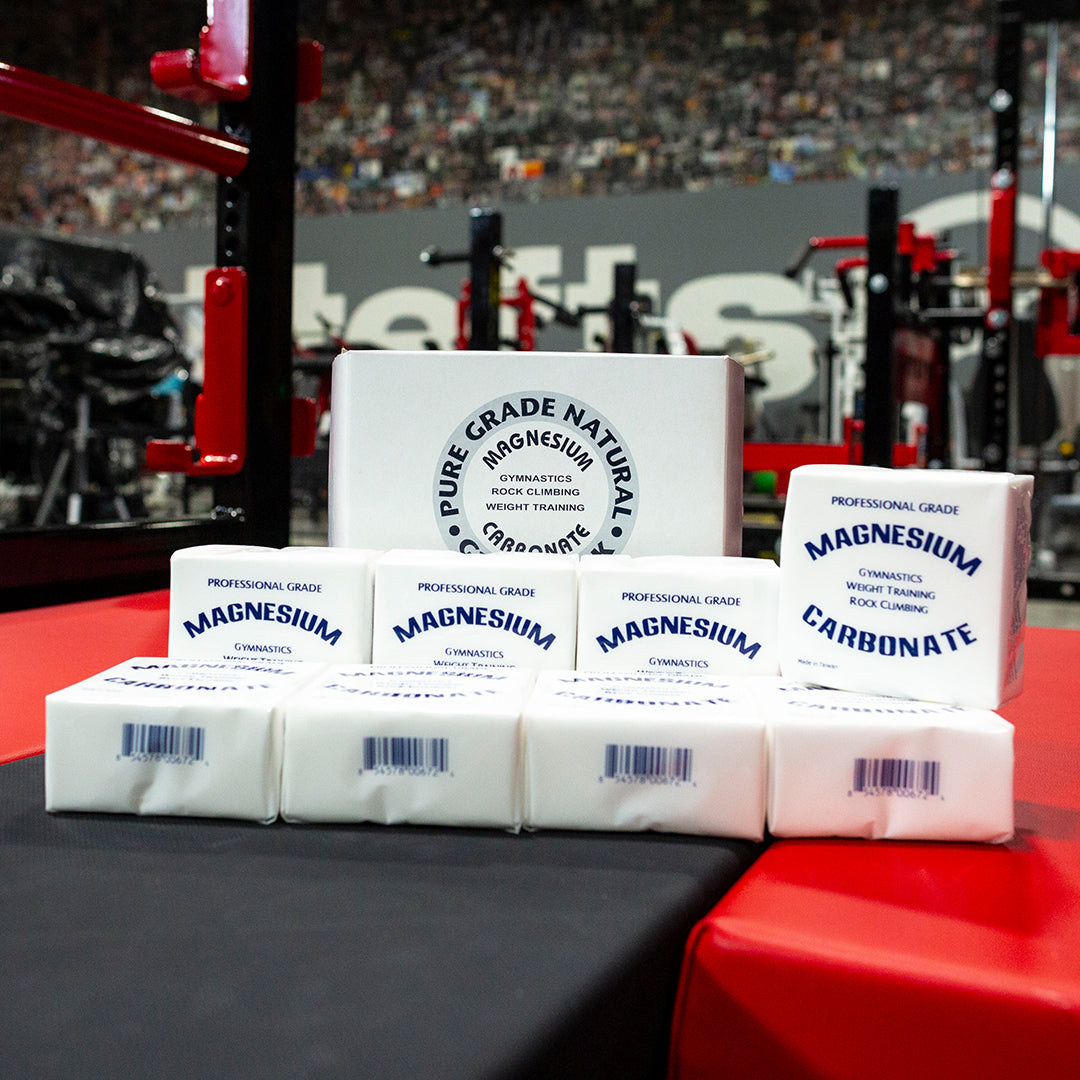
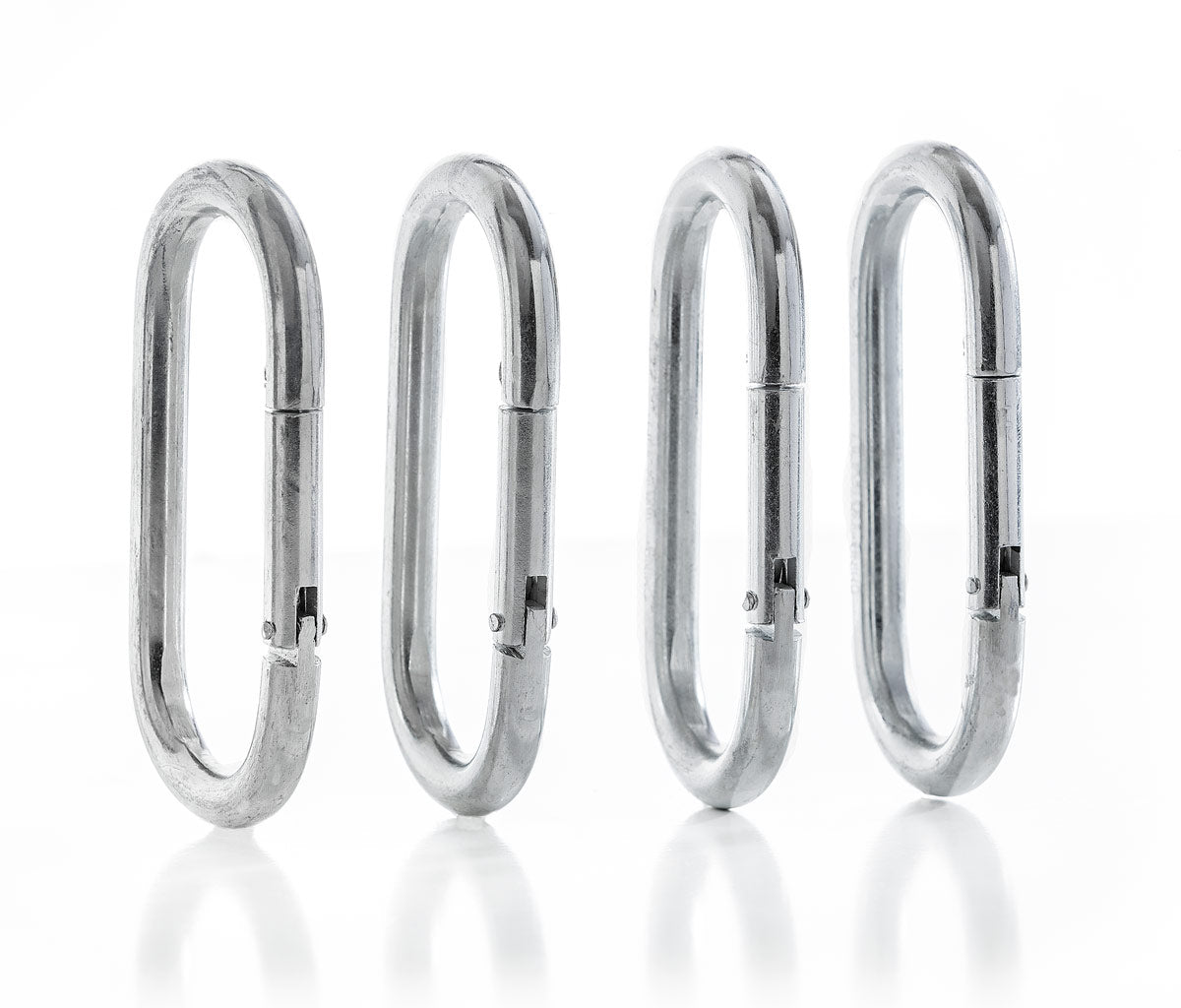
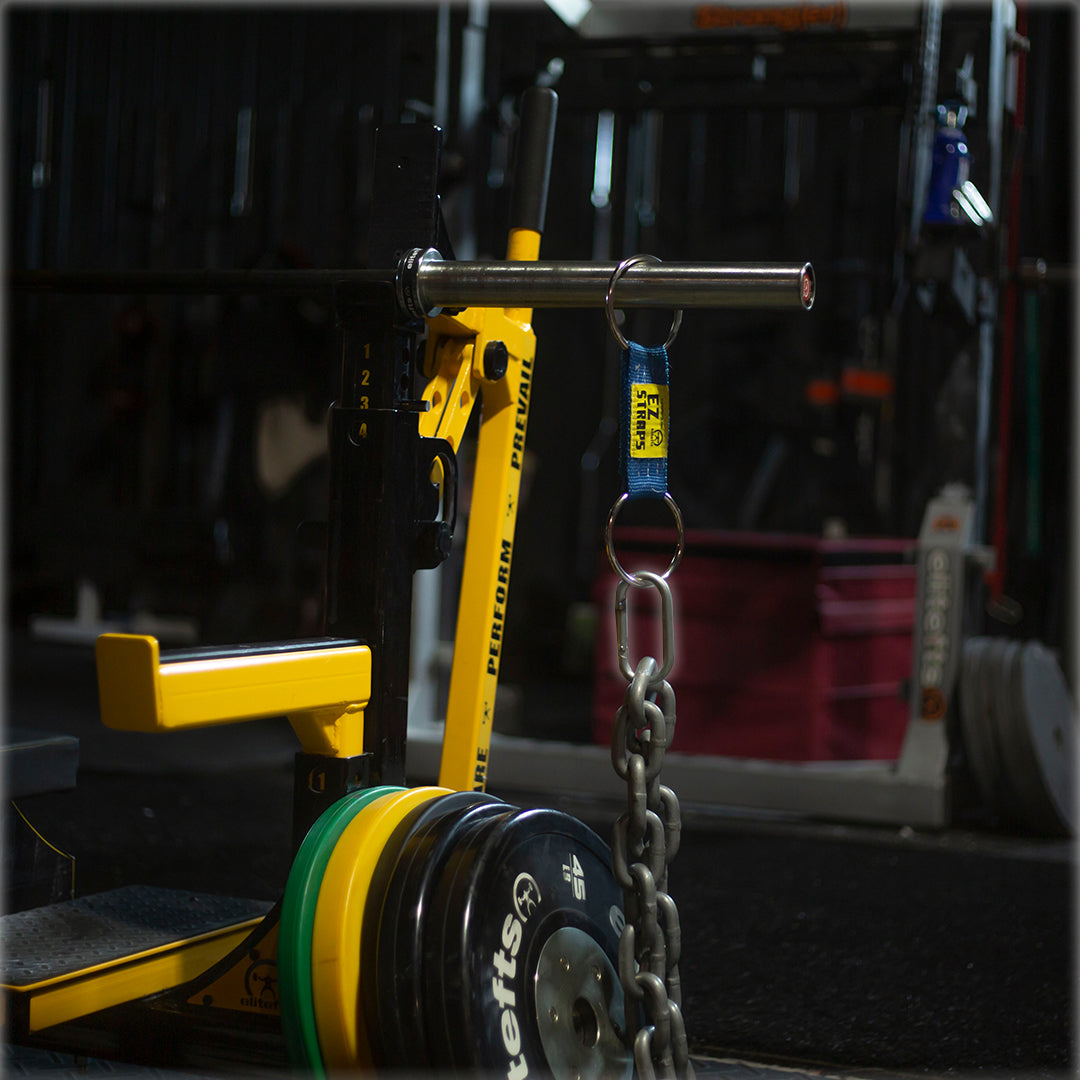
This spirit of "making do" with relics extends to the gym's corners. To hide an awkward electrical outlet in the middle of the room, Dave placed a veteran chalk bowl over it, weighted down by 600 pounds of heavy chain. It was an attempt to ensure the bowl would never move, a duct-taped solution that, like the rug, has become part of the Compound’s DNA.
The $1,000 Clothes Rack: The Truth About Home Gyms
In an age of social media gym reveals, Dave Tate offers a counter-intuitive reality check: most people shouldn't build a home gym. His "extra workout" philosophy suggests that a home gym shouldn't start as a $1,000 investment that ends up as a clothes rack. Instead, it should be a test of raw commitment.
Dave’s own home gym started with a sled and a single, mismatched 100-pound "Iron Man" plate. Louie had given him the plate because it was "junk"—the only one of its kind in the gym, it didn't match the set. Dave used this mismatched gear for accessory work and recovery in a back alley on his off-days. His advice? Start with items for "extra" work, like an ab bench or a sled, to see if you actually have the discipline to train on your own. The home gym should fill the gap for convenience, but it rarely replaces the indispensable value of a true lifting community.

Innovation Born of Injury: The SS Yolk Bar
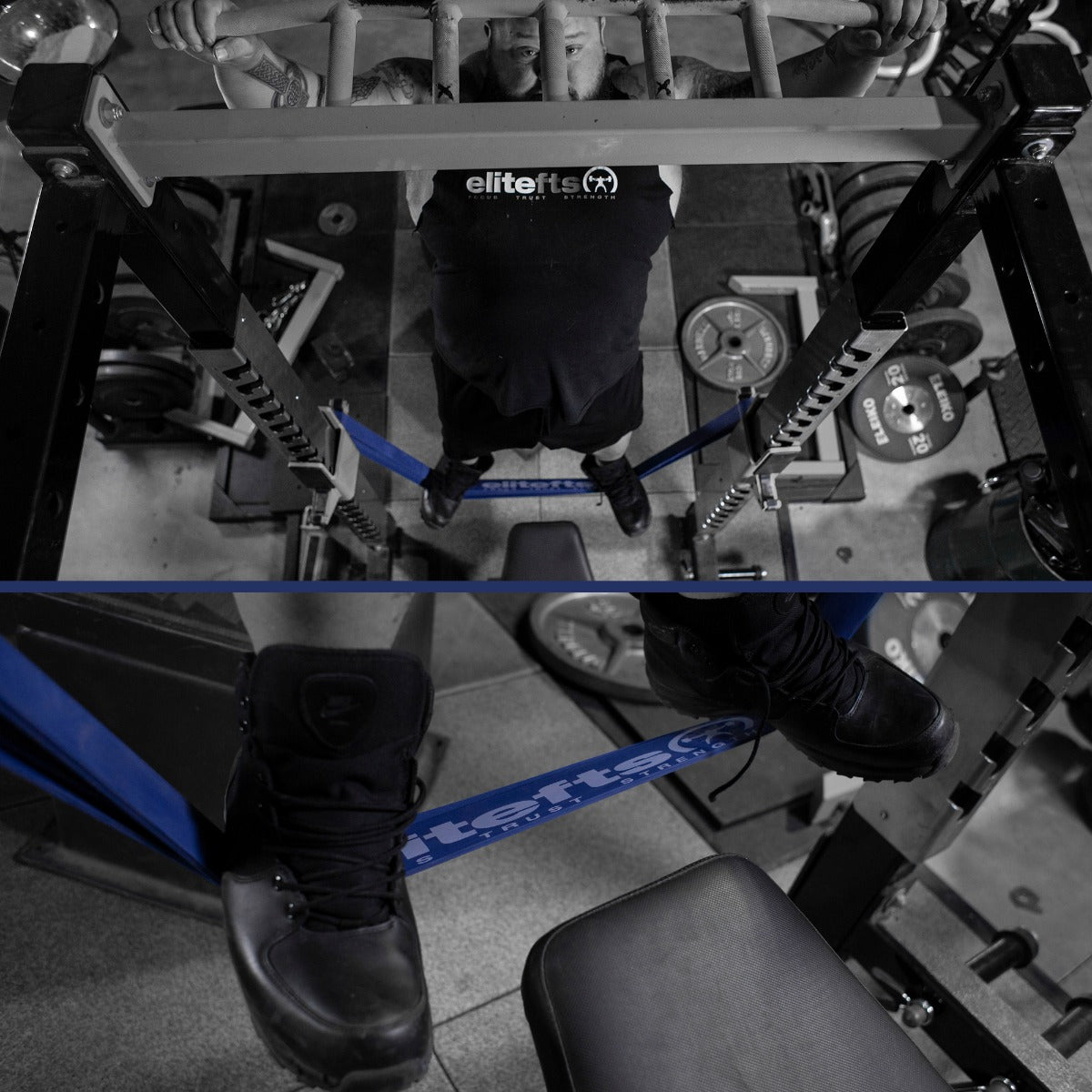
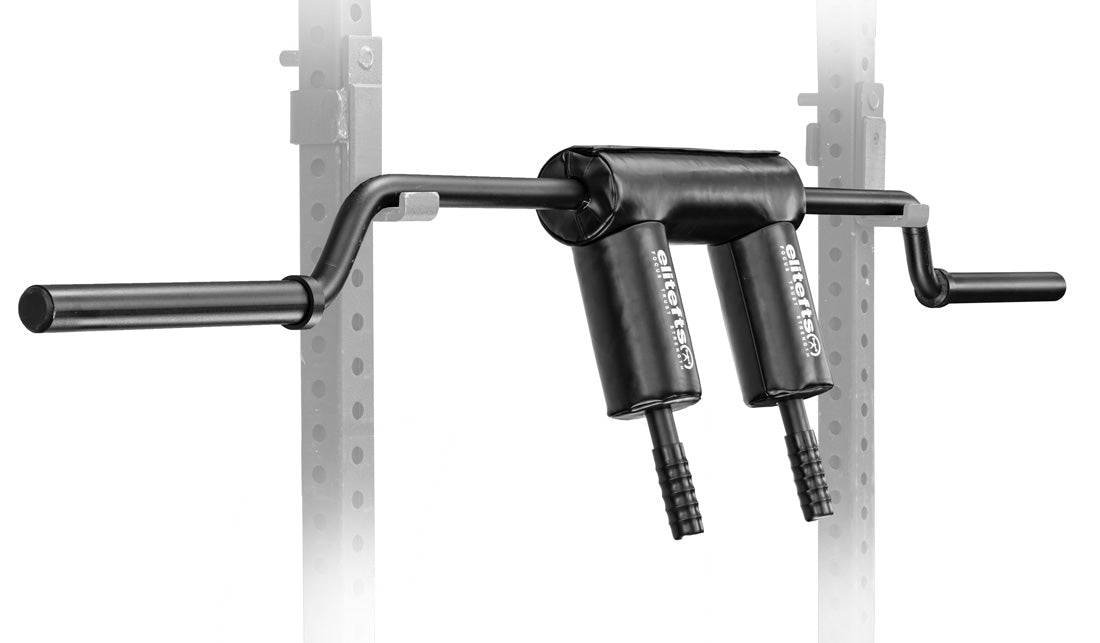
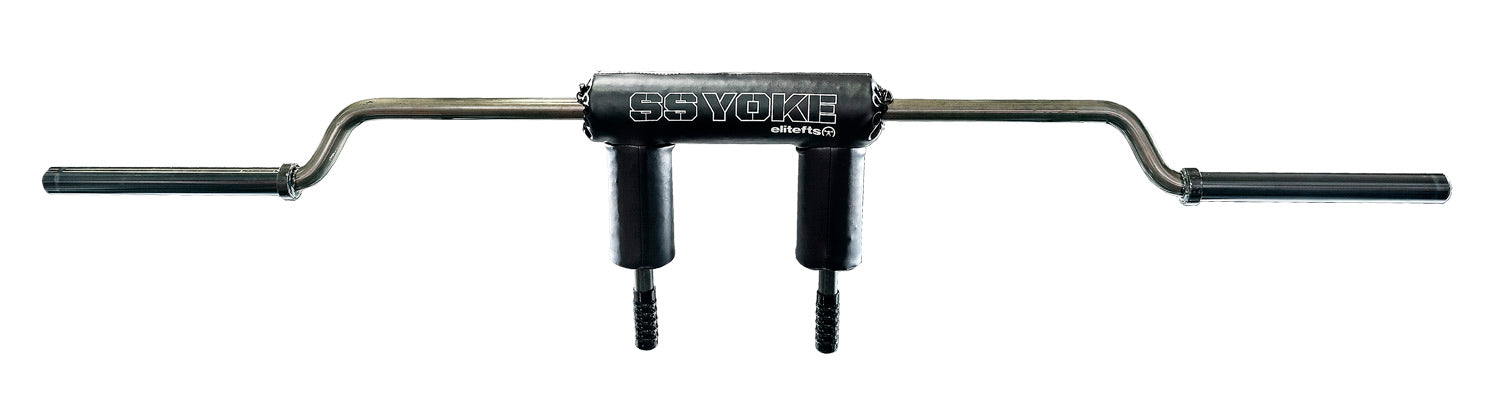
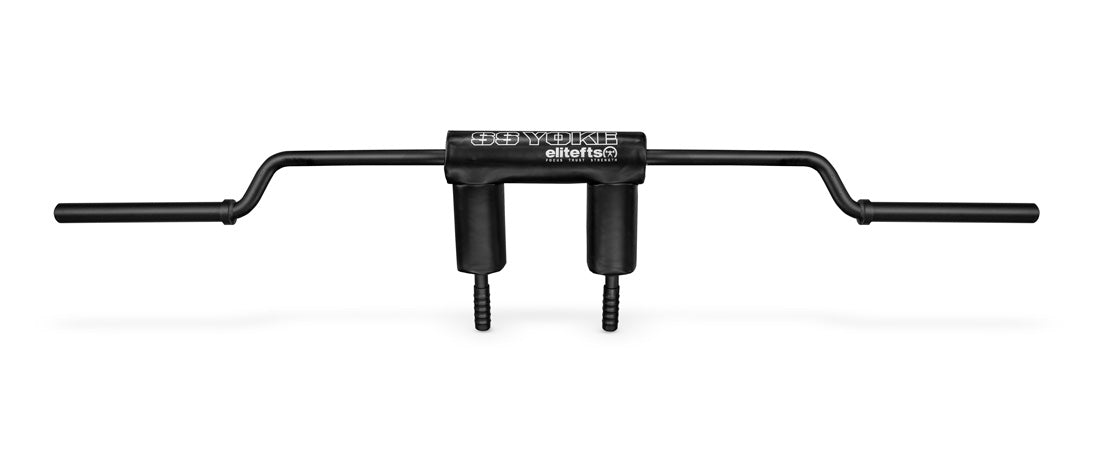
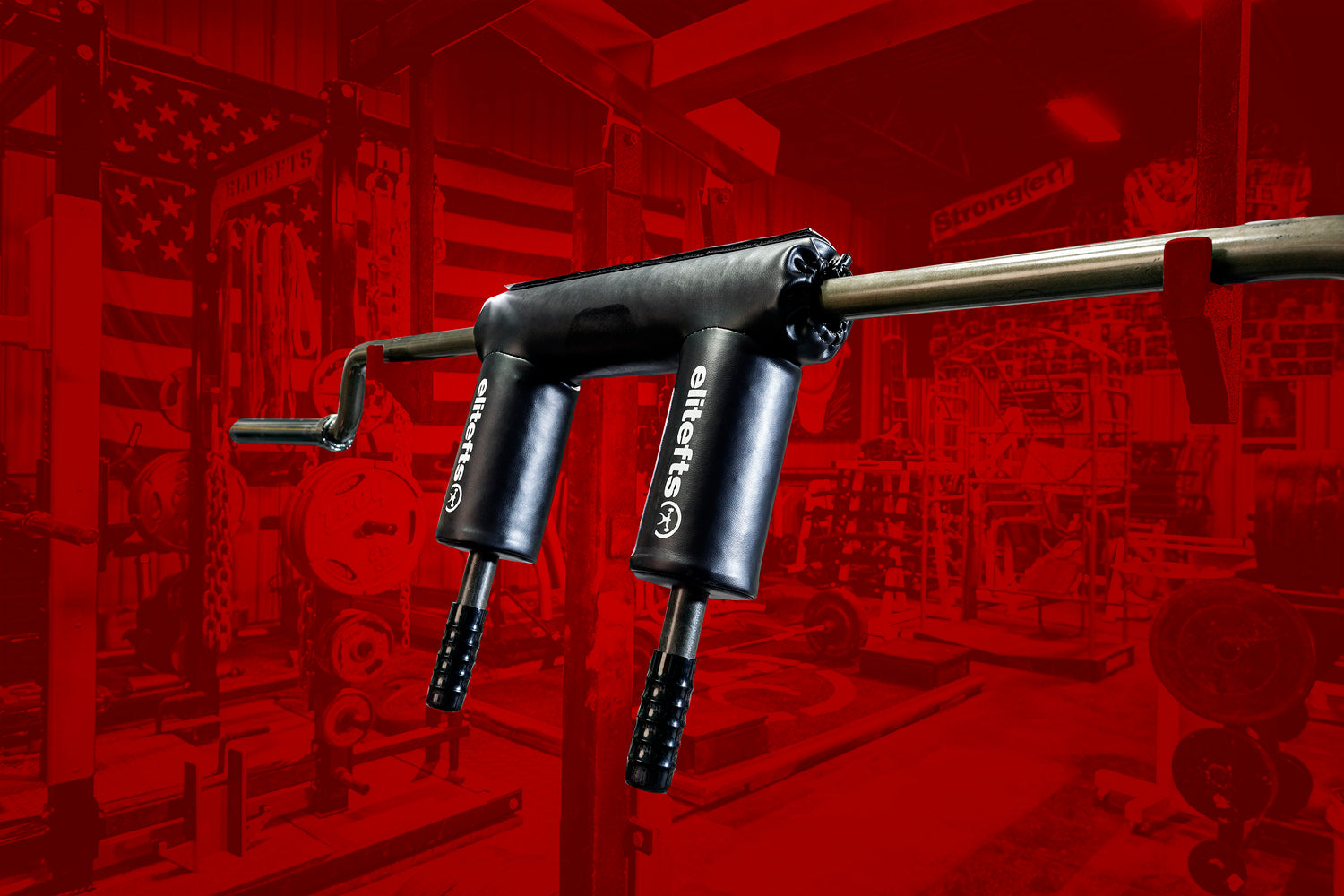
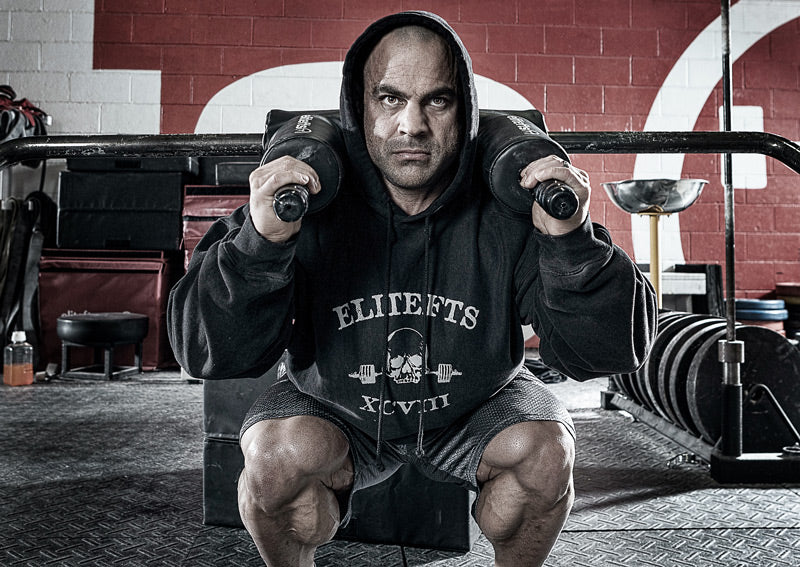
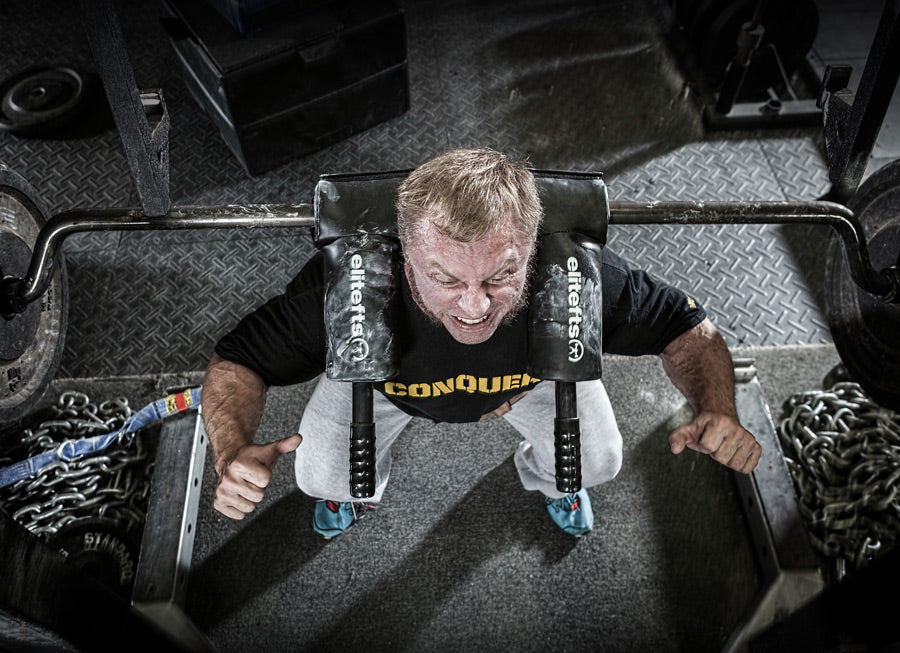
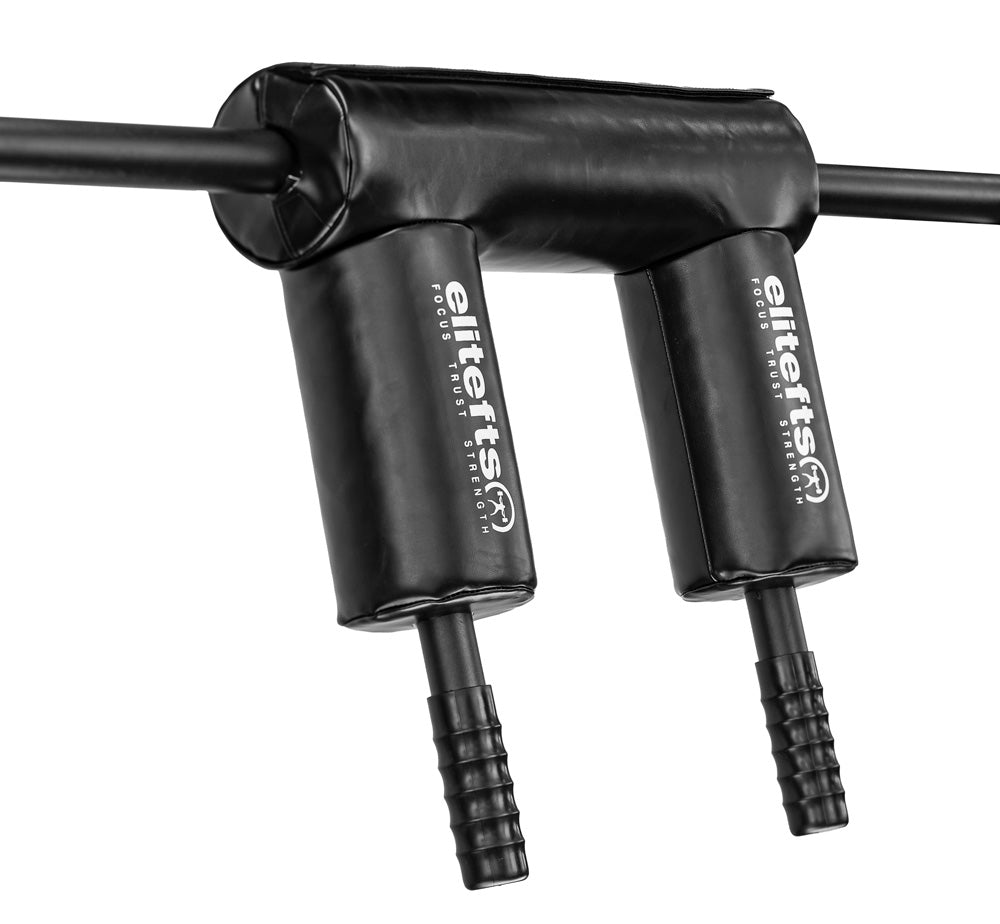
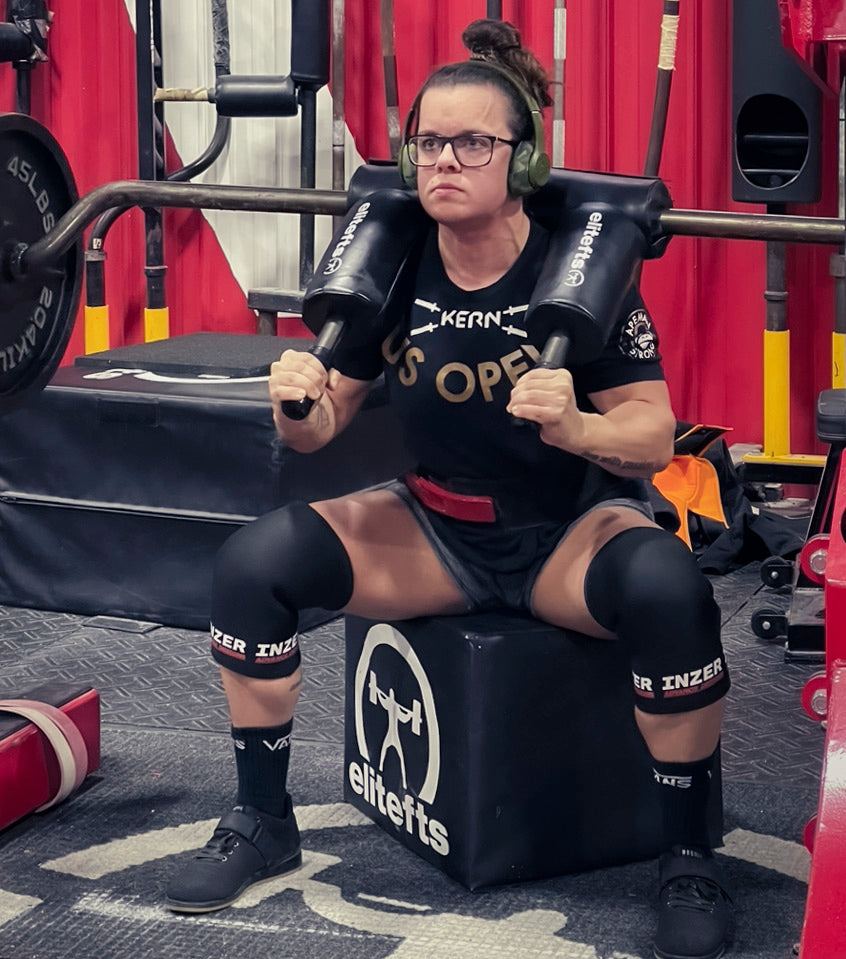
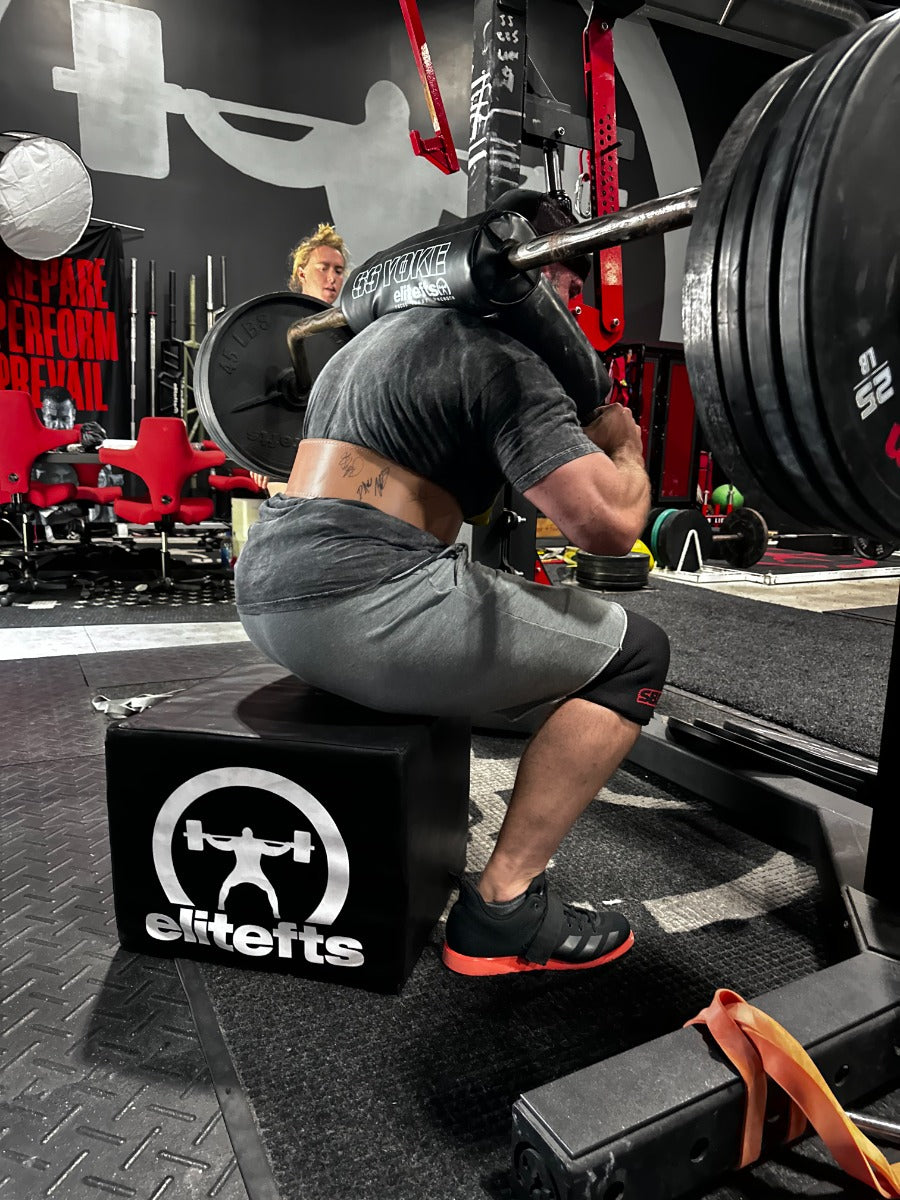
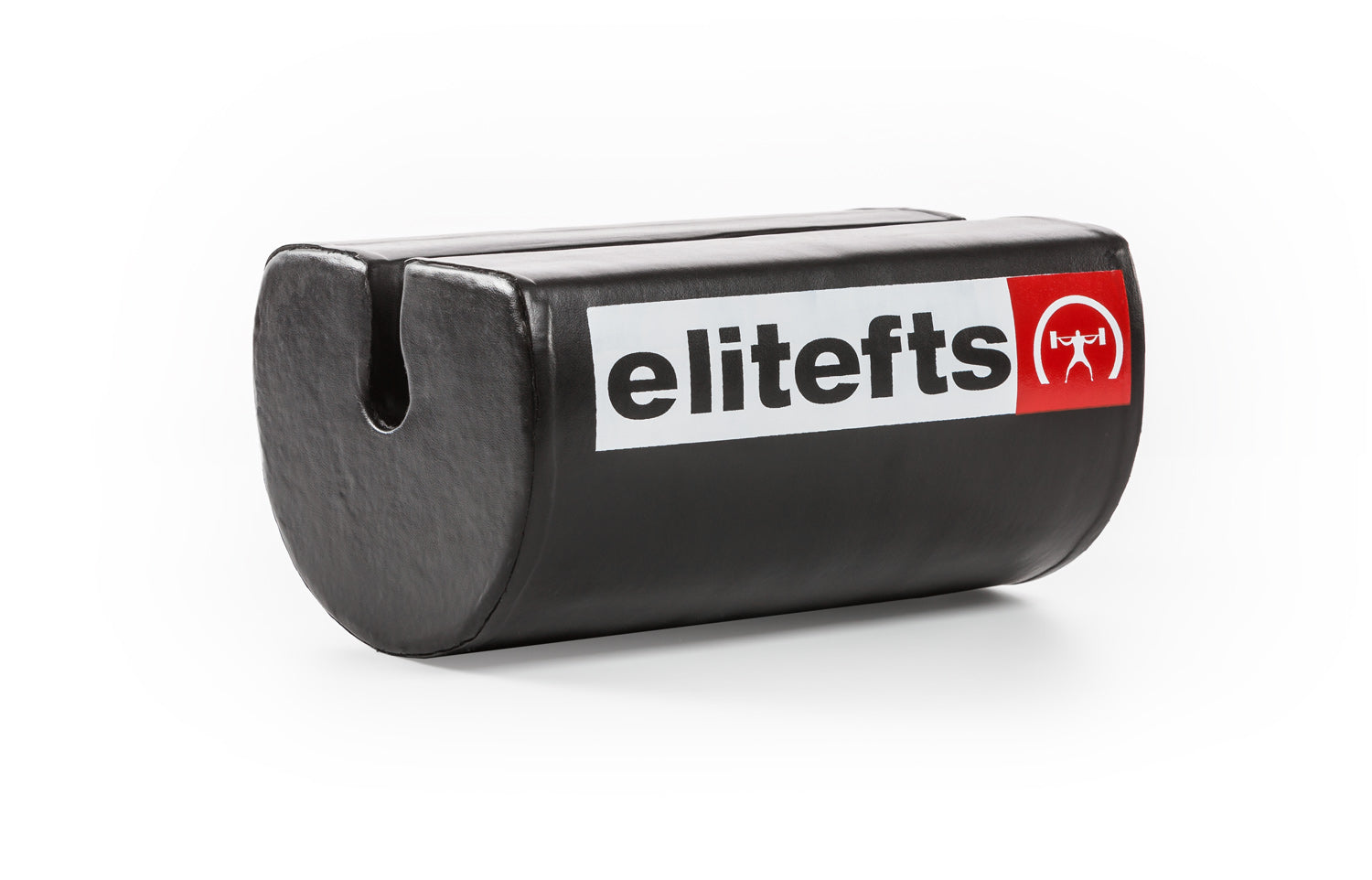
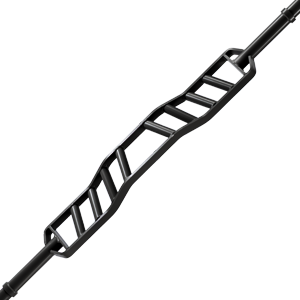
The evolution of elitefts equipment is often a direct response to the wreckage of a lifting career. The SS Yoke Bar was born because Dave’s shoulders were "fucked beyond repair," making it impossible to hold a straight bar.
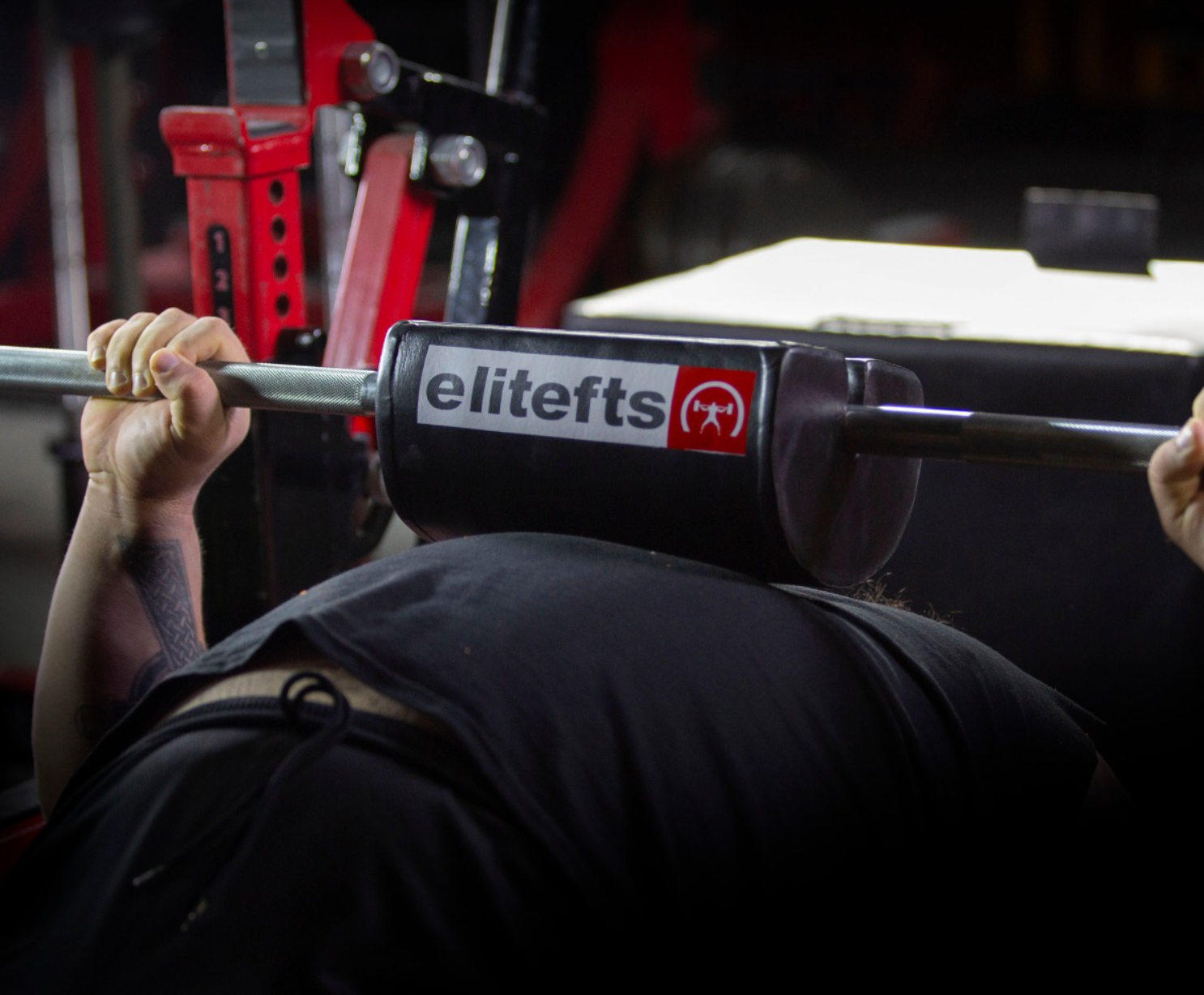
Standard safety squat bars had a flaw: narrow pads. This created intense spinal compression that wrecked Dave’s back after only a few weeks of use. He needed to displace the weight across his entire back, creating a wider pad so that "no daylight" was visible under the cushion. The innovation began as a "brute-force" experiment in his garage, where he took an old fat bar, wrapped it in knee wraps, and secured it with duct tape to test the hand positions.
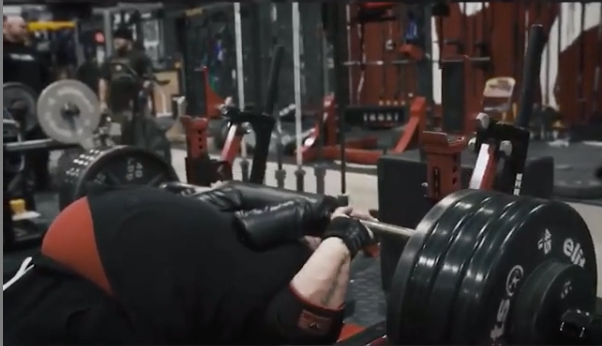
Once the concept was refined, the "slam test" began. To ensure the safety of the final design, Dave recruited "Big Tim," a lifter weighing well over 300 pounds, to unrack 500-plus pounds and intentionally drop the bar onto the monolift safety pins.
"There were a lot of bars that broke when we did that... it took six or seven iterations before we had one that actually kind of fucked up the safety of the monolith, which was better than the bar."

The Table: A Cathedral for Meatheads and Professionals
In the center of the Compound sits a massive conference table. To Dave, this is the gym's social equalizer. He envisioned a place where the "EliteFTS Table Talk" could happen naturally, a place where doctors, police officers, nurses, and executives would sit alongside "pure meatheads," all united by the iron.
The table currently in use is a piece of history. For the company’s 25th anniversary, Dave had a new, high-tech table built, but it lacked the "spirit" of the original. The older table had been moved to a formal conference room, where it felt like its history was "crying out" to be back where the sweat was. Dave eventually swapped them back, prioritizing the "soul" of the old scarred wood over the polish of the new.

The "Someday I Will" Marketing Lesson
The history of the Compound also provides a masterclass in the burden of physical logistics versus the power of emotional branding. Years ago, elitefts sponsored the WPC Worlds in Vegas. The logistical nightmare involved hauling six monoliths, six competition benches, power rack units, and tons of plates across the country. The ROI was "terrible"—a financial disaster that left them selling equipment at a loss just to avoid shipping it back.
Contrast that with the most successful ad in the company's history: a simple photograph of Dave’s young son sitting inside a monolith with five plates on each side, captioned "Someday I Will." There was no high-visibility sponsorship cost—just a father, a son, and a rubber bounce ball in the kid's lap to keep him still for the shot. The lesson was clear: branding isn't about the size of the event; it’s about the resonance of the story.

The Indestructible Stool
Among the monolithic steel structures of the S5 Compound, the most significant item might be the humblest: a simple wooden stool. It was left behind in the Main Street pottery shop that became S1. That stool has survived every move, every athlete, and every decade. It is, in Dave’s words, the most "indestructible" thing in the gym.
The story of the elitefts Compound teaches us that a gym’s value is built over decades, not bought in a catalog. It is a collection of relics, duct-taped bars, and shared struggle. As you look at your own training journey or your professional path, ask yourself: What relics are you currently building? What stories will your equipment tell thirty years from now?