
“Every powerlifter eventually discovers that a little bodybuilding keeps the wheels from falling off.”
Observation:
Those who once mocked bodybuilding accessory work now program it religiously to survive their training.
Expansion:
For years, bodybuilding work was treated like fluff, something “real” lifters didn’t waste time on. Powerlifters mocked curls, lateral raises, and cable work as meaningless vanity exercises. If it didn’t build the squat, bench, or deadlift directly, it didn’t matter. But time has a funny way of proving you wrong.
The same lifters who used to skip accessories are now spending half their sessions doing them — not because they suddenly want to look good in a tank top, but because it’s the only way they can still train. Once ignored, the same “fluff” became the glue that holds everything together.
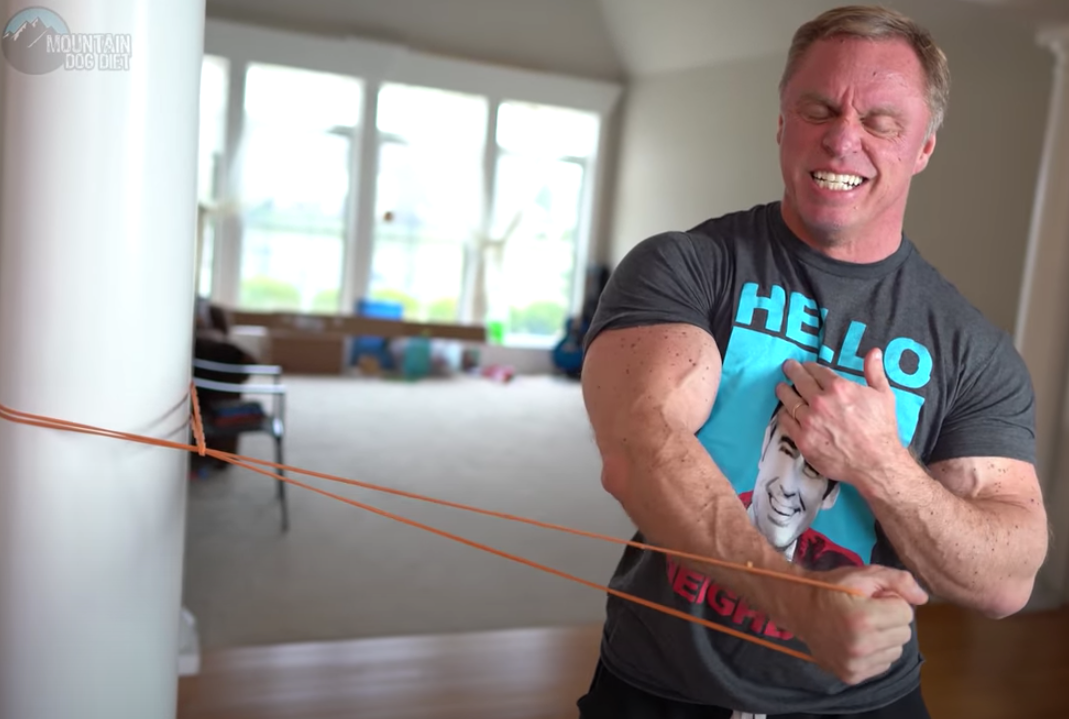
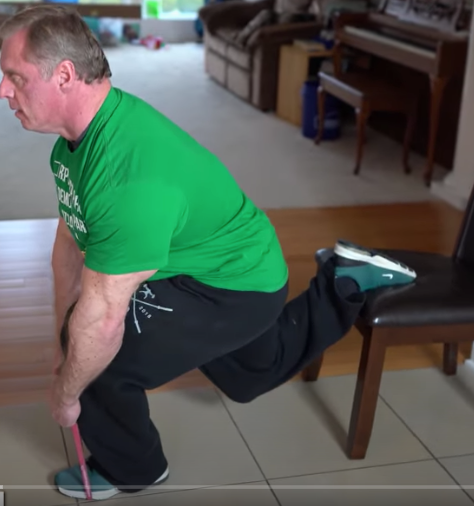
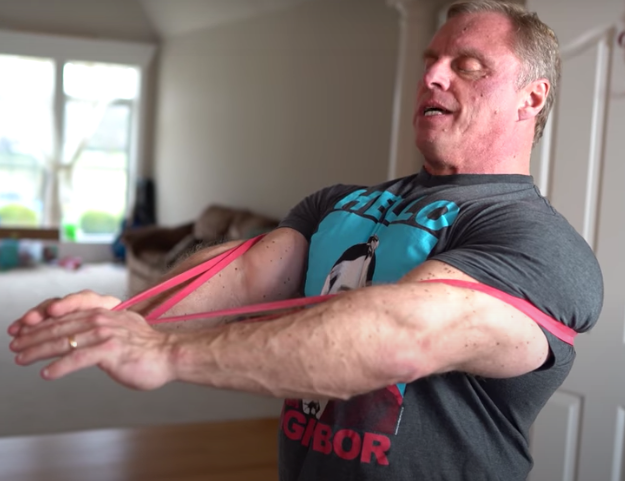
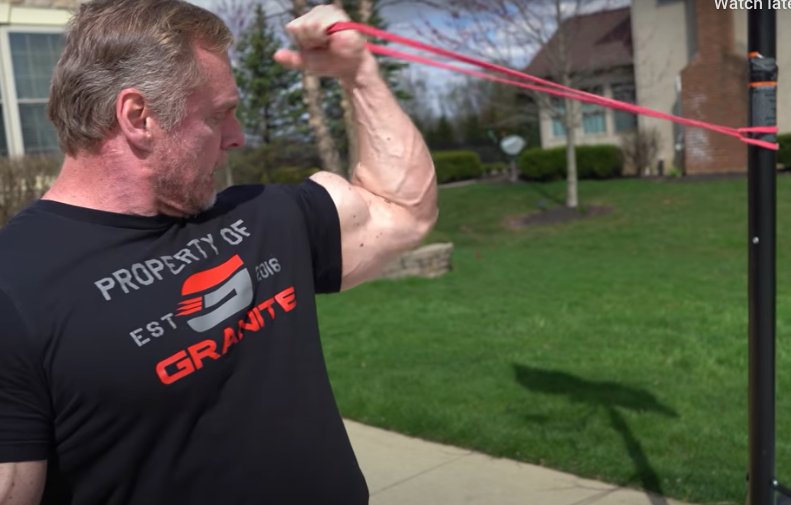
When you’re younger, you can get away with skipping that stuff. You can grind heavy lifts, abuse volume, and still recover. But as the years go by, those small movements — the rear-delt flyes, single-leg work, face pulls, and hamstring curls — become the difference between staying in the game and sitting on the sidelines.
Bodybuilding movements are often overlooked, yet they are the unsung heroes of longevity. They don’t feed the ego, but they feed the structure. They strengthen the stabilizers, improve blood flow, balance out imbalances, and keep your joints from revolting. You don’t have to love curls or tricep pushdowns — but you’ll learn to love what they do for your recovery, performance, and ability to keep lifting decade after decade.
Longevity isn’t found in max effort; it’s hidden in the accessories you once ignored.
And that principle doesn’t just apply under the bar. It applies in business, too.
In the early years of elitefts, I only cared about the “big lifts”: product innovation, content output, brand growth, and top-line revenue, the big, flashy moves.
The “max effort” days. But over time, I realized the same thing lifters do: the heavy lifts get all the glory, but the accessories keep the whole thing from breaking down.
In business, your accessories are the small, often overlooked systems — the backend structure that makes the big stuff possible. Payroll, logistics, staff training, customer follow-ups, supplier relationships, process documentation — none of it looks sexy.
It’s not what gets clicks or applause. But it’s what keeps the company strong enough to survive.
Neglecting those “fluff” parts of your business works for a while. You can outwork the cracks for a few years. But eventually, you’ll start feeling the strain: missed opportunities, burnout, poor communication, declining morale.
Just like in lifting, if the stabilizers are neglected, the whole thing collapses under load.
The powerlifters who transition to bodybuilding learn balance.
Business owners who embrace their operational “accessories” learn about sustainability.
Both realize that physical or organizational strength isn’t built solely by going heavy.
It’s built by reinforcing the structure that supports heavy.
So yeah, do your accessories.
Do the small things that don’t get applause but keep you moving forward.
In training and business, the real difference between a “good run” and a “long career” is not who went the hardest, but who stayed healthy enough to keep doing it.
Download Racking The Bar For FREE HERE