

elitefts Strength Equipment Specialists
Strategic Alignment: The Foundational Training Philosophy
In high-performance operations, a facility's physical layout must serve as a direct manifestation of its training philosophy. The Highland Strength Performance Center is not merely a storage space for equipment; it is a specialized laboratory engineered to implement the "Highland Seven Principles." By aligning spatial design with these tenets, we transform architectural square footage into a functional tool that dictates athlete behavior and masterfully facilitates human development.
Synthesis of Core Principles The Highland methodology utilizes a sophisticated hybrid approach, integrating Jim Wendler’s 5/3/1 system for base-building and a Conjugate-style approach for year-round sport athletes (soccer, basketball, baseball). This programming is governed by seven non-negotiable principles:
-
Start Light and Easy: Prioritizing sub-maximal mastery over premature loading.
-
Progress Slowly/Regress when Necessary: Accounting for the developmental arc and injury management.
-
Set and Break PRs: Utilizing estimated 1RM, rep maxes, or technical milestones to drive motivation.
-
Find Balance: Ensuring conditioning for strength athletes and strength for endurance/field athletes.
-
Multi-Joint Movement with Precision and Speed: Demanding powerful, athletic execution regardless of the load.
-
Build Armor: Moving beyond "injury prevention" to create durable, resilient physiological structures.
- Build Accountability and Leadership: Using the weight room as a crucible for character.
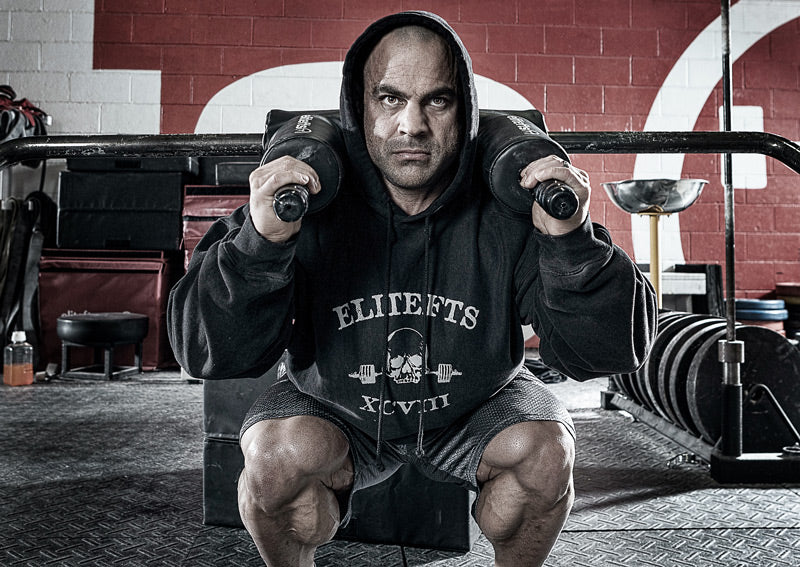
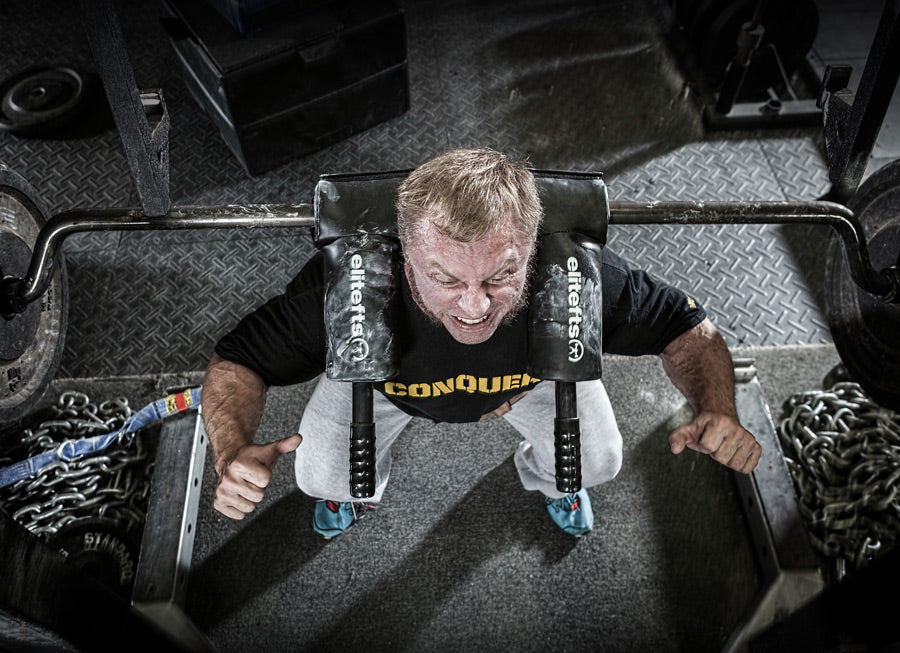
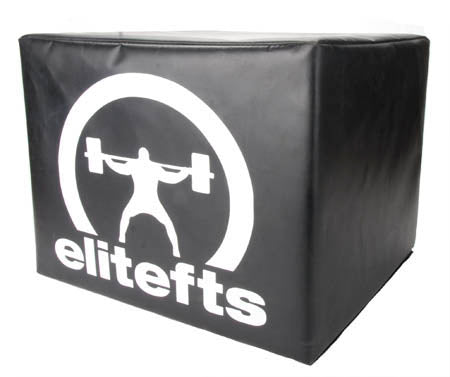
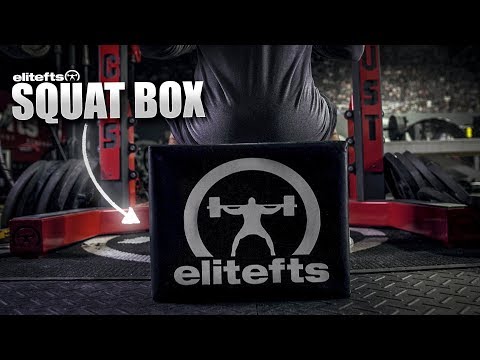
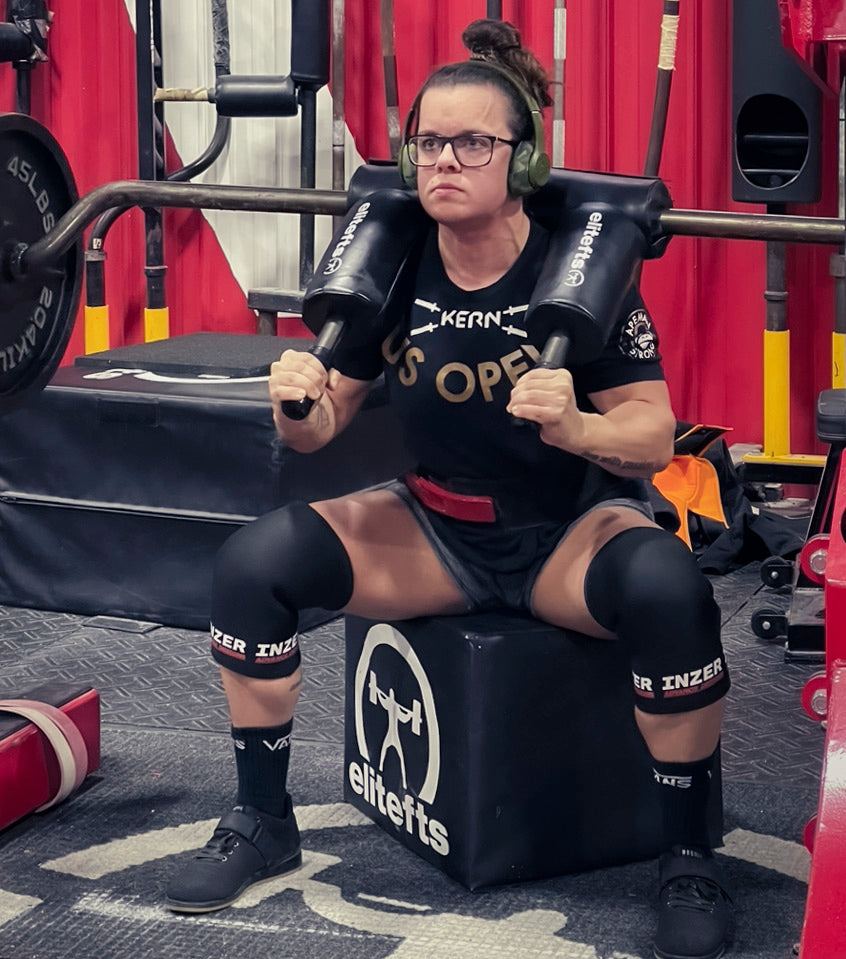
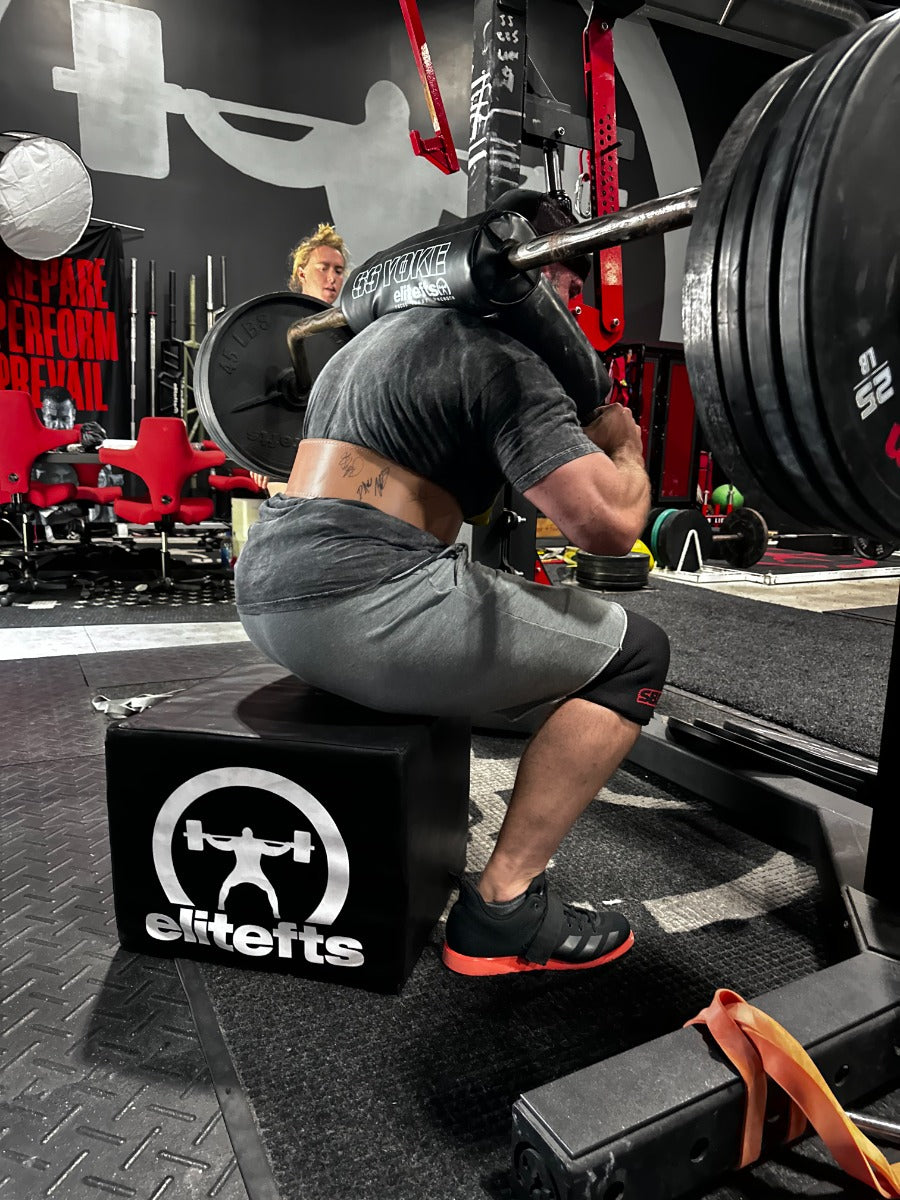
Impact of Methodology on Programming The facility operates on a high-density throughput model, managing five 45-minute classes daily: three "speed strength" sessions for athletes and two "general speed strength" blocks. This condensed timeframe necessitates an environment optimized for maximum efficiency. The requirement for "precision and speed" dictates the use of versatile racks and specialized tools, such as box squats—specifically utilized to mitigate knee pain in high-impact basketball and soccer athletes—ensuring that structural health is maintained without sacrificing intensity.
This philosophical framework directly informed the engineering solutions required to navigate the facility’s specific architectural constraints.
Spatial Engineering: Maximizing a Constrained 2,800 Square Foot Footprint
Strategic facility management requires turning architectural obstructions into operational advantages. Within a 2,800-square-foot footprint, maximizing usable space is critical for maintaining high athlete throughput in a scholastic environment where time is the most limited resource.
Navigating Structural Constraints The primary engineering challenge involved three "inconveniently placed" central pillars. Rather than allowing these to create dead space, the layout utilizes six double-sided elitefts half-racks bridged by integrated connector beams. This solution creates an evenly spaced, unified structural spine that transforms the pillars into organizational anchors. This configuration ensures the room remains flow-optimized, despite the structural obstructions, by providing a symmetrical layout that prevents bottlenecking.
Capacity and Throughput Analysis The layout represents a premier model of spatial efficiency, proven by the following metrics:
|
Facility Metric |
Specification |
|
Total Square Footage |
2,800 sq. ft. |
|
Total Number of Stations |
12 (6 double-sided racks) |
|
Student Capacity per Station |
3–4 Athletes |
|
Total Peak Capacity |
36–48 Athletes |
|
Square Foot per Athlete |
58.3 – 77.7 sq. ft. |
Zoning and Flow The facility utilizes a perimeter-based rack placement that frames a central "turf strip." This zoning creates a clear operational distinction between foundational strength training at the stations and movement-based conditioning in the center. This separation is vital for maintaining order during peak capacity sessions, allowing 48 athletes to "jam and dive" simultaneously without spatial interference.
The logistical success of this layout is further energized by the specific equipment standardization within each station.
Operational Excellence through Equipment Standardization
In human performance operations, standardization is a mechanism for instructional clarity and the elimination of "search costs." Managing 48 athletes simultaneously requires an environment with zero equipment variance, enabling universal supervision.
The "Identical Station" Mandate Tactical utility is achieved by outfitting 12 identical stations. Every single station contains:
- An elitefts double-sided half-rack and adjustable bench.
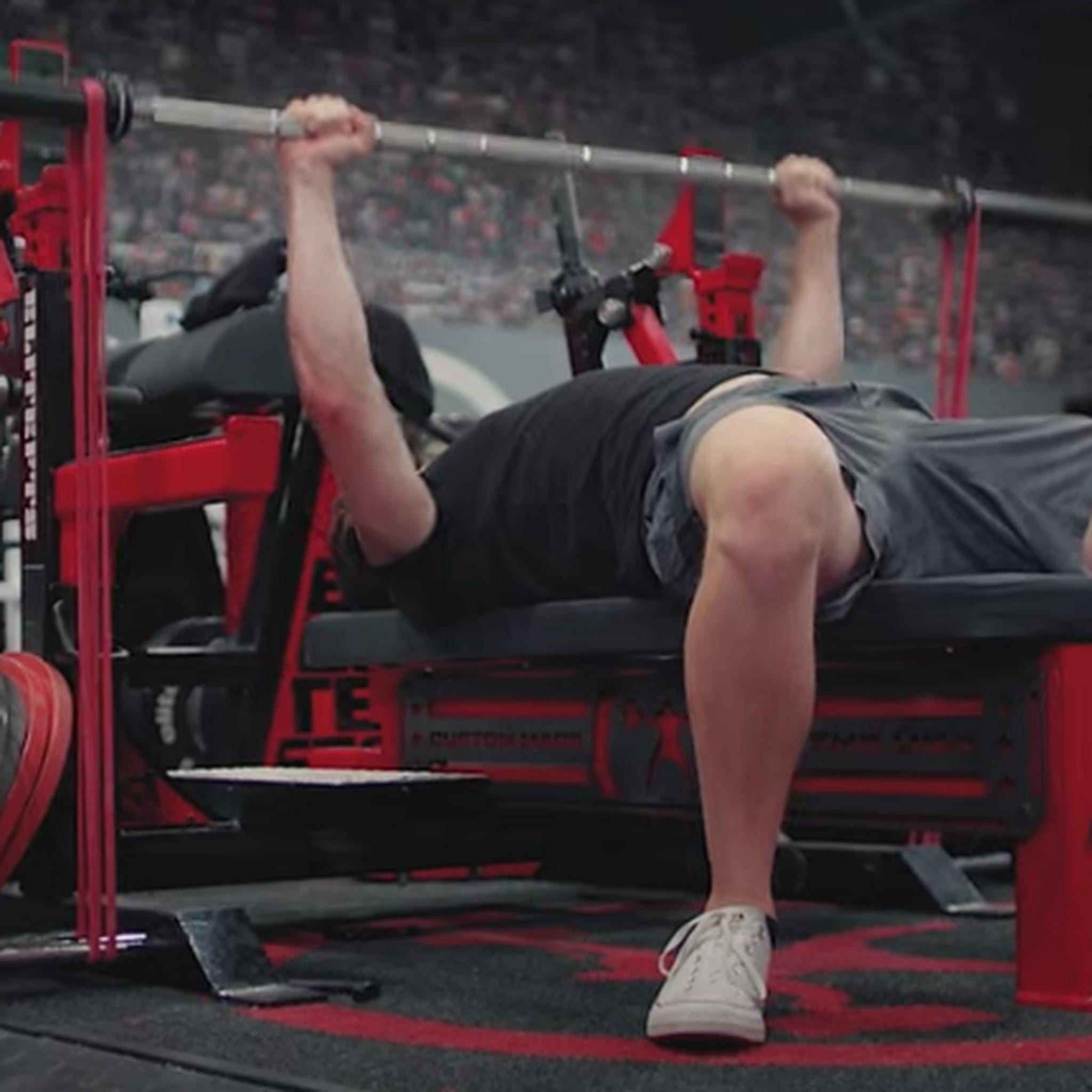
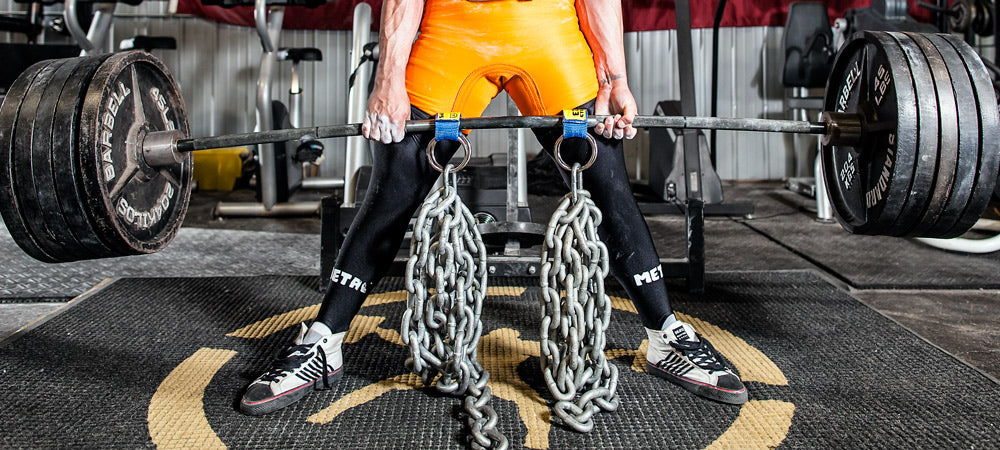
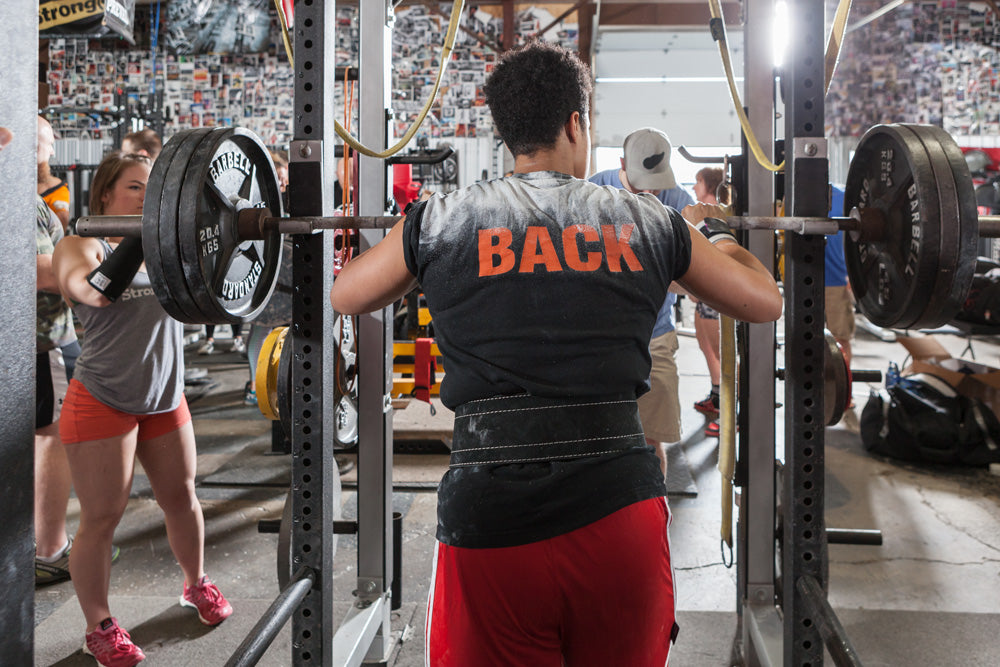
- Standardized barbell, plate sets, bands, and chains.
- Dedicated squat blocks and an integrated platform.
By ensuring every station is a mirror image of the next, we eliminate "dead time" spent searching for gear. Athletes move directly to their assigned station and begin work immediately, maximizing the 45-minute training window.
Instructional Scalability Standardization drastically enhances the "Coach’s Eye." With 12 identical setups, a coach can stand at a single vantage point and provide universal technical cues. Because the visual baseline (the rack, the platform, the height of the squat blocks) is constant, technical flaws in an athlete’s movement become immediately apparent across the room. This instructional scalability ensures that even at peak capacity, safety and technical precision remain uncompromised.
Versatility of the Rack System The half-rack configuration supports the full spectrum of the Highland methodology. From the "Starting Light" principle to the "Building Armor" mandate, these stations accommodate everything from Olympic variations to the specific box squats required for beginner mastery and knee-health maintenance.
While the equipment provides the utility, the branding of these tools provides the psychological catalyst for the program's culture.
Cultural Integration: Branding as a Catalyst for Accountability
Environmental psychology dictates that institutional branding is not a cosmetic luxury, but a strategic tool for fostering athlete buy-in and professional standards.
Institutional Identity and Belonging The Highland Hornets facility utilizes custom elitefts equipment—including branded racks, plates, and platforms. This branding serves as a "Statement of Intent" from the athletic department to the student body, signaling a profound commitment to their long-term "armor building" and development. Seeing their own name and colors transforms athletes from "users of a gym" to "members of a program."
Fostering Accountability. There is a direct correlation between custom branding and athlete effort. When an athlete views the equipment as "The Highland Rack" rather than a generic piece of iron, they develop a sense of ownership. This environmental cue facilitates higher standards of work, better equipment maintenance, and a deeper adherence to the program's seven principles. When athletes believe they are part of an elite, professional-grade environment, they hold themselves to a higher standard of accountability and leadership.
This established culture and optimized layout provide the necessary foundation for the iterative evolution of the facility.
Future-Proofing and Phased Facility Development
Iterative facility management requires a strategy that balances immediate utility with long-term growth. As the program matures, we must address specific developmental gaps through phased acquisitions.
Immediate Needs vs. Future Acquisitions While the current configuration provides an elite foundational base, we have identified a need for enhanced posterior chain development. Future acquisitions are prioritized as follows:
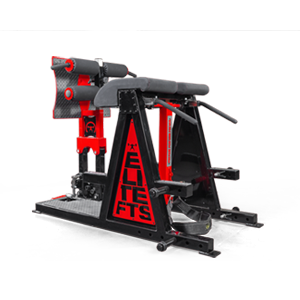
- Glute-Ham Developers (GHDs): For isolated posterior chain strength.
- Reverse Hyperextensions: For lumbar health and posterior chain "armor building."
Flooring Evolution: As we integrate functional machinery such as Reverse Hyperextensions, we face a strategic trade-off regarding the central turf strip.
|
Flooring Option |
Pros |
Cons |
|
Current Turf Strip |
Optimized for conditioning, sprints, and movement-based "speed strength" work. |
Limited stability for heavy functional machinery; creates a footprint "island." |
|
Proposed Rubber Floor |
Provides a uniform surface for GHDs and Reverse Hypers; expands the usable station footprint. |
Loss of dedicated movement/sprint lane, potentially compromising conditioning-based principles. |
The Highland Hornets Strength Performance Center stands as a premier model for maximizing a small-scale scholastic weight room through elite-level strategic planning. By bridging the gap between training philosophy and spatial engineering, the facility has turned a constrained 2,800-square-foot room into a high-throughput engine for athletic development. Through equipment standardization and the deliberate use of environmental branding, Highland has created a professional-grade laboratory that builds more than just strength—it builds durable, accountable, and high-performing leaders.