

To find old issues of PLUSA, go HERE
The January 1980 issue of Powerlifting USA captures a sport at a massive crossroads. While the cover layout bears the "Jan 79" date, the internal minutes and reports confirm we are looking at the transition to 1980. The major headline is the official adoption of the name United States Powerlifting Federation, Inc. (USPF), as the National A.A.U. The Powerlifting Committee began navigating its complex relationship with the A.A.U. and the International Powerlifting Federation (IPF).
The "State of the Sport" was one of high-stakes drama. Discussions of disaffiliation from the A.A.U. reached a fever pitch, driven by a desire for lifters to have a democratic say in their destiny. Meanwhile, controversy surrounded the "World Cup," with the IPF and the U.S. National Committee at odds over competing events in London and Alabama. Amidst the suits and sanctions, the "Worldwide Record Rampage" continued, with legends like Mike MacDonald and Clay Patterson pushing the absolute limits of human strength.
Legend Feature: Joseph "Doc" Rhodes
This issue shines a spotlight on Joseph Rhodes, better known to the community as "Doc." A native of Bay St. Louis, Mississippi, Doc was revered not just for his massive, world-record-breaking deadlift in Perth, Australia, but also for his renowned modesty and extreme determination. At 32, Doc had been training since he was 12, mentored early on by coach J.E. Loiscano.
Doc's Peaking Philosophy
Doc’s training was structured around a yearly cycle, divided into four or five shorter cycles of 8 to 12 weeks each. He focused heavily on proper technique and "muscle relativity," ensuring his legs and back progressed at the same rate to keep his deadlift "groove" intact.
-
Phase One (Stress): High reps and heavy workloads should be worked for no more than two weeks consecutively to avoid fatigue and overtraining.
-
Phase Two (Peaking): Begins three weeks before a contest with one to three rep sets at 90% and higher.
-
The Bench Press Split: Performed 3 to 4 times weekly, utilizing medium, light, and heavy sessions. He incorporated close-grip work and tricep extensions.
-
The Squat Split: Performed twice per week. High-stress training ended approximately 5 weeks before the meet due to the movement's fatiguing nature.
- The Deadlift Strategy: Due to a recurring back problem, Doc was forced to train with lighter weights and avoid assistance work, such as deadlifting off boxes. He would take only 3 or 4 heavy workouts in the final month before a meet.
Workout of the Month: Mike Thompson’s "Boost Your Squat" Strategy
Englishman Mike Thompson shared a specialized three-day-per-week squat program designed to break through plateaus and get a lifter accustomed to the feel of heavy iron.
-
Monday: Stress and Drop Sets
- After a standard warm-up, perform 3 sets of 5 reps.
- After the final rep of the last set, the lifter rests at the bottom of the squat position.
- Spotters quickly strip 75 lbs from each side of the bar while the lifter remains in the hole.
- Perform 5 more reps immediately. Strip another 75 lbs from each side and perform a final 5 "core" reps.
-
Wednesday: Medium Recovery
- Perform 3 sets of 6 "full" squats with medium weight to maintain mobility and facilitate recovery.
- Perform 3 sets of 6 "full" squats with medium weight to maintain mobility and facilitate recovery.
-
Friday: Heavy Overloads
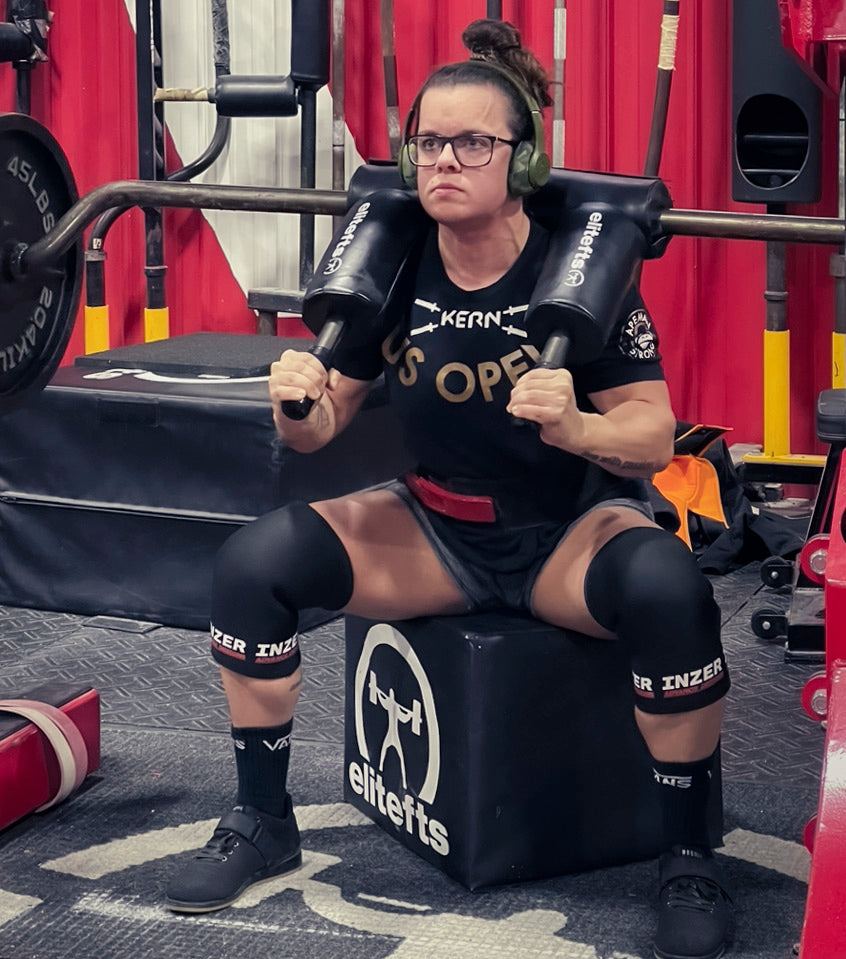
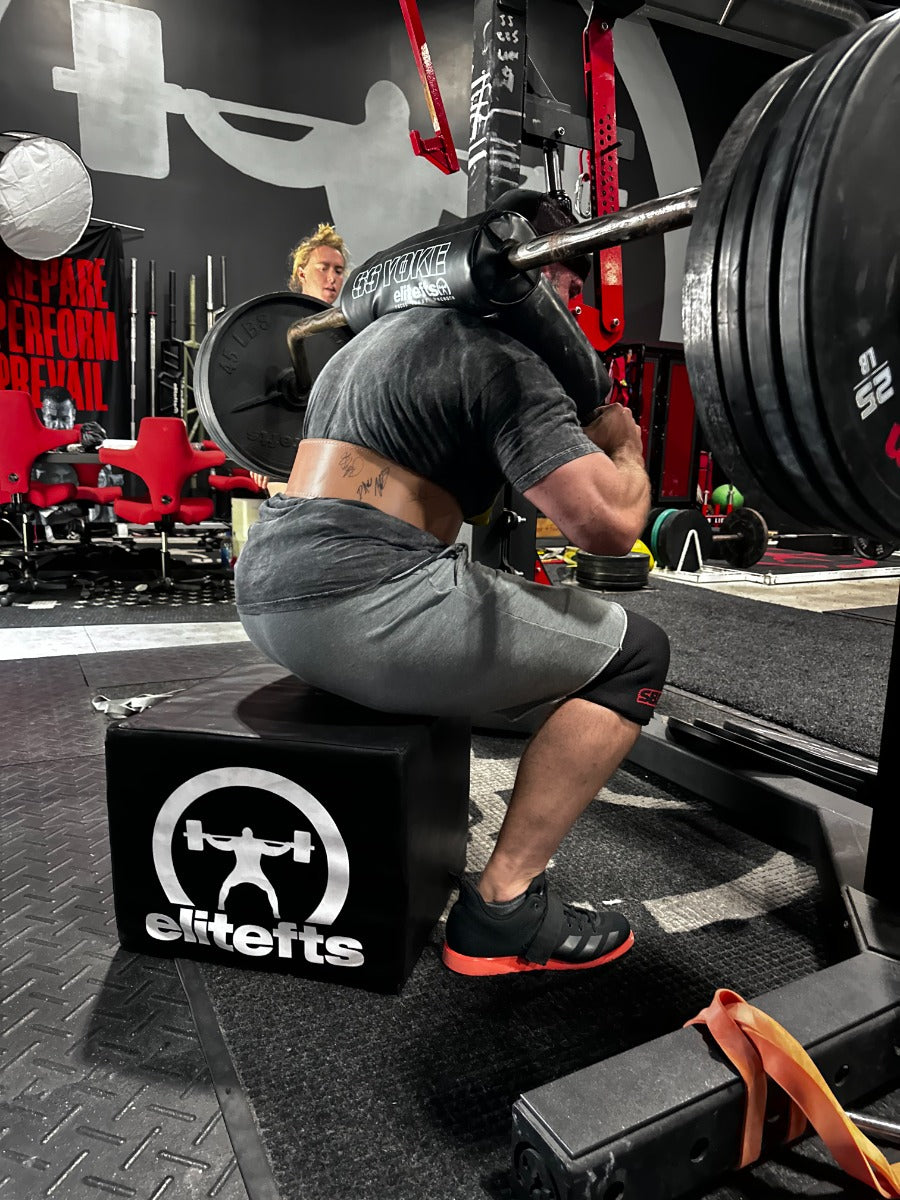
- Perform 5 sets of 5 reps of "bench squats" (partial range squats). This is specifically used to get the lifter accustomed to the psychological and physical feel of heavy weight.
The Results: Thompson reported that after a few weeks of this method, he moved from a mediocre feeling to hitting a 490-lb single and 420-lb for 10 reps. However, he cautioned lifters to use "restraint" to avoid hitting a wall of staleness.
The Leaderboard: 132 lbs (Featherweight) Top 10
The "Top 100" project featured the 132 lbs class in this issue. Here are the top 10 totals compiled from 1979 results:
| Rank | Lifter | Total | Date |
|---|---|---|---|
| 1 | Joe Bradley | 1460 lbs | 4/7/79 |
| 2 | Ernesto Milian | 1319 lbs | 12/16/79 |
| 3 | Gerald Hummel | 1316 lbs | 8/18/79 |
| 4 | Lee Mabie | 1311 lbs | 2/17/79 |
| 5 | Lamar Gant | 1280 lbs | 3/3/79 |
| 6 | Ray Verdonck | 1272 lbs | 12/8/79 |
| 7 | John Biasiotto | 1250 lbs | 3/17/79 |
| 8 | Fred Ruettiger | 1230 lbs | 12/9/79 |
| 9 | Isidro Burgess | 1210 lbs | 6/2/79 |
| 10 | B. Luna | 1200 lbs | 4/7/79 |
Tactical Training Takeaways
-
Controlled Psyching for Technical Precision: Doc Rhodes emphasizes that psyching up is a double-edged sword. While necessary for aggressive lifting, excessive psyching can impair coordination and technique. Success requires an "optimum psyche" that corresponds specifically to the weight on the bar; too much emotional expenditure too early ruins the technical groove.
-
The Deadlift Mindset (No Voluntary Quitting): A lifter should never quit on a deadlift unless the judge explicitly gives the signal to put it down. Doc demonstrated this in Perth, ignoring tricep cramping to haul up a winning 655 lbs pull despite being told it was lighter—a coaching strategy used to keep him confident.
-
Stretching for Injury Prevention: Doc views stretching as a mandatory component of longevity. Vigorous exercise inherently causes muscles to shorten and tighten. Daily stretching lengthens the muscle and directly reduces the risk of pulls and tears that end careers.
-
Nutrition as a Psychological Tool: Legendary bencher Mike MacDonald argues that nutrition isn't just about tissue; it’s about the mental psyche. He suggests that a positive attitude is difficult to maintain when poor nutrition or drugs are deteriorating the body. He advocates for patience built on a foundation of high-quality food.
-
The "Active" Rest Period: Between yearly cycles, take 4 to 6 weeks of active rest. Heavy powerlifts should be performed only once per week with light weights. This phase incorporates non-specific work, such as jogging and bodybuilding, to allow the central nervous system to recover while maintaining general preparedness.
-
Squat Fatigue Management: The squat is significantly more taxing than the bench press. Rhodes ends his high-stress squat training five weeks before a meet, whereas bench press stress can continue closer to the event. This early cessation is necessary due to the movement's fatiguing nature.
-
Recognizing Weight Class Limits: If a weight cut causes physical dysfunction, it is a definitive signal to move up. Doc could make 148 lbs using diuretics, but suffered from electrolyte imbalances and cramping. He eventually moved to the 181 lbs class to preserve his strength and health.
-
The Necessity of Varied Loads: High reps and heavy workloads should never be performed for more than 2 weeks in a row. To avoid staleness, lifters should cycle through different ranges (like triples) and adjust rest periods to facilitate recovery from high-intensity bouts.
-
The Hierarchy of Progress (Technique First): Doc is direct: "The results of the most efficient programs possible will be nil, if you are lacking proper technique." Before drugs or advanced supplementation are considered, a lifter must master mechanics and dedicate themselves to a disciplined routine.
- The Culture of Teammates: Ken Leistner highlights that the "average guy" makes the sport, not just superstars. The "goodwill" shared in a gym and the happiness felt when a teammate makes a successful lift—regardless of weight—is the lifeblood of powerlifting.
Marketplace Time Capsule
Gear and supplements from the dawn of 1980 show a sport becoming increasingly specialized:
-
The Power Wrap: A new synthetic material designed to last one year. Price: 10 dollars per pair (compared to "Superwraps" at 5 dollars, which only lasted 2 months).
-
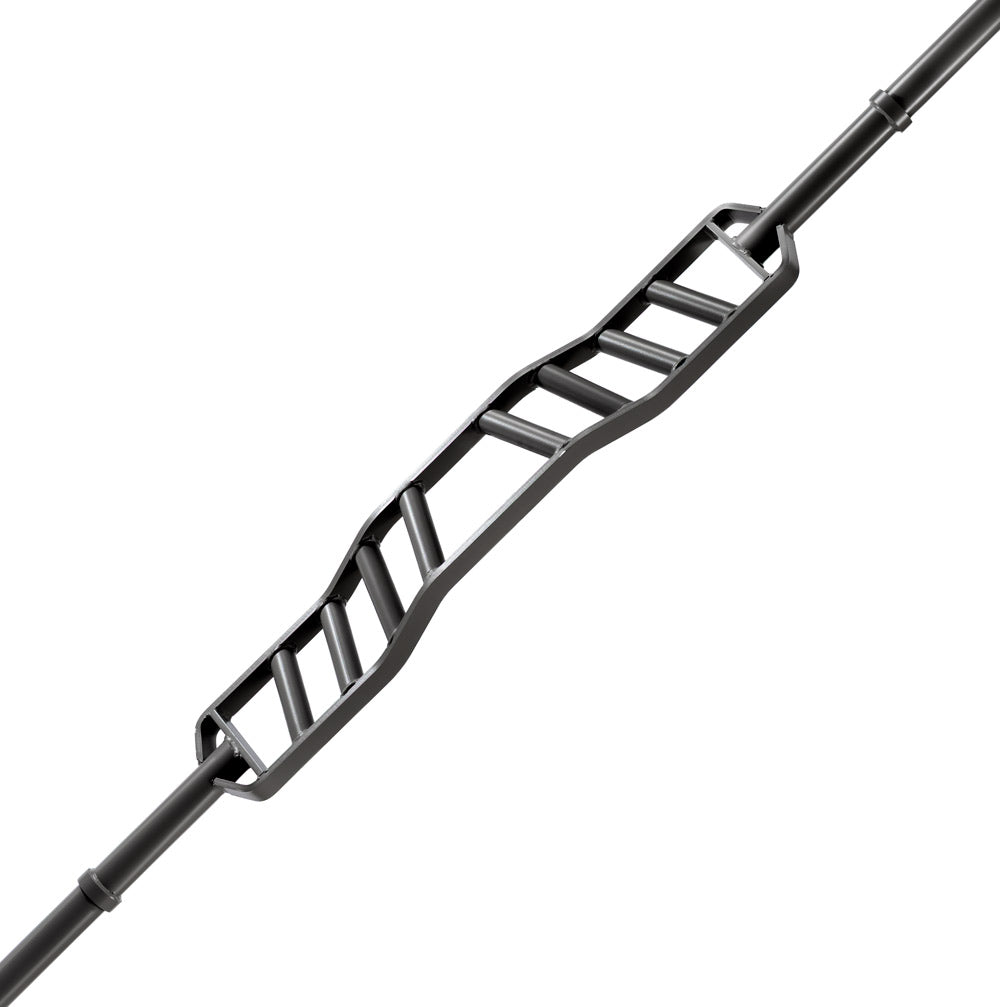
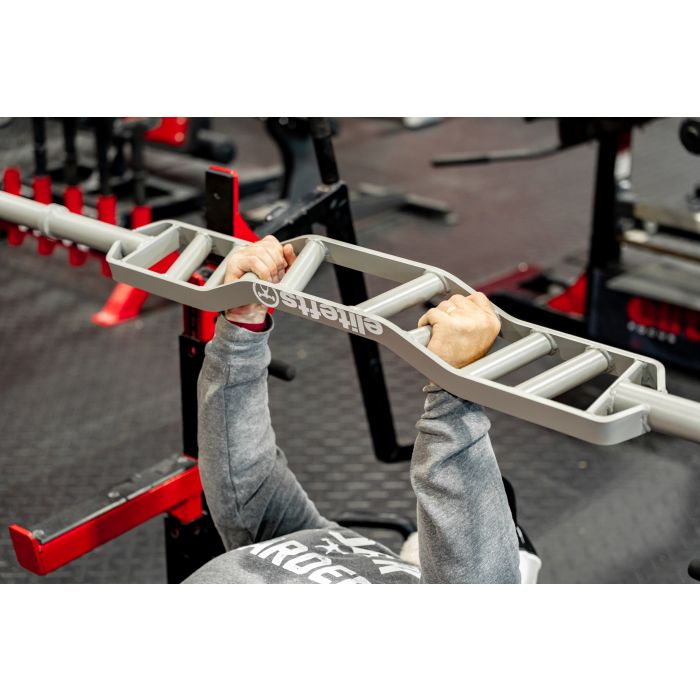
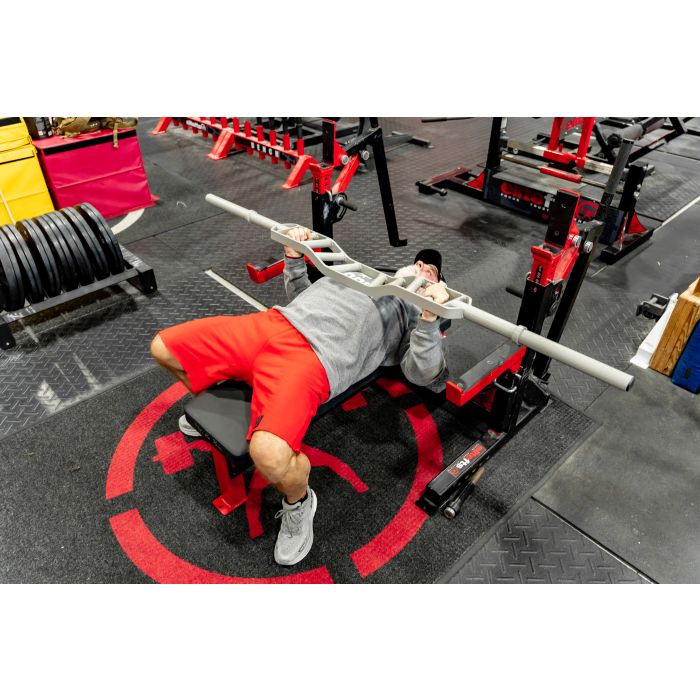
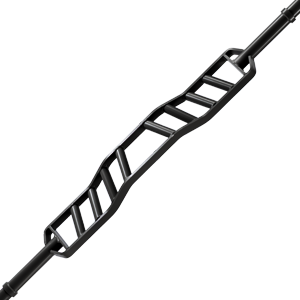
The Cambered Bench Press Bar: Marketed by Macs Gym for "ultimate in bench pressing blast off power." Price: 95 dollars (Olympic style) or 65 dollars (Regular style).
-
Spanjian Supersuits: Now offered in four colors (Navy, Royal Blue, Scarlet, and Natural). Price: 32 dollars for Supersuit II or 24 dollars for the original model.
-
Raw Glandular Supplements: Tablets containing Pituitary (25mg), Adrenal (150mg), Thymus (150mg), and Pancreas (150mg).
- Inside Powerlifting by Terry Todd: A landmark book featuring in-depth analysis of legends like Doug Young and Mike MacDonald. Price: 16.95 dollars.