
The First Time You Squat With It, You'll Wonder Why You're So Weak
The first time most serious lifters put a cambered bar on their back, they get humbled.
Not because they're weak. Because the bar exposes the gaps they've been hiding.
That's the thing about straight bar squatting. You can get away with a lot. You can compensate, shift the load, find a groove, and grind through. It works. Until it doesn't. The cambered bar strips all of that away in the first set.
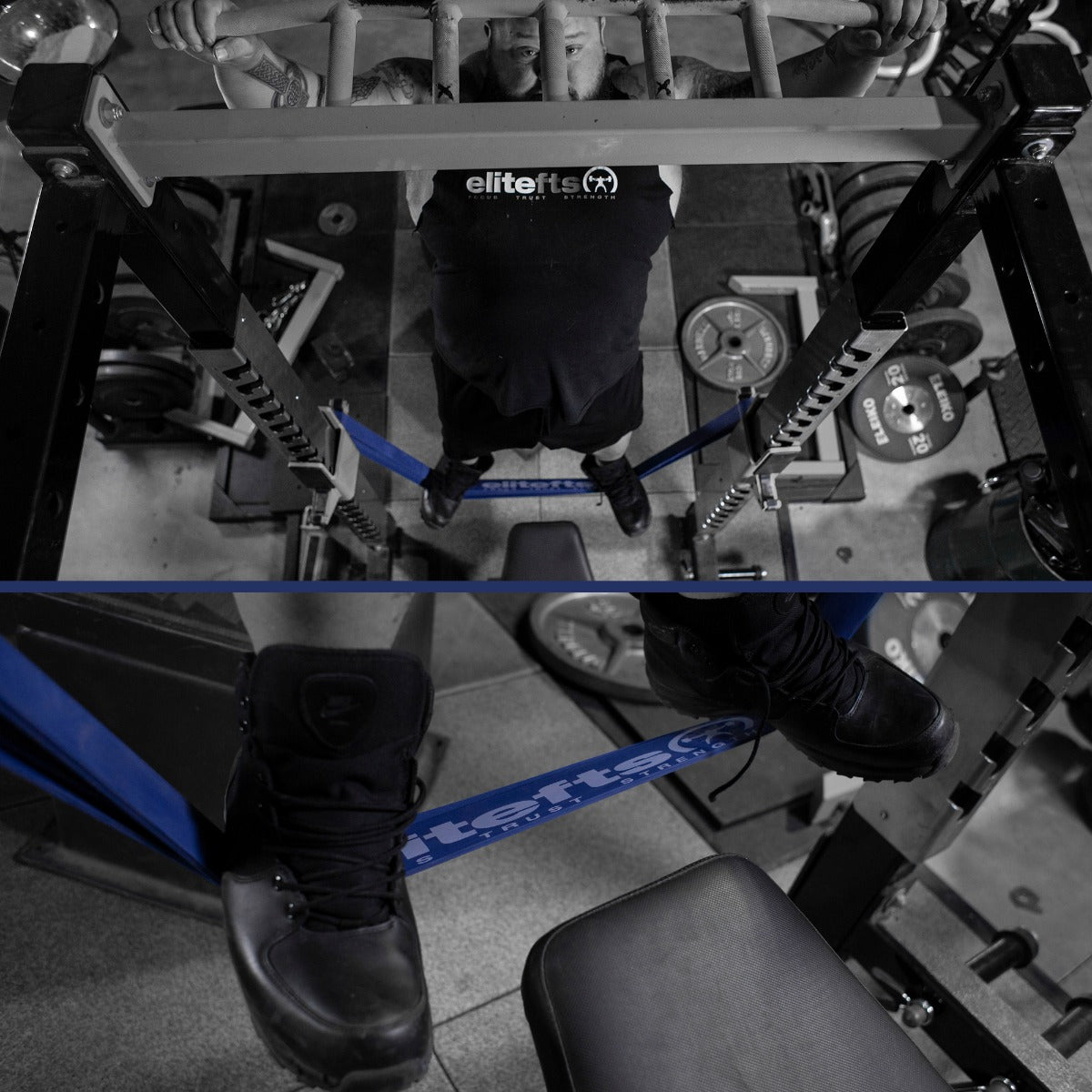
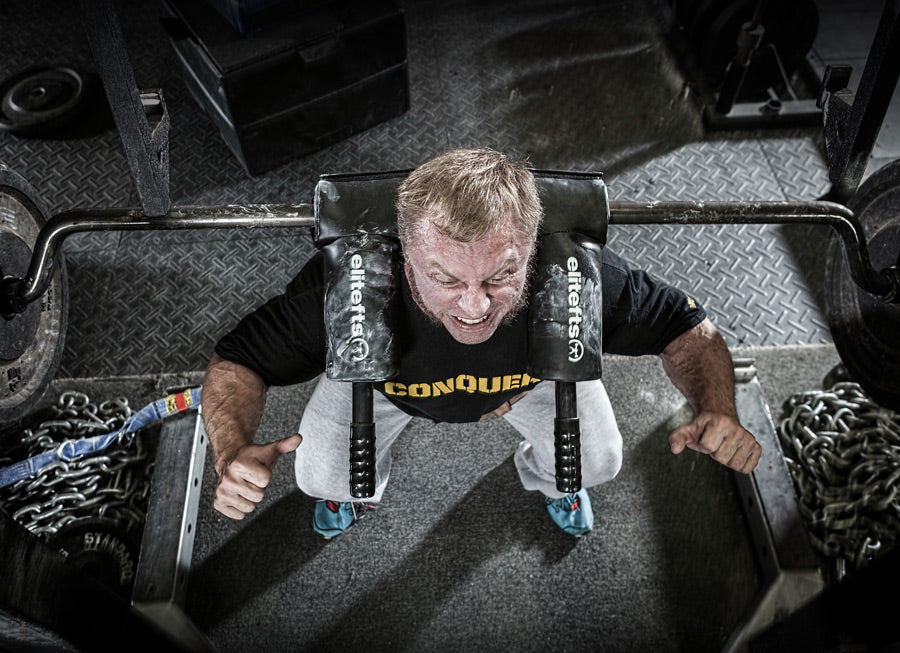
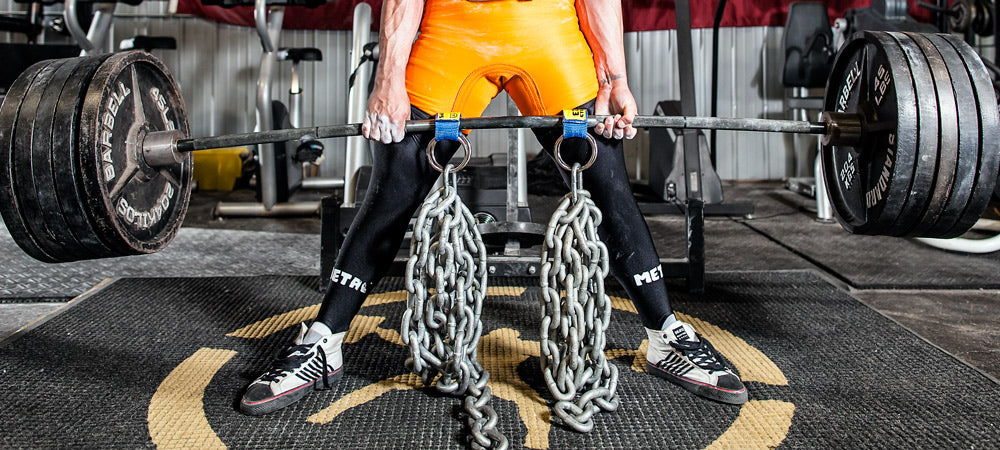
The weight hangs below the bar. The load swings slightly with every transition. When you come out of the hole, the bar wants to keep going in whatever direction you started. If you're not tight, it will throw you. If your upper back isn't engaged, you'll feel it. If your bracing is sloppy, you'll know it by the time you re-rack.
This isn't a bar that punishes bad form. It's a bar that makes bad form impossible to ignore.
That's the point.

Why the Cambered Bar Works
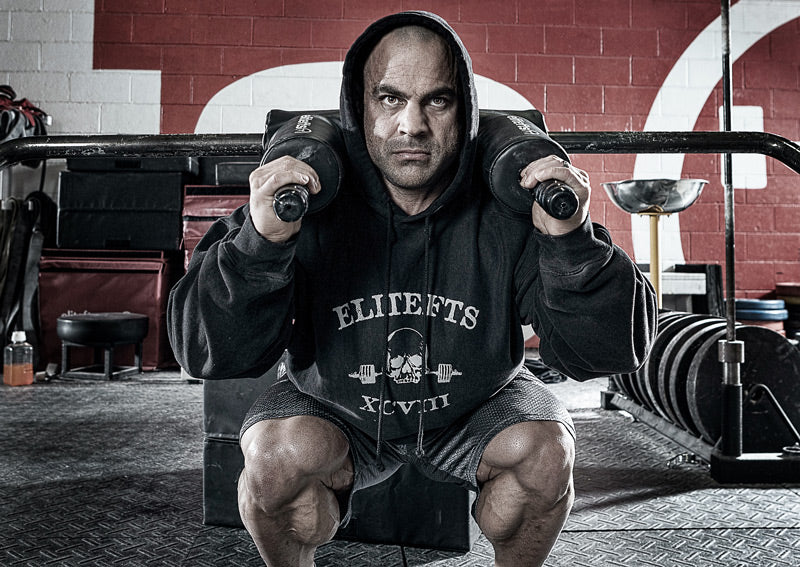
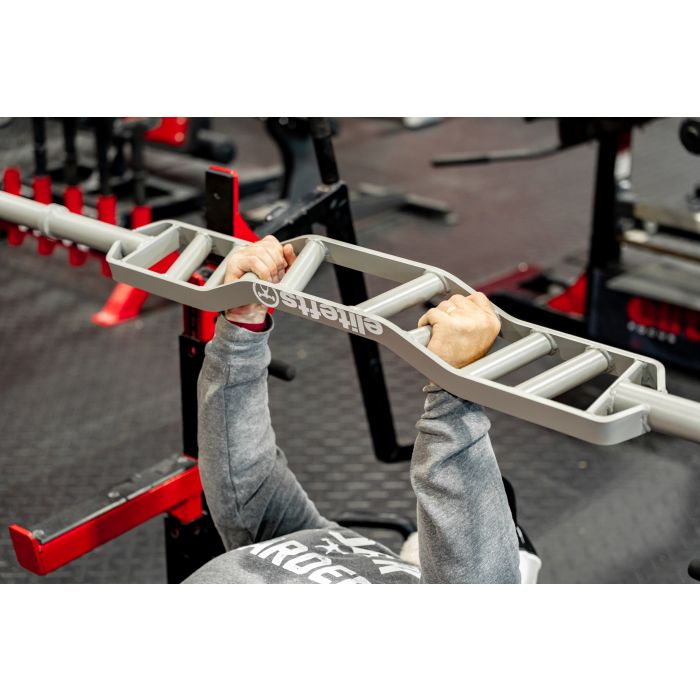
Most people think of specialty bars as accommodations for injury. Something you use when your shoulder is blown out or your elbows are giving you trouble. And yes, the cambered bar handles both of those problems. Your hands drop to roughly waist level when you're set up, which takes the stress off your shoulders, elbows, and wrists entirely. If you've been grinding through upper body soreness to keep your squat training intact, this bar is a legitimate solution.
But that's the secondary benefit. The real reason to train with the cambered bar is what it does to your squat mechanics.
It makes the lift harder in the right places.
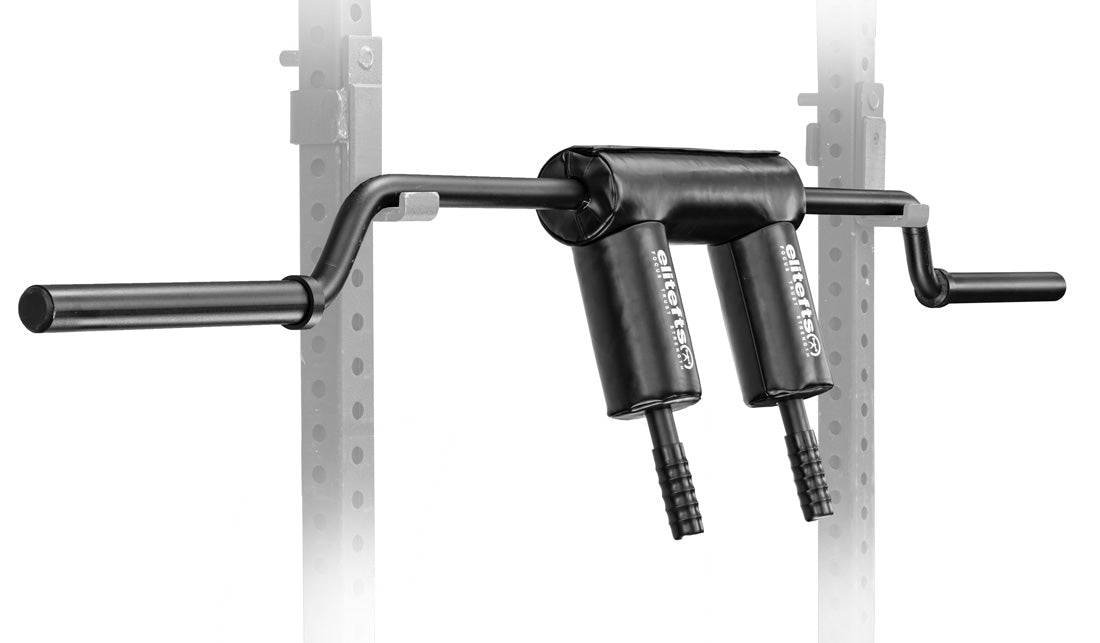
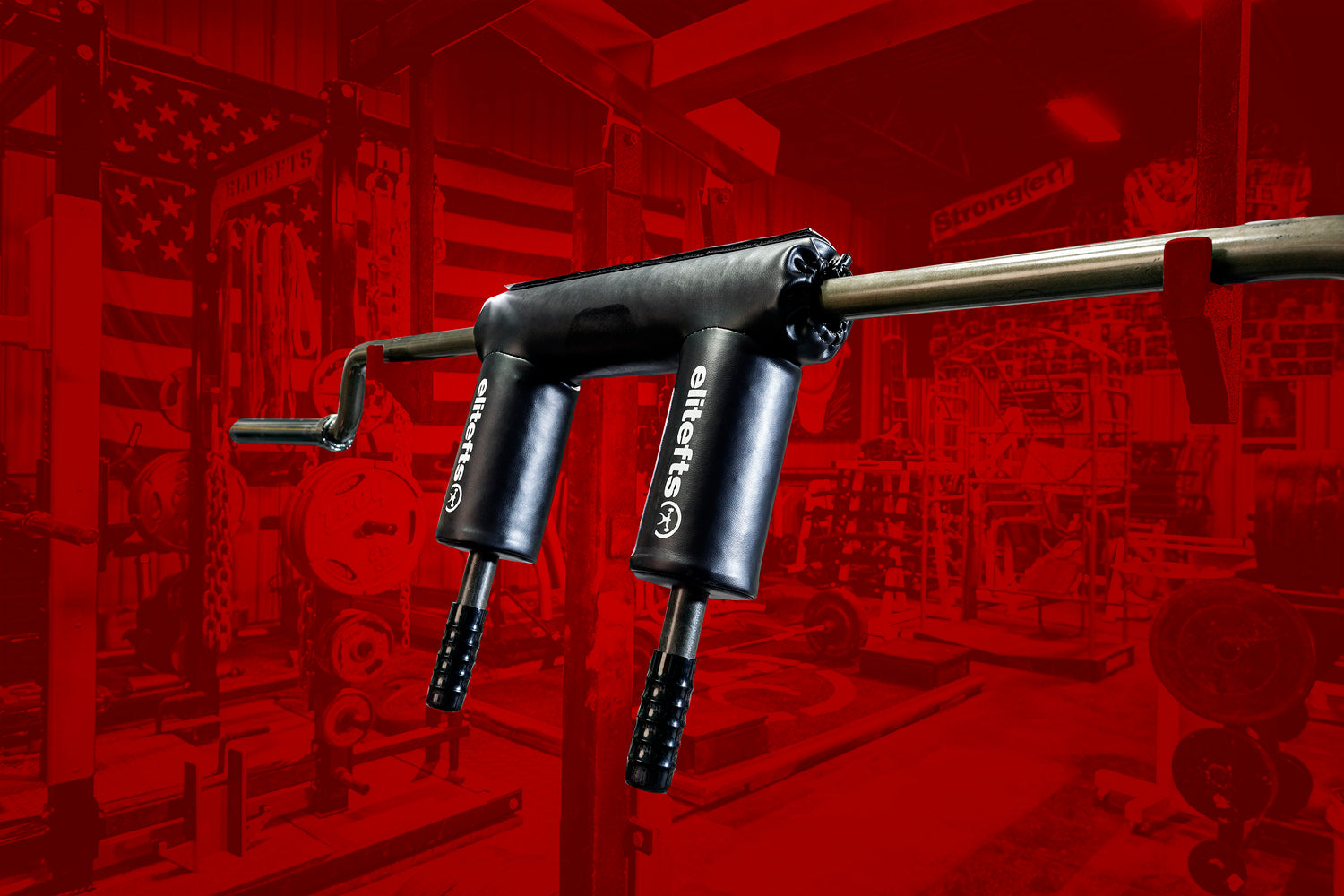
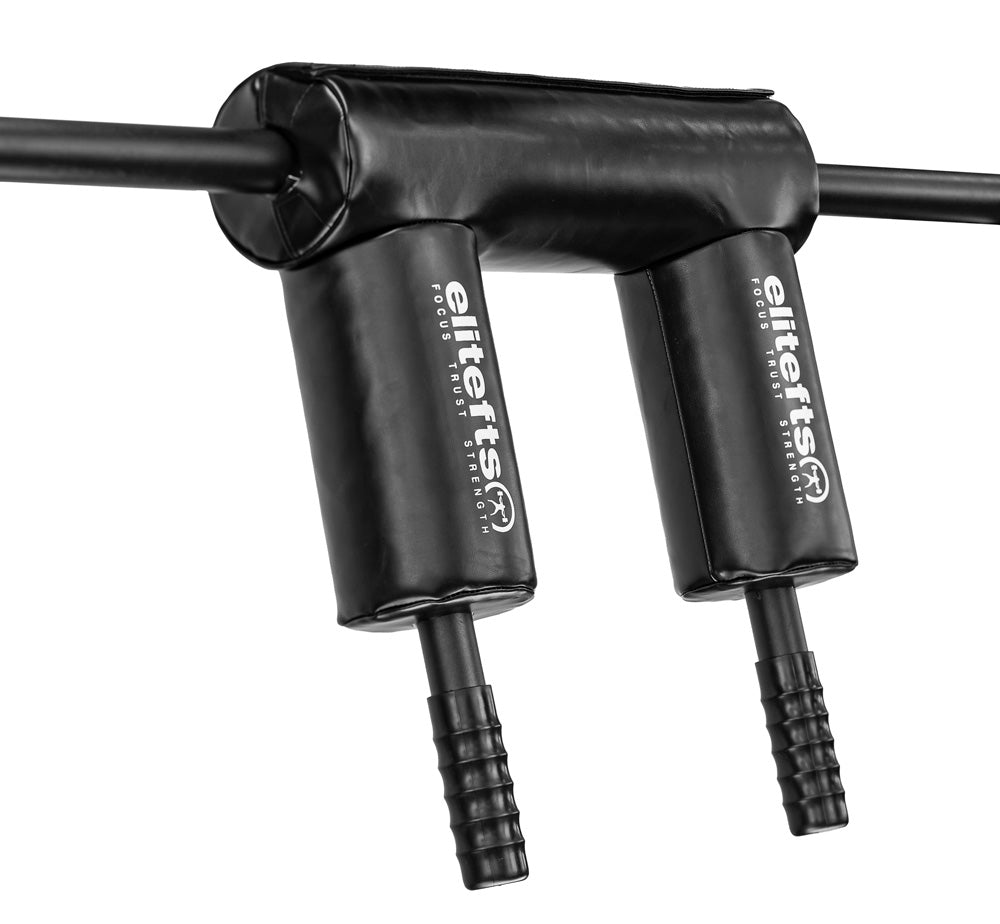
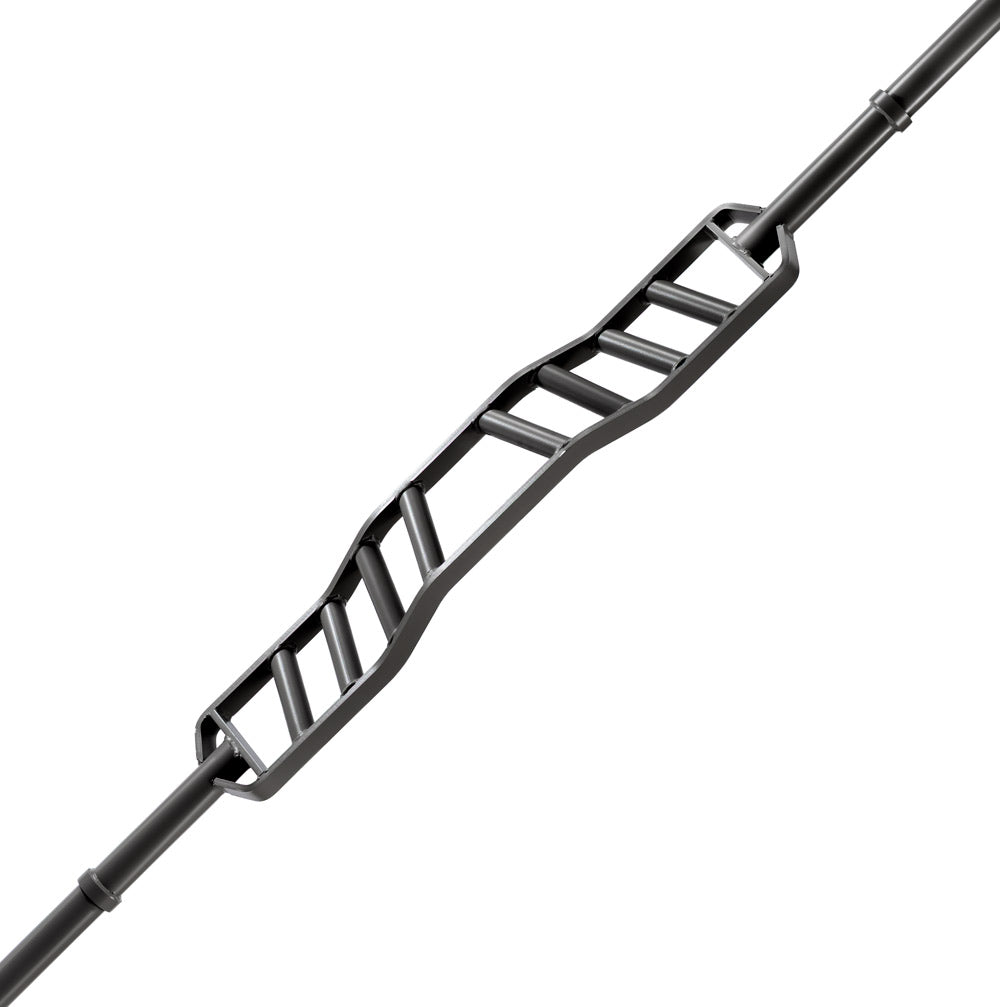
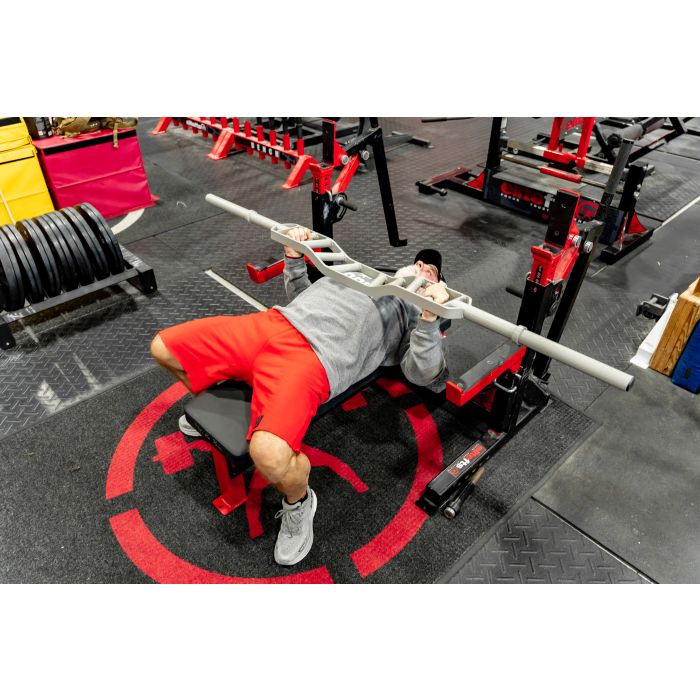
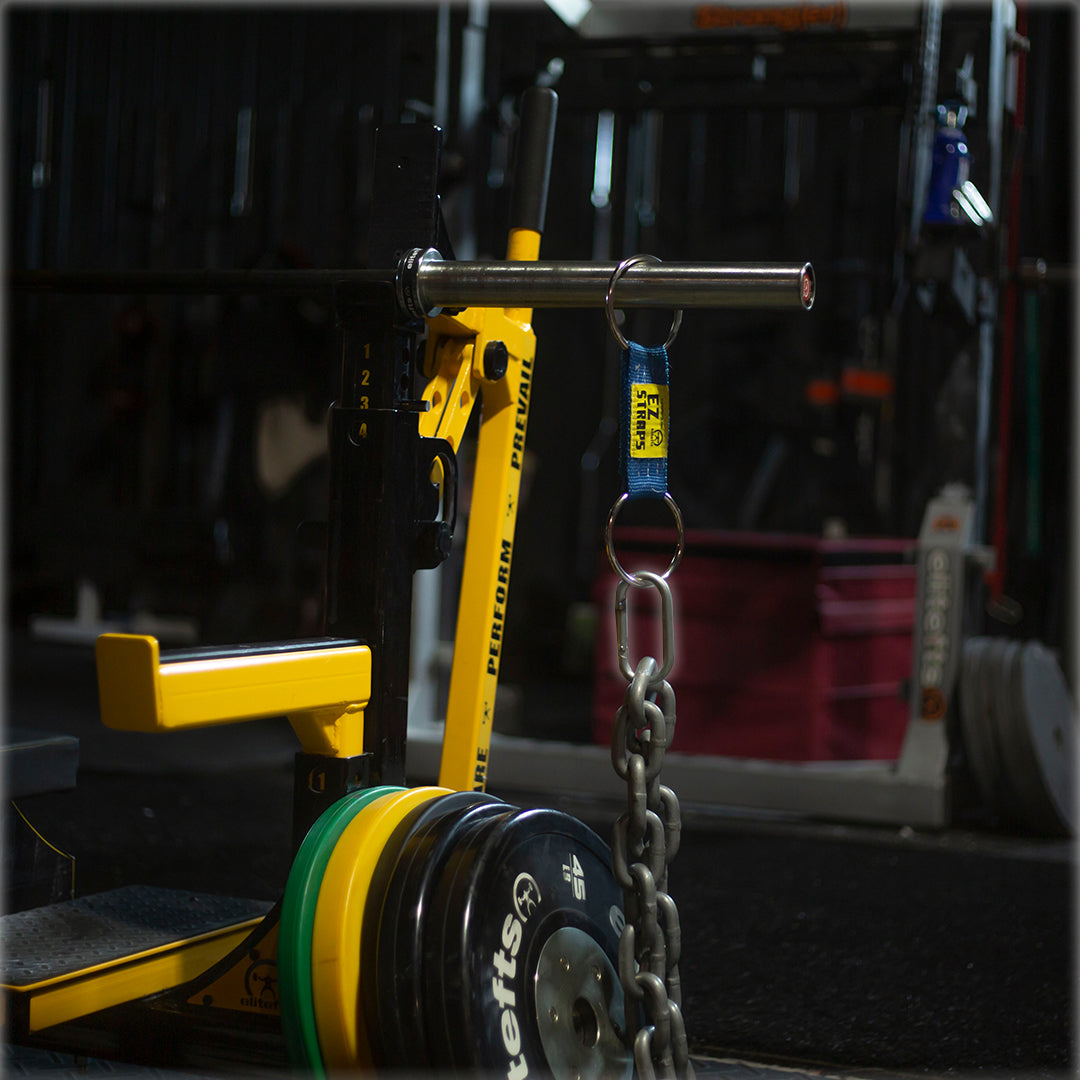
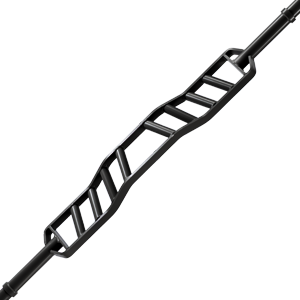
The weight hangs below the sleeves. That's a 14-inch camber drop on the EliteFTS Rackable Cambered Squat Bar. What that means in practice is that the load becomes dynamic. It's not sitting stable and locked on your back like a straight bar. It's responding to every movement you make. Your core, your upper back, your lats — all of them have to work harder just to keep the weight controlled.
When you come up from the hole, the bar will swing forward if you let it. The only way to prevent that is to stay tight through the entire lift. Not just at the bottom. Not just at the sticking point. The entire lift.
That instability forces you to use stability training that you simply cannot replicate with a straight bar.
The Problem Most Squatters Have and Why This Bar Addresses It
Here's something you see constantly with lifters who miss squats: they fall forward.
Not because their legs gave out. Not because the weight was too heavy. Because their chest caved, their upper back rounded, and the bar got out in front of them. The lower back gets blamed. The hips get blamed. But the real culprit is usually a weakness in the lats and upper back that couldn't hold position when it counted.
The cambered bar addresses this directly.
Because the weight wants to pull you forward when you're in the hole, your lats and upper back have to work harder to maintain the bar position. You have to fight to stay upright. You have to keep your chest up and your upper back tight in a way that a straight bar simply doesn't demand.
Over time, this builds the posterior chain strength and positional stability that carries over to your competition squat, your deadlift, and everything else you train in the lower body.
This is exactly why the cambered bar became a staple in conjugate-based training programs. It wasn't a gimmick. It earned its place because it built real strength in real gaps.

How to Use the Cambered Bar in Your Training
There are a few ways to program this bar, and which one you use depends on where you are in your training and what you're trying to fix.
Dynamic Effort Squats
One of the most common applications is dynamic effort squatting. The goal on dynamic effort days is to move weight as fast as possible and develop rate of force development. The cambered bar fits here because the instability demands that you stay explosively tight through the entire rep. Sloppy reps get punished immediately.
When you make the switch, start at around 60 percent of your current dynamic effort weight and keep the set and rep scheme the same. The bar will feel significantly harder than that number suggests. Let it adjust your ego and adjust your loading from there.
Max Effort Work
The cambered bar is also a legitimate max effort exercise. Cambered bar box squats, cambered bar good mornings, and cambered bar suspended good mornings all appear in well-designed conjugate programs for the reasons outlined above. They're hard, they expose weakness, and they build the kind of specific strength that carries over to the straight bar.
Rotate the cambered bar into your max effort rotation every few weeks. Track your numbers. You'll get stronger on it, and you'll notice the carryover when you get back under the straight bar.
Good Mornings
The cambered bar good morning is one of the better posterior chain builders you can program. The hanging weight shifts the load distribution compared to a straight bar and increases the demand on the lower back, glutes, and hamstrings throughout the movement. It's also more shoulder-friendly than a straight bar good morning, which makes it useful when you need to manage upper body recovery between heavy bench sessions.
Addressing Shoulder, Elbow, and Wrist Limitations
This part is straightforward. If a straight bar is causing shoulder, elbow, or wrist pain, the cambered bar lets you continue squatting without compromising your hand position. Your hands stay low, the grip is comfortable, and the pressure on the shoulder joint is dramatically reduced.
This isn't a long-term workaround. It's a real training solution. Plenty of lifters have trained through injuries by rotating specialty bars intelligently, never missing a training cycle, and coming out on the other side with their squat intact.
What to Know Before You Load It Up
A few things worth knowing before you put it on your back for the first time.
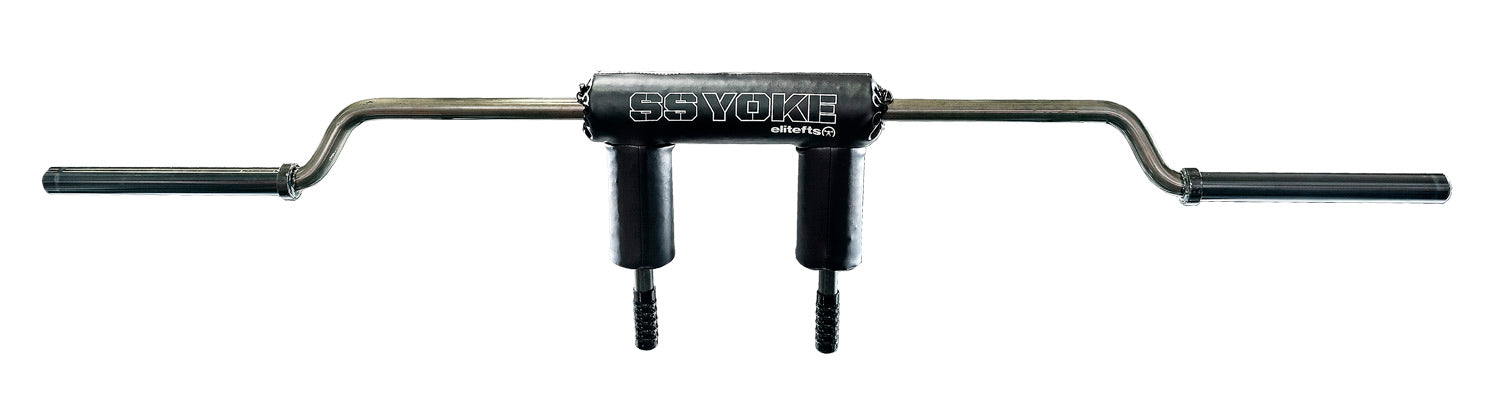
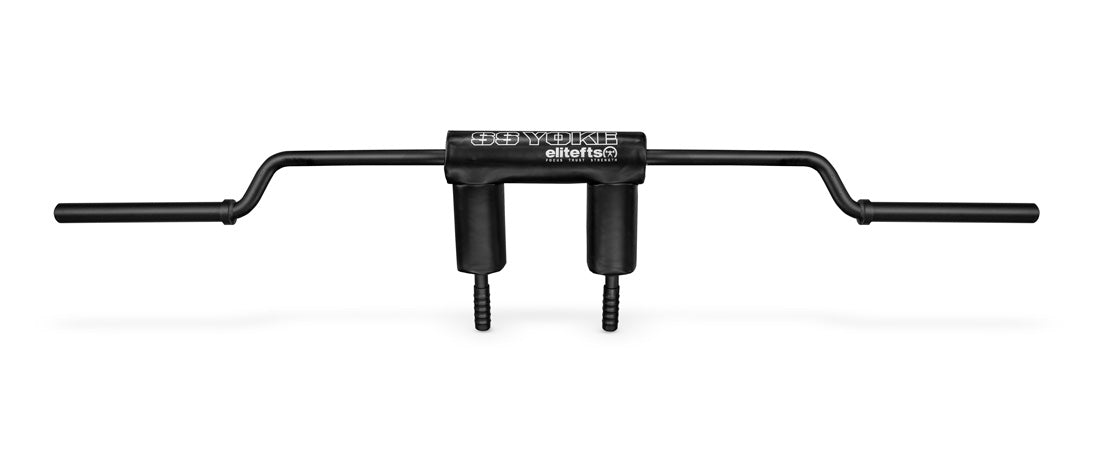
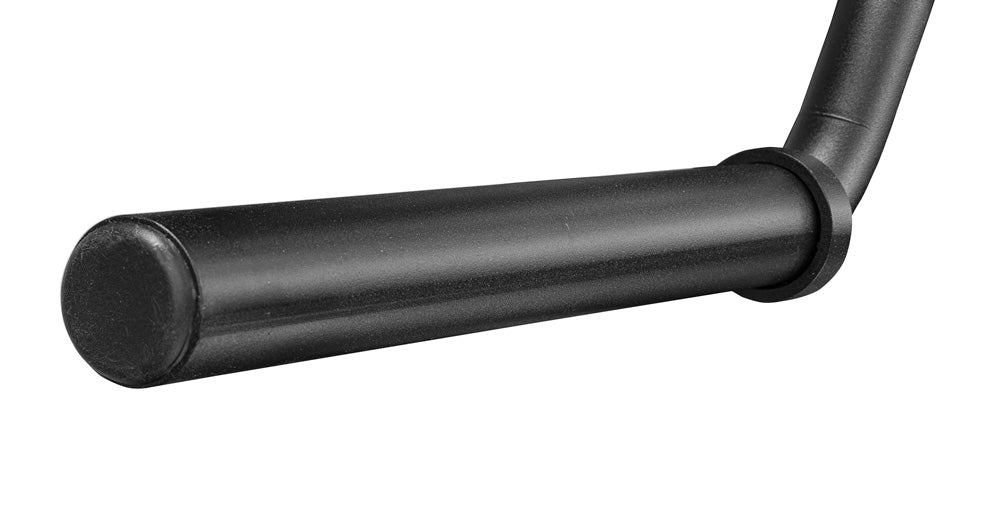
It will feel heavier than it is. The EliteFTS Rackable Cambered Squat Bar weighs 65 lbs and is 91.5 inches long. The camber drop is 14 inches with 30.75 inches of space between the cambers and 11 inches of rackable space outside the camber on each side. It fits a standard rack. But when you load it and take it out, the hanging weight and the instability will make it feel like significantly more than the plates suggest. Plan for that.
Start lighter than you think you need to. Seriously. If you're used to squatting 500 pounds with a straight bar and you load 405 on the cambered bar for your first session, you'll be in trouble. Start at 60 percent or less, get the mechanics down, and build from there.
Don't introduce it too close to a meet. If you're competing, give yourself enough runway to get comfortable with the bar and assess how it affects your recovery before you're deep in a peaking phase. New stimulus close to a competition is a bad idea regardless of how good the tool is.
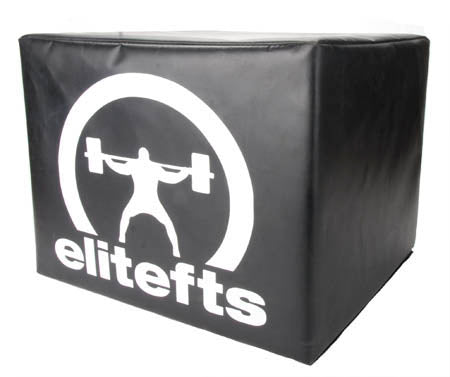
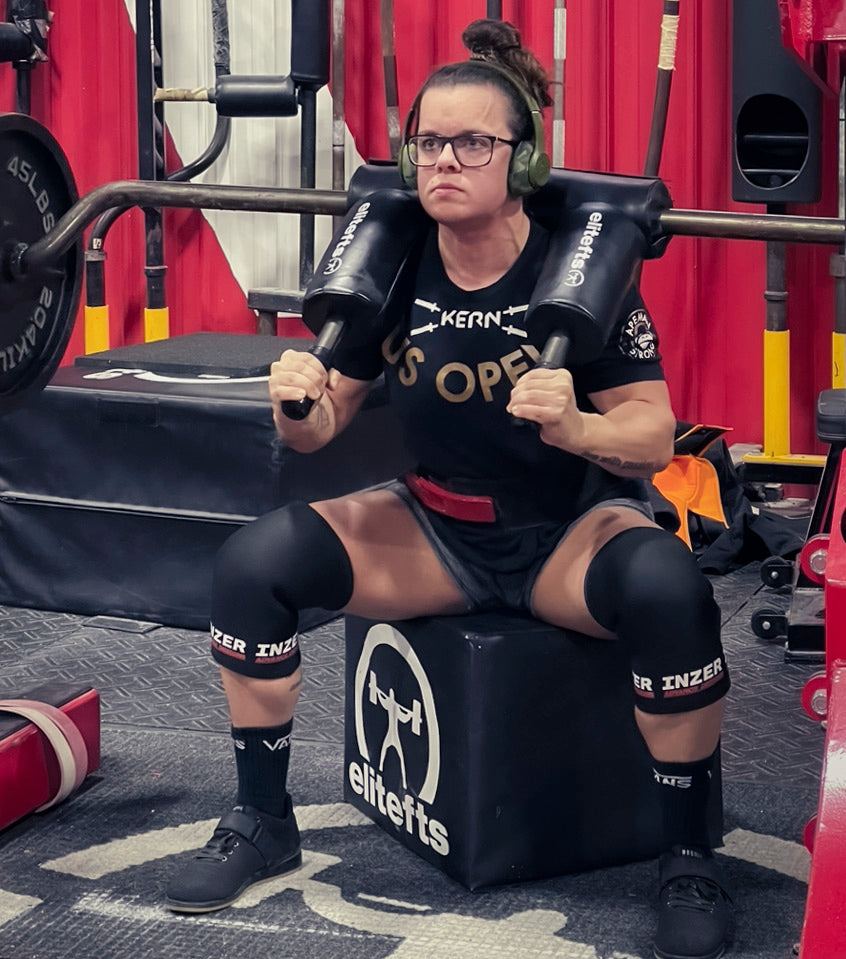
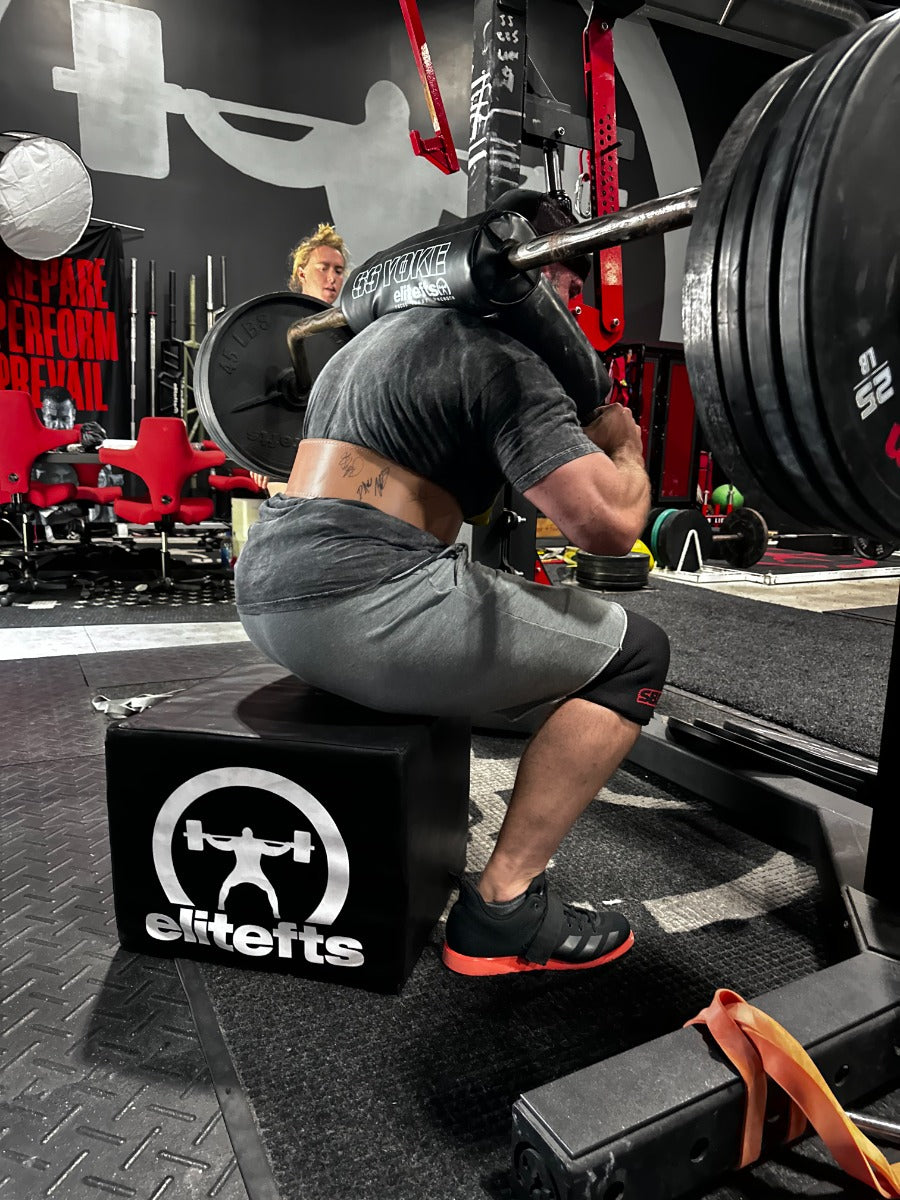
Box squats work well with this bar. The instability gets amplified when you sit back onto the box and have to come up without the momentum from a stretch reflex. This is where the bar really forces you to stay tight. If stability is a specific problem for you, cambered bar box squats should be in the rotation.
Versatility Beyond the Squat
The cambered squat bar isn't limited to squats. Once you have it in your gym, you'll find uses for it across a range of movements.
Good mornings are the obvious one. But it also works well for lunges, back raises on the 45-degree back raise or hyperextension, and Zercher squats. Any movement in which the hanging weight challenges your stability or puts stress on the shoulder joint is a candidate.
If you're programming a posterior chain-heavy block, the cambered bar gives you variation that keeps the training stimulus fresh without changing the muscle groups you're targeting.
Who This Bar Is For
This bar is not just for powerlifters. Strength coaches use it with athletes because it builds the kind of stability and posterior chain strength that transfers to sport. It's also a practical solution for any lifter who can't use a straight bar due to upper-body joint issues.
Raw lifters benefit from it because the instability demands the kind of body tension they need. You can't rely on a suit to hold you in position. You have to be tight on your own.
Equipped lifters benefit from it in the off-season when shoulder stress from bench pressing can make straight bar squatting uncomfortable. The cambered bar keeps squat training moving without increasing shoulder load.
Intermediate and advanced lifters benefit from it as a variation tool that breaks training plateaus and identifies weaknesses that have been masked by accommodation.
Beginners can use it, but with more supervision. The instability is a teaching tool, but it can also reinforce bad mechanics if the load is too heavy and form breaks down.
The Bottom Line
The cambered squat bar has been in serious training facilities for decades because it works. Not because it looks interesting. Not because it's different. It builds things that a straight bar doesn't build, addresses problems that a straight bar doesn't expose, and keeps lifters training when shoulder issues would otherwise shut them down.
It's a 65-pound bar with a 14-inch camber drop that will make you feel like you forgot how to squat the first time you use it. That's the feature, not the bug.
Get comfortable with being uncomfortable. Put it in your rotation. Track what happens to your straight bar squat a few months later.
The EliteFTS Rackable Cambered Squat Bar is $525 and ships in 3-5 business days.
Live, Learn, Pass On.
Internal Link Opportunities:
- elitefts Specialty Bars collection
- SS Yoke Bar — reference when discussing specialty bar comparison
- elitefts articles on conjugate training / dynamic effort methodology
- elitefts Squat Box — soft integration when discussing box squats with the cambered bar
Let me know if you want the tone adjusted anywhere, want more or less on any section, or want me to export this as a formatted Word doc.