
Introduction: Beyond the Barbell
Every aspiring lifter dreams of the day they can move monumental weight. It’s a powerful ambition that fuels countless hours in the gym. But what separates those who make steady progress from those who reach the absolute elite? The answer often lies not in a secret training program, but in a carefully cultivated mindset. Craig Foster is one of those elite athletes, boasting a 2298lb total and a staggering record of squatting 1,000 pounds 14 times consecutively. This guide distills the essential lessons from his journey, focusing not just on the numbers on the bar, but on the mental framework required to build sustainable, long-term strength.
Finding Your Spark: The Unconventional Start
Before Craig Foster was a top-ranked powerlifter, he was like many young athletes. His background was in football, and after college, his training consisted of "bro lifting" at commercial gyms—doing the main movements but without a competitive focus. His journey into elite powerlifting didn't start with a formal introduction but with a moment of pure, unexpected inspiration. First, he stumbled upon a clip on World Star—a site known more for "rap shit and stuff like that"—of Ray Williams squatting 1,000 pounds raw. Then, a YouTube search led him to videos of Pete Rubish lifting in his mom's garage. That was his catalyst. The key insight here is that a genuine passion for lifting can be sparked in the most unlikely places, but the crucial next step is finding a dedicated path to channel that newfound inspiration.
This initial spark is powerful, but for it to grow into a fire, it needs the right fuel and the right environment.
The Forge: Choosing Your Environment Wisely
Craig's path became serious when he met his future coach, Sean Danner, who invited him to check out his new powerlifting gym. Craig was skeptical and turned him down twice. When he finally agreed to visit, he found a "hole in the wall" with "rusty" equipment. But his reaction was immediate and definitive: "Fuck, this is what I wanted. This is exactly what I wanted." It wasn't about shiny machines; it was about finding an environment built for serious work.
This "forge" had three critical qualities that every aspiring lifter should seek out:
-
The Right Culture: The gritty, no-frills atmosphere signaled a place for focused, hard work. It was a clear departure from the commercial gym and provided the exact environment he needed to take his potential seriously.
-
Healthy Competition: Upon entering, Craig saw the posted numbers of another strong lifter named Shane. This immediately gave him a target and something to be competitive about. In a twist of fate, Craig soon realized that he and Shane had met years prior at a party where they had gotten drunk together. They didn't recognize each other at first, but this random reconnection solidified that he had not only found the right gym but the right tribe.
- Expert Guidance: Despite his initial skepticism, he placed his trust in his coach. This trust was quickly validated, leading to a partnership that has now lasted nine years and has been the foundation of his entire career.
Finding the proper environment is the first step. Inside that forge, you must be willing to endure the fire of relentless, intelligent work.

The Grind: Learning to "Embrace the Suck."
Craig’s core training philosophy was instilled in him early by his coach, who offered this simple, powerful advice:
"Embrace the suck. Work hard. It's not going to be over in one day. It's going to take forever."
This mindset is the engine of long-term progress, and it’s built on three foundational principles derived from Craig's training.
-
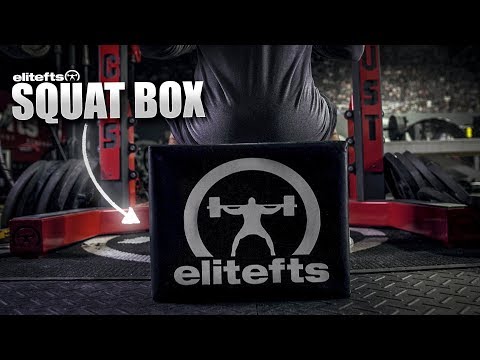
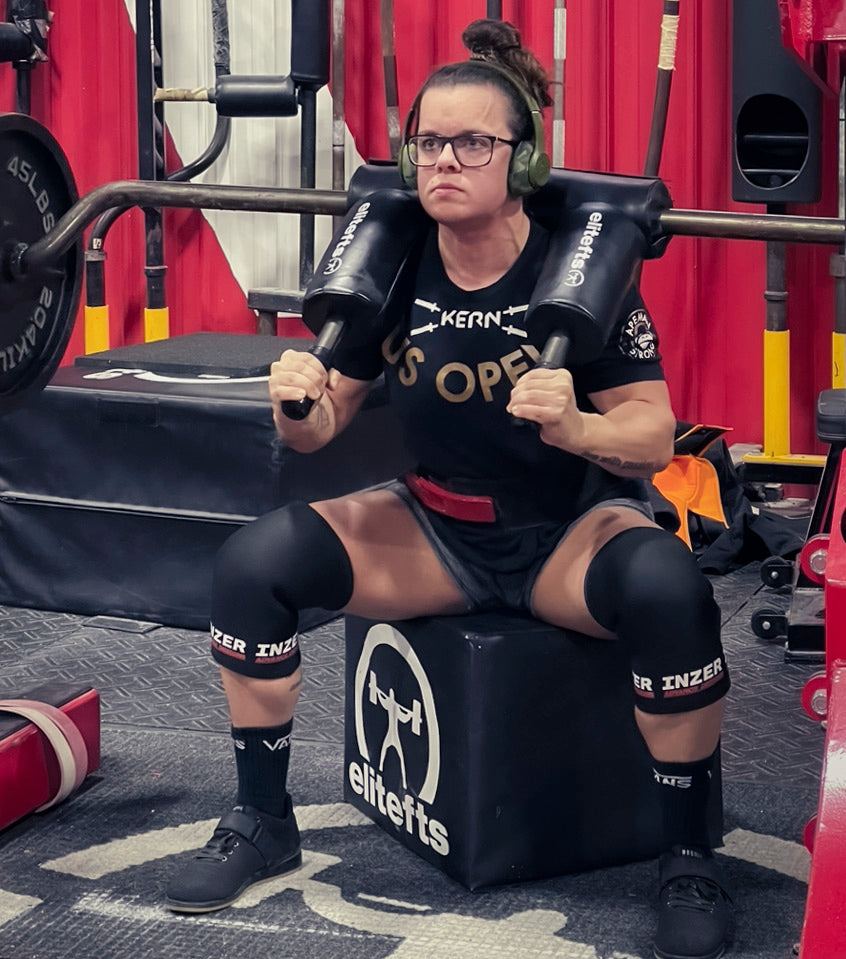
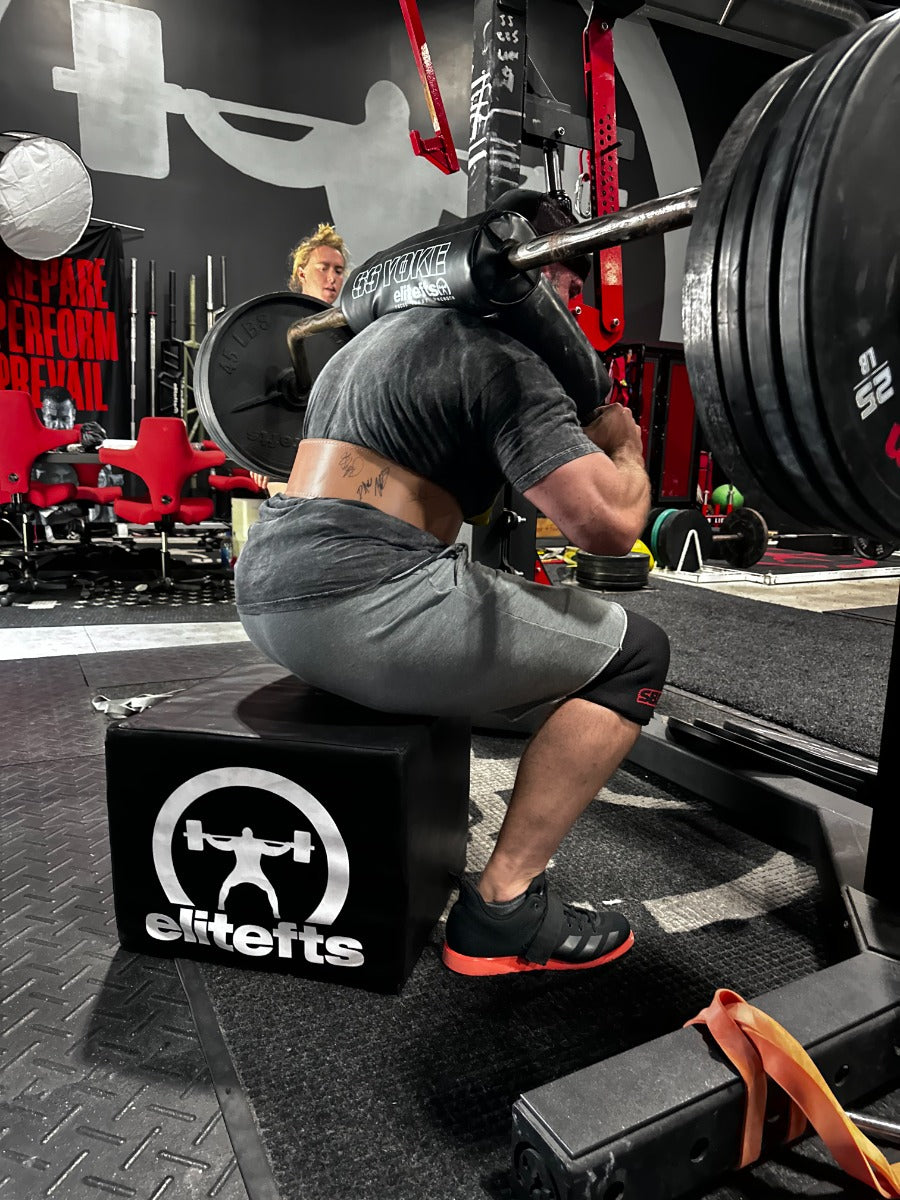
Accept That It Will Be Humbling. When Craig started, his squat was high. The first task his coach gave him was to learn proper depth. This wasn't a quick fix; it was a brutal process of squatting to a low box on every single rep. It took him almost the entire 16-week meet prep to find the groove and master the technique. This is a critical lesson: to build an elite lift, you must be willing to strip it down, check your ego, and master the fundamentals, no matter how humbling it feels. This is the work that separates contenders from champions.
-
Trust the Process Over the PR In the age of social media, it's tempting to chase personal records (PRs) in the gym every week. Craig’s coach implemented the opposite strategy: don't lift heavy in training and save the PR attempts for the platform. It took time for Craig to fully trust this, especially seeing others hit huge numbers in their prep. But he soon realized that those gym PRs often led to worse performances on meet day. The lesson is to value the process of building strength over the validation of a heavy single in training.
- Value High-Volume "Grunt Work" Craig's off-seasons weren't about maxing out; they were about building a massive base with what he calls "grunt work." This included high-volume sessions, such as five sets of 10 squats or six sets of three, with strictly timed rest periods of only 90 seconds. This work is not glamorous, but it is the foundation that makes elite strength possible. It builds work capacity and technical proficiency that pays off when the weights get heavy.
Sustaining this level of hard work requires more than just grit; it demands the intelligence to listen to your body and recover effectively.

The Art of Listening: Train Smart for the Long Haul
One of the most critical skills for a lifter is learning to autoregulate—to adjust training based on how your body is feeling. Craig exemplifies this with a forward-thinking approach, stating, "I always like to set myself up for my next training session." If his main squat day beats him up, he'll communicate with his coach to cut a set or two from his secondary squat day. This isn't laziness; it's the intelligence to know that arriving at your main session fresh and ready to perform is more important than hitting every prescribed rep when you're worn down.
This intelligence extends to his accessory work. He learned to shift his mindset from chasing numbers to creating a stimulus, a lesson best illustrated by his approach to dumbbell rows.
|
Bro Lifting (The Ego) |
Elite Powerlifting (The Stimulus) |
|
Goal: Heave the heaviest weight possible by any means necessary (e.g., sloppy 125lb dumbbell rows). |
Goal: Create targeted muscle tension and blood flow (e.g., controlled 100lb rows). |
|
Focus: Showing off and chasing numbers on every lift. |
Focus: Supporting the main lifts and driving recovery without pounding the joints. |
|
Outcome: High risk of injury, poor recovery, and minimal benefit to the main lifts. |
Outcome: Better muscle growth, enhanced recovery, and long-term joint health. |
Building on the physical intelligence of listening to your body, the final piece of the puzzle is the mental intelligence required when you step onto the platform.
The Platform Mindset: Calm, Not Chaos
In his early days, Craig believed he needed to be like the lifters he saw getting violently overhyped—bouncing their heads off the bar and screaming. He quickly learned from his coach that this was not the path for him. It was a waste of energy and, more importantly, it pulled him away from the technical cues he had practiced for months. He is, as his coach told him, a "chill lifter."
"You're a chill lifter. You're relaxed. When you're relaxed, that's when you're at your best."
This is a profound lesson for any new lifter. Peak performance on the platform is about channeling your energy with absolute precision, not just releasing it with uncontrolled rage. A calm, focused mind allows you to execute your technique flawlessly and apply every ounce of strength you've built. Hype fades the moment you touch the bar. Technique and focus are what break records.

Your Journey Starts Now
Craig Foster's journey from a commercial gym to a 2298lb total is a masterclass in the powerlifting mindset. The path to your own goals will be built on the same principles. Remember these core lessons:
-
Seek the Right Forge: Find a gym, a coach, and a community that challenge and support you in equal measure. Your environment dictates your growth.
-
Embrace the Process: Real strength is not built overnight. It is the result of consistent, often unglamorous, hard work performed over the course of years.
-
Train with Intelligence: Listen to your body. Treat your accessory work as a tool for recovery and growth, not as another stage for your ego.
- Cultivate a Calm Mind: Learn to focus your energy on precise execution when it matters most. Performance is the marriage of strength and focus.
The path of a powerlifter is long and demanding. You cannot rush it, nor can you cheat it. But by adopting a mindset built on humility, patience, and intelligence, you give yourself the best possible chance to see just how strong you can become. Your journey starts now.