

Every serious lifter has been there: the frustrating plateau where the numbers on the bar refuse to budge. The biggest gains often come not from the latest trendy program, but from the unwritten rulebook of strength, where the most potent knowledge resides.
You follow your program. You eat. You sleep. The breakthroughs don't come. It's at that point that you start looking somewhere else, and where you should be looking is at the oral traditions passed down in whispers and anecdotes in old-school powerlifting gyms.
This article digs into that forgotten lore to uncover four secrets from a veteran of the sport. An untapped bench press technique that could be the next sumo deadlift. A counterintuitive theory on how your knee wraps might be setting you up for injury. A brutal grip-building method from a legend. And a neurological trick for shutting off pain that borders on madness.
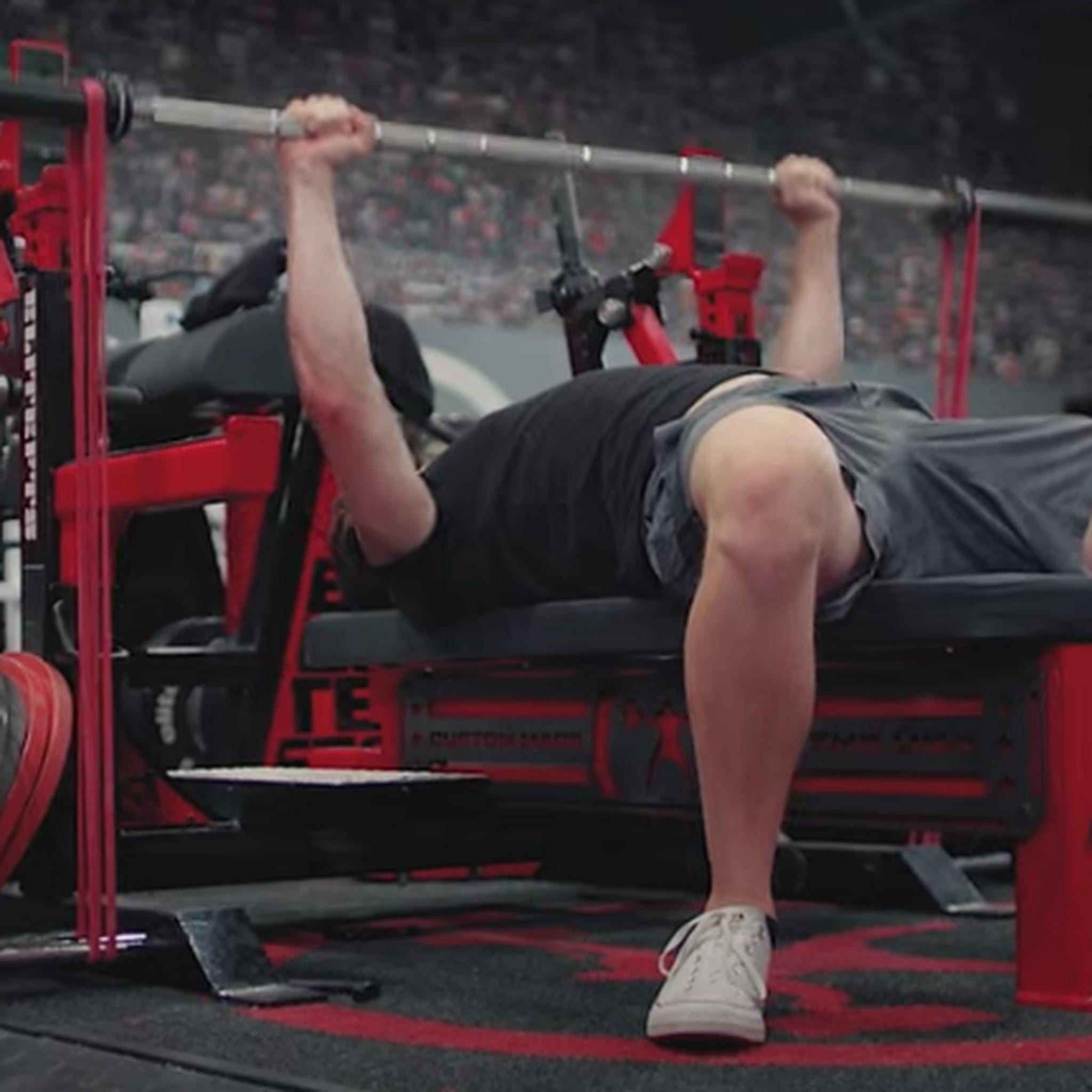
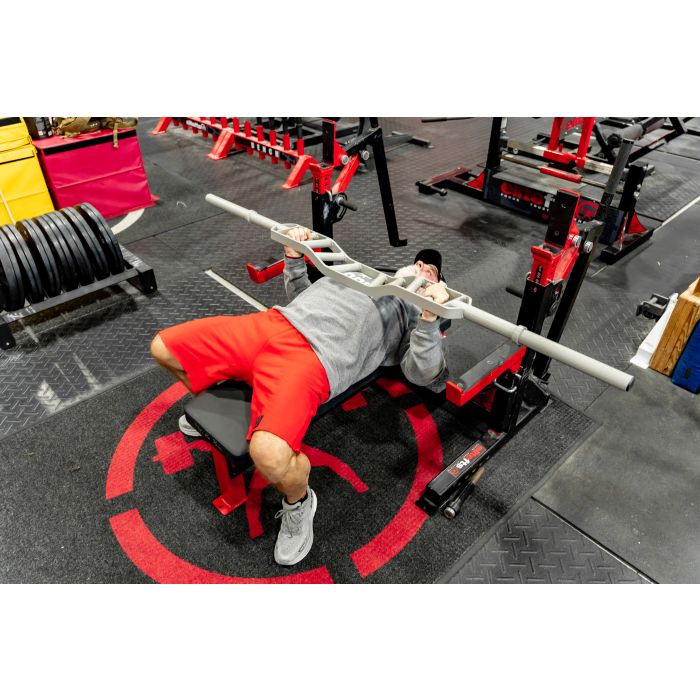
1. The Reverse-Grip Bench: Your Untapped Strength Secret
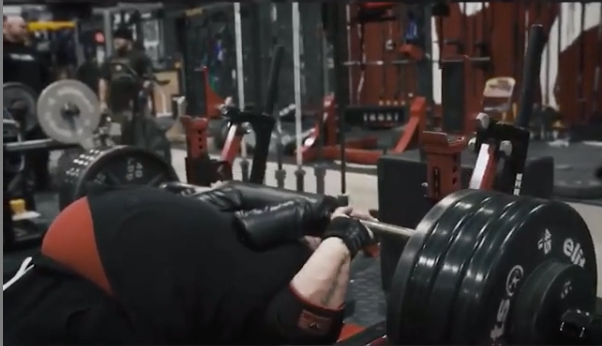
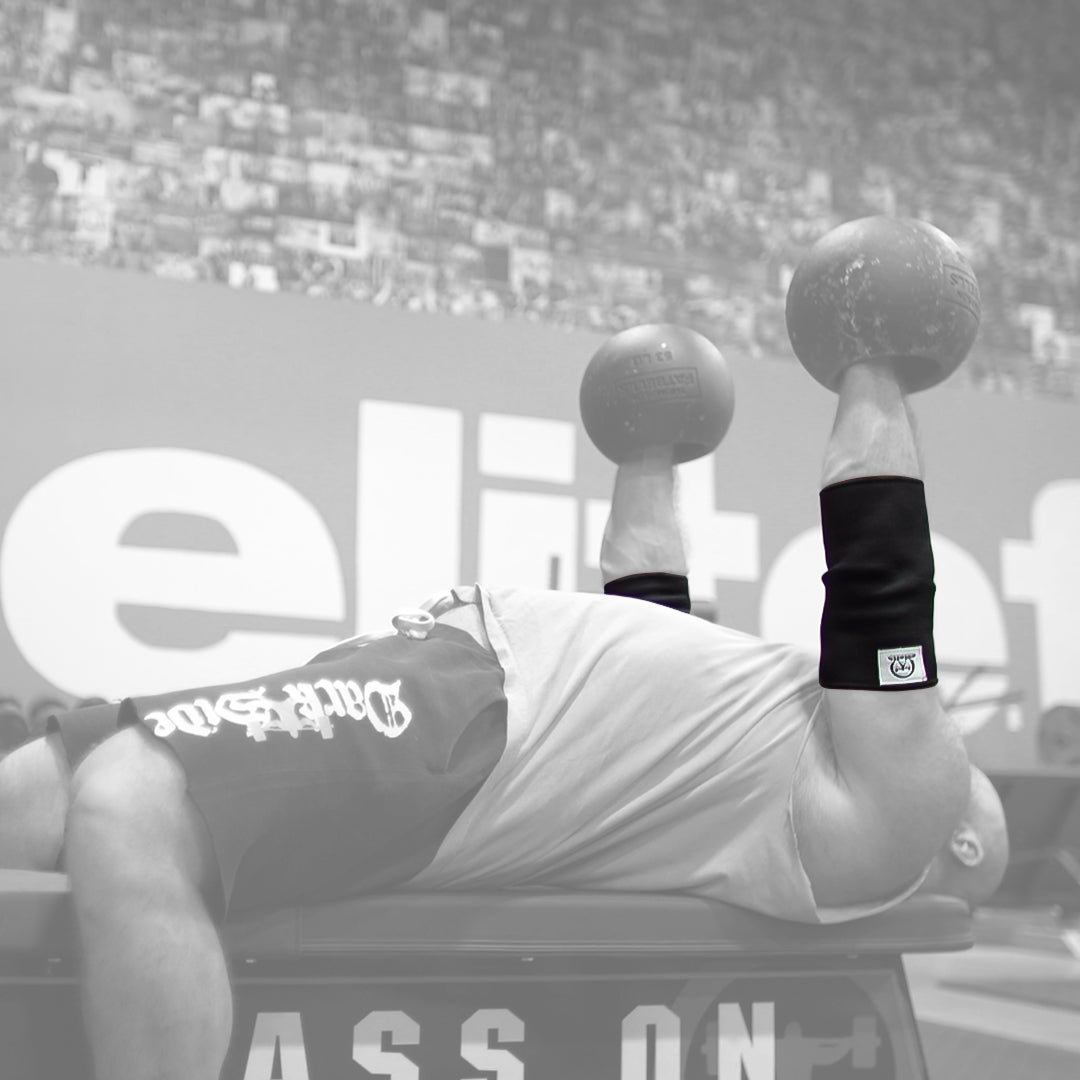
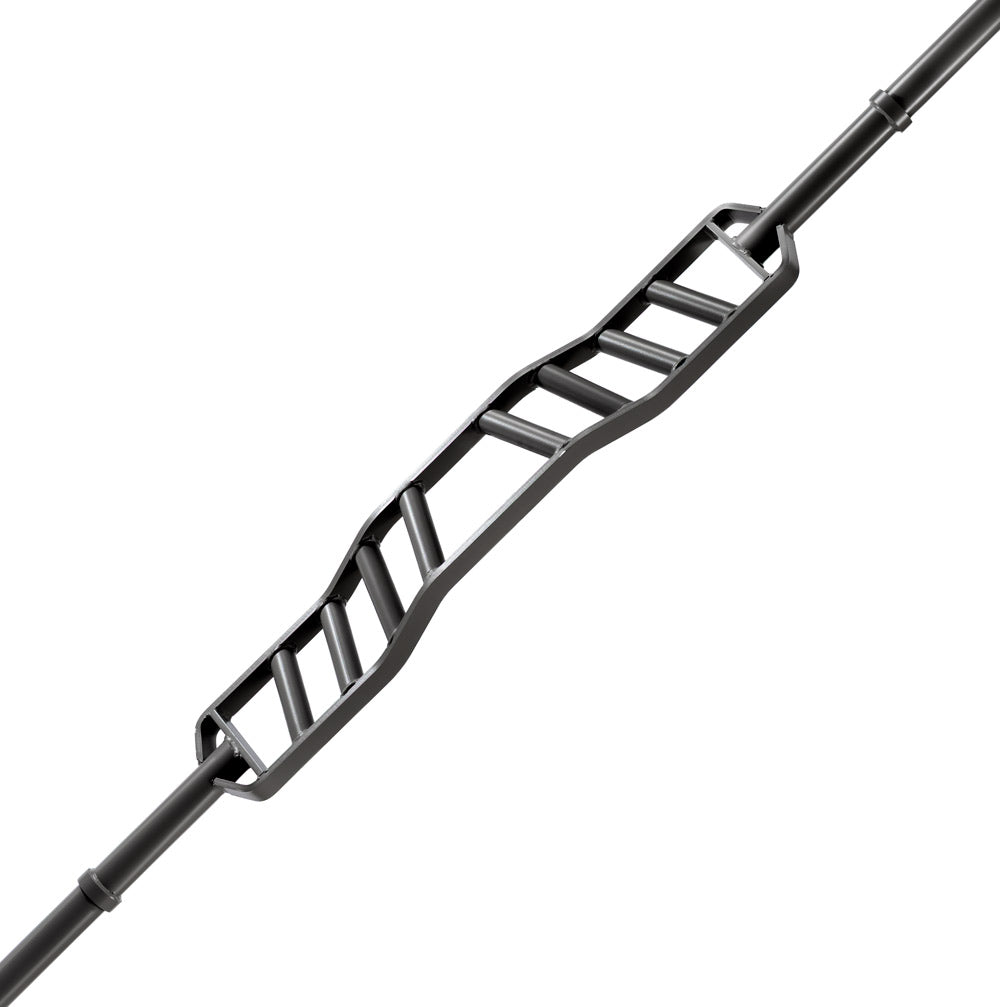
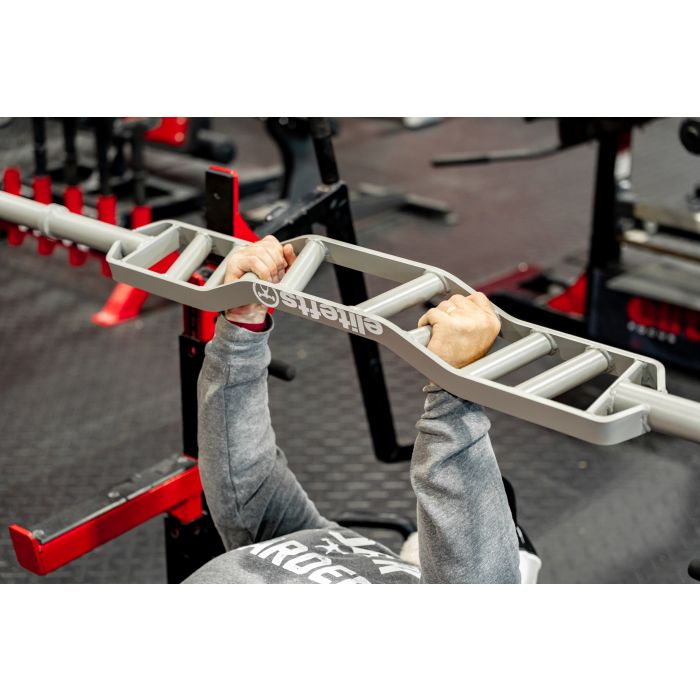
Often dismissed as a bodybuilding accessory for triceps, the reverse-grip bench press holds largely untapped potential as a primary powerlifting movement. The argument is that this lift is to benching what the sumo deadlift was to pulling decades ago: an unpopular but mechanically superior style that leverages anatomy to move more weight, especially for raw and female lifters.
Need proof? Go back 25 years. Sumo deadlifts were a rarity. Out of 13 men's weight classes, 10 of the all-time world records were held by conventional pullers. Only a handful of outliers like Mike Bridges and Hideaki Inaba pulled sumo. Today, it is a dominant style. The reverse-grip bench is waiting for its moment.
4 Mechanical Advantages of the Reverse-Grip
- Shortens the range of motion
- Brings the bar to a lower point on the body, closer to the hips
- Forces the lats to tighten, creating a natural support shelf
- Drives the elbows inward during the press, mimicking the effect of a bench press shirt
The results can be immediate. For beginner-to-intermediate female lifters, the success rate is near 100% for hitting a new PR within two or three workouts. History backs this up. Anthony Clark set a string of all-time world records in the 90s using the reverse grip. Phil Harrington switched to it after shoulder issues and hit huge benches. Masters lifter "Shorty" Baldwin benched 291 pounds raw with a reverse grip after shoulder surgery, setting an all-time record.
So why is it overlooked? Lifters shy away simply because nobody does it. But when you find a technique that adds pounds to your total, the only question worth asking is why you haven't started yet.
When you find out the reverse grip is your new sumo move... why wouldn't you do it?
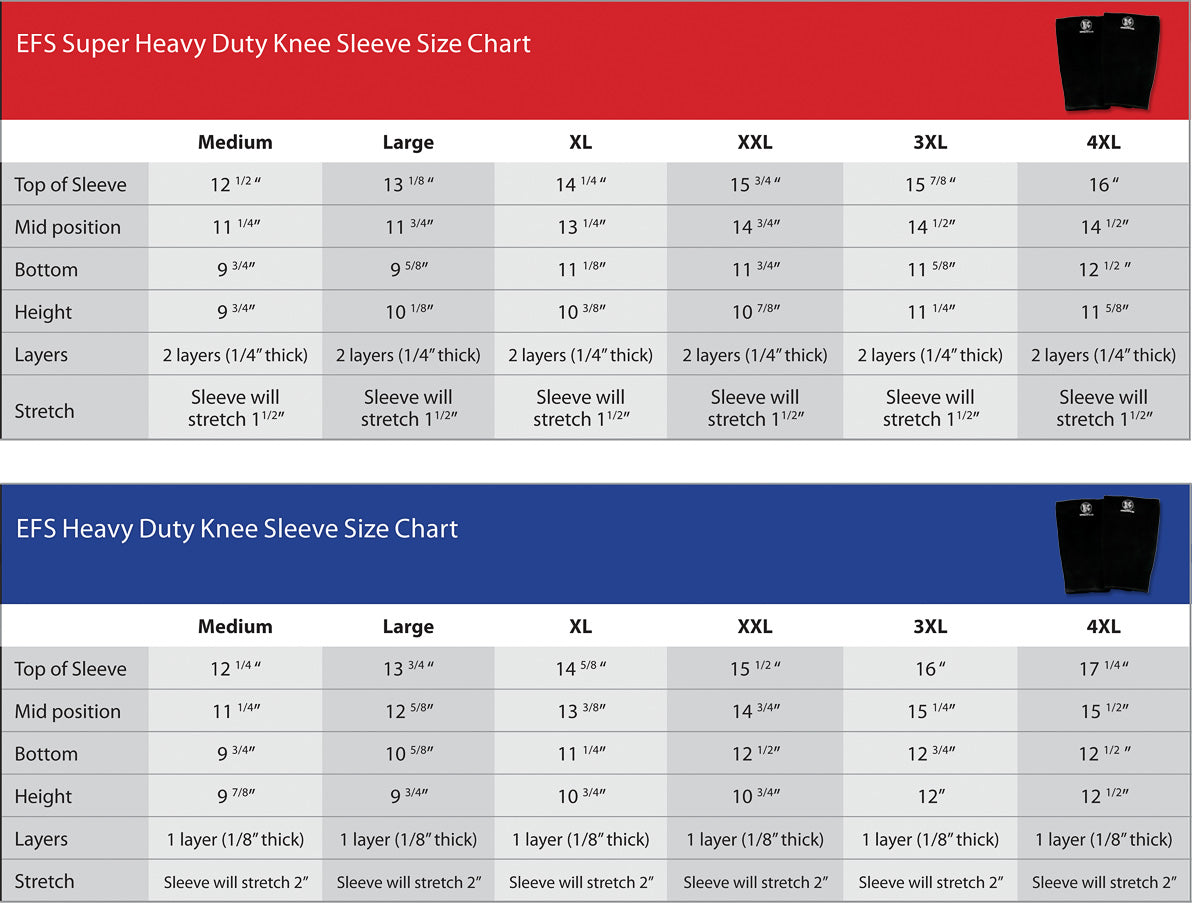
2. Are You Wrapping Your Knees Wrong? A Counter-Intuitive Theory on Injury
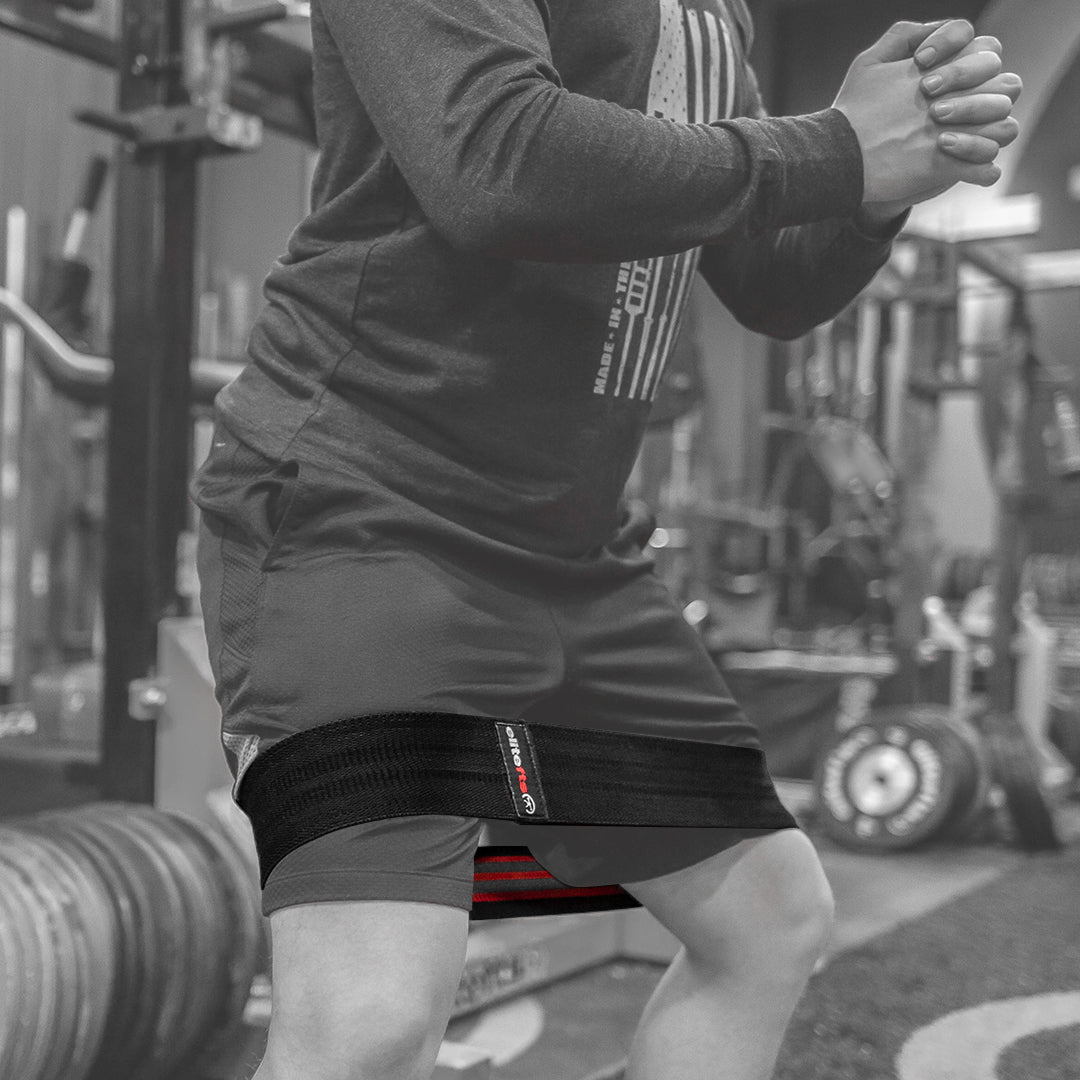
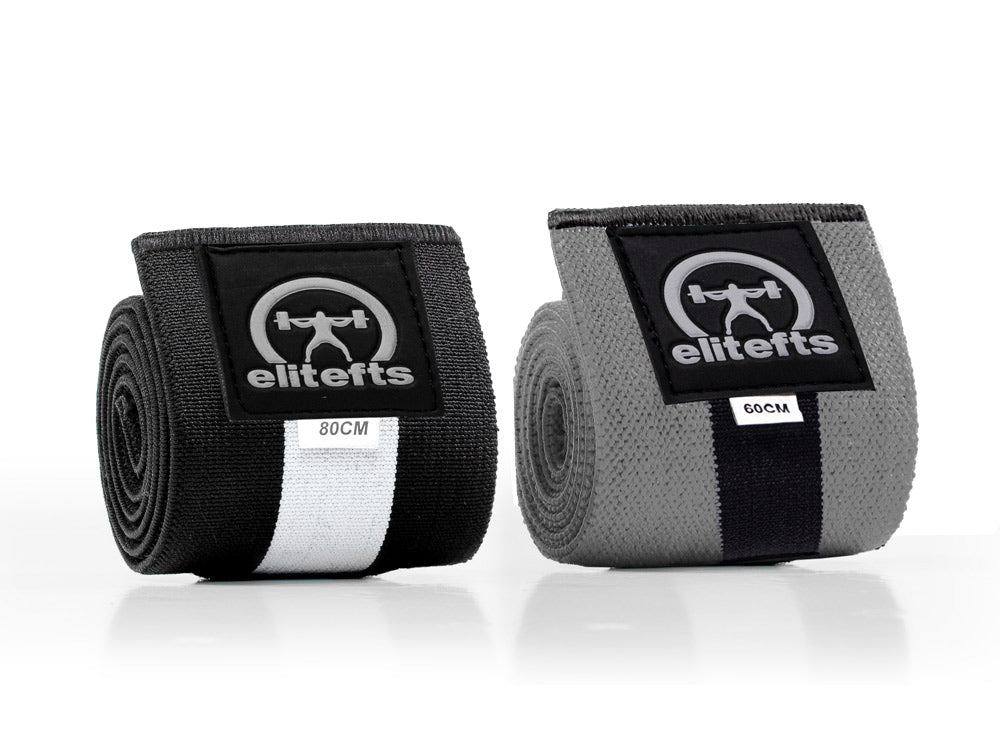
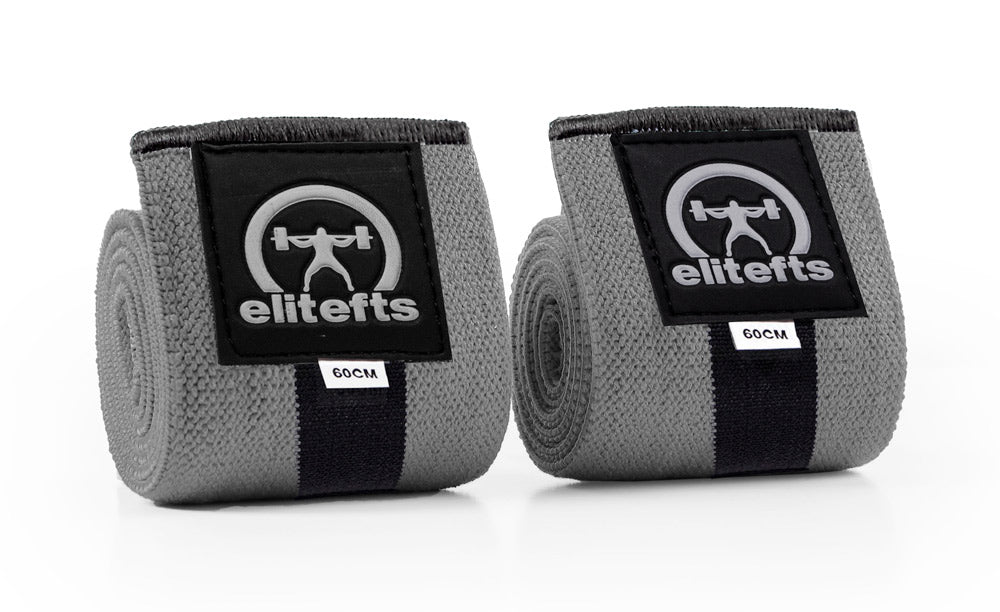
This one is for anyone using knee wraps. It starts with a simple observation: most right-handed lifters wrap both knees in the same rotational direction from their own perspective. They wrap one way on the right leg, then move to the left leg and repeat the identical motion, bracing with their dominant right hand.
The hypothesis is that this asymmetrical wrapping technique could be a hidden contributor to chronic knee problems, often on the lifter's non-dominant side. On one leg, the wrap's rotational force supports the natural outward path of your knee during a squat. On the other leg, the wrap is actively pulling inward, creating a constant, subtle shear force against the patella as it tries to track outward.
Worth Considering
Two right-handed lifters who wrapped their knees the same way throughout their entire careers. Both ended up with a left knee replacement. Not a proven fact. But if you've had chronic issues on one side, it's worth a hard look at how you're wrapping.
Once your technique and gear are dialed in, the next barrier is often raw strength. And when it comes to grip, the old-school approach is as brutal as it gets.
3. The Ultimate Grip Test: Timed Holds With Liquid Soap

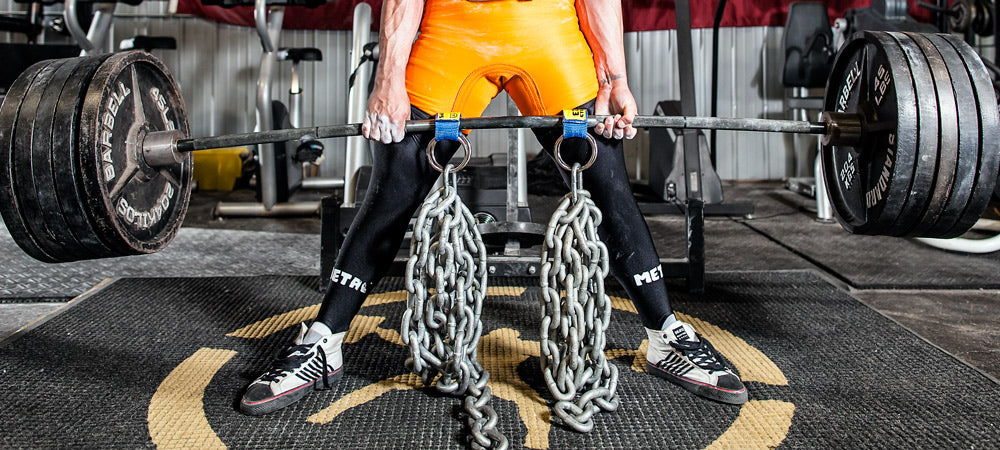
A common and highly effective method for building a crushing grip is the timed static hold, a protocol recommended by lifting legend Scott Warman. Pick up a heavy barbell, hold it for as long as you can, and progressively increase the weight and duration. Following this advice, holds went from 315 pounds for 30 seconds to 405 pounds for a minute and a half.
But for those seeking the next level, strength icon Andy Bolton offered a brutally simple evolution: apply liquid soap to your hands before the hold.
The genius is in its immediacy. With a standard static hold, the bar rests securely in your hands and only begins to slip to your fingertips as you approach exhaustion. Liquid soap eliminates that initial phase entirely. The bar slides to your fingertips from the first second, forcing you to fight the exact point where a max-effort deadlift would fail and training that specific weakness with extreme prejudice.
"I do them with liquid soap." — Andy Bolton
Training your weaknesses is one thing. But what do you do when your body fails you in the heat of competition?
4. The "Russian Trick": How to Shut Off Pain from a Torn Hand
Warning: This one is brutal. Read accordingly.
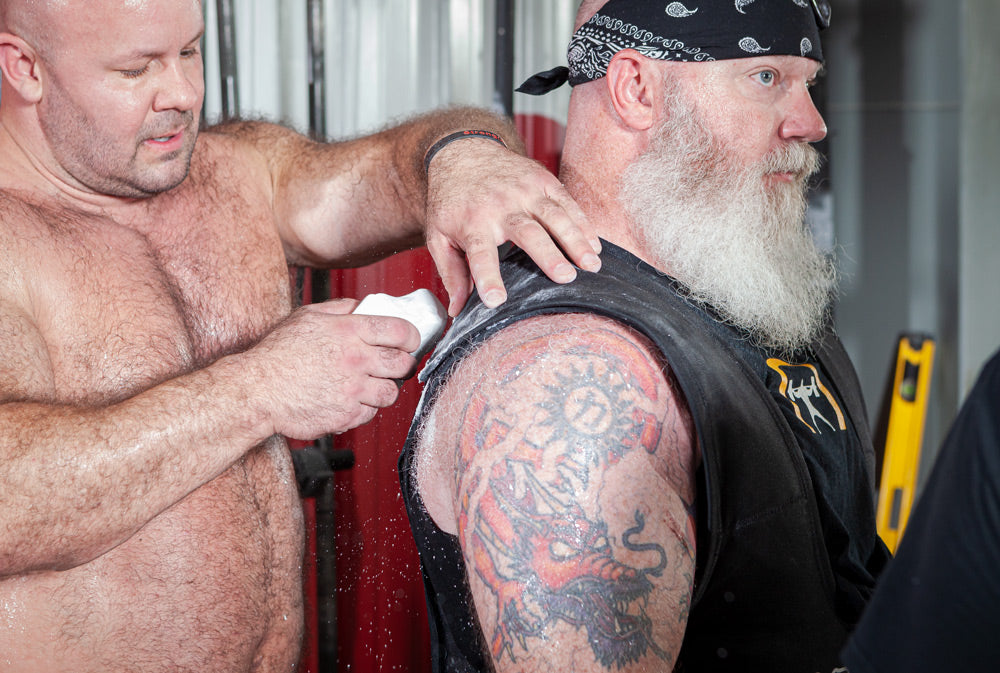
The scenario: you are in the middle of a competition. You have just pulled your opener, and a massive callus has torn from your hand. It is a deep, bleeding wound, and you still have your heaviest attempts ahead of you. The standard protocol, cutting the skin flap and packing the wound with chalk, is notoriously ineffective. The pain and compromised grip almost guarantee a failed lift.
According to Dr. Patrick Anderson, a writer for Powerlifting USA who witnessed the tactic firsthand at IPF events, there is a shocking alternative known as the Russian Trick.
After the loose flap of skin is cut away: take a wire brush and violently grind it directly into the open, bleeding wound.
You take a wire brush, and you take it into the open wound, and you dig the bristles in, and you violently just grind the open wound.
The purported mechanism is neurological overload. The sudden, extreme agony is so intense it overwhelms the brain's pain receptors and effectively shuts them off. This creates a window of 15 to 20 seconds during which the lifter feels nothing in their hand, allowing them to reach the bar, pull a maximal weight, and complete the lift. The moment the bar hits the floor, the pain comes back with interest. This is a last-resort tactic for a make-or-break attempt, and one that has never been personally tested.
The Mechanism
Neurological overload. The brain can only process so much pain signal at once. Introduce something more extreme, and the original signal temporarily shuts down. 15 to 20 seconds of relief. Enough to get to the bar and finish the lift.
What Forgotten Wisdom Will You Rediscover?
True and lasting progress in strength training is often found by looking beyond the conventional. From re-evaluating a lift you thought you knew to considering the hidden physics of your gear, the path to a new PR is not always straight. Sometimes it comes from a technique nobody wants to try, a wrapping direction nobody questioned, or a grip drill involving liquid soap and a heavy bar.
The strongest lifters in history didn't get there by doing what everyone else was doing. What technique have you been ignoring?
Watch: The Full Breakdown
Live, Learn, Pass On. — elitefts