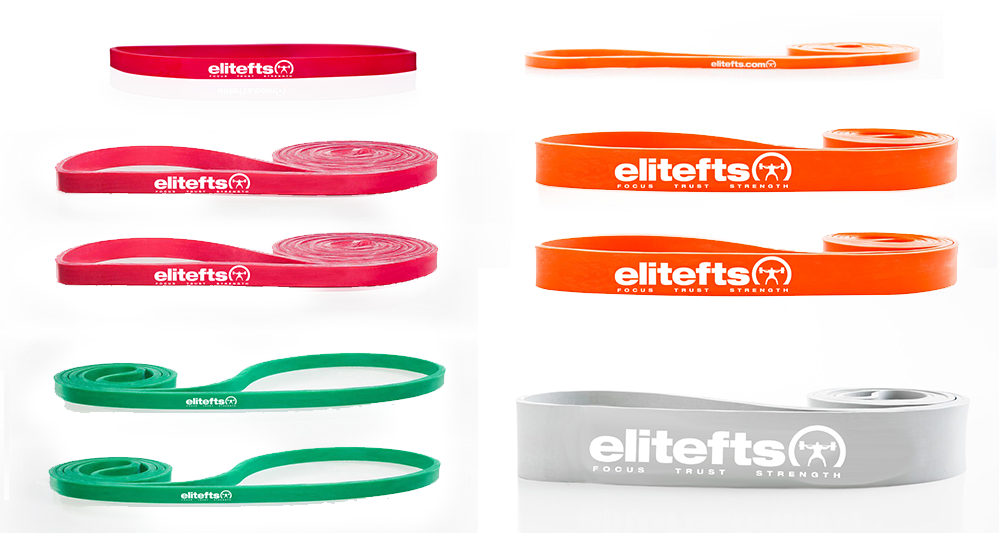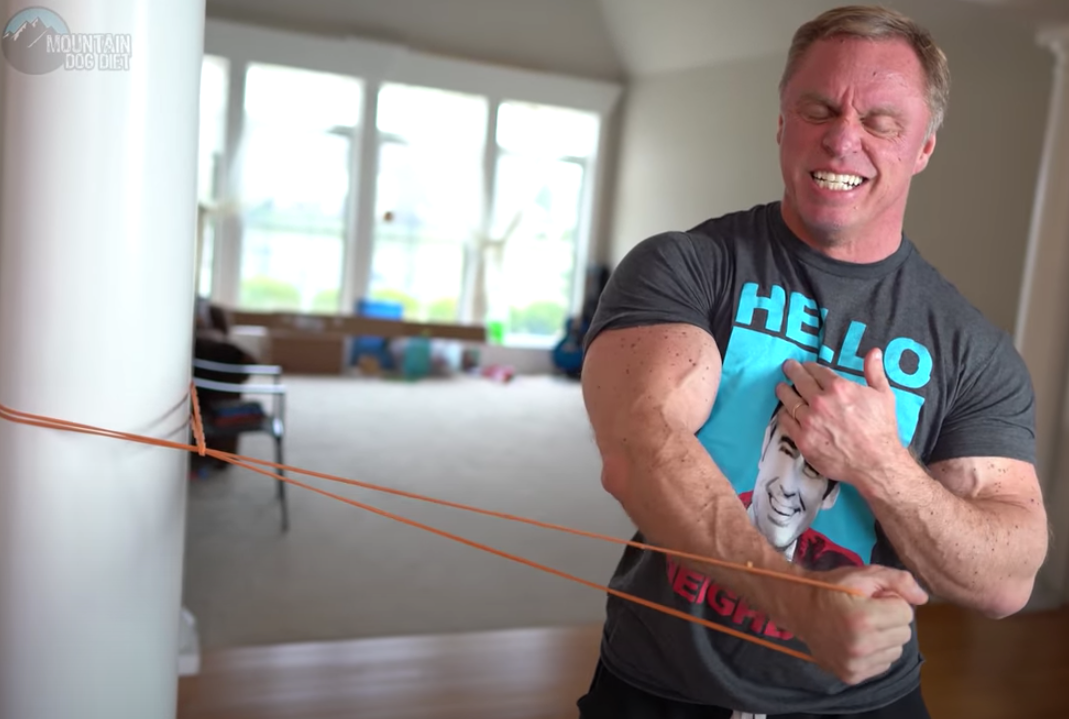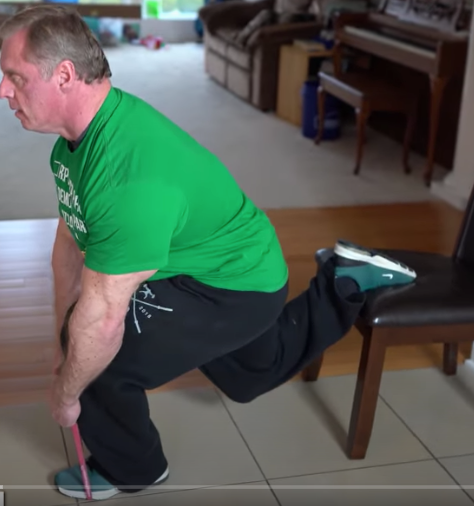


After watching the video below, it got me thinking...
Most people talk about toughness as if it were a highlight reel.
Big hits. Bloody nose. “He wanted it more.”
That’s not toughness.
That’s a moment.
Toughness is the bill that shows up later.
And whether you pay it or not, you always get the invoice.
Jim Otto didn’t just play football.
He paid for it.
-
74 surgeries tied to football injuries
-
20+ broken noses
-
Lost his right leg
And he still looked at pain like it was a choice.
“Pain is… a frame of mind… you can’t allow this stuff to get to your head.”
Now, let’s adjust the timeline.
What if Jim Otto had access to today’s training methods?
Modern strength programming. Recovery protocols. Nutrition. Sports med. Load management. Better surgery. Better rehab.
Would he have been “less tough”?
Or would the same mindset finally have the support system to match it?
Because here’s what I think:
Otto wasn’t tough because he got hurt.
He was tough because he kept showing up despite the challenges.
Modern methods don’t change who he was.
They might change what was left of him when it was over.
Too Small? Cool. Now We Build.
Otto came out in 1960 at 205 pounds and got stamped “too small.” Undrafted.
Today, centers are 300+ pounds and built like moving refrigerators with anger issues.
Back then, being too small meant you didn’t belong.
Today?
It means you’re a project.
It means:
-
“How do we add size without destroying joints?”
-
“How do we build trunk and hips so he can anchor?”
-
“How do we put armor on him without turning him into a slow, stiff mess?”
Modern Otto gets a real offseason plan:
-
real strength blocks
-
real nutrition structure
-
real progression
-
real monitoring of stress and fatigue
Not “just play more football.”
And if you give that to a guy who already has that kind of will?
You don’t get softer.
You get more dangerous.
Chaos Builds Some Guys. It Breaks Most.
The early Raiders were a disaster.
Losing seasons. No stability. Coaches in and out. No real home. Just chaos.
Otto was the anchor from day one — started the first game in franchise history and didn’t stop.
Here’s the part people miss:
The environment was violent and sloppy.
Old AFL football wasn’t “clean.”
It was controlled mayhem.
And Otto didn’t survive it because he had better conditions.
He survived it because he had a higher tolerance for discomfort than the average human should.
In the real timeline, the “support system” looked like:
-
tape
-
injections
-
and whatever your brain could ignore
Today, a player has:
-
strength coaches
-
athletic trainers
-
sports med doctors
-
imaging
-
rehab plans
-
protocols
-
monitoring
Is that perfect?
No.
But it’s not the 1960s either.
And that matters when you’re stacking collisions for 15 years.
Al Davis Didn’t Create Otto. He Just Pointed Him.
When Al Davis took over in 1963, he wanted speed, swagger, and a nasty edge.
Jim Otto was already nasty.
Davis didn’t have to invent toughness.
He just put it in the middle and said, “That’s us.”
You could recognize Otto because he was constantly bleeding.
Hands twisted—nose split. Face a mess. Back in the huddle anyway.
That’s the part that gets romanticized.
But here’s the truth:
Bleeding isn’t a badge. It’s damage.
And modern training doesn’t stop damage.
It prepares tissue for it.
It gives you a chance to tolerate the hits better:
-
stronger trunk and hips
-
better neck training
-
better shoulder integrity
-
better tissue capacity
-
better conditioning specific to the position
Same Otto.
Better inputs.

“I Was Paid to Play”… And He Meant It
Otto played through stuff that doesn’t sound real:
-
jaw wired shut
-
cracked ribs taped down
-
double pneumonia, coughing blood
-
held together by “tape, injections, and willpower.”
And he said it straight:
“I was paid to play football, not hang out in the training room.”
If you drop that mindset into today’s system, two things happen:
-
He still tries to play.
-
The system stops him more often.
Because today there are protocols. Liability. Investments. Imaging. Rules.
Otto probably would’ve hated it.
But he also might’ve lived with fewer consequences because of it.
And this is where the “what if” gets real.
Modern Methods Don’t Make You Soft. They Make You Last.
Otto’s streak was 210 straight regular-season games without missing a start.
At center.
Where every single play is a collision.
That’s not “durable.”
That’s not “tough.”
That’s a controlled demolition performed in public every Sunday.
The long-term bill:
-
28 knee operations
-
replacements
-
spinal fusions
-
infections that nearly killed him
-
and eventually an amputation (2007)
So what would modern methods change?
Not the fact that football hurts.
But maybe:
-
fewer surgeries
-
fewer complications
-
better surgical techniques
-
better rehab plans
-
better infection control
-
better long-term management
Not guaranteed.
But the odds are different.
And here’s another truth people don’t like:
The game today is bigger and faster.
So the collisions are worse.
Which means modern methods don’t make it “safe.”
They give you a better chance to come out the other side with more of yourself intact.
The Real Lesson: Toughness Needs Direction
Jim Otto’s story is legendary because of what he endured.
But the lesson isn’t “go get hurt for your job.”
The lesson is this:
Commitment is a weapon.
And a gun needs control.
Otto had the commitment.
What his era didn’t have was the structure to protect that commitment from becoming a life sentence.
So when people ask me what toughness is, I don’t talk about hits.
I talk about reliability.
Showing up.
Doing what you said you’d do.
Even when you don’t feel like it.
Even when it costs you.
But if you’re smart, you learn the second part too:
The goal isn’t to prove you can take damage.
The goal is to build strength that lets you keep doing the work—without needing 74 surgeries to tell the story.
If Otto Had Today’s Tools…
I don’t think Jim Otto becomes less tough.
I think he becomes the same tough…
just harder to break.
And I think that’s the version of this story more people need to hear:
Not “pain makes you great.”
But:
standards make you great—
and the right training methods keep you around long enough to matter.