

The Ghost of the Glute-Ham Raise
In high-performance facilities, you’ll frequently encounter a specific archetype: the lifter with a massive deadlift and a "strong" posterior chain who is nonetheless plagued by nagging hamstring tweaks or chronic lack of growth. When asked about their accessory work, they invariably point to the Glute-Ham Raise (GHR) bench. They might even claim to bang out sets of fifteen or twenty reps with ease.
The GHR is the undisputed gold standard for developing posterior chain resiliency, yet it is arguably the most frequently "cheated" exercise in the strength world. It is a movement shrouded in ego; lifters pride themselves on high volume, unaware that they are utilizing compensatory patterns to shift the mechanical load away from the target tissues. If we strip away the common "gym lore" cheats and demand technical precision, most "big" lifters discover a humbling reality: they can’t perform a single, honest rep.

The "15-Rep" Illusion: Why Strength Doesn't Always Transfer
At a recent EliteFTS training event, a lifter named Nick epitomized this phenomenon. Confident in his strength, Nick claimed he could easily handle 15 to 20 reps. However, the moment we corrected his mechanics and demanded optimal tension, his performance collapsed. It wasn’t just that he couldn't return to the top; he couldn't even control the eccentric descent. He was stuck at the top, unable to lower himself without breaking form.
This happens because the entry-level for a GHR—your own bodyweight—is a massive mechanical challenge. Because it is so difficult to start, the body subconsciously finds the path of least resistance to move through the range of motion. The "cheat sheet" of bad form includes:
-
The Sumo Flare: Flaring the feet outward to shorten the lever and involve other muscles.
-
Heel Lift: Losing pressure against the footplate, which kills the kinetic chain.
- The Extension Trap: Excessively arching the lumbar spine (anterior pelvic tilt) to create momentum.
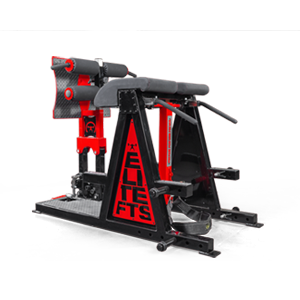
This is why the development of the Assisted GHR machine is a game-changer. It isn’t just a "crutch"; it is the tool that allows even elite lifters to bridge the gap between cheating and mastery, providing just enough help to maintain the positions necessary for real growth.
Maximum Tension, Zero Spinal Load
The primary reason to prioritize the GHR is "resiliency." For athletes prone to hamstring tears, this movement is an essential preventative tool because it trains the hamstrings in a very, very lengthened position.
From a programming perspective, the GHR offers a unique biomechanical advantage over the Stiff-Leg Deadlift (RDL). Those movements involve significant shear force on the spine, which can tax the central nervous system and the erectors.
"They allow us to train the hamstrings heavily without any spinal loading, which is going to be much easier to recover from."
By removing spinal loading, the GHR isolates the demand to the lower body, allowing for high-intensity hamstring work that won’t compromise your recovery for the next heavy squat or pull day.
The Glute Paradox: Why "Squeezing Your Ass" is the Wrong Cue
One of the biggest myths in hamstring training is that you must "squeeze your glutes" to maximize the movement. In a correctly executed GHR, the glutes are actually isometric. They shouldn't be the primary movers; their job is simply to hold the pelvis in a "stacked" position.
The "No-Glute" realization is the key to the exercise. When you are upright at the top of the movement, your hips are already fully extended. If your pelvis is neutral, your glutes shouldn't need to do anything. The hamstring is the primary actor here because it crosses both the hip and the knee joint. By keeping the hip static, the load is forced entirely across the knee joint.
To test this, use the "waistband test." Your waistband should remain level from front to back. To achieve this, don't just "squeeze." Instead, think about tucking your pubic bone up toward your face and pointing your tailbone toward the floor. When done correctly, you should feel intense tension in the hamstrings, with virtually none in the glutes.

The Secret Move: Using Your Quads to Build Your Hamstrings
The most technical—and counter-intuitive—part of the GHR is the descent. Most lifters think only of the posterior chain, but the secret to a perfect rep lies in the quads.
As you begin to lower your body, you must perform a leg extension into the footplate. Think about "pushing yourself away" with your quads. This antagonistic action provides the stability needed to keep the pelvis tucked and the body in a straight line.
While your quads push, your upper body must engage the "pad hug." Imagine you are performing the beginning of a cable crunch; keep your ribs down and your sternum tucked. To finish the posture, lengthen your neck and spread your collarbones. This prevents the "extension posture" where the lower back takes over. Only once you’ve reached the bottom of this quad-controlled descent do you focus on the hamstrings to pull yourself back up.
The Checklist for Being Humbled
To transition from "gym lore" reps to technical mastery, use this checklist for every set:
- Foot Placement: Shins pointed straight and feet in a "vertical jump" stance.
- Constant Pressure: Maintain heavy heel pressure against the plate throughout the entire range of motion.
- The Tuck: Pubic bone toward the face, tailbone to the floor, and zero glute tension at the start.
- The Crunch: Ribs down and sternum "hugging" the pad to lock in the midsection.
- The Line: A perfect straight line from the kneecap through the hip to the shoulder.
Are You Ready to Be Weak?
True hamstring resiliency isn't a byproduct of just moving through space; it is the result of maintaining mechanical integrity under extreme tension. When you strip away the flared feet, the arched back, and the glute-heavy "humping" of the pad, you will likely find that your hamstrings are far weaker than you realized.
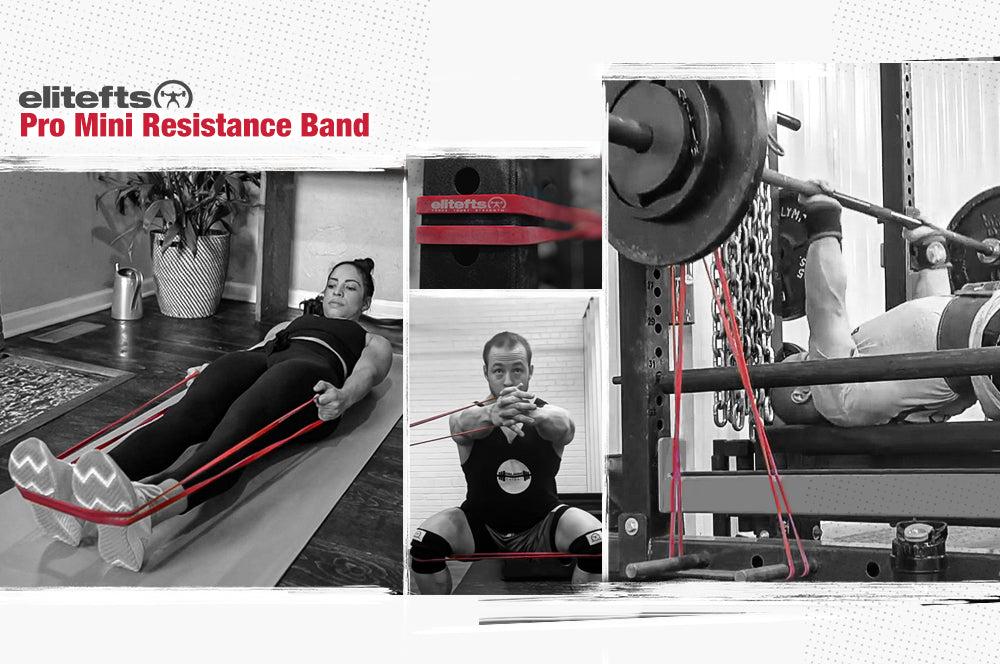
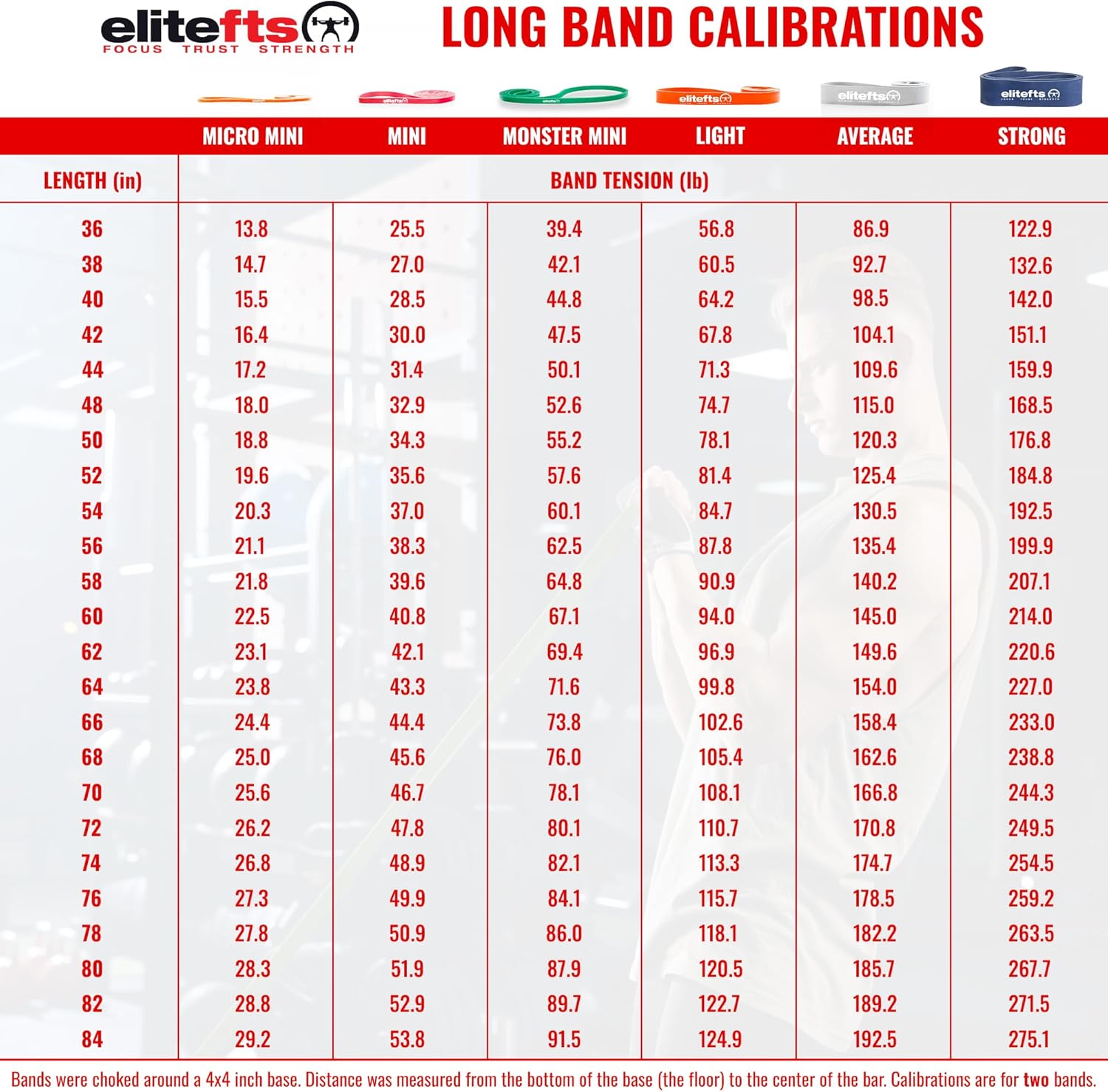
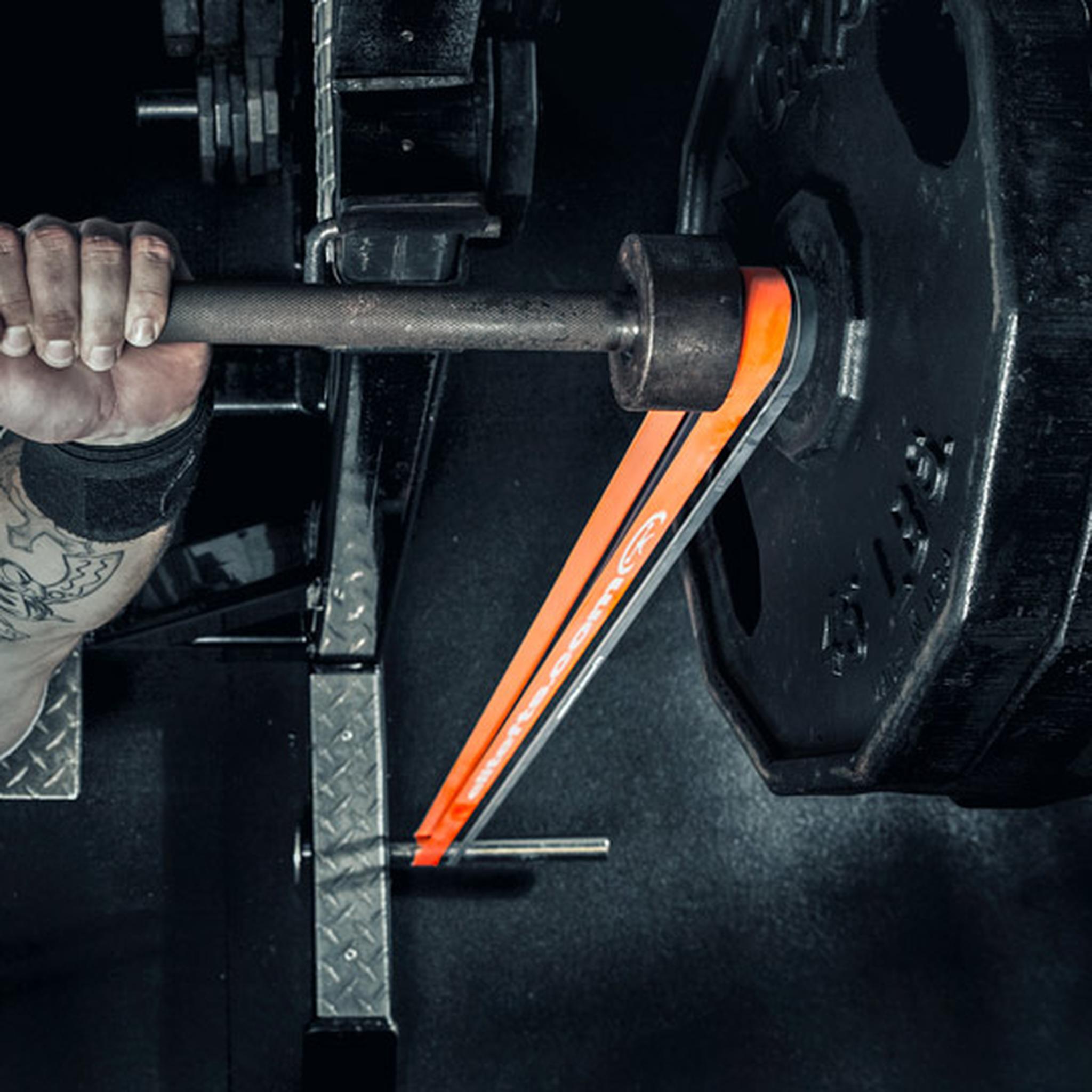
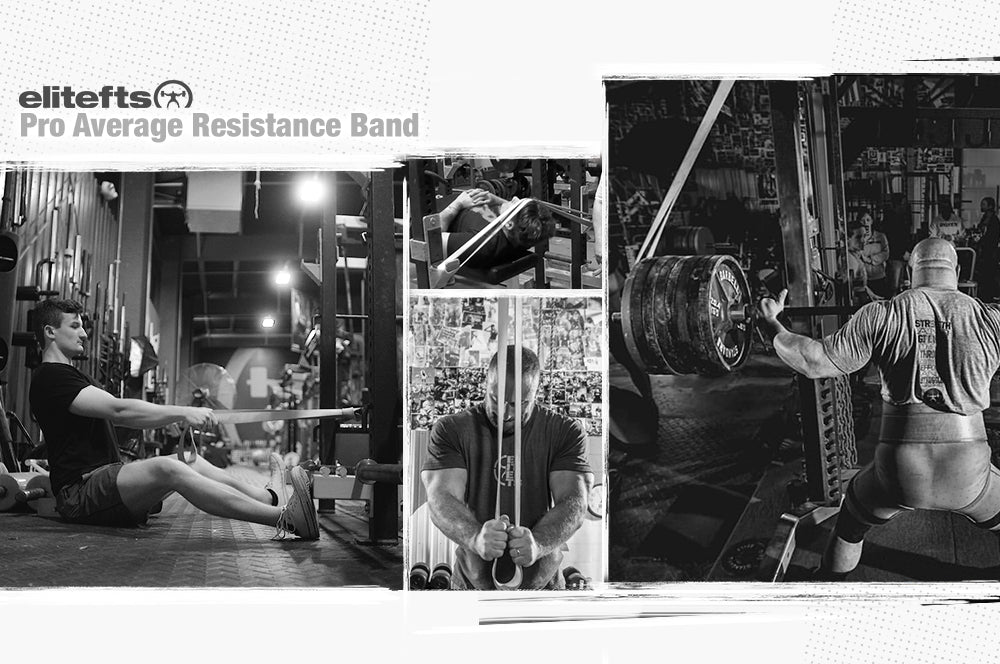
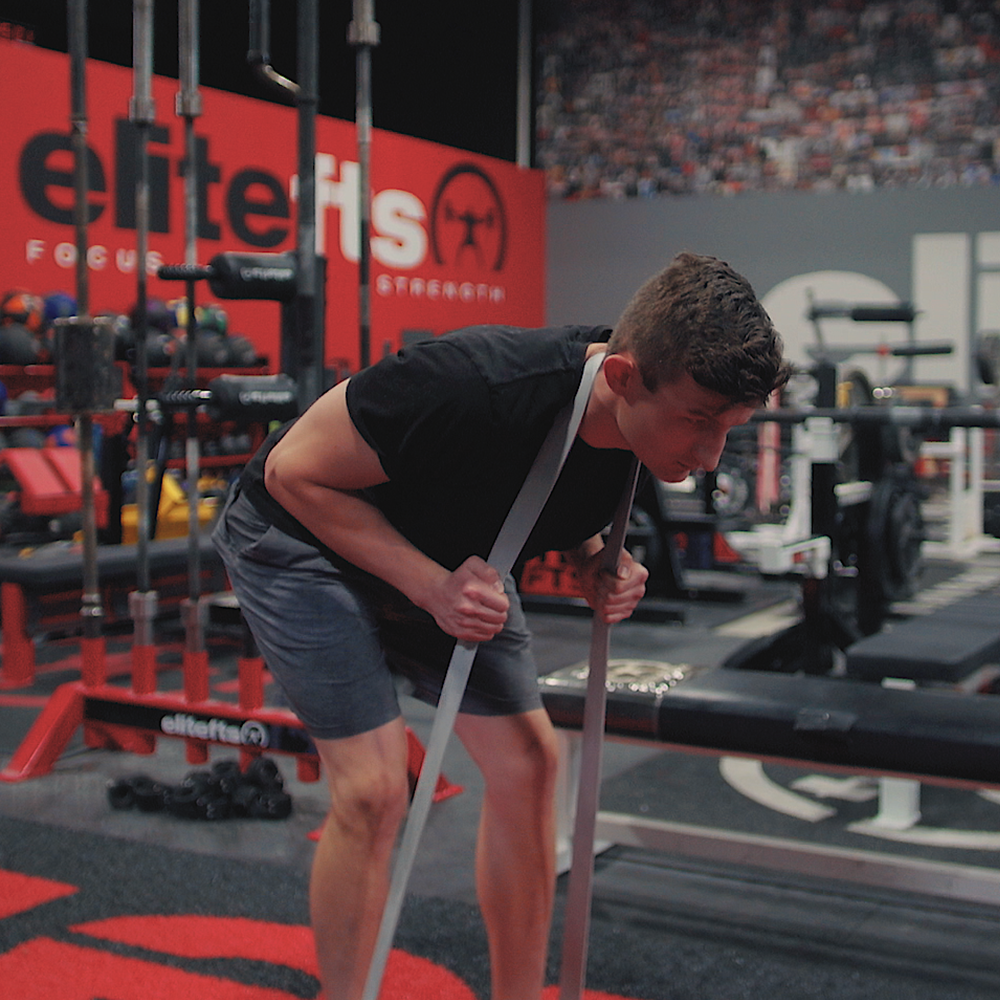
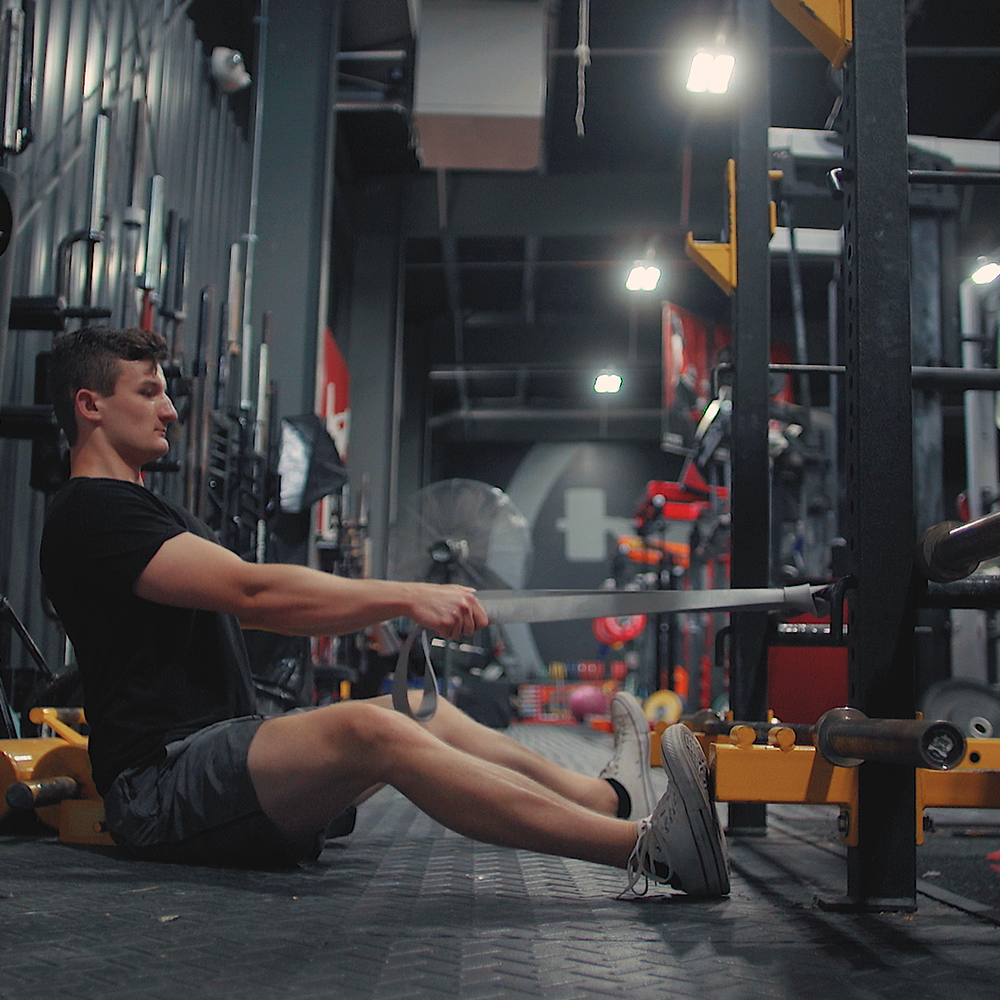
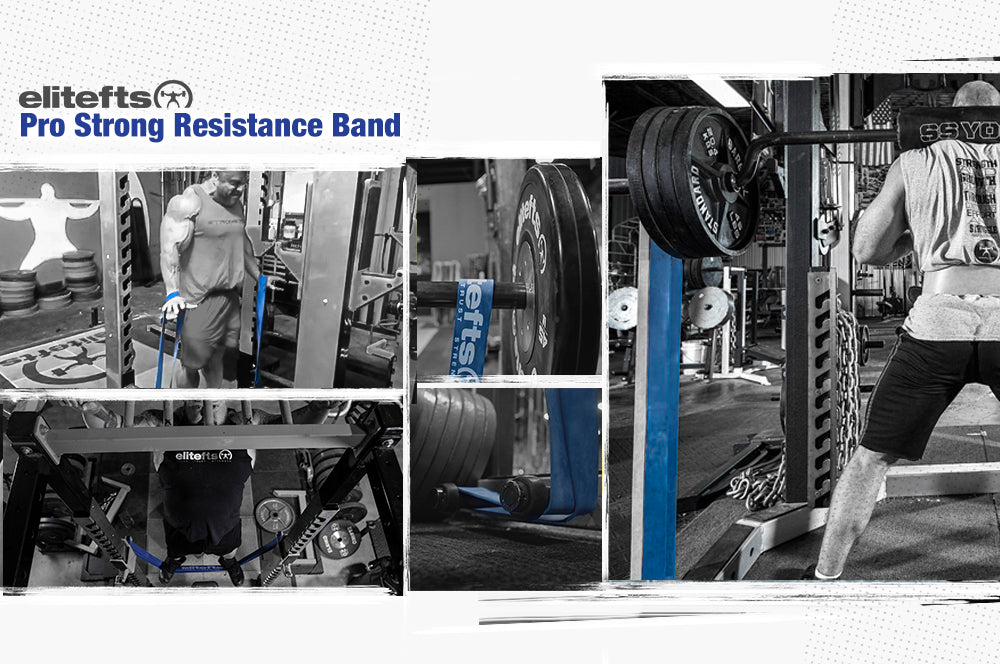
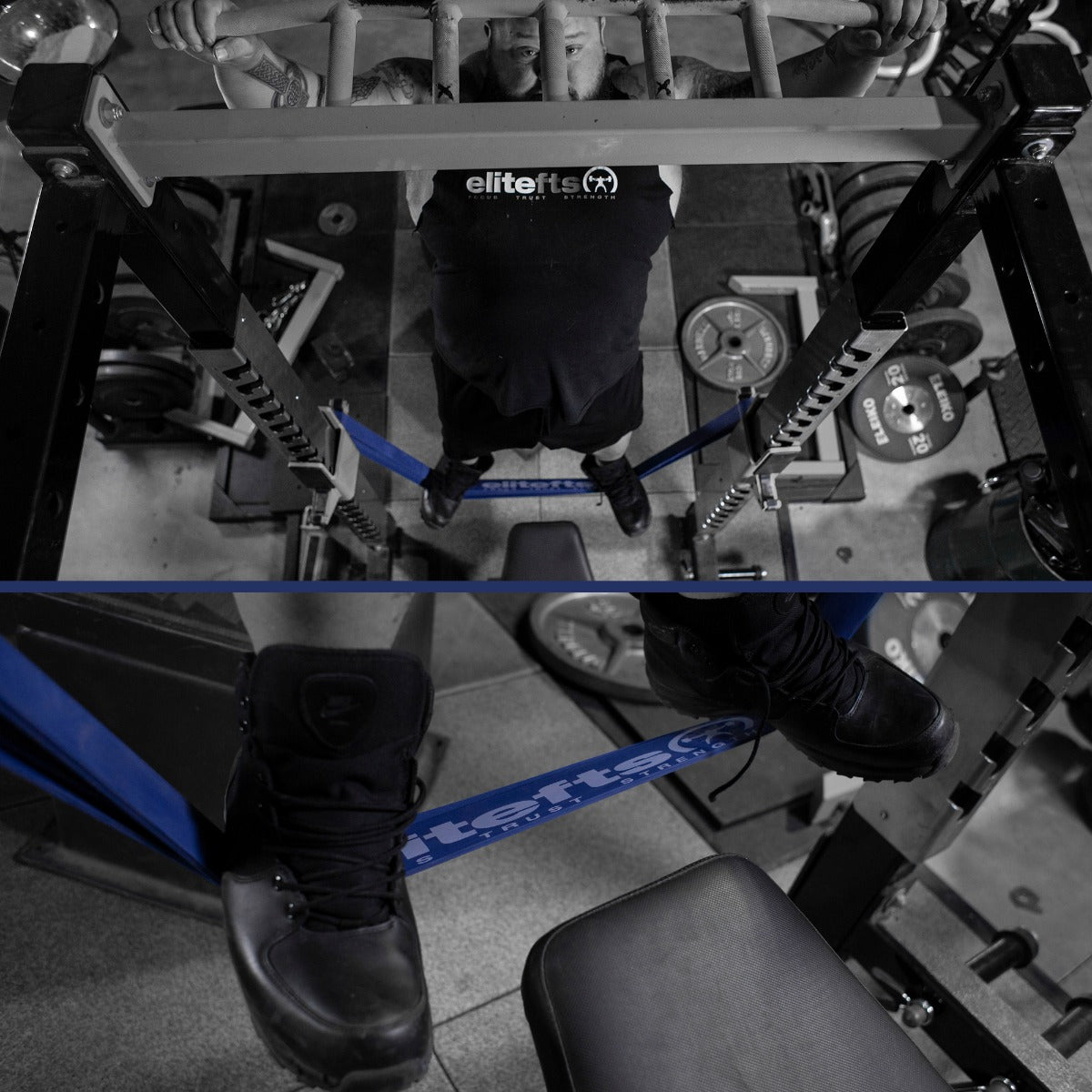
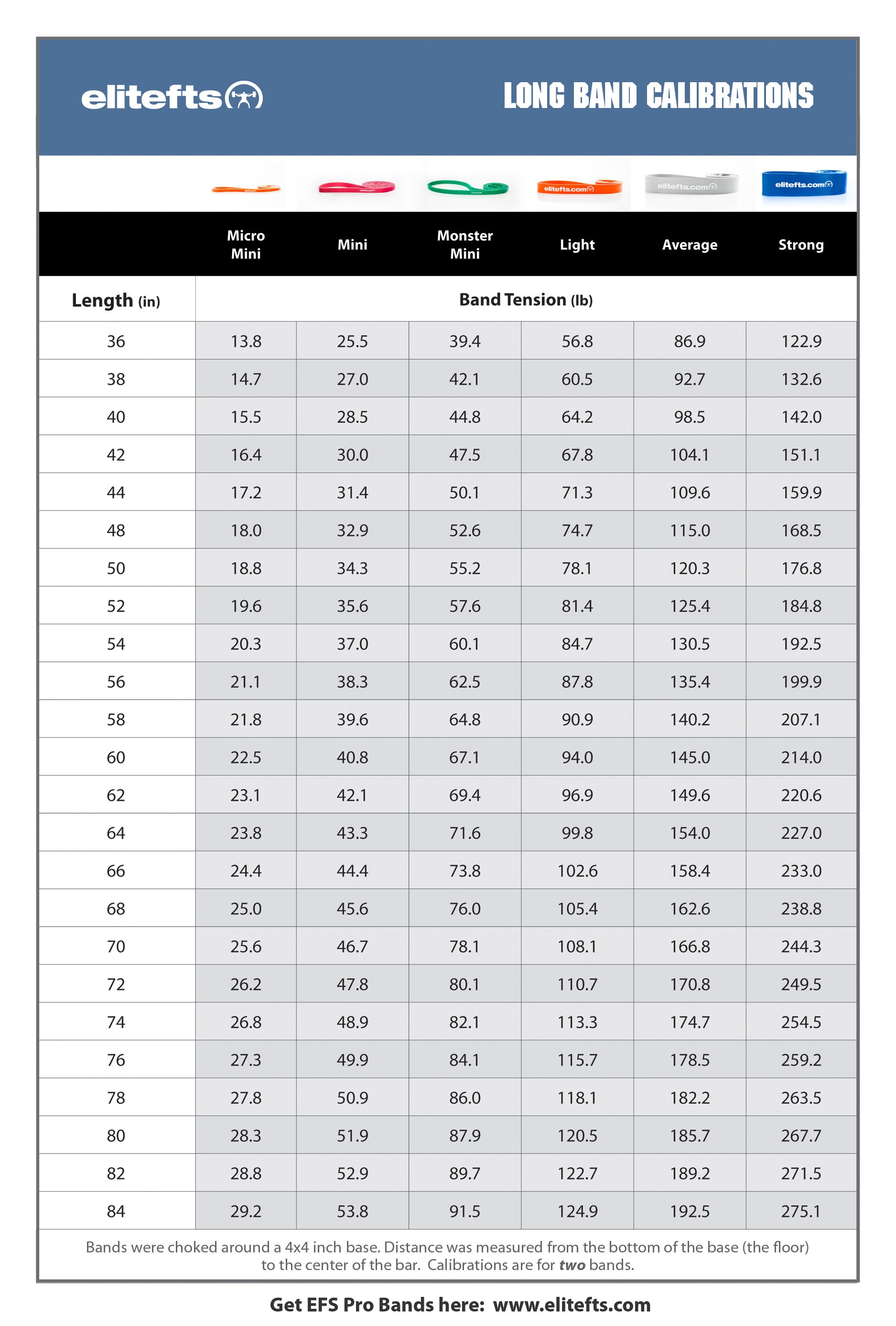
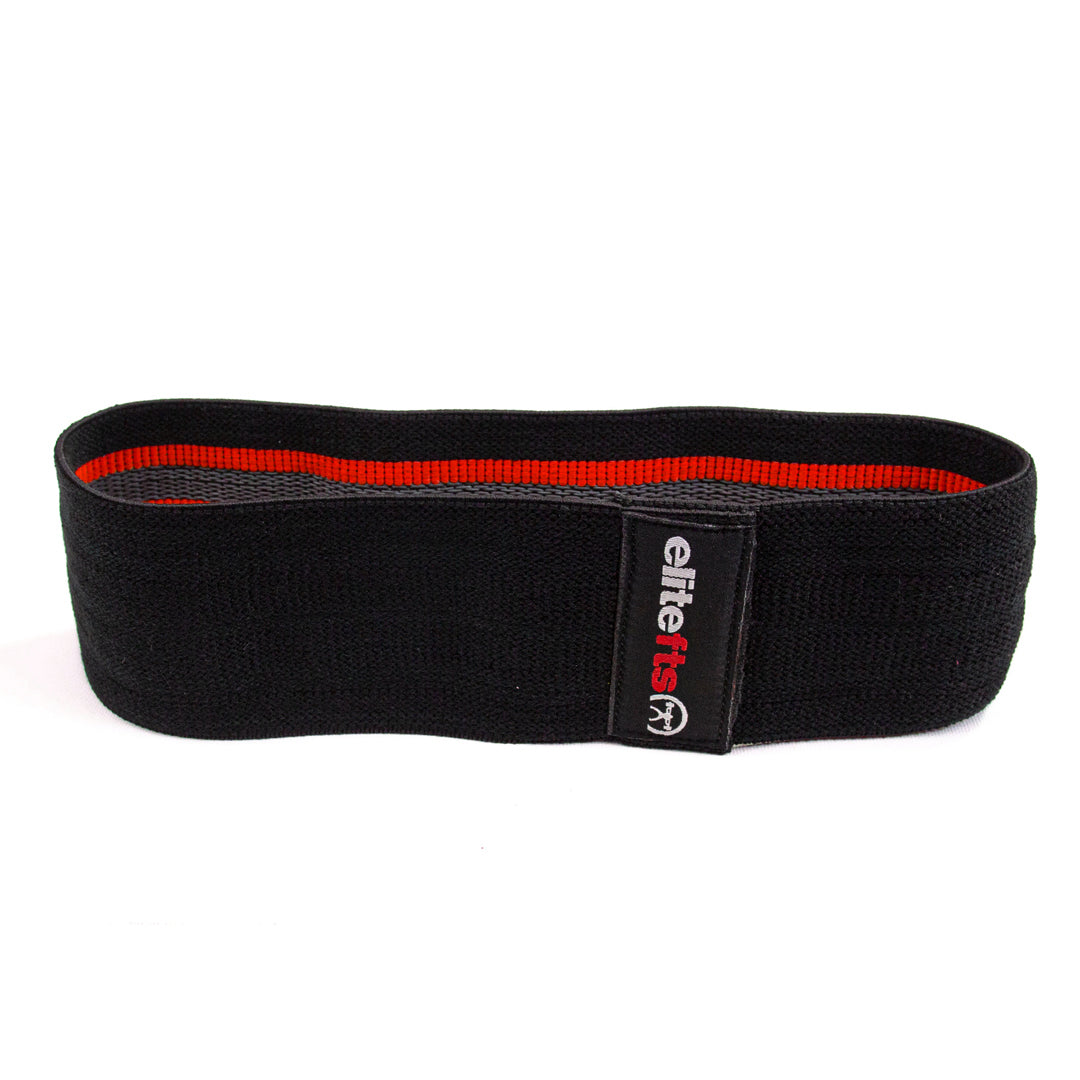
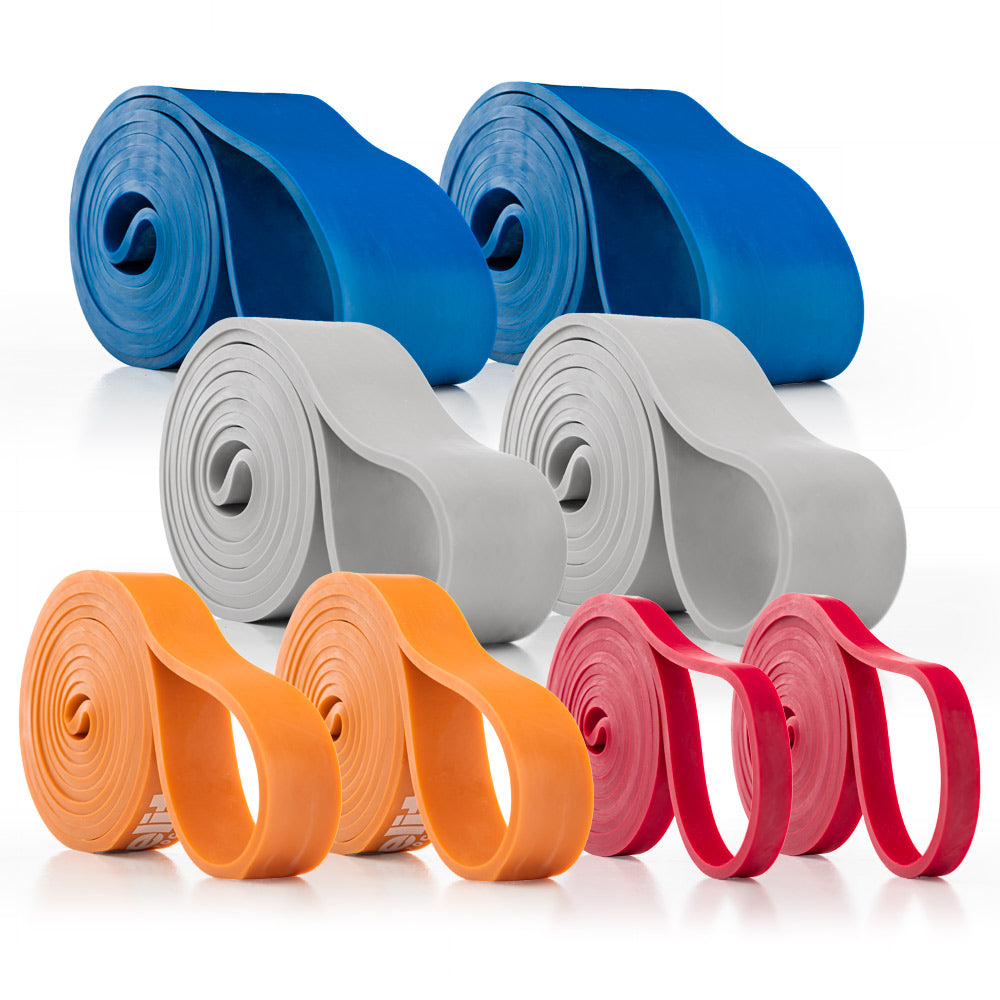
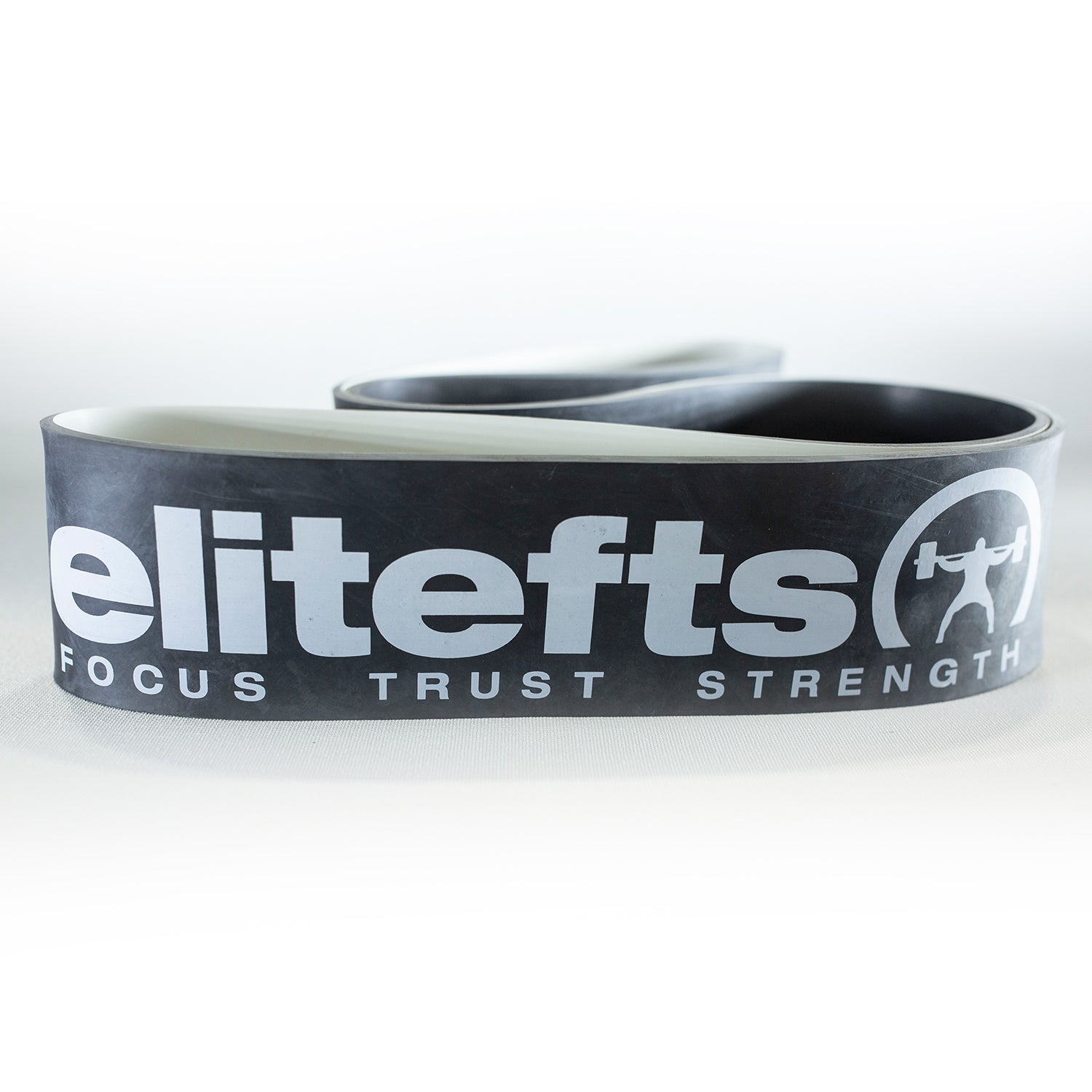
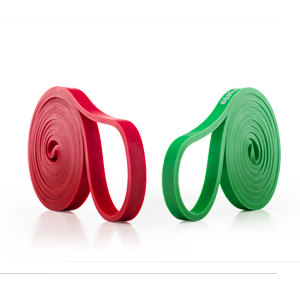
The question for any serious lifter is one of ego: Are you willing to lower the reps—and use the assistance of a machine or a band—to finally build the hamstrings you think you already have? It’s time to stop chasing the "15-rep illusion" and start training for resiliency. Prepare to be humbled.