

By: Aaqib Adil
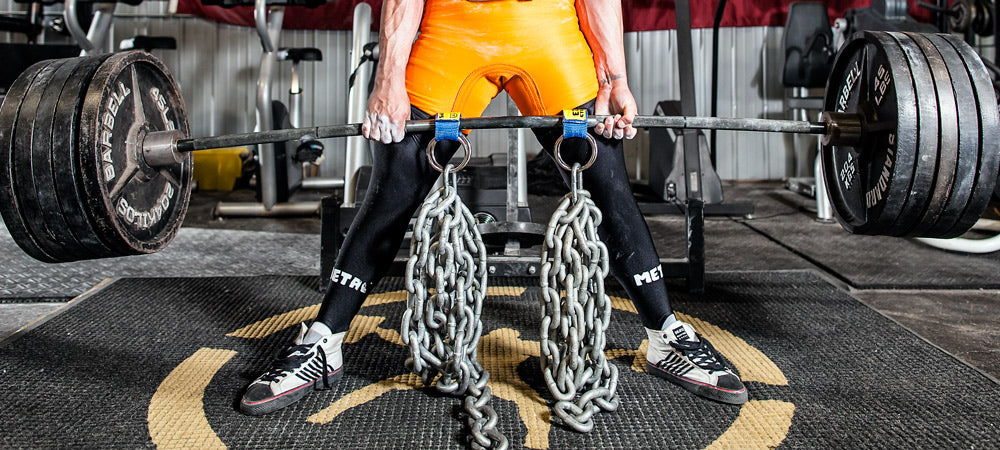
In every gym, there’s a lifter grinding through a heavy pull. The bar moves an inch, the back locks tight, the face goes red, and then the bar slips. It’s not the lats, glutes, or legs that fail. It’s the hands.
Grip strength is often the forgotten link in powerlifting. Everyone focuses on the big three: the squat, bench press, and deadlift. But without strong hands and forearms, none of them reach their full potential.
Consider this: your body can only apply as much force as your grip can withstand. If your hands can’t control the bar, your power leaks before it even transfers through your arms and torso.
Grip Is More Than Just Holding the Bar
Grip strength isn’t just about squeezing harder. It’s a chain of muscles, tendons, and neural control that connect your fingers, wrists, and forearms to the rest of your system. When that chain is weak, the signal from your brain to your body loses power halfway through.
The strongest lifters have hands that appear to have been carved from rope. When they grab the bar, it stays there—no rolling, no slipping, no wasted effort.
A firm grip doesn’t just help the deadlift. It changes the way you control the bar in every lift. It helps keep the bar locked in during bench presses. It stabilizes your back squat. It even improves overhead stability in accessory work.
The Grip-Leak Problem
Every lifter knows that frustrating feeling, your muscles are ready, but the bar starts to roll out of your hands halfway up. You can pull more. You know it. But your hands can’t keep up.
That’s the grip-leak problem. Power cannot be transferred through an unstable grip. The nervous system senses instability and automatically limits the amount of force your body applies. It’s a built-in safety system.
When you train grip properly, that limiter disappears. You can recruit more muscle fibers, hold tighter positions, and keep control under maximum load.
The Hidden Role of the Hands in Every Lift
Deadlift
Obvious? Sure. But not just for holding the bar. A firm grip locks the wrists and forearms into alignment, transferring power cleanly through the chain of tension. Weak grip leads to premature fatigue, uneven pulls, and bar roll.
Bench Press
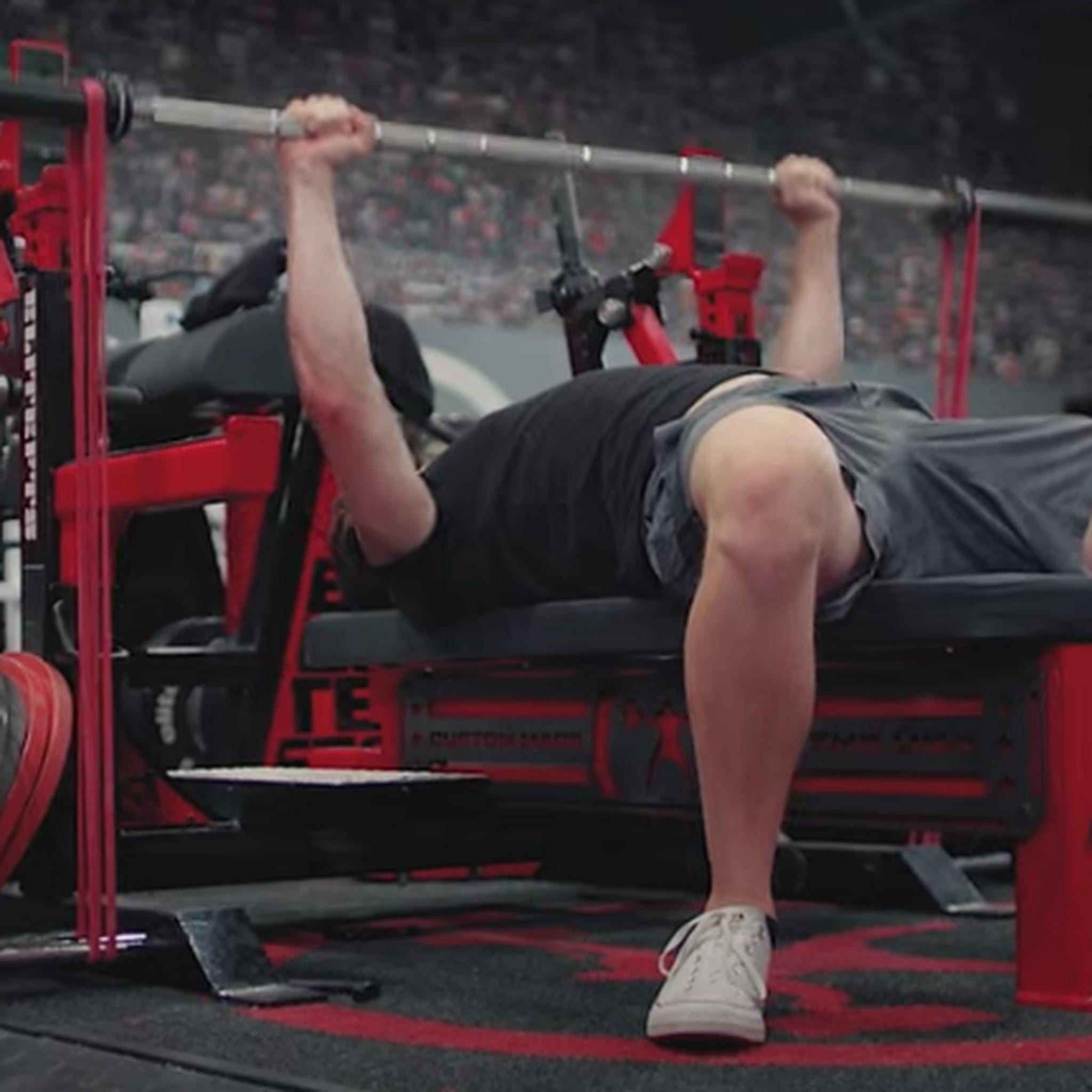
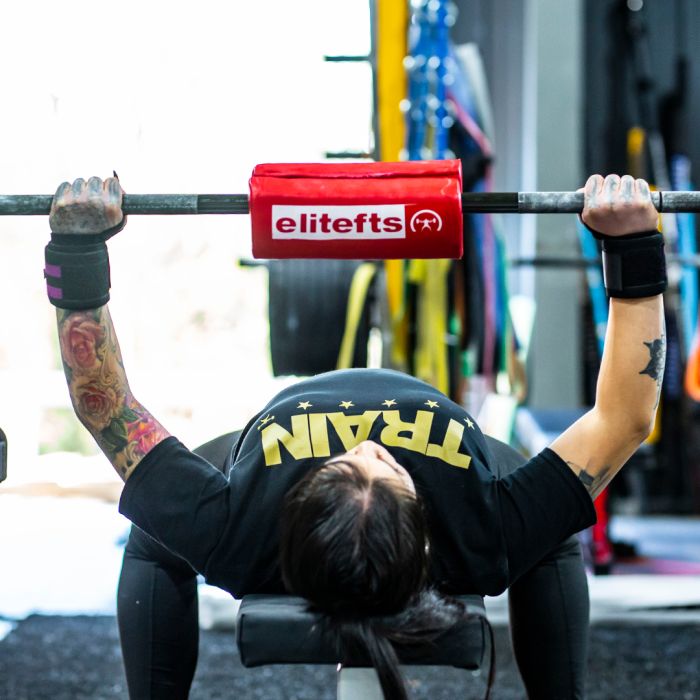
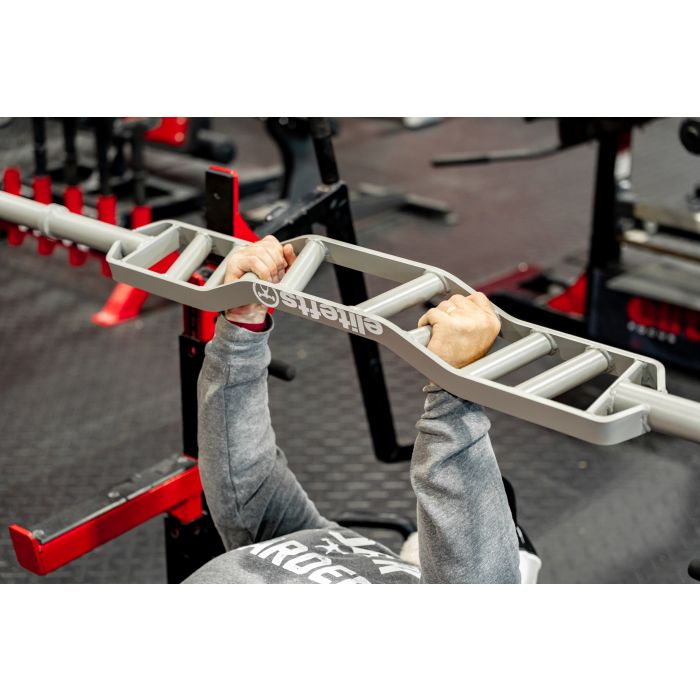
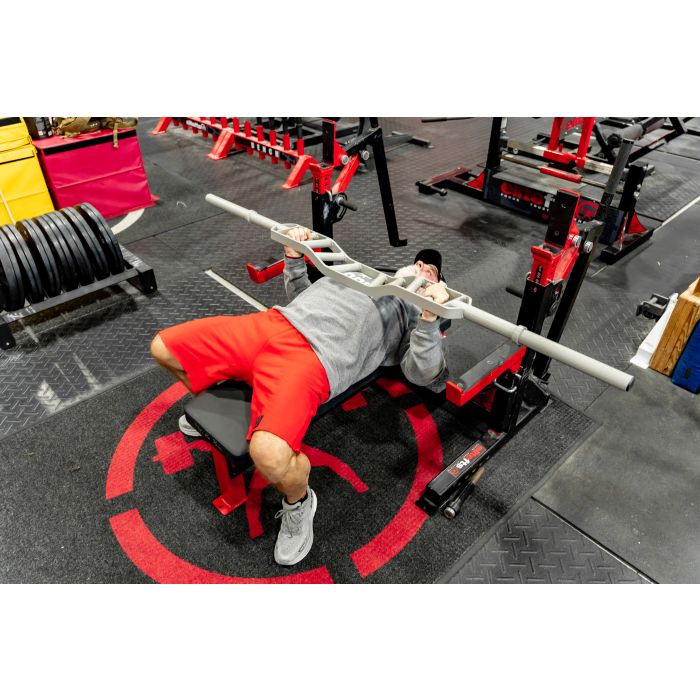
Most lifters overlook the importance of grip in the bench press. The hands set the tone for the entire media. A tight, locked-in grip activates the forearms and triceps before the bar even moves. This “irradiation” effect increases total body tension. Weak grip? Expect shaky wrists and inconsistent bar paths.
Squat
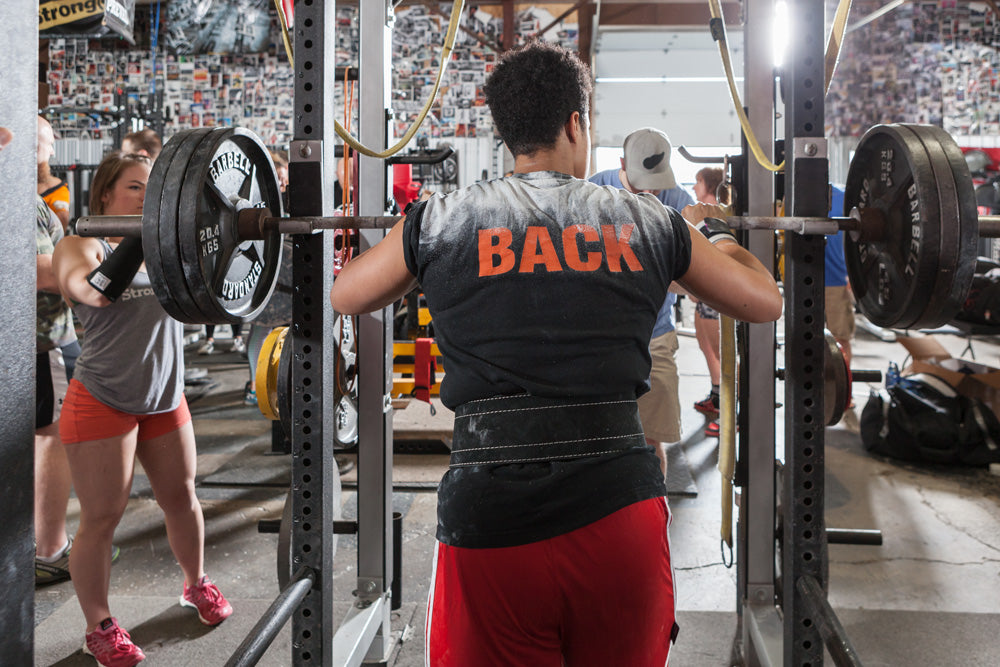
When you grab the bar in a low-bar position, grip strength determines shoulder stability. It keeps the bar tight against your traps and lats. If your hands slip or loosen, your back position collapses. Grip equals upper-body tightness.
The Science Behind It
Studies show that grip strength strongly correlates with total-body power output. That’s because the hands are rich in motor neurons, and when they engage fully, they boost neural activation across the body. In simple terms, a firmer grip equals a stronger nervous system response.
Athletes with high grip endurance sustain better bar speed and recover faster between heavy attempts. It’s not just a minor detail; it’s a measurable strength advantage.
Grip Strength as a Training Multiplier
Grip is a force multiplier. Build it, and everything else follows. Ignore it, and you plateau early.
You’ve probably seen lifters who can squat and bench big numbers but struggle to hold onto 80% of their deadlift max without straps. That’s not a strength problem, it’s a grip problem.
Training your hands makes every other lift more efficient. You’ll notice smoother bar paths, fewer missed lifts, and greater confidence under load.
How to Build Grip That Doesn’t Quit
1. Ditch the Straps (Sometimes)
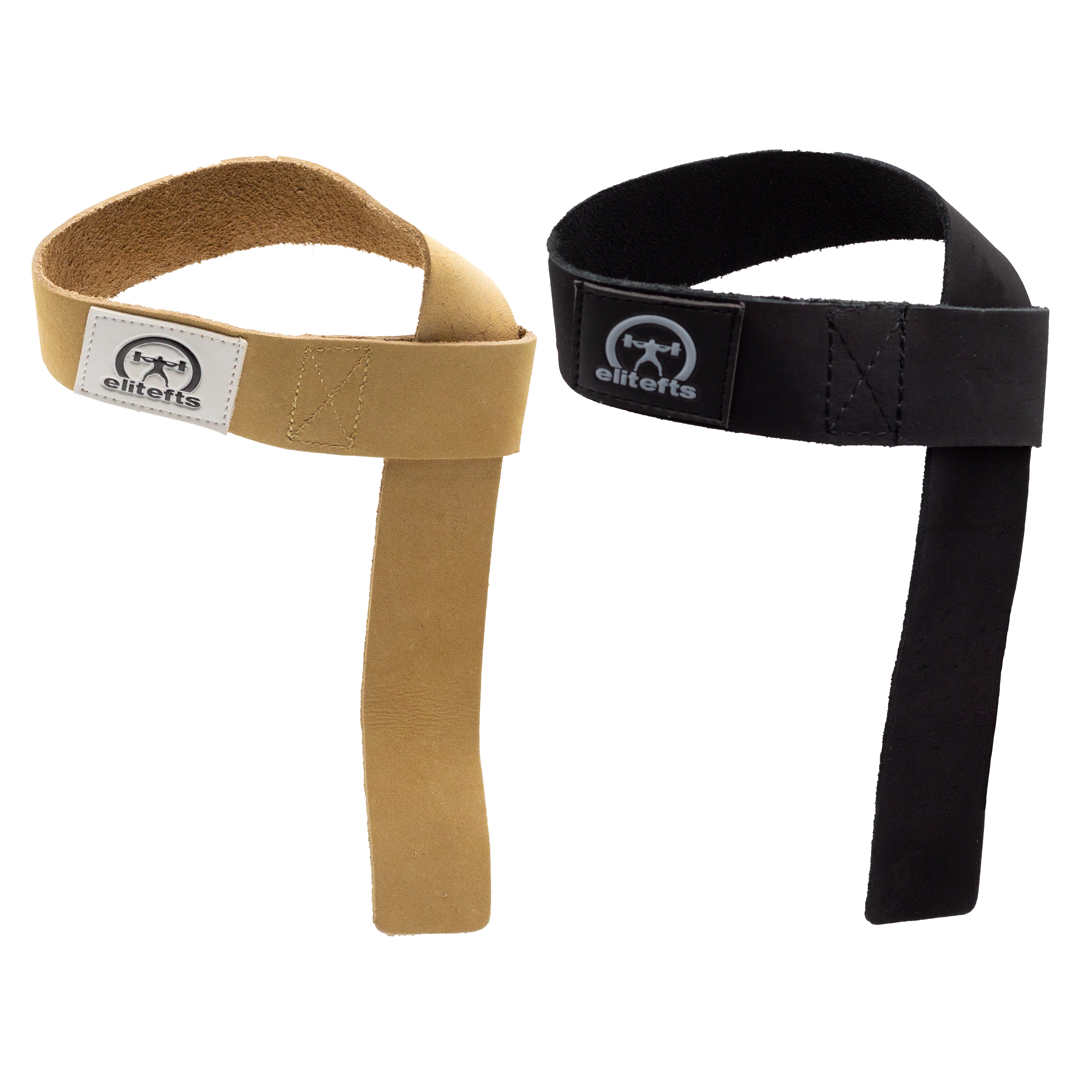
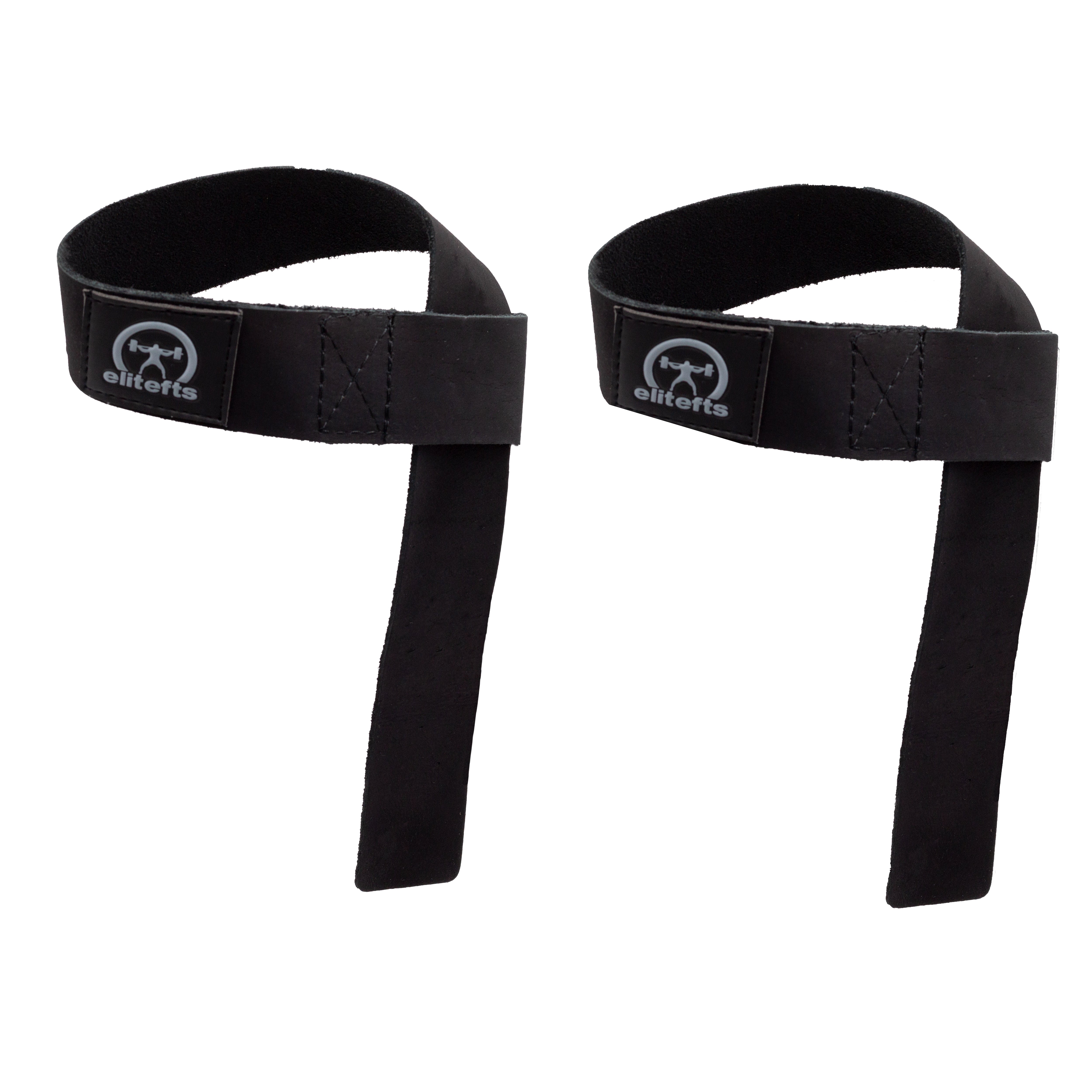
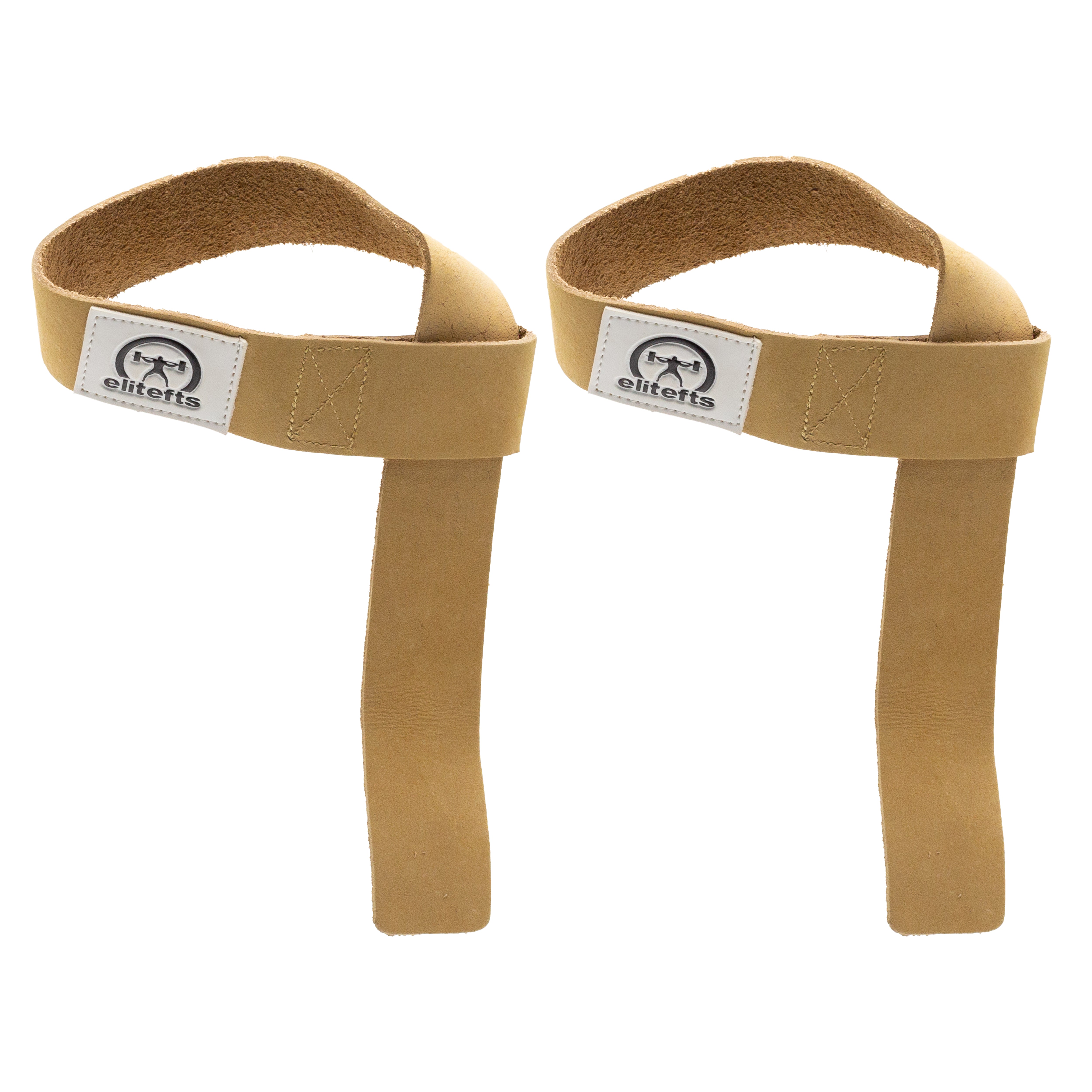
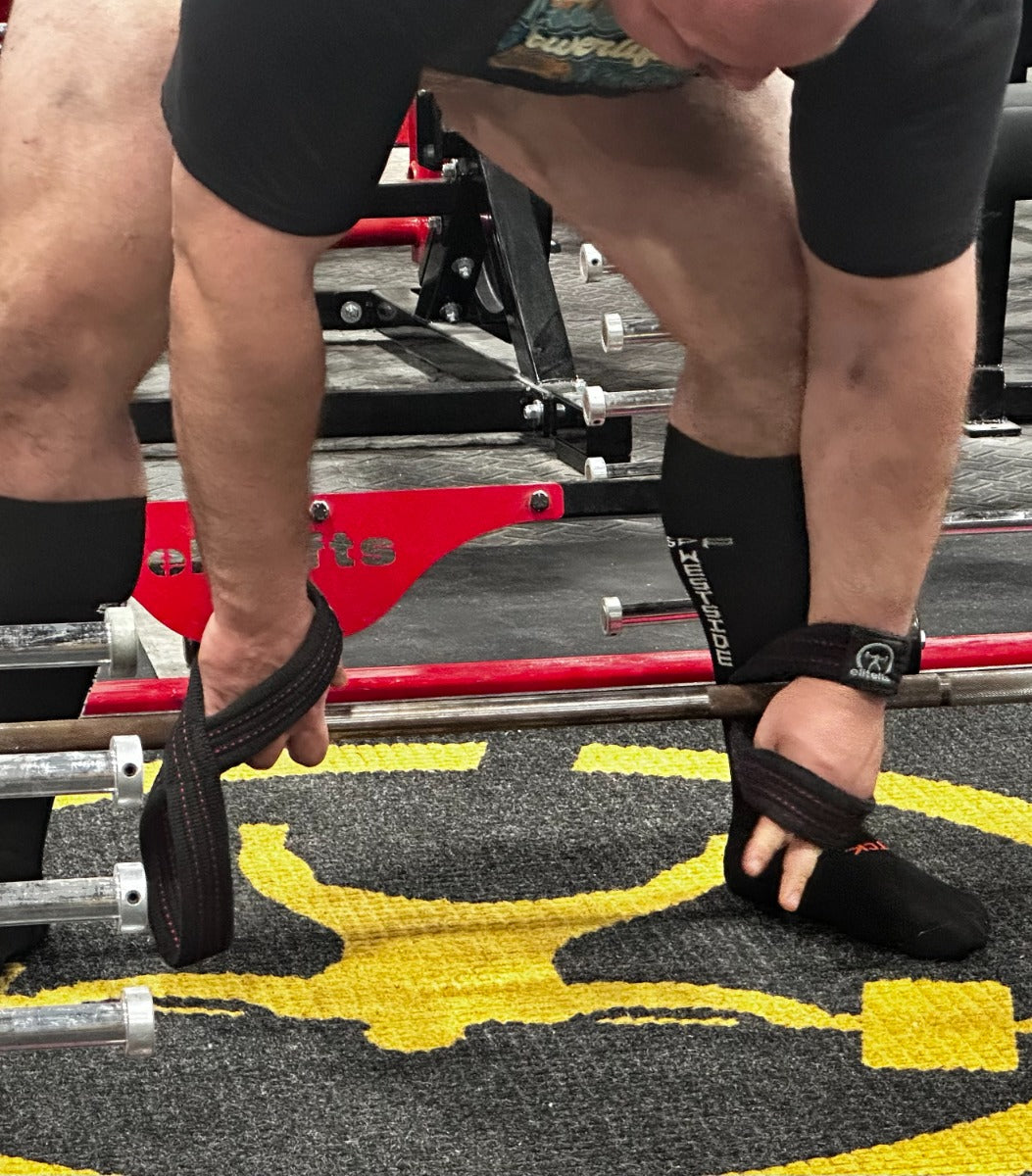
Straps have their place, especially in high-volume or accessory work, but if you rely on them for every set, your grip never adapts. Spend at least one or two heavy sessions each week without straps. Let your hands do the work.
When grip becomes the limiting factor, treat that as a signal, not a failure. It’s feedback on where your weakest point lies.
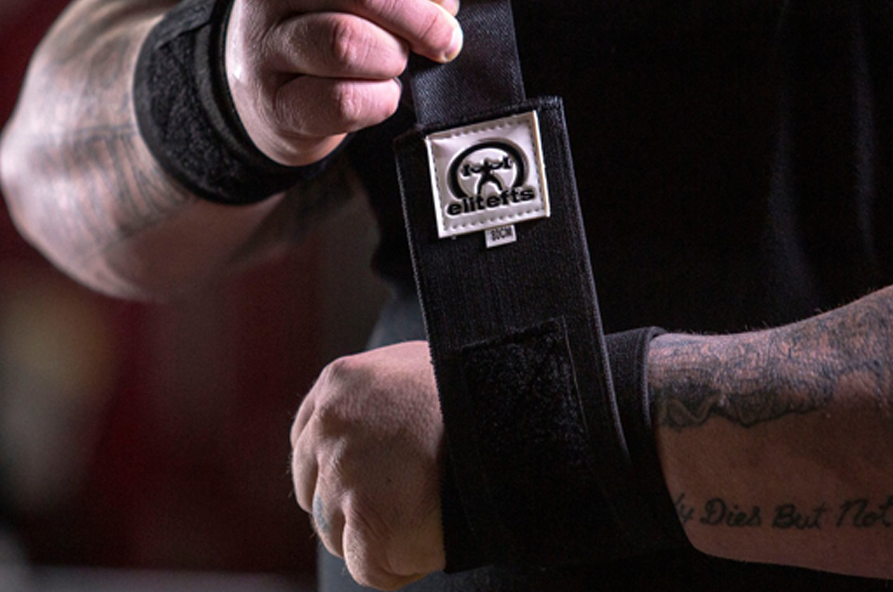
(If you prefer extra wrist stability while going strap-free, check out Lifting Wrist Wraps.)
2. Train the Three Main Types of Grip
-
Crush Grip: The classic hand-closing movement used in grippers or bar holds. Great for overall strength.
-
Support Grip: The ability to hold weight for time, like deadlift holds or farmer carries.
-
Pinch Grip: Strength between the thumb and fingers. Builds total hand control and thumb power.
A balanced program hits all three. Rotate them through your accessory work.
3. Farmer Carries
Simple and brutal. Grab heavy dumbbells or trap bars and walk 30–50 feet. Focus on posture and control. These teach your body to maintain tension while your grip burns. Over time, your endurance skyrockets.
4. Dead Hangs
Hang from a pull-up bar for as long as possible. This builds open-hand strength and improves shoulder stability. Start with 20–30 seconds and build up to a minute. Try adding weight as you progress.
5. Plate Pinches
Grab two smooth plates and press them together, then hold them. Use lighter plates for time, heavier plates for max strength. Your thumbs and fingers will hate you—and thank you later.
6. The Towel Pull-Up
Wrap a towel around the pull-up bar and grip it instead of the bar. It’s one of the best ways to train both support and crush grip at once. You’ll build forearms and finger strength fast.
7. Static Holds After Heavy Lifts
After your last heavy deadlift set, hold the bar for 10–15 seconds before lowering it to the ground. That extra tension teaches your hands to handle maximum load without failing.
How Grip Fixes Technique
The hands control tension. The tighter you hold the bar, the more muscles engage upstream: forearms, biceps, shoulders, lats. This full-body activation is what stabilizes form during heavy attempts.
Grip training builds better bar control. The bar path stays cleaner, the setup feels more solid, and fatigue shows up later. Your focus shifts from “holding on” to “driving up.”
Programming Grip Into Your Week
Grip doesn’t need its own day, but it needs consistent attention. Here’s a simple way to fit it in:
-
Day 1 (Deadlift Day): Add static bar holds and plate pinches.
-
Day 2 (Bench or Upper): Include towel pull-ups or grip ring squeezes.
-
Day 3 (Accessory or Conditioning): Finish with farmer carries or dead hangs.
Keep the total grip volume moderate so your hands recover more slowly than big muscle groups. Treat them like a skill, not just another pump.
Common Grip Mistakes
-
Overtraining the hands. They need recovery, too. Don’t max out every day.
-
Ignoring the thumbs. Strong thumbs complete the grip chain. Pinch work matters.
-
Neglecting wrist stability. Forearm rotation drills (supination and pronation) keep joints balanced and prevent strain.
-
Skipping warm-ups. Simple wrist circles and gentle squeezes can help prevent tendon pain.
When Grip Fails, Everything Fails
No matter how strong your back or legs are, if your grip slips, the lift is over. Weak hands equal weak lifts.
When you strengthen your grip, you don’t just improve one area—you change how you lift. Your connection to the bar becomes unbreakable. Every rep feels tighter. Every pull feels stronger.
Real Powerlifters Train Their Hands
The best powerlifters treat their grip as seriously as they do squats or pulls. They train it year-round. They know that when everything else fails, the hands decide who finishes the lift.
Grip strength is the bridge between potential and performance. The stronger your grip, the more of your true power makes it to the bar.
Stop letting your hands limit you. Train them, as everything depends on it, because it does.
Aaqib is a strength coach and competitive powerlifter with a background in sports biomechanics and functional strength training. He’s spent the last decade helping lifters break plateaus by fixing the most minor but most essential details, like the hands, the grip, and the way tension travels through the body.