
Hitting a plateau in your squat can be one of the most frustrating experiences in the gym. You feel like you’re getting stronger, but the weight on the bar stalls. Maybe you feel unstable in the bottom of the lift, or you’ve noticed a persistent hip shift that you just can’t seem to correct, no matter how hard you focus.
The common reaction is to blame the squat itself—your technique, your programming, or your leg strength. However, the problem often isn't the lift, but the moments leading up to it. A flawed or incomplete warm-up that fails to address foundational stability and mobility is frequently the unseen anchor holding you back. This warm-up protocol moves beyond passive stretching and focuses on active drills that build strength and control in the exact ranges of motion your squat demands.
This article provides four targeted drills to replace your ineffective warm-up, directly addressing the hidden weaknesses that are sabotaging your squat. By focusing on core stability, hip rotation, and anti-rotation strength, you can build a stronger, safer, and more efficient squat from the ground up.

It All Starts With the Core: Connecting Your Rib Cage to Your Pelvis
Effective squatting begins with lumbopelvic stability. As the saying goes, "everything starts with the core." If you cannot create and maintain a stable core, you cannot effectively transfer force through your body. A common error is squatting with a flared rib cage, an "open scissor position" that disconnects your upper and lower body. The goal is to correct this by actively "connecting the rib cage into the pelvis" to create a solid, stable trunk.
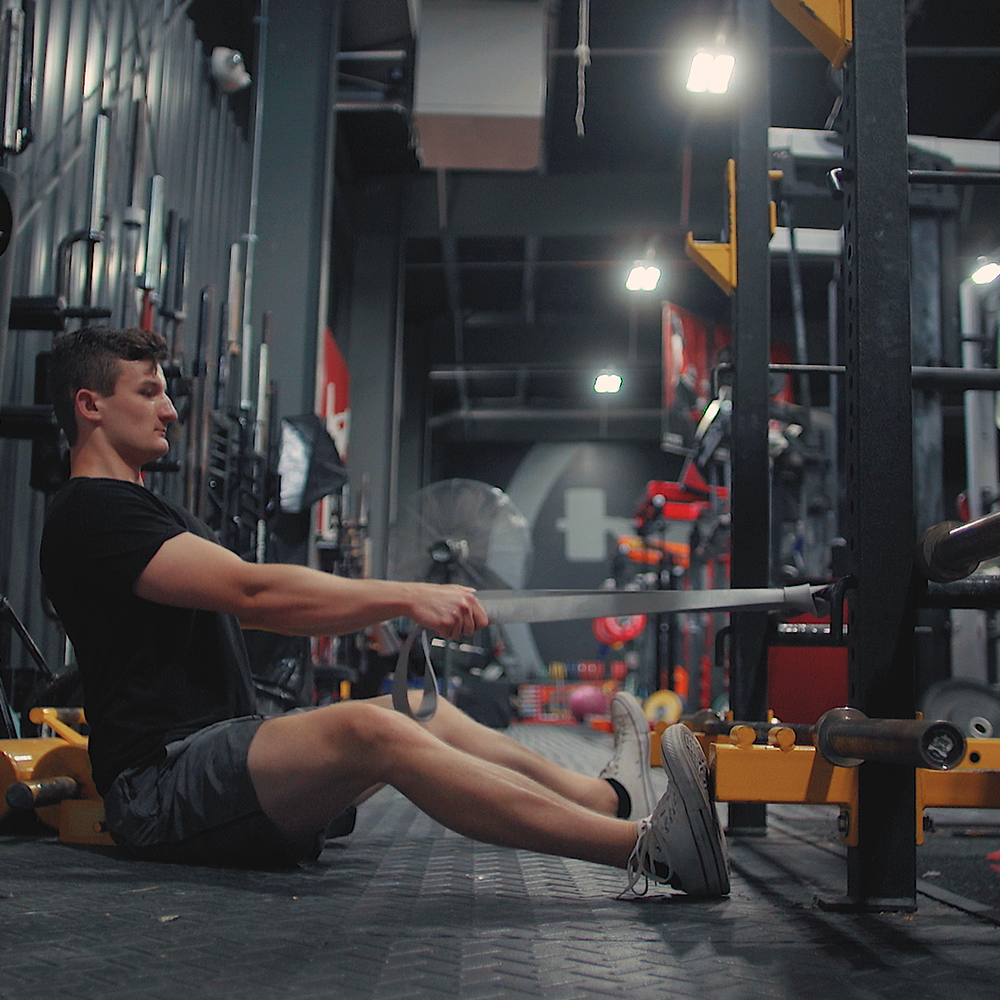
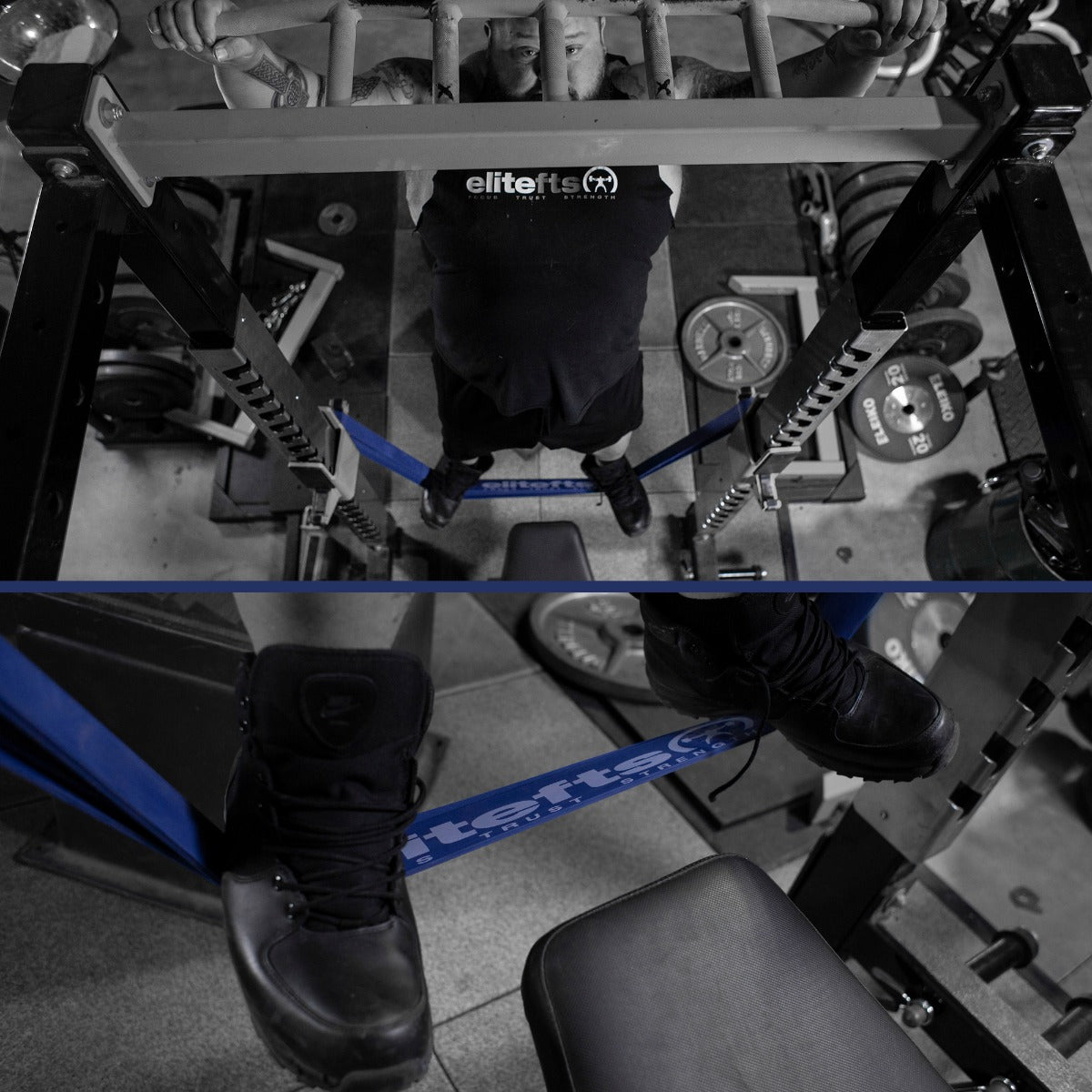
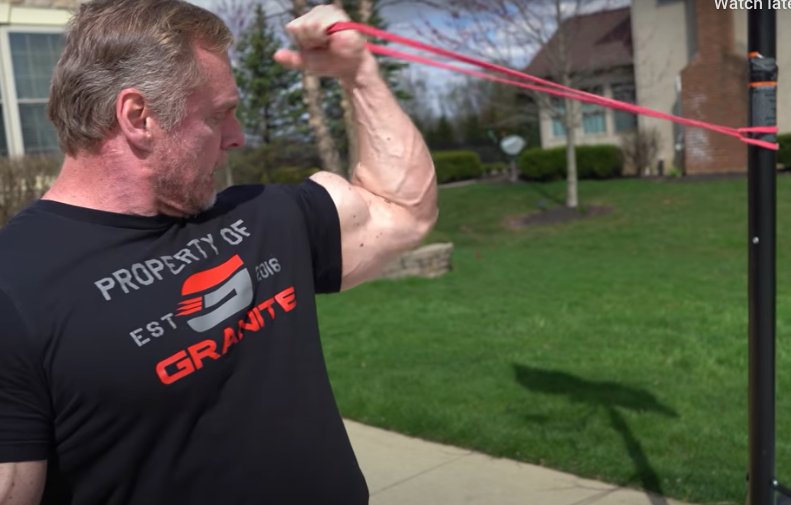
The Banded Deadbug is the perfect drill to achieve this. By using a band anchored overhead, you force your lats and core to engage, pulling the rib cage down. This teaches your body to maintain a stable core orientation while your limbs are moving—exactly what’s needed during a squat. This exercise should be exceptionally challenging. You are only aiming for four to six reps, and as the source states, "if you're not shaking doing this... you're probably not doing it correctly." The goal is high tension and maximal core engagement, not high volume.
The Hidden Mobility Issue: Why Hip Internal Rotation is Your Squat's Bottleneck
A lack of hip internal rotation (IR) is a major, often-overlooked issue that can sabotage your squat depth and safety, especially for bigger lifters. When you can't properly rotate your femur to descend into the squat, your body is forced to find a way to complete the movement. This often results in dangerous compensation patterns, like tucking the pelvis under (butt wink) or shifting to one side.
These compensations not only limit performance but also increase the risk of injury as the load gets heavier. As the source material explains:
...your body is task oriented it does not necessarily think hey I need to internally rotate my femur in order to access this range of motion it just says hey I'm restricted here so what am I going to do i'm going to find a way to get into that range of motion...
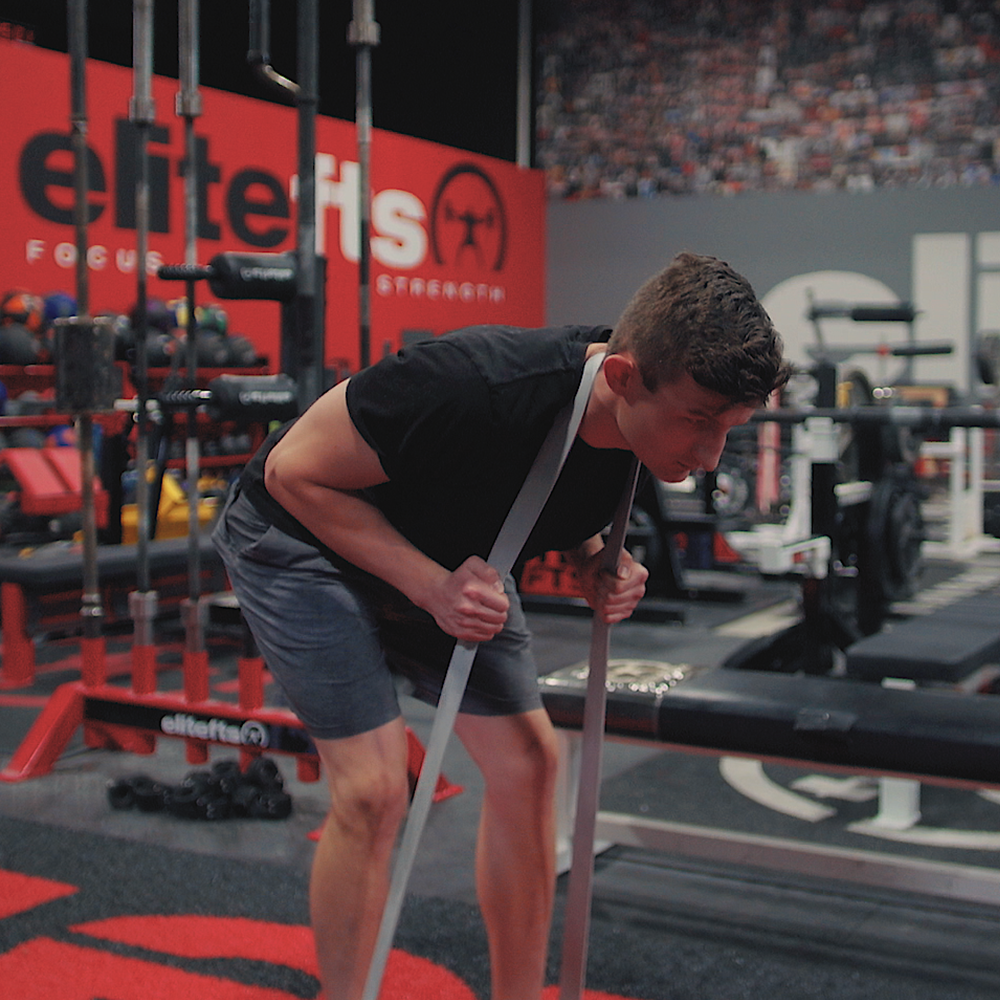
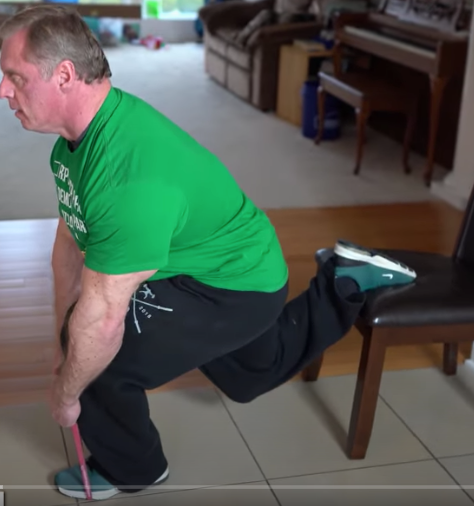
The solution is the 90/90 Band Hip IR drill. This is not a passive stretch; it’s an active drill designed to strengthen the hip in its internally rotated range. The band must be placed in front of the foot, so it pulls your leg in the correct direction to maximize the internal rotation stretch and subsequent contraction. From there, you actively drive the foot down toward the floor while keeping the rest of your body stable. This builds control and strength in a range of motion critical for a deep, safe squat.
Fight Instability by Creating an Anti-Rotation Moment
For lifters who struggle with a "hip shift"—where the hips drift to one side during the squat—the key is to build stability by fighting rotation. By introducing a force that tries to rotate your pelvis and then actively resisting it, you force the deep stabilizing muscles of your glutes to fire. This creates an "anti-rotation moment" that is crucial for maintaining a neutral pelvis under load.
The Single Leg Hip Thrust with a Contralateral Load is designed specifically for this purpose. A "contralateral load" means placing the weight on the opposite side of the working leg. For example, if your right leg is performing the hip thrust, you place a dumbbell on your left hip. This setup intentionally tries to destabilize you. The reason this works is simple yet powerful: "the weight to try and push me down so I have to actively resist it and engage my glutes to stabilize." This trains your body to automatically fire the correct muscles to maintain a neutral pelvis when under a heavy squat load.
Just as we learned in the Banded Deadbug, maintaining the connection between your rib cage and pelvis is paramount here. As you thrust up, pull your rib cage down to ensure the work is done by your glutes, not your lower back. A lot of lifters make the mistake of flaring their rib cage at the top and extending through their back, which defeats the purpose of the exercise.
Prime the Full Squat Pattern: From Internal to External Rotation
Finally, a great warm-up drill should mimic the complex movement patterns of the main lift. The squat requires the hips to load into internal rotation on the way down and then powerfully drive into external rotation and extension on the way up. Your warm-up should prime this exact sequence.
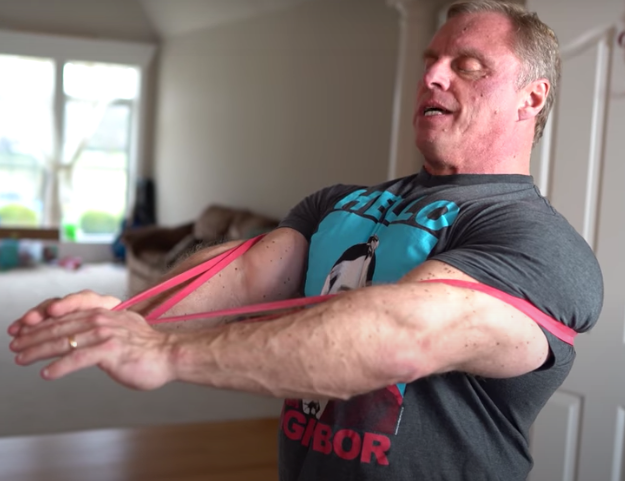
The B-Stance Banded RDL accomplishes this perfectly. This drill teaches you "to stabilize the pelvis while we're moving through internal and external rotation." The key is to make this a hip-driven movement, not a trunk rotation. As you descend, the primary action cue is to "drive this hip towards this knee" to load into internal rotation, feeling a stretch on the outside of the hip. To come up, "squeeze my glute drive into the big toe and the heel and I'm going to drive the hip forward," moving powerfully out of internal rotation and into external rotation and hip extension. This directly rehearses the hip mechanics needed for a strong ascent from the bottom of the squat.
A Smarter Warm-Up for a Stronger Squat
An effective warm-up is more than just going through the motions with generic stretches or light sets. It is a targeted session of activation and motor control drills that address specific performance bottlenecks. By focusing on core stability, hip internal rotation, anti-rotation strength, and pattern-specific priming, you can build a foundation that directly translates to a stronger, more stable squat.
The next time you squat, replace your usual 10 minutes of foam rolling and generic stretches with these four targeted drills. The goal isn't just to feel warm; it's to build a fundamentally more stable and powerful squat from the ground up.
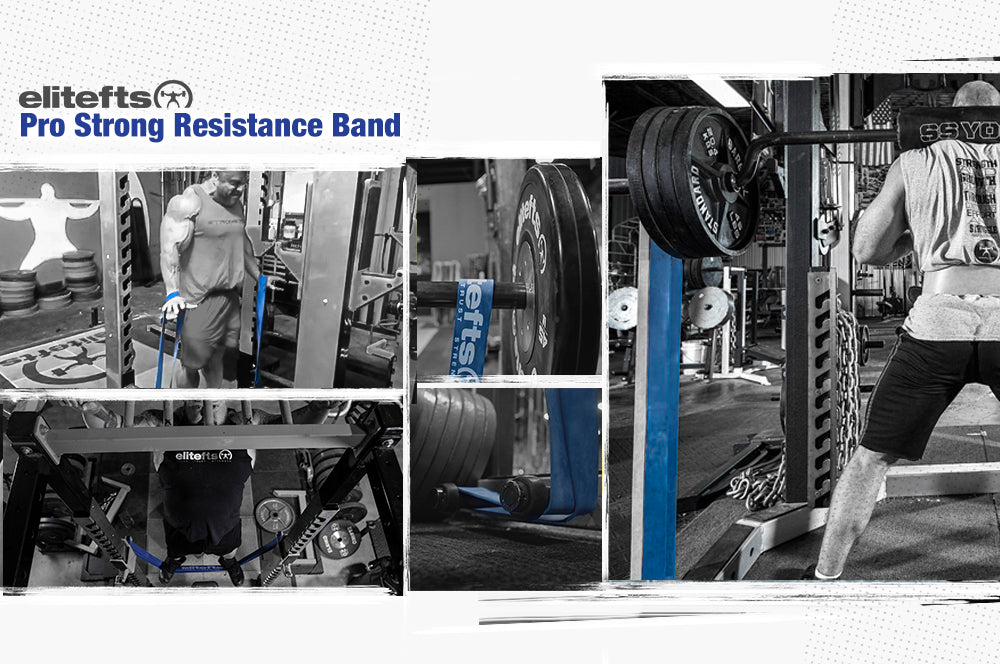
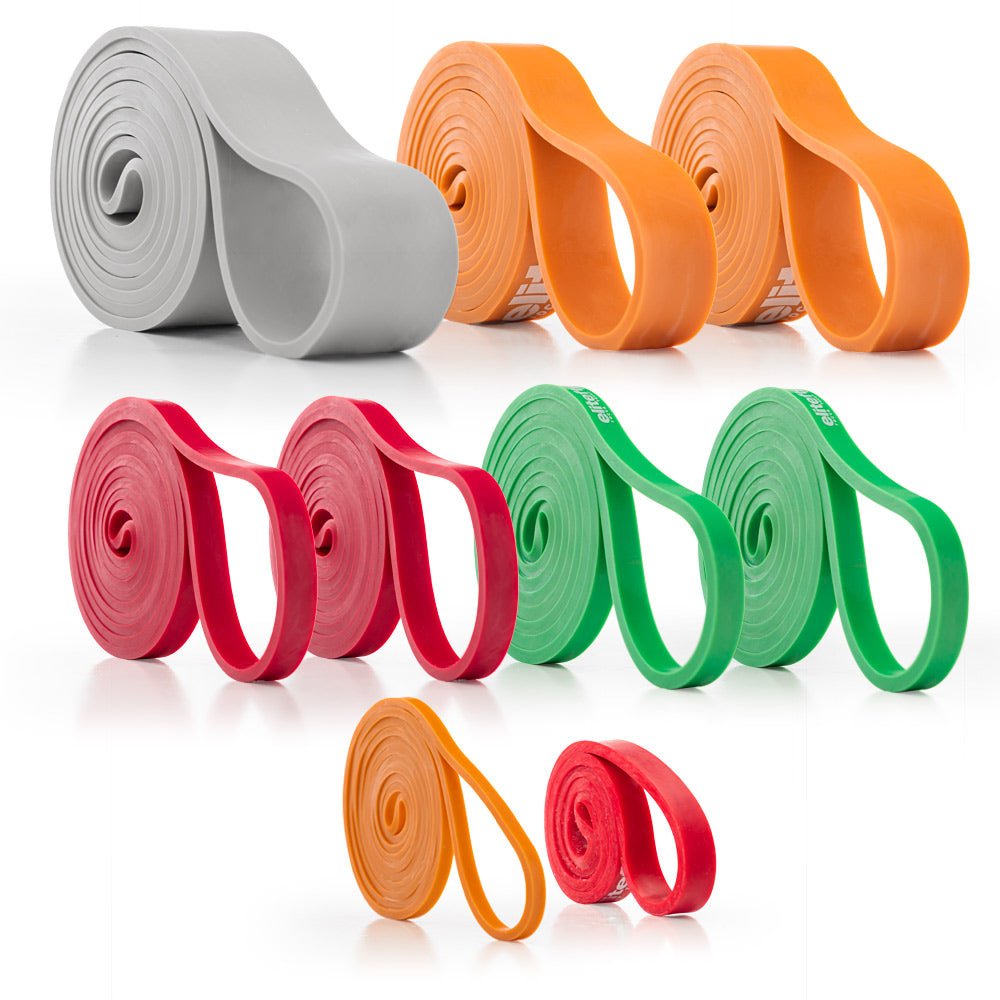
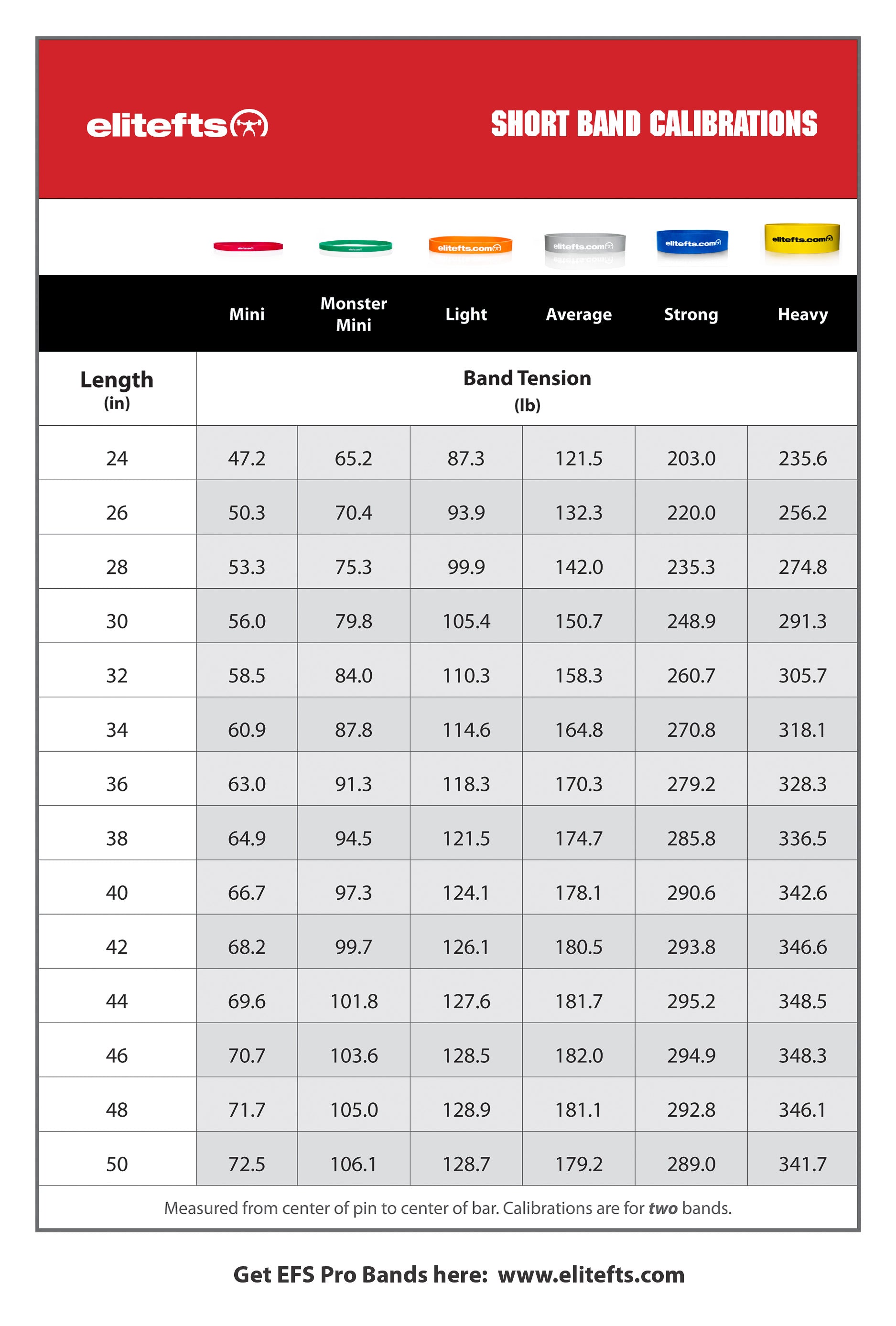
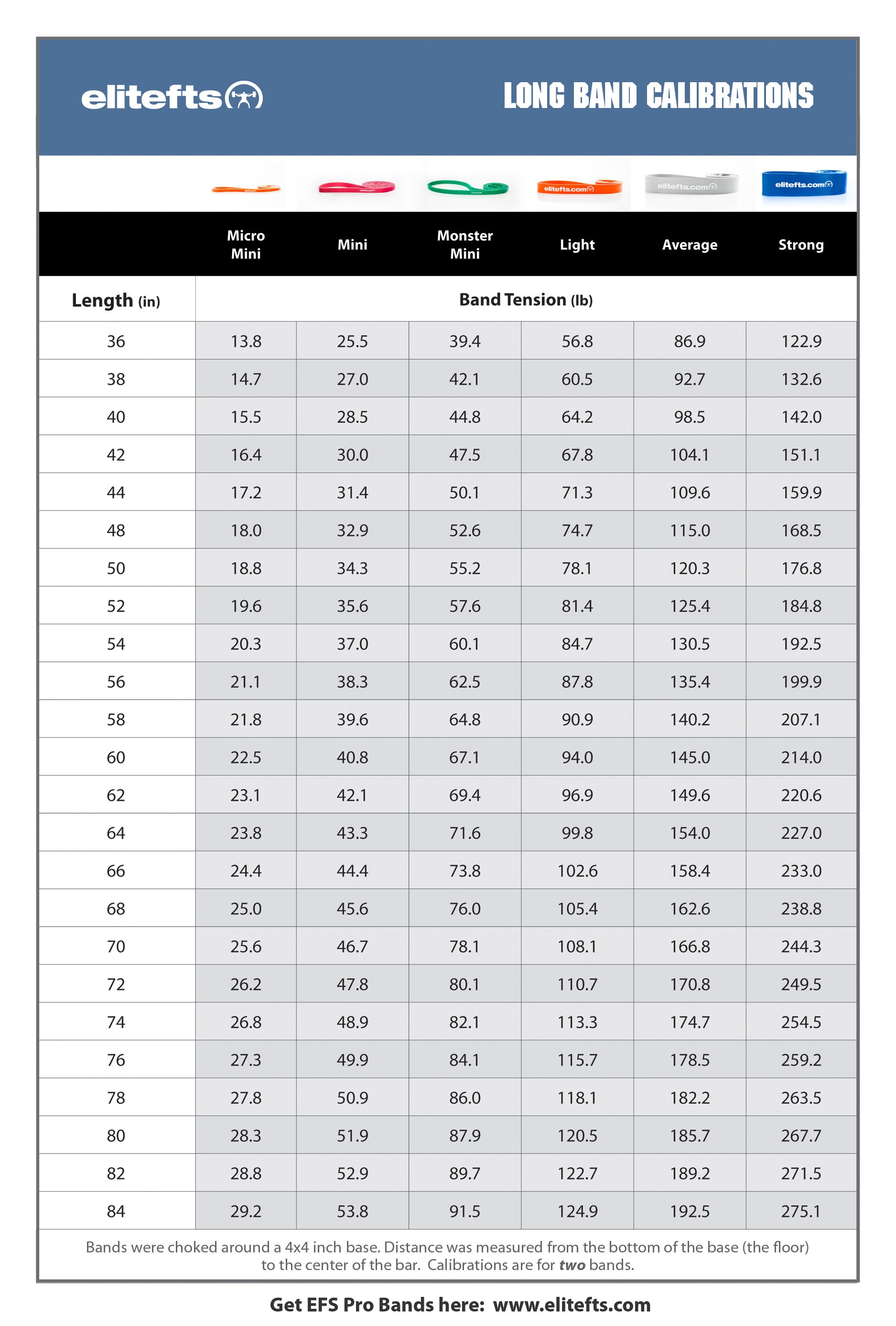
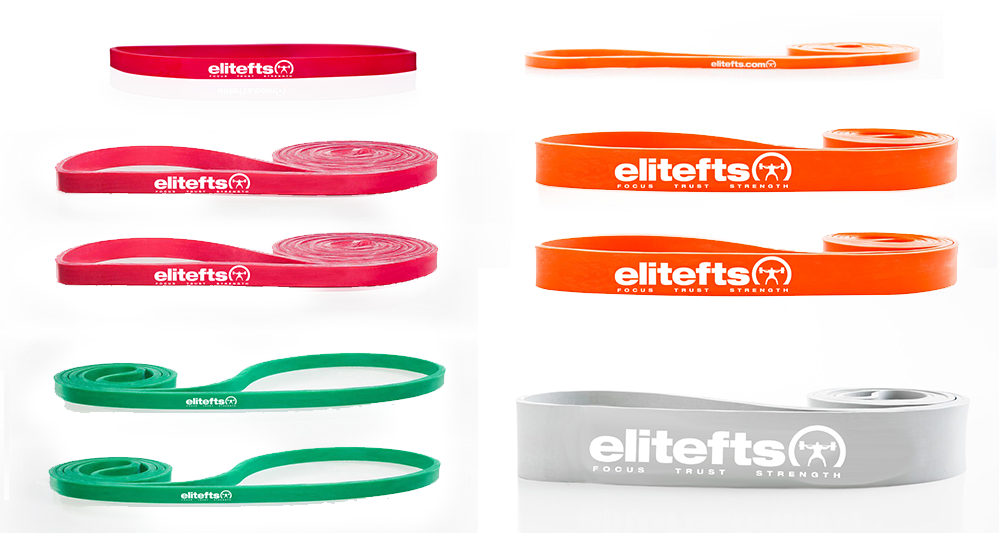
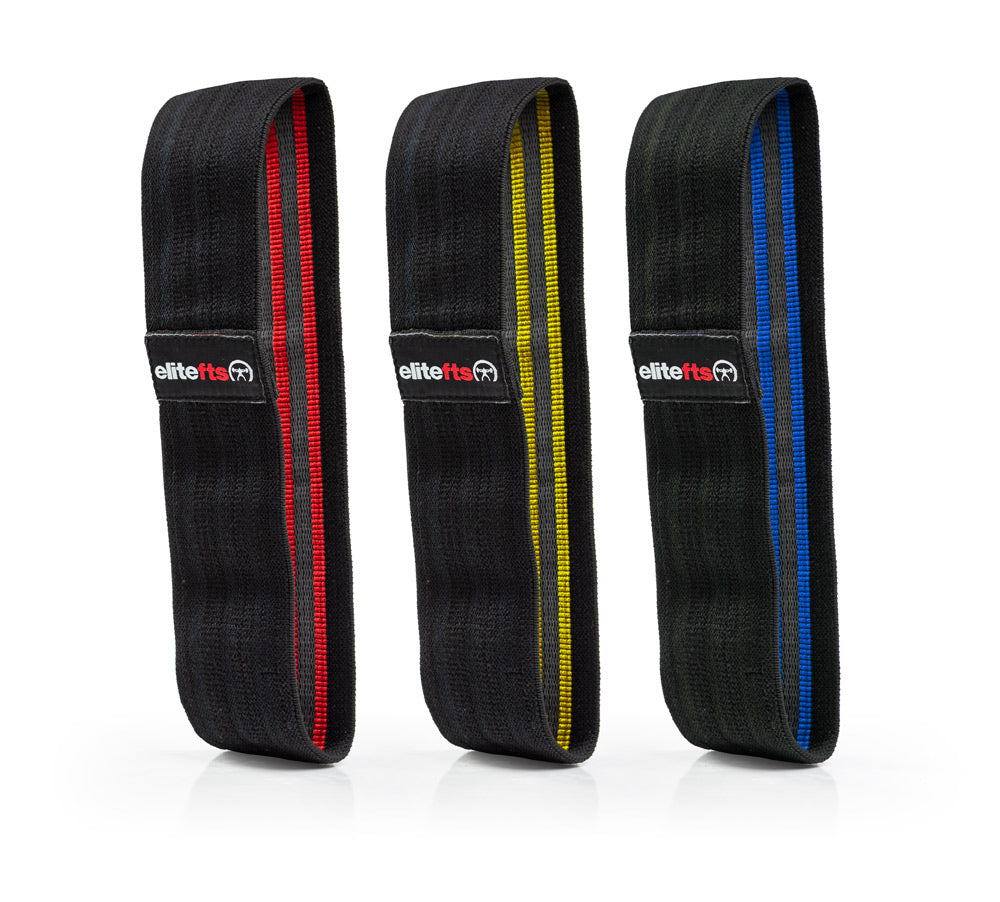
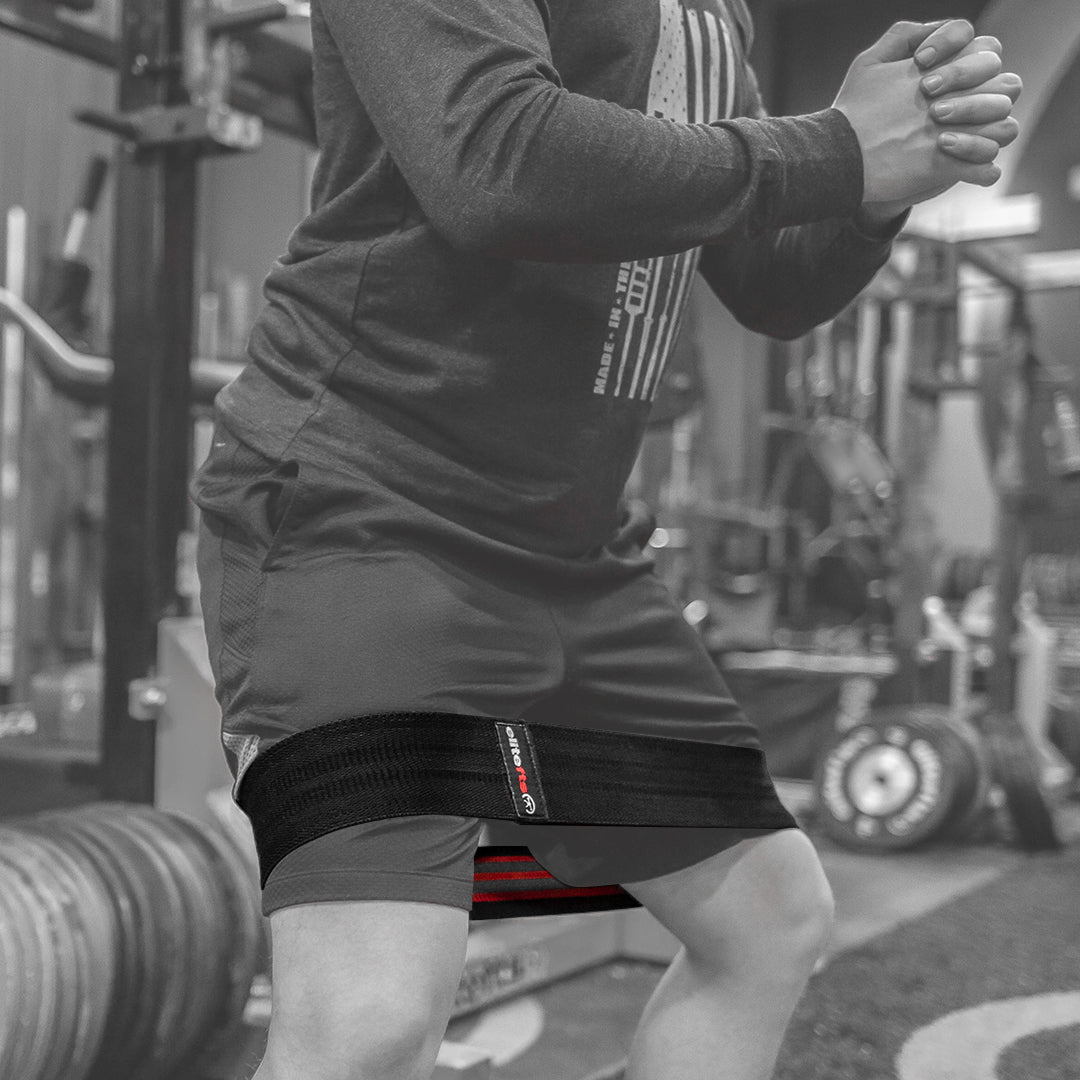
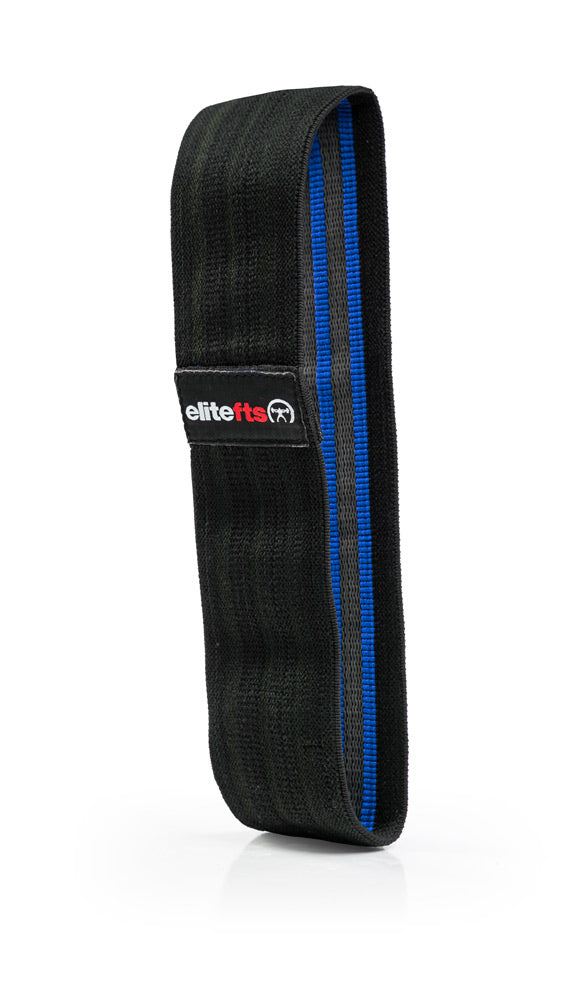
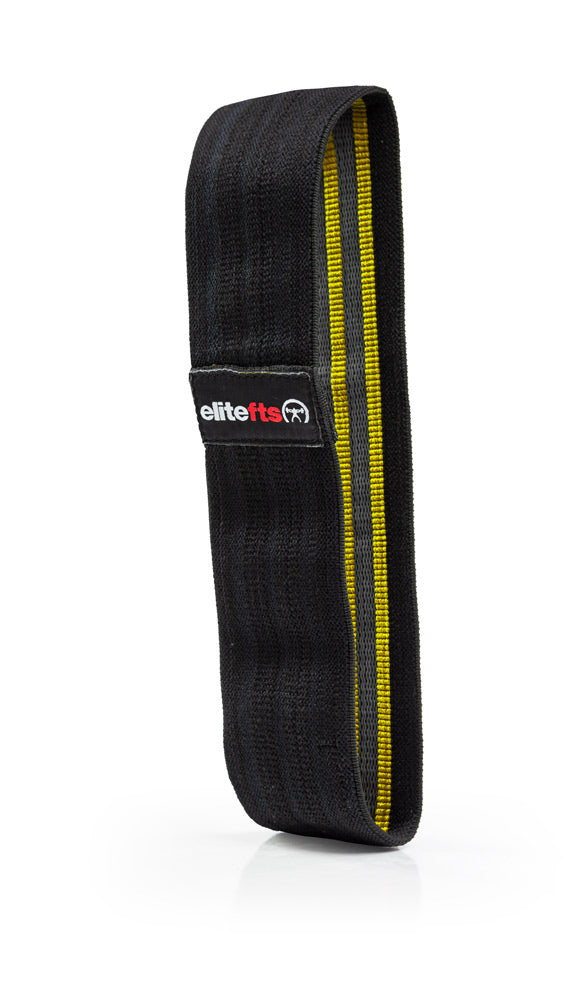
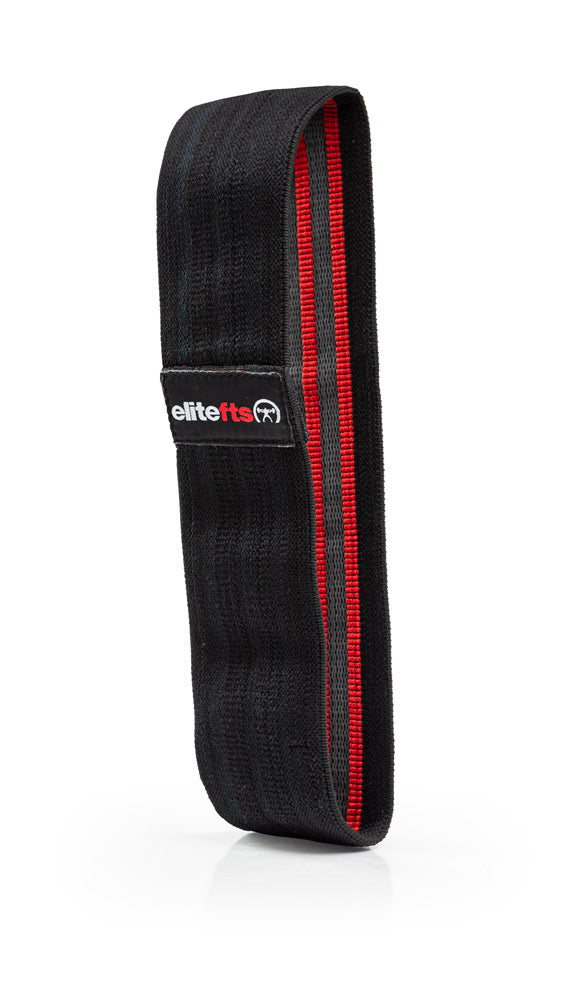
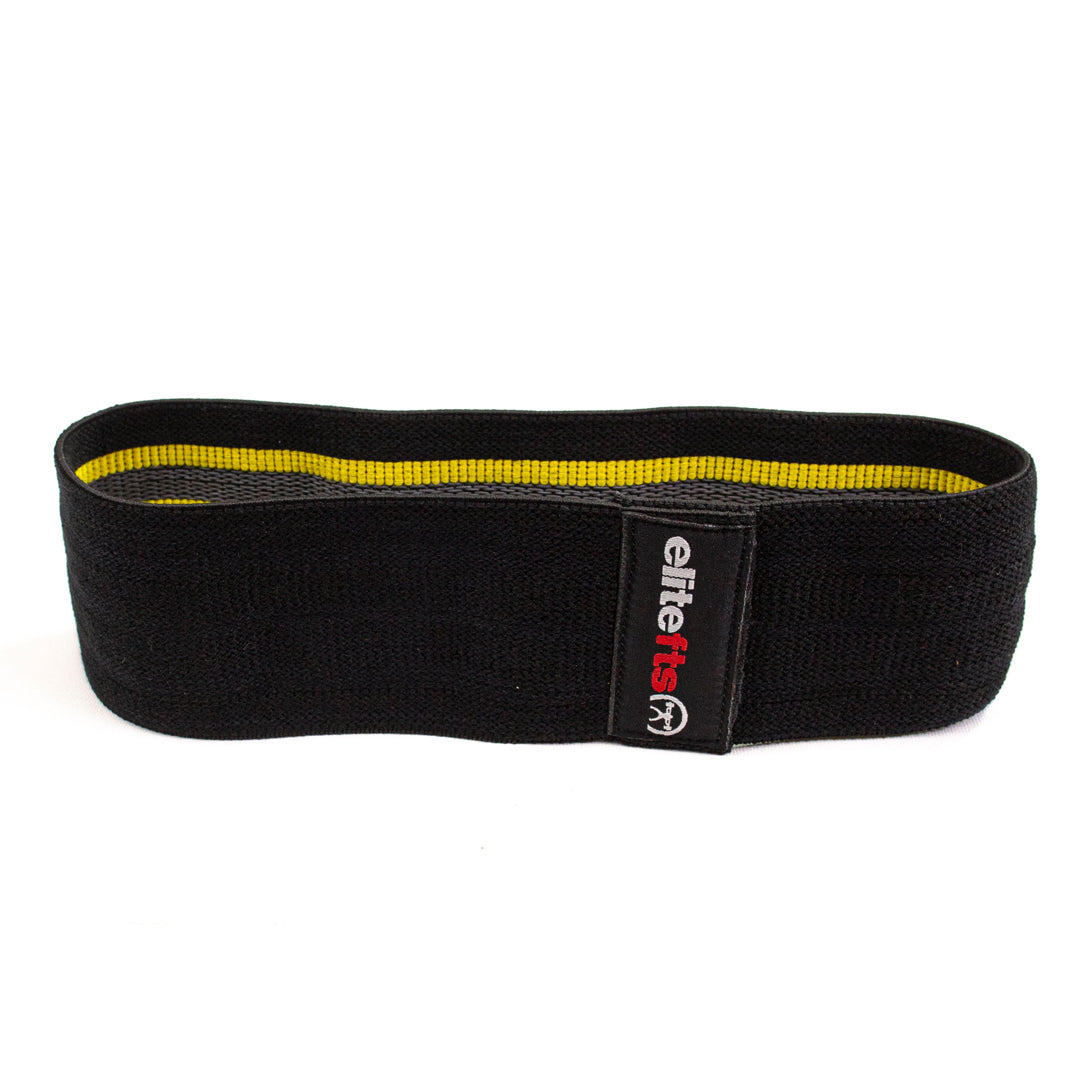
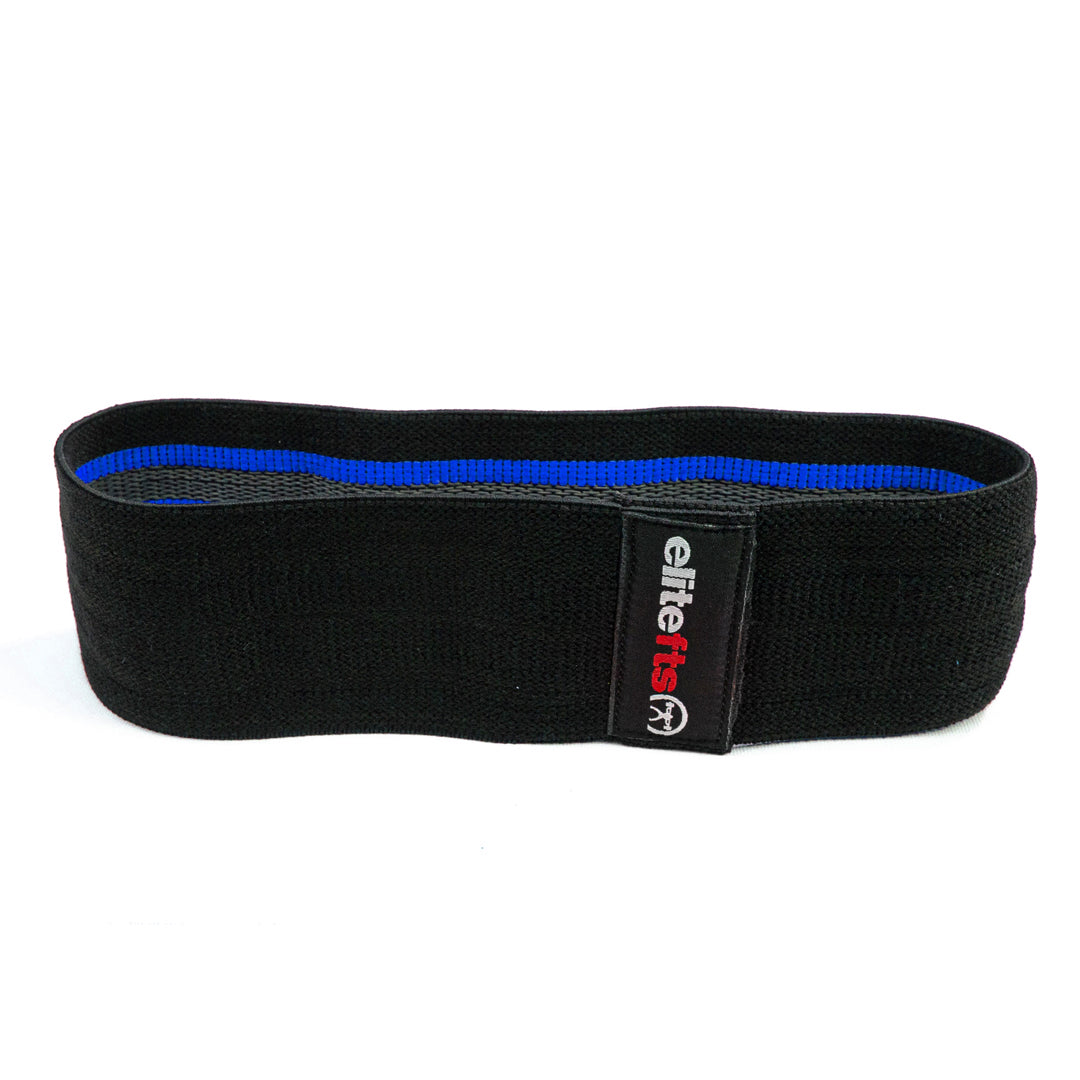
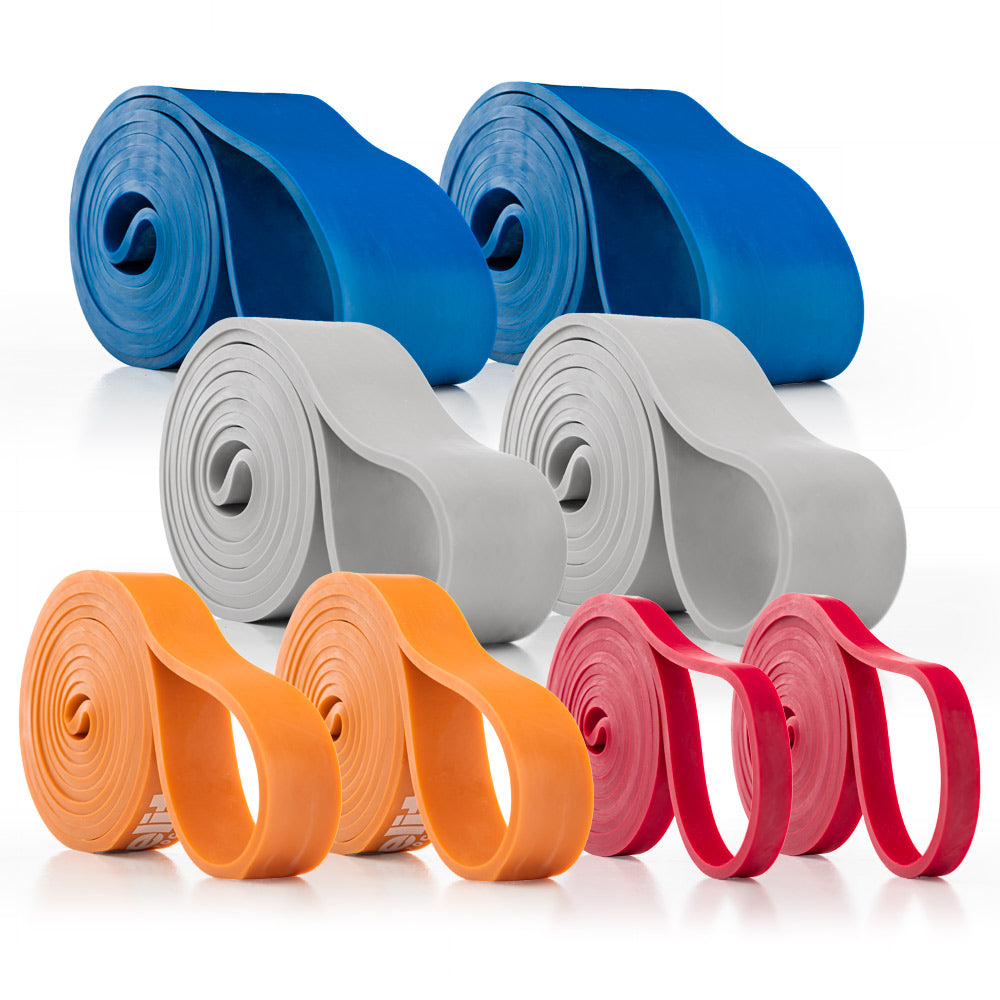
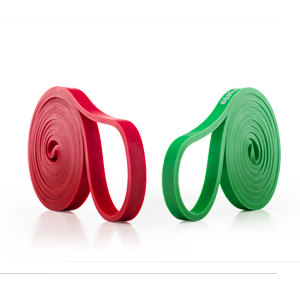
ELITEFTS PRO BANDS

Bulletproof Your Squat