

The Conjugate method is legendary for building some of the strongest athletes in history. It’s also famously confusing. For lifters navigating the system from the outside, the interplay of max effort, dynamic effort, and endless variations can feel like a labyrinth designed to create more questions than answers.
Enter Dave Tate of elitefts. As a world-class powerlifter and coach who spent years training at the system's epicenter, Tate possesses a rare ability to cut through the noise. Based on decades of in-the-trenches experience, he has refined Conjugate into a set of brutally effective, pragmatic principles. This article distills five of his most surprising and impactful lessons—insights that provide immediate clarity and can fundamentally reinvent your training.

Stop Programming Your Main Lift in Advance
For anyone accustomed to meticulously planned spreadsheets, this first lesson may seem heretical. Tate argues with absolute conviction that pre-programming your max effort lift is, to put it bluntly, "fucking stupid." The decision of which max effort squat, deadlift, or press to attack should not be made until after you’ve arrived at the gym and finished your warm-up.
This practice of "auto-regulating" liberates you from the psychological prison of a pre-written plan. It transforms your mindset from "executing a program" to "attacking what's available." Instead of forcing a lift when you’re not physically or mentally prepared, you listen to your body and choose the movement that feels strong today. This is the essence of being an effective worker: selecting the right tool that will yield the best stimulus, not just blindly following a script. This maximizes your ability to strain, enhances your enjoyment of training, and fulfills the primary objective of the max effort method.
You want to train things that feel like it's on point. You want to train things that you're excited to do. You're gonna first off you're gonna put more effort into it you're gonna enjoy it more and the number one goal of this whole movement is to strain and to teach you to strain.


Don't Know Your Weak Point? Assume It's Your Hamstrings & Triceps.
One of the most significant sources of "analysis paralysis" for lifters is identifying their specific weak points to guide supplemental work. Tate demolishes this roadblock with a simple, powerful heuristic.
If you don't know your weakness, assume it. For lower body days, assume the weak point is your hamstrings. For the bench press, think it’s your triceps 90% of the time. While Tate acknowledges that quad weakness is becoming more common with lifters using narrower stances, he immediately doubles down: "I still say even if you're that type of lifter hamstrings are still a giant... driver." This rule provides an immediate, productive starting point, ensuring you are constantly building the high-impact muscle groups that drive big lifts.
Stop guessing and start building with these staples:
- Hamstrings: Glute Ham Raises, RDLs.
- Triceps: Close-grip bench variations, JM presses, and various extensions.
Your Warm-Up Should Decompress Your Spine, Not Just Get You Sweating
Forget the 10 minutes of useless jogging on a treadmill. Dave Tate's warm-up has a specific, aggressive purpose: to decompress the spine and prepare it for intense activity forcibly. The goal isn't just raising your body temperature; it's about creating space, activating key muscles, and therapeutically preparing your joints for the load to come. Each movement has a distinct biomechanical function.
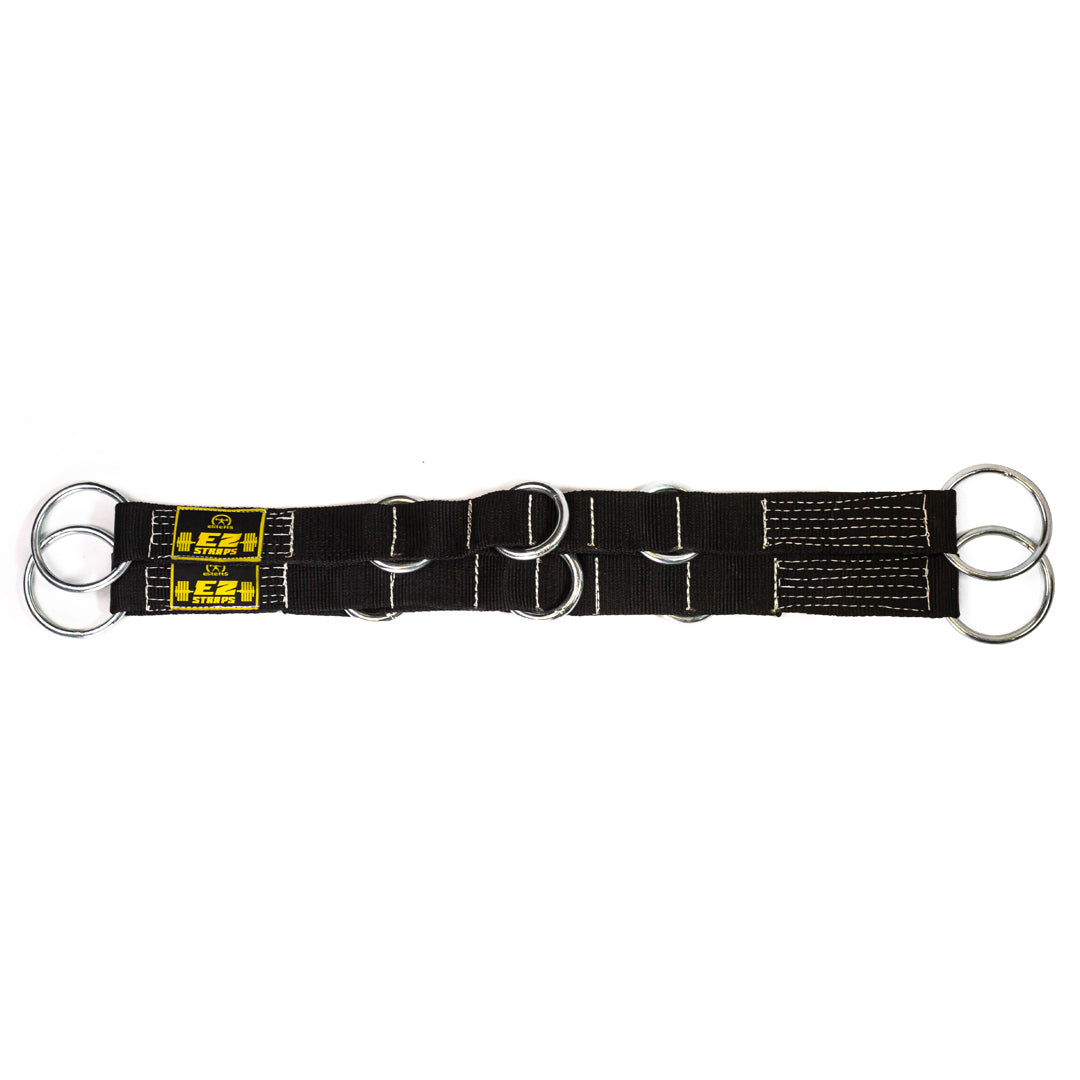
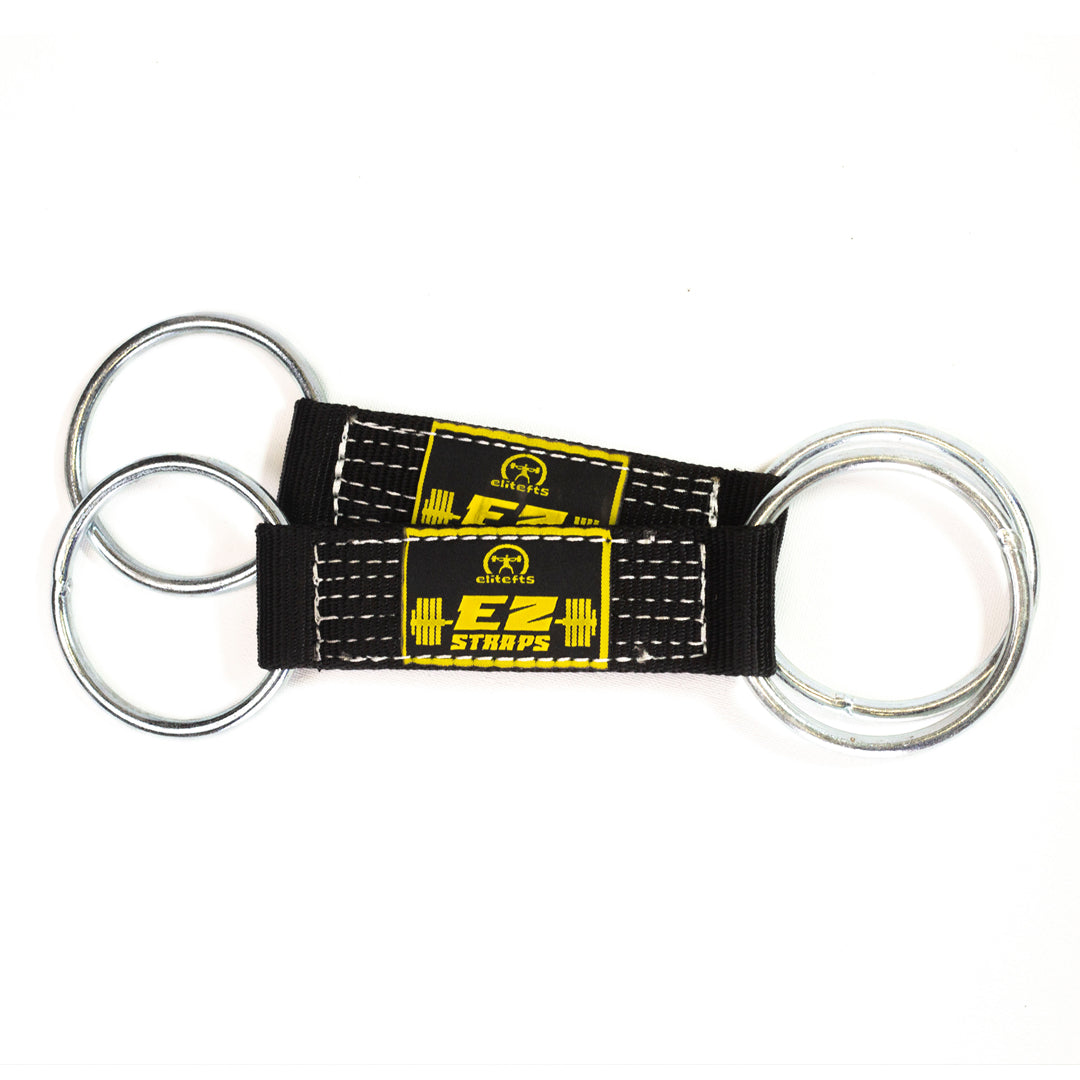
- Hanging Leg Raises (with Straps): The straps are non-negotiable. The goal isn't to tax your grip; it’s to allow your torso to hang completely limp. This lets gravity "distract"—or create traction in—the lumbar spine, gently pulling the vertebrae apart while simultaneously opening up the hips.
- Bent-Knee Reverse Hypers: This is not a heavy, swinging movement. It’s a targeted, light activation drill performed with a bent knee to isolate the glutes and focus on "getting the glutes firing" without loading the lower back.
- Pull-Down Abs: This is a therapeutic tool masquerading as an ab exercise. At the top of the movement, the cable actively pulls on your upper body, further distracting the spine. At the bottom, you deliberately round your lower back to actively stretch the spinal erectors before contracting the abs to come back up.
...the cable machine and the strap are basically held under your chin, so in the top position, it's pulling your're spying apart so it's again it's distracting your spine then it's forcing you to at the bottom, I want the lower back to round over to stretch the spinal erectors then to come back up again...
As You Get Stronger, Your "Speed Day" Weight Doesn't Have to Increase
In a world obsessed with progressive overload, the idea that your dynamic effort weights shouldn't automatically increase with your 1RM seems backward. Yet, this is the core of Tate’s "flat wave" philosophy for speed work.
The goal of speed work is to teach your central nervous system to recruit muscle fibers as quickly as possible. As you get stronger, moving the same weight requires a more violent and efficient neural signal, which is precisely the adaptation you are training for. Mindlessly adding weight is "hard" work; keeping the weight the same to become more neurally efficient is practical work. It prioritizes the actual goal (speed) over the vanity metric (weight on the bar), all while reducing recovery demands.
Tate's advice is a masterclass in effective programming: if you hit a new PR easily in a meet, don't rush to increase your dynamic effort weights. You proved the system worked. Repeat the cycle, let the percentage drop as your max climbs, and "go get what you left on the platform."
Be the Most Effective Worker, Not the Hardest Worker
This final lesson serves as the philosophical foundation for every other principle. The fitness world relentlessly preaches the virtue of being the "hardest worker in the room." Tate rejects this. The goal isn't to win a war of attrition against your own body; it's to be the "most effective worker."
Effectiveness is the synthesis of intelligent auto-regulation, targeted weak-point training, purposeful recovery, and prioritizing the actual drivers of strength over ego. It’s about optimizing every variable so that you can recover, adapt, and show up ready to perform when it counts. Being the hardest worker might get you praise in the gym; being the most effective worker gets you PRs on the platform.
I don't like that statement. I want to be the most effective worker in the room because that way you you're you optimize and you recover and then you kick ass when the meat comes around anybody can be the hardest worker in the room and then not make it to the fucking meet, you know so that doesn't really make any difference.

Train Smarter, Not Just Harder
The overarching theme of these five takeaways is that Conjugate training, when applied correctly, is an innovative, adaptable system—not just a brutal one. The principles Dave Tate champions are designed to make training more intuitive, sustainable, and ruthlessly effective. By shifting your focus from rigid plans and blind effort to auto-regulation and intelligent application, you can unlock a new level of progress.