

The Triceps Gauntlet for a Bigger Bench
When Eric Bugenhagen, Steel, and Fang rolled into the elitefts compound, I knew exactly what kind of day it was going to be. These guys are American Gladiators. They make their living being explosive, athletic, and looking the part. They came to the gym to move tremendous loads and get a massive arm pump for the cameras.
We ran them through a triceps gauntlet that left everyone absolutely cooked.
Larry Pacifico said it decades ago, and it still holds true right now. Training your triceps for a big bench has to involve heavy extensions and close-grip pressing movements. You cannot rely on light shaping exercises to drive your pressing power.
I am going to break down exactly what we did during this session. You can take these specific movements, load them up, and use them to build true lockout power and add serious mass to your arms.
Watch the Session
See the triceps gauntlet in action, then use the charts below to run the work with a purpose.
Quick-Scan Workout Chart
Use this as the map for the session. Heavy first. Technical second. Dead-stop extensions third. Absolute failure last.
| Phase | Movement | Main Goal | Execution Cue | Shop the Tool |
|---|---|---|---|---|
| 1 | Heavy Pressing with Chains and Reverse Bands | Overload the top half and teach you to accelerate. | Keep adding weight and chains until the bar speed slows down. | Pair of Chains + Pro Average Band |
| 2 | JM Press | Build triceps mass and lockout strength. | Stop around mid-bicep, then drive your palms up. | Heavy Wrist Wraps |
| 3 | Floor Extensions with Grenade Balls and Chains | Kill momentum and force the triceps to fire from a dead stop. | Let the upper arms rest, pause, then extend hard. | 3" Cable Grenade Ball |
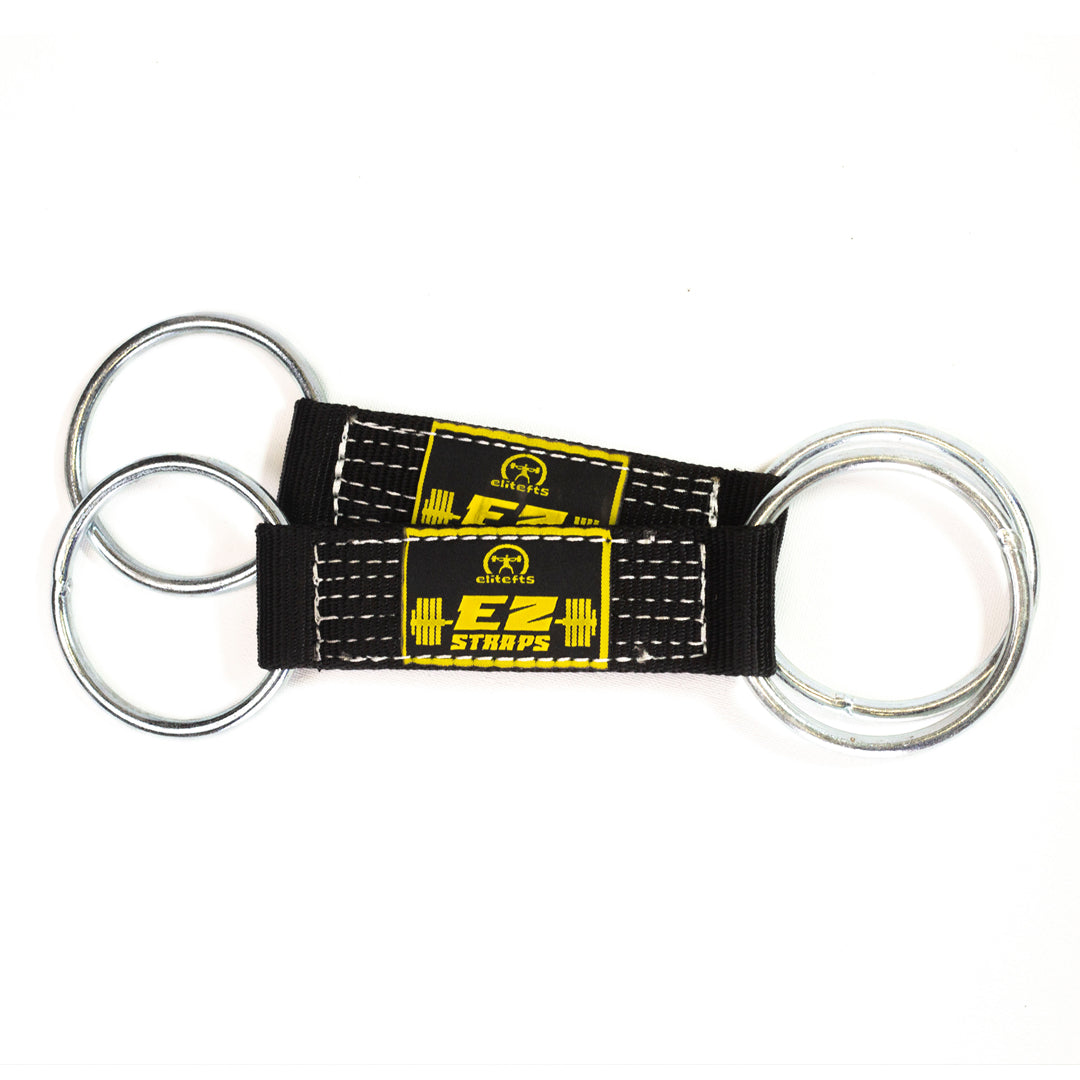
| 4 | Anti-Gravity Strip Set | Flush the triceps with blood and take them to total failure. | Do not drop the pin. Change your body position and keep going. | Pushdown Tricep Strap Pair |
The Foundation: Heavy Pressing and Accommodating Resistance
We kicked things off with heavy pressing. You do not just jump straight into isolation work when you are fresh. You have to handle heavy weights first to prime the central nervous system and overload the pressing muscles.
For this session, we set up the barbell with chains and reverse bands. Adding chains and bands allows you to accommodate your individual strength curve. A barbell is heaviest at the bottom of the lift where your leverage is the poorest. By attaching chains to the bar, we deload the weight at the bottom of the movement. As you press the bar up, the chains lift off the floor. This piles on the resistance right at the lockout.
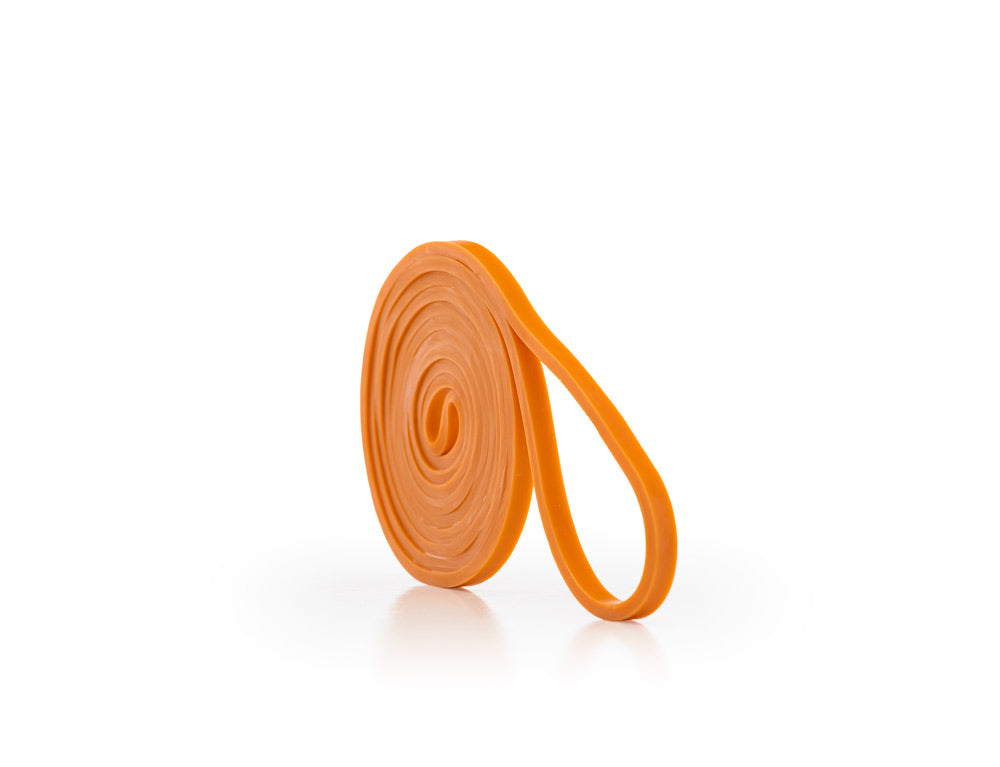
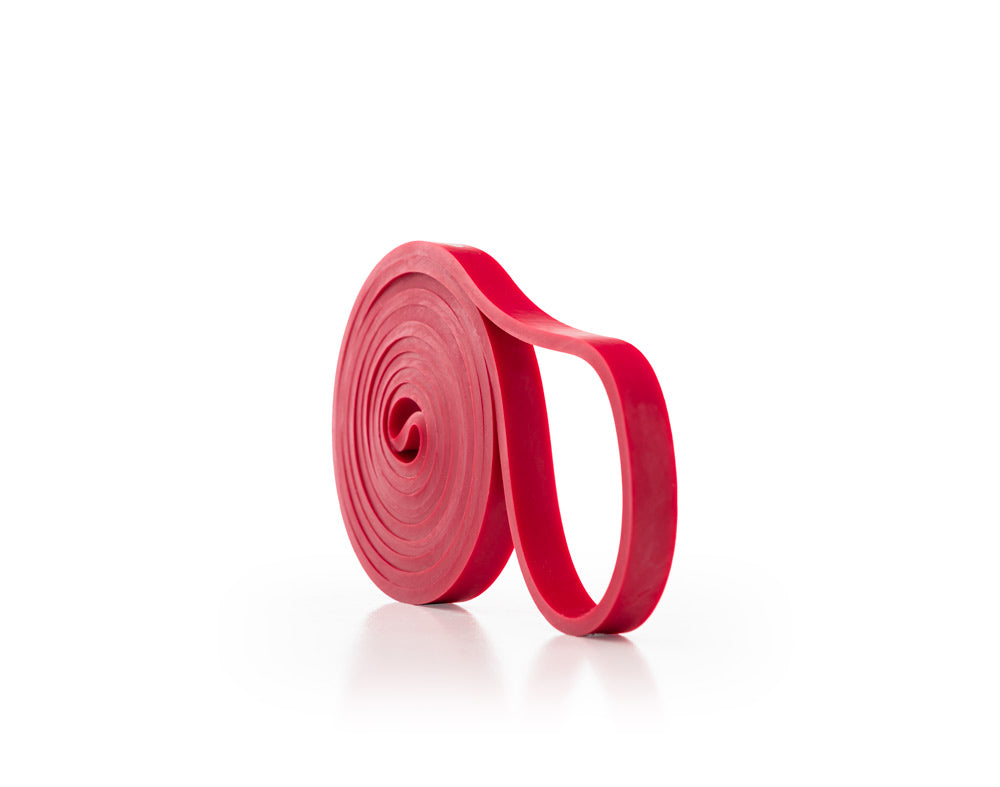
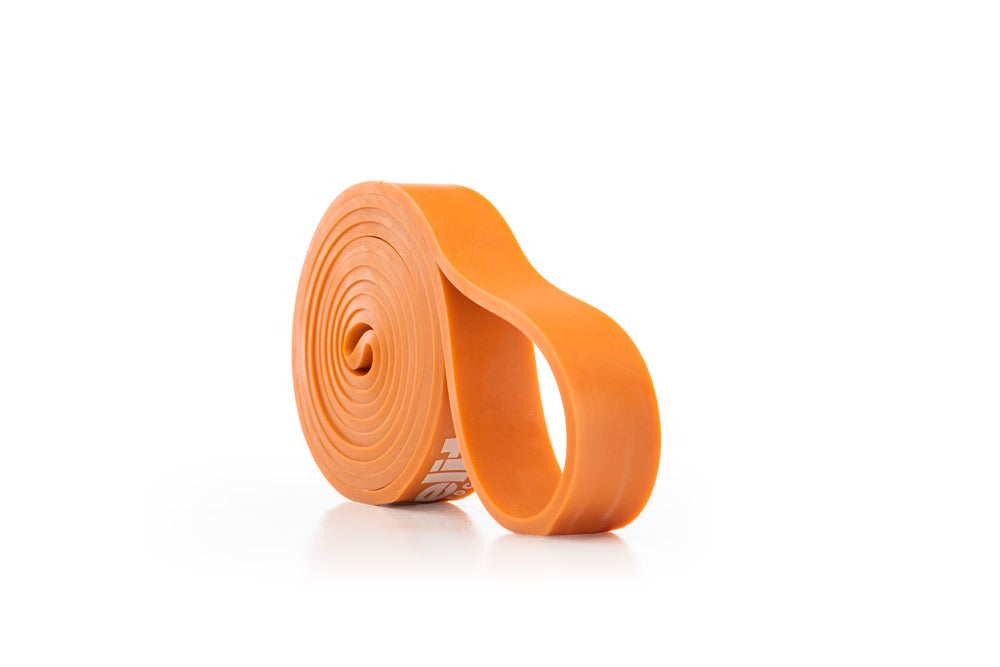
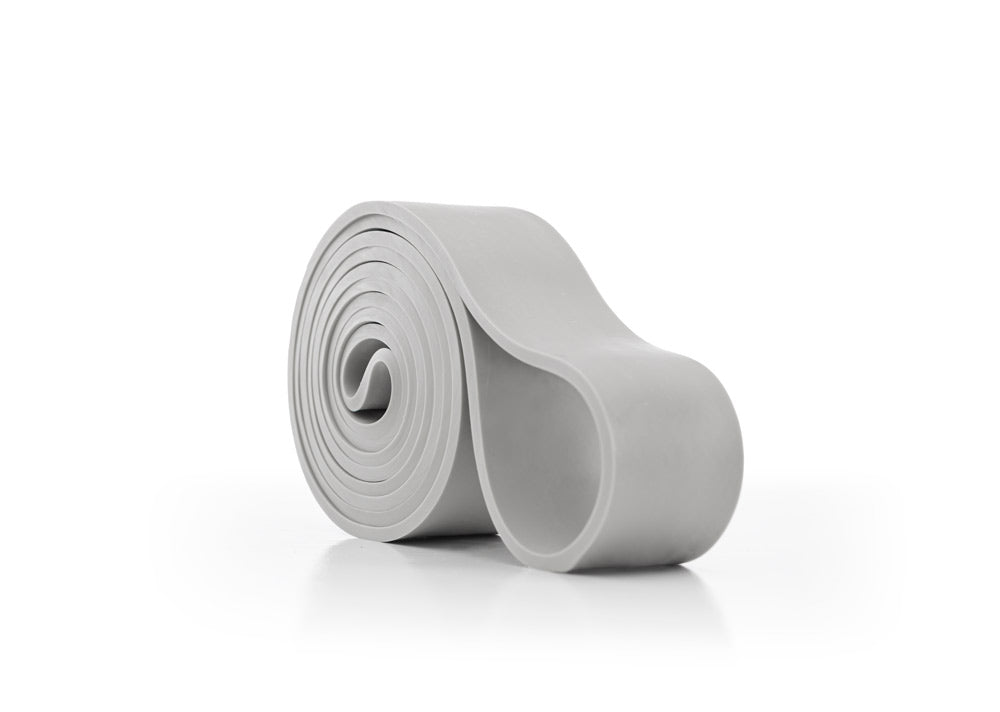
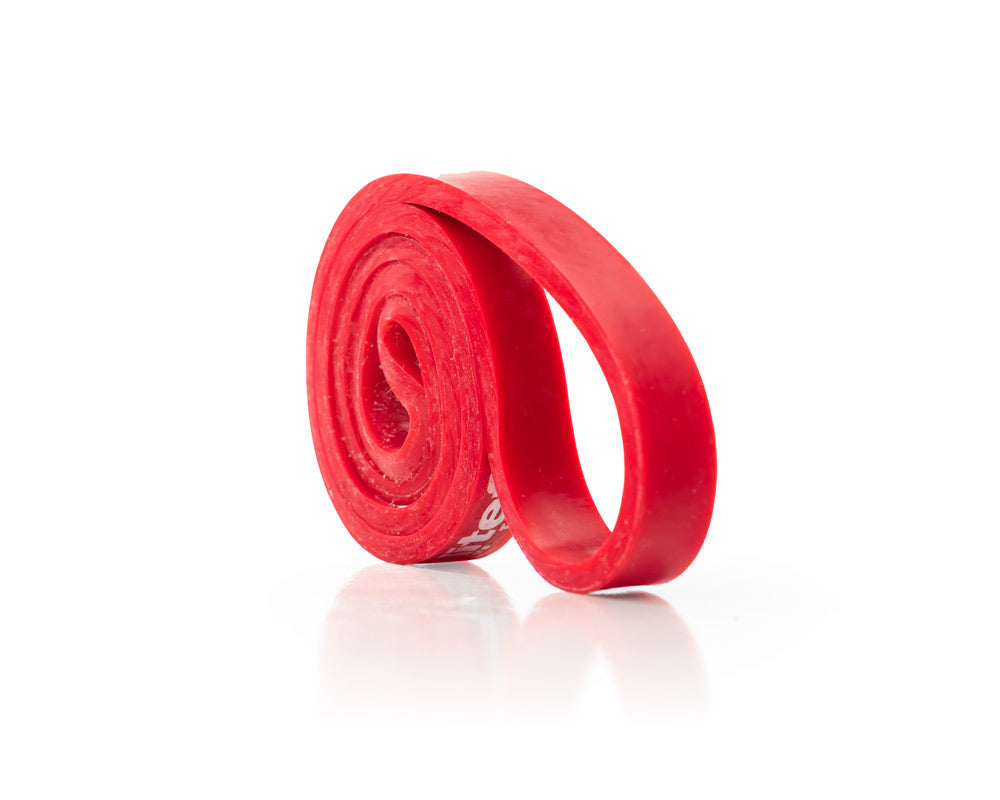
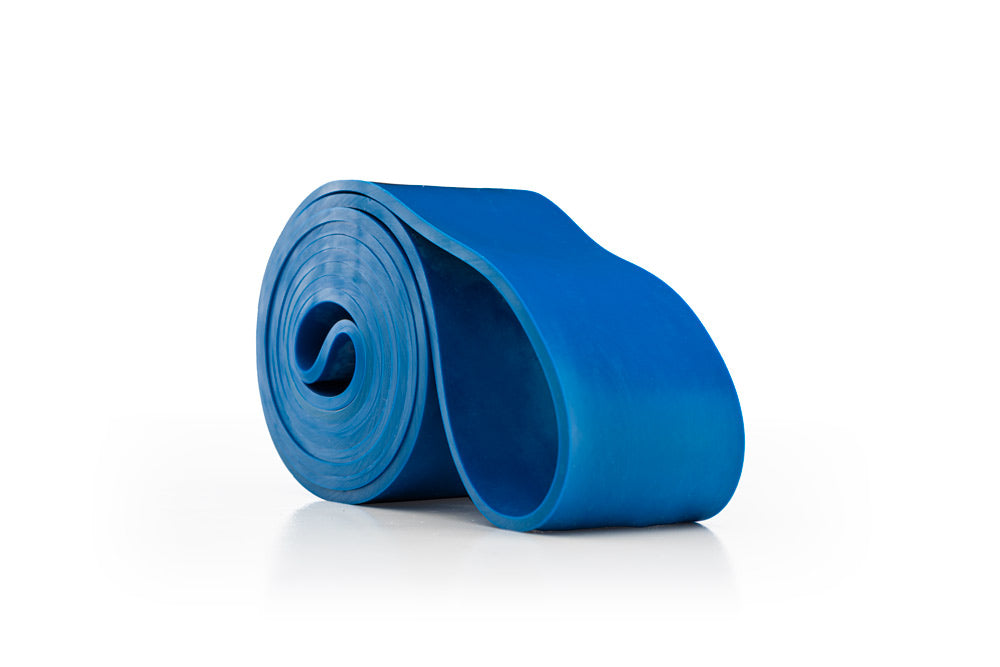
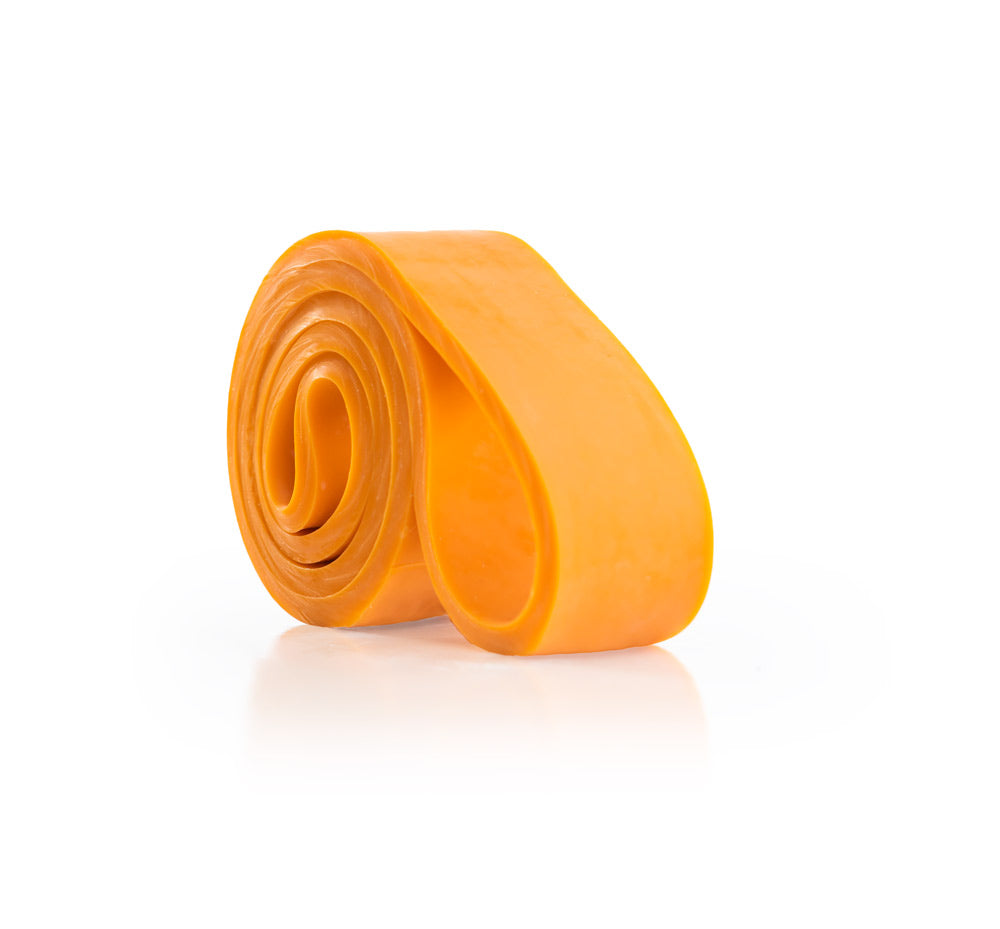
We combined this with reverse bands. We choked the bands around the top of the power rack and suspended the barbell inside them. The bands stretch as the bar descends to your chest, taking weight off the bottom of the lift. As you press up, the bands lose their stretch, forcing your triceps to handle the true weight of the bar at the top.
We worked up heavy. The progression is simple but effective. You keep adding weight and adding chains until the bar speed slows down. The goal is to expose the triceps to maximum force. By the time we hit the top sets, the tension at the lockout was massive. This builds incredible confidence with heavy weight in your hands and heavily overloads the triceps.
Head Position on the Bench
During the pressing, Eric asked me about head position on the bench. He mentioned that he felt stronger when he lifted his head off the bench slightly, even though people always told him to keep his head flat.
The reality is that some powerlifting federations require your head to stay flat on the bench. But for a guy built like Eric, with a massive neck and a huge upper back, keeping the head totally flat can be incredibly uncomfortable and unnatural. Lifting the head slightly can help lock down the upper back and keep the chest high.
You have to find the technical nuances that allow you to maintain the tightest, most stable position possible. If you are not competing in a federation that mandates a flat head, you do what allows you to press the most weight safely.
Master the JM Press
After the heavy pressing, we moved to the JM Press. This movement is named after JM Blakley and is a staple for building elite lockout strength. It is also a movement most lifters completely screw up.
Most people turn the JM Press into a sloppy skull crusher or a short-range close-grip bench press. If you do it wrong, you wreck your elbows and get nothing out of the lift. If you do it right, it puts all the tension directly on the triceps right above the elbow. That lower part of the triceps is exactly where big bench presses come from.
Here is how you execute it properly.
- Take a close grip on the barbell. You want to use a thumbless grip, also known as a false grip or suicide grip, only if you can control the bar safely.
- Keep your grip close and tuck your elbows tight to your body.
- From the lockout, let the bar fall in a straight line down toward your upper chest or neck.
- Do not bring it all the way down to touch your body. Stop the descent when the barbell is positioned about mid-bicep.
- Your forearms and biceps will press together, and that is your physical cue to stop.
- From that dead stop at the halfway point, press the bar back up. The key is to drive your palms up first.
Start very light and master the form. Once you lock in the technique, the JM Press will do more for your triceps mass and lockout strength than almost any other supplemental movement in your arsenal.
The Weak Link: Forearms, Grip, and Elbow Health
After the JM Press, we took things to the floor. We set up triceps extensions using chains and grenade balls.
Before we started the working sets, Eric brought up a common issue. He mentioned that his forearms were getting wrecked from heavy pressing and holding the attachments. This is a massive problem in the lifting community. I get asked about elbow tendonitis and forearm pain all the time.
A lot of guys complain about their elbows and forearms hurting from heavy pressing. The problem is they never work their forearms directly. Think about everything you do in the gym. Every time you hold a barbell, a dumbbell, or a cable attachment, your wrist is in a static, slightly hyperextended position. You are constantly recruiting your flexors to crush the grip, but you completely neglect your extensor muscles.
This creates a massive imbalance in the lower arm. That imbalance pulls on the tendons surrounding the elbow joint, leading to chronic inflammation and pain.
If your elbows hurt, start training your grip and your forearm extensors.
Floor Extensions with Grenade Balls and Chains
With the forearm lesson out of the way, we hit the floor for extensions.
Lying on the floor changes the entire dynamic of the extension. When you do a traditional skull crusher on a flat bench, your triceps are under constant tension at the bottom of the movement. When you perform the movement on the floor, your upper arms come to a complete rest on the ground. This breaks the eccentric and concentric chain. You lose all the momentum and the stretch reflex. You have to fire the triceps from a dead stop to get the weight moving again.
We attached chains to the cable to change the resistance curve. When your arms are resting on the floor, the chains pool on the ground. The weight is light. As you extend your arms and press the weight up, the chains lift off the floor link by link. The resistance piles on right at the lockout where your triceps are fully contracted.
To make this even harder, we used grenade balls instead of a standard handle. Grenade balls are thick, spherical attachments. You cannot just hook your thumbs over them and relax your hands. You have to actively crush the grenade balls just to hold on to the weight.
The Anti-Gravity Strip Set
We finished the session back on the cable machine. We did not just do a standard set of pushdowns to get a pump. We did what I call an anti-gravity strip set.
This is a brutal finishing technique designed to push the muscle to absolute failure. It flushes the triceps with blood and forces you to find out where your mental limits actually are.
You start standing up at the cable stack. You pick a moderate weight and pump out as many strict reps as you can until you hit total failure. You go until you literally cannot move the pin one more inch.
Usually, this is where a set ends. But not on this day.
Instead of dropping the pin and lowering the weight, you change your body position to alter your leverage. As you fatigue and hit failure standing up, you step back and squat down slightly. You lower yourself closer to the floor to change the angle of the pushdown.
Suddenly, you have a mechanical advantage again. You keep pumping out reps from this lower position. When you fail there, you drop even lower. You squat down until you are practically sitting on the floor, pulling the cable from above your head down to your chest. You go until you reach absolute total failure in every single position.
You have to keep pushing until the muscle completely gives out.
Training Emphasis Chart
Each phase has a job. Do not turn every movement into the same thing.
| Exercise | What It Builds | What to Avoid | Why It Matters |
|---|---|---|---|
| Chain + Reverse Band Pressing | Max force, bar speed, lockout confidence | Pressing slowly and letting the top half bury you | It exposes the triceps to massive tension where the bench press has to be finished. |
| JM Press | Triceps mass right above the elbow | Turning it into a sloppy skull crusher | It teaches the triceps to take the load instead of dumping it into the shoulders. |
| Floor Extensions | Dead-stop extension strength | Bouncing the upper arms off the floor | It removes momentum and makes the triceps start each rep from nothing. |
| Anti-Gravity Strip Set | Hypertrophy, blood flow, mental toughness | Quitting as soon as the first position fails | It forces you past the point where most lifters stop. |
Shop the Session
These are not random add-ons. These are the tools that match the work: accommodating resistance, heavy pressing support, grip-heavy cable work, and triceps-focused attachments.
Pair of Chains
Use them to deload the bottom and pile on resistance at lockout.
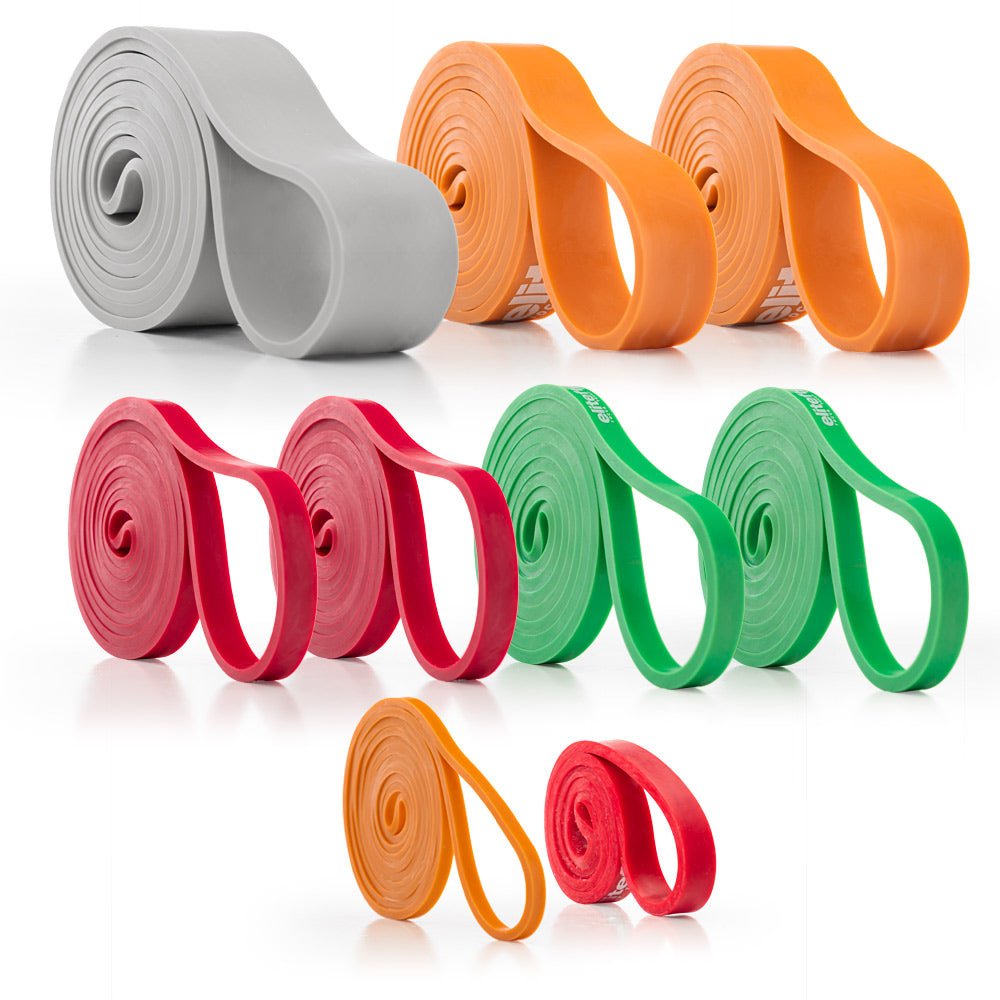
Shop ChainsPro Average Resistance Band
Set it up for reverse-band pressing and force the triceps to handle the true weight at the top.
Shop Band3" Cable Grenade Ball
You cannot relax your hand on these. You have to crush the attachment and extend hard.
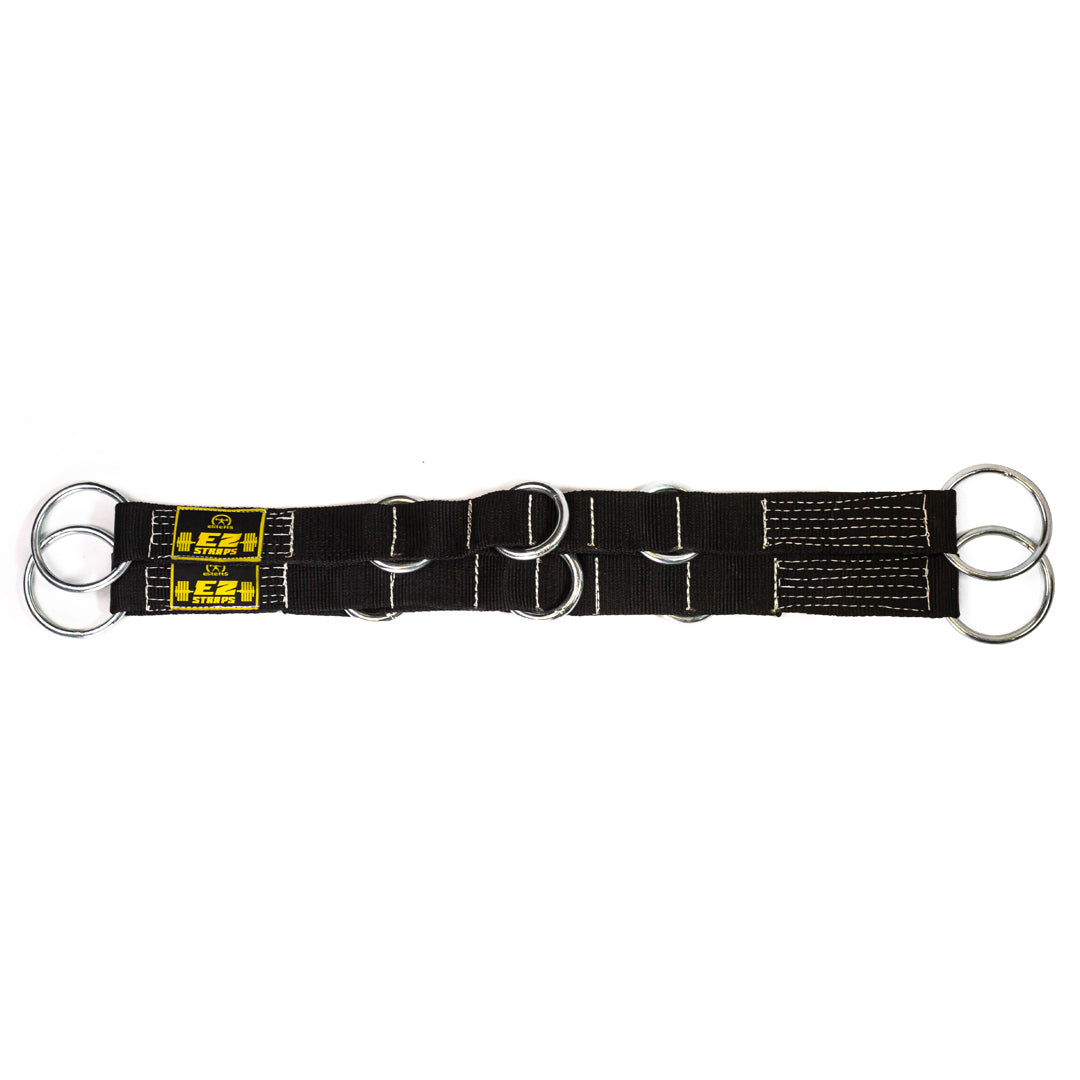
Shop Grenade BallPushdown Tricep Strap Pair
A strong choice for hard pushdowns, high-rep work, and brutal finishing sets.
Shop Strap PairFat Bar Triceps Pressdown Attachment
Use a thicker handle when you want a hard contraction and a serious triceps pump.
Shop Attachmentelitefts Heavy Wrist Wraps
Keep your wrists stacked and supported when the pressing starts getting heavy.
Shop Wrist WrapsDo the Work
This workout left everyone with an insane pump. We broke out the tape measure at the end, and everyone walked away with arms measuring well over 19 and 20 inches.
But the pump is just a byproduct of doing the right things for the right reasons. This session reinforced what it takes to build real strength and size.
- Start your triceps work with heavy, compound pressing.
- Use chains or bands to accommodate the resistance and overload the top half of the lift.
- Master highly technical movements like the JM Press to isolate the triceps without wrecking your shoulders.
- Train your grip and your forearm extensors to keep your elbows healthy so you can stay in the game.
- Finish the day with an accessory movement that takes your muscles to total, absolute failure.
Put in the time under the bar. Do the work.