

“Strength training doesn’t have to be complicated. Give athletes the right movements, load them intelligently, and progress them over time.”
I initially wrote an article in 2013 extolling the virtues of the 5 × 5 system, originally developed by Reg Park and further popularized by Bill Starr in his football strength training book, The Strongest Shall Survive. I wanted to revisit that content through the lens of an additional 13 years of training and coaching experience and hopefully add to the original.
Here is a link back to that original piece: Ruck & Maul: Building a Better Mouse Trap
Every powerbuilder from the 1940s to the present day, along with many strength coaches, has used this system and gained both size and strength from it. Fast forward to the present day, and I still use the system in my own training and with the people I train. I would say unreservedly that the 5 × 5 and Wendler’s 5/3/1 are two of the most successful programs of all time.
Starr’s work has a quality that many great training systems share—simplicity on the surface and depth underneath. At first glance, the program looks almost too simple to be effective. But like peeling an onion, each layer reveals something more. The longer you coach and train, the more you realize how carefully the system was constructed.
Which raises a question.
Am I about to commit a little heresy?
For most of my career, I have built my programs around the same principles Starr championed: heavy weights, basic movements, and consistent progression. The structure is straightforward—each session revolves around a pull, a push, and a squat movement. Those three categories form the backbone of training for size, strength, and power.
And make no mistake: I still believe the 5 × 5 system is one of the best programs ever developed for building strength and muscle.
But over the years, I’ve experimented with other loading structures that fit very well alongside the 5 × 5 philosophy. It doesn’t replace it. Instead, it offers another tool that coaches can use to manage intensity and volume while keeping athletes progressing.
The System Blends Two Ideas
- Prilepin’s Chart, which identifies optimal rep ranges at different intensities
- Undulating loading, where intensity changes from week to week
As well as utilizing a variety of sets, reps, and loading structures.
Training Style Variations
Instead of standard sets, several methods can be used:
Straight Sets
Normal 5 × 5 sets.
Two approaches:
- Plateau Load – same weight every set
- Step Load – increase weight each set
Circuits
Perform the three main lifts back-to-back with minimal rest.
Accommodating Resistance
Use:
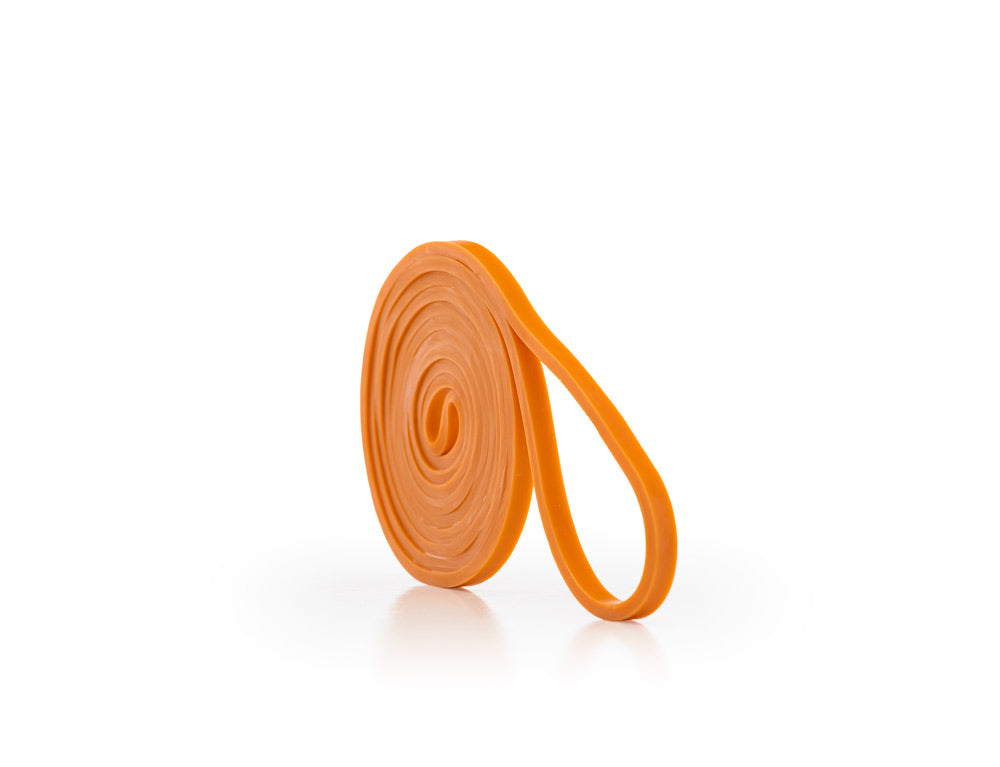
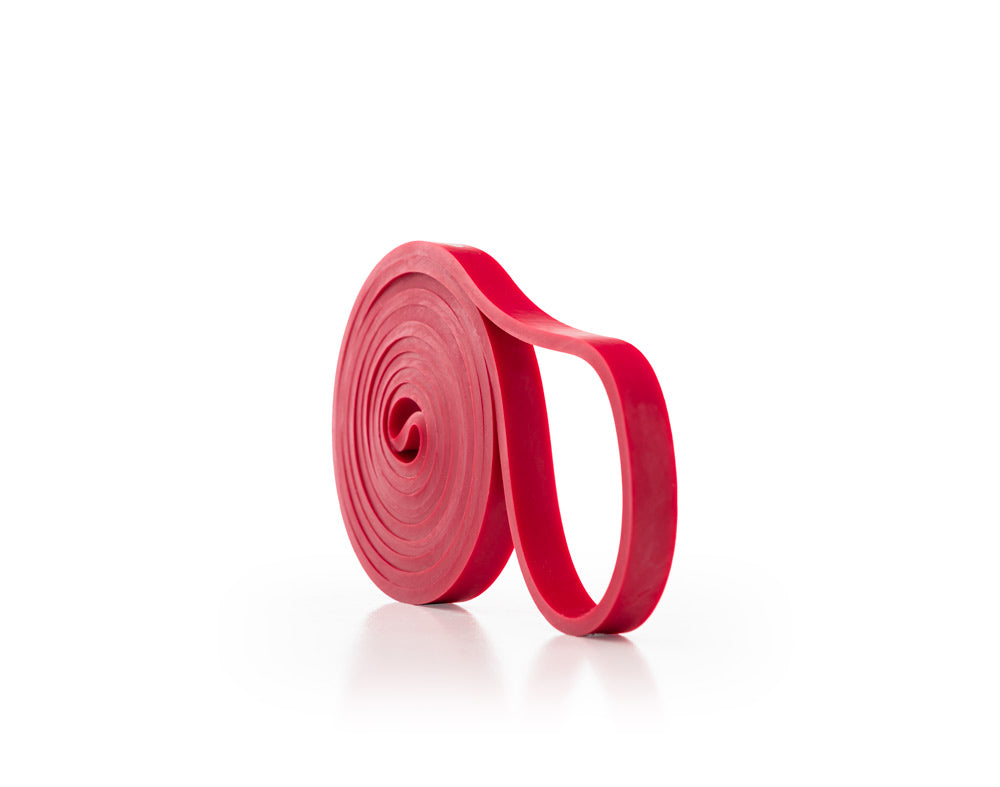
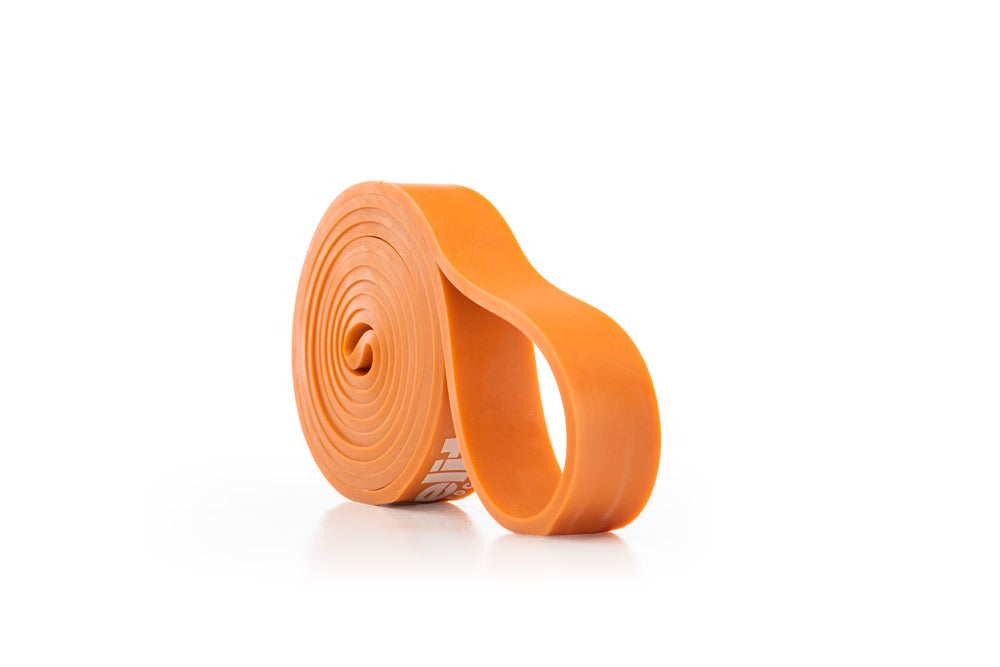
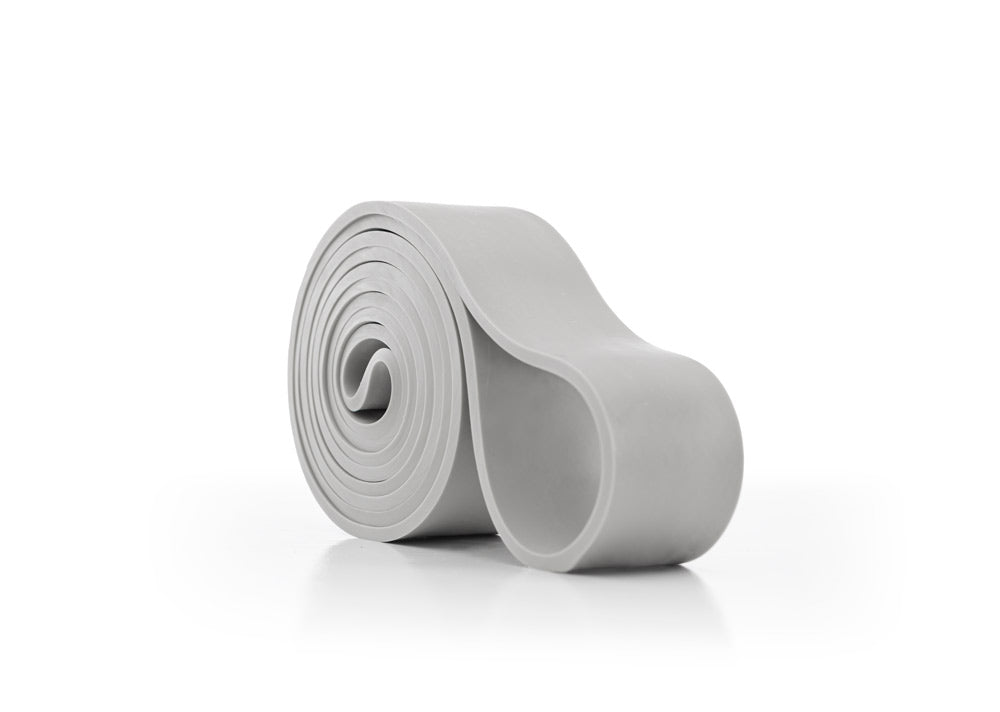
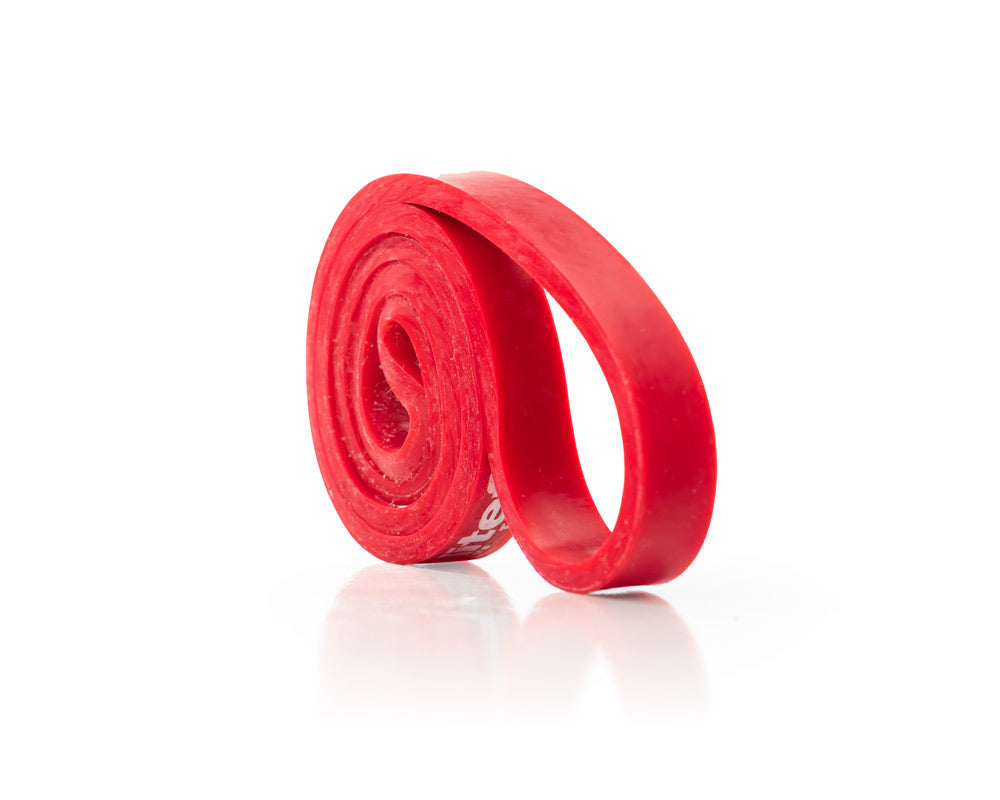
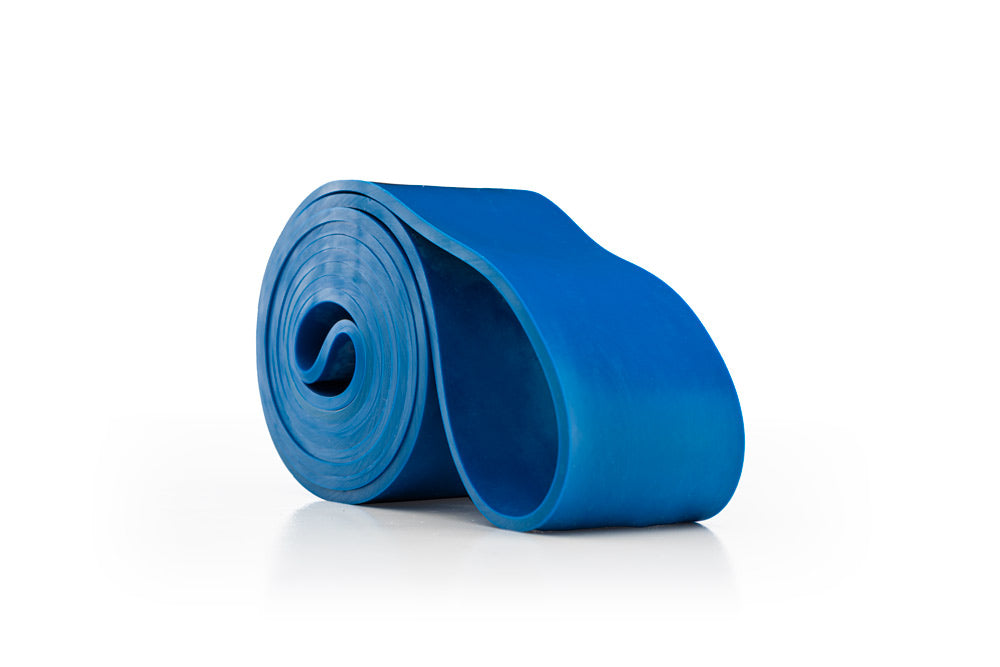
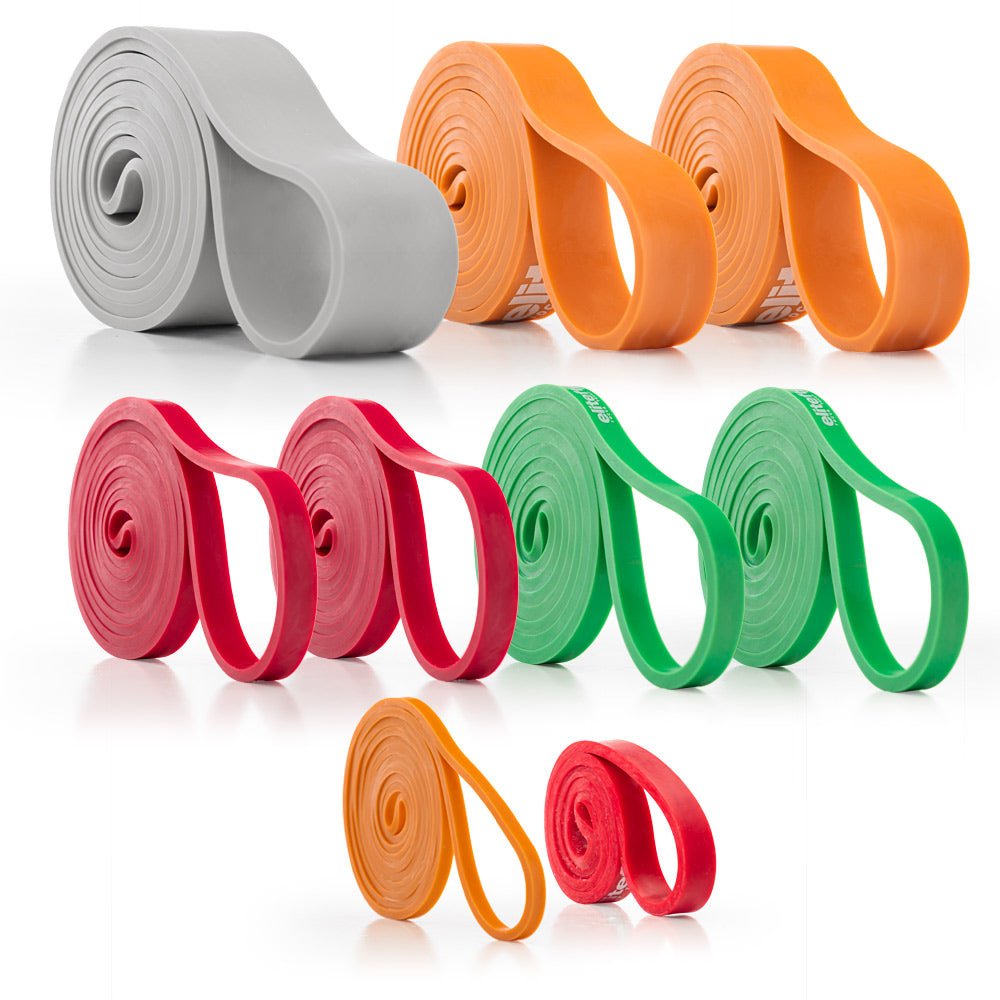
- Bands
- Chains
- Weight releasers
This changes resistance throughout the lift.
Cluster Sets
Break a set into small singles with short rests.
Example:
5 reps = 1 rep + 15–20 sec rest × 5
Rest-Pause Sets
Finish the last set like this:
Example:
4 reps → rest 10–15 sec → 1 extra rep
What Is Prilepin’s Chart?
Many rugby players and some sports strength coaches may have heard the name Prilepin, but they often aren’t sure what it actually means.
Prilepin’s Chart comes from Soviet Olympic weightlifting research. Coach A.S. Prilepin analyzed thousands of training sessions and recorded how many reps lifters could perform at different percentages of their one-rep max before performance started to drop.
Prilepin observed that strength athletes performed best when they accumulated a specific number of total reps at a given intensity.
The goal is to stay within the optimal range whenever possible.
The key takeaway is simple:
- Too few reps don’t stimulate enough adaptation
- Too many reps create excessive fatigue
- Staying within these ranges helps athletes accumulate the right amount of work at the right intensity.
| Intensity (%1RM) | Optimal Reps | Acceptable Rep Range | Typical Sets |
|---|---|---|---|
| 60–70% | 24 | 18–30 | 3–6 |
| 70–80% | 18 | 12–24 | 3–6 |
| 80–90% | 15 | 10–20 | 4–8 |
| 90%+ | 7 | 4–10 | 2–5 |
That’s exactly why the four-week strength wave works so well—it stays within those proven ranges while allowing intensity to rise and fall naturally.
The Four-Week Undulating Strength Wave
| Week | Sets × Reps | Intensity | Total Reps | Prilepin Range | Training Focus |
|---|---|---|---|---|---|
| Week 1 | 4–5 × 6 | 60–69% | 24–30 | 18–30 | Volume / Hypertrophy |
| Week 2 | 5–6 × 3 | 80–89% | 15–18 | 10–20 | Strength |
| Week 3 | 5–6 × 4 | 70–79% | 20–24 | 12–24 | Strength + Volume |
| Week 4 | 3–4 × 2 | 90%+ | 6–8 | 4–10 | Max Strength |
This can be modified to a more hypertrophy-emphasis program by using just Weeks 1, 2, and 3, or a strength-emphasis program by using Weeks 2, 3, and 4.
I’ve used this structure—or slight variations of it—for many years in my rugby strength and power programs.
One thing I’ve noticed is that the athletes begin to understand training better. Instead of repeating the same loading scheme every week, they see how volume, intensity, and recovery interact. The program teaches them something about the process, not just the exercises.
Another advantage is longevity.
Most rugby players are nowhere near their ultimate strength potential so that they can stay on a structured program like this for quite a long time. Athletes in pure strength sports often need more variety as they progress to higher levels of development. But field-sport athletes can progress steadily with a relatively simple system.
I’ve applied this progression to nearly all compound, multi-joint movements. It works just as well for Olympic lifting variations as it does for powerlifting-style exercises. Most importantly, it preserves the basic structure that has proven effective for decades: a pull, a push, and a squat in each workout.
The program is also very flexible. It works well as a two- or three-day full-body program, and it can easily be adapted to a four-day split organized around upper and lower body push and pull patterns for more of an off-season approach.
Examples of Weekly Structure
Two Days Per Week
| Workout 1 | Power Clean / Back Squat / Bench Press |
| Workout 2 | Power Snatch / Front Squat / Incline Bench Press |
Three Days Per Week
| Workout 1 | Power Clean / Back Squat / Bench Press |
| Workout 2 | Power Snatch / Front Squat / Incline Bench Press |
| Workout 3 | Deadlift / Overhead Squat / Push Press |
Four Days Per Week
| Workout 1 | Power Snatch / Front Squat |
| Workout 2 | Push Press / Weighted Chins |
| Workout 3 | Power Clean / Back Squat |
| Workout 4 | Incline Bench Press / Bent Row |
Why Modify the 5 × 5 System?
If you train for many years, you may encounter:
- Injuries
- Plateaus
- Adaptation to the same exercises
To continue progressing, you can:
- Rotate exercises
- Use specialty bars
- Change training styles
“Variation hastens adaptation.”
But staying with the same movements longer than roughly three weeks can cause:
- Accommodation
- Stagnation
- Regression
Add in the CARE (Core Accessory Rehab Exercise)
Whilst the big three have stood the test of time as the core foundations of size and strength programming, I would add individual-specific movements to ensure players address their own imbalances, as well as an injury-prevention strategy.
Players select 3–5 exercises from specific categories on each training day. These are all needs-based. Here is a brief selection of possible categories:
Unilateral Knee & Hinge
Lats / Upper Back
Unilateral Upper-Body Push & Pull
Rotator Cuff / Shoulders / Scap
Groin / Hamstring
Calves / Ankle
Biceps / Triceps (elbow integrity)
Core (loaded & unloaded)
Knee / Thoracic / Rotational
Neck
Grip
Example Training Session From My Own Training
1. Band Box Squat
- 5 × 5
- 50% bar weight + 33% band tension
- Speed-Strength, 3-week pendulum wave at 50 / 55 / 60% bar weight
- Uses accommodating resistance: bands, chains, or weight releasers
2. Power Clean
- 5 × 5 cluster singles (5 × 1 + 1 + 1 + 1 + 1)
- Increasing weights from 80%
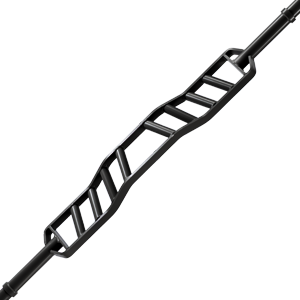
3. Cambered Swiss Bar Bench Press
- 5 × 5 at 81%
- Last sets used rest-pause to complete the 5
I also track INOL (Intensity Number of Lifts) to monitor training load.
Key Takeaways
- 5 × 5 remains one of the best strength systems ever
- Rotate exercises every roughly 3 weeks
- Use specialty bars and training variations
- Add methods like clusters, bands, and rest-pause
- Track training stress using metrics like INOL
- Use CARE programming to ensure balanced development
The overall philosophy:
Keep the simple 5 × 5 structure, but continuously vary the exercises and loading methods.
| Lower Body Pull (Modified Olympic) | Squat | Upper Body Push |
|---|---|---|
| Modified Olympic options, contralateral one-arm DB hang power clean, Swiss bar power variations, revolving axle bar, Tsunami bar | Cambered Bar, Safety Bar, Marrs Bar, Tsunami Bar, Earthquake Bar, Axle Bar for Zercher, box squat variations, Front Squat, Back Squat, single-leg variations, RFESS, Split Squat | Bench Press, Incline Press, Military Press, Swiss Bar, Cambered Swiss Bar, Tsunami Bar, Earthquake Bar, DBs or straight bar, Push Press, Push Jerk, Split Jerk, Log Bar |
The goal here isn’t to replace Bill Starr’s ideas. If anything, it’s the opposite.
This approach builds on the foundation he laid decades ago—heavy, basic barbell training performed consistently and intelligently.
Strength training doesn’t have to be complicated. In fact, it rarely should be.
Give athletes the right movements.
Load them appropriately.
Progress them over time.
The strongest will still survive.
Ashley Jones is a strength & conditioning coach with 30+ years in professional sport across seven countries, best known for his work in rugby from club to international levels—including two Rugby World Cups with teams from both hemispheres. He was named NSCA Professional Coach of the Year (2016) and received the NSCA Boyd Epley Lifetime Achievement Award (2023). He’s also a long-time Elitefts columnist.