

Composure Wins the Platform
Jared Martin's 385-kilo decision shows why strength without judgment is just another way to miss.
TL;DR
The strongest competitive decision is not always the heaviest attempt. Jared Martin survived five meets in 16 months, profound personal loss, and a torn hamstring at the World Games by separating emotion from execution. The lesson for lifters is simple: build a plan, train composure, know the outcome that matters, and make the call that protects it.
Powerlifting loves the dramatic number. A thousand-pound squat. A world record. The pull that wins the meet. Those moments look clean after the fact because the highlight reel deletes everything that made the decision difficult.
Jared Martin's story is not clean. It is a 1,000-pound double in training, five meets in 16 months, the death of his wife during World Games preparation, a hamstring that popped during his second deadlift, and one final choice between 385 and 400 kilos. The important part is not that he was willing to hurt. Plenty of lifters can get emotional and do something reckless. The important part is that he could still think.
The Governor Behind the Thousand-Pound Double
Early in the conversation, Martin explains the training lift he will remember forever. After a hip injury pushed him toward equipped lifting, he began learning the suit without obsessing over the load. He sent video to Jeremy Hartman asking how the movement looked. Only later did Hartman point out that the weight was already within roughly 15 kilos of a world record.
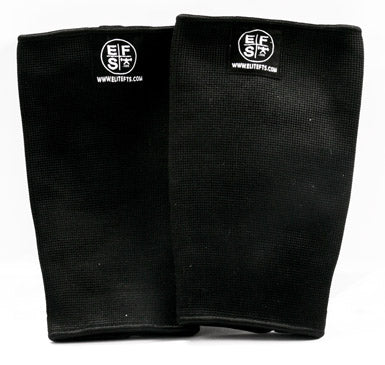
Two years later, Martin traveled to a gym with enough competent spotters to take a real run. His normal garage setup did not allow that kind of risk. He worked up with the straps down and knee sleeves on, called for 455 kilos, and made the first rep. When the second was called, he made that too. Then the spotters took the bar before he could turn the set into something stupid.
Real aggression has a governor. The plan tells you when to attack, and the people around you tell you when the set is over.
Martin said that when a coach tells him one or two reps, he prepares mentally for one more. That does not mean he automatically takes it. It means he is not surprised if the set demands another rep. The distinction matters. Preparation creates options. Ego removes them.
This is where many lifters get attempt selection wrong. They think confidence means choosing the biggest number they can imagine. Confidence is knowing what you can execute, understanding the cost, and having enough control to stop when the purpose has been met.
Surviving the Qualification Meat Grinder
Martin did not arrive at the World Games through one perfect peak. He moved from USAPL to Powerlifting America specifically to chase that opportunity. The route required five meets in about 16 months: national-level competition, the Arnold, another national meet, IPF Worlds in Iceland, and finally the World Games.
He described the stretch as a meat grinder. If he was not training or working, he was doing something to recover. Compression, rolling, stretching, sleep, and daily attention to whatever hurt were not optional add-ons. They were the price of staying in the qualification process.
The practical lesson is not that every lifter should live in recovery gear. It is that ambitious calendars create a recovery bill. If you stack competitions, travel, heavy equipment work, and life stress, you cannot pretend each peak exists in isolation. Every block inherits fatigue from the one before it.
| Decision | Question to Ask |
|---|---|
| Add another meet | What fatigue and travel does it add to the next peak? |
| Push a training PR | Does the environment make the risk acceptable? |
| Take the bigger attempt | What outcome are you actually trying to secure? |
When the Hard Thing Is Not the Bar
Near the end of May, several months before the World Games, Martin's wife died. He made clear that nobody pushed him to continue. His coaches and family would support either choice. But if he wanted to compete, he had to decide soon enough to begin preparing.
Training had been a constant since he was twelve. That routine gave him somewhere to go, but it did not make grief disappear. Martin talked openly about using the World Games as a way to honor the goals he and his wife had discussed, while also recognizing that performance could postpone parts of the grieving process.
After the meet, he began deliberately making space to face what he had been carrying. He called the process emotional regulation. The exact method was personal, and it is not a template for everyone. The transferable point is that he stopped pretending emotion could be buried forever without showing up somewhere else.
Important boundary: Training can provide structure, but it is not grief counseling, medical care, or a substitute for professional support. Acute injury and serious mental-health distress require qualified help, not a harder set.
On the platform, emotional control has a mechanical purpose. If rage takes over, you stop noticing where the hips are, whether the brace has leaked, or how the bar is moving. Too little arousal and you cannot create force. Too much and you lose the ability to correct. The competitive skill is finding the level where aggression serves execution.
385 Kilos Was the Stronger Call
At the World Games, unusually tight knee wraps were placed higher on Martin's leg than he was used to. His third squat went well, but his right hamstring burned through the bench portion of the meet. During his second deadlift, he felt a pop at lockout. He knew something had torn.
The math was brutal and clear. Pull 385 kilos and he likely secured second. Miss it and he could fall to fourth. Take 400 for first and the miss carried the same drop. Martin had entered the meet ready to load 400 if that was what victory required. In that moment, however, the podium mattered more than the fantasy of the biggest possible finish.
He chose 385 because he believed he could complete it even with the damaged hamstring. That is the central lesson of the episode. He did not become less competitive. He defined the win correctly.
For coaches and lifters, the checklist is straightforward:
- Name the real objective. A total, placing, qualifying number, or successful return are not the same goal.
- Know the downside. Attempt selection must include what happens if the lift misses.
- Use evidence. Training history, warm-ups, technical condition, and injury status matter more than hype.
- Keep communication clean. The athlete supplies feedback; the handler supplies math and perspective.
- Stop when the job is done. More weight is not automatically more success.
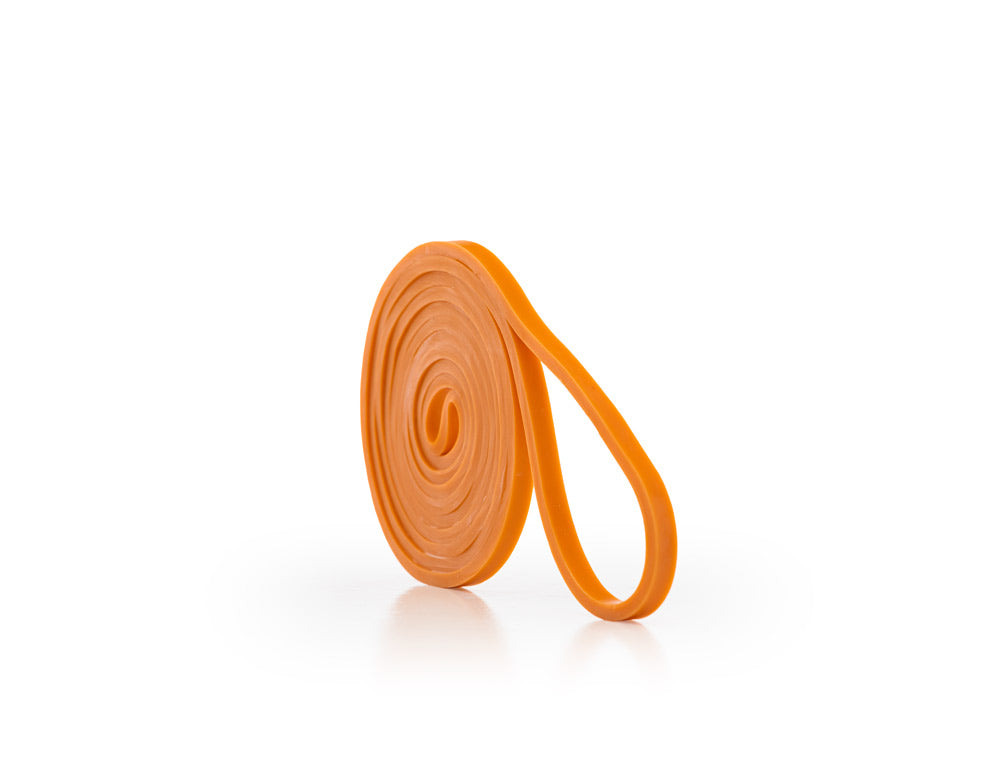
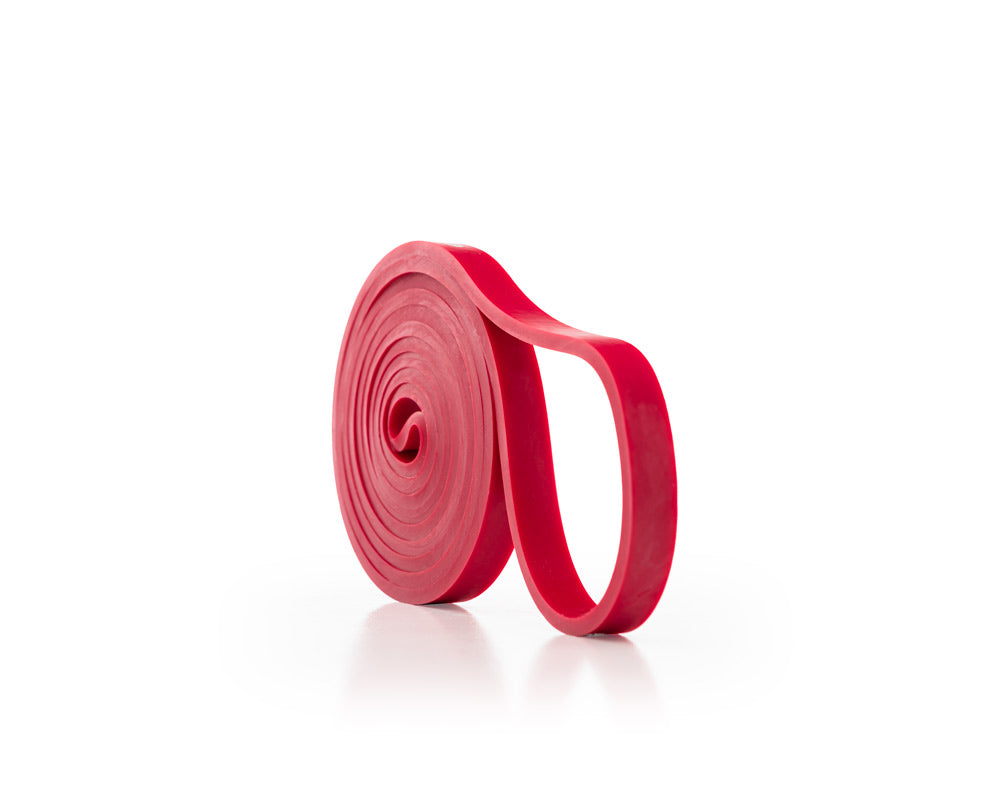
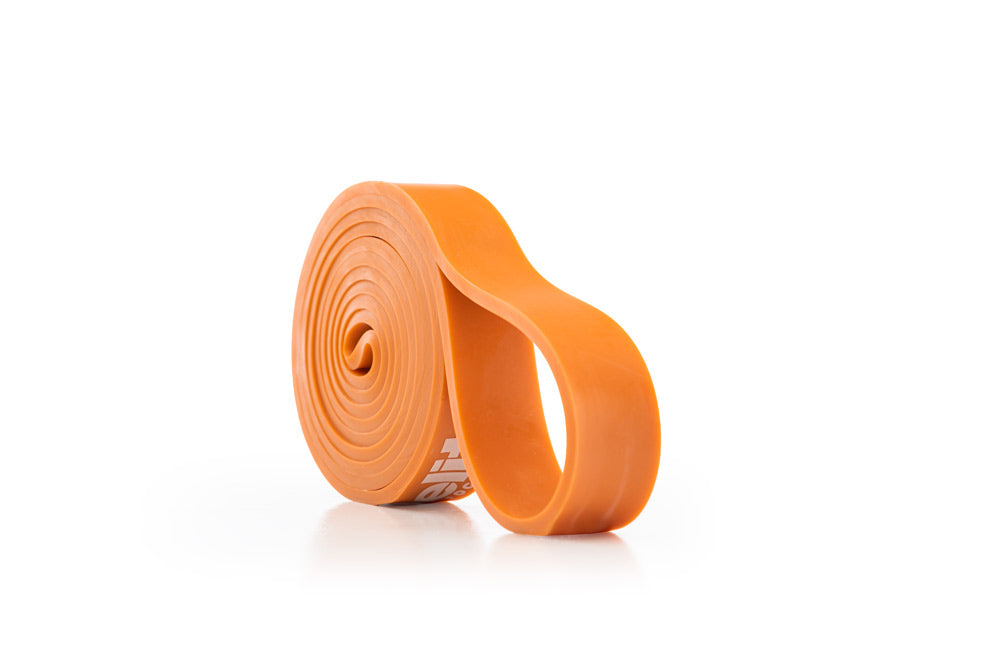
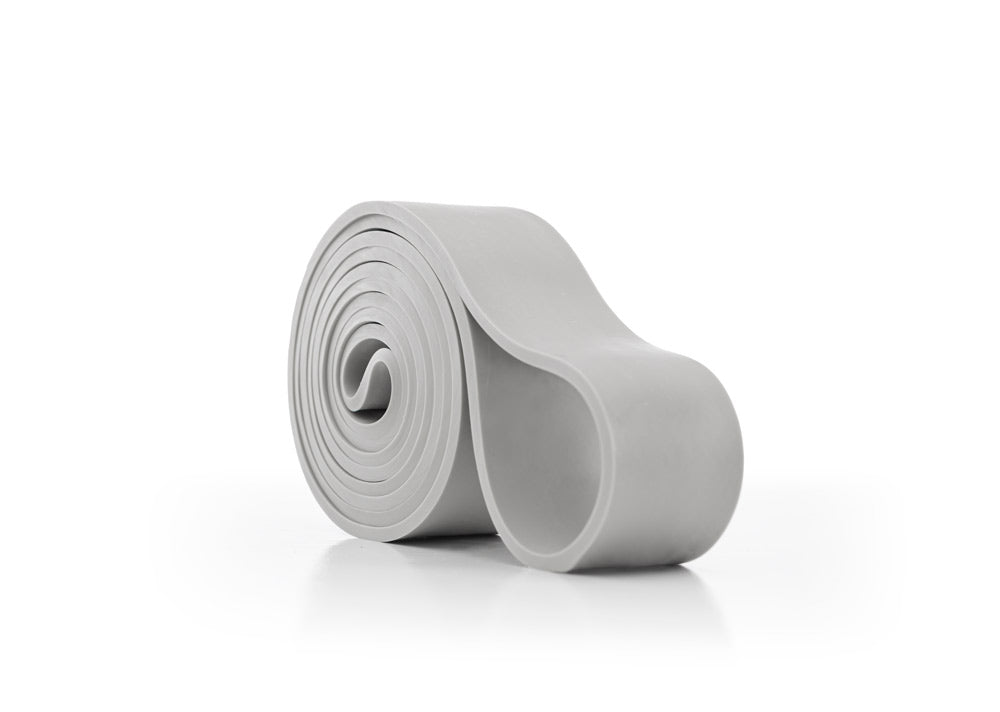
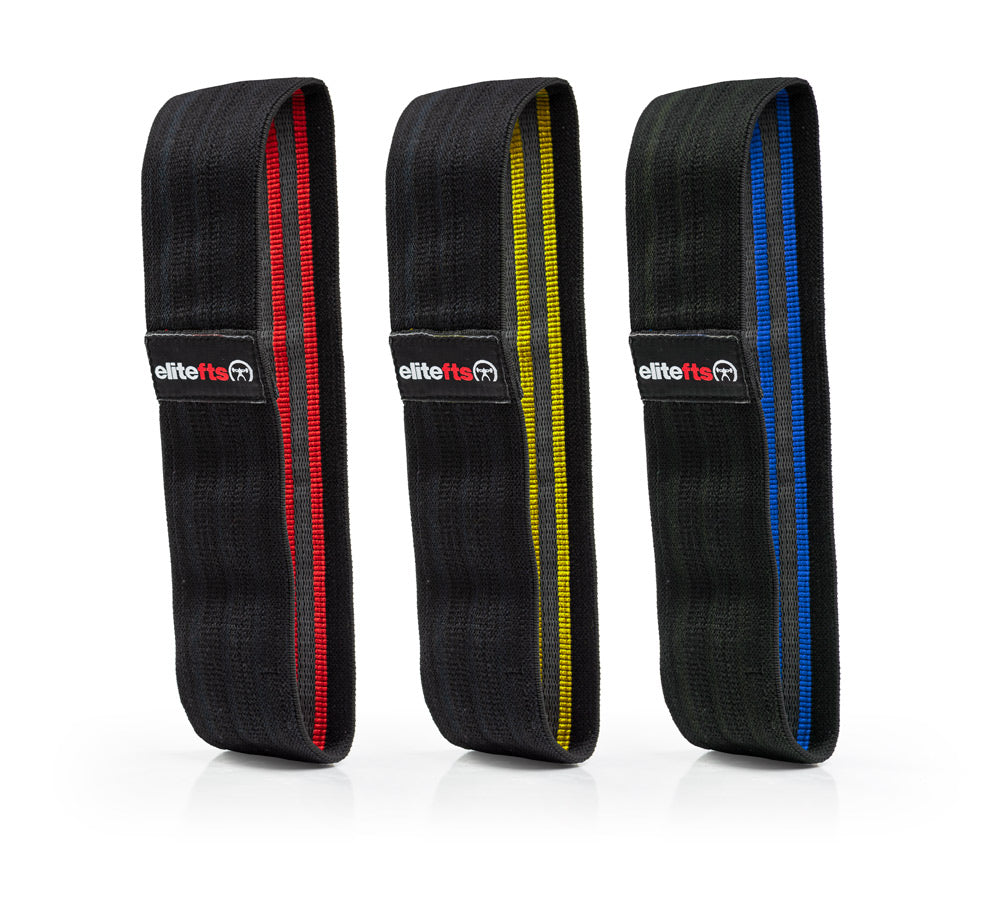
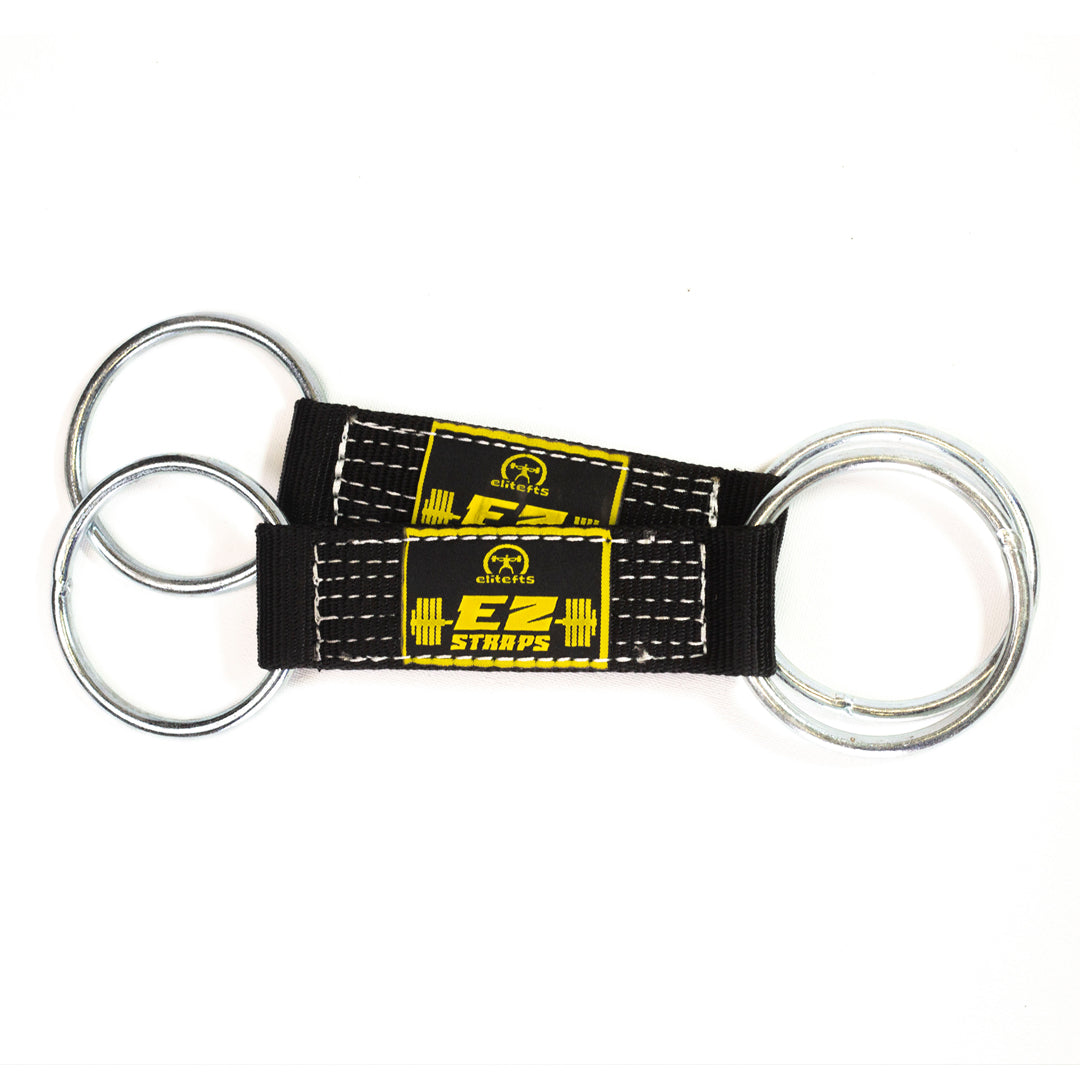
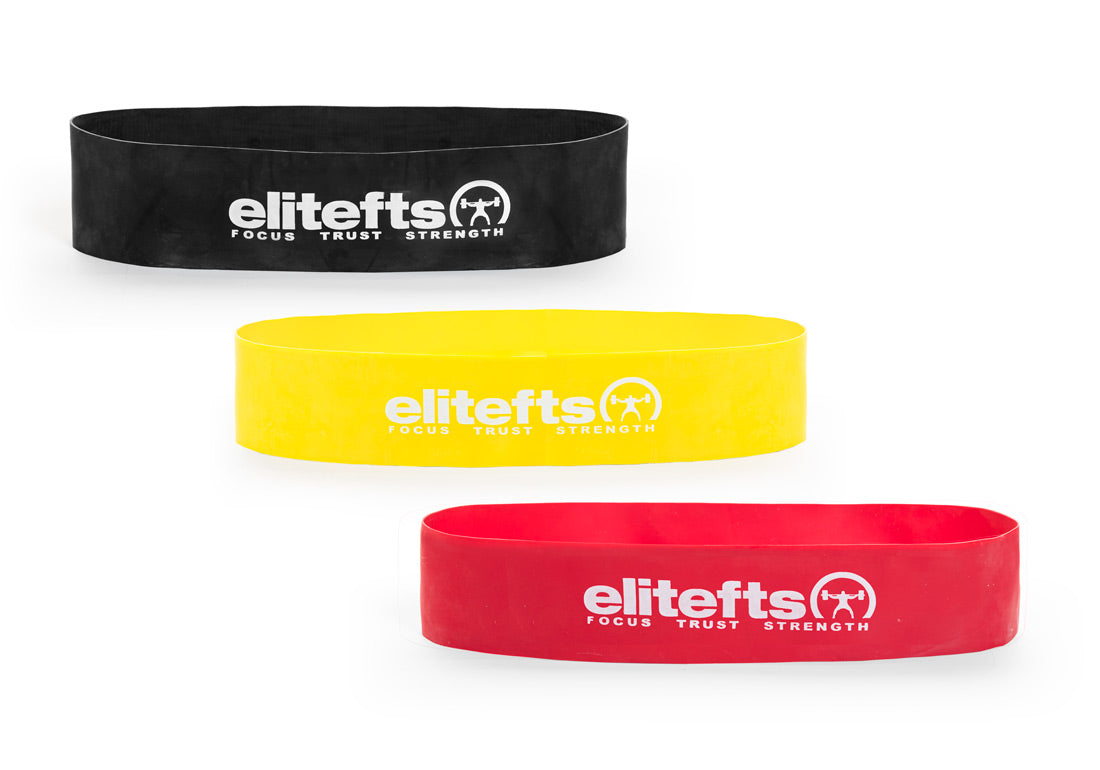
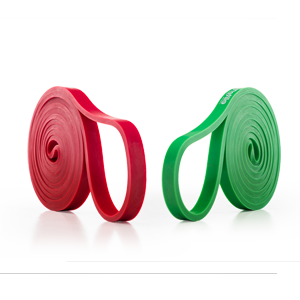
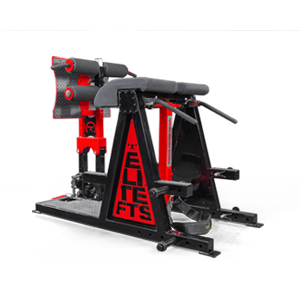
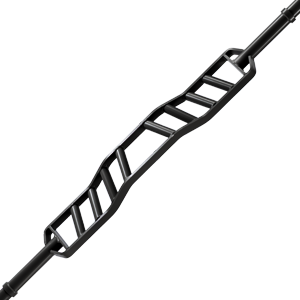
This approach belongs in training too. Build sessions with the right equipment, reliable spotters, and support gear that fits the job. elitefts carries verified options for bands, specialty bars, and power gear when the plan calls for them. The tool does not make the decision, but the wrong tool can make a good decision harder to execute.
Strength That Still Knows What It Is Doing
Anybody can look committed when the number is climbing and the room is loud. Composure shows up when the plan changes, the body sends a warning, and the outcome depends on a decision nobody will celebrate in the highlight reel.
Martin's thousand-pound double proves the horsepower. His 385-kilo pull proves the judgment. The second quality is what allowed the first one to matter.
Transcript support: Table Talk #452 with Jared Martin. Watch the full episode at YouTube.
Live, Learn, Pass On.